
Annual FeesUSD 22,000 - USD 60,000
Wright State University
LocationUS
Entry RequirementIELTS 6.5 overall
Visa Success Rate75%
Campus Photos
Wright State University

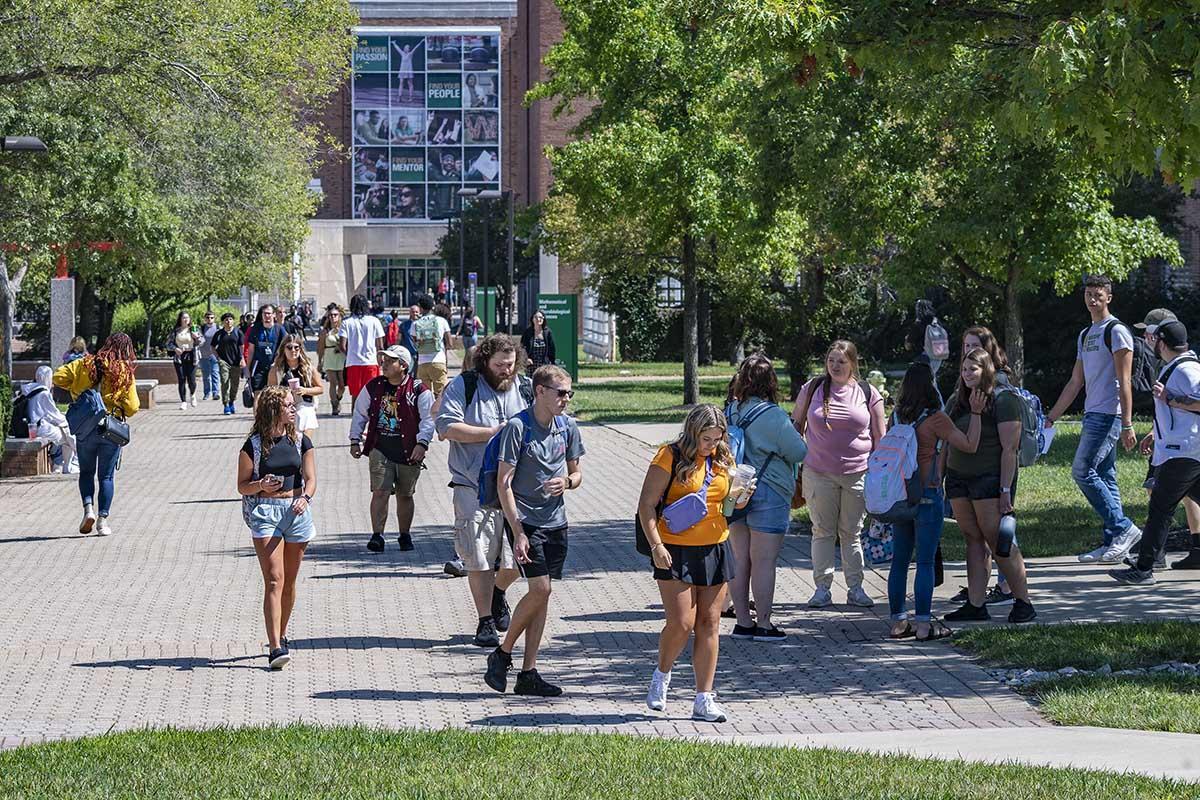
About Wright State University
Wright State University: Courses, Admissions, Tuition Fees, Scholarships and Student Life
Introduction
Wright State University is a public research university located in Dayton, Ohio, United States. Named after aviation pioneers Orville and Wilbur Wright, the university has developed a strong academic identity built around education, research, innovation and practical learning. It welcomes students from different backgrounds and offers a wide selection of undergraduate, graduate and professional programmes.
For international students considering higher education in the United States, Wright State provides opportunities across fields such as engineering, computer science, business, health sciences, education, psychology, natural sciences and the liberal arts. Its academic environment combines classroom instruction with research, projects and opportunities to gain experience beyond traditional lectures.
The university's main campus is in the Dayton area, a region with a history of aviation and engineering and a range of educational, cultural and professional opportunities. Students can explore academic interests while becoming part of a university community that includes domestic and international learners.
This guide explains Wright State University's academic offerings, admission process, tuition considerations, scholarships, accommodation, student support and life in Dayton. Prospective applicants should always confirm programme-specific requirements and current costs with the university before submitting an application.
About the University
Wright State University is a public institution serving students through a broad range of academic and professional disciplines. Its main campus is situated at 3640 Colonel Glenn Highway in Dayton, Ohio. The university is organised into several academic colleges and schools, including areas covering engineering and computer science, business, science and mathematics, liberal arts, health and education.
The institution also operates the Lake Campus in Celina, Ohio, which serves students in the west-central part of the state. The Dayton campus is the principal location for many of the university's academic, research and student activities.
Wright State's academic approach emphasises the connection between knowledge and practical application. Students may have opportunities to participate in laboratory work, faculty-guided research, internships, collaborative projects and other forms of experiential learning, depending on their programme.
The university's academic community includes undergraduate students, graduate learners, researchers and professional students. Its international education services help students from outside the United States navigate admission, arrival and the transition to university life.
Why Choose Wright State University?
Students considering Wright State University can evaluate several aspects of the institution when deciding whether it matches their academic and career goals.
A broad range of academic choices: The university offers programmes in areas such as computer science, engineering, business, nursing, psychology, education, public health, biological sciences and the arts. This variety allows students to explore different academic and professional directions.
Practical and experiential learning: Depending on the subject, students can develop their knowledge through laboratory activities, projects, research, internships and other applied learning experiences. These opportunities can help students understand how academic concepts are used in professional settings.
Engineering and technology education: Wright State has established academic offerings in engineering, computer science and related technical disciplines. Students interested in areas such as computing, cybersecurity, electrical engineering and mechanical engineering can explore relevant degree pathways.
Research opportunities: Undergraduate and graduate students may be able to work with faculty members on research projects. Opportunities differ by department, academic level and available supervision.
International student support: The University Center for International Education provides assistance to international students with matters related to admission, immigration information, orientation and adjustment to life at the university.
Location in the Dayton region: Dayton offers access to an established community with connections to aviation, manufacturing, healthcare, education and technology. Students can explore the region for cultural activities, professional networking and potential work experience.
Choosing a university requires more than comparing programme names. Applicants should also consider total expenses, course structure, available support, career interests and the specific requirements of their intended degree.
Academic Programmes and Courses
Wright State University offers academic programmes at undergraduate and graduate levels, along with certificates, minors and selected combined degree pathways. Programme availability and delivery formats vary across departments.
Engineering and Computer Science
The College of Engineering and Computer Science offers programmes in areas such as computer science, computer engineering, electrical engineering, mechanical engineering, biomedical engineering and industrial and systems engineering. Students may study topics related to software development, computing systems, electronics, design, manufacturing and technological innovation.
Some programmes also offer combined bachelor's and master's pathways. These options can provide a structured route for students who want to continue into advanced study, subject to the programme's academic conditions.
Business and Management
Business-related programmes cover areas such as accountancy, finance, marketing, management, business analytics, supply chain management and management information systems. Students can develop an understanding of organisational operations, financial decision-making, business technology and market analysis.
Graduate options include programmes such as the Master of Business Administration and specialised master's degrees. Applicants should review the curriculum and any work experience or academic prerequisites associated with their chosen course.
Science and Mathematics
The College of Science and Mathematics provides opportunities to study biological sciences, chemistry, physics, mathematics, psychology and related disciplines. Depending on the programme, learning may involve laboratory sessions, data analysis, scientific investigation and faculty-guided research.
Students interested in further study in medicine, healthcare or other professional fields can also explore relevant pre-professional academic preparation.
Health and Human Services
Wright State offers programmes in nursing, health sciences, public health, social work, counselling and related areas. These disciplines focus on health, wellbeing, community services and professional practice. Some programmes may include clinical, field-based or supervised practical components.
Education
Education-related programmes prepare students for different roles in teaching, educational leadership and specialist learning support. Requirements can vary depending on the intended qualification and whether a programme leads to professional licensure.
Liberal Arts and Social Sciences
Students can explore subjects such as communication, English, history, political science, sociology, anthropology, geography, languages, theatre, music and visual arts. These programmes develop skills in communication, critical thinking, research, analysis and creative expression.
Graduate and Professional Study
Graduate students can choose from master's, doctoral and professional programmes across selected academic fields. The university also offers certificates and specialised study options. Admission requirements, research expectations and course availability differ by department.
Applicants should use the university's official degree directory to check the current programme list, degree level, curriculum and campus or delivery format before applying.
Admission Requirements
Wright State University's admission requirements depend on the applicant's educational background, intended degree and programme. International applicants should check the relevant undergraduate or graduate admission instructions before preparing their documents.
Undergraduate Admission
Students applying for a bachelor's degree generally need to provide:
- Completed secondary-school education or an equivalent qualification recognised for university entry.
- Academic transcripts and certificates from previous educational institutions.
- English-language proficiency evidence, where required.
- A valid passport and other documents requested during the international application process.
- Additional programme-specific materials, if applicable.
Applicants educated outside the United States may need to submit academic records for review according to the university's international transcript instructions. Documents that are not in English may require an approved English translation.
The university publishes academic and English-language expectations for international applicants. These should be checked directly before applying because accepted tests, minimum scores and exemption conditions may change.
Graduate Admission
Graduate applicants generally need a recognised bachelor's degree or equivalent qualification. Depending on the programme, the department may also request:
- Official undergraduate transcripts.
- A statement of purpose or personal statement.
- Letters of recommendation.
- A résumé or curriculum vitae.
- English-language proficiency evidence.
- Standardised test results, where required by the specific programme.
- A portfolio, writing sample or other subject-related material, where applicable.
Some graduate programmes have additional academic prerequisites or require relevant professional experience. Meeting the university's general admission conditions does not automatically guarantee admission to a competitive or specialised programme.
English-Language Proficiency
International applicants whose previous education does not qualify them for an exemption may need to demonstrate English proficiency through an accepted examination. Wright State publishes accepted tests and minimum requirements through its international admissions information. Applicants should confirm the current score requirements and any programme-specific conditions rather than relying on older score information.
Tuition Fees and Cost of Studying
The total cost of studying at Wright State University depends on the degree level, programme, number of enrolled credit hours, student classification and personal living arrangements.
For international undergraduate students, tuition is generally calculated according to enrolled credit hours and the applicable international student rate. The university's published 2026–27 tuition information should be used when preparing a budget. A tuition estimate based on a standard full-time course load is not necessarily the amount every student will pay.
Students should distinguish between tuition and the full cost of attendance. Tuition covers academic instruction, while the overall study budget may also include:
- Mandatory university fees.
- Accommodation and housing expenses.
- Food and meal costs.
- Books, course materials and supplies.
- Health insurance.
- Local transportation.
- Personal expenses.
- Immigration-related and travel costs.
Programme-specific charges may apply to certain courses, laboratories or professional activities. Graduate tuition may also differ from undergraduate tuition, and some programmes have additional expenses.
International students should prepare a realistic annual budget using the latest university cost estimates. They should also account for changes in housing arrangements, meal plans, insurance requirements and the number of credit hours they intend to take.
Before accepting an offer, applicants should request or review the cost estimate relevant to their degree and entry term. This helps prevent confusion between tuition-only figures and the total amount required to study and live in the United States.
Scholarships and Financial Aid
Wright State University provides scholarship and financial support opportunities, but eligibility depends on the applicant's academic record, programme, enrolment status and the conditions attached to each award.
International applicants should explore university scholarships and any awards specifically open to students from outside the United States. Some scholarships may be considered during the admission process, while others may require a separate application or additional documents.
Potential funding sources can include:
- Merit-based scholarships for students who meet academic criteria.
- Departmental awards associated with particular programmes.
- Graduate assistantships, where available.
- Research or teaching opportunities for eligible graduate students.
- External scholarships offered by organisations in the student's home country or other funding bodies.
Graduate assistantships may provide financial support in exchange for approved academic or research responsibilities. Availability is limited and depends on the department, funding and the student's qualifications.
Students should carefully review each award's eligibility rules, application deadlines, renewal conditions and coverage. A scholarship may cover only part of tuition and may not pay for housing, meals, insurance or other living expenses.
International applicants should not assume that every form of federal or domestic financial aid is available to them. They should confirm eligibility directly with the university's financial aid or international education office and prepare a funding plan before travelling.
Campus Facilities and Accommodation
Wright State University's Dayton campus provides facilities intended to support academic study, research, recreation and student activities. Students can access learning spaces, classrooms, laboratories, libraries, computer facilities and areas for group collaboration. The facilities available to an individual student depend on their programme and campus.
The university's academic buildings support different disciplines. Engineering and science students may use specialist laboratories and technical learning spaces, while students in arts and humanities programmes can access facilities relevant to creative work, performance and research.
Libraries and study areas provide resources for coursework, independent learning and academic research. Students can use university learning resources to locate books, academic publications and other materials. Access to specific databases and specialist facilities may depend on enrolment and institutional arrangements.
On-Campus Accommodation
Students who prefer to live close to classes can explore university-managed housing options. Residence arrangements may offer furnished rooms, shared facilities and access to common spaces. Room types, availability, contract periods and prices can vary by residence and academic year.
Living on campus can make it easier for new international students to meet classmates, participate in university activities and become familiar with the campus environment. However, students should compare residence costs and facilities before selecting an option.
Off-Campus Accommodation
Students may also consider private apartments or shared housing in the Dayton area. Off-campus living can provide greater flexibility, but students should carefully evaluate rent, utilities, transport, distance from campus, lease conditions and personal safety.
International students arriving for the first time should arrange suitable accommodation before travelling. They should review the university's housing guidance and contact the relevant office if they need help understanding available options.
Student Life
Student life at Wright State University extends beyond classroom learning. Students can take part in campus activities, student organisations, recreational programmes, events and opportunities to connect with peers from different backgrounds.
Student organisations allow learners to explore interests, develop leadership skills and build friendships. Depending on current availability, activities may cover academic subjects, cultural interests, professional development, volunteering, recreation and community engagement.
Sports and recreation can also form part of the university experience. Students can explore fitness facilities, intramural activities and other recreational opportunities offered through campus services. Participation and access may depend on membership rules, schedules and facility policies.
Campus events provide opportunities to meet other students and learn about different cultures and interests. International students may find cultural programmes and student-led activities especially useful when adjusting to a new country.
A successful university experience also involves developing independence and time-management skills. Students need to balance lectures, assignments, personal responsibilities and social activities. Taking part in campus life can help them build communication, teamwork and organisational skills alongside their academic knowledge.
International Student Support Services
Wright State University's University Center for International Education (UCIE) supports international students during different stages of their university journey. Its services are intended to help students understand university procedures and adjust to studying in the United States.
Admission and Pre-Arrival Guidance
International applicants can access information about application procedures, required documents and next steps after receiving an admission decision. Before travelling, students should review instructions related to immigration documents, arrival arrangements, orientation and housing.
Immigration and Visa Information
International students studying in the United States must follow the immigration requirements applicable to their visa category. The university provides information and guidance related to student immigration matters. Students should communicate with the appropriate university advisers before making changes that could affect their immigration status, such as changing their course load, programme or employment arrangements.
Orientation and Transition Support
New international students can use university orientation resources to become familiar with campus services, academic expectations and important procedures. Orientation can also help students understand where to seek assistance during their studies.
Academic and Personal Support
Students can explore academic advising, tutoring, library resources and other university services. Support availability and eligibility may differ depending on the student's programme and circumstances.
International students should contact UCIE whenever they are uncertain about university procedures or immigration-related responsibilities. Official guidance is particularly important because individual circumstances can affect the documents and steps required.
Research Opportunities and Experiential Learning
Research and experiential learning are important parts of the academic environment at Wright State University. Students may have opportunities to apply classroom knowledge through faculty-guided research, laboratory work, practical projects and other forms of academic engagement.
Undergraduate students interested in research can explore opportunities within their departments. Working with faculty members may help students develop skills in collecting information, analysing results, using specialist equipment and communicating findings. Access to a research position is not guaranteed and may depend on academic preparation, project availability and faculty supervision.
Graduate students may undertake more advanced research as part of a master's or doctoral programme. Depending on the degree, this can involve a research project, thesis, dissertation, laboratory investigation or applied study.
Experiential learning can also include internships, cooperative education, field-based activities and professional projects. These experiences help students understand how their subject knowledge relates to real working environments. Availability varies by department, employer and programme requirements.
Students should speak with academic advisers and faculty members early in their studies if they want to pursue research or practical experience. Planning ahead can help them identify suitable opportunities and understand any prerequisites.
Career Opportunities and Employment Prospects
Wright State University offers academic and career-related resources intended to help students prepare for professional life. Career preparation may involve résumé development, interview guidance, career exploration, networking activities and information about employment opportunities.
Students can use career services and department-based resources to understand the expectations of employers in their chosen fields. Some academic programmes also connect students with internship, project or experiential learning opportunities.
The university's location in the Dayton region gives students access to a local economy that includes healthcare, manufacturing, aviation-related activity, education, business and technology. These industries may offer opportunities for professional networking and practical experience, depending on the student's qualifications and the availability of suitable positions.
Engineering and computer science students may explore pathways in software, systems, engineering design, cybersecurity and technical operations. Business students can consider areas such as accounting, finance, management, marketing and supply chain operations. Students in health, education and social science disciplines may pursue relevant professional pathways according to their qualifications and any licensing requirements.
International students must understand the employment rules connected to their immigration status. Work authorisation is not automatic, and off-campus employment or practical training may require specific eligibility and approval. Students should consult the university's international student advisers before accepting employment or beginning an internship that may involve immigration restrictions.
A degree does not guarantee a particular job, salary or employment outcome. Students can strengthen their prospects by developing relevant skills, gaining appropriate experience, building professional connections and researching the requirements of their intended occupation.
Studying in Dayton, Ohio
Dayton is a city in southwestern Ohio with a strong connection to aviation history, engineering and innovation. The region is associated with the Wright brothers, whose pioneering work in flight inspired the university's name.
For international students, Dayton offers a different experience from studying in larger American metropolitan areas. Students can explore local restaurants, parks, cultural attractions, shopping areas and community events while becoming familiar with life in the United States.
The region has connections to several industries, including healthcare, manufacturing, education, aerospace and technology. These sectors contribute to the area's professional environment and may provide opportunities for networking, internships and career exploration.
Students should consider transportation when choosing accommodation. They should compare their housing location with the campus, public transportation options and the places they expect to visit regularly. Seasonal weather is another consideration, as Ohio experiences warm summers and cold winters.
Living in Dayton can help students experience an American city while remaining connected to a university community. As with any study destination, budgeting for rent, food, transport, insurance and personal expenses is important.
Application Deadlines and Important Considerations
Application deadlines at Wright State University can vary according to the academic term, degree level, programme and applicant category. International students should check the current admission calendar rather than relying on general dates published for previous intakes.
Applicants should keep the following considerations in mind:
- Apply early: Allow enough time for transcript review, admission decisions, financial planning and immigration documentation.
- Check programme availability: Not every programme necessarily accepts students for every academic term.
- Prepare academic records: Arrange transcripts, certificates and translations according to the university's instructions.
- Confirm English requirements: Check accepted tests, minimum scores and any exemptions.
- Review finances: Calculate tuition, mandatory fees, accommodation, insurance and living expenses.
- Understand immigration procedures: Follow the university's instructions for the required student immigration documents and visa process.
- Arrange accommodation: Review housing options and availability before travelling.
- Check scholarship deadlines: Some funding opportunities may have separate application dates or early consideration requirements.
International applicants should also allow time for visa appointments and travel arrangements. Admission to a university does not itself guarantee visa approval. Students should follow the official instructions provided by the university and relevant United States authorities.
How to Apply as an International Student
International students can follow a structured application process when applying to Wright State University.
Step 1: Choose a Programme
Explore the university's degree directory and identify a programme that matches your academic background and future plans. Check the degree level, curriculum, entry requirements and availability for your intended intake.
Step 2: Review Admission Requirements
Read the international admission instructions for your selected programme. Undergraduate and graduate applicants may have different academic, English-language and document requirements.
Step 3: Prepare Your Documents
Collect the required academic transcripts, certificates, passport information and English-language test results, if applicable. Graduate applicants should also prepare any additional documents requested by their department, such as a statement of purpose, résumé or recommendation letters.
Step 4: Submit the Online Application
Complete the university's international application process and provide accurate personal and academic information. Wright State's international admissions information currently states that international applicants can apply without an application fee for each degree or licensure application. Applicants should confirm that this policy applies to their intended application.
Step 5: Monitor Your Application
Check your application status and respond promptly if the university requests additional documents or clarification. Keep copies of submitted records and important university communications.
Step 6: Receive and Review Your Admission Decision
If admitted, read the offer carefully. Confirm the programme, entry term, conditions and any instructions that must be completed before enrolment.
Step 7: Complete Immigration and Financial Preparations
Follow the university's instructions for the relevant immigration documentation. Prepare evidence of funding where required, review the visa application process and arrange suitable accommodation.
Step 8: Prepare for Arrival and Orientation
Complete pre-arrival requirements, arrange travel and attend the university's international student orientation. Familiarise yourself with campus services and the academic calendar before classes begin.
Applicants should contact the international admissions office if they need clarification about their application or document requirements.
Conclusion
Wright State University offers international students a range of academic pathways in engineering, computer science, business, health sciences, education, science, liberal arts and other disciplines. Its emphasis on research, applied learning and student development provides opportunities to build academic knowledge and prepare for future professional goals.
The university's international education services can help students navigate admission and the transition to studying in the United States. Its Dayton location also provides access to a community with connections to aviation, healthcare, manufacturing, education and technology.
Before applying, prospective students should compare programmes, confirm current admission requirements, review tuition and living expenses, and investigate available scholarships. They should also check the latest deadlines and immigration guidance directly with the university.
For students seeking a public university with a broad selection of academic programmes and opportunities to combine classroom learning with practical experience, Wright State University may be worth considering as part of their United States study options.
Entry Requirements
General Entry Requirement
IELTS 6.5 overall
Fees & Scholarships
Annual Tuition Fees
USD 22,000 - USD 60,000
Ready to Apply to Wright State University?
Our advisors guide you from eligibility check to offer letter — at no cost to you.
Join our WhatsApp Community

Scan to join our student community for admission updates & guidance