
Annual FeesUSD 60,000 - USD 80,000
Widener University
LocationUS
Entry RequirementIELTS 6.5 overall
Visa Success Rate75%
Campus Photos
Widener University
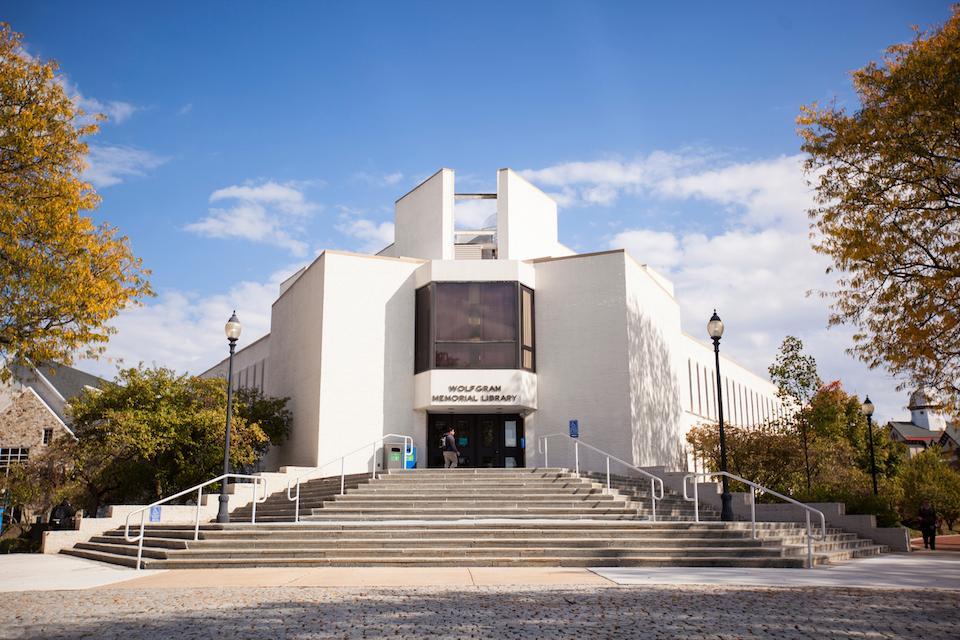
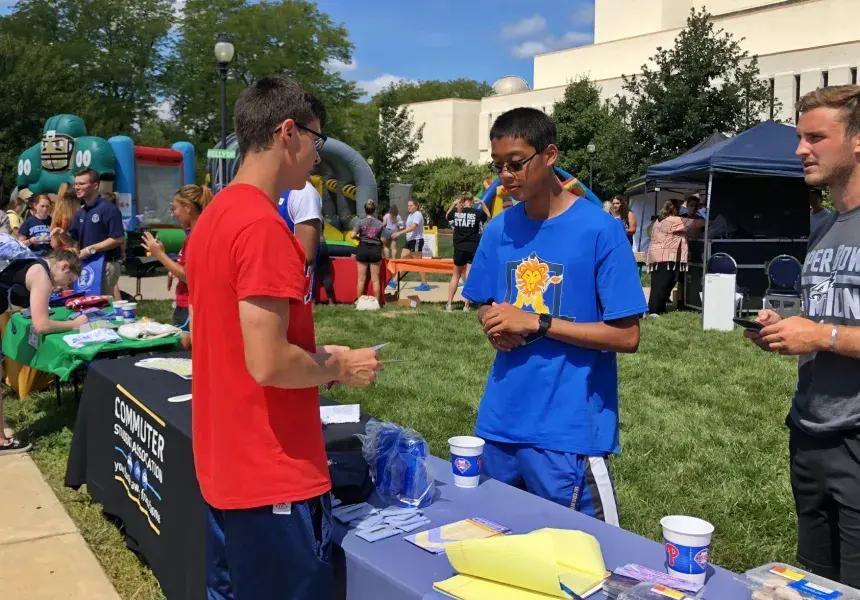
About Widener University
Widener University: Courses, Admissions, Tuition Fees, Scholarships and Student Life
Introduction
Widener University is a private metropolitan university located in Chester, Pennsylvania, United States. The institution offers undergraduate, graduate, and professional programmes across disciplines such as business, engineering, nursing, health sciences, education, law, social sciences, and technology.
Widener University focuses on combining academic education with practical experience, professional development, research, and community engagement. Students can benefit from faculty mentorship, internships, cooperative education opportunities, and connections with organisations in the Philadelphia metropolitan region.
The university provides an environment for students who want to develop both academic knowledge and professional skills. Its programmes include traditional classroom learning alongside opportunities to participate in research, clinical experiences, leadership activities, and industry-related projects.
For international students considering higher education in the United States, Widener University offers a range of academic pathways, international admissions assistance, scholarship opportunities, and campus support services.
About the University
Widener University's history dates back to 1821. Over time, the institution developed through several educational stages and became known as Widener University in 1972.
Its main campus is located in Chester, Pennsylvania, approximately 20 minutes from downtown Philadelphia. The university also has law school campuses in Wilmington, Delaware, and Harrisburg, Pennsylvania.
Widener's academic structure includes several colleges and schools, covering undergraduate, graduate, professional, and continuing education.
The university promotes a personalised learning environment, supported by faculty mentorship and relatively small classes. Its educational approach encourages students to connect theoretical knowledge with professional experience.
The institution also emphasises civic engagement and community involvement. Students can participate in internships, co-op programmes, research projects, service learning, and other activities that help them understand the practical applications of their education.
Why Choose Widener University?
Students may consider Widener University for several academic and professional reasons.
Broad academic choices: The university offers more than 40 undergraduate majors and more than 50 graduate and professional programmes across different academic fields.
Faculty mentorship: Its relatively small student-to-faculty ratio supports interaction between students and academic staff.
Professional experience: Students can explore internships, cooperative education, research, and other practical learning opportunities.
Scholarship opportunities: Widener provides undergraduate merit-based scholarships and other financial support opportunities for eligible students.
Location near Philadelphia: Its Chester campus offers access to the wider Philadelphia metropolitan region, including cultural institutions, businesses, and professional organisations.
Specialised facilities: Students can use facilities such as nursing simulation laboratories, robotics engineering laboratories, finance laboratories, and media production spaces.
Career preparation: The university encourages students to develop professional skills through academic projects, faculty guidance, and industry engagement.
These features make Widener an option for students seeking a university education that connects academic learning with career preparation.
Academic Programmes and Courses
Widener University offers undergraduate, graduate, and professional programmes through its colleges and schools. Students can explore academic disciplines according to their interests, previous education, and career objectives.
The university provides programmes in business, engineering, computer science, nursing, health and human services, liberal arts, education, and law.
|
Academic Area |
Example Programmes |
|
Business |
Accounting, Finance, Marketing, Management, Economics, International Business |
|
Engineering |
Biomedical Engineering, Chemical Engineering, Civil Engineering, Electrical Engineering, Mechanical Engineering, Robotics Engineering |
|
Computer Science and Technology |
Computer Science/Information Systems, Artificial Intelligence, Digital Media Informatics |
|
Health Sciences |
Nursing, Biology, Biochemistry, Clinical Psychology-related pathways |
|
Social Sciences |
Psychology, Sociology, Political Science, Criminal Justice, International Relations |
|
Humanities |
English, History, Creative Writing, Anthropology, Spanish |
|
Environmental Studies |
Environmental Science and Sustainability, Environmental Health and Sustainability Management |
|
Education |
Elementary Education and Special Education, Educational Leadership |
|
Arts and Communication |
Art and Music, Communication Studies, Media-related programmes |
|
Social Work |
Bachelor of Social Work and related graduate study options |
Business and Management
Widener's School of Business Administration offers programmes in areas such as accounting, finance, marketing, management, economics, and international business.
Students can develop knowledge of financial systems, organisational operations, business strategy, market behaviour, and management practices.
The school also provides opportunities to connect academic learning with professional experience through projects and industry-related activities.
Engineering and Technology
The School of Engineering provides programmes in biomedical, chemical, civil, electrical, mechanical, and robotics engineering.
These programmes combine scientific foundations with engineering principles, technical coursework, laboratory activities, and project-based learning.
Students interested in emerging technologies can also explore robotics engineering and related areas of study.
Computer Science and Artificial Intelligence
Students interested in computing can explore Computer Science/Information Systems, Artificial Intelligence, and Digital Media Informatics.
These subjects provide pathways to develop technical, analytical, and problem-solving abilities. Programme content and technical specialisations vary according to the selected degree.
Nursing and Health Sciences
The Dwyer School of Nursing offers nursing education through undergraduate and graduate pathways.
Students can develop clinical knowledge and practical healthcare skills through academic coursework, simulation activities, and clinical experiences.
Other health-related academic opportunities are available through the College of Health and Human Services and the College of Arts and Sciences.
Arts, Humanities and Social Sciences
Students can explore disciplines such as English, history, psychology, sociology, political science, anthropology, communication studies, and creative writing.
These programmes encourage research, critical thinking, communication, cultural awareness, and an understanding of human behaviour and society.
Graduate and Professional Education
Widener also provides master's, doctoral, and professional programmes across several academic areas.
Graduate students can explore advanced study in business, education, engineering, nursing, psychology, social sciences, and other disciplines.
Applicants should review individual department requirements because admission criteria and programme structures differ by degree.
Admission Requirements
Widener University has different admission pathways for international first-year students, transfer applicants, and graduate students. Requirements depend on the selected programme and level of study.
Undergraduate Admission Requirements
International first-year applicants generally need to provide:
- A completed undergraduate application.
- Official secondary school transcripts.
- Academic records showing successful completion of secondary education.
- English-language proficiency results, where required.
- SAT or ACT results if applicable under the university's test-flexible admission policy.
- Any additional documents requested by the admissions office.
Applicants should submit academic records in the format required by the university. Documents that are not in English may need certified translations.
English Language Requirements
International applicants whose previous education does not meet the university's English-language exemption conditions may need to submit an approved English proficiency test.
Widener accepts recognised English-language examinations, including TOEFL, IELTS, and Duolingo English Test, subject to its current admission policies.
Minimum scores and exemption rules can vary by programme and applicant category. Students should confirm the latest accepted tests and score requirements with International Admissions before applying.
Transfer Admission Requirements
Students who have previously completed college-level education can apply through the transfer admission pathway.
Transfer applicants generally need to submit:
- A completed transfer application.
- Official transcripts from every college or university attended.
- High school transcripts where required.
- English-language proficiency documentation, if applicable.
- Additional programme-specific materials.
The university evaluates previous coursework to determine admission eligibility and possible transfer credit.
Graduate Admission Requirements
Graduate applicants generally need a recognised bachelor's degree or an equivalent qualification from an appropriately accredited institution.
Depending on the programme, applicants may need to submit:
- Official university transcripts.
- A statement of purpose or personal statement.
- Letters of recommendation.
- A résumé or curriculum vitae.
- English-language proficiency results.
- Standardised test scores, where required.
- Additional programme-specific documents.
Certain professional programmes, including nursing and engineering-related degrees, may have additional prerequisites or application requirements.
Tuition Fees and Cost of Studying
Widener University is a private institution, and international students should prepare for tuition, accommodation, meals, insurance, books, and personal expenses.
For the 2026–2027 academic year, the undergraduate tuition and fees estimate is approximately USD 60,038 per academic year for the standard undergraduate cost category.
Estimated Undergraduate Expenses
|
Expense |
Estimated Annual Cost |
|
Tuition and Fees |
USD 60,038 |
|
First-Year Housing |
USD 9,500 |
|
First-Year Meal Plan |
USD 8,000 |
|
Estimated On-Campus Total |
USD 77,538 |
These figures are estimates and may change according to programme, academic load, housing selection, meal arrangements, and additional charges.
Additional Expenses
Students should also budget for:
- Books and course materials.
- Health insurance.
- Personal expenses.
- Transportation.
- Clothing and communication services.
- Travel between their home country and the United States.
Some academic programmes may carry additional charges. Students should review their individual financial documents to understand the complete amount payable.
International applicants should not assume that the tuition and fees figure represents the entire cost of attendance. A personalised financial plan is important before accepting an offer of admission.
Scholarships and Financial Aid
Widener University offers scholarships and financial support opportunities to eligible undergraduate and graduate students.
International applicants should review the available awards and confirm whether their application automatically receives scholarship consideration or requires additional steps.
Undergraduate Merit Scholarships
Widener offers merit-based academic scholarships to eligible undergraduate students. The university advertises undergraduate academic scholarships starting at USD 100,000 over four years.
The actual award depends on the student's academic profile and the university's scholarship policies.
Applicants should review the scholarship amount, annual distribution, renewal requirements, and academic conditions included in their admission and financial aid offers.
Additional Scholarship Opportunities
Students may also explore scholarships offered through academic departments, colleges, and other university-supported programmes.
These awards may consider academic achievement, leadership, extracurricular involvement, professional interests, or other selection criteria.
Graduate Funding Opportunities
Graduate students should investigate funding options through their respective academic departments. Depending on the programme, opportunities may include scholarships, assistantships, research-related support, or other forms of financial assistance.
Availability is not guaranteed and differs by department and degree level.
Students should contact the financial aid office or relevant academic department to confirm their eligibility and current funding options.
Campus Facilities and Accommodation
Widener University provides an academic and residential environment with facilities designed to support teaching, research, student activities, and professional development.
Academic Facilities
The university offers classrooms, libraries, laboratories, and specialist learning environments across its academic colleges and schools.
Some notable facilities include:
- Robotics Engineering Laboratories: Students can explore robotics systems, automation, and technical projects.
- Nursing Simulation Laboratory: Nursing students can practise clinical skills in a supervised simulation environment.
- Finance Laboratory: Students can gain exposure to financial tools and professional business learning resources.
- Digital Television Studio: Students interested in media and communication can gain practical experience in production activities.
- Clinical Learning Facilities: Certain health-related programmes provide specialised spaces for practical and professional education.
Library and Learning Resources
Students can access library resources, academic materials, research assistance, and other learning support services.
These facilities help students with coursework, independent study, group assignments, and research activities.
Accommodation
Widener University provides residential accommodation for students who want to live on campus.
Residence options, room arrangements, and meal plans vary. Students should review the current housing information and associated costs before selecting their accommodation.
Living on campus can help students participate in university events, develop friendships, and remain connected with academic and student support services.
Dining and Recreation
Dining facilities and recreational spaces contribute to campus life. Students can explore meal plans, fitness opportunities, sports activities, and other recreational services.
International students should confirm the availability and cost of their preferred accommodation and meal arrangements before arrival.
Student Life
Student life at Widener University includes academic activities, student organisations, athletics, cultural programmes, community service, and leadership opportunities.
The university encourages students to participate in activities outside the classroom to develop social connections and practical skills.
Clubs and Student Organisations
Students can join organisations connected to academic interests, cultural backgrounds, professional development, volunteering, and recreation.
Widener offers more than 80 student clubs and organisations through which students can explore their interests, meet classmates, and develop leadership abilities.
Athletics and Recreation
Students can participate in recreational activities, fitness programmes, and university athletics.
The university's athletic teams are known as the Widener Pride. Students can explore available sports, attend competitions, and participate in recreational opportunities.
Cultural and Community Activities
Widener's international student community contributes to a diverse campus environment.
Cultural activities, student-led programmes, community events, and volunteer initiatives provide opportunities for students to interact with people from different backgrounds.
Leadership Development
Students can develop leadership and organisational skills by participating in student government, clubs, campus initiatives, and community service.
These experiences can complement academic learning and help students prepare for professional responsibilities.
International Student Support Services
Widener University provides support for international students through its International Admissions Office and other university departments.
International Admissions Assistance
The International Admissions team helps prospective students understand application procedures, academic documentation, English-language requirements, and financial arrangements.
Applicants can contact the office if they need clarification about application documents or admission decisions.
Immigration and Visa Guidance
International students who require an F-1 student visa must complete the applicable immigration procedures.
The university provides guidance regarding student immigration documentation, enrolment requirements, and maintaining appropriate visa status.
Students should follow official university instructions and consult designated international student advisers when they have questions about their immigration responsibilities.
Academic Support
Students can access academic resources and guidance through their departments, faculty mentors, and relevant student support offices.
Academic assistance can help students understand coursework expectations, plan their studies, and address academic challenges.
Health and Wellbeing Services
Widener provides student health and wellbeing resources, including access to relevant support services and personal counselling resources.
International students should familiarise themselves with available healthcare services and applicable insurance requirements before arriving in the United States.
Cultural Adjustment and Orientation
International students can use orientation and student engagement activities to become familiar with university policies, campus facilities, academic expectations, and American college life.
These programmes can help students adjust to their new environment and connect with other members of the university community.
Research Opportunities and Experiential Learning
Widener University places importance on practical learning, research, and professional experience. Students can explore opportunities to apply classroom knowledge through academic projects, faculty collaboration, internships, and community activities.
Undergraduate Research
Students may have opportunities to participate in research projects with faculty members across different academic departments.
Research activities can help students develop analytical thinking, technical knowledge, communication skills, and academic independence.
Some students may also have opportunities to present research findings or contribute to scholarly activities, depending on their programme and project.
Engineering and Technology Projects
Engineering students can explore practical activities through specialised laboratories and technical facilities.
Robotics, automation, engineering design, and other applied subjects provide opportunities to connect academic concepts with technical challenges.
Nursing and Clinical Experiences
Nursing students receive practical education through clinical experiences and simulation-based learning.
The Nursing Simulation Laboratory provides a setting in which students can practise clinical procedures and develop decision-making skills in a supervised environment.
Internships and Cooperative Education
Widener promotes internships, cooperative education, and professional experiences as part of its career preparation approach.
These opportunities can help students develop industry knowledge, build professional networks, and understand workplace expectations.
Availability depends on the academic programme, employer requirements, and individual eligibility.
Community Engagement
Service learning and civic engagement are also important aspects of the university's educational environment.
Students can participate in activities that connect academic subjects with community needs and social challenges.
Career Opportunities and Employment Prospects
Widener University encourages students to develop the academic knowledge, practical experience, and professional skills needed for their future careers.
The university's programmes cover several professional sectors, including business, engineering, healthcare, technology, education, law, and social services.
Potential career directions include:
|
Academic Background |
Potential Career Areas |
|
Accounting and Finance |
Financial analysis, accounting, auditing, banking |
|
Business Administration |
Business operations, management, marketing |
|
Computer Science |
Software development, information systems, technology |
|
Artificial Intelligence |
AI-related development, data analysis, technology research |
|
Mechanical Engineering |
Product design, manufacturing, engineering analysis |
|
Robotics Engineering |
Automation, robotics development, systems engineering |
|
Nursing |
Healthcare services, clinical nursing, patient care |
|
Biology and Biochemistry |
Laboratory work, scientific research, further professional study |
|
Psychology |
Human services, research support, graduate study |
|
Criminal Justice |
Public safety, criminal justice services, related professional study |
|
Social Work |
Community services, social support, case management |
|
Communication Studies |
Media, public relations, communication and content-related roles |
Career Development
Students can explore career advising, professional development, networking, and internship opportunities through university resources.
Faculty mentorship and employer connections can also help students understand industry expectations and prepare for employment.
The university reports that 93% of its Class of 2025 achieved their career goals through employment, graduate school, or military/service within six months of graduation. This is an institutional outcome measure and should not be interpreted as a guaranteed employment rate for every programme or international student.
International students interested in working in the United States after graduation must understand applicable immigration regulations, including eligibility for Optional Practical Training where appropriate.
Studying in Chester, Pennsylvania
Widener University's main campus is located in Chester, Pennsylvania, in the Philadelphia metropolitan region.
Chester provides students with access to local services while allowing them to explore the wider Philadelphia area for cultural, educational, and professional opportunities.
Location and Connectivity
The university's main campus is approximately 20 minutes from downtown Philadelphia, depending on transportation and traffic conditions.
Philadelphia is an important regional centre for healthcare, education, business, research, finance, and culture.
Students can explore museums, historical attractions, entertainment venues, and professional organisations in the surrounding region.
Living Environment
Students should consider accommodation, transportation, meals, health insurance, and personal expenses when planning their budgets.
The cost of living varies according to housing arrangements, lifestyle, and transportation needs.
Students choosing off-campus accommodation should research commuting arrangements and local services before making a decision.
Professional Environment
The Philadelphia metropolitan region offers exposure to industries such as healthcare, finance, technology, education, manufacturing, and professional services.
Students may explore internships, networking events, and professional opportunities connected to their academic interests.
However, employment opportunities are not guaranteed and international students must follow applicable immigration and work authorisation rules.
Application Deadlines and Important Considerations
Widener University offers admission opportunities for different academic terms. Application deadlines and document requirements can vary according to the applicant category and programme.
International students should review the current admissions calendar before selecting their intended intake.
Important considerations include:
- Programme selection: Confirm that the chosen degree is available for the intended admission term.
- Academic records: Prepare official secondary school or university transcripts.
- English proficiency: Check accepted examinations, minimum scores, and exemption conditions.
- Programme requirements: Review any additional requirements for nursing, engineering, and other specialised degrees.
- Scholarships: Understand award eligibility, amounts, and renewal conditions.
- Financial planning: Prepare for tuition, housing, meals, insurance, books, and personal expenses.
- Accommodation: Review residential options and arrange housing early.
- Visa preparation: Allow sufficient time for student immigration documentation and visa procedures.
Applicants should submit complete applications and monitor communications from the university. If additional documents are requested, they should be provided within the specified timeframe.
How to Apply as an International Student
International students can follow these general steps when applying to Widener University.
Step 1: Choose an academic programme
Explore the available undergraduate or graduate programmes and select a degree that matches your previous education and future goals.
Step 2: Review admission requirements
Check academic eligibility, English-language proficiency requirements, and programme-specific conditions.
Step 3: Prepare academic documents
Collect official school or university transcripts, graduation certificates, and other supporting academic records. Arrange certified translations where necessary.
Step 4: Complete the application
Submit the appropriate international undergraduate, transfer, or graduate application with accurate personal and academic information.
Step 5: Submit English-language documentation
Provide an accepted English-language test result if required. Applicants who qualify for an exemption should follow the university's instructions.
Step 6: Provide financial documentation
Prepare the financial information and supporting documents requested by the university to demonstrate the ability to meet educational and living expenses.
Step 7: Review the admission decision
Once an admission decision is received, carefully review the programme information, scholarship award, tuition arrangements, and enrolment instructions.
Step 8: Prepare for your student visa
Follow the university's guidance for obtaining the required immigration documentation and completing the F-1 visa application process where applicable.
Step 9: Arrange accommodation
Review campus housing options, meal plans, and arrival arrangements before travelling to Pennsylvania.
Step 10: Complete enrolment and orientation
Follow the university's instructions for registration, orientation, and any remaining academic or administrative requirements.
Conclusion
Widener University offers a range of undergraduate, graduate, and professional programmes across business, engineering, nursing, health sciences, computer science, education, humanities, and social sciences.
Its focus on faculty mentorship, practical learning, internships, research, and professional development provides students with opportunities to connect academic study with real-world experience.
For international applicants, important considerations include academic eligibility, English-language proficiency, tuition expenses, scholarships, accommodation, and student visa preparation.
Students should review the latest programme information and financial requirements before applying. With careful planning, Widener University can be considered by students seeking a career-focused education in the Philadelphia metropolitan region.
Entry Requirements
General Entry Requirement
IELTS 6.5 overall
Fees & Scholarships
Annual Tuition Fees
USD 60,000 - USD 80,000
Ready to Apply to Widener University?
Our advisors guide you from eligibility check to offer letter — at no cost to you.
Join our WhatsApp Community

Scan to join our student community for admission updates & guidance