
Annual FeesUSD 47,000 - USD 60,000
Western New England University
LocationUS
Entry RequirementIELTS 6.5 overall
Visa Success Rate72%
Campus Photos
Western New England University
About Western New England University
Western New England University: Courses, Admissions, Tuition Fees, Scholarships and Student Life
Introduction
Western New England University (WNE) is a private university located in Springfield, Massachusetts, United States. Established in 1919, the institution has developed into a comprehensive university offering undergraduate, graduate and professional programmes across business, engineering, arts and sciences, pharmacy, health sciences and law.
The university is known for its career-oriented education, relatively small classes and emphasis on practical learning. Students can explore academic programmes that combine classroom instruction with internships, research, professional projects and other experiential opportunities.
WNE's main campus covers approximately 215 acres in a residential area of Springfield. Its academic facilities, residence halls, library, recreation spaces and student services create a campus-centred learning environment.
For international students considering higher education in the United States, Western New England University offers a range of academic pathways and dedicated international admissions assistance. Prospective applicants should compare programme requirements, tuition, scholarships and living expenses before deciding whether the university fits their educational and career goals.
About Western New England University
Western New England University traces its history to 1919, when it began as the Springfield Division of Northeastern College. It later developed into an independent institution and expanded its academic programmes and professional education offerings.
Today, WNE serves undergraduate, graduate, law and professional students through several academic colleges and its School of Law. Its academic structure includes the College of Arts and Sciences, College of Business, College of Engineering, College of Pharmacy and Health Sciences, and School of Law.
The university's main campus is located at 1215 Wilbraham Road, Springfield, Massachusetts. Its 215-acre setting includes academic buildings, engineering and science laboratories, residence facilities, dining areas, athletic spaces and library resources.
WNE emphasizes individualized learning and faculty engagement. Its published university profile reports a 12:1 student-to-faculty ratio, while its international admissions information highlights small classes and opportunities for students to connect with instructors.
The university offers nearly 50 undergraduate majors and more than 20 graduate and professional programmes. Exact degree availability and admission conditions depend on the academic college and programme.
Why Choose Western New England University?
Western New England University offers several features that prospective students may wish to consider.
Broad academic choices: Students can explore programmes in business, engineering, computer science, pharmacy, health sciences, education-related fields, humanities and other disciplines.
Small-class learning environment: The university emphasizes individualized attention and interaction between students and faculty.
Experiential education: Internships, applied projects, research and professional learning opportunities can help students connect academic knowledge with workplace expectations.
Specialized facilities: WNE provides engineering laboratories, science and pharmacy facilities, business learning spaces, media resources and a law library.
International student assistance: Dedicated international admissions resources help applicants understand documentation, English-language requirements and visa procedures.
Campus accommodation: Students can choose from different residential arrangements, including traditional residence halls, suites, apartments and townhouses, subject to eligibility and availability.
Career preparation: Career services, internships and employer connections can support professional development.
Students should consider these features alongside the cost of attendance, the academic reputation of their chosen department and the professional requirements of their intended career.
Academic Programmes and Courses
Western New England University offers undergraduate, graduate and professional programmes through its academic colleges and School of Law.
College of Arts and Sciences
The College of Arts and Sciences provides academic opportunities across the humanities, social sciences, mathematics, natural sciences and related fields.
Students can explore subjects such as psychology, biology, chemistry, communication, English, mathematics and other liberal arts disciplines.
These programmes help develop research, analytical reasoning, communication and problem-solving skills. Some subjects may also provide opportunities for laboratory activities, independent research and interdisciplinary projects.
Students interested in science-related careers should examine the available laboratory facilities and programme-specific requirements.
College of Business
The College of Business offers programmes for students interested in management, accounting, finance, marketing and organizational leadership.
Undergraduate and graduate options allow students to explore different aspects of business operations and professional decision-making.
The curriculum may cover financial analysis, marketing strategy, management principles, business communication, organizational behaviour and entrepreneurship.
The college also provides business-related learning resources, including the Cohen Trading Room and Financial Center and Business Analytics Center.
Students interested in professional business careers should review the course structure and internship opportunities associated with their chosen degree.
College of Engineering
The College of Engineering provides academic pathways for students interested in engineering, technology and applied technical disciplines.
Its facilities include engineering laboratories in Sleith Hall, supporting areas such as biomedical, civil, electrical and mechanical engineering.
Students may explore engineering concepts through classroom instruction, laboratory work, technical assignments and applied projects.
The university also provides learning environments connected with robotics, mechatronics and other technical applications.
Prospective students should check the current programme catalogue to confirm available degree titles, laboratory requirements and any mathematics or science prerequisites.
College of Pharmacy and Health Sciences
The College of Pharmacy and Health Sciences offers programmes connected with pharmacy, occupational therapy and other healthcare-related disciplines.
Students can explore professional education that combines scientific knowledge, practical preparation and healthcare-related learning.
Facilities include the Center for the Sciences and Pharmacy, which houses laboratories, a model pharmacy and simulation-based learning spaces.
Students considering regulated healthcare careers should examine admission requirements, clinical or practical training conditions and professional licensing rules. Completing a university programme does not automatically guarantee eligibility for every professional licence.
School of Law
Western New England University also operates a School of Law offering legal education, including the Juris Doctor programme.
The School of Law provides academic resources such as a law library, multimedia courtroom facilities and opportunities for practical legal learning.
Students interested in legal careers should review the law school's separate admissions standards, professional requirements and eligibility rules.
Graduate and Professional Programmes
WNE offers master's, doctoral and professional programmes across several academic areas.
Graduate opportunities include areas such as business, engineering, computer science, applied behaviour analysis and other specialized fields. Professional programmes are available through the College of Pharmacy and Health Sciences and School of Law.
Programme availability, admission criteria and entry terms vary. Applicants should consult the relevant department before preparing an application.
Admissions Requirements for International Students
International applicants must satisfy the university's admission standards and submit the required academic and supporting documents.
Requirements differ according to the intended degree, academic college and previous educational qualifications.
Undergraduate Admissions
International students applying for bachelor's degrees generally need to provide:
- A completed online application or Common Application.
- High school transcripts in English.
- A copy of their passport.
- Proof of English-language proficiency, where required.
- A letter of recommendation.
- Any additional documents requested by the admissions office.
The university follows a rolling admission policy for international undergraduate applications. Admission decisions are typically issued within approximately three weeks after an application is complete, although processing times can vary.
Applicants should apply early enough to complete financial documentation and student visa arrangements.
Graduate Admissions
International graduate applicants generally need a recognized bachelor's degree or an equivalent qualification.
The university requires official academic transcripts in English and proof of English-language proficiency where applicable.
Additional application materials depend on the college and programme. These may include a résumé, statement of purpose, recommendations, professional documents or other supporting information.
WNE offers graduate programmes with different entry terms and application arrangements. Some programmes use rolling admissions, while others have specific review dates or application deadlines.
English-Language Requirements
International applicants who do not qualify for an English-language exemption may need to demonstrate proficiency through an accepted examination or another approved pathway.
WNE provides English proficiency requirements for international applicants and lists different ways to satisfy this condition.
Accepted examinations, minimum scores and exemptions can vary by academic level and programme. Applicants should check the university's latest English proficiency guidance before booking a test or submitting an application.
Application Process
International students can approach the application process through the following stages.
1. Select a programme: Explore the academic colleges and identify the degree that matches your interests and career plans.
2. Review admission criteria: Check the academic qualifications, English-language conditions and additional requirements for the selected programme.
3. Prepare documents: Gather official transcripts, certificates, passport information, recommendations and any other required materials.
4. Submit the application: Complete the appropriate online application or Common Application for undergraduate admission. Graduate applicants should follow their programme's application instructions.
5. Provide English proficiency evidence: Submit an accepted test result or evidence of an approved exemption, where required.
6. Complete financial documentation: International applicants must demonstrate that sufficient funds are available for tuition, accommodation, travel and personal expenses.
7. Receive the admission decision: The admissions office reviews the completed application and communicates its decision.
8. Obtain the I-20: After acceptance and satisfactory financial verification, eligible students can receive the Form I-20 required for the F-1 student visa process.
9. Prepare for arrival: Complete pre-arrival instructions, arrange accommodation and attend the university's orientation programme.
Applicants should not wait until the last moment to begin the process. Academic document verification, financial arrangements and visa procedures may require additional time.
Tuition Fees and Cost of Studying
Western New England University publishes annual tuition and cost-of-attendance estimates for different academic programmes.
For the 2026–2027 academic year, the published full-time undergraduate tuition is USD 47,900 per year for students taking 12–18 credits per semester.
The comprehensive services fee is an additional USD 3,500, bringing undergraduate tuition and this fee to USD 51,400 annually.
Graduate and Professional Tuition
Graduate tuition varies according to the academic programme, college and number of credits taken. Professional programmes, including law and occupational therapy, have separate tuition schedules.
Students should therefore avoid using the undergraduate tuition figure as an estimate for every graduate or professional degree.
Additional Living Expenses
Students should budget for expenses beyond tuition, including:
- Accommodation and meals.
- Books and academic supplies.
- Health insurance and healthcare expenses.
- Transportation.
- Personal expenses.
- Visa application and travel costs.
- Programme-specific fees.
For 2026–2027, WNE estimates undergraduate housing and food expenses at USD 16,620 for residential students. The university's published undergraduate resident cost of attendance is USD 71,181, including tuition, fees and estimated additional expenses.
These are financial planning estimates rather than a guarantee of an individual's actual spending. Students should obtain a programme-specific cost breakdown before accepting an offer.
Scholarships and Financial Assistance
Western New England University provides scholarship and financial assistance opportunities for eligible students.
International undergraduate applicants are eligible for the same merit scholarship opportunities as domestic undergraduate applicants, according to the university's international admissions information.
Published international undergraduate scholarships range from approximately USD 10,000 to USD 22,000 annually for selected students with strong academic records. These awards are partial scholarships and are available to a limited number of applicants.
The university also offers additional merit-based, need-based and departmental funding opportunities, subject to eligibility.
Graduate students can explore scholarships offered through the Colleges of Business, Engineering, and Arts and Sciences. Professional programmes may have separate financial assistance arrangements.
Students should review the following conditions before relying on a scholarship:
- Academic eligibility and minimum GPA requirements.
- Whether a separate application is required.
- Scholarship availability for international applicants.
- Renewal conditions and satisfactory academic progress.
- Whether the award covers tuition only or other expenses.
Scholarships may reduce the overall financial burden, but students should plan for the remaining tuition and living costs.
Campus Facilities and Accommodation
Western New England University's main campus covers approximately 215 acres in Springfield, Massachusetts. The campus includes academic buildings, residential facilities, libraries, laboratories, dining areas and recreational spaces.
Academic Facilities
WNE provides specialized facilities designed to support its different academic colleges.
Sleith Hall houses engineering laboratories, including facilities connected with biomedical engineering, civil engineering and mechatronics.
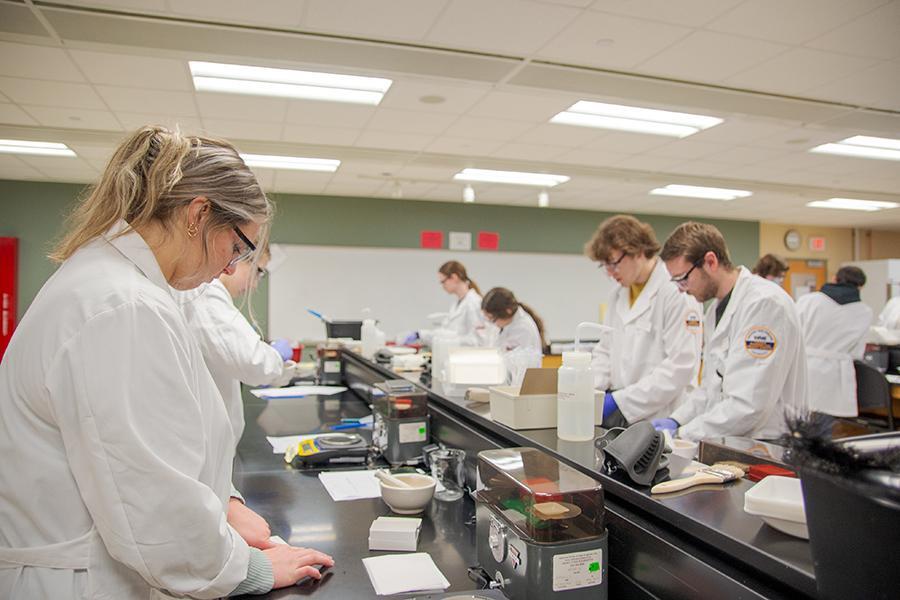
The Center for the Sciences and Pharmacy provides laboratories, a model pharmacy, simulation facilities and teaching spaces for science and healthcare-related education.
Churchill Hall supports business education through facilities such as the Cohen Trading Room and Technology Center.
The university also provides media facilities, a MakerSpace and specialist resources for students in selected programmes.
Library and Study Resources
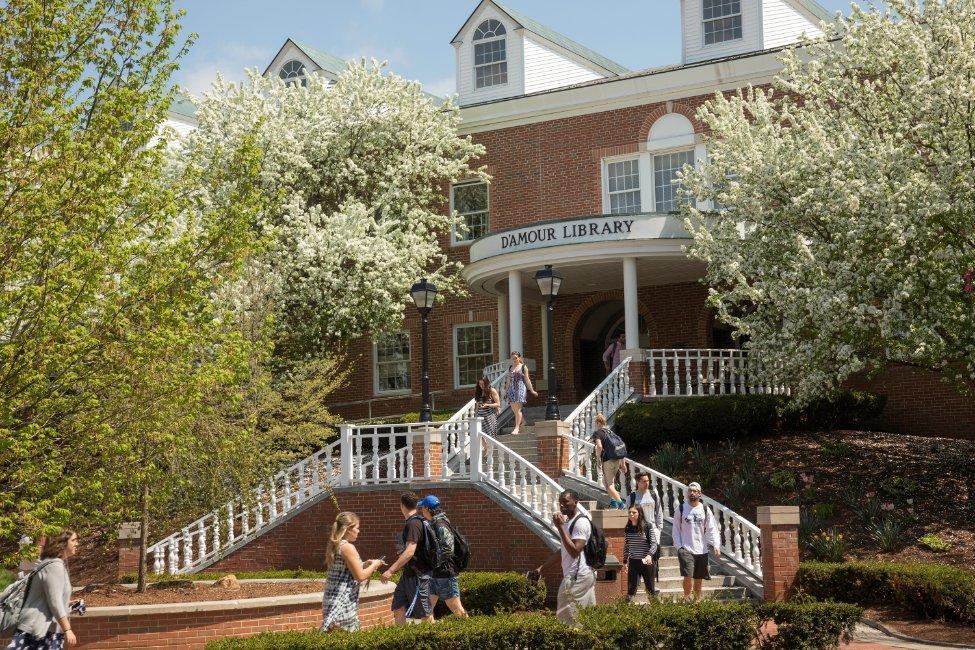
D'Amour Library provides academic materials, digital resources, research assistance and spaces for individual and collaborative study.
The School of Law also has a dedicated law library supporting legal research and academic work.
Accommodation
Western New England University offers several residential options for students.
Housing choices include traditional residence halls, suite-style accommodation, apartments and townhouses. Availability and eligibility depend on the student's academic level and housing policies.
First-year students generally have access to traditional residence hall accommodation, while upper-year students may explore other residential arrangements.
Students should review room options, meal plans, housing contracts, deposits and application deadlines before making accommodation decisions.
Student Life at Western New England University
Student life at WNE combines academic participation with social activities, athletics, cultural events and campus organizations.
The university's student community includes individuals from different states and countries, creating opportunities for cultural exchange and social interaction.
Clubs and Student Organizations
Students can participate in academic societies, professional organizations, cultural groups, recreational clubs and student-led activities.
These organizations can help students develop leadership, teamwork, communication and organizational skills.
Athletics and Recreation
Western New England University teams are known as the Golden Bears.
The university participates in NCAA Division III athletics and offers a range of men's and women's sports.
Students can attend sporting events, participate in recreational activities and explore campus fitness facilities.
Cultural and Social Activities
Campus activities may include cultural celebrations, performances, student events, food festivals, workshops and guest presentations.
The University Commons provides a central dining and social space where students can meet, eat and spend time together.
These activities can help international students become familiar with American campus culture and build friendships.
International Student Support
Western New England University provides dedicated assistance to international applicants and enrolled international students.
The International Admissions Office helps prospective students understand application requirements, academic documentation, financial evidence and student visa procedures.
International student resources include guidance on:
- Undergraduate and graduate application procedures.
- English-language proficiency requirements.
- Academic transcript submission.
- Financial documentation and I-20 issuance.
- Student visa preparation.
- Pre-arrival information and university orientation.
Students can also access academic advising, library services, faculty support and other campus resources.
International students studying under F-1 status must maintain their immigration responsibilities. Employment, internships, travel and changes to academic arrangements may require specific authorization.
Students should consult the university's designated international student officials before taking actions that could affect their immigration status.
Research and Practical Learning Opportunities
Western New England University emphasizes practical learning and professional preparation.
Students may participate in internships, research activities, laboratory work, presentations, group projects and faculty-guided assignments depending on their academic discipline.
Engineering students can explore technical laboratories and applied engineering activities.
Business students may use business analytics and financial learning facilities to develop professional and analytical skills.
Science and pharmacy students can benefit from laboratory and simulation-based learning environments.
Law students can explore practical legal education through specialist facilities and opportunities associated with the School of Law.
Arts and media students can develop creative and communication skills through relevant academic and production resources.
The university also highlights a network of more than 1,000 internship sites. Internship availability depends on academic requirements, employer selection and student eligibility.
Career Opportunities and Professional Development
Western New England University provides career-related resources to help students prepare for employment and professional growth.
Career development services can support résumé preparation, interview practice, career exploration, professional networking and job-search activities.
Students can also explore internships and employer interactions that help them understand professional expectations.
According to the university's published facts and statistics, 96% of the Class of 2025 were employed or attending graduate or professional school within six months of graduation. This is a university-reported outcome and should not be interpreted as a guarantee of employment for individual students.
Career Pathways
Potential career directions depend on the degree, experience and professional requirements.
- Business: Accounting, finance, marketing, management and business analytics.
- Engineering: Mechanical, electrical, civil and biomedical engineering-related roles.
- Computer Science: Software development, computing and information technology.
- Pharmacy and Health Sciences: Healthcare, pharmacy and related professional pathways, subject to licensing requirements.
- Arts and Sciences: Research, communication, science-related and social science careers.
- Law: Legal practice and related professional opportunities, subject to applicable qualifications and bar admission requirements.
Employment for International Students
International students must comply with US immigration regulations governing employment.
Eligible F-1 students may qualify for authorized opportunities such as on-campus employment, Curricular Practical Training or Optional Practical Training, subject to applicable requirements.
Students should seek guidance from the university's international student officials before beginning employment or practical training.
Admission and graduation do not guarantee a job, professional licence or immigration benefits.
Location: Springfield, Massachusetts
Western New England University is located at 1215 Wilbraham Road, Springfield, Massachusetts 01119, United States.
Springfield is a city in western Massachusetts and offers access to cultural attractions, educational institutions, restaurants, shopping areas and recreational destinations.
The university is situated in a residential section of the city, providing a campus environment while remaining connected to the wider Springfield region.
The location also offers access to larger cities. WNE highlights its proximity to Boston and New York City, as well as Bradley International Airport in Connecticut.
Transportation and Daily Living
Students should research local transport options when choosing accommodation and planning daily travel.
Springfield has regional road, rail and bus connections. The most convenient transport arrangements depend on the student's housing location and class schedule.
Living expenses vary according to accommodation, meals, transportation and personal spending habits.
Students should prepare for New England's seasonal climate, which includes warm summers and cold winters.
Important Considerations Before Applying
Before selecting Western New England University, international students should review several important factors.
Programme suitability: Confirm that the intended degree matches your academic interests and career objectives.
Academic eligibility: Review the admission requirements for your chosen undergraduate, graduate or professional programme.
English proficiency: Verify accepted examinations, minimum scores and possible exemptions.
Total expenses: Consider tuition, comprehensive services fees, housing, meals, insurance and personal expenses.
Scholarship conditions: Confirm eligibility, award amounts, application deadlines and renewal requirements.
Accommodation: Review residence options and housing contracts before committing.
Professional licensing: Students entering pharmacy, healthcare, engineering or law-related careers should understand the additional qualifications or licensing requirements.
Immigration compliance: Understand the responsibilities associated with studying in the United States under the relevant student visa category.
A careful review of these factors will help applicants make a realistic and informed university decision.
Frequently Asked Questions (FAQs)
1. Where is Western New England University located?
Western New England University is located in Springfield, Massachusetts, United States.
2. Is Western New England University public or private?
WNE is a private university established in 1919.
3. Does Western New England University accept international students?
Yes. The university accepts international applicants for eligible undergraduate, graduate and professional programmes.
4. What courses are available at WNE?
Students can explore business, engineering, computer science, arts and sciences, pharmacy, health sciences and law-related programmes.
5. What is the undergraduate tuition fee at WNE?
For 2026–2027, full-time undergraduate tuition is USD 47,900 annually, plus a USD 3,500 comprehensive services fee.
6. Does WNE offer scholarships to international students?
Yes. Eligible international undergraduate students can receive merit scholarships ranging from approximately USD 10,000 to USD 22,000 annually. These are partial awards with limited availability.
7. Is on-campus accommodation available?
Yes. Students can explore residence halls, suites, apartments and townhouse-style accommodation, subject to eligibility and availability.
8. What English-language tests does WNE accept?
The university publishes English proficiency requirements and accepted methods of demonstrating proficiency. Applicants should consult the latest official requirements for their academic level.
9. Does Western New England University provide internships?
Yes. The university highlights a network of more than 1,000 internship sites. Actual opportunities depend on the programme and student eligibility.
10. Does WNE offer graduate programmes?
Yes. WNE offers more than 20 graduate and professional programmes, including master's and doctoral degrees.
11. Can international students work while studying at WNE?
Eligible international students may undertake employment permitted under their immigration status and applicable authorization rules.
12. Is Western New England University suitable for international students?
It may be suitable for students seeking a private university with specialized academic facilities, relatively small classes, internship opportunities and international student support. Applicants should compare programme requirements and overall expenses before applying.
Conclusion
Western New England University offers a broad selection of undergraduate, graduate and professional programmes through its academic colleges and School of Law.
Its 215-acre Springfield campus provides specialized academic facilities, residential accommodation, libraries, recreational spaces and opportunities for student engagement. The university also emphasizes individualized learning, internships and career preparation.
For international students, WNE offers academic pathways supported by dedicated admissions guidance and scholarship opportunities. However, prospective applicants should carefully evaluate tuition, living expenses, English-language requirements, programme eligibility and immigration responsibilities.
With appropriate preparation and financial planning, students can determine whether Western New England University aligns with their academic ambitions and long-term professional goals.
Entry Requirements
General Entry Requirement
IELTS 6.5 overall
Fees & Scholarships
Annual Tuition Fees
USD 47,000 - USD 60,000
Ready to Apply to Western New England University?
Our advisors guide you from eligibility check to offer letter — at no cost to you.
Join our WhatsApp Community

Scan to join our student community for admission updates & guidance