
Annual FeesUSD 22,000 - USD 29,000
University of Wisconsin–Milwaukee
LocationUS
Entry RequirementIELTS 6.0 overall
Visa Success Rate75%
Campus Photos
University of Wisconsin–Milwaukee
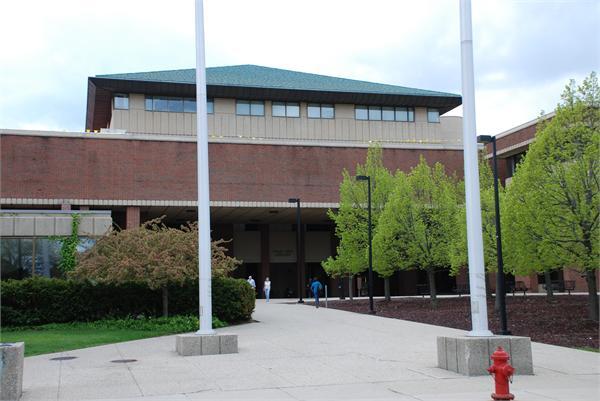
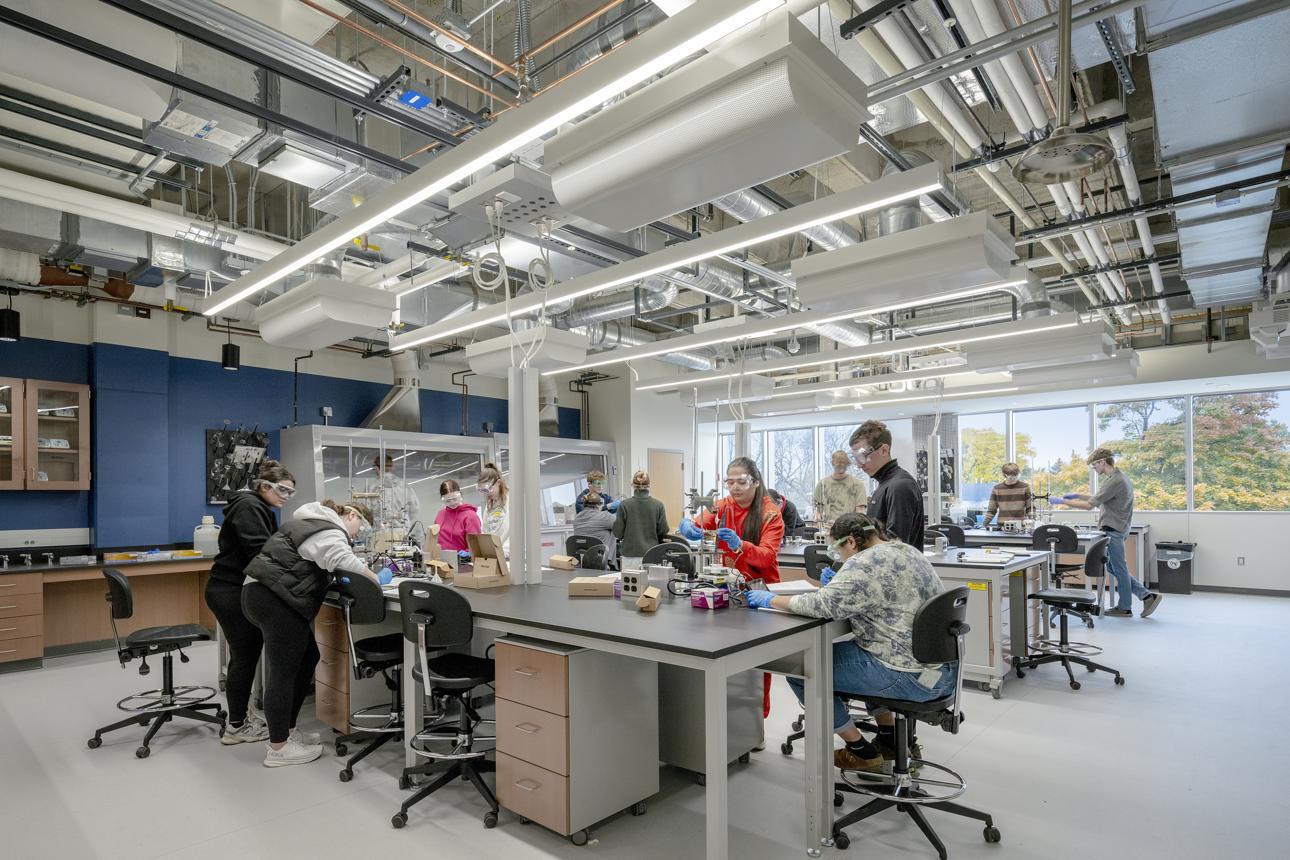
About University of Wisconsin–Milwaukee
University of Wisconsin–Milwaukee: Courses, Admissions, Tuition Fees, Scholarships and Student Life
Introduction
The University of Wisconsin–Milwaukee (UWM) is a public research university located in Milwaukee, Wisconsin, United States. Situated near the shores of Lake Michigan, the university combines academic education, research opportunities, professional development and an engaging urban student experience. It attracts students from across the United States and around the world who want to pursue undergraduate, graduate and doctoral education.
UWM is part of the University of Wisconsin System and is recognised for its wide range of academic programmes, research activities and connections with businesses, healthcare organisations and community institutions. Its location in Wisconsin's largest city gives students access to cultural attractions, professional networks, internships and employment opportunities.
The university offers more than 200 academic programmes across different disciplines. Students can explore areas such as business, engineering, computer science, education, health sciences, architecture, arts, social sciences and natural sciences. Its academic environment encourages students to develop subject knowledge while gaining practical experience through research, projects and professional activities.
For international students, UWM provides dedicated admissions guidance, immigration support, academic resources and opportunities to become involved in campus life. Its combination of academic breadth, research opportunities and city-based learning makes it an option worth considering for students planning to study in the United States.
About the University of Wisconsin–Milwaukee
The University of Wisconsin–Milwaukee is a public institution committed to teaching, research, innovation and community engagement. Its academic approach connects classroom learning with practical applications, helping students understand how their knowledge can contribute to professional fields and society.
UWM serves a diverse student population, including undergraduate and graduate students from different educational, cultural and national backgrounds. International students benefit from opportunities to interact with classmates from around the world and participate in a university environment that values different perspectives.
The university's main campus is located in Milwaukee, with an urban setting that gives students access to the wider metropolitan area. The campus includes academic buildings, laboratories, libraries, student spaces and residential facilities.
UWM's identity as a research university is reflected in its involvement in scientific investigation, creative work, technology development and community-based projects. Students may have opportunities to work with faculty members, participate in research activities and explore questions related to their chosen disciplines.
Why Choose the University of Wisconsin–Milwaukee?
Wide Range of Academic Programmes
UWM offers more than 200 academic programmes across undergraduate and graduate levels. This range gives students the opportunity to explore different disciplines and select a course aligned with their academic background and career plans.
Students interested in technology can investigate computer science, information science and engineering-related subjects. Those interested in business can explore management, finance, marketing and related areas. The university also provides opportunities in education, architecture, health sciences, arts and humanities.
Research and Practical Learning
Research is an important part of the university's academic environment. Students may participate in faculty-led projects, laboratory activities, independent research and other forms of experiential learning, depending on their programme.
These opportunities can help students develop analytical thinking, problem-solving abilities and familiarity with professional research methods. They also provide a way to explore subjects beyond the standard classroom curriculum.
Location in Milwaukee
Milwaukee is Wisconsin's largest city and offers a combination of urban opportunities, cultural experiences and access to Lake Michigan. Students can explore local businesses, healthcare organisations, cultural institutions and community initiatives.
The city's economic and professional environment can provide opportunities for internships, networking and practical exposure. Its location also places students approximately 90 miles from Chicago, making another major American city accessible for travel and exploration.
International Student Community
UWM welcomes international students from numerous countries. Studying alongside people with different cultural and educational backgrounds can help students build communication skills, develop global perspectives and form international friendships.
The university's Center for International Education provides information about admissions, immigration procedures, student support and preparation for studying in the United States.
Career Development Opportunities
UWM's connections with employers and organisations in the Milwaukee region can help students explore internships, practical projects and professional networking. Career development opportunities vary according to academic discipline, student eligibility and available positions.
Students are encouraged to build their professional profiles through academic projects, campus involvement, internships and relationships with faculty members.
Academic Programmes at the University of Wisconsin–Milwaukee
UWM provides academic options across several major fields. Programme availability, degree requirements and course structures depend on the selected school or department.
Business and Management
Students interested in business can explore subjects such as accounting, finance, marketing, management and business administration. These areas introduce students to organisational operations, financial decision-making, market behaviour and business strategy.
Business education can be useful for students considering careers in corporate organisations, financial services, consulting, marketing, entrepreneurship and management.
Graduate students may also investigate advanced business education, including MBA-level study. Programme-specific admission requirements and curriculum structures should be reviewed before applying.
Computer Science and Information Technology
UWM provides academic opportunities in computing and information-related disciplines. Students can explore areas such as software development, programming, data management, information systems and computing concepts.
These subjects are relevant to a wide range of technology careers, including software development, systems analysis, information technology and data-related roles.
Students should review individual programme requirements to understand the mathematical, technical and academic preparation expected for admission.
Engineering
Engineering education at UWM covers technical and applied disciplines designed to develop scientific knowledge and practical problem-solving abilities.
Depending on the programme, students may study engineering principles, design methods, technical systems, laboratory practices and applied research. Engineering students can benefit from opportunities to connect theoretical concepts with practical applications.
Applicants should check the specific academic prerequisites for their intended engineering programme, as requirements may differ between departments.
Health Sciences and Healthcare-Related Studies
The university provides educational opportunities in health-related fields, preparing students to understand healthcare systems, scientific principles and professional practices.
Depending on the selected programme, students may explore health sciences, public health, biomedical subjects and other related areas.
Some healthcare and clinical programmes may have additional prerequisites, professional requirements or competitive admission processes. Students should carefully review these conditions before submitting an application.
Education
Students interested in teaching, educational leadership and learning development can explore programmes within UWM's education-related academic areas.
These programmes may cover teaching methods, educational research, curriculum development, learning environments and student development. Certain professional pathways can require additional certification or state-specific qualifications.
Architecture and Urban Planning
UWM offers opportunities for students interested in architecture, the built environment and urban development.
Students in these fields can explore design principles, planning processes, spatial development and the relationship between buildings, communities and cities.
Milwaukee's urban environment can also provide a useful setting for understanding how architecture and planning influence everyday life.
Arts, Humanities and Social Sciences
The university offers academic pathways across arts, humanities and social sciences. Students can investigate subjects related to communication, history, languages, psychology, sociology, political science and creative disciplines.
These areas encourage research, critical thinking, written communication and an understanding of social and cultural issues.
Admission Requirements for International Students
International applicants must meet the university's academic and English-language requirements. Requirements differ between undergraduate and graduate programmes, and some departments may have additional conditions.
Undergraduate Admission Requirements
Students applying for bachelor's degree programmes generally need to provide:
- Completed secondary school education or an equivalent qualification.
- Official academic transcripts and relevant educational records.
- English-language proficiency evidence where required.
- A completed university application.
- Any additional documents requested for the chosen programme.
UWM evaluates international undergraduate applicants through a comprehensive admissions process. Applicants should check the current academic and language requirements applicable to their country and educational qualification.
Students whose academic or English-language preparation does not meet regular admission expectations may have additional options or requirements depending on the university's assessment.
Graduate Admission Requirements
Students applying for master's programmes generally need:
- A recognised bachelor's degree or equivalent qualification.
- Official university transcripts.
- Evidence of English-language proficiency.
- A completed graduate application.
- A statement of purpose or other programme-specific documents, where required.
- Letters of recommendation, if requested by the department.
- A résumé, portfolio or additional academic material for selected programmes.
Some graduate programmes may require relevant academic preparation, work experience or prerequisite subjects.
Doctoral Admission Requirements
Doctoral applicants normally need a relevant bachelor's or master's qualification, depending on the programme's structure and admission policy.
Applicants may be asked to provide academic transcripts, research interests, a statement of purpose, recommendations and other supporting documents. Certain doctoral departments may also conduct interviews or require additional academic assessments.
Because doctoral admission is often department-specific, applicants should contact the relevant graduate programme before preparing their application.
English-Language Proficiency
International applicants whose previous education does not meet UWM's English-language requirements may need to submit an approved English-language test result.
Accepted tests and minimum scores depend on the programme and admission category. Students should check the university's current requirements for examinations such as IELTS, TOEFL, Duolingo English Test or PTE Academic.
Applicants should not assume that one minimum score applies to every department or degree level.
Application Process
Applying to UWM involves selecting a suitable academic programme, preparing educational documents and completing the appropriate application.
Step 1: Explore Academic Programmes
Start by reviewing the university's undergraduate or graduate programme options. Compare course content, entry requirements, academic duration and career relevance.
Step 2: Check Eligibility
Review the academic qualifications and English-language requirements for the selected programme. Graduate applicants should also check whether their previous degree matches the department's prerequisites.
Step 3: Prepare Documents
Collect academic transcripts, certificates, English-language test results and other supporting documents. Prepare additional materials such as recommendation letters or a statement of purpose if required.
Step 4: Submit the Application
Complete the relevant online application for international undergraduate or graduate admission. Ensure that the information provided is accurate and that all required documents are submitted.
Step 5: Monitor Application Status
After submission, monitor the application portal and university communications. Respond promptly if the admissions team requests additional information.
Step 6: Receive and Review the Admission Decision
If admitted, carefully review the offer, programme details, financial information and any conditions attached to the admission.
Step 7: Complete Immigration and Pre-Arrival Requirements
International students who require an F-1 student visa must complete the university's relevant international student procedures. This normally includes submitting financial documentation for the I-20 process and preparing for the visa application.
Step 8: Prepare for Arrival
Complete housing arrangements, health insurance requirements, registration tasks and other pre-arrival activities before travelling to Milwaukee.
Tuition Fees and Cost of Studying
The cost of studying at UWM depends on the academic programme, student classification, credit load, accommodation arrangements and other personal expenses.
For international students, the university publishes estimated costs for tuition, university fees, living expenses and health insurance.
For the 2026–2027 academic year, the estimated tuition for two semesters is:
|
Study Level |
Estimated Tuition |
|
Undergraduate |
USD 22,247 |
|
Graduate |
USD 25,024 |
|
Business Graduate |
USD 29,254 |
These figures represent tuition estimates rather than the complete cost of studying.
The university also estimates additional expenses for international students, including:
- Segregated and international student fees: approximately USD 2,158 for two semesters.
- Living expenses: approximately USD 15,000 for 12 months.
- International student health insurance: approximately USD 2,258 for 12 months.
Based on these estimates, the total annual cost is approximately USD 41,663 for undergraduate students, USD 44,440 for graduate students and USD 48,670 for business graduate students.
Actual expenses can differ according to accommodation choices, programme fees, course registration and personal spending. Tuition and other charges may also change between academic years.
Students should review the latest official fee information before making financial decisions or submitting proof of funds.
Scholarships and Financial Aid
UWM offers funding opportunities that can help eligible international students manage the cost of education.
Undergraduate International Scholarships
Newly admitted international undergraduate students seeking a bachelor's degree may be considered for an academic merit-based scholarship.
The university's published scholarship information states that eligible awards may reach up to USD 6,000 per academic year. Awards may be renewable for a maximum of four years, subject to the applicable conditions.
Eligible students are considered upon admission, so a separate application may not be required for this particular scholarship. However, students should review the latest scholarship rules and admission consideration dates.
Graduate Assistantships
Graduate students may have access to funding opportunities through teaching, research, project or programme assistantships.
These opportunities are generally managed by individual academic programmes. Availability, eligibility and funding arrangements can differ between departments.
Assistantships may provide valuable academic and professional experience while helping eligible students manage educational expenses.
Other Scholarship Opportunities
Students can also explore the university's scholarship portal and other funding resources. Individual scholarships may have different academic, enrolment or eligibility conditions.
Applicants should not assume that every scholarship is available to international students. It is important to verify eligibility and application requirements before relying on a particular funding opportunity.
Campus Facilities and Student Accommodation
UWM's main campus provides academic and student facilities designed to support learning, research and everyday university life.
Libraries and Study Spaces
University libraries and study areas give students access to academic resources, research materials, digital information and spaces for individual or group study.
Students can use these facilities to prepare assignments, complete research projects and develop their subject knowledge.
Laboratories and Research Facilities
Students in science, technology, engineering and other practical disciplines may have access to specialised laboratories and research environments.
These facilities support practical learning, experimentation and faculty-led research, depending on the student's programme.
Student Union
The UWM Student Union is an important campus destination where students can meet, participate in activities and access various student-oriented services.
It provides opportunities for social interaction and involvement outside regular academic classes.
On-Campus Housing
UWM offers university housing options for eligible students. Living on campus can make it easier to reach classes, use university facilities and participate in student activities.
Residence halls provide opportunities to connect with other students and develop a sense of community.
Accommodation costs vary according to the residence hall, room type and meal plan. Students should review current housing availability and rates before accepting a room.
Off-Campus Accommodation
Students who prefer to live outside university housing can investigate rental accommodation in Milwaukee.
Before signing a lease, international students should understand the rental agreement, monthly charges, deposit requirements, transport arrangements and distance from campus.
UWM provides off-campus housing information and resources to help students understand the local rental process.
Student Life at the University of Wisconsin–Milwaukee
Student life at UWM extends beyond lectures and examinations. The university provides opportunities to participate in clubs, organisations, cultural activities, student events and community initiatives.
Clubs and Student Organisations
Students can explore organisations related to academic subjects, professional interests, hobbies, cultural backgrounds and personal development.
Participation can help students develop teamwork, communication and leadership skills while making connections with classmates.
Cultural Diversity
UWM's international community creates opportunities for students to experience different cultures and perspectives.
International students can participate in campus activities, meet people from different countries and share their own cultural experiences.
Sports and Recreation
Students can explore recreational activities, fitness opportunities and university sports programmes.
UWM also competes in NCAA Division I athletics as a member of the Horizon League. Sports and recreational activities can provide opportunities to develop friendships and maintain an active lifestyle.
Arts and Cultural Activities
Milwaukee has an active cultural environment, with music, festivals, museums, theatre and other community events.
Students can explore these activities as part of their university experience and discover interests outside their academic subjects.
International Student Support
The university's Center for International Education plays an important role in supporting international students.
It provides information and guidance related to admissions, immigration procedures, student preparation and adjustment to studying in the United States.
Immigration Guidance
International students studying on F-1 status must understand the rules associated with maintaining their immigration status.
The university provides immigration-related information and access to advisors who can help students understand relevant procedures and responsibilities.
Pre-Arrival Assistance
Newly admitted international students receive guidance about the steps they need to complete before travelling to the United States.
These steps may include immigration documentation, financial verification, health insurance, housing and class registration.
Academic Support
UWM provides academic resources that can help students improve their performance and manage university coursework.
Undergraduate students can explore tutoring, supplemental instruction and writing support. Academic advising can also help students understand programme requirements and plan their studies.
English-Language Learning
Students who want to strengthen their English-language skills can explore the university's English for Academic Purposes resources.
These learning opportunities can help international students improve academic communication and prepare for university-level coursework.
Research and Practical Learning Opportunities
Research and experiential learning are important aspects of the UWM academic environment.
Students may be able to participate in research projects, laboratory work, faculty collaborations, internships and community-based activities. These experiences can help connect academic concepts with real-world challenges.
Research opportunities vary by department and degree level. Undergraduate students may explore faculty-led projects, while graduate and doctoral students may undertake more specialised research related to their academic interests.
Students interested in professional experience should also investigate internship opportunities, department-specific projects and career development resources.
Developing practical skills alongside academic knowledge can help graduates prepare for the expectations of employers and further study.
Career Opportunities After Graduation
UWM's location in Milwaukee gives students access to a metropolitan business and employment environment.
The region includes organisations across manufacturing, healthcare, finance, technology, education, professional services and other sectors. This provides a range of industries for students to explore when planning their careers.
Career opportunities depend on a student's academic specialisation, experience, professional skills and eligibility to work in the United States.
Students can strengthen their career readiness by:
- Participating in internships and relevant practical projects.
- Building professional connections with faculty and industry representatives.
- Developing communication and teamwork skills.
- Attending career events and networking activities.
- Preparing a professional résumé and interview portfolio.
- Exploring university career resources and employer opportunities.
International students should also understand the immigration rules governing employment during and after their studies. F-1 students may have access to eligible employment options, including practical training opportunities, when they meet the relevant requirements.
Location: Studying in Milwaukee, Wisconsin
Milwaukee is located in southeastern Wisconsin along the western shore of Lake Michigan. It is the state's largest city and offers students an urban environment with access to education, culture, business and recreation.
The city has a diverse cultural identity and is known for its festivals, museums, music, performing arts and lakefront attractions.
Students can explore parks, beaches, restaurants, sporting events and neighbourhoods throughout the city. Milwaukee also offers access to professional organisations and local businesses that may provide opportunities for networking and practical experience.
Another advantage is its proximity to Chicago, which is approximately 90 miles away. Students can explore the wider region while continuing their education in Milwaukee.
For international students, living in a city outside the largest coastal metropolitan areas may provide a different perspective on American student life. However, personal living expenses still depend on housing, transportation, food and individual spending habits.
Important Considerations Before Applying
Before choosing UWM, international applicants should evaluate several important factors.
Programme suitability: Confirm that the university offers the exact degree and specialisation needed for future academic or professional goals.
Academic eligibility: Review the programme's entry requirements and make sure previous qualifications meet the university's expectations.
Total cost: Consider tuition, university fees, accommodation, food, health insurance, transportation and personal expenses.
Scholarship eligibility: Investigate available scholarships and assistantships, including their deadlines and renewal conditions.
Immigration requirements: Understand the F-1 visa process, I-20 documentation and rules for maintaining student status.
Career planning: Research internships, practical learning opportunities and employment regulations relevant to international students.
Frequently Asked Questions
1. Where is the University of Wisconsin–Milwaukee located?
The University of Wisconsin–Milwaukee is located in Milwaukee, Wisconsin, United States, near Lake Michigan.
2. Is the University of Wisconsin–Milwaukee a public university?
Yes. UWM is a public research university and part of the University of Wisconsin System.
3. How many academic programmes does UWM offer?
The university offers more than 200 academic programmes across different fields and study levels.
4. Does UWM accept international students?
Yes. UWM welcomes international students for bachelor's, master's and doctoral programmes and provides dedicated international admissions services.
5. What is the estimated undergraduate tuition for international students?
For the 2026–2027 academic year, the published undergraduate tuition estimate is USD 22,247 for two semesters. Additional fees, living expenses and health insurance must be considered separately.
6. Does UWM offer scholarships to international students?
Yes. Newly admitted international undergraduate degree-seeking students may be considered for merit-based scholarships. Graduate students may also explore assistantships and department-specific funding opportunities.
7. Does the university provide accommodation?
Yes. UWM offers on-campus housing options, and students can also investigate off-campus accommodation in Milwaukee.
8. What English-language tests may be accepted?
Depending on the programme and admission category, UWM may accept recognised tests such as IELTS, TOEFL, Duolingo English Test and PTE Academic. Applicants should verify current score requirements.
9. Can international students work while studying?
Eligible international students may have certain employment options under their immigration status. They must follow applicable F-1 regulations and university guidance before accepting employment.
10. What makes Milwaukee attractive to international students?
Milwaukee offers an urban student environment, cultural activities, professional opportunities, outdoor recreation and proximity to Chicago. Its location near Lake Michigan also provides access to waterfront parks and recreational spaces.
Conclusion
The University of Wisconsin–Milwaukee offers international students an opportunity to pursue higher education at a public research university in one of Wisconsin's major urban centres. Its broad academic portfolio, research environment, student organisations and connections with the Milwaukee region create opportunities for both academic and personal development.
Students can explore programmes in business, computing, engineering, health sciences, education, architecture, arts and social sciences. The university also provides international admissions guidance, immigration resources, academic support and selected scholarship and assistantship opportunities.
Before applying, prospective students should carefully review programme-specific admission requirements, tuition costs, scholarship eligibility and immigration procedures. Comparing these factors with personal academic goals and financial plans can help students determine whether UWM is the right destination.
For students seeking a university experience that combines research-oriented education, practical learning and life in a diverse American city, the University of Wisconsin–Milwaukee is an institution worth exploring.
Entry Requirements
General Entry Requirement
IELTS 6.0 overall
Fees & Scholarships
Annual Tuition Fees
USD 22,000 - USD 29,000
Ready to Apply to University of Wisconsin–Milwaukee?
Our advisors guide you from eligibility check to offer letter — at no cost to you.
Join our WhatsApp Community

Scan to join our student community for admission updates & guidance