
Annual Fees£24,800 to £56,660
University of Warwick
LocationUK
Entry RequirementIELTS 7.5 overall
Visa Success Rate98%
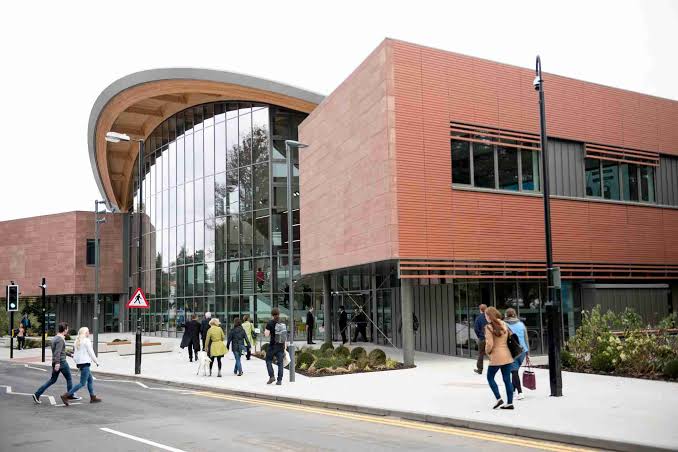
Campus Photos
University of Warwick
About University of Warwick
University of Warwick: A Leading UK University for Academic Excellence, Research and Graduate Careers
The University of Warwick is a leading research-intensive university in the United Kingdom, located in Coventry, England. Founded in 1965, Warwick has developed a strong international reputation for academic excellence, research, innovation and graduate employability.
Warwick is a member of the prestigious Russell Group, representing some of the UK's leading research universities. The University is particularly recognised for its strengths in Mathematics, Economics, Business, Computer Science, Engineering, Statistics, Sciences, Law, Politics and Psychology.
With students and staff from around the world, Warwick provides an international academic environment that combines rigorous teaching with research, practical learning and strong connections with employers.
What is the University of Warwick Known For?
The University of Warwick is particularly known for:
- Computer Science and technology
- Mathematics and Statistics
- Economics
- Business and Management
- Accounting and Finance
- Engineering
- Data Science
- Sciences
- Law
- Psychology
- Politics and International Studies
- Research and innovation
- Graduate employability
Warwick is especially attractive to students who want a combination of strong academic reputation, research opportunities and career development.
Academic & Research Environment
Research is an important part of Warwick's academic identity.
Students study alongside academics involved in research across areas including:
- Artificial Intelligence
- Data Science
- Mathematics
- Economics
- Engineering
- Biomedical Sciences
- Business
- Social Sciences
- Humanities
- Sustainability
The University encourages students to develop:
- Critical thinking
- Independent research
- Analytical skills
- Problem-solving
- Academic writing
- Practical knowledge
Students can also benefit from research projects, specialist facilities, academic societies and opportunities to interact with researchers in their respective disciplines.
Campus & Location
Warwick's main campus is located between Coventry and Warwickshire, providing students with a large university campus while remaining well connected to major UK cities.
The campus includes:
- Lecture theatres
- Libraries
- Laboratories
- Study spaces
- Cafés and restaurants
- Sports facilities
- Student accommodation
- Arts facilities
- Student Union spaces
- Social areas
Its location provides relatively easy access to Coventry, Birmingham and London, making it attractive for students who want a campus environment with access to major UK cities.
Student Life at Warwick
Warwick offers a large and active student community.
The University has 300+ student societies, allowing students to participate in academic, cultural, sporting, creative and social activities.
Students can join societies related to:
- Technology
- Business
- Entrepreneurship
- Indian culture
- Music
- Gaming
- Sports
- Photography
- Film
- Politics
- Languages
- Volunteering
- Arts
This gives international students plenty of opportunities to meet people outside their academic courses.
Sports & Recreation
Warwick has extensive sports and recreation facilities.
Students can participate in:
- Football
- Cricket
- Badminton
- Basketball
- Tennis
- Swimming
- Athletics
- Gym and fitness
- Martial arts
- Outdoor activities
The University's sports facilities support both competitive athletes and students who simply want to stay active during their studies.
International Student Community
Warwick has a highly international student population, with students from more than 140 countries.
International students can access support relating to:
- Immigration and visas
- Academic transition
- Orientation
- Accommodation
- Careers
- Wellbeing
- Student life
- International events
The University also has dedicated support for students arriving from different countries and regions.
For Indian students, Warwick maintains specific India/South Asia information and admissions guidance, making the application process easier to understand.
University of Warwick Courses – Computer Science, Economics, Business, Engineering and More
The University of Warwick offers a broad range of undergraduate programmes across areas including Computer Science, Artificial Intelligence, Data Science, Cyber Security, Business and Management, Economics, Engineering, Mathematics, Law, Psychology, Sciences, Humanities and Global Sustainable Development.
Warwick also offers different study formats, including standard three-year degrees and selected programmes with study abroad or work-placement years.
Computer Science & Technology
Warwick's Computer Science department offers programmes including:
- Computer Science BSc
- Computer Science MEng
- Computer Systems Engineering BEng
- Computer Systems Engineering MEng
- Data Science BSc
- Data Science MSci
- Discrete Mathematics BSc
- Discrete Mathematics MEng
- Computer Science with Business Studies BSc
The Computer Science BSc develops skills in:
- Software engineering
- Algorithms
- System design
- Programming
- Project management
- Research methods
- Computer systems
Warwick describes its Computer Science programme as combining theoretical foundations with industrially relevant problems and transferable skills.
Career Areas
Computer Science graduates can move into:
- Software development
- Artificial Intelligence
- Data science
- Cybersecurity
- Technology consulting
- Software engineering
- Technology research
- Product development
Economics & Finance
Warwick offers programmes including:
- Economics BSc
- Economics and Management BSc
- Economics, Politics & International Studies
- Accounting and Finance
- Other economics and finance-related programmes
Warwick's Economics BSc uses research-led teaching and covers areas such as economic theory, empirical analysis, markets, institutions and public policy.
The Economics and Management BSc can be completed in three years, or four years with a work-placement year. The course is designed to prepare students for careers in areas such as:
- Consulting
- Policy analysis
- Business
- Finance
- Civil service
- International management
Business & Management
Warwick Business School provides programmes in areas such as:
- Business and Management
- International Management
- Management with Marketing
- Accounting and Finance
- Economics and Management
Students can develop:
- Business analysis
- Management
- Marketing
- Finance
- Strategy
- Entrepreneurship
- Leadership
- Decision-making
These subjects can lead towards careers in:
- Consulting
- Banking
- Finance
- Marketing
- Management
- Entrepreneurship
- Corporate strategy
- Business analytics
Engineering
Warwick offers engineering programmes covering areas such as:
- General Engineering
- Computer Systems Engineering
- Electrical and Electronic Engineering
- Automotive-related engineering
- Manufacturing and mechanical engineering
- Biomedical systems
Engineering students develop skills in:
- Engineering design
- Mathematical modelling
- Programming
- Systems thinking
- Technical analysis
- Project management
- Problem-solving
The University also provides opportunities for work-based learning and professional experience through selected engineering programmes.
Mathematics & Statistics
Warwick has a strong mathematical-sciences offering.
Students can study areas such as:
- Mathematics
- Statistics
- Discrete Mathematics
- Data Science
- Mathematics and related interdisciplinary subjects
These programmes can develop skills in:
- Pure mathematics
- Applied mathematics
- Probability
- Statistics
- Mathematical modelling
- Data analysis
These skills are particularly useful for careers in:
- Data science
- Finance
- Technology
- Economics
- Actuarial work
- Research
- Artificial Intelligence
Sciences
Warwick also offers programmes across the sciences, including:
- Biology
- Biochemistry
- Chemistry
- Physics
- Life Sciences
- Biomedical-related subjects
Students can gain experience through:
- Laboratory work
- Research projects
- Practical classes
- Data analysis
- Scientific research
Law
Warwick Law provides students with opportunities to develop:
- Legal knowledge
- Legal research
- Critical thinking
- Analytical skills
- Communication
- Understanding of national and international legal systems
Possible career areas include:
- Solicitor
- Barrister
- Legal consulting
- Compliance
- Government
- Policy
- Corporate legal services
Students planning to practise law in India or another country should separately check the professional-recognition requirements of that jurisdiction.
Psychology
Psychology students can explore areas such as:
- Cognitive psychology
- Social psychology
- Developmental psychology
- Behaviour
- Neuroscience
- Research methods
- Psychological research
Potential career areas include:
- Research
- Education
- Human resources
- Behavioural science
- Marketing
- User research
- Further academic study
Careers & Employability
Warwick provides dedicated careers support throughout students' studies.
Students can access:
- Careers advice
- CV support
- Application guidance
- Interview preparation
- Employer events
- Careers fairs
- Networking
- Internship opportunities
- Graduate opportunities
- International careers support
For international students specifically, Warwick provides careers support during the course and for up to two years after graduation.
Warwick also provides resources for students seeking careers outside the UK, including international vacancies, overseas graduate jobs, internships, career events and networking opportunities.
Career Areas
Depending on the course, Warwick graduates can enter areas such as:
Computer Science
- Software development
- AI
- Data science
- Cybersecurity
- Technology consulting
- Software engineering
Economics & Finance
- Investment banking
- Financial analysis
- Consulting
- Economic research
- Banking
- Policy analysis
Business & Management
- Consulting
- Marketing
- Business management
- Finance
- Corporate strategy
- Entrepreneurship
Engineering
- Engineering
- Automotive
- Manufacturing
- Technology
- Energy
- Consulting
- Research
Sciences
- Scientific research
- Biotechnology
- Pharmaceuticals
- Healthcare
- Environmental organisations
- Further study
Placement & Internship Opportunities
Students can gain professional experience through:
- Internships
- Industrial placements
- Work placements
- Summer internships
- Research projects
- Employer events
- Work experience
- Careers programmes
Warwick defines a placement as work experience that forms a recognised part of an academic degree, is relevant to the student's discipline and may include additional academic work such as assignments or progress reports.
The exact placement structure varies by department and course.
Some programmes have an integrated placement year. For example, Warwick's Economics and Management BSc can be studied over four years with a work-placement year.
Warwick also allows eligible students on some programmes to take a Voluntary Year Out for Work Experience, subject to the University's requirements.
Internships
Internships can take place:
- During university vacations
- Part-time during term time
- Over several weeks or months
- As a longer work-experience year in eligible cases
Warwick's guidance states that internships outside studies can be part-time during term time or full-time during vacation periods, while some students may have the opportunity to undertake a full year of work experience.
International students should always check their Student visa work conditions before accepting employment or an internship.
International Student Experience
Warwick has a highly international campus, with students from more than 140 countries.
International students can receive support with:
- Visa and immigration
- Arrival in the UK
- Accommodation
- Academic transition
- Student wellbeing
- Careers
- International orientation
- Settling into campus life
The University also operates a Global Lounge and provides step-by-step pre-arrival and arrival guidance for international students.
For Indian Students
Warwick has dedicated information and guidance for applicants from India.
Indian students applying to undergraduate courses with CBSE or ISC Class XII qualifications are assessed using Warwick's published equivalencies.
Typical equivalencies include:
|
Warwick A-Level Requirement |
Typical CBSE/ISC Class XII Equivalent |
|
AAA or above |
92% |
|
A*AA |
90% |
|
AAA |
85% |
|
AAB |
83% |
|
ABB |
80% |
Specific subjects can have additional requirements, and State Board qualifications are considered case-by-case.
Important for Computer Science
Students applying for Computer Science, Mathematics or Statistics should pay particular attention to the mathematics requirement. Warwick states that CBSE Applied Mathematics is not accepted as equivalent to A-level Mathematics for these departments.
Indian applicants should also check:
- Academic requirements
- Required subjects
- English-language requirements
- Course-specific requirements
- Admissions tests where applicable
- Tuition fees
- Scholarships
- Accommodation
- Student visa requirements
Q. Does Warwick provide placement opportunities?
A. Yes. Warwick provides internships, work placements, research opportunities and employer-linked experience, although the exact structure varies by course. Some degrees offer dedicated placement years, while others provide shorter internships or work-experience opportunities.
Q. Who should consider the University of Warwick?
A. Warwick is particularly suitable for students who want:
- Strong academic teaching
- A Russell Group university
- Research opportunities
- Computer Science and technology
- Economics and Finance
- Business and Management
- Mathematics and Data Science
- Engineering
- International exposure
- Strong career support
- Internship and placement opportunities
It may be less suitable for students whose main priority is finding a low-cost UK university, as international tuition and living expenses can be substantial.
University of Warwick Fees – Tuition Costs, Scholarships and Financial Support for International Students
The University of Warwick's international tuition fees depend on the course and subject area. For 2026/27, most overseas undergraduate programmes fall into two main fee bands.
Band 1: £27,870 per year
Band 2: £35,530 per year
Warwick states that Band 1 generally covers classroom-based subjects, while Band 2 applies to areas including laboratory-based courses, Mathematics, Statistics, Economics and Warwick Business School programmes. Some programmes have course-specific fees, so students should always check their individual course. (warwick.ac.uk)
Tuition Fees for International Students
For students starting undergraduate study in 2026/27, examples of Warwick's overseas tuition fees include:
|
Course / Subject Area |
2026/27 International Fee |
|
History |
£27,870 per year |
|
Law |
£27,870 per year |
|
English |
£27,870 per year |
|
Philosophy |
£27,870 per year |
|
Education Studies |
£27,870 per year |
|
Computer Science |
£35,530 per year |
|
Data Science |
£35,530 per year |
|
Mathematics |
£35,530 per year |
|
Statistics |
£35,530 per year |
|
Economics |
£35,530 per year |
|
Accounting & Finance |
£35,530 per year |
|
Business & Management |
£35,530 per year |
|
Engineering |
£35,530 per year |
|
Biological Sciences |
£35,530 per year |
|
Biochemistry |
£35,530 per year |
Medicine has a separate fee structure. For 2026/27, the MBChB Year 1 fee is £32,510, while Years 2–4 are £56,660 per year. (warwick.ac.uk)
Warwick also states that tuition fees for continuing students may increase in future years, so students should not automatically assume that their first-year fee will remain unchanged throughout a three- or four-year degree. (warwick.ac.uk)
Undergraduate Tuition Cost
For a typical three-year Band 1 course:
£27,870 × 3 = £83,610
So the basic tuition cost would be approximately £83,610 if the annual fee remained unchanged.
For a typical three-year Band 2 course:
£35,530 × 3 = £106,590
Therefore, an international student studying a three-year course such as Computer Science could face approximately £106,590 in tuition fees at the current 2026/27 rate, before accommodation and living expenses.
This is only a simple current-rate calculation because future-year fees may increase.
International Foundation Programme Fees
Warwick also offers an International Foundation Programme (IFP) for international students who need additional preparation before progressing to an undergraduate degree.
For 2026/27:
Standard International Foundation Programme: £27,150
Extended International Foundation Programme with Preparatory English: £29,950
The Foundation Programme provides academic and English-language preparation for international students before undergraduate study. Available pathways include areas such as Computer Science, Mathematics, Science and Engineering, Business, Management, Economics, Accounting and Finance, Arts and Humanities and Social Sciences. (warwick.ac.uk)
Accommodation Costs
Warwick provides a wide range of university accommodation options on and around campus.
Accommodation prices depend on:
- Residence
- Room type
- Contract length
- Bathroom arrangements
- Location
For 2026/27, some examples include:
Rootes Residences
Standard rooms are available from around £128–£130 per week, with 40-week contracts for relevant undergraduate accommodation. This works out at approximately £5,120–£5,200 for 40 weeks. (warwick.ac.uk)
Tocil Residences
Tocil accommodation is approximately £136 per week, with a 44-week contract, giving an approximate total of £5,984. (warwick.ac.uk)
Other accommodation options can cost more, particularly en-suite rooms. Warwick lists options such as Longwood Place, Westwood En Suite, Sherbourne and The Oaks at higher weekly rates. (warwick.ac.uk)
The University has almost 7,000 self-catered rooms, giving students a wide range of accommodation choices.
International Student Cost of Attendance
Tuition is only one part of the total cost of studying at Warwick.
International students should also budget for:
- Accommodation
- Food
- Local transport
- Mobile phone
- Books and study materials
- Clothing
- Personal expenses
- Entertainment
- Flights between India and the UK
- Visa costs
- Immigration Health Surcharge
Warwick's current guidance indicates that students should budget carefully for their living costs in addition to tuition and accommodation. Its guidance gives indicative monthly spending figures for areas such as groceries, socialising and transport, while actual costs vary according to lifestyle. (warwick.ac.uk)
Students should therefore prepare a separate living-cost budget rather than considering tuition as the total cost of studying at Warwick.
Scholarships & Financial Support
Warwick offers scholarships and bursaries for eligible students.
International students may be able to apply for opportunities based on:
- Academic achievement
- Nationality
- Course
- Financial circumstances
- Sporting achievement
- Musical achievement
- Department or faculty
- External funding
Warwick's scholarship search system allows students to search for opportunities according to their fee status and nationality, including India and South Asia. (warwick.ac.uk)
Scholarships are competitive, and students should carefully check the eligibility requirements and application deadlines.
Scholarships for Indian Students
Indian students are eligible to apply for relevant international scholarships where they meet the requirements.
One of Warwick's major international undergraduate awards is the Warwick Undergraduate Global Excellence Scholarship.
The scholarship is designed for academically outstanding international students applying for eligible full-time undergraduate courses.
For the 2026 entry cycle, eligible students needed to meet Warwick's requirements relating to:
- Overseas fee status
- Self-funded status
- Eligible undergraduate programme
- UCAS application
- Academic offer
- Scholarship application
The MBChB is excluded from this particular scholarship. (warwick.ac.uk)
Indian students should also check Warwick's India-specific information and scholarship database because scholarship availability and values can change from one academic year to another.
Payment of Tuition Fees
Warwick allows students to pay their tuition fees in full or through an instalment arrangement.
For 2026/27, the standard instalment schedule is:
50% – due by 5 October 2026
25% – due by 11 January 2027
25% – due by 26 April 2027
This allows students to divide the annual tuition payment into three instalments rather than paying the entire annual amount at once. (warwick.ac.uk)
Students should make sure payments are made by the University's deadlines to avoid problems with registration or other university services.
Cost Example for an Indian Student
Let's take BSc Computer Science as an example.
The 2026/27 international tuition fee is:
£35,530 per year
For three years:
£35,530 × 3 = £106,590
Now consider accommodation using a standard Rootes room at approximately £5,200 for a 40-week contract.
If we use £5,200 as a simple annual accommodation example:
£5,200 × 3 = £15,600
Therefore:
Three-year tuition: £106,590
Three-year accommodation: £15,600
Estimated tuition + accommodation: £122,190
This does not include:
- Food
- Flights
- Visa costs
- Immigration Health Surcharge
- Transport
- Books
- Personal expenses
- Entertainment
Therefore, an Indian student should expect the actual total cost of a three-year Warwick degree to be considerably higher than £122,190 once all living and travel expenses are included.
The Honest Verdict – Is Warwick Worth the Cost?
The University of Warwick is a strong option for international students who want a highly respected UK university and can manage the financial commitment.
Warwick Is an Excellent Choice If You...
- Want Computer Science or Data Science
- Are interested in Economics or Finance
- Want Business and Management
- Are interested in Mathematics or Statistics
- Want Engineering
- Value research opportunities
- Want strong employer connections
- Want internships or placement opportunities
- Want an international campus
- Want strong careers support
Warwick is particularly attractive for students who are career-focused and want to combine academic study with professional development.
It May Not Be the Right Fit If You...
- Have a very limited budget
- Need a low-cost UK university
- Want guaranteed employment after graduation
- Prefer a very small university
- Prefer studying in central London
- Are not comfortable with a research-intensive academic environment
For international students, cost is the biggest consideration. A Band 2 course costs £35,530 per year in 2026/27, before accommodation and living expenses.
However, for students who can afford Warwick and meet its competitive academic requirements, the combination of academic reputation, employer links, research opportunities and careers support makes it a strong university choice.
Frequently Asked Questions About Warwick Fees
Q. What is the international tuition fee at Warwick?
For 2026/27, Warwick's main overseas undergraduate fee bands are:
Band 1 – £27,870 per year
Band 2 – £35,530 per year
Medicine has a separate fee structure. (warwick.ac.uk)
Q. How much is Computer Science at Warwick?
Computer Science costs £35,530 per year for overseas students starting in 2026/27. (warwick.ac.uk)
Q. How much is Economics?
Economics costs £35,530 per year for overseas students starting in 2026/27. (warwick.ac.uk)
Q. How much is Business and Management?
Business and Management programmes at Warwick Business School generally fall into Band 2, which is £35,530 per year for 2026/27. (warwick.ac.uk)
Q. How much is Engineering?
Engineering is £35,530 per year for overseas students starting in 2026/27. (warwick.ac.uk)
Q. How much is Law?
The standard Law degree is in the Band 1 category, at £27,870 per year for 2026/27. (warwick.ac.uk)
Q. How much is Medicine?
For 2026/27:
Year 1: £32,510
Years 2–4: £56,660 per year. (warwick.ac.uk)
Q. Are scholarships available for international students?
Yes. Warwick offers a range of international scholarships and bursaries, including the Warwick Undergraduate Global Excellence Scholarship. Availability and eligibility vary by year and programme. (warwick.ac.uk)
Q. Are scholarships available for Indian students?
Yes. Indian students can apply for relevant international scholarships if they satisfy the eligibility requirements. Warwick also provides dedicated information for applicants from India.
Q. How much does Warwick accommodation cost?
Accommodation varies by residence. Current examples include Rootes from approximately £128 per week and Tocil at approximately £136 per week. En-suite accommodation can cost more. (warwick.ac.uk)
Q. Does Warwick offer placements?
Yes. Placement and internship opportunities are available on selected programmes. Some courses include dedicated placement years, while other students can pursue internships and work experience through the University's careers services.
Q. Can international students pay tuition in instalments?
Yes. Warwick's 2026/27 standard instalment arrangement is 50% in October, 25% in January and 25% in April. (warwick.ac.uk)
Q. Is Warwick expensive for Indian students?
Warwick can be expensive for international students. A Band 2 programme such as Computer Science costs £35,530 per year, before accommodation and living costs.
Q. Is Warwick good for Indian students?
Yes. Warwick provides India-specific admissions information, international student support, career services and scholarship opportunities. Indian applicants should carefully check the academic requirements for their chosen programme.
A Final Word – Why the University of Warwick Deserves Your Consideration
The University of Warwick offers a strong combination of academic quality, research, international exposure and career opportunities.
Its strengths in Computer Science, Data Science, Mathematics, Economics, Business, Engineering and other disciplines make it particularly attractive to students with clear academic and professional goals.
For Indian students, Warwick offers dedicated country-specific admissions information, international support and access to scholarship opportunities.
The main challenge is affordability. International tuition can reach £35,530 per year for many popular programmes, and students must additionally budget for accommodation, food, travel and other living expenses.
Overall, Warwick is a university worth considering for students who want a high-quality Russell Group education, strong career opportunities and an international academic environment, provided they can comfortably manage the cost of studying in the UK.
Entry Requirements
General Entry Requirement
IELTS 7.5 overall
Fees & Scholarships
Annual Tuition Fees
£24,800 to £56,660
Ready to Apply to University of Warwick?
Our advisors guide you from eligibility check to offer letter — at no cost to you.
Join our WhatsApp Community
.jpeg)
Scan to join our student community for admission updates & guidance