
Annual FeesUSD 34,000 - USD 66,000
University of Utah
LocationUS
Entry RequirementIELTS 6.0 overall
Visa Success Rate72%
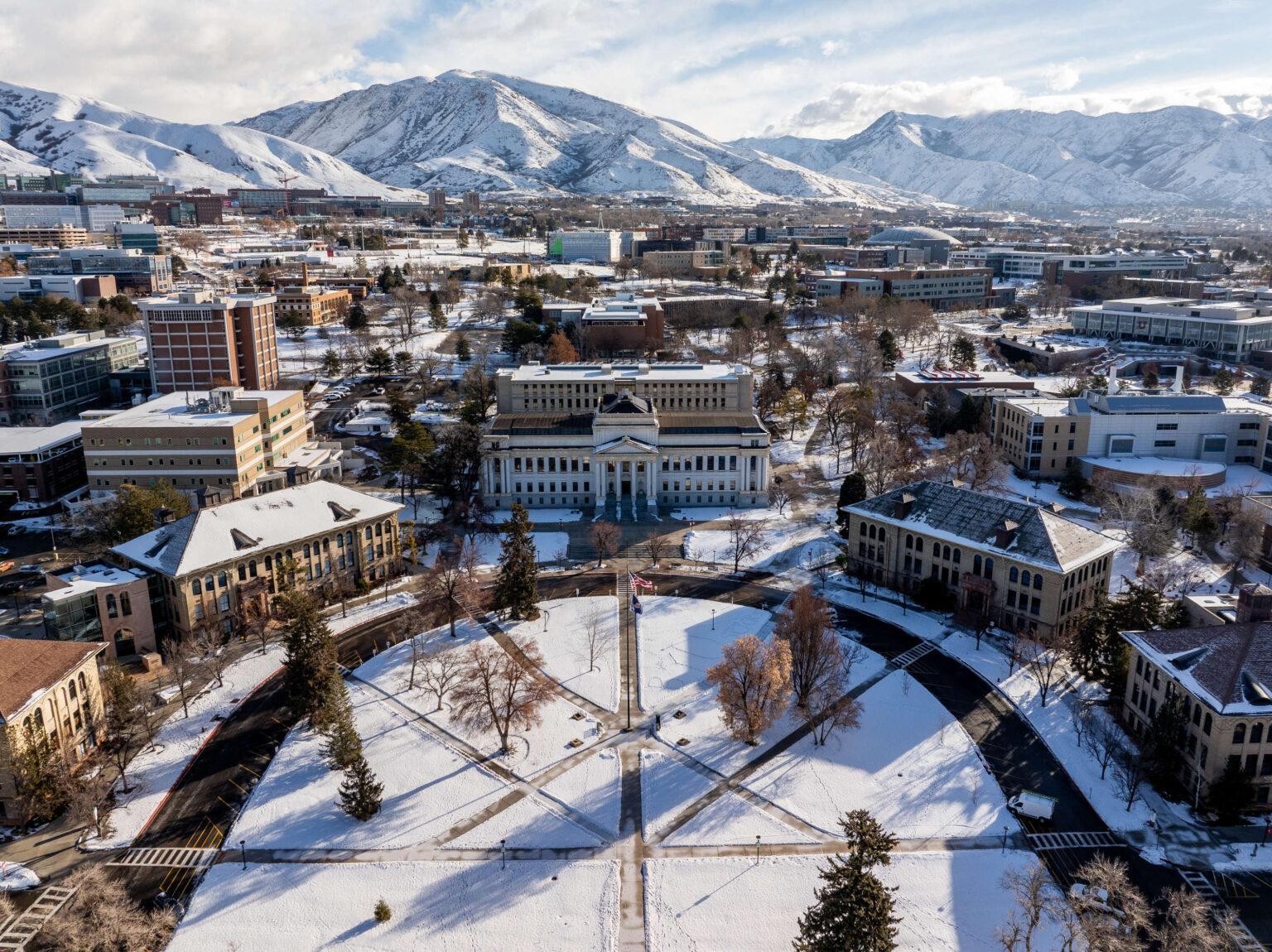
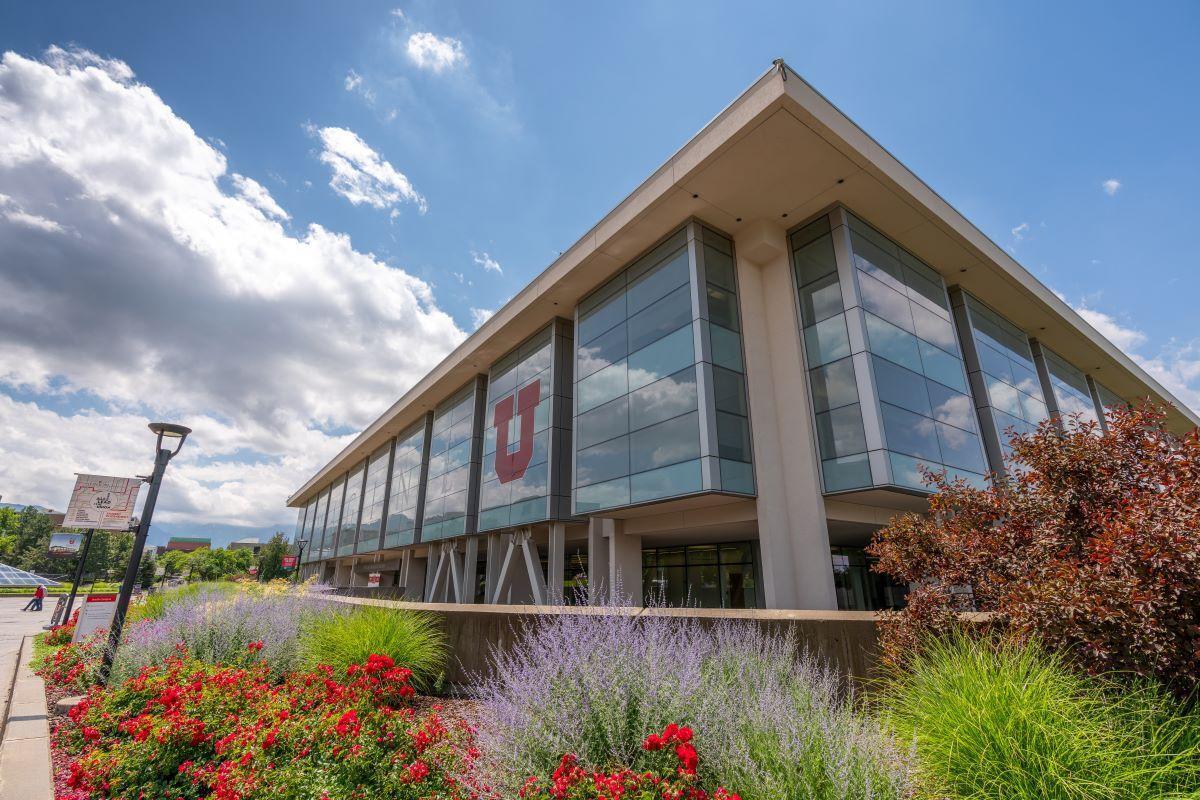
Campus Photos
University of Utah
About University of Utah
University of Utah: Courses, Fees, Admission Requirements and Campus Life
Overview of the University of Utah
The University of Utah is a public research university located in Salt Lake City, Utah, United States. Established in 1850, it is the state's flagship public university and offers undergraduate and graduate education across a broad range of academic disciplines. The university combines classroom learning, research, practical projects and professional development to prepare students for further education and careers.
The university's academic offerings include engineering, computer science, business, architecture, health sciences, nursing, science, education, humanities, social sciences, fine arts and other fields. Students can explore programs ranging from traditional academic degrees to specialized courses that connect technology, research and professional practice.
For international undergraduate applicants, Utah Global works with Shorelight to provide an admissions pathway with different academic and English-language entry tracks. These tracks are designed for students with different levels of academic preparation and English proficiency. Students are placed in the track appropriate to their qualifications, and the length of the pathway and credits earned toward a degree depend on that placement.
The University of Utah may be an option for students seeking a research-focused public university in a major western US city. Prospective applicants should compare the available degree programs, admission requirements, overall cost and campus environment with their own academic goals before applying.
Why Choose the University of Utah?
A Broad Range of Academic Programs
The University of Utah offers programs across many colleges and schools. Students interested in technology can explore fields such as Computer Science, Software Development, Data Science and several engineering disciplines. Those interested in business can consider Accounting, Finance, Business Administration, Entrepreneurship, Marketing and Information Systems.
Other academic areas include architecture and planning, nursing, health, environmental studies, education, fine arts, humanities and social sciences. This range allows students to consider different academic directions and explore options that fit their interests.
Students should remember that a university's complete degree catalogue may differ from the selection available through an international pathway. Applicants should confirm that their preferred program accepts students through their chosen admission route and is available for their intended start term.
Research and Practical Learning
As a public research university, the University of Utah provides an environment where teaching and research are important parts of academic life. Depending on the program, students may have opportunities to work on projects, explore research questions, use specialized facilities or learn from faculty with expertise in their fields.
Engineering, computer science, data science and scientific disciplines can be particularly relevant to students interested in applied problem-solving and technical development. Business and other professional programs may offer learning experiences related to organizations, entrepreneurship and decision-making.
The availability of research placements, laboratories, internships and project opportunities varies by department and degree. Applicants should investigate the specific opportunities associated with their chosen program rather than assuming that all students receive the same experiences.
International Student Pathway Support
Utah Global offers international undergraduate admission tracks in collaboration with Shorelight. The pathway includes services such as application assistance, visa guidance, student services, academic support, campus transition assistance and career services.
The appropriate track depends on a student's academic record and English-language results. Some tracks provide additional preparation before students progress through their degree, while others allow eligible students to begin with a shorter pathway.
Students should review the requirements, length, credits and costs associated with their specific track. Support services can help students navigate the university experience, but they do not guarantee admission, visa approval, academic success or employment.
Location in Salt Lake City
The university is located in Salt Lake City, Utah. The city provides an urban setting with access to business, healthcare, technology, government, cultural activities and outdoor recreation. Students can explore the local environment while pursuing their academic goals.
Salt Lake City's surrounding landscape also makes it attractive to students who enjoy outdoor activities. Nevertheless, students should consider practical factors such as transportation, seasonal weather, accommodation and living expenses when deciding whether the location suits their preferences.
Popular Courses and Academic Areas
The University of Utah offers a large selection of degrees. The following areas illustrate some of the academic options available, although students should verify availability through their intended admission route.
Computer Science
Computer Science is suitable for students interested in programming, algorithms, software systems, computational thinking and technology development. The degree can provide a foundation for understanding how computing systems are designed and used to solve problems.
Students should review the curriculum to understand the balance between theory, programming, mathematics and project work. Prospective applicants should also confirm prerequisites and the specific admission requirements for the degree.
Data Science
Data Science combines quantitative methods, computing and data analysis to support decision-making and research. Students may study methods for organizing, interpreting and analyzing data, depending on the structure of the program.
This field can be relevant to students interested in analytics, technology, research and evidence-based business decisions. Applicants should examine the mathematics, statistics and programming preparation expected for their intended course.
Engineering
The University of Utah offers engineering disciplines that include Biomedical Engineering, Chemical Engineering, Civil Engineering, Computer Engineering, Electrical Engineering, Mechanical Engineering and other specialized fields.
Engineering students typically develop technical knowledge alongside analytical and problem-solving skills. Depending on the discipline, learning may involve laboratory work, design projects, mathematical modelling or research.
Applicants should verify the exact entry requirements for their intended engineering major. Some disciplines may require strong preparation in mathematics and science, and not every program necessarily has identical admission criteria.
Business and Management
The David Eccles School of Business offers study areas such as Accounting, Business Administration, Entrepreneurship, Finance, Information Systems, Management, Marketing and Operations and Supply Chain.
These subjects can help students understand organizations, markets, financial decisions, business processes and innovation. Students should compare the curriculum of each degree with their professional interests and examine opportunities for experiential learning or practical projects.
Admission requirements and available concentrations may vary by degree level. Applicants should check whether their chosen program requires prerequisite coursework or additional application materials.
Architecture, Design and Games
Students interested in design, the built environment and creative technology can explore academic areas associated with architecture and planning. Options include Architectural Studies, Design, Urban Ecology and Games-related study.
These areas may combine creative thinking, technical skills, research and practical projects. Applicants should review the degree structure and confirm whether a portfolio, specific prerequisite or additional admission step is required for their chosen program.
Health and Nursing
The university offers academic opportunities across health-related fields, including Nursing, Kinesiology, Health Promotion and Education, Medical Laboratory Science, Recreational Therapy and Speech and Hearing Science.
Students considering healthcare-related careers should check the requirements carefully because some programs may involve clinical placements, professional standards, additional prerequisites or specific eligibility conditions. Admission to a university does not automatically confer professional licensure.
Science and Environmental Studies
Students interested in scientific research can explore subjects such as Biology, Biochemistry, Chemistry, Mathematics, Physics, Atmospheric Sciences, Geosciences and Environmental and Sustainability Studies.
These disciplines can support further study and careers in research, technology, environmental work, healthcare-related fields and other sectors. Students should compare degree requirements, laboratory opportunities and the subject preparation expected for each program.
Admission Requirements for International Students
The University of Utah has different admission procedures for undergraduate and graduate study. Utah Global's pathway requirements apply to the relevant international undergraduate tracks and should not be treated as universal requirements for every degree at the university.
Utah Global Undergraduate Admission Tracks
Utah Global lists three undergraduate pathway tracks: International Direct, Academic Accelerator Program and Extended Accelerator Program. Each has different academic and English-language requirements.
International Direct: Applicants generally need a minimum GPA of 3.0 and an IELTS score of at least 6.5 or a TOEFL iBT score of 80. The pathway is listed as two semesters and typically awards 24–30 credits toward the degree.
Academic Accelerator Program: Applicants generally need a minimum GPA of 2.5 and an IELTS score of 5.5, with no component below 5.0, or a TOEFL iBT score of 68, with no subscore below 14. The pathway is listed as two semesters and typically awards 21–25 credits toward the degree.
Extended Accelerator Program: Applicants generally need a minimum GPA of 2.5 and an IELTS score of 5.0, with no subscore below 4.5, or a TOEFL iBT score of 60, with no subscore below 12. The pathway is listed as three semesters and typically awards 24–32 credits toward the degree.
Utah Global also lists additional accepted English-language options for its pathways, including Pearson Versant and Cambridge English qualifications with specified minimum scores. Students should consult the current requirements before choosing a test.
The admissions team determines the appropriate track after reviewing an applicant's credentials. Applicants should not assume that they can select any track regardless of their academic record or English proficiency.
Academic Documents
Undergraduate applicants generally need high school or secondary-school transcripts and a graduation certificate or diploma. Applicants who have attended a post-secondary institution must also provide relevant academic records.
The university requires official transcripts to be submitted according to its instructions. Documents may need to be sent directly by the issuing institution, provided in a sealed envelope or submitted through an approved electronic transcript service. Academic records that are not in English may require official English translations.
Applicants should also prepare a valid passport copy and English-language test results where required. They should check the application instructions for any additional materials or deadlines associated with their intended intake.
Graduate Admission
Students applying directly to a graduate program should follow the Graduate School's admission requirements and the requirements of their chosen department. General graduate admission normally requires a recognized bachelor's degree or comparable qualification, sufficient academic preparation and English proficiency for international applicants.
The university's Graduate School has specific rules for international three-year bachelor's degrees. Such degrees may be eligible when they meet the university's stated conditions, including recognition by the relevant authority, a GPA of at least 3.0 and the required earned credits or other qualifying criteria. Applicants should review the current rules rather than assuming that every three-year degree is automatically accepted.
Graduate programs may have additional requirements such as prerequisite courses, a résumé, a statement of purpose, recommendation letters, test scores or other supporting materials. Admission standards vary by department and degree.
English-Language Proficiency
International applicants must demonstrate English-language proficiency through an approved test or qualify for an applicable exemption. The minimum score depends on the type of admission and the program.
For Utah Global undergraduate pathways, the published IELTS and TOEFL requirements differ by track. Applicants should also confirm the accepted test formats and any minimum subscore conditions. Requirements can change, so it is important to check the current policy before submitting results.
Tuition Fees and Cost of Attendance
The cost of studying at the University of Utah depends on the degree, enrollment track, number of credits, housing, meal plan, health insurance and other expenses. Students should distinguish tuition and mandatory fees from the total annual budget needed to study and live in Salt Lake City.
For the 2026–2027 academic year, the university's estimated international undergraduate I-20 budget is USD 66,105. This figure includes estimated tuition and fees, the international student fee, orientation, books and course materials, housing and food, health insurance, and miscellaneous personal expenses.
Within that budget, the university lists USD 32,932 for tuition and fees, USD 300 for the international student fee and USD 75 for the international orientation fee. Estimated living expenses total USD 32,798, including housing and food, health insurance, books and personal expenses.
The I-20 budget is an estimate used for financial documentation and should not be interpreted as an exact bill for every student. Actual expenses can vary according to course load, program, housing choice, meal plan and personal spending.
Utah Global also explains that the final program cost depends on the student's enrollment track, tuition, housing, dining and selected services. Because pathway tracks differ in length and course structure, students should request the detailed cost breakdown for their specific offer.
Students should plan for additional costs that may not be fully reflected in a general estimate, including travel, deposits, supplies and unexpected expenses. A realistic financial plan should cover the entire period of study rather than tuition alone.
Scholarships and Financial Planning
International students should explore scholarships and other funding options available for their degree or admission route. Eligibility can depend on academic performance, program, enrollment status and the terms of the award.
Applicants should not assume that financial aid is guaranteed or that a scholarship will cover all tuition and living expenses. Any award should be confirmed before it is included in a financial plan.
Students should calculate the likely cost of tuition, fees, accommodation, food, insurance, books, transportation and personal expenses. They should also consider whether a longer pathway will affect the total amount they pay before progressing fully into their degree.
International students may need to provide proof of sufficient funds for the university's I-20 process. They should follow the current financial documentation requirements and make sure that funds are available by the stated deadlines.
Campus Life at the University of Utah
The University of Utah's Salt Lake City campus offers an academic environment with student services, university facilities and activities beyond the classroom. Students can participate in clubs, campus events, cultural activities and academic organizations that match their interests.
Students may also explore opportunities related to research, entrepreneurship, creative work, volunteering and professional development, depending on their degree and eligibility. Engaging in campus activities can help students develop communication skills, build relationships and become familiar with the university community.
The university's location provides access to the wider Salt Lake City area and nearby outdoor recreation. Students should plan for seasonal weather and transportation needs, particularly if they intend to participate in activities away from campus.
International students may benefit from orientation and student support services as they adjust to a different academic system and daily routine. These resources can help students understand university expectations and locate relevant services.
Career Development and Future Opportunities
A degree from the University of Utah can help students build subject knowledge and skills relevant to their chosen career direction. Potential professional areas depend on the program and may include software development, data analysis, engineering, business, finance, research, healthcare, education and design.
Career outcomes depend on more than a degree title. Employers may consider technical abilities, academic performance, communication, project experience, internships, research and previous employment. Students should use job descriptions in their preferred field to identify the skills they need to develop during their studies.
Students can investigate university career services, résumé guidance, interview preparation and professional development opportunities. The availability of internships and other work experiences varies by department, eligibility and market conditions.
International students must understand the rules governing employment and internships under their immigration status. They should seek advice from the university's international student services team before accepting work that may require authorization. Neither graduation nor participation in a pathway guarantees employment.
How to Apply to the University of Utah
International students can follow a structured process when preparing an application.
Step 1: Choose a degree. Identify the academic program that matches your interests and career goals. Confirm that it is available through the admission route you intend to use.
Step 2: Review your academic background. Check your grades, completed qualifications and subject preparation against the university's admission requirements.
Step 3: Check English-language requirements. Determine the minimum score for your intended pathway or degree and arrange an accepted test if necessary.
Step 4: Prepare the required documents. Collect academic transcripts, graduation certificates, a passport copy, English-language results and any additional documents requested by the university.
Step 5: Apply through the appropriate route. Undergraduate applicants using Utah Global should follow its international application instructions. Graduate applicants should follow the Graduate School and department requirements.
Step 6: Review the admission decision and costs. Check the conditions of any offer, confirm the assigned pathway track and obtain a detailed tuition and living-cost estimate.
Step 7: Complete enrollment and visa preparation. Follow the university's instructions for official transcripts, financial documentation, the I-20 process, visa application, housing and orientation.
Step 8: Prepare for arrival. Arrange accommodation, transportation and payment deadlines, and complete the required pre-arrival tasks.
Applicants should confirm the latest deadlines and instructions directly with the university because program availability and admission policies may change.
Frequently Asked Questions
Where is the University of Utah located?
The University of Utah is located in Salt Lake City, Utah, United States.
Is the University of Utah a public university?
Yes. It is a public research university and the flagship public university of Utah.
What GPA is required for Utah Global undergraduate admission?
Utah Global lists a minimum GPA of 3.0 for International Direct and 2.5 for both the Academic Accelerator and Extended Accelerator pathways. English-language requirements and pathway lengths also differ.
What English-language scores are accepted for Utah Global?
Published pathway requirements include IELTS and TOEFL iBT, with different minimum scores for each track. Utah Global also lists other accepted qualifications, including Pearson Versant and Cambridge English certificates. Applicants should confirm the current rules for their selected track.
How much does it cost to study at the University of Utah?
The university's estimated 2026–2027 international undergraduate I-20 budget is USD 66,105. This includes estimated education and living expenses. The final cost varies according to program, pathway track, housing, meal plan and personal spending.
Does the university offer Computer Science and Engineering?
Yes. Its undergraduate academic offerings include Computer Science, Software Development, Data Science and several engineering disciplines. Availability through an international pathway should be confirmed for the intended intake.
Are jobs guaranteed after graduation?
No. Employment depends on qualifications, skills, experience, labor-market conditions and applicable work authorization. Students should use available career resources to prepare for professional opportunities.
Conclusion
The University of Utah offers a broad range of academic programs in a public research university environment in Salt Lake City. Students can explore technology, engineering, business, science, health, education, design and other fields according to their interests and preparation.
For international undergraduate applicants, Utah Global provides different admission tracks based on academic and English-language credentials. Prospective students should carefully review the requirements, pathway length, degree availability and complete cost of attendance before applying. By planning ahead and confirming the details of their intended program, students can make an informed decision about whether the University of Utah aligns with their academic and professional goals.
Entry Requirements
General Entry Requirement
IELTS 6.0 overall
Fees & Scholarships
Annual Tuition Fees
USD 34,000 - USD 66,000
Ready to Apply to University of Utah?
Our advisors guide you from eligibility check to offer letter — at no cost to you.
Join our WhatsApp Community
.jpeg)
Scan to join our student community for admission updates & guidance