
Annual FeesUSD 45,000 - USD 50,000
University of Tulsa
LocationUS
Entry RequirementIELTS 6.0 overall
Visa Success Rate72%
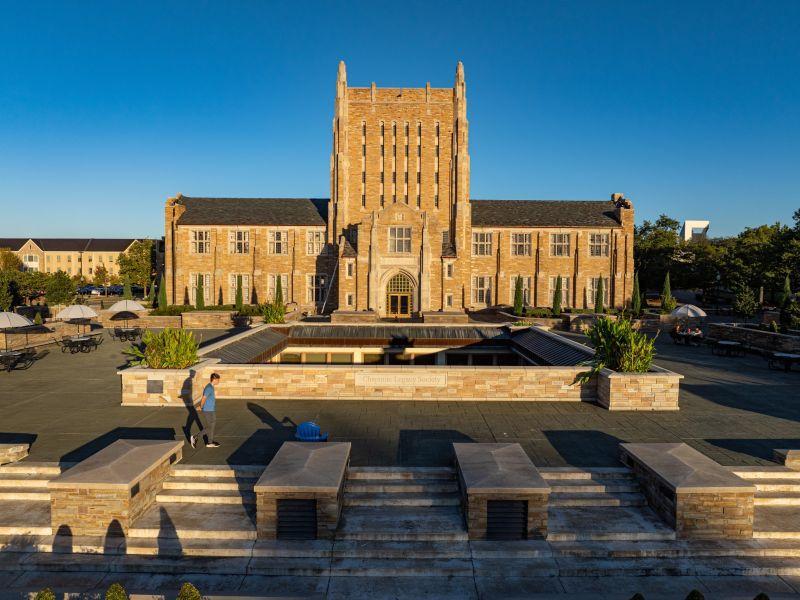
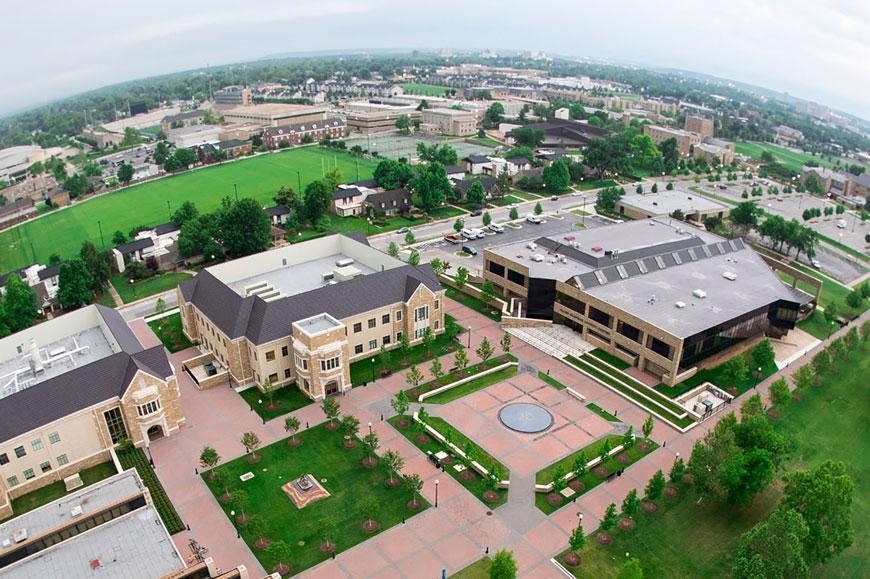
Campus Photos
University of Tulsa
About University of Tulsa
University of Tulsa: Courses, Admissions, Fees, Scholarships and Student Life
Introduction
The University of Tulsa is a private research university located in Tulsa, Oklahoma, United States. Known for its academic focus, research opportunities, supportive learning environment, and connections with industry, the university provides students with opportunities to develop professional knowledge and practical skills across a variety of disciplines.
Established in 1894, the institution has developed into a recognised centre for higher education, offering undergraduate, graduate, and professional programmes. Its academic environment combines classroom instruction with research, experiential learning, and opportunities for interdisciplinary study. Students can explore subjects ranging from engineering and computer science to business, natural sciences, humanities, and health-related fields.
The university's relatively small learning environment allows students to engage with faculty members, participate in academic activities, and receive individual guidance throughout their educational journey. Its location in Tulsa also provides access to a growing business community, cultural attractions, professional networks, and internship opportunities.
For international students considering higher education in the United States, the University of Tulsa offers a combination of academic programmes, international admission support, scholarship opportunities, campus accommodation, and student services. Its programmes are designed to prepare graduates for professional careers, further academic study, and participation in an increasingly interconnected global economy.
About the University of Tulsa
The University of Tulsa has a long history of providing higher education and contributing to research, innovation, and community development. Its campus is located at 800 South Tucker Drive in Tulsa, Oklahoma.
The institution focuses on creating an academic environment where students can develop intellectual curiosity, independent thinking, leadership abilities, and practical expertise. Its educational approach encourages students to explore their interests while gaining the technical and professional skills required in their chosen industries.
The university comprises several academic colleges and schools, including the College of Engineering and Computer Science, Collins College of Business, Kendall College of Arts and Sciences, Oxley College of Health and Natural Sciences, and the College of Law. These academic divisions provide opportunities for students to pursue specialised education while benefiting from the university's broader academic community.
Research is an important part of the university's academic identity. Students can explore research opportunities, work alongside faculty members, participate in academic projects, and develop solutions to real-world challenges. These experiences help connect theoretical knowledge with practical applications.
The University of Tulsa also places importance on student development beyond academic performance. Campus organisations, cultural activities, athletics, community engagement, and leadership opportunities contribute to a well-rounded university experience.
Why Choose the University of Tulsa?
Selecting a university involves evaluating academic quality, programme availability, affordability, campus facilities, and future career opportunities. The University of Tulsa offers several features that make it worth considering for domestic and international students.
Student-Focused Learning Environment
The university promotes a supportive academic environment in which students can interact with professors, seek academic guidance, and participate actively in classroom discussions. Its published undergraduate admission information highlights an 11:1 student-faculty ratio and an average class size of 12 students.
Diverse Academic Programmes
Students can select from programmes in business, engineering, computer science, arts, health sciences, natural sciences, and other disciplines. This academic variety allows applicants to explore different educational and professional pathways.
Research and Practical Learning
Students have opportunities to participate in research, academic projects, and experiential learning activities. Such experiences help develop analytical thinking, problem-solving abilities, and subject-specific expertise.
International Student Support
The university provides dedicated admission information and resources for international applicants. Students can access guidance regarding application documentation, English-language proficiency, financial requirements, and the transition to studying in the United States.
Location in Tulsa, Oklahoma
Tulsa provides students with access to a metropolitan environment featuring businesses, cultural institutions, entertainment venues, and outdoor recreational spaces. The city also offers opportunities to connect with local employers and professional communities.
Campus Community
Student organisations, university traditions, athletics, recreational facilities, and residential communities create opportunities for students to build friendships and participate in campus activities.
Academic Programmes and Courses
The University of Tulsa offers academic programmes across multiple disciplines through its colleges and schools. Its curriculum combines foundational education, specialised coursework, research opportunities, and practical learning experiences.
College of Engineering and Computer Science
The College of Engineering and Computer Science provides education in technical disciplines that support innovation, industrial development, and technological advancement.
Students interested in engineering and computing can explore areas such as:
- Computer Science
- Computer Engineering
- Chemical Engineering
- Electrical Engineering
- Mechanical Engineering
- Petroleum Engineering
- Cyber Security
- Data Science
- Computer Simulation and Gaming
- Engineering Physics
These programmes help students develop technical knowledge, programming abilities, engineering fundamentals, and problem-solving skills. Depending on the programme, students may participate in laboratory activities, research projects, software development, and practical engineering assignments.
Collins College of Business
The Collins College of Business provides education in business administration, management, finance, and related professional disciplines.
Students can explore subjects such as:
- Accounting
- Business Administration
- Finance
- Marketing
- Management
- Economics
- Business Information Systems
- Energy and Energy Business
- International Business
Business programmes focus on developing an understanding of organisational management, financial decision-making, marketing strategies, business operations, and leadership.
Kendall College of Arts and Sciences
The Kendall College of Arts and Sciences offers programmes covering humanities, social sciences, communication, and creative disciplines.
Areas of study include:
- Anthropology
- English
- History
- Political Science
- Psychology
- Sociology
- Philosophy and Religion
- Media Studies
- Film
- Creative Writing
- Art and Design
- Music
These programmes encourage critical thinking, research, communication, cultural understanding, and analytical skills. They can support career pathways in education, public service, media, research, communication, and other professional fields.
Oxley College of Health and Natural Sciences
The Oxley College of Health and Natural Sciences focuses on disciplines related to scientific research, healthcare, and human development.
Students can explore academic areas such as:
- Biological Science
- Chemistry and Biochemistry
- Physics
- Nursing
- Community and Public Health
- Exercise and Sports Science
- Speech-Language Pathology
- Integrative Healthcare Studies
These programmes combine scientific foundations with opportunities for specialised study. Depending on their chosen degree, students may engage in laboratory learning, research activities, clinical preparation, and other practical experiences.
Graduate and Professional Programmes
The university also offers graduate and professional education for students who wish to continue their academic development after completing an undergraduate qualification.
Graduate-level study includes disciplines such as engineering, computer science, business, biological sciences, chemistry, cyber security, petroleum engineering, psychology, nursing, and other specialised subjects.
The College of Law provides professional legal education for students interested in developing careers in the legal profession.
Programme availability, degree requirements, and admission criteria vary by department. Applicants should review the latest programme information before selecting a course.
Admission Requirements at the University of Tulsa
The University of Tulsa welcomes applications from students with different academic backgrounds, including international applicants seeking undergraduate and postgraduate education in the United States.
Admission requirements depend on the applicant's educational level, selected programme, academic qualifications, and country of education.
Undergraduate Admission Requirements
International students applying for a bachelor's degree generally need to prepare the following documents:
- Completed university application through the UTulsa application or Common Application.
- Official secondary school or high school academic transcripts.
- Valid passport identification page.
- Proof of English-language proficiency through an accepted examination.
- Official financial documentation demonstrating the ability to support one year of study and living expenses.
- Relevant international academic qualifications, such as IGCSE, A-Level, IB, or AP results, where applicable.
Applicants should ensure that their academic documents are complete and submitted through the appropriate application portal or international admissions office.
Graduate Admission Requirements
Students applying for master's or doctoral programmes must satisfy the academic requirements established by their selected departments.
Common application requirements may include:
- A recognised bachelor's degree or equivalent qualification.
- Official university transcripts.
- Academic statement of purpose or personal statement, where required.
- Letters of recommendation, depending on the programme.
- English-language proficiency results for international applicants.
- A current résumé or curriculum vitae, where applicable.
- Additional documents, examinations, or academic portfolios required by specific departments.
Some programmes may have additional prerequisites, particularly in engineering, business, health sciences, and research-based disciplines.
English Language Proficiency
International applicants whose previous education does not meet the university's English-language requirements may need to demonstrate proficiency through an approved examination.
The university accepts recognised English-language qualifications, including:
- TOEFL
- IELTS
- Duolingo English Test
- Pearson Test of English
The minimum acceptable score can vary according to the university's admission policies and individual programme requirements. Students should verify the current requirements before booking an examination.
Application Process
The admission process generally involves the following stages:
- Select an undergraduate or graduate programme that matches your academic background and career interests.
- Review the admission requirements and application deadlines for your intended intake.
- Complete the appropriate online application.
- Upload academic transcripts, identification documents, English-language test results, and other required materials.
- Submit financial documentation when requested.
- Monitor your application portal and respond to any additional document requests.
- Receive and review the admission decision.
- Complete the required enrolment and international student procedures.
International students admitted to eligible full-time programmes must also follow the applicable immigration procedures to obtain the appropriate student visa.
Tuition Fees and Cost of Studying
Understanding the financial commitment is an important part of planning to study in the United States. The University of Tulsa's tuition fees and overall attendance costs depend on the selected programme, academic year, course load, accommodation arrangements, and personal spending habits.
For the 2026–2027 academic year, the published undergraduate tuition and fee estimate for international students is approximately USD 56,705.
The overall estimated annual cost, including living expenses, is approximately USD 77,689. This broader figure can include accommodation, food, books, personal expenses, and other estimated educational costs.
Estimated Annual Expenses
|
Expense Category |
Estimated Cost |
|
Undergraduate tuition and fees |
USD 56,705 |
|
Accommodation and food |
Included in overall cost estimate |
|
Books and supplies |
Varies |
|
Personal expenses |
Varies |
|
Transportation |
Varies |
|
Overall estimated annual cost |
USD 77,689 |
These figures are planning estimates rather than fixed charges for every student. Actual expenses may differ depending on housing choices, programme requirements, insurance, and individual circumstances.
Graduate tuition varies by programme and credit-hour requirements. Students pursuing specialised degrees should consult the relevant academic department for an accurate cost breakdown.
International applicants should also consider additional expenses such as visa application charges, travel, health insurance, and initial settlement costs.
Scholarships and Financial Aid
The University of Tulsa offers scholarship and financial assistance opportunities that can help eligible students manage the cost of higher education.
Financial support may be available through academic merit scholarships, international student awards, departmental funding, and other university-supported opportunities.
Merit-Based Scholarships
Merit-based scholarships recognise students who demonstrate strong academic performance and educational potential.
Undergraduate international applicants may be considered for institutional scholarship opportunities based on their academic qualifications and the university's current eligibility criteria.
The value of an award may depend on academic records, application details, and scholarship availability.
International Student Scholarships
International students can explore scholarships and awards specifically designed for students coming from outside the United States.
These opportunities may help reduce tuition expenses and make studying at the university more financially accessible.
Departmental Funding
Some graduate programmes may provide financial support through research assistantships, teaching assistantships, fellowships, or department-specific awards.
Availability depends on the academic programme, research requirements, departmental funding, and the student's qualifications.
Financial Aid Application Process
Students interested in financial support should:
- Review the available scholarships and eligibility conditions.
- Submit the university application and required academic documents.
- Check whether additional scholarship applications are necessary.
- Monitor scholarship notifications and financial aid communications.
- Review award conditions, renewal requirements, and payment arrangements.
Students should confirm whether a particular scholarship is available to international applicants and whether it can be combined with other forms of financial assistance.
Campus Facilities and Accommodation
The University of Tulsa provides campus facilities designed to support academic learning, residential life, recreation, and student engagement.
Its campus environment brings together educational buildings, student services, residential facilities, and recreational spaces.
Academic Facilities and Libraries
McFarlin Library serves as an important academic resource for students and faculty. It provides access to learning materials, research resources, study spaces, and academic support services.
Students can use library facilities for individual study, group assignments, research preparation, and coursework.
The university also provides specialised learning environments, including laboratories and technical facilities that support different academic disciplines.
Student Accommodation
On-campus housing provides students with opportunities to live within the university community and participate in campus activities.
Residential options include residence halls and apartment-style accommodation, subject to availability and eligibility.
Living on campus can help students develop friendships, participate in university events, and maintain convenient access to academic facilities.
Dining Facilities
Students can access campus dining services that provide meal options throughout the academic year. Dining arrangements and meal plans may vary according to accommodation choices and university policies.
Sports and Recreation
The university offers recreational opportunities through fitness facilities, athletics, and student sports activities.
Students can participate in physical fitness programmes, intramural activities, and university sporting events. These opportunities help promote physical well-being and encourage social interaction.
Technology and Learning Support
Digital learning resources, academic support services, computer facilities, and specialised laboratories contribute to the university's educational environment.
These facilities help students complete academic assignments, develop technical competencies, and participate in research and collaborative learning activities.
Student Life at the University of Tulsa
Student life at the University of Tulsa extends beyond lectures and academic assignments. The institution encourages students to participate in extracurricular activities, develop leadership abilities, and become active members of the campus community.
Student Organisations and Clubs
The university supports more than 150 student organisations, providing opportunities to connect with people who share similar interests.
Students can explore organisations related to academics, professional development, cultural activities, volunteering, recreation, and social engagement.
Joining student organisations can help international students become familiar with American university culture while developing communication and teamwork skills.
Cultural Diversity
The university provides an environment in which students from different backgrounds can interact, exchange perspectives, and develop international friendships.
International students can participate in cultural programmes, student activities, and global engagement initiatives.
These experiences can help students adjust to a new academic environment while maintaining connections with their cultural backgrounds.
Athletics and University Traditions
The University of Tulsa is home to the Golden Hurricane athletic teams. University sporting events and campus traditions contribute to student identity and community engagement.
Students can attend sporting events, participate in recreational activities, and engage with the university's athletic culture.
Community Engagement
Volunteering, community service, and leadership activities provide additional opportunities for students to contribute to the local community.
Such experiences encourage personal development, social responsibility, and an understanding of the broader society in which students live.
International Student Support Services
The University of Tulsa provides dedicated resources to help international students navigate the admission process and adjust to studying in the United States.
The university's international admissions team assists prospective students with application procedures, documentation, and information about studying at TU.
Pre-Arrival Guidance
Before travelling to the United States, international students need to complete several important steps. These may include accepting an admission offer, arranging financial documentation, completing immigration procedures, and preparing travel arrangements.
The university provides international student information and checklists to help applicants understand these requirements.
Immigration and Visa Support
International students admitted to eligible programmes generally need an appropriate student immigration status to study in the United States.
The university provides guidance concerning the documentation and procedures associated with international student enrolment.
Students should carefully follow the instructions provided by the university's international student services team and review the latest requirements issued by the relevant US immigration authorities.
Academic Advising
Academic advising helps students understand degree requirements, select appropriate courses, plan their academic schedules, and monitor their educational progress.
Students can seek assistance when choosing electives, exploring academic opportunities, or considering changes to their educational plans.
Career and Personal Development Support
The university encourages students to prepare for professional opportunities through career development resources, practical learning experiences, and connections with the professional community.
International students can also access university resources that support their transition into a new cultural and educational environment.
Research Opportunities and Experiential Learning
Research and practical education are important elements of the University of Tulsa's academic environment.
Students can explore opportunities to work with faculty members, participate in research initiatives, and develop solutions to academic and industry-related challenges.
The university's research activities span disciplines such as engineering, energy, computer science, natural sciences, business, and the humanities.
Undergraduate Research
Undergraduate students may have opportunities to participate in research projects alongside faculty members.
These experiences can help students understand research methodologies, develop analytical abilities, and explore specialised areas of interest.
Research participation can also strengthen applications for graduate education and provide valuable experience for professional careers.
Industry-Related Learning
The university's location in Tulsa provides access to industries and organisations across sectors such as energy, technology, healthcare, business, and engineering.
Depending on their programme and available opportunities, students can explore internships, professional networking, collaborative projects, and other forms of practical engagement.
Interdisciplinary Education
The university encourages students to understand how different academic disciplines connect with one another.
For example, computer science students may explore applications in business or healthcare, while engineering students can examine the relationship between technology, energy, and environmental development.
This interdisciplinary approach helps students understand complex professional challenges and develop adaptable skills.
Career Opportunities and Employment Prospects
The University of Tulsa aims to prepare students for professional careers by combining academic instruction with practical learning and professional development.
Graduates can pursue opportunities across different industries depending on their academic qualifications, technical abilities, experience, and career interests.
Career Pathways
Students graduating from different academic disciplines may explore career opportunities such as:
|
Academic Field |
Potential Career Paths |
|
Computer Science |
Software Developer, Systems Analyst, Data Analyst |
|
Cyber Security |
Security Analyst, Information Security Specialist |
|
Engineering |
Mechanical Engineer, Electrical Engineer, Project Engineer |
|
Business |
Business Analyst, Management Associate, Marketing Executive |
|
Finance and Accounting |
Financial Analyst, Accountant, Auditor |
|
Biological Sciences |
Research Assistant, Laboratory Specialist |
|
Psychology |
Research Associate, Behavioural Support Professional |
|
Media Studies |
Media Coordinator, Content Specialist, Communications Associate |
These are illustrative career pathways rather than guaranteed employment outcomes.
Career Development Resources
Career preparation may involve résumé development, interview preparation, professional networking, career counselling, and access to employment-related resources.
Students can use these opportunities to understand employer expectations and prepare for the transition from university to professional life.
Internships and Practical Experience
Internships and professional experiences can help students understand workplace expectations while applying their academic knowledge to practical situations.
Opportunities depend on the student's programme, eligibility, academic progress, employer requirements, and available positions.
Employment Considerations for International Students
International students should understand the employment restrictions associated with their immigration status.
Eligible students may explore authorised employment opportunities, including applicable practical training options, subject to the rules governing their student visa category.
Students should consult the university's international student advisers before accepting employment or participating in internships that require immigration authorisation.
Studying in Tulsa, Oklahoma
Tulsa is one of Oklahoma's major cities and provides students with an urban environment that combines educational opportunities, business activity, cultural attractions, and outdoor recreation.
The city is recognised for its historical connections to the energy industry, its developing business community, and its cultural identity.
Business and Employment Environment
Tulsa has a diverse economy with activity in sectors such as energy, aerospace, healthcare, manufacturing, finance, and technology.
This business environment can provide opportunities for students interested in understanding different industries, developing professional connections, and exploring internships.
Arts and Cultural Attractions
The city offers several cultural attractions, including museums, music venues, art galleries, and historic districts.
Students interested in arts and entertainment can explore the Tulsa Arts District, Greenwood District, and other cultural destinations.
Outdoor Recreation
Tulsa also provides opportunities for outdoor activities through parks, walking trails, recreational areas, and public spaces.
The Gathering Place is a popular destination where students can enjoy outdoor recreation and spend time with friends.
Cost of Living
Compared with some of the largest metropolitan areas in the United States, Tulsa can offer a different range of accommodation, transportation, and everyday living options.
However, individual expenses depend on lifestyle, accommodation preferences, transportation requirements, and personal spending habits.
Students should prepare a realistic budget before travelling and consider both university-related expenses and daily living costs.
Application Deadlines and Important Considerations
Application deadlines at the University of Tulsa vary depending on the academic level, programme, and intended semester of entry.
International applicants should begin preparing their applications well in advance to allow sufficient time for document submission, admission review, financial arrangements, and visa processing.
Before applying, students should:
- Check the application deadlines for their selected intake.
- Review programme-specific academic requirements.
- Prepare official educational transcripts.
- Complete an accepted English-language proficiency examination if required.
- Review available scholarships and financial assistance.
- Prepare documentation demonstrating financial support.
- Confirm accommodation availability and arrangements.
- Understand the immigration procedures applicable to international students.
Applicants should rely on the university's official admission information for the latest dates and requirements, as these may change between academic years.
How to Apply to the University of Tulsa as an International Student
Students interested in joining the University of Tulsa can follow a structured application process.
Step 1: Explore Academic Programmes
Start by reviewing undergraduate and graduate programmes. Compare course structures, academic requirements, and potential career pathways before selecting a degree.
Step 2: Review Admission Eligibility
Check the academic qualifications, English-language proficiency requirements, and additional documents required for your chosen programme.
Step 3: Complete the Online Application
Submit your application through the university's designated application platform. First-year undergraduate students can apply through the UTulsa application or Common Application.
Step 4: Submit Supporting Documents
Provide academic transcripts, passport identification, English-language test results, and other required documents.
Step 5: Review Financial Requirements
Prepare the required financial documentation and explore scholarship opportunities that may be available to international students.
Step 6: Receive Your Admission Decision
Monitor your application and respond to any requests for additional information. Once admitted, carefully review your offer and enrolment instructions.
Step 7: Complete Visa Procedures
Follow the university's instructions concerning the required immigration documents and student visa procedures.
Step 8: Prepare for Arrival
Arrange accommodation, travel, health insurance where applicable, and other essential requirements before beginning your studies.
Conclusion
The University of Tulsa offers students an opportunity to pursue higher education in a private research university environment in Oklahoma. With academic programmes spanning engineering, computer science, business, arts and sciences, and health-related disciplines, the institution provides different educational pathways for students with varied academic and professional interests.
Its focus on research, practical learning, student engagement, and academic support contributes to a learning environment designed to prepare graduates for professional and further academic opportunities.
For international students, the university provides dedicated admission resources, scholarship opportunities, and support throughout the application and transition process. Its location in Tulsa also offers access to a diverse business community, cultural attractions, and recreational facilities.
Students considering the University of Tulsa should carefully evaluate programme requirements, tuition costs, scholarship eligibility, and their long-term academic goals before applying. By researching these factors and preparing their applications in advance, prospective students can make a more informed decision about pursuing their education at the University of Tulsa.
Entry Requirements
General Entry Requirement
IELTS 6.0 overall
Fees & Scholarships
Annual Tuition Fees
USD 45,000 - USD 50,000
Ready to Apply to University of Tulsa?
Our advisors guide you from eligibility check to offer letter — at no cost to you.
Join our WhatsApp Community

Scan to join our student community for admission updates & guidance