
Annual FeesCAD 66,100 - CAD 76,000
University of Toronto
LocationCanada
Entry RequirementIELTS 6.5 overall
Visa Success Rate43%
Campus Photos
University of Toronto
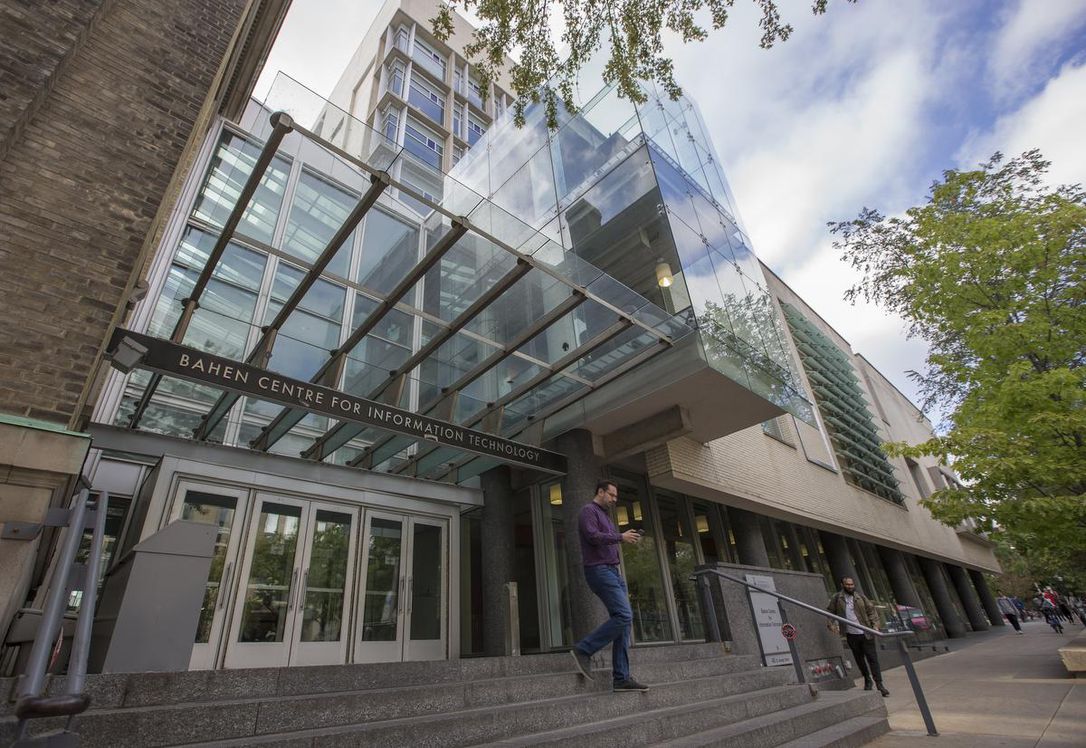
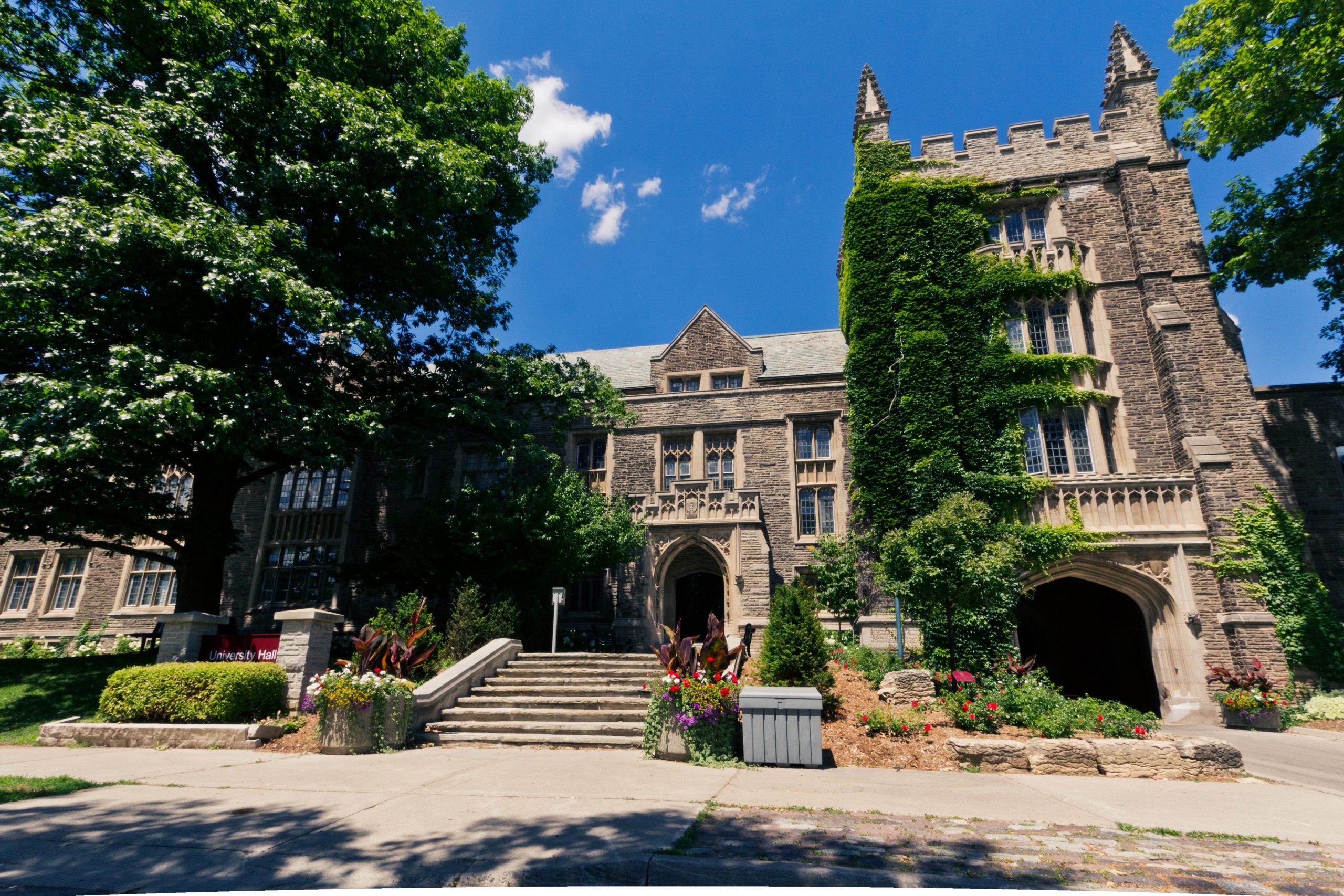
About University of Toronto
University of Toronto: Courses, Admission, Tuition Fees, Scholarships and Study in Canada
The University of Toronto (U of T) is a public research university in Toronto, Ontario, Canada. Founded in 1827, it is one of Canada's largest universities and operates across three campuses: St. George, Mississauga and Scarborough.
The university offers a broad range of undergraduate, graduate and professional programs covering areas such as computer science, engineering, business, medicine, life sciences, social sciences, humanities, architecture and public policy.
For international students, U of T provides a wide range of academic options, research opportunities, scholarships and student-support services.
University of Toronto at a Glance
|
Information |
Details |
|
University |
University of Toronto |
|
Location |
Toronto, Ontario, Canada |
|
Established |
1827 |
|
Institution Type |
Public Research University |
|
Campuses |
St. George, Mississauga and Scarborough |
|
Study Levels |
Undergraduate, Graduate and Professional |
|
International Students |
Yes |
|
Language of Instruction |
English |
|
Main Academic Areas |
Arts, Science, Engineering, Business, Computer Science, Medicine, Law and more |
|
IELTS |
Generally 6.5 overall, with no band below 6.0 |
About the University of Toronto
The University of Toronto is located in Canada's largest city and has a long history of teaching and research.
Its three campuses provide different academic and student environments. The St. George campus is located in downtown Toronto, while the Mississauga and Scarborough campuses provide additional undergraduate programs and facilities.
U of T combines classroom-based education with research, experiential learning and opportunities to participate in academic projects.
The university's location also gives students access to Toronto's technology, finance, healthcare, media, government and cultural sectors.
Campuses
St. George Campus
The St. George campus is the university's main campus and is located in downtown Toronto.
It includes a large number of faculties, colleges, libraries, research facilities, student residences and cultural spaces.
Students studying at St. George can access a wide range of academic programs and student organizations.
Mississauga Campus
The University of Toronto Mississauga (UTM) is located west of downtown Toronto.
UTM offers undergraduate programs in areas including commerce, computer science, science, social sciences and humanities.
The campus combines academic facilities with green spaces and research infrastructure.
Scarborough Campus
The University of Toronto Scarborough (UTSC) is located in the eastern part of Toronto.
UTSC offers undergraduate programs across areas including management, computer science, arts, science and environmental studies.
The campus also provides experiential learning opportunities and co-operative education options in selected programs.
Undergraduate Programs
U of T offers a large selection of undergraduate programs.
Computer Science
Computer Science is available across the university's academic environment, with programs covering areas such as:
- Programming
- Software development
- Algorithms
- Artificial intelligence
- Data science
- Computer systems
- Databases
- Cybersecurity
- Human-computer interaction
Students interested in technology can also explore interdisciplinary combinations involving computer science and other subjects.
Engineering
The Faculty of Applied Science & Engineering offers programs in fields including:
- Computer Engineering
- Electrical Engineering
- Mechanical Engineering
- Civil Engineering
- Chemical Engineering
- Industrial Engineering
- Materials Engineering
- Engineering Science
Engineering education combines mathematics, science, technical subjects, laboratory work and design-based learning.
Business and Commerce
U of T offers business education through institutions including the Rotman Commerce program and management programs at its other campuses.
Students can study areas such as:
- Accounting
- Finance
- Marketing
- Management
- Economics
- Entrepreneurship
- Business analytics
Business programs can combine academic study with practical projects and professional development.
Life Sciences
Students interested in biology and healthcare can study disciplines including:
- Biology
- Biochemistry
- Neuroscience
- Pharmacology
- Human biology
- Immunology
- Molecular genetics
These programs can provide preparation for graduate study, research and professional programs.
Social Sciences
U of T offers programs in:
- Economics
- Political science
- Sociology
- Psychology
- Anthropology
- International relations
- Criminology
- Public policy
These subjects allow students to examine social, economic and political issues through research and analytical methods.
Humanities
Humanities programs include:
- History
- Philosophy
- English
- Languages
- Classics
- Religion
- Cultural studies
- Literature
Students can often combine different subjects through majors, minors and specialist programs.
Architecture and Design
The university also provides academic opportunities in architecture, landscape architecture, urban design and related fields through the John H. Daniels Faculty of Architecture, Landscape, and Design.
Graduate Programs
The University of Toronto offers master's and doctoral programs across its faculties.
Graduate education is available in areas including:
- Computer Science
- Engineering
- Business
- Medicine
- Public Health
- Data Science
- Education
- Law
- Social Sciences
- Humanities
- Life Sciences
- Environmental Studies
Graduate students may undertake coursework, research, professional projects or a combination depending on the program.
Admission Requirements
Admission requirements vary considerably by program.
International undergraduate applicants generally need:
- A recognized secondary-school qualification
- Strong academic performance
- Required prerequisite subjects
- Senior-level English
- Mathematics or science prerequisites for applicable programs
- Proof of English proficiency where required
- Official academic documentation
Competitive programs can have requirements above the general minimum.
U of T evaluates applicants according to their academic background and the requirements of the specific program to which they apply.
Requirements for Indian Students
U of T accepts several Indian secondary-school qualifications.
Applicants from India may apply using qualifications including:
- CBSE All India Senior School Certificate
- CISCE Indian School Certificate
- Recognized State Board qualifications
The university states that applicants should have the appropriate senior-level subjects required by their chosen program. Some programs, such as those involving mathematics, science or engineering, require specific Class XII subjects.
Applicants should check the exact requirements for their intended faculty rather than relying only on a general percentage threshold.
English-Language Requirements
Applicants whose previous education does not meet U of T's English-language requirements may need to submit an approved English-language test.
For IELTS Academic, the current requirement is generally:
6.5 overall with no band below 6.0.
Other approved examinations may also be accepted.
Language requirements can vary according to an applicant's educational history, so students should confirm whether they qualify for an exemption before booking an English test.
How to Apply
Step 1: Select a Program
Choose the U of T program or area of study that matches your academic goals.
Applicants should carefully review the prerequisites before beginning the application.
Step 2: Check Admission Requirements
Review academic requirements, subject prerequisites and English-language requirements.
Step 3: Submit the Application
Undergraduate applicants generally apply through the appropriate Ontario university application system.
Applicants can select their preferred U of T campus and academic choices according to the application rules.
Step 4: Submit Supporting Documents
Depending on the applicant and program, required documentation can include:
- Academic transcripts
- School certificates
- English-language test results
- Identification documents
- Additional program-specific documents
Step 5: Monitor the Application
Applicants should monitor their application and submit additional information if requested.
Step 6: Receive the Decision
U of T communicates admission decisions through the relevant applicant portal and official channels.
Step 7: Accept the Offer
Students who receive an offer should follow the instructions and deadlines included in their admission offer.
Tuition Fees
International tuition at U of T varies significantly by program and campus.
For the 2026–27 academic year, official university fee information shows that international undergraduate tuition differs according to the program. The university's 2026–27 tuition report states that international fees for major undergraduate programs such as Arts & Science, Architecture and Applied Science & Engineering increased in 2026–27.
For example, the university lists approximately CAD 66,110 for first-year international Arts & Science bachelor's study, while Applied Science & Engineering is approximately CAD 72,860 for the relevant international undergraduate fee category.
Students should remember that tuition is separate from other costs such as:
- Incidental fees
- Residence
- Food
- Books
- Transportation
- Health insurance
- Personal expenses
The University of Toronto's Tuition Explorer provides current program-specific fee information.
Scholarships for International Students
The University of Toronto provides several scholarships and awards for international students.
Lester B. Pearson International Scholarship
The Lester B. Pearson International Scholarship is one of U of T's major scholarships for international undergraduate students.
The scholarship covers:
- Tuition
- Books
- Incidental fees
- Full residence support
The award is provided for four years of undergraduate study, subject to its conditions. The university states that approximately 37 students are named Pearson Scholars each year.
The scholarship has a specific nomination process. Eligible students must be nominated by their secondary school and must apply to an eligible first-entry undergraduate program.
For students beginning U of T in September 2027, the university currently lists October 9, 2026 as the school nomination deadline, October 16, 2026 for the U of T admission application and November 6, 2026 for the scholarship application and documentation.
Other Scholarships
U of T also offers other scholarships for international students, including campus-specific entrance awards.
The university states that current students have access to more than 5,900 in-course scholarships each year.
Eligibility varies by award.
Cost of Living in Toronto
Toronto is one of Canada's largest metropolitan areas, and living expenses depend heavily on accommodation and lifestyle.
International students should budget for:
- Accommodation
- Food
- Transportation
- Books and supplies
- Health insurance
- Personal expenses
- Entertainment
On-campus residence can provide convenient access to university facilities, while off-campus housing can offer additional options but requires consideration of transportation and rental costs.
Students should prepare a complete annual budget rather than considering tuition alone.
Campus Facilities
U of T provides extensive academic and student facilities across its three campuses.
These include:
- Libraries
- Laboratories
- Research centres
- Computer facilities
- Study spaces
- Student residences
- Sports facilities
- Dining facilities
- Student clubs
- Career services
The university's library system provides students with access to extensive academic resources for coursework and research.
Research Opportunities
Research is a major component of the University of Toronto's academic environment.
Research activities cover areas such as:
- Artificial intelligence
- Medicine
- Biotechnology
- Computer science
- Engineering
- Climate and environmental research
- Public policy
- Economics
- Social sciences
- Neuroscience
Undergraduate students can also encounter research opportunities through specific courses, faculty projects, summer programs and other initiatives.
Graduate students can undertake advanced research under faculty supervision.
Experiential Learning
Depending on the program and campus, students can gain practical experience through:
- Co-op programs
- Internships
- Research placements
- Community projects
- Laboratory work
- Entrepreneurship programs
- Industry projects
Availability depends on the specific program.
Students should check their chosen faculty's experiential-learning opportunities before applying.
Student Life
U of T has a large and diverse student community.
Students can participate in:
- Academic clubs
- Cultural organizations
- Sports
- Student associations
- Volunteer activities
- Entrepreneurship groups
- Arts and performance activities
- Professional organizations
The university's three campuses provide different student environments, while the wider Toronto area offers additional cultural and recreational opportunities.
International Student Support
International students can access university services related to:
- Immigration information
- Academic advising
- Orientation
- Housing
- Health and wellness
- Financial support
- Career development
- Student life
The university also provides information to help international students prepare for studying and living in Canada.
Studying in Toronto
Toronto is Canada's largest city and an important centre for:
- Finance
- Technology
- Healthcare
- Media
- Business
- Research
- Government
- Culture
For students, the city provides access to a large network of organizations and industries.
The University of Toronto's campuses are also connected to Toronto's public transportation network, making it possible for students to travel around the metropolitan area.
Career Opportunities
Graduates of U of T can pursue careers across many industries depending on their qualifications and experience.
Potential fields include:
- Software development
- Data analytics
- Engineering
- Finance
- Consulting
- Healthcare
- Research
- Education
- Public policy
- Marketing
- Business management
Career outcomes depend on the student's academic program, experience, professional qualifications and individual circumstances.
Post-Graduation Opportunities
International students who plan to remain in Canada after graduation should review the immigration rules that apply to their specific program and situation.
Eligibility for post-graduation work authorization depends on current Canadian immigration regulations and program characteristics.
Because Canadian immigration policies can change, students should verify the latest requirements through official Canadian government sources before making decisions about post-study work.
Frequently Asked Questions
Where is the University of Toronto located?
The University of Toronto has three campuses in the Greater Toronto Area: St. George in downtown Toronto, Mississauga and Scarborough.
Is the University of Toronto a public university?
Yes. U of T is a public research university.
Does the University of Toronto accept international students?
Yes. U of T accepts international students across undergraduate, graduate and professional programs.
What IELTS score does U of T require?
The general IELTS Academic requirement is 6.5 overall with no band below 6.0, although applicants should verify the requirements applicable to their circumstances.
What is the tuition fee for international students?
Tuition varies by program. For 2026–27, examples include approximately CAD 66,110 for Arts & Science and CAD 72,860 for Applied Science & Engineering for relevant first-year international undergraduate categories.
Does U of T offer Computer Science?
Yes. Computer Science is available through programs across the university's campuses and faculties.
Does the University of Toronto offer Engineering?
Yes. The Faculty of Applied Science & Engineering offers several undergraduate engineering disciplines.
Does U of T offer scholarships to international students?
Yes. U of T offers several scholarships, including the Lester B. Pearson International Scholarship and campus-specific awards.
What is the Lester B. Pearson Scholarship?
It is a four-year scholarship for eligible international undergraduate students that covers tuition, books, incidental fees and full residence support. Approximately 37 students are selected each year.
Can Indian students apply to U of T?
Yes. U of T accepts recognized Indian secondary-school qualifications, including CBSE and CISCE credentials, subject to program-specific admission requirements.
Does U of T have three campuses?
Yes. They are St. George, Mississauga and Scarborough.
Is U of T located in Toronto?
Yes. The St. George campus is located in downtown Toronto, while the other two campuses are located in Mississauga and Scarborough.
Does U of T offer co-op programs?
Co-op and experiential-learning opportunities are available in selected programs and campuses. Students should check the specific program for eligibility and availability.
Final Takeaway
The University of Toronto is a public research university with three campuses and a broad academic portfolio covering computer science, engineering, business, science, health, humanities, social sciences, architecture and many other disciplines.
International applicants must meet the academic and language requirements for their selected program. For English-language admission, the general IELTS requirement is 6.5 overall with no band below 6.0, while program-specific prerequisites can vary.
International tuition is program-dependent, with 2026–27 examples ranging from approximately CAD 66,110 for Arts & Science to CAD 72,860 for Applied Science & Engineering in relevant undergraduate categories.
U of T also provides scholarship opportunities for international students. The Lester B. Pearson International Scholarship can cover tuition, books, incidental fees and residence support for four years for selected eligible undergraduate students.
For prospective international students, the key points to verify before applying are the specific program prerequisites, current tuition, scholarship eligibility, application deadlines, English-language requirements and Canadian study-permit rules.
Entry Requirements
General Entry Requirement
IELTS 6.5 overall
Fees & Scholarships
Annual Tuition Fees
CAD 66,100 - CAD 76,000
Ready to Apply to University of Toronto?
Our advisors guide you from eligibility check to offer letter — at no cost to you.
Join our WhatsApp Community
.jpeg)
Scan to join our student community for admission updates & guidance