
Annual Fees£30,890 to £34,885
University of the Arts London
LocationUK
Entry RequirementIELTS 7.0 overall
Visa Success Rate99%
Campus Photos
University of the Arts London
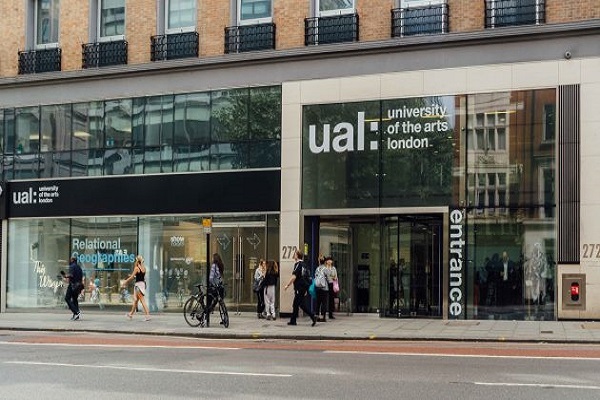
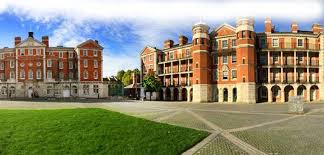
About University of the Arts London
University of the Arts London: A World-Leading Creative University for Art, Design, Fashion, Media and Communication
The University of the Arts London (UAL) is one of the world's leading specialist universities for art, design, fashion, communication, media and performing arts. UAL brings together six renowned colleges: Camberwell College of Arts, Central Saint Martins, Chelsea College of Arts, London College of Communication, London College of Fashion and Wimbledon College of Arts.
UAL's roots date back to 1842, and today it has a community of almost 23,000 students from around 130 countries. The university combines studio- and practice-based education with industry connections, professional development and access to London's creative industries.
Its biggest distinction is its global reputation in Art and Design. In the QS World University Rankings by Subject 2026, UAL ranked 2nd in the world for Art & Design, and it has been the world's highest-ranked undergraduate arts and design educator for eight consecutive years.
For international students who want careers in fashion, graphic design, illustration, animation, film, photography, communication, architecture, product design, creative computing or performing arts, UAL offers a particularly strong specialist environment.
What is the University of the Arts London Known For?
UAL is best known for its world-leading creative education, specialist colleges, industry connections and practice-based approach to learning.
Its academic strengths include:
- Art & Fine Art
- Fashion
- Graphic Design
- Illustration
- Photography
- Animation
- Film & Screen
- Communication
- Media
- Product & 3D Design
- Interior & Spatial Design
- Architecture
- Performing Arts
- Creative Computing
- Journalism
- Fashion Business
- Theatre & Performance
UAL offers more than 200 courses across art, design, fashion, communication, media, computing and performing arts.
Central Saint Martins
Central Saint Martins (CSM) is one of UAL's best-known colleges and has an international reputation for creative education.
It offers areas such as:
- Fashion
- Fine Art
- Graphic Communication
- Product Design
- Performance
- Spatial practices
- Culture and enterprise
CSM is particularly associated with experimental and innovative approaches to creative education.
London College of Fashion
The London College of Fashion (LCF) specialises in fashion and related industries.
Students can explore:
- Fashion Design
- Fashion Communication
- Fashion Business
- Fashion Marketing
- Fashion Buying
- Fashion Styling
- Fashion Journalism
- Fashion Technology
- Beauty and related creative industries
For students who want to build careers in the global fashion industry, LCF provides a highly specialised environment.
London College of Communication
The London College of Communication (LCC) focuses on communication, media and screen-related disciplines.
Students can study:
- Graphic Design
- Illustration
- Photography
- Journalism
- Film
- Animation
- Advertising
- Media
- Communication Design
- Publishing
Camberwell College of Arts
Camberwell is particularly focused on:
- Fine Art
- Illustration
- Graphic Design
- 3D Design
- Ceramics
- Interior and spatial practices
- Illustration and visual communication
Chelsea College of Arts
Chelsea provides specialist education in areas such as:
- Fine Art
- Graphic Design Communication
- Interior and Spatial Design
- Product and spatial practices
- Curating and creative disciplines
Wimbledon College of Arts
Wimbledon specialises particularly in:
- Theatre
- Performance
- Technical arts
- Costume
- Set and production design
- Contemporary performance
Creative Computing at UAL
UAL also offers creative technology education through its Creative Computing Institute.
This makes UAL particularly interesting for students who want to combine technology with creativity.
Areas can include:
- Creative computing
- Creative robotics
- Interaction design
- Digital experiences
- Emerging technologies
- Computational creativity
This can be a strong option for students who want careers at the intersection of technology, design and creative industries.
University of the Arts London Rankings – World No. 2 for Art & Design
UAL's biggest academic strength is its global position in Art and Design.
In the QS World University Rankings by Subject 2026, UAL ranked:
2nd in the world for Art & Design
UAL has also been the world's highest-ranked undergraduate arts and design educator for eight consecutive years.
The only institution ranked above UAL in the 2026 QS Art & Design ranking was the Royal College of Art, which is focused exclusively on postgraduate study.
Why This Ranking Matters
For students applying for a conventional subject such as Accounting, Engineering or Medicine, UAL's ranking may not be directly relevant.
But for students interested in:
Fashion | Graphic Design | Fine Art | Illustration | Photography | Animation | Film | Communication | Product Design | Performing Arts
UAL's specialist reputation is extremely significant.
The university's strength comes from its creative ecosystem, specialist studios, practising artists and designers, industry connections and London location.
Quick Facts
- Founded through institutions dating back to 1842
- Six colleges
- Almost 23,000 students
- Students from around 130 countries
- 2nd in the world for Art & Design – QS 2026
- World's highest-ranked undergraduate arts and design educator for eight consecutive years
- More than 200 courses
- Specialist education in art, design, fashion, communication, media, computing and performing arts
- Multiple London campuses
- Strong creative-industry connections
- Practice-based and studio-based learning
Q. Is University of the Arts London a good university in the UK?
A. Yes, particularly for students interested in creative subjects. UAL is one of the world's leading institutions for Art and Design and ranked 2nd globally in the QS 2026 Art & Design rankings. Its specialist colleges, industry links and London location make it a particularly strong choice for creative careers.
University of the Arts London Campus – Six Specialist Colleges Across London
Unlike a traditional university with one central campus, UAL operates across multiple locations in London, with six specialist colleges and additional institutes.
Its six colleges are:
- Camberwell College of Arts
- Central Saint Martins
- Chelsea College of Arts
- London College of Communication
- London College of Fashion
- Wimbledon College of Arts
UAL's distributed campus structure means students study within an environment specifically designed around their creative discipline.
Specialist Facilities
Depending on the college and course, students can access:
- Design studios
- Art studios
- Photography facilities
- Film and television facilities
- Fashion workshops
- Textile facilities
- Printmaking facilities
- 3D design workshops
- Digital fabrication facilities
- Computing facilities
- Performance spaces
- Libraries
- Exhibition spaces
- Specialist technical workshops
The university emphasises access to world-class resources and facilities across its six colleges.
Life in London
Studying at UAL places students directly inside one of the world's most important creative capitals.
Students can access:
- Fashion companies
- Design studios
- Advertising agencies
- Film and television industries
- Museums and galleries
- Publishing companies
- Music and performance
- Creative technology companies
- Art institutions
- Cultural events
- International brands
London can therefore become an extension of the classroom, particularly for students working in creative industries.
International Student Experience
UAL has a highly international student community. The university states that it has students from around 130 countries, while its international student services provide support with applications, visas, accommodation and settling into London.
International students can also access country-specific representatives who can provide guidance on applications, visas, portfolios and general support.
Q. Is UAL a good place for international students?
A. Yes. UAL is particularly attractive to international creative students because of its global reputation, diverse community, specialist colleges, London location and connections with the creative industries. International students also receive dedicated application and visa support.
University of the Arts London Courses – World-Class Programmes in Art, Design, Fashion, Communication and Creative Technology
The University of the Arts London offers more than 200 courses across its six specialist colleges, covering art, design, fashion, communication, media, screen, performing arts and creative technology. Its courses are strongly practice-based, with students developing professional portfolios, creative projects and industry-relevant skills alongside academic knowledge. (arts.ac.uk)
UAL's six colleges allow students to study within an environment specifically designed around their creative discipline:
- Camberwell College of Arts
- Central Saint Martins
- Chelsea College of Arts
- London College of Communication
- London College of Fashion
- Wimbledon College of Arts
The university also has specialist institutes, including the Creative Computing Institute, making UAL relevant to students interested in the intersection of creativity and technology. (arts.ac.uk)
Popular Subject Areas
Art & Fine Art
Fine Art | Painting | Sculpture | Drawing | Printmaking | Contemporary Art
Students can develop their own creative practice while exploring:
- Painting
- Sculpture
- Installation
- Drawing
- Printmaking
- Digital art
- Contemporary practice
- Art theory
- Exhibition practice
The emphasis is on developing an individual artistic identity and professional portfolio.
Fashion
Fashion Design | Fashion Communication | Fashion Business | Fashion Marketing | Fashion Styling | Fashion Journalism
UAL's London College of Fashion provides specialist education across the fashion industry.
Students can explore:
- Fashion design
- Fashion illustration
- Fashion marketing
- Fashion buying
- Fashion business
- Fashion journalism
- Fashion communication
- Fashion styling
- Fashion technology
- Sustainable fashion
For students aiming to work with international fashion houses, brands, retailers or creative agencies, LCF provides a highly specialised environment.
Graphic Design & Communication
Graphic Design | Communication Design | Illustration | Advertising | Branding
Students develop skills in:
- Typography
- Visual communication
- Branding
- Illustration
- Advertising
- Editorial design
- Digital design
- Art direction
The London College of Communication and Central Saint Martins are particularly relevant to students interested in these fields.
Photography
Photography | Fashion Photography | Documentary Photography | Photography & Visual Media
Students can develop both technical and conceptual photography skills.
Areas may include:
- Digital photography
- Studio photography
- Documentary photography
- Editorial photography
- Fashion photography
- Visual storytelling
- Image production
Film, Animation & Screen
Film | Animation | Visual Effects | Screenwriting | Film Production | Moving Image
Students can develop practical skills in:
- Film production
- Animation
- Editing
- Directing
- Screenwriting
- Cinematography
- Visual effects
- Motion graphics
- Storytelling
These courses can prepare students for careers across film, television, advertising, animation and digital media.
Product & Industrial Design
Product Design | Industrial Design | Ceramic Design | Jewellery Design | 3D Design
Students explore:
- Product development
- Materials
- Manufacturing
- User-centred design
- Prototyping
- 3D modelling
- Sustainable design
- Industrial design
The courses combine creative thinking with technical and practical skills.
Interior & Spatial Design
Interior Design | Spatial Design | Architecture | Exhibition Design
Students develop skills in:
- Interior environments
- Spatial planning
- Architecture
- Exhibition design
- Sustainable spaces
- Digital modelling
- Physical model-making
Performing Arts
Performance | Theatre Design | Costume | Set Design | Technical Arts
Wimbledon College of Arts and other UAL colleges provide specialist education in performance and theatre-related disciplines.
Students can explore:
- Acting and performance
- Theatre design
- Costume
- Set design
- Production
- Technical theatre
- Performance research
Journalism, Media & Communication
Journalism | Media | Communication | Publishing | Public Relations
Students can develop:
- Writing
- Research
- Journalism
- Digital media
- Publishing
- Communication
- Content production
- Editorial skills
These courses can lead to careers in journalism, publishing, media, communications, marketing and related industries.
Creative Computing
Creative Computing | Creative Robotics | Creative Technology | Interaction Design
UAL's Creative Computing Institute provides an opportunity to combine computing with creative practice.
Students can explore:
- Programming
- Creative technology
- Interactive experiences
- Robotics
- Digital art
- Emerging technologies
- Computational creativity
- User interaction
This is particularly interesting for students who want careers at the intersection of technology, design and creativity.
Q. What Are the Best Courses at the University of the Arts London?
A. UAL is particularly worth considering for Fashion, Fine Art, Graphic Design, Illustration, Photography, Animation, Film, Communication, Product Design, Interior Design, Performing Arts, Journalism and Creative Computing. Its strongest advantage is its specialist creative environment, practice-based education and connections with London's creative industries. (arts.ac.uk)
Student Life at the University of the Arts London – A Creative Community Across London
Student life at UAL is built around creative collaboration, studio practice, exhibitions, performances, projects and interaction with other artists and designers.
Students can participate in:
- Student societies
- Exhibitions
- Fashion shows
- Performances
- Creative competitions
- Workshops
- Industry events
- Cultural activities
- Student-led projects
- Careers events
Because UAL operates across six specialist colleges, students can develop connections with people working in different creative disciplines.
Campus Experience
Depending on the course, students have access to:
- Art studios
- Fashion workshops
- Photography studios
- Film facilities
- Animation facilities
- Printmaking workshops
- Ceramics facilities
- 3D design workshops
- Digital fabrication
- Computing facilities
- Performance spaces
- Libraries
- Exhibition spaces
- Specialist technical workshops
This practical environment is an important part of the UAL experience.
Life in London
UAL's location gives students direct access to one of the world's most important creative capitals.
Students can connect with:
- Fashion houses
- Design agencies
- Advertising agencies
- Film and television companies
- Museums and galleries
- Publishing companies
- Creative technology companies
- Music and performance organisations
- Art institutions
- International brands
London can therefore become an important part of students' professional development.
International Student Experience
UAL has students from around 130 countries, creating a highly international creative community. International students can access support with applications, visas, accommodation and settling into London. (arts.ac.uk)
Q. What is student life like at the University of the Arts London?
A. Student life at UAL is creative, international and highly collaborative. Students spend significant time developing projects, portfolios and creative practices while also participating in exhibitions, performances, societies, workshops and industry events.
Careers & Employability – Turning Creative Skills into Professional Careers
Employability is a major part of the UAL experience.
UAL's Careers and Employability team supports students and graduates who want to work as employees, freelancers, entrepreneurs or creative practitioners. Support is available to current students and graduates for up to five years after graduation. (arts.ac.uk)
Students can access:
- One-to-one career advice
- CV support
- Portfolio advice
- Interview preparation
- Job opportunities
- Paid internships
- Careers workshops
- Mentoring
- Funding opportunities
- Freelance support
- Business support
- Opportunities to exhibit and sell work
Work Placements
Many eligible undergraduate courses offer the opportunity to take an additional Diploma in Professional Studies (DPS).
The optional placement year generally takes place between the second and final year and involves at least 100 working days or 20 weeks during term time. Students gain industry experience and then return to complete their degree. (arts.ac.uk)
Placement opportunities can include work in:
- Design studios
- Fashion companies
- Creative agencies
- Media organisations
- Film and screen industries
- Art organisations
- Publishing
- Technology companies
- Creative businesses
Creative Opportunities
UAL operates Creative Opportunities, an industry jobs board advertising hundreds of jobs and paid internships each month, in both creative and non-creative sectors. The advertised jobs pay at least the National Living Wage. (arts.ac.uk
Students can also access Arts Temps, which helps students and graduates find temporary employment and gain professional experience.
Careers & Employability Fair
UAL also hosts a Careers and Employability Fair where students and graduates can meet employers, receive portfolio and CV feedback and learn about available creative opportunities. (arts.ac.uk
Q. Does University of the Arts London provide placement opportunities?
A. Yes. Many eligible undergraduate courses offer an optional Diploma in Professional Studies placement year, while students can also access internships, paid jobs, employer events and other professional opportunities through UAL Careers and Employability. (arts.ac.uk
For Indian Students
UAL can be particularly relevant for Indian students interested in:
Fashion | Graphic Design | Fine Art | Illustration | Photography | Animation | Film | Media | Communication | Product Design | Interior Design | Performing Arts | Creative Computing
Its strongest advantages are its global Art & Design reputation, specialist colleges, London location, creative-industry connections and practical portfolio-based education.
Indian applicants should carefully check the course-specific portfolio requirements, academic entry requirements, English-language requirements, tuition fees and scholarship opportunities before applying.
University of the Arts London Fees – Tuition Costs, Scholarships and Financial Support for International Students
The University of the Arts London offers international students a wide range of undergraduate and postgraduate programmes across Art, Design, Fashion, Communication, Media, Film, Performing Arts and Creative Computing. Tuition fees vary according to the college, course and level of study, so students should check the individual course page for the exact fee before applying. (arts.ac.uk)
Estimated Tuition Fees for International Students
|
Programme |
Approximate Annual Tuition Fee* |
Fee Range |
|
Undergraduate programmes |
£28,570 |
£25,000–£30,000 |
|
Fashion & Design |
£28,570 |
£27,000–£31,000 |
|
Fine Art & Illustration |
£28,570 |
£27,000–£30,000 |
|
Film, Media & Communication |
£28,570 |
£27,000–£31,000 |
|
Creative Computing |
£28,570 |
£27,000–£30,000 |
|
Postgraduate programmes |
£30,000 |
£25,000–£35,000 |
|
Selected specialist Master's programmes |
£35,000+ |
£30,000–£40,000+ |
*Fees vary by course and academic year. UAL publishes course-specific tuition fees, and students should confirm the exact fee for their chosen programme and intake. Additional costs such as accommodation, materials, equipment, travel and living expenses are separate from tuition. (arts.ac.uk)
For creative subjects, students should also budget for course materials and equipment. Depending on the course, this can include art materials, specialist software, photography equipment, fabrics, printing, model-making and other project costs.
Scholarships for International Students
UAL offers a range of scholarships and funding opportunities for international students.
Available opportunities include:
- UAL International Postgraduate Scholarships
- UAL International Undergraduate Scholarships
- Vice-Chancellor's scholarships
- College-specific awards
- Country-specific scholarships
- Hardship and emergency funding
- External scholarships
- Accommodation-related support
The UAL International Postgraduate Scholarship provides significant tuition-fee support for eligible international students studying selected postgraduate programmes. UAL publishes the eligibility criteria and application deadlines for each scholarship cycle on its official funding pages. (arts.ac.uk)
UAL also offers scholarships specifically designed to support students from lower-income backgrounds and students from particular regions and countries.
Indian students should check UAL's international scholarship listings carefully because eligibility, award amounts and available scholarships can change by intake and course.
Q. Is University of the Arts London affordable for international students?
A. UAL is generally a premium-priced London university, particularly for international students. Tuition fees can be significant and creative courses may also involve additional material and equipment expenses. However, scholarships and other financial-support opportunities can reduce the overall cost for eligible students. Students should also budget carefully for London's accommodation and living expenses.
University of the Arts London for International Students – Global Creative Community and London Opportunities
UAL has a highly international student community, with students from around 130 countries. Its six colleges provide an environment where students from different creative and cultural backgrounds can collaborate and develop their professional networks. (arts.ac.uk)
International Student Support Includes
- International admissions guidance
- Visa and immigration information
- Pre-arrival support
- Accommodation guidance
- Orientation and welcome activities
- Academic support
- Careers and employability support
- Wellbeing services
- Financial guidance
- Scholarship information
- International student advice
UAL also provides dedicated information for international applicants covering portfolio requirements, applications, visas and preparing to study in the UK. (arts.ac.uk)
Why London Matters for UAL Students
For creative students, studying in London can provide access to:
- International fashion brands
- Design studios
- Advertising agencies
- Film and television companies
- Museums and galleries
- Publishing houses
- Art institutions
- Creative technology companies
- Photography studios
- Theatre and performance organisations
- International cultural events
This creates opportunities for students to build professional connections while studying.
UAL's Careers and Employability service also supports students and graduates with jobs, internships, portfolio development, mentoring and professional opportunities. (arts.ac.uk)
Eligible international graduates may also potentially use the UK's Graduate Route after completing an eligible course, subject to the immigration rules applicable at the time.
Q. Is UAL good for international students?
A. Yes. UAL is particularly attractive to international students who want to study Art, Design, Fashion, Media, Communication, Film, Performing Arts or Creative Computing in London. Its global reputation, specialist colleges, international community and access to London's creative industries make it a strong option for creative careers. (arts.ac.uk)
The Honest Verdict – Is University of the Arts London the Right Choice for You?
UAL is best suited to students who have a clear interest in creative subjects and want to develop a professional creative portfolio while studying in London.
University of the Arts London Is an Excellent Choice If You...
- Want to study Art or Design.
- Are interested in Fashion.
- Want to pursue Graphic Design or Illustration.
- Are interested in Photography.
- Want to study Film or Animation.
- Are interested in Media and Communication.
- Want to study Product or Spatial Design.
- Are interested in Performing Arts.
- Want to combine creativity with technology.
- Want access to London's creative industries.
- Want to build a professional creative portfolio.
- Value specialist creative education.
- Want an internationally recognised Art & Design institution.
It May Not Be the Right Fit If You...
- Want to study traditional subjects such as Medicine or Engineering.
- Are looking for a broad comprehensive university.
- Have a very limited overall budget.
- Want to avoid London's high living costs.
- Prefer a conventional university campus.
- Are not interested in creative or design-related careers.
- Prefer a university focused primarily on scientific or research-based disciplines.
For students whose career goals are centred around creative industries, fashion, design, media or art, UAL is one of the strongest options in the UK.
Frequently Asked Questions About University of the Arts London
Q. Is UAL good for Indian students?
A. Yes. UAL is particularly suitable for Indian students interested in Fashion, Graphic Design, Fine Art, Illustration, Photography, Animation, Film, Media, Communication, Product Design, Interior Design and Creative Computing. Its international community and dedicated international support make it a popular choice for creative students.
Q. What is University of the Arts London famous for?
A. UAL is famous for its world-leading Art and Design education. It ranked 2nd in the world for Art & Design in the QS World University Rankings by Subject 2026 and has been the world's highest-ranked undergraduate arts and design educator for eight consecutive years. (arts.ac.uk)
Q. How much are University of the Arts London fees for international students?
A. International tuition fees vary by course, college and level of study. Many undergraduate creative programmes are around the £25,000–£30,000 per year range, while postgraduate programmes can be higher depending on the course. Students should check the exact course page because fees are programme-specific. (arts.ac.uk)
Q. Does UAL offer scholarships?
A. Yes. UAL offers a range of international scholarships, postgraduate scholarships, college-specific awards and other financial-support opportunities. Eligibility and award values vary by programme and intake. (arts.ac.uk)
Q. Can international students work while studying?
A. Eligible international students can generally work within the conditions attached to their UK Student visa. Students should check the current UK Government rules applicable to their individual visa.
Q. Is UAL affordable for students?
A. UAL is not a low-cost option, particularly because it is located in London and creative courses can involve additional costs for materials, equipment and project work. Scholarships can help eligible students reduce their tuition costs.
Q. Does University of the Arts London provide placement opportunities?
A. Yes. Many eligible UAL undergraduate courses offer an optional Diploma in Professional Studies placement year, while students can also access internships, paid creative jobs, mentoring and employer opportunities through UAL Careers and Employability. (arts.ac.uk)
A Final Word – Why University of the Arts London Deserves Your Consideration
The University of the Arts London offers something very different from a traditional UK university. Its greatest strength is its specialist creative ecosystem, combining six renowned colleges, professional facilities, practising artists and designers, industry connections and London's global creative environment.
Its strongest areas include:
Fashion | Graphic Design | Fine Art | Illustration | Photography | Animation | Film | Media | Communication | Product Design | Interior Design | Performing Arts | Creative Computing
For international students, UAL's global Art & Design reputation, diverse community, specialist facilities and London location make it one of the most compelling choices for a creative career.
The main consideration is cost. International tuition fees can be high, London living expenses are significant, and creative courses may require additional spending on materials and equipment. Students should therefore plan their finances carefully and investigate scholarships before accepting an offer.
If you want to build a career in fashion, art, design, media, communication or another creative industry, UAL deserves serious consideration.
Overall Verdict: One of the world's leading specialist creative universities, offering exceptional Art & Design education, strong industry connections and direct access to London's global creative industries.
Entry Requirements
General Entry Requirement
IELTS 7.0 overall
Fees & Scholarships
Annual Tuition Fees
£30,890 to £34,885
Ready to Apply to University of the Arts London?
Our advisors guide you from eligibility check to offer letter — at no cost to you.
Join our WhatsApp Community
.jpeg)
Scan to join our student community for admission updates & guidance