
Annual FeesUSD 28,000 - USD 47,000
University of Tennessee at Chattanooga
LocationUS
Entry RequirementIELTS 6.0 overall
Visa Success Rate75%
Campus Photos
University of Tennessee at Chattanooga
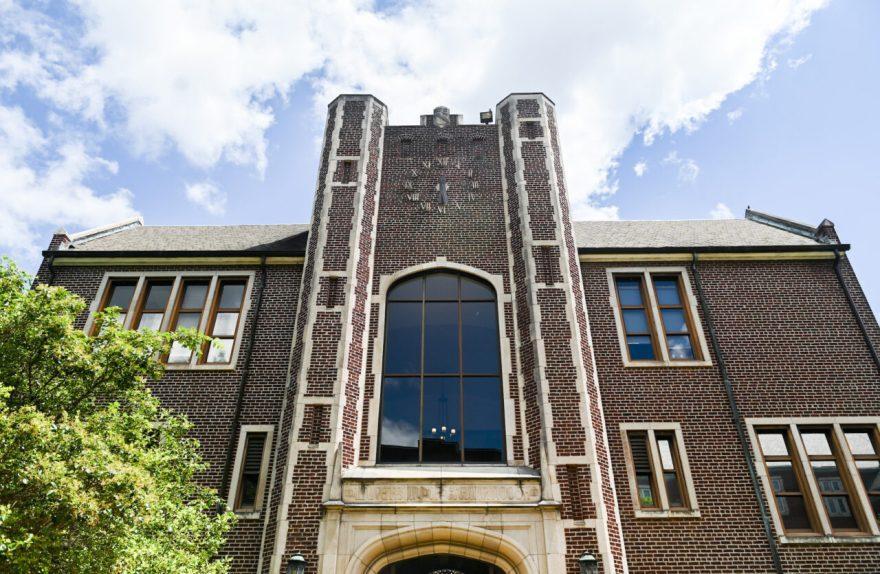
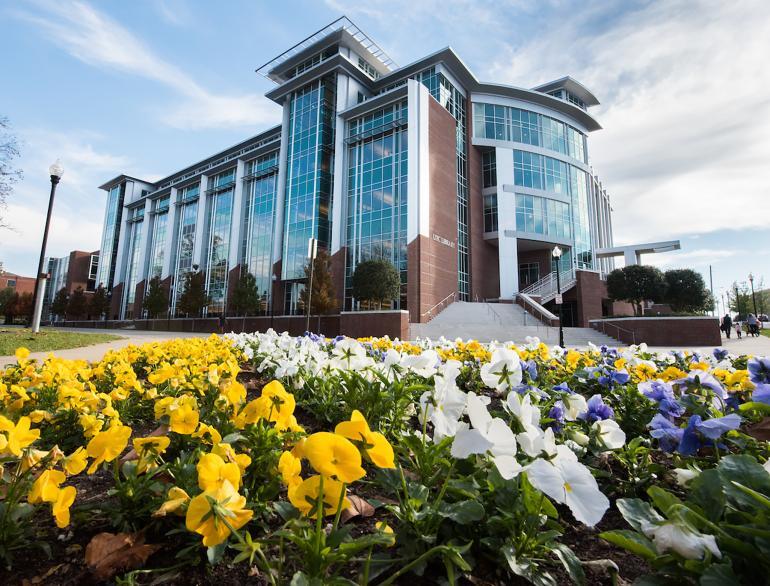
About University of Tennessee at Chattanooga
University of Tennessee at Chattanooga: Courses, Tuition Fees, Admissions and Student Life
University Overview
The University of Tennessee at Chattanooga (UTC) is a public university located in Chattanooga, Tennessee, United States. As part of the University of Tennessee System, UTC offers undergraduate, graduate and doctoral education across a broad range of academic disciplines. The university combines classroom learning, research opportunities and practical experiences to help students prepare for professional careers and further education.
Founded in 1886 as Chattanooga University, the institution has developed into a metropolitan university with strong connections to the surrounding region. Its location gives students access to an urban environment while maintaining a traditional university campus. UTC's academic approach emphasizes teaching, experiential learning, research and community partnerships.
The university offers more than 150 degree programs and concentrations through its academic colleges and graduate school. Students can explore subjects in business, engineering, computer science, nursing, health sciences, education, natural sciences, humanities and the arts.
UTC is institutionally accredited by the Southern Association of Colleges and Schools Commission on Colleges (SACSCOC), which authorizes it to award bachelor's, master's and doctoral degrees.
Why Choose the University of Tennessee at Chattanooga?
UTC can be an appealing option for students seeking a public university experience in a city with a strong regional economy and access to outdoor recreation. Its academic programs cover both traditional liberal arts subjects and career-focused professional disciplines.
Some reasons students consider UTC include:
- Broad academic selection: Students can choose from programs across five academic colleges and the Honors College.
- Experiential education: The university emphasizes practical learning, research, collaboration and opportunities to apply classroom knowledge.
- Metropolitan location: Chattanooga provides access to businesses, healthcare organizations, technology companies, cultural attractions and community organizations.
- Research opportunities: Undergraduate and graduate students can explore faculty-led research and discipline-specific projects.
- Professional development: Academic departments and university resources support career preparation, internships and connections with employers.
- Campus community: Student organizations, athletics, cultural activities and university events provide opportunities to build friendships and develop leadership skills.
Students should compare individual programs carefully, since course availability, admission criteria and professional accreditation can differ by department.
Academic Colleges and Courses
UTC organizes its academic programs through specialized colleges. This structure allows students to pursue focused education while benefiting from the resources of a comprehensive university.
College of Arts and Sciences
The College of Arts and Sciences offers programs in the humanities, social sciences, natural sciences and creative disciplines. It is suitable for students interested in understanding society, scientific processes, communication, culture and human behavior.
Areas of study include biology, chemistry, physics, mathematics, psychology, sociology, political science, history, English, communication and the visual and performing arts.
Students can develop analytical thinking, research, writing and communication skills. Depending on the program, they may also participate in laboratory activities, fieldwork, creative projects and faculty research.
Gary W. Rollins College of Business
The Gary W. Rollins College of Business provides business education for students interested in management, finance, accounting, marketing and related professional fields.
Programs and academic areas include accounting, economics, finance, management, marketing and business administration. Students learn about organizational decision-making, financial analysis, business operations and market behavior.
Business students can strengthen their professional skills through team projects, case studies, presentations and engagement with the regional business community. The college is also connected to professional business education through its accreditation and academic partnerships.
College of Engineering and Computer Science
The College of Engineering and Computer Science offers programs for students interested in technology, engineering design, computing and applied scientific problem-solving.
Academic areas include computer science, electrical engineering, mechanical engineering, civil engineering and related technical disciplines.
Students develop skills in programming, mathematical modelling, engineering design, data analysis and technical problem-solving. Practical coursework and laboratory experiences help connect theoretical knowledge with real-world applications.
The college may be particularly relevant to students planning careers in software development, engineering, information technology, manufacturing, infrastructure and emerging technology fields.
College of Health, Education and Professional Studies
This college brings together academic areas related to health, education, human development and professional services.
Students can explore fields such as education, health and human performance, social work, criminal justice and other professional disciplines.
The programs emphasize the knowledge and practical skills needed to work with individuals, communities, schools and professional organizations. Depending on the course, students may complete supervised experiences, field-based learning or practical projects.
College of Nursing
The College of Nursing prepares students for careers in nursing and healthcare. Its programs combine academic study with practical learning to develop clinical knowledge, professional judgement and patient-care skills.
Students study subjects related to human health, nursing practice, healthcare systems, patient safety and evidence-based care.
Nursing education has specific academic, clinical and professional requirements. International applicants should check program eligibility, clinical placement rules, licensing expectations and any additional documentation before applying.
Honors College
UTC's Honors College provides an enriched academic experience for eligible students. Honors education can involve smaller learning communities, interdisciplinary study, academic enrichment and opportunities for closer engagement with faculty.
Students interested in this pathway should review the current admission criteria and any additional requirements for honors participation.
Popular Study Areas at UTC
The university's program selection allows students to consider several academic and career pathways.
Business and management: Accounting, economics, finance, marketing and management can prepare students for careers in corporate operations, financial services, consulting and entrepreneurship.
Computer science and technology: Computing and related programs introduce students to programming, software development, computational problem-solving and technology applications.
Engineering: Engineering disciplines provide a foundation in design, mathematics, technical systems and applied problem-solving.
Health and nursing: Students can pursue education in healthcare, nursing and related fields, subject to program-specific requirements.
Education: Education programs prepare students for teaching, educational leadership and other roles connected to learning and development.
Natural and social sciences: Biology, chemistry, mathematics, psychology and social science disciplines provide pathways into research, professional study and a range of industries.
Arts and humanities: Students interested in communication, history, languages, literature, theatre and visual arts can develop creative, cultural and analytical skills.
The availability of a specific major, concentration or course option should always be confirmed through the university's current academic catalogue.
Tuition Fees and Cost of Studying
The cost of studying at UTC depends on the student's residency classification, academic program, credit load, housing choice and personal spending. International students should prepare a complete financial plan rather than considering tuition alone.
For the 2026–2027 academic year, the estimated international undergraduate tuition and fees are approximately US$28,134 for a typical full-time academic year based on 12 credit hours per semester.
The estimated nine-month total cost of attendance is approximately US$47,022. This broader estimate includes tuition and fees as well as expected living and other educational expenses.
|
Expense |
Estimated annual amount |
|
Tuition and mandatory fees |
US$28,134 |
|
Living expenses and other estimated costs |
Included in total cost estimate |
|
Total estimated cost of attendance |
US$47,022 |
These figures are estimates and may change. Actual expenses depend on housing arrangements, meal plans, course materials, transportation, health insurance and individual spending habits.
Students should request the latest international student cost sheet before making a financial commitment. They should also check whether their program has additional laboratory, course or professional fees.
Scholarships and Financial Support
UTC provides information about scholarships and financial assistance through its university offices and academic departments. International students should investigate which awards are open to applicants who are not United States citizens or permanent residents.
Scholarship availability can depend on academic performance, admission status, program of study and the conditions attached to each award.
Students should consider the following steps:
- Review the university's current scholarship opportunities.
- Check whether international applicants are eligible for each award.
- Confirm whether a separate scholarship application is required.
- Review scholarship deadlines and renewal conditions.
- Calculate the remaining cost after any confirmed award.
- Keep sufficient financial documentation for the student visa process.
Students should not assume that a scholarship will be awarded automatically or that an estimated award will cover all educational and living expenses.
Admission Requirements for International Students
International applicants must meet the university's academic and English-language requirements. Requirements may differ by degree level, program and applicant background.
Undergraduate Admission
Applicants seeking a bachelor's degree generally need to provide:
- A completed international undergraduate application.
- Secondary-school graduation credentials or an equivalent qualification.
- Official academic transcripts and examination records.
- Certified English translations for documents not issued in English.
- English-language proficiency results, where required.
- A valid passport or other requested identity documentation.
- Financial documentation for international student processing.
- Any additional academic records requested by the admissions office.
Applicants who have attended another college or university may need to submit records from every institution attended. Transfer-credit decisions are made separately and depend on the university's evaluation of previous coursework.
Graduate Admission
Graduate applicants should review the admission requirements for their chosen department. Depending on the program, applicants may need:
- A recognized bachelor's degree or equivalent qualification.
- Official university transcripts.
- A statement of purpose or personal statement.
- Letters of recommendation.
- A résumé or curriculum vitae.
- English-language test results, where required.
- Standardized test scores, if required by the department.
- Additional documents such as a portfolio, writing sample or interview.
Meeting the university's general graduate admission requirements does not guarantee admission to a specific program. Departments may apply additional academic or professional criteria.
English Language Proficiency Requirements
International applicants whose previous education does not meet the university's English-language exemption rules may need to demonstrate proficiency through an accepted examination.
The undergraduate benchmarks used in the university's international admission information include:
|
English test |
Minimum score |
|
TOEFL iBT |
61 |
|
IELTS Academic |
5.5 |
|
Duolingo English Test |
85 |
Applicants should confirm the current accepted test versions, score validity periods and program-specific requirements before booking an examination. Graduate programs may have higher English-language expectations.
Students should also check whether the university accepts alternative qualifications or grants exemptions based on previous education in English.
Application Process for International Students
Applying to UTC involves several stages. Preparing documents early can help students avoid delays.
Step 1: Select a program
Explore the university's academic programs and identify a degree that matches your academic background and career goals. Review course content, program length and any additional departmental requirements.
Step 2: Review admission criteria
Check the academic qualifications, English-language requirements and application deadlines for your chosen program. Requirements can differ between undergraduate and graduate admissions.
Step 3: Prepare academic documents
Collect school or university transcripts, graduation certificates, examination results and certified translations where necessary. Arrange for official records to be sent according to the university's instructions.
Step 4: Submit the application
Complete the relevant international application and provide the required personal and academic information. Pay the applicable application fee.
Step 5: Submit English-language evidence
Provide an accepted English-language examination result if required. Make sure that your score meets the standard for the intended program.
Step 6: Provide financial documentation
International students may be asked to demonstrate that they have sufficient funds to cover tuition and living expenses. Follow the university's instructions for financial statements and sponsorship documents.
Step 7: Receive and review the admission decision
If admitted, carefully read the offer and complete any outstanding conditions. Confirm deadlines for deposits, enrollment and immigration documentation.
Step 8: Prepare for the student visa process
Eligible students who need an F-1 visa will generally require the appropriate immigration document from the university before applying for a visa. Follow the instructions provided by the university's international student services team and the relevant United States authorities.
Campus and Student Life
UTC's campus is located in Chattanooga, a city known for its riverfront, outdoor activities, cultural attractions and growing business community. The university's setting allows students to experience campus life while also accessing the opportunities of a metropolitan area.
Students can take part in academic events, cultural activities, student organizations, leadership initiatives and recreational programmes.
Student Organizations and Activities
Student organizations allow students to meet people with similar interests and explore activities outside the classroom. Organizations may focus on academic subjects, professional development, cultural interests, volunteering, leadership, arts and recreation.
Participation can help students build communication, teamwork and organizational skills while developing friendships and a stronger connection with the university.
Athletics and Recreation
UTC has an intercollegiate athletics programme known as the Chattanooga Mocs. University sports and recreational opportunities contribute to campus spirit and student engagement.
Students can attend athletic events, support university teams and explore recreational activities available through campus facilities and local community organizations.
Housing and Accommodation
Students can explore university-managed residence options and other accommodation in the Chattanooga area. Living on campus can make it easier to participate in university activities and connect with classmates.
Housing costs, availability, meal arrangements and application deadlines can change. International students should review the latest residence information before accepting an accommodation offer.
Students who choose off-campus housing should consider rent, utilities, transportation, deposits and the distance from campus.
Food and Dining
Students can find dining options through university food services and restaurants in the surrounding city. Meal plans may be available for eligible residential students.
When comparing accommodation options, students should calculate food expenses separately if their housing arrangement does not include meals.
Location and Career Opportunities
Chattanooga is situated in southeastern Tennessee and offers access to a range of industries, including manufacturing, healthcare, logistics, technology, education, tourism and business services.
The city's regional economy can provide useful context for students exploring internships, professional networking and future employment opportunities.
UTC's metropolitan location also allows students to engage with community organizations and regional employers. Practical experience can be valuable for building a professional résumé and understanding workplace expectations.
Career opportunities depend on a student's degree, skills, experience, work authorization and the conditions of the United States employment market. International students should understand the immigration rules that apply to internships and employment while studying.
Research and Experiential Learning
UTC emphasizes learning that extends beyond traditional lectures. Depending on the academic department, students may have opportunities to participate in research, laboratory work, creative projects, field experiences and community-based activities.
Engineering and computer science students may work on technical projects, while students in the sciences can explore laboratory-based learning and research. Business students can develop analytical and professional skills through case studies and applied assignments. Students in health and education disciplines may encounter supervised or practice-based learning as part of their academic preparation.
The university's partnerships with regional organizations can also help connect academic work with practical challenges.
Students should ask their department about undergraduate research, internship availability, faculty mentorship and eligibility requirements.
Accreditation and Recognition
The University of Tennessee at Chattanooga is institutionally accredited by the Southern Association of Colleges and Schools Commission on Colleges. This accreditation authorizes the university to award bachelor's, master's and doctoral degrees.
In addition to institutional accreditation, individual academic programs may hold professional or specialized accreditation. These distinctions are especially relevant in fields where graduates may need to meet professional licensing or certification requirements.
Applicants should verify the accreditation status of their specific program and understand whether additional examinations, supervised experience or licensing steps are needed for their intended career.
Living in Chattanooga as an International Student
Moving to the United States involves more than selecting a university. International students should prepare for changes in accommodation, transportation, healthcare, weather, food and everyday expenses.
Chattanooga offers a mix of city amenities and outdoor recreation. Students can explore the riverfront, local parks, museums, restaurants and cultural events during their free time.
Before travelling, students should arrange accommodation, understand how to reach campus, review health insurance requirements and prepare a realistic monthly budget.
It is also helpful to become familiar with university support services, academic advising, international student assistance and campus safety resources.
Building a social network through student organizations, classmates and university events can make the transition to a new academic and cultural environment easier.
Career Preparation and Student Support
UTC's academic and campus resources can support students as they prepare for professional life. Career planning may involve résumé development, interview preparation, career exploration, employer events and guidance on internships.
Students should make use of academic advising and department-level support to select appropriate courses and remain on track toward graduation.
International students should seek guidance before accepting employment or internship opportunities. United States immigration regulations can affect eligibility, permitted working hours and the type of authorization required.
Taking advantage of university resources early can help students make informed academic and professional decisions.
Frequently Asked Questions
Is the University of Tennessee at Chattanooga public or private?
The University of Tennessee at Chattanooga is a public university and a member of the University of Tennessee System.
Where is UTC located?
UTC is located in Chattanooga, Tennessee, United States.
What courses are available at UTC?
The university offers programs across business, engineering, computer science, nursing, health, education, arts, sciences, humanities and social sciences. Course availability depends on the degree level and academic department.
How much does UTC cost for international undergraduate students?
For 2026–2027, estimated international undergraduate tuition and fees are approximately US$28,134 for a typical full-time academic year. The estimated total cost of attendance is approximately US$47,022, including living and other estimated expenses.
What is the minimum IELTS score for undergraduate admission?
The international undergraduate admission benchmark listed for IELTS Academic is 5.5. Applicants should confirm the current requirement for their intended program.
Does UTC accept Duolingo English Test scores?
The international undergraduate admission information lists a Duolingo English Test benchmark of 85. Applicants should verify the accepted test version and any program-specific conditions.
Does UTC offer scholarships to international students?
Scholarship opportunities may be available, but eligibility and award conditions vary. International applicants should check the latest scholarship rules and confirm whether each award is open to them.
Is the University of Tennessee at Chattanooga accredited?
Yes. UTC is institutionally accredited by the Southern Association of Colleges and Schools Commission on Colleges to award bachelor's, master's and doctoral degrees.
Does UTC provide on-campus housing?
The university offers residence options for students. Availability, costs and application deadlines should be checked with the housing office.
Can international students work while studying at UTC?
Eligible international students may have certain employment options under United States immigration regulations. Work authorization and eligibility depend on visa status and the type of employment. Students should consult the university's international student services team before beginning any job or internship.
Conclusion
The University of Tennessee at Chattanooga offers international students a combination of academic variety, practical learning and a metropolitan campus experience. Its colleges cover fields ranging from business and engineering to nursing, education, science and the humanities.
For prospective students, the most important steps are to select an appropriate academic programme, review the latest admission criteria, understand the full cost of attendance and prepare the required documentation in advance.
With careful planning, students can assess whether UTC's academic environment, location and career-related opportunities match their educational goals in the United States.
Entry Requirements
General Entry Requirement
IELTS 6.0 overall
Fees & Scholarships
Annual Tuition Fees
USD 28,000 - USD 47,000
Ready to Apply to University of Tennessee at Chattanooga?
Our advisors guide you from eligibility check to offer letter — at no cost to you.
Join our WhatsApp Community

Scan to join our student community for admission updates & guidance