
Annual FeesUSD 34,000 - USD 61,000
The University of Tampa
LocationUS
Entry RequirementIELTS 6.0 overall
Visa Success Rate70%
Campus Photos
The University of Tampa
About The University of Tampa
The University of Tampa: Courses, Tuition Fees, Admissions and Student Life
Introduction
The University of Tampa (UTampa) is a private university located in downtown Tampa, Florida, in the United States. Established in 1931, the university has developed into a comprehensive institution offering undergraduate and graduate programmes across business, science, technology, healthcare, arts, education and social sciences.
The university is recognised for its distinctive campus architecture, student-focused academic environment and location along the Hillsborough River. Its academic structure includes four colleges that support a wide range of degree programmes and interdisciplinary learning opportunities.
The University of Tampa attracts students from across the United States and around the world. Its international community, career-focused education, internships, study-abroad programmes and campus organisations contribute to a diverse student experience.
For international students considering higher education in Florida, UTampa offers academic flexibility, access to professional networks and the opportunity to study in one of the state's major metropolitan areas.
University Overview
The University of Tampa was founded in 1931 and has grown into an independent private university serving undergraduate and graduate students.
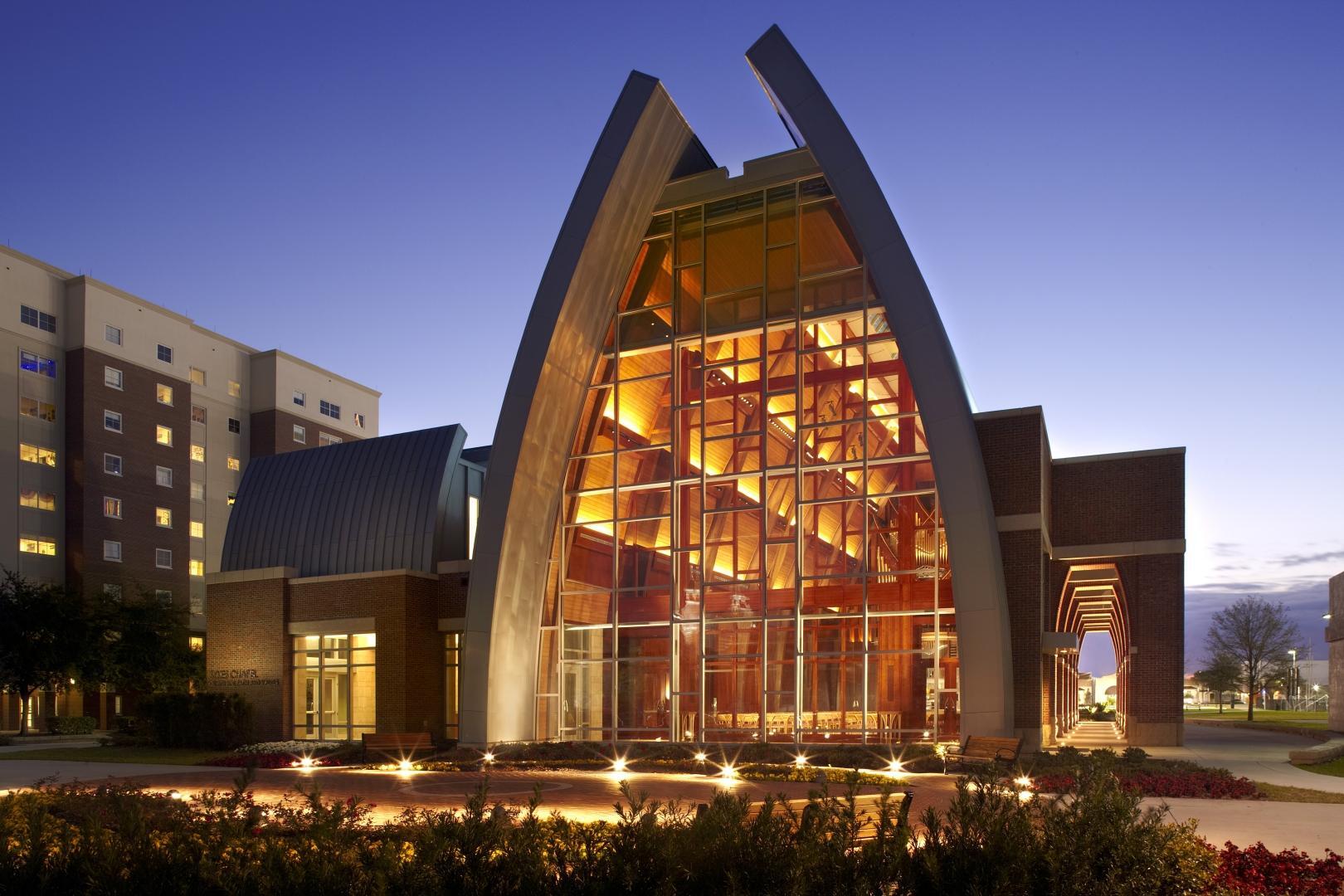
Its campus is situated in the heart of Tampa, close to the city's business district, cultural attractions and waterfront areas. The university combines historic architecture with modern academic buildings, residence halls, laboratories, libraries and student facilities.
UTampa follows a four-college academic structure:
- College of Arts and Letters
- Sykes College of Business
- College of Natural and Health Sciences
- College of Social Sciences, Mathematics and Education
This structure provides academic communities for students and faculty while supporting collaboration across different disciplines.
The university offers more than 200 areas of study, including undergraduate majors, minors, pre-professional programmes, certificates and graduate degrees. Its academic approach emphasises experiential learning through internships, research, service learning, study abroad and practical projects.
The university's location in Tampa also provides access to a regional economy with opportunities in finance, healthcare, tourism, technology, logistics, education and professional services.
Courses and Academic Programmes
The University of Tampa offers a wide range of academic programmes across its four colleges. Students can choose from traditional subjects, professional degrees and interdisciplinary areas that combine knowledge from different fields.
Business and Management
The Sykes College of Business offers programmes in accounting, economics, finance, marketing, management, entrepreneurship, international business and business analytics.
Students learn about financial decision-making, organisational strategy, market research, business operations and leadership. Coursework may include case studies, presentations, group projects and practical business assignments.
Business students can also explore specialised areas such as:
- Accounting
- Business Analytics
- Entrepreneurship
- Finance
- International Business
- Management
- Management Information Systems
- Marketing
- Cybersecurity
- Business Information Technology
These programmes help students build analytical, communication and problem-solving skills for careers in corporate organisations, financial services, consulting, marketing and entrepreneurship.
Computer Science and Information Technology
UTampa offers a Bachelor of Science in Computer Science and related technology programmes.
The computer science curriculum covers fundamental computing concepts and applied areas such as programming, software development, computer systems, networking, security, machine learning, artificial intelligence and data science.
Students can also explore Business Information Technology and Management Information Systems. These subjects connect computing knowledge with the practical technology requirements of organisations.
The university's technology-related offerings may suit students interested in software development, cybersecurity, data analytics, systems administration and technology consulting.
Engineering and Applied Technology
Students interested in technical and scientific fields can explore programmes related to mathematics, computer science, physics and applied sciences.
The university's academic catalogue should be consulted for the current availability of specific engineering-related degrees and pathways. Students should distinguish between a full engineering degree and pre-professional or related science programmes when selecting a course.
Natural and Health Sciences
The College of Natural and Health Sciences offers programmes in biology, chemistry, biochemistry, environmental studies, health sciences, nursing, marine biology, public health and other scientific disciplines.
Students can develop scientific knowledge through lectures, laboratory activities, research projects and practical assignments.
Popular academic areas include:
- Biology
- Biochemistry
- Chemistry
- Environmental Studies
- Marine Biology
- Nursing
- Public Health
- Health Sciences
- Forensic Science
These programmes can provide foundations for careers in scientific research, healthcare, environmental work and further professional education.
Some healthcare and professional programmes have separate admission requirements, clinical components or licensing conditions. Applicants should review the requirements of their intended degree carefully.
Education and Social Sciences
The College of Social Sciences, Mathematics and Education offers programmes in psychology, sociology, political science, education, public policy, international studies, mathematics and related fields.
Students explore human behaviour, social institutions, public policy, quantitative analysis and educational practice.
These subjects develop research, communication, critical thinking and analytical skills that can be applied in education, public service, business, community organisations and postgraduate study.
Arts, Communication and Humanities
The College of Arts and Letters provides programmes in advertising and public relations, communication, journalism, English, writing, art, graphic design, animation, film, music, theatre and other creative disciplines.
Students can develop practical and creative abilities through studio work, digital media projects, writing assignments, performances and collaborative activities.
These programmes may prepare students for opportunities in media, marketing, public relations, design, entertainment, communication and creative industries.
Graduate Programmes
UTampa also offers graduate education in selected academic and professional areas. Graduate programmes include options connected to business, health sciences, education and other disciplines.
Admission requirements vary by programme and may include a recognised bachelor's degree, academic transcripts, professional experience, recommendation letters, a statement of purpose and additional supporting documents.
Students should review the graduate programme catalogue to confirm current degree availability and application requirements.
Tuition Fees and Cost of Studying
The total cost of studying at The University of Tampa depends on the academic programme, credit load, accommodation, meal plan and personal spending.
For the 2026–2027 academic year, undergraduate tuition is estimated at approximately US$34,716 for a standard full-time course load of 12 to 18 credit hours per semester.
Mandatory university fees are estimated at approximately US$2,544 per academic year. This brings the combined tuition-and-fee estimate to approximately US$37,260.
Students must also budget for accommodation, meals, books, supplies, transportation, health insurance and personal expenses. The estimated total annual on-campus cost of attendance is approximately US$61,962.
Graduate tuition is calculated separately and depends on the programme and number of credits taken. Some specialised courses may involve additional expenses.
International students should review the latest official cost schedule before applying. They should also prepare financial documents demonstrating their ability to cover tuition and living expenses during their studies.
Scholarships and Financial Support
The University of Tampa provides scholarship opportunities for eligible undergraduate students. International applicants may be considered for merit-based scholarships depending on their academic performance and application profile.
Scholarship decisions may take into account:
- High-school academic performance.
- Curriculum and course difficulty.
- Standardised examination results, where applicable.
- Leadership and extracurricular activities.
- Personal achievements and application strength.
Students should review the current scholarship information and confirm whether a specific award is open to international applicants.
Scholarships may have separate eligibility requirements, renewal conditions and deadlines. Applicants should not assume that an award is guaranteed simply because they meet the general admission requirements.
International students can also explore external scholarship programmes, government sponsorships and education funding opportunities available in their home countries.
Admission Requirements for International Students
The University of Tampa welcomes international students at different stages of their academic journey. Applicants can apply as first-year students, transfer students or graduate students.
The university evaluates applications holistically, considering academic performance, personal achievements, leadership, character and potential.
Undergraduate Freshman Admission
Students who have completed secondary school and have not previously completed college-level study after high school generally apply as first-year students.
International freshman applicants are expected to provide:
- Completed online application.
- Official secondary-school academic transcripts.
- Proof of high-school graduation or equivalent qualification.
- Certified English translations of documents where necessary.
- Application essay or personal statement, as required.
- English-language proficiency evidence.
- Additional academic records requested by the university.
Applicants should follow the university's country-specific instructions for submitting academic records. Educational systems and grading scales differ, so the admissions team may request additional information to evaluate qualifications accurately.
Transfer Admission
Students who have completed college or university coursework after secondary school may apply as transfer students.
Transfer applicants should submit official transcripts from all previously attended institutions. The university reviews academic performance and determines whether previous coursework can be accepted toward the intended degree.
Transfer-credit decisions depend on course content, academic level, grades and the requirements of the selected programme.
Applicants should contact the admissions office if they need guidance on transferring credits from an institution outside the United States.
English-Language Proficiency
International applicants must demonstrate sufficient English-language proficiency to study successfully in an English-speaking academic environment.
The university publishes the following English-language options for undergraduate international applicants:
- TOEFL iBT: 79 for tests taken before January 21, 2026, or 4.0 under the new scale.
- IELTS Academic: 6.5.
- Duolingo English Test: 110.
The university may also consider other qualifications or standardised examination results under its published admission rules.
Applicants with certain educational backgrounds may qualify for an English-language waiver. For example, qualifying International Baccalaureate English A or IGCSE English results may satisfy the university's language requirement, subject to the applicable conditions.
Students should confirm the accepted examination format and score requirements for their application year before booking a test.
Graduate Admission
Graduate applicants must satisfy the academic requirements of their intended programme.
Most graduate applications require a recognised bachelor's degree or equivalent qualification. Depending on the programme, applicants may also need to submit:
- Official academic transcripts.
- Statement of purpose.
- Résumé or curriculum vitae.
- Letters of recommendation.
- English-language proficiency results.
- Standardised test scores, where required.
- Professional experience or additional programme-specific materials.
Some graduate programmes may require interviews, portfolios or other supporting documents.
Application Process
International students can apply to UTampa through the university's online application system or an accepted application platform.
A typical application process includes the following stages:
- Choose a programme: Review the available academic programmes and select a major that matches your interests and career plans.
- Select the applicant category: Determine whether you are applying as a first-year, transfer or graduate student.
- Complete the online application: Provide the required personal, educational and programme information.
- Submit academic documents: Arrange for official transcripts and any required English translations.
- Pay the application fee: Submit the non-refundable application fee of US$40.
- Provide English-language evidence: Submit accepted test results or qualifying educational documentation.
- Submit financial documentation: Complete the International Student Financial Form and provide supporting evidence where required.
- Monitor your application: Check the application portal for updates and additional document requests.
- Prepare for enrolment: After admission, follow the university's instructions for confirmation, immigration documentation, housing and registration.
International applicants should begin the process early because academic document processing, financial verification and visa preparation may take additional time.
Important Application Deadlines
The University of Tampa provides different application deadlines depending on the entry semester and applicant category.
Students should review the official admissions calendar for the intended academic year. Application deadlines can vary between first-year, transfer and graduate applicants.
International students should allow additional time for transcript evaluation, English-language documentation, financial verification and immigration processing.
Applicants are encouraged to submit a complete application as early as possible rather than waiting until the final deadline. Early preparation also provides more time to compare financial options and organise accommodation.
Campus Life and Student Experience
The University of Tampa offers a campus environment that combines academic learning, social activities, athletics, cultural events and student organisations.
Students can participate in clubs, academic associations, leadership programmes, volunteer initiatives and recreational activities. These opportunities help students develop friendships and professional connections outside the classroom.
The university has a diverse student community, with international students representing countries from around the world. This multicultural environment allows students to learn from different perspectives and experiences.
Campus Location and Facilities
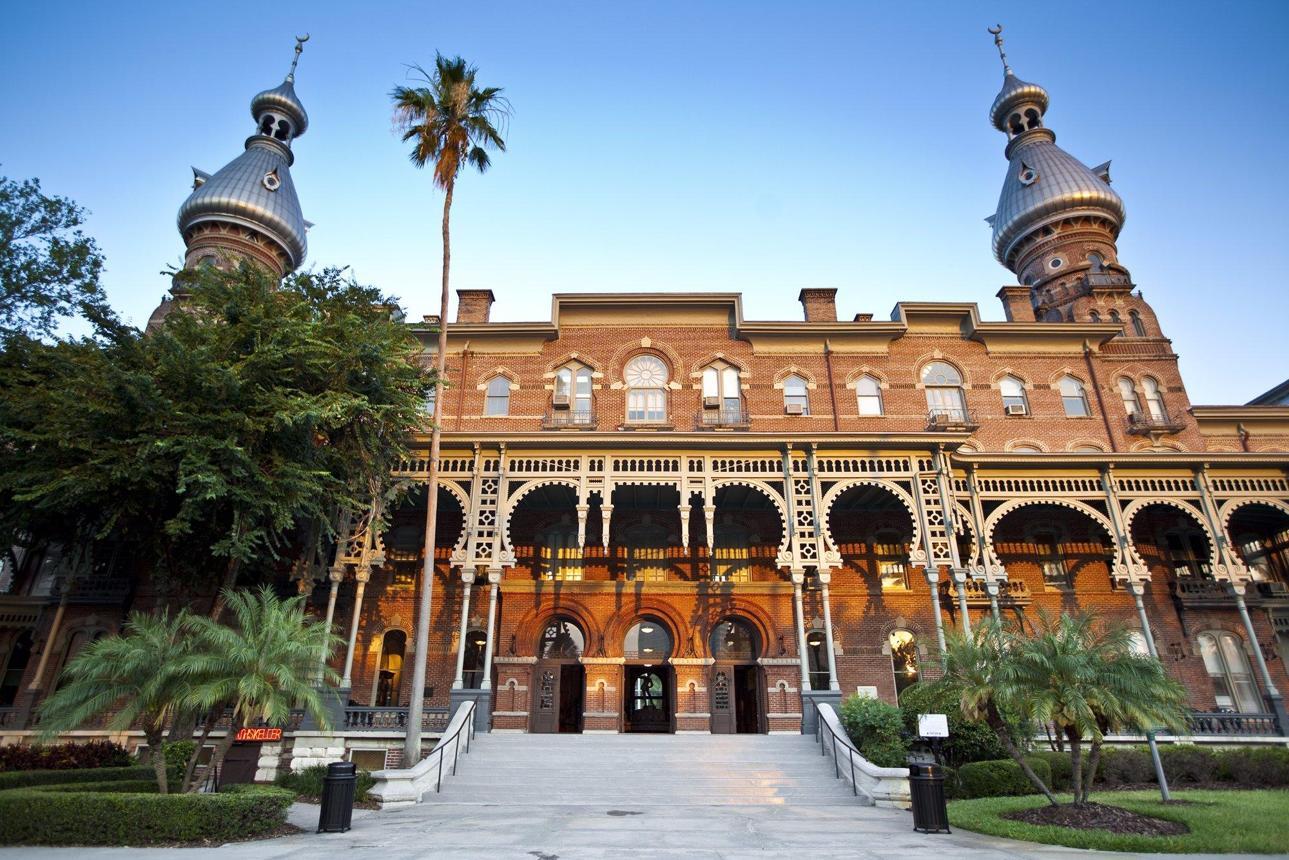
The university's campus is located along the Hillsborough River in downtown Tampa. Its historic Plant Hall is one of the campus's most recognisable buildings and reflects the institution's architectural heritage.
The campus includes:
- Academic and administrative buildings.
- Macdonald-Kelce Library.
- Science and computer laboratories.
- Residence halls.
- Dining facilities.
- Student recreation spaces.
- Sports and fitness facilities.
- Outdoor areas and gathering spaces.
The campus setting provides students with access to both university facilities and the wider city environment.
Student Organisations and Activities
UTampa offers a variety of student organisations covering academic interests, cultural activities, professional development, volunteering, recreation and leadership.
Students can participate in events, workshops, conferences and social activities organised throughout the academic year.
These experiences help students build communication, teamwork and leadership skills while becoming more involved in university life.
Sports and Recreation
The university competes in NCAA Division II athletics and offers a range of varsity sports. Students can also participate in recreational activities, fitness programmes and campus sporting events.
Athletics contribute to campus traditions and provide opportunities for students to support university teams and become part of the wider campus community.
Accommodation and Living Expenses
The University of Tampa provides on-campus residence options for students. Housing facilities offer convenient access to academic buildings, dining services, libraries and campus activities.
Residence options and costs vary depending on the building, room type and meal plan. Students should review the latest housing information before making their selection.
Students who prefer off-campus accommodation can explore housing options in Tampa. They should consider rent, utilities, transportation, groceries and the distance between their accommodation and campus.
Tampa offers a range of neighbourhoods and housing arrangements, but prices vary according to location and property type.
International students should also include health insurance, books, personal expenses and emergency funds in their annual budget.
Research Opportunities and Career Development
The University of Tampa encourages students to connect academic knowledge with practical experience.
Students can explore opportunities through internships, faculty-led research, service learning, study abroad and academic projects. These experiences help students develop professional skills and understand how their studies apply to real-world challenges.
The university's career development resources can assist students with résumé preparation, interview practice, internship exploration and career planning.
UTampa's location in the Tampa Bay region provides access to employers and organisations across healthcare, financial services, tourism, technology, logistics, marketing and professional services.
Students should use academic advising and career resources to identify relevant opportunities. International students must also follow the employment authorisation rules applicable to their immigration status.
Why Choose The University of Tampa?
International students may consider UTampa for several reasons:
- Wide academic selection: More than 200 areas of study across four academic colleges.
- Business education: Sykes College of Business offers programmes in accounting, finance, marketing, entrepreneurship and analytics.
- Technology programmes: Students can explore computer science, cybersecurity, data science and information technology.
- International community: Students from many countries contribute to a diverse campus environment.
- Experiential learning: Internships, research, service learning and study-abroad opportunities support practical education.
- Urban campus location: The university is situated in downtown Tampa, close to businesses, cultural attractions and city services.
- Campus facilities: Libraries, laboratories, residence halls and recreational facilities support academic and student life.
- Career development: Students can access professional preparation and career-related resources.
Students should compare UTampa's programmes, tuition fees, scholarship opportunities and living costs with their personal academic and career goals before making a final decision.
Frequently Asked Questions
Is The University of Tampa public or private?
The University of Tampa is a private university located in Tampa, Florida, United States.
Where is The University of Tampa located?
The university is located at 401 West Kennedy Boulevard in downtown Tampa, Florida, along the Hillsborough River.
How much is undergraduate tuition for 2026–2027?
The estimated undergraduate tuition is approximately US$34,716 per academic year for a standard full-time course load. Mandatory fees are estimated at US$2,544, bringing the combined tuition-and-fee estimate to US$37,260.
What is the estimated total cost of attendance?
The estimated on-campus annual cost of attendance is approximately US$61,962, including tuition, fees, housing, food, books, transportation and personal expenses.
Does The University of Tampa accept international students?
Yes. UTampa welcomes international applicants for undergraduate, transfer and graduate programmes. International students must meet the academic and English-language requirements for their intended programme.
What English proficiency scores are accepted?
The published undergraduate options include TOEFL iBT 79 under the previous score scale or 4.0 under the new scale, IELTS Academic 6.5 and Duolingo English Test 110. Certain educational qualifications and other examination results may also be considered.
Does The University of Tampa offer scholarships?
Yes. Eligible undergraduate applicants may be considered for scholarships. Award availability, eligibility and renewal conditions depend on the specific scholarship.
Does the university provide on-campus accommodation?
Yes. UTampa offers on-campus residence options, subject to availability and the university's housing requirements.
Does UTampa offer computer science?
Yes. The university offers a Bachelor of Science in Computer Science, with coursework covering software development, computing systems, machine learning, artificial intelligence, data science and related topics.
How can international students apply?
International students can apply through the university's online application process. They must submit the application, academic transcripts, English-language evidence, application fee and required financial documentation.
Conclusion
The University of Tampa offers international students a broad academic environment with programmes in business, computer science, healthcare, science, education, arts and social sciences. Its downtown campus provides access to the professional and cultural opportunities of Tampa, Florida.
The university combines academic learning with internships, research, study abroad and student involvement. Its international community and campus facilities contribute to a diverse educational experience.
Students considering UTampa should carefully review the latest tuition estimates, admission requirements, scholarship opportunities, application deadlines and accommodation costs before applying. Preparing these details early can help applicants make an informed decision about whether The University of Tampa is the right institution for their academic and career goals.
Entry Requirements
General Entry Requirement
IELTS 6.0 overall
Fees & Scholarships
Annual Tuition Fees
USD 34,000 - USD 61,000
Ready to Apply to The University of Tampa?
Our advisors guide you from eligibility check to offer letter — at no cost to you.
Join our WhatsApp Community

Scan to join our student community for admission updates & guidance