
Annual FeesUSD 56,000 - USD 77,000
University of St. Thomas
LocationUS
Entry RequirementIELTS 6.5 overall
Visa Success Rate75%
Campus Photos
University of St. Thomas
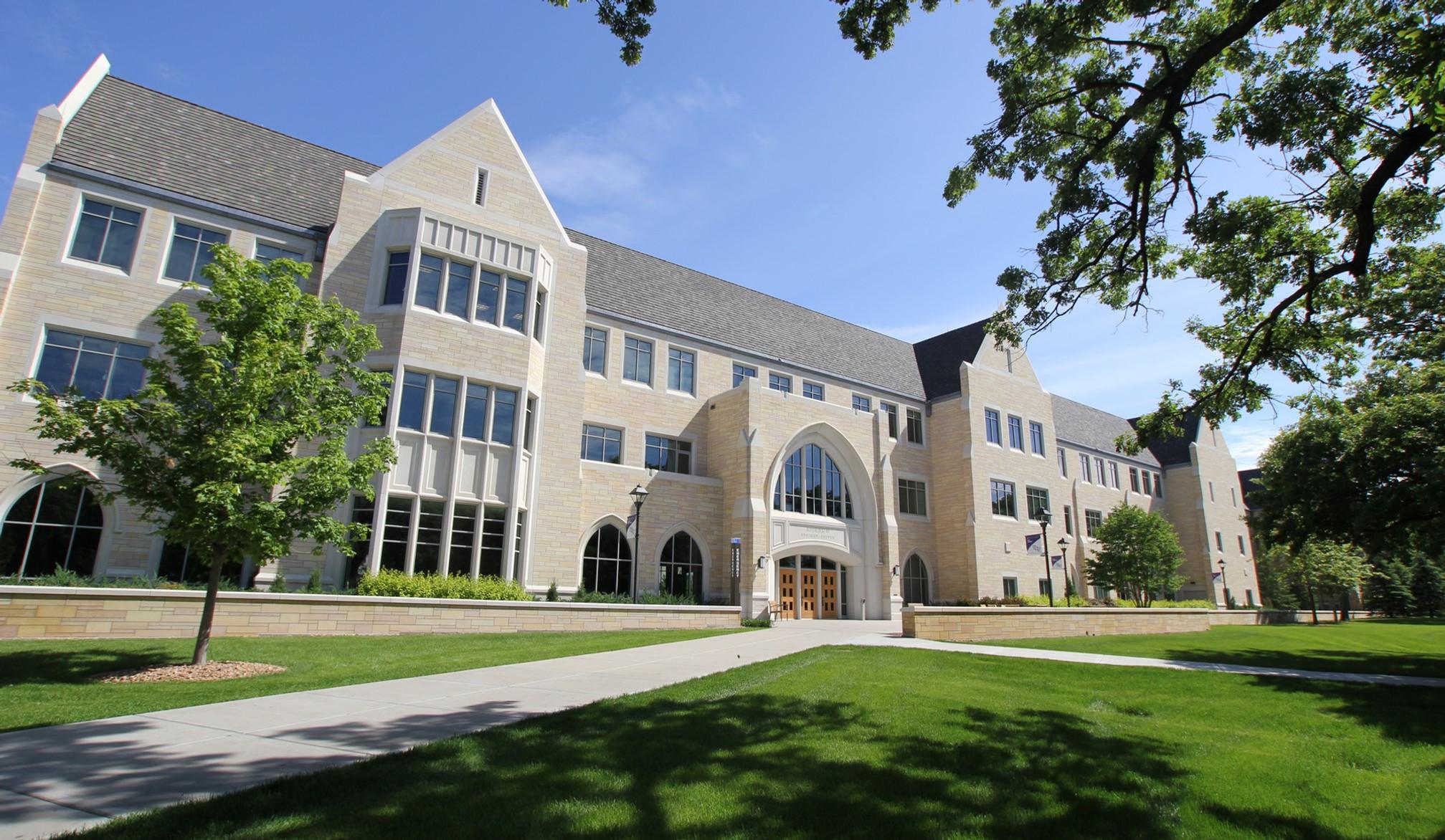
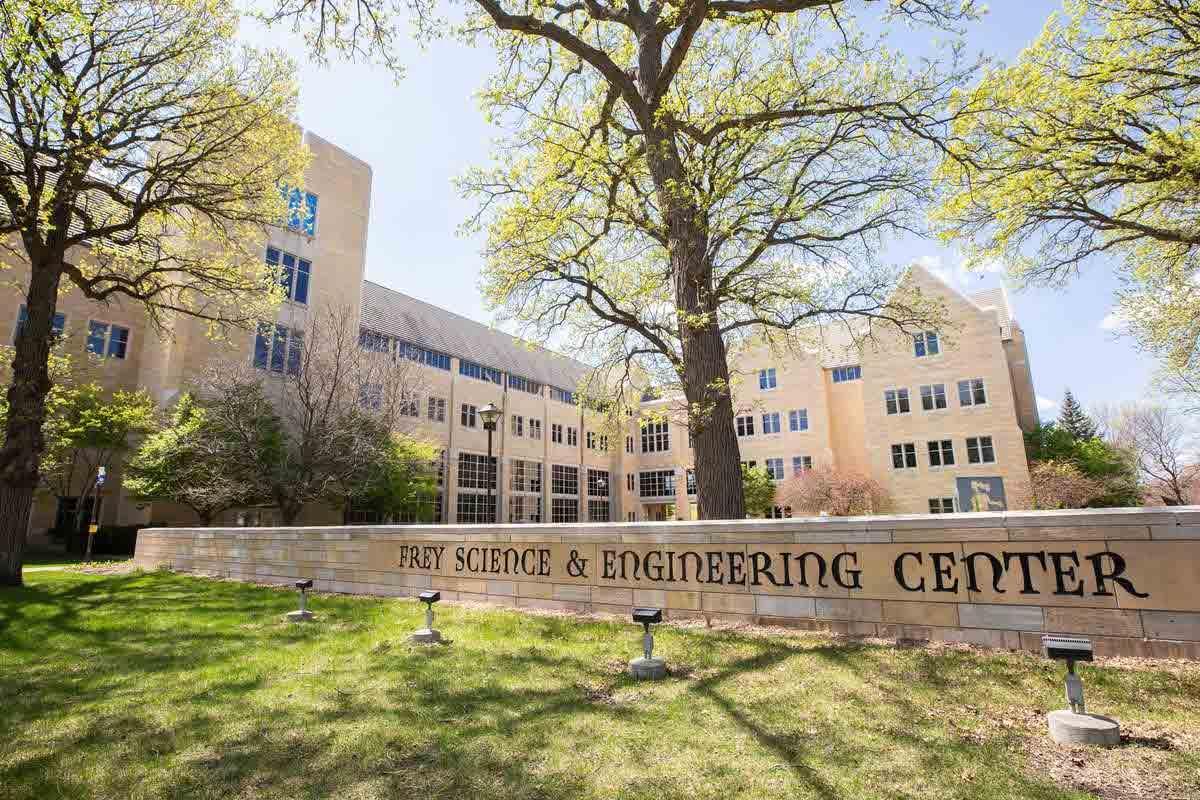
About University of St. Thomas
University of St. Thomas Minnesota: Courses, Tuition Fees, Admissions and Student Life
Introduction
The University of St. Thomas is a private Catholic university located in St. Paul and Minneapolis, Minnesota, in the United States. Founded in 1885, the university has developed into one of Minnesota's major private higher education institutions. It offers undergraduate, graduate and professional programmes across business, engineering, education, law, health sciences, liberal arts and other academic fields.
The university is known for its student-centred academic environment, emphasis on ethical leadership, professional development and commitment to the common good. Its campuses provide access to academic resources, research facilities, student organisations and professional networks across the Twin Cities.
For international students, the University of St. Thomas offers a range of academic programmes, merit-based scholarship opportunities and dedicated international student support. Its location in the Minneapolis–St. Paul metropolitan area also provides access to a large regional economy with opportunities in healthcare, technology, finance, engineering, education and business.
University Overview
The University of St. Thomas was established in 1885 and has grown from a small Catholic institution into a comprehensive private university. Its academic approach combines disciplinary knowledge with practical experience, ethical decision-making and community engagement.
The university operates two main campuses:
- St. Paul Campus: The primary campus, with academic buildings, residence halls, libraries, recreational facilities and student services.
- Minneapolis Campus: A downtown location that supports programmes and activities connected to business, law and professional education.
The university serves undergraduate and graduate students through a variety of colleges and schools. These include the College of Arts and Sciences, Opus College of Business, School of Engineering, School of Education, School of Law and other specialised academic units.
St. Thomas places emphasis on helping students connect classroom learning with professional and community experiences. Students can participate in research, internships, study-abroad programmes, leadership activities and service initiatives.
Courses and Academic Programmes
The University of St. Thomas offers more than 150 undergraduate majors and minors, along with a broad selection of graduate and professional programmes. Its academic options cover business, engineering, technology, health sciences, humanities, social sciences and education.
Business and Management
The Opus College of Business provides programmes in business administration and related disciplines. Students can explore accounting, finance, marketing, entrepreneurship, management, business analytics and related areas.
Business education combines academic foundations with practical projects, teamwork, presentations and opportunities to engage with professional organisations. Students interested in corporate careers, consulting, finance or entrepreneurship can develop skills in decision-making, communication and organisational leadership.
The university also offers graduate business education for students seeking to advance their professional knowledge or prepare for management responsibilities.
Computer Science and Information Technology
Students interested in technology can explore computer science, computer and data sciences, data analytics, artificial intelligence-related study and other computing pathways.
Coursework may cover programming, software development, algorithms, databases, computing systems, data analysis and problem-solving. These areas provide foundations for careers in software engineering, technology consulting, data-related roles and information systems.
Students should review the current programme catalogue to confirm the exact degree titles, concentrations and course availability.
Engineering
The School of Engineering offers academic pathways in areas such as mechanical engineering, electrical engineering, civil engineering, computer engineering and related disciplines.
Engineering students study mathematical and scientific principles and apply them through laboratory work, design projects and technical assignments. The curriculum helps students develop the ability to analyse problems, design systems and evaluate engineering solutions.
Practical learning and collaboration are important parts of engineering education. Students may also explore internships, research and professional development activities related to their chosen field.
Health Sciences and Pre-Health Studies
The university offers academic pathways connected to health sciences and preparation for professional healthcare education. Students can explore subjects such as biology, neuroscience, public health, psychology and pre-health professions.
These programmes can provide foundations for further study in medicine, dentistry, pharmacy, nursing and other healthcare-related fields. Students should understand that completing a pre-health major does not automatically guarantee admission to a professional healthcare programme.
Professional programmes may have separate admission requirements, prerequisites and application processes.
Liberal Arts and Humanities
The College of Arts and Sciences offers programmes across a wide range of humanities and social science disciplines. Students can explore communication studies, economics, history, English, philosophy, political science, psychology, sociology, theology and international studies.
These subjects help students develop critical thinking, research, writing, analytical and communication skills. Graduates may pursue careers in education, public service, media, business, community organisations and further academic study.
Education
The School of Education offers programmes for students interested in teaching, educational leadership, learning development and related professional fields.
Students can study educational theory, curriculum development, classroom practices and methods of supporting learners. Some programmes include supervised practical experience or additional licensing requirements.
International students considering education careers should check the professional qualification and teacher-licensing requirements applicable to their intended location of employment.
Arts, Music and Communication
St. Thomas also provides academic opportunities in music, visual arts, communication and creative disciplines. Students can develop creative, performance, media and communication skills through coursework and related activities.
Depending on the programme, students may have opportunities to participate in performances, exhibitions, student publications and collaborative projects.
Tuition Fees and Cost of Studying
The cost of attending the University of St. Thomas depends on the academic programme, number of credits, housing arrangements, meal plan and personal spending.
For the 2026–2027 academic year, the estimated undergraduate tuition is approximately US$56,856. Required university fees are estimated at approximately US$1,742, making the combined tuition-and-fee estimate approximately US$58,598.
Students should also budget for accommodation, meals, books, supplies, transportation, personal expenses and health insurance. The estimated total annual cost of attendance is approximately US$77,772, although individual expenses vary according to the student's living arrangements and spending habits.
Graduate tuition is calculated separately and differs by programme. Professional degrees and specialised courses may have additional costs.
International students should review the current official tuition and cost information before applying. They must also prepare financial documentation demonstrating sufficient funds for their expected educational and living expenses.
Scholarships and Financial Aid
The University of St. Thomas provides scholarship opportunities for international undergraduate students. Eligible applicants may be considered for merit-based awards that reduce tuition costs.
The university's published international scholarship information indicates that selected students may receive awards covering approximately 10% to 70% of tuition, depending on the scholarship decision and eligibility.
Applicants can strengthen their scholarship consideration by providing relevant academic information and supporting materials. These may include:
- SAT or ACT scores, where available.
- Letters of recommendation.
- Personal essays or statements.
- Résumé or record of extracurricular involvement.
- Evidence of leadership, community participation or other achievements.
The university also offers specialised scholarship programmes for eligible students, including opportunities connected to entrepreneurship, business and music.
Some awards are highly competitive and have separate eligibility conditions and application deadlines. Students should confirm the latest requirements directly with the university rather than assuming that every scholarship is available to all international applicants.
External scholarships, sponsorship programmes and education funding opportunities in a student's home country may also help manage the total cost of studying in the United States.
Admission Requirements for International Students
The University of St. Thomas welcomes international students from different countries. Applicants must meet the academic and English-language requirements for their intended programme.
Undergraduate applicants generally apply as either first-year or transfer students.
Undergraduate Freshman Admission
Students who have completed secondary education and have not attended a college or university after high school generally apply as first-year students.
Applicants are expected to provide:
- Completed online application through the university application or Common App.
- Academic transcripts from all secondary schools attended.
- Proof of secondary-school completion.
- Evidence of English-language proficiency.
- Additional academic or supporting documents where requested.
For international first-year applicants, unofficial transcripts may be accepted during the initial application review. Official academic records are required upon arrival at the university.
Academic requirements can vary depending on the country and education system. Applicants should consult the university's country-specific requirements to understand how their secondary-school qualifications will be assessed.
Transfer Admission
Students who have attended a college or university after completing secondary education generally apply as transfer students.
Transfer applicants must submit academic transcripts from all previously attended institutions. Official transcripts are required during the application process so that the university can review previous coursework and evaluate potential transfer credits.
The number of credits accepted depends on the academic content, grades, institutional recognition and the requirements of the intended degree.
Students should contact the university's admissions team if they need guidance on transferring credits from an institution outside the United States.
English-Language Proficiency
International applicants must demonstrate sufficient English-language proficiency to participate successfully in university-level education.
The university publishes the following undergraduate English proficiency requirements:
- TOEFL iBT: 79, with the university's applicable 2026 band-score equivalent of 4.
- IELTS Academic: 6.0.
- Duolingo English Test: 105.
- PTE Academic: 53.
- SAT Evidence-Based Reading and Writing: 500.
- ACT English and Reading: 21 in each section.
Some applicants may qualify through country-specific educational pathways. For example, the university identifies a B2 or higher English result for certain CBSE applicants from India as an acceptable route.
Applicants who do not meet the regular English-language requirement may be considered for conditional admission. The university provides an English-language learning pathway through its ELS Language Center for eligible students.
English requirements may differ for graduate and professional programmes. Students should check the relevant programme requirements before submitting test results.
Graduate Admission
Graduate applicants must meet the academic requirements of their chosen programme. Most master's programmes require a recognised bachelor's degree or equivalent qualification.
Depending on the programme, applicants may need to submit:
- Official academic transcripts.
- Statement of purpose.
- Letters of recommendation.
- Résumé or curriculum vitae.
- English-language proficiency results.
- Standardised test scores, where required.
- Portfolio, writing sample or additional programme-specific materials.
Some professional programmes have separate application processes and deadlines. International students should consult the relevant department before applying.
Application Process
International undergraduate applicants can apply through the University of St. Thomas application portal or the Common App. The university provides a free application process for international undergraduate students.
A typical application process includes the following steps:
- Select a programme: Review the undergraduate majors or graduate programmes and identify the course that matches your academic interests.
- Choose the correct application category: Determine whether you are applying as a first-year, transfer or graduate student.
- Complete the online application: Enter the required personal, academic and programme information.
- Submit academic transcripts: Provide records from all secondary schools and colleges or universities attended.
- Provide English proficiency evidence: Submit accepted test scores or qualifying educational documentation.
- Submit optional supporting materials: Add essays, recommendations, test scores or a résumé if they strengthen your application.
- Review scholarship opportunities: Check the scholarships for which you may be eligible.
- Complete financial documentation: Provide the financial evidence required for international student enrolment and immigration documentation.
- Monitor your application: Check the application portal and respond to any additional document requests.
International transfer students should submit official academic transcripts early because credit evaluation may take additional time.
Important Application Deadlines
The university publishes different application timelines for spring and fall entry.
For first-year international undergraduate applicants, the published timeline includes:
Spring intake
- Regular application deadline: November 1.
- Late application deadline: December 1.
- Confirmation deadline: December 10.
Fall intake
- Regular application deadline: March 1.
- Late application deadline: April 1.
- Confirmation deadline: May 1.
- Late confirmation deadline: July 1.
These dates are published as the university's general international undergraduate timeline. Applicants should verify the relevant entry year and programme before applying, as deadlines can change.
Transfer applicants who are applying from another US institution may have additional flexibility. Graduate programmes and professional schools can have separate deadlines.
Campus Life and Student Experience
The University of St. Thomas provides a campus experience that combines academic learning, student involvement, recreation, cultural activities and community engagement.
Students can participate in clubs, academic societies, cultural groups, volunteer initiatives, athletics and leadership programmes. These activities help students develop friendships and gain experience outside their academic courses.
The university's Catholic identity influences its emphasis on ethical leadership, service and the common good. Students from different religious and cultural backgrounds are part of its campus community.
St. Paul Campus
The St. Paul campus is the university's main residential and academic location. It features traditional university architecture, landscaped grounds, residence halls, academic buildings, libraries and student facilities.
Students can access dining services, recreation facilities, study areas and spaces for campus events. The campus provides a residential university environment while remaining connected to the wider Twin Cities region.
Minneapolis Campus
The Minneapolis campus is located in the downtown area and supports academic and professional programmes, including business and law.
Its location gives students access to professional organisations, businesses, cultural attractions and employment networks in the city centre.
Students should confirm the campus location of their chosen programme before applying, particularly if they are planning to live in university accommodation.
Accommodation and Living Expenses
The university offers residence halls and other housing options for eligible students. Living on campus can provide convenient access to classrooms, dining services, libraries and student activities.
Housing costs vary according to the residence hall, room type and meal plan. Students should review the latest housing information before selecting an accommodation option.
Off-campus accommodation is also available in St. Paul and Minneapolis. Students should compare rent, utilities, transportation costs, grocery expenses and the distance from their academic campus.
International students should include health insurance, books, personal expenses and emergency funds in their financial planning.
The Twin Cities experience four distinct seasons, including cold winters. Students arriving from warmer climates should plan for suitable clothing and seasonal living expenses.
Research Opportunities and Career Development
The University of St. Thomas encourages students to connect academic study with research, internships and professional experiences.
Undergraduate students may participate in faculty-guided research, independent projects, laboratory activities and interdisciplinary initiatives. Opportunities vary by academic department and the student's level of preparation.
The university's location in the Twin Cities provides access to a large business and professional community. The region includes organisations in healthcare, financial services, manufacturing, engineering, technology, retail and education.
Students can explore internships, networking events, career advising and professional development resources. These activities help students prepare for employment and understand the expectations of their chosen industries.
International students must follow the immigration and employment authorisation requirements that apply to their visa category. Internship and employment eligibility should be discussed with the university's international student advisers.
Why Choose the University of St. Thomas?
International students may consider the University of St. Thomas for several reasons:
- Wide academic selection: More than 150 undergraduate majors and minors across business, engineering, arts, sciences and other fields.
- Student-focused teaching: The university reports an average undergraduate class size of approximately 23 students.
- International scholarships: Eligible undergraduate applicants may be considered for merit-based tuition awards.
- Professional connections: The Twin Cities location provides access to a broad regional economy and professional networks.
- Two campus locations: Students can experience the main St. Paul campus and the downtown Minneapolis campus.
- Research and practical learning: Students can explore research, internships, study abroad and experiential learning opportunities.
- International student support: The Office of International Students and Scholars provides immigration guidance and support.
- Values-based education: The university emphasises ethical leadership, service and the common good.
Students should compare the university's academic programmes, tuition, scholarship opportunities and living costs with their own educational and career goals before making a decision.
Frequently Asked Questions
Is the University of St. Thomas public or private?
The University of St. Thomas in Minnesota is a private Catholic university.
Where is the University of St. Thomas located?
The university has its main campus in St. Paul, Minnesota, and a second campus in downtown Minneapolis.
How much is undergraduate tuition for 2026–2027?
The estimated undergraduate tuition is approximately US$56,856. Required fees are estimated at US$1,742, bringing the combined tuition-and-fee estimate to approximately US$58,598.
What is the estimated total cost of attendance?
The estimated annual undergraduate cost of attendance is approximately US$77,772, including tuition, fees, housing, meals, books, supplies, transportation and personal expenses.
Does the University of St. Thomas offer scholarships to international students?
Yes. Eligible international undergraduate applicants may be considered for merit-based scholarships. Published international scholarship awards can cover approximately 10% to 70% of tuition, depending on the award and eligibility.
What English-language scores are accepted?
Published undergraduate options include TOEFL iBT 79, IELTS 6.0, Duolingo 105 and PTE Academic 53. SAT, ACT and certain country-specific educational pathways may also satisfy the requirement.
Can Indian students apply to the University of St. Thomas?
Yes. Indian students can apply as international undergraduate or graduate applicants. They must submit the academic records and English-language evidence required for their applicant category. Certain CBSE applicants may meet the English requirement through a B2 or higher English result, subject to university rules.
Does the university provide on-campus accommodation?
Yes. The university offers residence halls and housing options for eligible students. Availability and costs depend on the selected accommodation and academic year.
Does the University of St. Thomas offer computer science and engineering?
Yes. The university offers programmes in computer science, computer and data sciences, engineering and related technical disciplines.
How can international students apply?
International undergraduate applicants can apply through the university's application portal or the Common App. They must submit academic transcripts, English proficiency evidence and any additional materials requested by the admissions office.
Conclusion
The University of St. Thomas in Minnesota offers international students a comprehensive academic environment with programmes in business, engineering, computer science, health sciences, education, liberal arts and other disciplines. Its two campus locations provide access to the educational and professional opportunities of the Twin Cities.
The university combines classroom learning with research, internships, student activities and community engagement. International applicants can also explore merit-based scholarships and dedicated support through the Office of International Students and Scholars.
Before applying, students should review the latest tuition and living expenses, academic requirements, English proficiency rules, scholarship conditions and application deadlines. Careful preparation can help applicants determine whether the University of St. Thomas is a suitable choice for their academic plans and future career goals.
Entry Requirements
General Entry Requirement
IELTS 6.5 overall
Fees & Scholarships
Annual Tuition Fees
USD 56,000 - USD 77,000
Ready to Apply to University of St. Thomas?
Our advisors guide you from eligibility check to offer letter — at no cost to you.
Join our WhatsApp Community
Scan to join our student community for admission updates & guidance