
Annual FeesUSD 18,000 - USD 40,000
University of South Florida
LocationUS
Entry RequirementIELTS 6.0 overall
Visa Success Rate75%
Campus Photos
University of South Florida
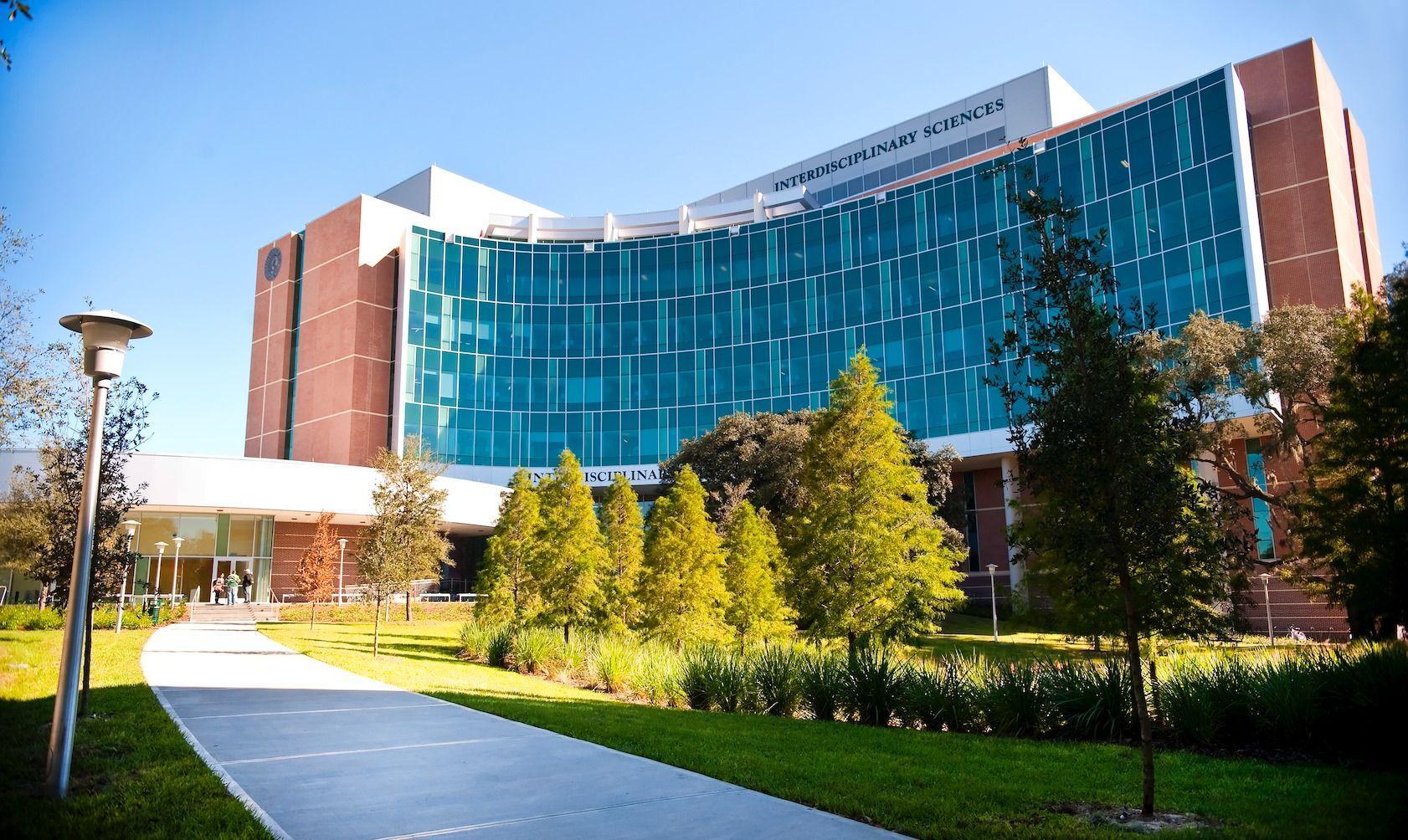

About University of South Florida
University of South Florida: Courses, Tuition Fees, Admissions and Student Life
Introduction
The University of South Florida (USF) is a public research university based in Tampa, Florida, in the United States. Established in 1956, the university has grown into a major institution serving students across a wide range of academic disciplines. It is known for its research activity, diverse student community, career-focused education and connections with the wider Tampa Bay region.
USF offers undergraduate, graduate and professional programmes across areas such as business, engineering, computer science, health sciences, education, arts and humanities. Its international student community includes students from countries around the world, creating an environment where different cultures and perspectives come together.
For international students considering higher education in the United States, USF offers a combination of academic choice, research opportunities and access to a large metropolitan region. Its campuses provide different learning environments, while its academic departments and student services support students throughout their university experience.
University Overview
The University of South Florida is a public research university with its main campus in Tampa. It is part of Florida's State University System and serves students through a range of academic colleges, schools and research centres.
USF operates across three campuses: Tampa, St. Petersburg and Sarasota-Manatee. Each campus has its own academic strengths and student environment. The Tampa campus is the university's largest location and offers a broad selection of undergraduate and graduate programmes. The St. Petersburg campus provides a waterfront setting with a strong connection to the surrounding coastal community, while the Sarasota-Manatee campus offers a smaller academic environment.
The university has developed a reputation for research, innovation and interdisciplinary learning. Students can access academic resources, laboratories, libraries, student organisations, career development services and recreational facilities.
USF's location in the Tampa Bay area also gives students access to a growing regional economy with opportunities in healthcare, technology, finance, education, tourism and other industries.
Courses and Academic Programmes
USF offers more than 200 undergraduate majors and a wide range of graduate and professional programmes. Its academic offerings cover traditional disciplines as well as emerging areas connected to technology, healthcare, business and public policy.
Business and Management
Business programmes introduce students to management principles, financial decision-making, marketing, entrepreneurship and organisational strategy. Students can explore fields such as accounting, finance, marketing, management, business analytics and global business.
These programmes help students develop analytical, communication and problem-solving skills relevant to organisations across different industries. Business students may also benefit from internships, professional networking and practical projects.
Computer Science and Information Technology
USF offers programmes in computer science, information technology, information science and related technology disciplines. Students can study software development, computing systems, data analysis, cybersecurity and information management.
Artificial intelligence and business analytics are among the areas represented in the university's academic portfolio. Students interested in technology careers can build a foundation in programming, mathematics, systems analysis and applied computing.
Engineering
Engineering programmes cover areas such as aerospace, biomedical, chemical, civil, computer, electrical, industrial and mechanical engineering.
Students gain technical knowledge through classroom learning, laboratory activities, design assignments and project-based work. Engineering education at USF connects scientific principles with practical challenges in areas such as infrastructure, manufacturing, healthcare technology and advanced systems.
Health Sciences and Biomedical Studies
USF has a broad academic presence in healthcare and health-related education. Undergraduate options include biomedical sciences, health sciences, public health, nursing, medical laboratory sciences, exercise science and kinesiology.
Students interested in healthcare can explore academic pathways that prepare them for further professional study or careers in health services, research, community health and related fields. Some professional healthcare programmes have additional admission requirements and competitive selection processes.
Natural and Physical Sciences
Students interested in scientific research can explore biology, chemistry, geology, microbiology, physics, marine biology and cell and molecular biology.
These programmes develop scientific reasoning, laboratory skills, research methods and an understanding of natural systems. Depending on the major, students may have opportunities to participate in faculty research and practical laboratory experiences.
Arts, Communication and Humanities
USF also offers programmes in communication, journalism, design, digital media, English, history, music, theatre and other creative and humanities disciplines.
Students can develop writing, critical thinking, creative expression and communication skills. These subjects may lead to careers in media, education, design, public relations, arts administration and other professional areas.
Education and Social Sciences
Academic options include education, psychology, social work, criminology, sociology, political science, international studies and related subjects.
These programmes help students understand individuals, communities, institutions and social systems. Students interested in public service, education, policy, counselling or community development may find relevant academic pathways.
Programme availability, admission standards and campus locations vary by major. Students should review the current programme catalogue before selecting a course.
Tuition Fees and Cost of Studying
The cost of studying at USF depends on the student's residency classification, degree level, programme, credit load and living arrangements. International undergraduate students are generally classified as non-Florida residents for tuition purposes.
For the 2026–2027 academic year, the estimated non-Florida-resident undergraduate tuition and fees are approximately US$18,846 per academic year. This is an estimated tuition-and-fees figure and should not be confused with the full annual cost of attendance.
Students living on campus should also budget for accommodation, meals, books, supplies, transportation, personal expenses and health insurance. The estimated total cost of attendance for an on-campus undergraduate student is approximately US$40,134, although individual expenses can vary.
Graduate tuition and fees differ by programme and credit requirements. Specialised courses, professional programmes and additional university charges may affect the final amount.
International applicants should review the latest official cost information before applying and prepare financial documents that demonstrate their ability to cover tuition and living expenses.
Scholarships and Financial Support
USF provides scholarship opportunities and financial support programmes, although eligibility and award amounts vary. International students may be considered for selected merit-based scholarships depending on their academic record, admission category and the conditions of each award.
Freshman applicants should pay close attention to application deadlines because scholarship consideration may be connected to admission timelines. Strong academic performance and competitive standardised test results can strengthen an application, but scholarships are not guaranteed.
Students should also investigate external scholarships, government-funded education programmes and sponsorship opportunities available in their home countries.
Before making financial plans, applicants should confirm whether a particular scholarship is open to international students, whether a separate application is required and whether the award can be renewed in later academic years.
Admission Requirements for International Students
USF has separate admission routes for international freshmen, lower-level transfer applicants, upper-level transfer applicants and graduate students. Students should identify the correct category before preparing their application.
Undergraduate Freshman Admission
International applicants who have completed secondary school and have not completed 12 or more college credits after high-school graduation are generally reviewed as freshmen.
Applicants are expected to provide:
- Completed online application.
- Official secondary-school academic records.
- Required academic and standardised test information.
- English-language proficiency evidence under USF's applicable rules.
- Additional documents requested by the admissions office.
Academic records from outside the United States may need to be submitted in an accepted format, with translations where required. Applicants should follow the university's instructions for sending official documents.
Standardised Test Requirements
USF evaluates international freshman applicants using its published academic requirements. The university lists minimum subsection scores for accepted examinations.
For example, the published minimums include:
- SAT Evidence-Based Reading and Writing: 490.
- SAT Mathematics: 480.
- ACT English: 17.
- ACT Reading: 19.
- ACT Mathematics: 19.
- CLT Verbal Reasoning and Grammar/Writing: 38.
- CLT Quantitative Reasoning: 16.
Meeting minimum scores does not guarantee admission. USF also considers academic grades, curriculum strength and other application information. The university's admitted-student profile can be useful for understanding the level of competition.
English-Language Requirements
International freshman applicants from non-English-speaking countries must satisfy USF's published language requirements. For this applicant category, the university identifies accepted options such as SAT Reading and Writing, ACT English and Reading, CLT verbal and writing scores, and certain approved language-course or placement pathways.
USF specifically states that TOEFL, IELTS and Duolingo scores are not accepted as substitutes for the listed international freshman requirements. Students applying as transfer or graduate students should review the separate requirements for their category, as the rules can differ.
Transfer Admission
Students who have completed college coursework after high-school graduation may be considered for transfer admission. USF distinguishes between lower-level and upper-level transfer applicants according to the number of transferable college credits attempted or earned.
Transfer applicants generally need to submit academic records from all previously attended institutions. The university reviews previous coursework to determine eligibility and the applicability of credits toward the intended degree.
Applicants should check whether their chosen major has additional prerequisites, minimum grade requirements or separate deadlines.
Graduate Admission
Graduate admission is handled through the relevant graduate programmes and departments. Requirements can include a recognised bachelor's degree, academic transcripts, a minimum GPA, recommendation letters, a statement of purpose, a résumé and standardised test scores where required.
Some programmes may request portfolios, interviews, research proposals or professional experience. International applicants must also meet the applicable English-language and immigration documentation requirements.
Application Process
International students can apply through the university's online application system. Eligible freshman applicants may also have the option to apply through the Common App.
A typical application process includes the following stages:
- Choose a programme: Review the academic catalogue and confirm that the intended major is available to international students at the preferred campus.
- Select the applicant category: Determine whether the application should be submitted as a freshman, transfer or graduate applicant.
- Complete the application: Provide personal, educational and programme information through the accepted application platform.
- Pay the application fee: Submit the required non-refundable fee.
- Send academic records and test scores: Follow the university's instructions for official documents and examination results.
- Meet additional requirements: Complete any outstanding forms or document requests shown in the applicant portal.
- Monitor the application: Check the portal regularly for updates, missing materials and admission decisions.
Applicants should begin early because international academic records, evaluations and immigration-related steps can require additional processing time.
Important Application Deadlines
USF publishes separate deadlines for international freshmen and transfer applicants. Deadlines depend on the intended semester and application type.
For international freshman applicants seeking a Fall or Summer 2027 start, the published schedule includes:
- Early Action application deadline: November 2, 2026.
- Early Action materials deadline: November 16, 2026.
- Regular Decision application deadline: December 16, 2026.
- Regular Decision materials deadline: January 15, 2027.
- Rolling application deadline: March 1, 2027.
- Rolling materials deadline: March 15, 2027.
Decision-release dates vary by application type. Transfer applicants follow a separate calendar, and certain programmes may have earlier deadlines.
Students should verify the deadlines for their intended term and programme before submitting an application because dates and requirements can change.
Campus Life and Student Experience
USF offers a varied campus experience with academic activities, student organisations, sports, recreation and cultural events. Students can join clubs, participate in campus traditions, attend workshops and develop connections with classmates from different backgrounds.
The university's international student community contributes to a multicultural environment. International students can access university services that help them understand academic expectations, immigration responsibilities and campus resources.
Tampa Campus
The Tampa campus is USF's largest campus and provides a wide range of academic facilities, residence options, libraries, dining services, recreational spaces and student support offices.
Its location gives students access to the wider Tampa metropolitan area, including employment opportunities, entertainment, shopping and cultural attractions.
St. Petersburg Campus
The St. Petersburg campus is situated near Bayboro Harbor and downtown St. Petersburg. Its waterfront location offers a different atmosphere from the larger Tampa campus.
Students can explore academic programmes, campus activities and opportunities connected to the surrounding coastal and urban community.
Sarasota-Manatee Campus
The Sarasota-Manatee campus provides another learning environment within the USF system. Students should check the availability of their intended programme and relevant student services at this location before selecting it.
Accommodation and Living Expenses
USF offers on-campus housing options, subject to availability and eligibility. Residence facilities provide students with access to campus amenities and opportunities to connect with other students.
Accommodation costs depend on the residence hall, room type, meal plan and length of stay. Students who choose to live off campus should account for rent, utilities, transportation, groceries and other daily expenses.
Tampa and the wider Tampa Bay region offer a range of housing options, but prices vary by neighbourhood and distance from campus. Students should research accommodation early and consider transportation when comparing locations.
International students should also plan for health insurance, books, personal expenses and emergency funds. A realistic budget helps students manage their finances throughout the academic year.
Research Opportunities and Career Development
As a research-focused university, USF provides opportunities for students to engage with academic research and applied projects. Research activity spans areas such as engineering, healthcare, environmental studies, computing, business and social sciences.
Undergraduate students may be able to work with faculty members, participate in research programmes or gain practical experience through departmental initiatives. Availability depends on the subject area and the student's academic preparation.
Career development resources can help students prepare résumés, practise interviews, explore internships and connect with employers. Students should also make use of academic advising and departmental guidance to identify relevant professional opportunities.
USF's location in the Tampa Bay region provides access to a broad economy that includes healthcare, financial services, technology, tourism, logistics and education. However, internships and employment opportunities depend on qualifications, employer requirements and the immigration rules that apply to international students.
Why Choose the University of South Florida?
There are several reasons international students may consider USF:
- Wide academic choice: More than 200 undergraduate majors and concentrations across different academic areas.
- Research environment: Opportunities to engage with research and applied learning.
- Multiple campus locations: Different academic and campus environments across the Tampa Bay region.
- International community: Students from many countries contribute to a multicultural learning environment.
- Career development: University resources support career planning, professional preparation and experiential learning.
- Regional opportunities: The Tampa Bay area offers access to a range of industries and community activities.
- Student involvement: Clubs, organisations, recreation and campus events help students build connections outside the classroom.
Students should compare USF's academic programmes, costs, admission requirements and campus options with their personal goals before making a final decision.
Frequently Asked Questions
Is the University of South Florida public or private?
The University of South Florida is a public research university in Florida, United States.
Where is the University of South Florida located?
Its main campus is in Tampa, Florida. The university also operates campuses in St. Petersburg and Sarasota-Manatee.
How much does it cost international undergraduate students to study at USF?
The estimated 2026–2027 non-Florida-resident undergraduate tuition and fees are approximately US$18,846 per academic year. The estimated on-campus total cost of attendance is approximately US$40,134, including broader living and educational expenses.
Does USF offer programmes in computer science?
Yes. USF offers computer science and related programmes, including options connected to artificial intelligence, cybersecurity, information technology and business analytics.
Can international students apply to USF?
Yes. USF accepts international applications for undergraduate and graduate study. Applicants must follow the requirements for their student category and intended programme.
Does USF accept TOEFL or IELTS for international freshman admission?
USF's published international freshman requirements specify accepted alternatives such as SAT, ACT and CLT scores, along with certain approved language pathways. TOEFL, IELTS and Duolingo are not accepted as substitutes for the listed freshman requirements. Transfer and graduate applicants should check their separate rules.
Does USF provide accommodation?
Yes. USF offers on-campus housing options, subject to availability and applicable housing requirements. Students can also explore off-campus accommodation in the Tampa Bay area.
What is the application process for international students?
Applicants should select a programme and applicant category, submit the accepted online application, pay the fee, provide official academic records and test information, and complete any additional requirements listed in the applicant portal.
Conclusion
The University of South Florida offers international students a broad selection of academic programmes, a research-oriented learning environment and access to the opportunities of the Tampa Bay region. Its campuses provide different student experiences, while its academic and support services help students navigate university life.
Students considering USF should carefully review programme availability, admission requirements, tuition and living expenses, scholarship eligibility and application deadlines. Preparing these details early can make the application process more organised and help applicants decide whether USF is the right choice for their academic and career plans.
Entry Requirements
General Entry Requirement
IELTS 6.0 overall
Fees & Scholarships
Annual Tuition Fees
USD 18,000 - USD 40,000
Ready to Apply to University of South Florida?
Our advisors guide you from eligibility check to offer letter — at no cost to you.
Join our WhatsApp Community

Scan to join our student community for admission updates & guidance