
Annual FeesUSD 25,000 - USD 40,000
University of South Dakota
LocationUS
Entry RequirementIELTS 6.0 overall
Visa Success Rate70%
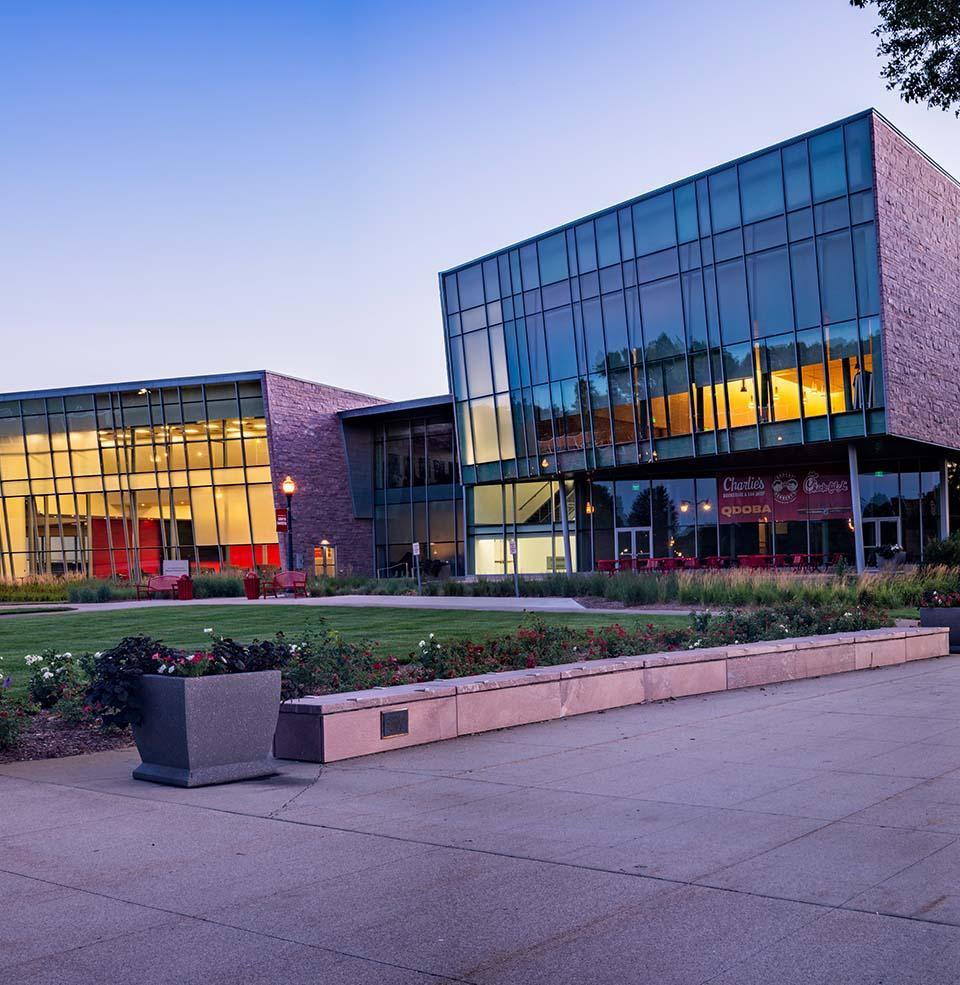
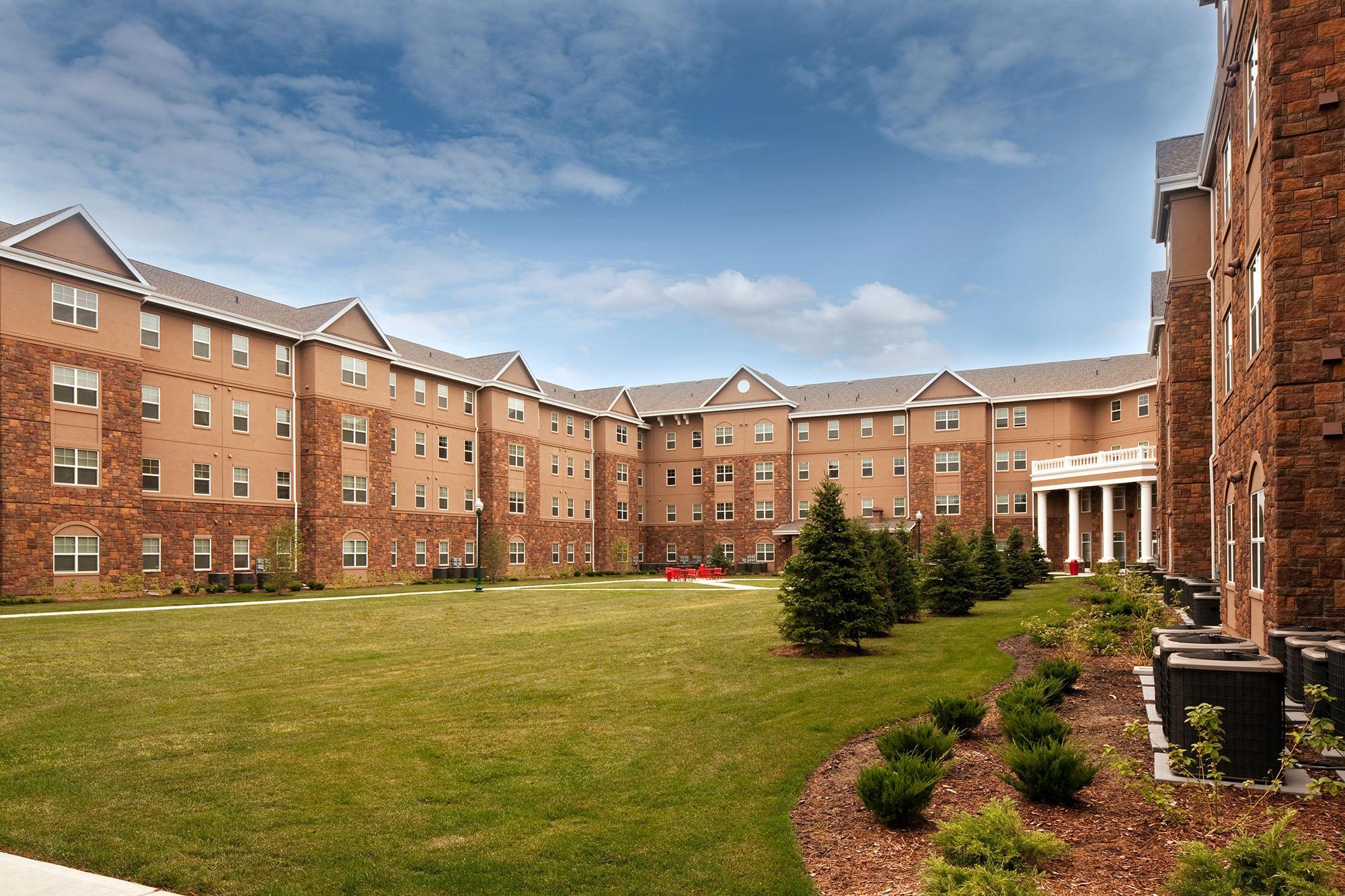
Campus Photos
University of South Dakota
About University of South Dakota
University of South Dakota: Courses, Tuition Fees, Admissions & Student Life
Introduction
The University of South Dakota (USD) is a public research university located in Vermillion, South Dakota, United States. Established in 1862, it is the state's flagship university and one of the oldest higher education institutions in the region. The university offers a wide range of undergraduate, graduate, professional, and research programs across business, health sciences, law, education, fine arts, humanities, and technology.
USD combines the academic opportunities of a comprehensive public university with a relatively close-knit campus environment. Students can benefit from academic advising, research opportunities, faculty interaction, student organizations, and professional development resources.
The university is particularly recognized for its professional and health-related programs, including law, medicine, nursing, and allied health disciplines. It also offers programs in business, computer science, artificial intelligence, engineering, education, psychology, and the liberal arts.
Located in Vermillion, a small university community in the southeastern part of South Dakota, USD provides a campus environment that differs from large metropolitan universities. Students can experience residential campus life while accessing academic facilities, cultural events, outdoor recreation, and regional professional opportunities.
For international students planning to study in the United States, the University of South Dakota offers a broad academic selection, international student support, scholarship opportunities, and a university community with students from different countries.
About the University of South Dakota
The University of South Dakota was established in 1862, before South Dakota became a state. Its long history has contributed to its position as an important public higher education institution in the region.
The university's main campus is located at 414 East Clark Street in Vermillion, South Dakota. It serves students from across the United States and internationally through its undergraduate, graduate, professional, and online academic offerings.
USD is accredited by the Higher Learning Commission (HLC). Its professional schools and selected academic programs also maintain specialized accreditations relevant to their disciplines.
The university offers more than 200 academic programs across its colleges and schools. Its academic structure includes the College of Arts and Sciences, Beacom School of Business, School of Education, School of Health Sciences, School of Law, Sanford School of Medicine, and College of Fine Arts.
USD emphasizes research, practical learning, and academic engagement. Students may have opportunities to participate in faculty-led research, internships, laboratory work, community projects, and other activities that complement classroom learning.
The university also has a strong international student support structure through the Gallagher International Center, which assists students with international admissions, immigration-related guidance, cultural activities, and other services.
Why Choose the University of South Dakota?
A Broad Range of Academic Programs
USD offers academic opportunities across numerous disciplines, allowing students to select programs according to their interests and career goals.
Students can explore business, accounting, computer science, artificial intelligence, biomedical engineering, biology, nursing, psychology, education, communication, music, and many other subjects.
This range makes the university relevant to students interested in both traditional academic disciplines and specialized professional education.
Research and Practical Learning
The university encourages students to participate in research and academic projects.
Undergraduate students may have opportunities to work with faculty members, join research teams, receive research support, and present their work at academic conferences.
The UDiscover Summer Research program provides selected students with opportunities to participate in faculty-supervised research activities.
Research facilities such as the Center for Brain and Behavior Research also contribute to the university's academic environment.
Small Classes and Faculty Interaction
USD promotes a learning environment in which students can interact with professors both inside and outside the classroom.
The university reports a student-to-faculty ratio of approximately 15:1. This can help students access academic guidance, discuss course material, and develop relationships with instructors.
International Student Community
The university welcomes international students and provides services through its Gallagher International Center.
Students can participate in international orientation, cultural activities, student organizations, and community events.
The International Club helps students connect with classmates from different backgrounds and participate in events that celebrate cultures around the world.
Affordable Public University Education
USD highlights its comparatively affordable tuition structure among public flagship universities.
International students can also explore institutional scholarships that may reduce undergraduate tuition costs.
However, applicants should calculate their full annual expenses, including accommodation, meals, books, insurance, transportation, and personal costs, before making a final decision.
A Welcoming University Town
Vermillion offers a smaller university-town setting with access to campus facilities, outdoor activities, community events, and nearby regional destinations.
Students who prefer a residential campus environment may appreciate the university's close connection with the local community.
Courses and Academic Programs at USD
The University of South Dakota offers more than 200 academic programs through its colleges and schools. Students can select undergraduate, graduate, professional, and research-oriented pathways depending on their qualifications.
College of Arts and Sciences
The College of Arts and Sciences provides programs across humanities, natural sciences, mathematics, social sciences, and interdisciplinary subjects.
Academic areas include:
- Biology
- Chemistry
- Physics
- Mathematics
- Computer Science
- Artificial Intelligence
- Psychology
- Sociology
- Political Science
- Economics
- History
- Communication Studies
- English
- Sustainability
- Neuroscience
Students in these disciplines develop analytical, research, communication, and problem-solving abilities.
Computer Science and Artificial Intelligence are relevant to students interested in programming, computational systems, intelligent technologies, and software development.
Biology, Chemistry, Physics, and Neuroscience provide foundations for scientific research and further study in specialized areas.
Psychology, Sociology, Political Science, Economics, and History help students understand individuals, communities, institutions, and social systems.
Beacom School of Business
The Beacom School of Business offers education in business administration, accounting, finance, economics, management, and related fields.
Programs and academic areas include:
- Business Administration
- Accounting
- Finance
- Economics
- Business Analytics
- Management
- Marketing
- Entrepreneurship
Students develop an understanding of organizational operations, financial decisions, business communication, and market behaviour.
Business Analytics combines business knowledge with analytical approaches to decision-making. Students interested in finance, accounting, management, and entrepreneurship can explore specialized academic pathways.
The school also provides opportunities to connect classroom knowledge with practical business activities.
School of Education
The School of Education offers programs for students interested in teaching, educational leadership, counselling, and related professional areas.
Academic options include elementary education, secondary education, special education, educational studies, and graduate-level pathways.
Students develop knowledge of teaching practices, curriculum development, educational psychology, and learning environments.
Some programs include practical experiences or supervised placements. Applicants should review the certification requirements for their intended teaching location because professional licensing rules differ between states and countries.
School of Health Sciences
The School of Health Sciences offers academic opportunities in health-related disciplines, including biomedical engineering, public health, medical laboratory science, and other specialized areas.
These programs combine scientific knowledge with practical and professional preparation.
Students may study subjects related to healthcare systems, laboratory methods, medical technologies, public health, and human well-being.
Depending on the selected program, students may participate in laboratory activities, research, clinical experiences, or other practical learning opportunities.
Sanford School of Medicine
The Sanford School of Medicine provides medical education and research opportunities for students pursuing professional careers in medicine.
Its educational environment includes academic instruction, clinical training, and opportunities to explore medical research.
Admission to medical education is highly competitive and involves specific academic and professional prerequisites.
International students should review eligibility conditions carefully because professional medical programs may have additional requirements beyond general university admission.
School of Law
The USD School of Law provides legal education through its professional law programs.
Students can study legal principles, research, advocacy, constitutional law, business law, and other areas relevant to the legal profession.
Law education in the United States follows a different structure from many international legal education systems. Students planning to practice law should research the qualification and bar admission requirements of the jurisdiction where they intend to work.
College of Fine Arts
The College of Fine Arts provides opportunities for students interested in creative expression, performance, visual communication, and artistic development.
Academic areas include:
- Art and Design
- Music
- Music Industry and Technology
- Theatre
- Performing Arts
Students can develop creative, technical, performance, and communication skills through academic coursework and practical activities.
These programs may be relevant to students interested in visual arts, music production, performance, creative industries, and cultural organizations.
Graduate and Professional Programs
USD offers graduate and professional education across selected academic areas.
Postgraduate opportunities include master's, doctoral, professional, and specialized programs in disciplines such as business, education, health sciences, law, and the sciences.
Graduate admission requirements vary according to the program. Applicants may need a recognized undergraduate degree, academic transcripts, English proficiency evidence, recommendations, a statement of purpose, or other supporting documents.
Students should consult the current graduate catalog for detailed program requirements.
Tuition Fees and Cost of Studying at USD
Tuition and living expenses are important considerations for international students planning to study at the University of South Dakota.
The university publishes an international cost-of-attendance estimate based on the expected annual credit load.
For undergraduate students taking approximately 30 credits per academic year, the published international estimate lists tuition and fees of approximately US$13,616.
The estimated annual expenses also include:
- Tuition and fees: US$13,616
- Living expenses: US$9,498
- Other expenses, including books, insurance, and discipline fees: US$2,400
Using these figures, the estimated annual total is approximately US$25,514.
These figures are planning estimates and may not represent the final amount billed to an individual student. Actual costs can vary according to course selection, program-specific charges, housing arrangements, insurance requirements, and changes to university fee schedules.
Graduate students have a separate cost estimate based on approximately 18 credits per academic year.
International students should request an updated financial estimate for their intended semester and degree program. They should also check whether additional fees apply to particular courses, professional programs, or campus services.
Scholarships and Financial Aid
The University of South Dakota offers scholarship opportunities that can help eligible international students reduce their educational expenses.
First-time international undergraduate students may qualify for the Coyote Beginnings Scholarship, which is awarded based on high school academic performance.
The scholarship can provide up to US$4,000 per academic year, depending on the student's GPA and applicable eligibility conditions.
Eligible first-time freshmen may also receive the Coyote Beginnings Grant based on qualifying SAT or ACT scores. The published award range is approximately US$1,500 to US$2,500 annually.
Eligible students may be able to combine these awards, subject to the university's scholarship rules and conditions.
Transfer students who are already studying at an accredited college or university in the United States may qualify for the International Transfer Scholarship. Students with an undergraduate GPA of at least 3.0 at a US institution may receive an award of approximately US$3,000 per year for the remaining period of undergraduate study, subject to eligibility.
Scholarship amounts, academic requirements, renewal conditions, and availability can change.
International students should confirm their eligibility with the university and review the scholarship information included in their admission offer.
Admission Requirements for International Students
The University of South Dakota welcomes international applicants for undergraduate and graduate study.
Applicants should prepare academic documents, English-language evidence, and financial records before beginning the application process.
Undergraduate Admission Requirements
International undergraduate applicants must have completed secondary school or be scheduled to complete it before enrolling.
The university generally reviews applicants using academic performance or standardized test results.
Its published undergraduate admission criteria indicate that applicants will generally qualify for consideration through one of the following:
- Equivalent US high school GPA of at least 2.6 on a 4.0 scale.
- ACT composite score of at least 21.
- SAT score of at least 1070.
Students must also meet the applicable English-language proficiency requirements.
Applicants should submit their academic records and any supporting documents requested by the university.
Academic Transcripts and Supporting Documents
International applicants must provide official academic documents from their previous educational institutions.
Documents should demonstrate the subjects studied, academic results, and successful completion of the relevant qualification.
Records that are not in English may require certified translations.
Applicants with previous university-level study should also submit their postsecondary academic records. Transfer-credit decisions are made by the university according to the courses completed and the requirements of the selected degree.
English Language Proficiency
Applicants whose previous education does not qualify for an English-language exemption must provide evidence of proficiency through an accepted test or alternative qualification.
USD currently lists the following minimum English-language requirements:
- TOEFL iBT: 71 or higher under the previous scoring scale.
- TOEFL new scoring scale: 4 or higher, effective January 2026.
- TOEFL Essentials: 8 or higher.
- IELTS Academic: 6.0 or higher.
- Duolingo English Test: 105 or higher.
- Pearson Test of English: 48 or higher.
- Cambridge English: 169 or higher.
- Trinity ISE: 90 or higher.
- iTEP: 3.8 or higher.
The university also accepts certain alternative qualifications, including qualifying ACT or SAT results, Advanced Placement English, and successful completion of specified English-language or US college coursework.
Applicants should check the current testing policy and score validity requirements before submitting an application.
Financial Documentation
International students must demonstrate that they have sufficient financial resources to cover at least one academic year of tuition and living expenses.
This requirement is necessary before the university can issue the appropriate immigration eligibility documentation.
Students may submit the financial ability form and supporting evidence during the application process or after receiving an admission decision, according to the university's instructions.
Graduate Admission Requirements
Graduate applicants generally need a recognized bachelor's degree or equivalent qualification.
Additional requirements depend on the selected program and may include:
- Official undergraduate transcripts.
- Minimum GPA requirements.
- English proficiency evidence.
- Statement of purpose.
- Letters of recommendation.
- Résumé or professional experience.
- Standardized test scores, where applicable.
Some professional programs have separate application procedures and additional admission criteria.
Applicants should review the requirements for their chosen graduate program before applying.
How to Apply to the University of South Dakota
International students can apply through the university's online application system.
The process generally includes the following stages:
Step 1: Select Your Academic Program
Explore the undergraduate or graduate programs and identify the course that matches your academic interests and career plans.
Step 2: Complete the Online Application
Create an application account and provide the requested personal, educational, and program information.
Step 3: Pay the Application Fee
The South Dakota Board of Regents lists a US$25 undergraduate application fee for USD. Graduate applicants have a separate application fee. Confirm the amount displayed for your application type before payment.
Step 4: Submit Academic Documents
Arrange for official secondary school or university transcripts to be sent according to the university's instructions. Provide certified translations where necessary.
Step 5: Provide English Proficiency Evidence
Submit an accepted test score or documentation supporting an applicable English-language exemption.
Step 6: Submit Financial Documentation
Complete the university's financial ability form and provide the required supporting evidence.
Step 7: Review Your Admission Decision
Monitor the application portal and respond to any requests for additional information.
Step 8: Complete International Student Preparation
After admission, follow the university's instructions for immigration documentation, housing, health insurance, orientation, and course registration.
For Spring 2027, the published international undergraduate application deadline is December 15, 2026. The university also lists January 10, 2027, as the new-student arrival deadline and January 11, 2027, as the orientation and class-start date.
For Fall 2027, the published application deadline is August 1, 2027. Applicants should check the current admissions calendar before planning their application.
Campus and Accommodation Facilities
The University of South Dakota's campus in Vermillion combines historic university buildings with modern academic and residential facilities.
The campus provides spaces for learning, research, student activities, recreation, and community engagement.
Academic Facilities
USD provides classrooms, laboratories, research spaces, libraries, and specialized facilities across its academic colleges.
The university's libraries offer academic resources, study areas, research assistance, and access to educational materials.
Students in science and health-related programs can access laboratories and specialized learning environments that support their academic subjects.
The university also maintains research centers and facilities for selected disciplines, including brain and behavioural research.
On-Campus Housing
USD offers several residential options for students who prefer to live on campus.
Residence facilities include traditional residence halls and apartment-style accommodation.
Coyote Village is one of the university's residential communities and offers apartment-style living arrangements.
Other residence options include halls designed to support student communities and provide access to campus facilities.
Students should review current housing availability, room types, application procedures, meal-plan requirements, and accommodation costs before selecting a residence.
Dining Facilities
The university provides dining services and meal plans for students living on campus.
Dining arrangements offer convenient access to meals and food options during the academic year.
Students should check the current dining schedule, available plans, and dietary options before selecting a package.
Recreation and Wellness
USD provides recreation and wellness facilities that support physical activity and student well-being.
Students can use fitness spaces, participate in recreational programs, and explore sports and wellness activities.
The university also provides student support services, including resources related to academic success and personal well-being.
Student Life at the University of South Dakota
Student life at USD includes academic organizations, cultural events, athletics, research activities, and community engagement.
The university encourages students to participate in activities that complement their education and help them build relationships across campus.
International Club
The International Club provides opportunities for students from different countries to meet, share experiences, and participate in cultural activities.
The club organizes events such as International Night and Festivals of Nations.
These activities allow students to introduce their cultures through food, music, performances, games, and presentations.
For international students arriving in the United States, the club can be a useful way to make friends and become involved in campus life.
Student Organizations
USD has more than 200 student organizations covering academic interests, leadership, culture, recreation, community service, and professional development.
Students can join existing organizations or explore opportunities to participate in activities that match their interests.
These groups can help students develop communication, teamwork, organization, and leadership skills.
Athletics and Sports
The university's athletic teams are known as the Coyotes.
USD competes in NCAA Division I athletics as a member of the Summit League for most sports.
Students can attend university sporting events, support athletic teams, and participate in recreational and club sports.
Cultural Events
The university hosts cultural activities throughout the academic year.
International events provide opportunities for students to share their traditions and learn about different cultures.
Events such as Festivals of Nations contribute to a welcoming campus environment and encourage interaction between domestic and international students.
Research Opportunities
Students can participate in faculty-led research and academic projects.
Undergraduate research opportunities may include working in laboratories, contributing to research teams, presenting findings, and applying for selected research grants.
These experiences can be useful for students considering postgraduate study or research-oriented careers.
Career Development and Student Support
The Center for Career Design provides resources to help students prepare for employment and professional development.
Services can include résumé assistance, interview preparation, job-search guidance, and career planning.
Students can also access academic advising, tutoring, writing assistance, and other support resources.
Location: Studying in Vermillion, South Dakota
Vermillion is a university town located in southeastern South Dakota, near the Missouri River.
The city offers a smaller community environment where the university plays an important role in local culture and activities.
Students can explore restaurants, local businesses, parks, cultural attractions, and outdoor recreational opportunities.
A Small University Community
Vermillion offers a different experience from major US metropolitan destinations.
Students may appreciate the close connection between the campus and the surrounding community, as well as the quieter setting for academic study.
However, students should consider transportation needs and access to larger shopping, entertainment, and employment centres when planning their stay.
Outdoor Recreation
The surrounding region provides opportunities for outdoor activities, including hiking, walking, and exploring natural areas near the Missouri River.
Students interested in outdoor recreation can explore local parks and regional destinations during weekends and university breaks.
Transportation and Connectivity
International students should plan their travel to Vermillion carefully.
The nearest major airport options may require additional ground transportation to reach the university.
Students should confirm arrival arrangements, airport transfers, and local transportation options before travelling.
Weather is another important consideration. South Dakota experiences cold winters, so students arriving from warmer climates should prepare suitable clothing and winter essentials.
Career Opportunities and Future Prospects
The University of South Dakota emphasizes academic preparation, practical learning, research, and career development.
Its programs can provide foundations for a variety of professional pathways depending on the student's chosen discipline.
Business and Finance Careers
Students completing business, accounting, finance, economics, and business analytics programs may explore careers in financial services, accounting, management, marketing, business operations, and entrepreneurship.
Professional certifications or postgraduate qualifications may be required for certain roles.
Technology and Computing Careers
Computer Science and Artificial Intelligence graduates may explore opportunities in software development, computing, data-related fields, technology services, and intelligent systems.
Students can strengthen their professional preparation through projects, internships, research, and additional technical learning.
Health and Medical Careers
Students studying nursing, biomedical engineering, medical laboratory science, public health, and related subjects may pursue opportunities in healthcare and scientific environments.
Some professional careers require additional education, examinations, supervised practice, or licensing.
Education and Social Sciences Careers
Education graduates may pursue teaching and educational roles, subject to relevant certification requirements.
Students studying psychology, sociology, communication, and political science may explore opportunities in research, public service, community organizations, communication, and related fields.
Fine Arts and Creative Careers
Graduates in art, design, music, and theatre may pursue opportunities in creative industries, performance, production, education, and cultural organizations.
Portfolio development and practical experience can be particularly valuable in these fields.
International Student Employment Considerations
International students studying in the United States must follow the employment rules associated with their immigration status.
Eligible F-1 students may qualify for permitted on-campus employment and practical training opportunities under applicable federal regulations.
Students should consult the university's international student advisors before accepting employment or participating in practical training.
Admission to USD and completion of a degree do not guarantee employment or immigration benefits.
Tips for International Students Planning to Study at USD
Students considering the University of South Dakota can prepare for the application process by following these recommendations:
- Research academic programs: Compare available majors, course structures, research opportunities, and career pathways.
- Prepare academic records early: Arrange official transcripts, translations, and other required documents.
- Check English proficiency requirements: Confirm the accepted tests, score scales, and exemption conditions.
- Calculate the full annual budget: Include tuition, fees, housing, meals, books, insurance, transportation, and personal expenses.
- Explore scholarships: Review the Coyote Beginnings Scholarship, Coyote Beginnings Grant, and International Transfer Scholarship eligibility conditions.
- Submit financial documentation: Prepare the financial ability form and supporting records early.
- Apply for housing: Review residence options and submit the housing application within the recommended period.
- Join student organizations: Explore the International Club and other student groups to build connections.
- Prepare for the climate: Pack suitable winter clothing and understand the seasonal weather in South Dakota.
- Use career resources: Explore internships, research activities, professional events, and career guidance services.
Careful preparation can help international students make informed decisions and transition more comfortably into university life.
Is the University of South Dakota Right for You?
The University of South Dakota may be a suitable choice for students seeking a public research university with a broad academic selection, international student support, research opportunities, and a residential campus environment.
Its programs in business, computer science, artificial intelligence, health sciences, education, law, fine arts, and liberal arts offer options for students with different academic interests.
The university's international scholarships may also make it worth considering for eligible undergraduate applicants.
Students who prefer a smaller university town may appreciate the Vermillion campus environment. Those seeking a large metropolitan setting should compare USD with universities in bigger cities before making a final decision.
Applicants should evaluate tuition, living expenses, program-specific requirements, scholarship eligibility, and long-term career plans to determine whether the institution matches their goals.
Conclusion
The University of South Dakota offers a comprehensive public university experience through its academic programs, research activities, professional schools, campus facilities, and international student community.
Established in 1862, the university has a long history of providing higher education in South Dakota. Its more than 200 academic programs cover business, health sciences, computer science, education, law, fine arts, humanities, and other disciplines.
International students can benefit from academic advising, research opportunities, cultural activities, scholarship options, and career development resources.
For students planning to study in the United States, USD may be worth considering when looking for a university that combines broad academic opportunities with a close-knit campus community.
Before applying, students should confirm the latest tuition rates, admission requirements, English proficiency standards, scholarships, housing availability, and international student procedures.
A careful review of these details can help students decide whether the University of South Dakota is the right choice for their educational ambitions and future career plans.
Entry Requirements
General Entry Requirement
IELTS 6.0 overall
Fees & Scholarships
Annual Tuition Fees
USD 25,000 - USD 40,000
Ready to Apply to University of South Dakota?
Our advisors guide you from eligibility check to offer letter — at no cost to you.
Join our WhatsApp Community

Scan to join our student community for admission updates & guidance