
Annual FeesCAD 39,000 - CAD 90,000
university-of-saskatchewan
LocationCanada
Entry RequirementIELTS 6.5 overall
Visa Success Rate70%
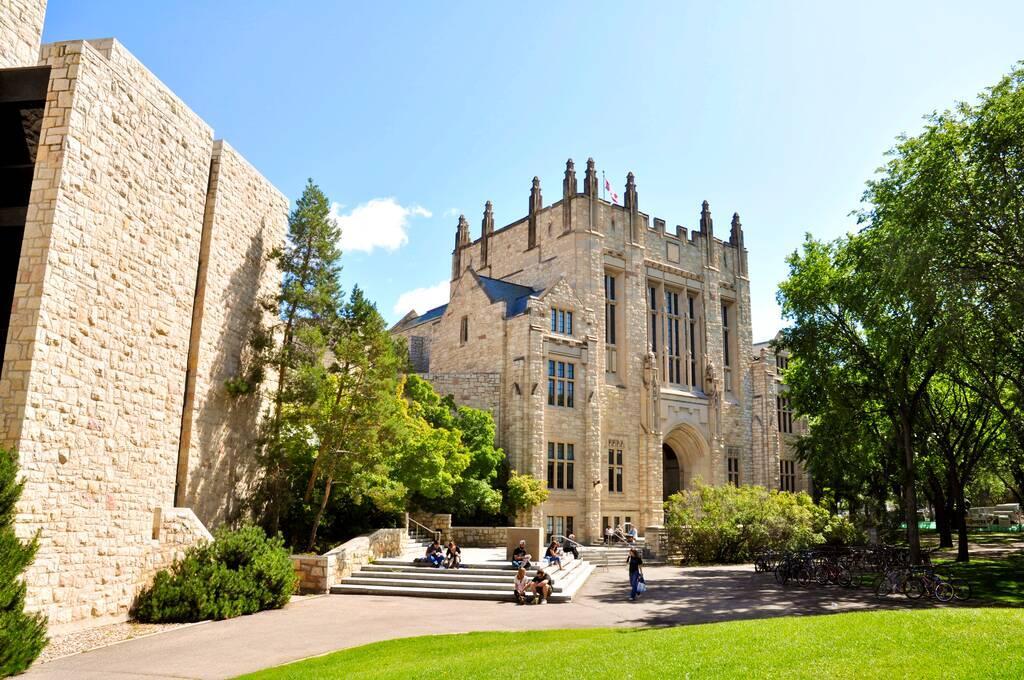
Campus Photos
university-of-saskatchewan

About university-of-saskatchewan
University of Saskatchewan: Programs, Admission, Tuition Fees, Scholarships and Study in Canada
The University of Saskatchewan (USask) is a public research university in Saskatoon, Saskatchewan, Canada. Founded in 1907, it offers undergraduate, graduate and professional education across a broad range of disciplines.
USask is particularly known for research and education in areas including agriculture, health sciences, engineering, computer science, business, environment, sciences and Indigenous studies.
University of Saskatchewan at a Glance
|
Information |
Details |
|
University |
University of Saskatchewan |
|
Short Name |
USask |
|
Location |
Saskatoon, Saskatchewan, Canada |
|
Institution Type |
Public Research University |
|
Main Language |
English |
|
Study Levels |
Undergraduate, Graduate, Doctoral and Professional |
|
International Students |
Yes |
|
Main Campus |
Saskatoon |
|
Major Areas |
Agriculture, Health, Engineering, Business, Computer Science, Science and Environment |
About the University of Saskatchewan
The University of Saskatchewan is a comprehensive research university with academic programs across numerous faculties and colleges.
Its academic environment combines classroom learning with research, laboratory work, experiential education and community engagement.
The university's main campus is located in Saskatoon along the South Saskatchewan River.
Academic Programs
Agriculture and Bioresources
Agriculture is one of the university's prominent academic and research areas.
Students can study:
- Agricultural science
- Agribusiness
- Plant science
- Animal science
- Soil science
- Environmental science
- Food and biotechnology
Research can address food security, sustainable agriculture and natural-resource management.
Computer Science
Computer science programs can cover:
- Programming
- Software development
- Artificial intelligence
- Data science
- Algorithms
- Databases
- Computer systems
- Cybersecurity
Students can pursue undergraduate and graduate study in computing-related areas.
Engineering
Engineering education includes areas such as:
- Civil engineering
- Chemical engineering
- Electrical engineering
- Mechanical engineering
- Environmental engineering
- Geological engineering
- Computer engineering
Students can gain practical experience through laboratory work, design projects and other experiential-learning activities.
Business
Business programs can cover:
- Accounting
- Finance
- Marketing
- Management
- Human resources
- Entrepreneurship
- Business analytics
Students can develop professional skills through projects and practical experiences.
Health Sciences
USask has a significant health-sciences portfolio.
Academic areas include:
- Medicine
- Nursing
- Pharmacy
- Dentistry
- Public health
- Nutrition
- Biomedical sciences
- Kinesiology
Professional programs can have additional admission and licensing requirements.
Sciences
Students can study:
- Biology
- Chemistry
- Physics
- Mathematics
- Statistics
- Geology
- Environmental science
Graduate research is available across many scientific disciplines.
Environment and Earth Sciences
Environmental and earth-science education can cover:
- Geology
- Geography
- Environmental science
- Water resources
- Climate
- Natural resources
- Sustainability
The university's research activities include work related to environmental and resource challenges.
Arts and Social Sciences
Programs can include:
- Psychology
- Sociology
- Political studies
- Economics
- History
- English
- Philosophy
- Anthropology
- Indigenous studies
These programs develop analytical, communication and research skills.
Undergraduate Programs
USask offers bachelor's degrees, certificates and other undergraduate credentials.
Students can choose programs across:
- Agriculture
- Business
- Computer science
- Engineering
- Health
- Science
- Arts
- Environment
- Social sciences
Admission requirements vary by program.
Graduate Programs
The university offers:
- Master's degrees
- Research master's programs
- Doctoral degrees
- Graduate certificates
- Professional programs
Graduate students can undertake coursework, research, thesis projects and professional placements depending on their program.
Admission Requirements
Admission requirements depend on the program and level of study.
International applicants generally need:
- Recognized academic qualifications
- Official transcripts
- Required subject prerequisites
- English-language proficiency where applicable
- Passport or identification
- Additional program-specific documents
Competitive programs may have higher academic requirements.
Graduate applicants may also need:
- Bachelor's degree
- CV
- Statement of purpose
- Recommendation letters
- Research proposal
- Relevant academic background
Requirements for International Students
International applicants should prepare:
- Academic certificates
- Official transcripts
- Passport
- English-language test results where required
- Supporting documents
- Program-specific materials
Some programs may require additional documentation such as portfolios, interviews or supplementary applications.
Requirements for Indian Students
Indian students should verify how their academic qualifications correspond to the requirements of their selected USask program.
For undergraduate applicants, documents can include:
- Class X certificate and marksheet
- Class XII certificate and marksheet
- Required subject prerequisites
- Passport
- English-language documentation
For graduate admission, applicants generally need a recognized bachelor's degree and official transcripts.
Requirements can vary considerably by program, particularly for professional programs.
English-Language Requirements
English is the primary language of instruction at the University of Saskatchewan.
International applicants may need to demonstrate English proficiency through an accepted test or qualifying previous education.
Accepted tests and minimum scores depend on the applicable admission requirements.
Students should verify the current requirements before applying.
How to Apply
Step 1: Select a Program
Choose a program that matches your academic interests and career plans.
Step 2: Review Requirements
Check:
- Academic prerequisites
- Required subjects
- English-language requirements
- Program-specific conditions
- Application deadlines
Step 3: Prepare Documents
Collect transcripts, certificates, passport and other supporting materials.
Step 4: Submit the Application
Complete the appropriate USask application process.
Step 5: Submit Supporting Documents
Provide the required documents according to the university's instructions.
Step 6: Track the Application
Monitor your application status and respond to any additional requests.
Step 7: Receive the Admission Decision
USask evaluates applications according to the requirements of the selected program.
Step 8: Prepare for Canada
After admission, international students should arrange applicable immigration documents, accommodation, insurance and travel plans.
Tuition Fees
Tuition depends on:
- Program
- Study level
- Number of credits
- Student status
- Faculty
International students generally pay international tuition rates.
Professional programs such as medicine, dentistry and pharmacy can have different fee structures.
Additional expenses may include:
- Student fees
- Accommodation
- Food
- Books
- Health insurance
- Transportation
- Personal expenses
Students should use the latest official fee information for their specific program and academic year.
Scholarships and Financial Support
Students can explore different financial-support opportunities, including:
- Entrance scholarships
- Academic awards
- International student awards
- Graduate scholarships
- Research funding
- External scholarships
- Assistantships
Graduate students may also receive funding connected with research projects or departments.
Scholarship eligibility and deadlines vary.
Research at USask
Research is a major part of the University of Saskatchewan's academic mission.
Important research areas include:
- Agriculture
- Food security
- Water
- Health
- Infectious diseases
- Indigenous research
- Energy
- Environment
- Artificial intelligence
- Engineering
- Materials science
Students can participate in research through undergraduate projects, graduate programs and faculty-led research.
Campus and Facilities
USask's main campus is located in Saskatoon.
Students have access to:
- Libraries
- Laboratories
- Research facilities
- Computer facilities
- Classrooms
- Study spaces
- Health facilities
- Recreation facilities
- Student centres
The campus environment combines historic buildings with modern academic and research facilities.
Student Life
Students can participate in:
- Student clubs
- Sports
- Cultural organizations
- Academic societies
- Volunteer activities
- Student leadership
- Campus events
- Recreation
The university has a diverse student community with students from Canada and many other countries.
Living in Saskatoon
Saskatoon is one of Saskatchewan's major cities and is located along the South Saskatchewan River.
Students can access:
- Public transportation
- Restaurants
- Shopping
- Parks
- Healthcare
- Recreation
- Cultural activities
Students should budget for:
- Accommodation
- Food
- Transportation
- Insurance
- Books and supplies
- Personal expenses
Living costs depend on accommodation and lifestyle.
International Student Support
International students can access services relating to:
- Immigration
- Orientation
- Academic advising
- Housing
- Health and wellness
- Career development
- Student activities
- Cultural integration
Students should consult the university's current international-student resources for updated procedures.
Career Opportunities
Depending on their field, graduates can pursue careers in:
- Technology
- Engineering
- Agriculture
- Business
- Healthcare
- Research
- Environmental services
- Government
- Education
- Finance
- Natural resources
Some professions require additional licensing or certification in Canada.
Post-Graduation Opportunities
International students who plan to work in Canada after graduation should review current federal immigration regulations.
Post-graduation work authorization depends on current immigration rules, program eligibility and individual circumstances.
Students should verify the latest requirements through official Canadian government sources before making post-study plans.
Frequently Asked Questions
What is the University of Saskatchewan?
The University of Saskatchewan is a public research university located in Saskatoon, Saskatchewan, Canada.
Where is the University of Saskatchewan located?
Its main campus is in Saskatoon, Saskatchewan.
Is the University of Saskatchewan public?
Yes. It is a public research university.
Does the University of Saskatchewan accept international students?
Yes. International students can apply to eligible undergraduate, graduate and professional programs.
Can Indian students study at USask?
Yes. Indian students can apply if they meet the academic, English-language and program-specific requirements.
Is USask taught in English?
Yes. English is the primary language of instruction.
Does the University of Saskatchewan offer computer science?
Yes. Computer science is available at undergraduate and graduate levels.
Does USask offer engineering?
Yes. Engineering programs are available in several disciplines.
Does USask offer medicine?
Yes. The university has a medical school and other health-related professional programs. Professional admission requirements differ from those for general undergraduate programs.
Does USask offer master's programs?
Yes. The university offers master's programs across numerous academic disciplines.
Does USask offer PhD programs?
Yes. Doctoral programs are available across multiple research fields.
How much is tuition at the University of Saskatchewan?
Tuition varies by program, study level, course load and student status. International students generally pay international tuition rates.
Does the University of Saskatchewan offer scholarships?
Yes. Students can explore entrance scholarships, international awards, graduate funding and other financial-support opportunities.
What is USask known for?
The University of Saskatchewan has significant academic and research activity in agriculture, health, water, Indigenous research, engineering, science and environmental studies.
Final Takeaway
The University of Saskatchewan is a comprehensive public research university in Saskatoon, Saskatchewan, offering undergraduate, graduate, doctoral and professional education.
Its academic portfolio includes agriculture, computer science, engineering, business, health sciences, science, environment, arts and social sciences.
For international students, key considerations include academic eligibility, English-language requirements, tuition, scholarships, accommodation and Canadian immigration requirements.
USask's research-intensive environment and broad academic portfolio provide students with opportunities to combine classroom education with research and experiential learning.
Prospective students should verify the latest information for their chosen program before applying, particularly regarding admission requirements, tuition, English-language requirements, scholarships and application deadlines.
Entry Requirements
General Entry Requirement
IELTS 6.5 overall
Fees & Scholarships
Annual Tuition Fees
CAD 39,000 - CAD 90,000
Ready to Apply to university-of-saskatchewan?
Our advisors guide you from eligibility check to offer letter — at no cost to you.
Join our WhatsApp Community
.jpeg)
Scan to join our student community for admission updates & guidance