
Annual FeesCAD 15,000 - CAD 32,500
University of Regina
LocationCanada
Entry RequirementIELTS 6.5 overall
Visa Success Rate65%
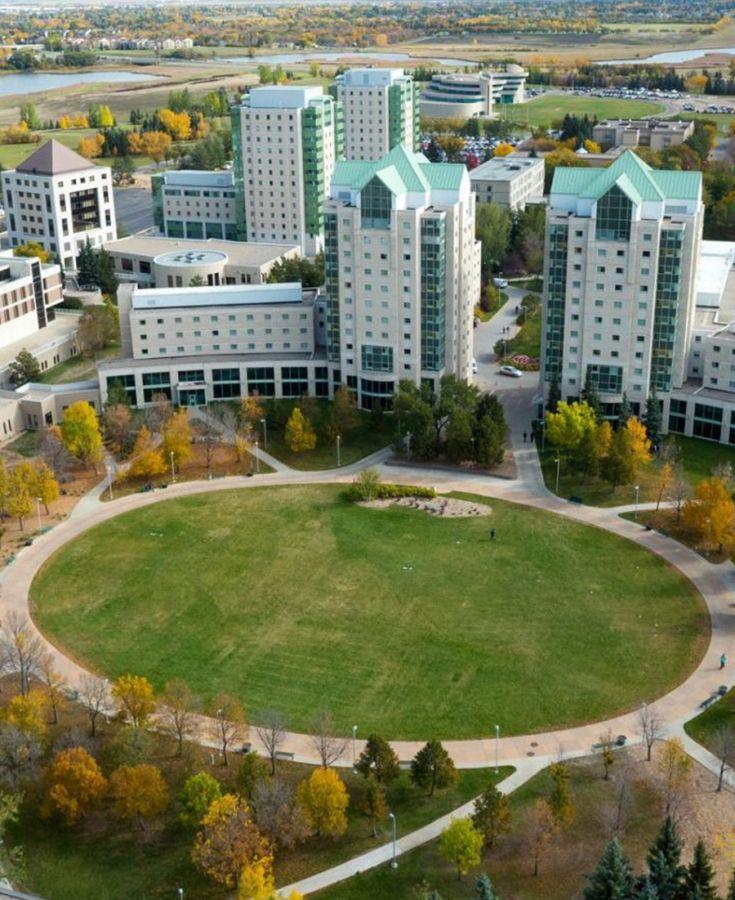
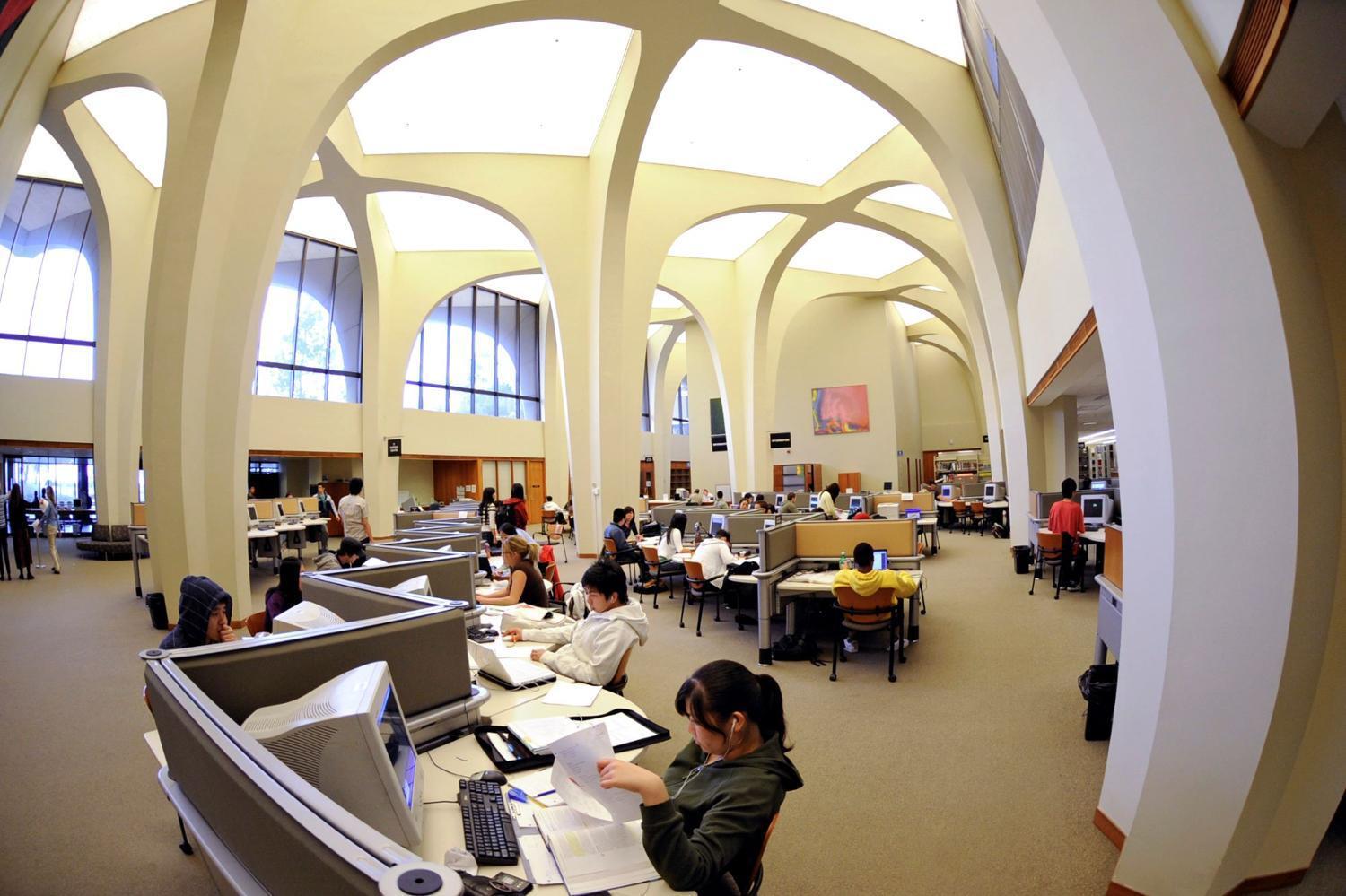
Campus Photos
University of Regina
About University of Regina
University of Regina: Programs, Admission, Tuition Fees, Scholarships and Study in Canada
University of Regina (U of R) is a public research university in Regina, Saskatchewan, Canada. It offers undergraduate and graduate programs across business, computer science, engineering, education, health, sciences, arts and social sciences.
University of Regina at a Glance
|
Information |
Details |
|
University |
University of Regina |
|
Location |
Regina, Saskatchewan, Canada |
|
Institution Type |
Public University |
|
Main Language |
English |
|
Study Levels |
Undergraduate, Graduate and Doctoral |
|
International Students |
Yes |
|
Main Campus |
Regina |
|
Major Areas |
Business, Computer Science, Engineering, Education, Health, Science, Arts and Social Sciences |
About the University of Regina
The University of Regina is a comprehensive public university serving students from Canada and around the world.
Its academic portfolio includes professional programs, undergraduate degrees, graduate programs and research opportunities.
The university has a multidisciplinary academic environment, allowing students to study areas ranging from technology and business to education, health and the humanities.
Academic Programs
Business
Business programs can cover:
- Accounting
- Finance
- Marketing
- Management
- Human resources
- Entrepreneurship
- Economics
Students can develop business knowledge through coursework, projects and experiential learning.
Computer Science
Computer science programs can include:
- Programming
- Software development
- Data structures
- Algorithms
- Artificial intelligence
- Databases
- Computer networks
- Information systems
The university also provides graduate-level opportunities in computing and related research areas.
Engineering
Engineering education can cover areas such as:
- Environmental systems engineering
- Electronic systems engineering
- Industrial systems engineering
- Petroleum systems engineering
- Software systems engineering
Students can combine theoretical study with laboratory and project-based learning.
Education
Education programs include areas such as:
- Elementary education
- Secondary education
- Special education
- Educational studies
- Curriculum
- Educational administration
Professional teacher-training programs may have additional requirements.
Health and Nursing
Health-related education can include:
- Nursing
- Kinesiology
- Health studies
- Social work
- Psychology
Students interested in regulated healthcare professions should check the applicable licensing requirements.
Science
Science programs can include:
- Biology
- Chemistry
- Physics
- Mathematics
- Statistics
- Computer science
- Environmental science
Students can continue into graduate research depending on their field.
Arts and Social Sciences
Students can study:
- English
- History
- Philosophy
- Political science
- Sociology
- Economics
- Psychology
- Geography
- Justice studies
These programs can develop research, analytical and communication skills.
Undergraduate Programs
The University of Regina offers undergraduate education through bachelor's degrees, certificates and diplomas.
Students can choose programs across:
- Business
- Science
- Engineering
- Computer science
- Education
- Arts
- Social sciences
- Health
Admission requirements vary by faculty and program.
Graduate Programs
The university offers graduate education including:
- Graduate certificates
- Master's degrees
- Research programs
- Doctoral programs
Graduate students can combine coursework with research, thesis projects, internships or professional experiences depending on the program.
Admission Requirements
Requirements vary according to the selected program and study level.
International applicants generally need:
- Recognized academic qualifications
- Official transcripts
- Program-specific prerequisites
- Proof of English proficiency where applicable
- Passport or identification
- Additional documents where required
Graduate programs may also require:
- Bachelor's degree
- CV
- Statement of purpose
- Recommendation letters
- Research proposal
- Relevant academic or professional background
Applicants should review the exact requirements for their chosen program.
Requirements for International Students
International applicants should prepare:
- Academic certificates
- Official transcripts
- Passport
- English-language test results where required
- Personal statement where applicable
- Recommendation letters for applicable programs
- Other program-specific documents
Documents should follow the university's current submission requirements.
Requirements for Indian Students
Indian students should verify how their academic qualifications correspond to the University of Regina's admission requirements.
For undergraduate admission, applicants may need:
- Class X certificate and marksheet
- Class XII certificate and marksheet
- Required subject prerequisites
- Passport
- English-language documentation
For graduate admission, applicants generally need a recognized bachelor's degree and official transcripts.
Program-specific requirements may include particular subjects, minimum grades or additional documents.
English-Language Requirements
English is the primary language of instruction at the University of Regina.
International applicants may need to demonstrate English proficiency through an accepted test or qualifying previous education.
Requirements and minimum scores vary by program and applicant circumstances.
Students should verify the current English-language requirements before applying.
How to Apply
Step 1: Choose a Program
Select a program that matches your academic background and career goals.
Step 2: Review Requirements
Check:
- Academic prerequisites
- Required subjects
- English-language requirements
- Program-specific conditions
- Application deadlines
Step 3: Prepare Documents
Collect transcripts, certificates, identification and supporting documents.
Step 4: Submit the Application
Complete the university's application process.
Step 5: Submit Supporting Documents
Provide all required documents within the specified timeframe.
Step 6: Track the Application
Monitor your application status and respond to requests for additional information.
Step 7: Receive the Admission Decision
The university evaluates applications according to program requirements.
Step 8: Prepare for Canada
After admission, international students should arrange the applicable immigration documents, accommodation, insurance and travel plans.
Tuition Fees
Tuition varies according to:
- Program
- Number of courses or credits
- Study level
- Student status
- Faculty
International students generally pay different tuition rates from Canadian students.
Additional expenses can include:
- Student fees
- Accommodation
- Food
- Books
- Health insurance
- Transportation
- Personal expenses
Students should consult the latest fee schedule for their specific program and academic year.
Scholarships and Financial Support
Students may have access to several forms of financial support, depending on eligibility.
These can include:
- Entrance scholarships
- Academic awards
- International student awards
- Graduate scholarships
- Research funding
- External scholarships
- Assistantships
Scholarship eligibility, value and deadlines can change, so applicants should check current university information.
Research at the University of Regina
Research at the University of Regina covers numerous disciplines.
Research areas can include:
- Energy
- Environment
- Artificial intelligence
- Computer science
- Health
- Indigenous studies
- Social sciences
- Education
- Business
- Materials and engineering
Graduate and doctoral students can participate in faculty-led research and independent projects.
Experiential Learning
Students can gain practical experience through:
- Internships
- Co-op opportunities
- Research projects
- Laboratory work
- Community engagement
- Work-integrated learning
- Capstone projects
The availability of these opportunities depends on the program.
Campus and Facilities
The main campus is located in Regina.
Students have access to:
- Libraries
- Laboratories
- Computer facilities
- Research centres
- Classrooms
- Study spaces
- Recreation facilities
- Student services
- Dining facilities
The campus provides facilities for academic, professional and extracurricular activities.
Student Life
Students can participate in:
- Student clubs
- Sports
- Cultural organizations
- Academic societies
- Volunteer activities
- Campus events
- Student leadership
- Recreational activities
The university community includes students from different backgrounds and countries.
Living in Regina
Regina is the capital city of Saskatchewan.
The city offers:
- Public transportation
- Restaurants
- Shopping
- Parks
- Recreation
- Healthcare services
- Cultural attractions
Students should budget for:
- Accommodation
- Food
- Transportation
- Insurance
- Books and supplies
- Personal expenses
Living costs depend on accommodation type and individual lifestyle.
International Student Support
International students can access support related to:
- Admission
- Immigration
- Orientation
- Academic advising
- Housing
- Health and wellness
- Career development
- Student life
Students should consult current university resources for updated international-student procedures.
Career Opportunities
Depending on their field of study, graduates can pursue careers in:
- Information technology
- Engineering
- Business
- Finance
- Education
- Healthcare
- Government
- Research
- Environmental services
- Social services
- Communications
Some professions require additional certification or licensing.
Post-Graduation Opportunities
International students planning to work in Canada after graduation should review current federal immigration regulations.
Post-graduation work authorization depends on the applicable rules, program eligibility and individual circumstances.
Students should verify current requirements through official Canadian government sources before making post-study plans.
Frequently Asked Questions
What is the University of Regina?
The University of Regina is a public research university in Regina, Saskatchewan, Canada.
Where is the University of Regina located?
Its main campus is located in Regina, Saskatchewan.
Is the University of Regina public?
Yes. It is a public university.
Does the University of Regina accept international students?
Yes. International students can apply to eligible undergraduate and graduate programs.
Can Indian students study at the University of Regina?
Yes. Indian students can apply if they meet the academic, English-language and program-specific requirements.
Is the University of Regina taught in English?
Yes. English is the primary language of instruction.
Does the University of Regina offer computer science?
Yes. Computer science is available at undergraduate and graduate levels.
Does the University of Regina offer engineering?
Yes. The university offers several engineering-related programs, including systems-engineering disciplines.
Does the University of Regina offer master's programs?
Yes. A range of master's programs are available across multiple academic fields.
Does the University of Regina offer PhD programs?
Yes. Doctoral programs are available in selected disciplines.
How much is tuition at the University of Regina?
Tuition depends on the program, course load and student status. International students generally pay international tuition rates.
Does the University of Regina offer scholarships?
Yes. Students can explore entrance awards, academic scholarships, international-student awards and graduate funding opportunities.
What is the University of Regina known for?
The university offers a broad range of programs across business, science, engineering, computer science, education, health, arts and social sciences.
Final Takeaway
The University of Regina is a public university in Saskatchewan offering undergraduate, graduate and doctoral education across a wide range of disciplines.
Its academic portfolio includes computer science, engineering, business, education, health, science, arts and social sciences.
For international students, key considerations include academic eligibility, English-language requirements, tuition, scholarships, accommodation and Canadian immigration requirements.
Its location in Regina provides students with access to Saskatchewan's provincial capital and a range of academic, professional and community opportunities.
Prospective students should verify the latest information for their chosen program before applying, particularly regarding admission requirements, tuition, English-language requirements, scholarships and application deadlines
Entry Requirements
General Entry Requirement
IELTS 6.5 overall
Fees & Scholarships
Annual Tuition Fees
CAD 15,000 - CAD 32,500
Ready to Apply to University of Regina?
Our advisors guide you from eligibility check to offer letter — at no cost to you.
Join our WhatsApp Community
.jpeg)
Scan to join our student community for admission updates & guidance