
Annual FeesUSD 23,000 - USD 43,000
University of North Georgia
LocationUS
Entry RequirementIELTS 6.5 overall
Visa Success Rate70%
Campus Photos
University of North Georgia

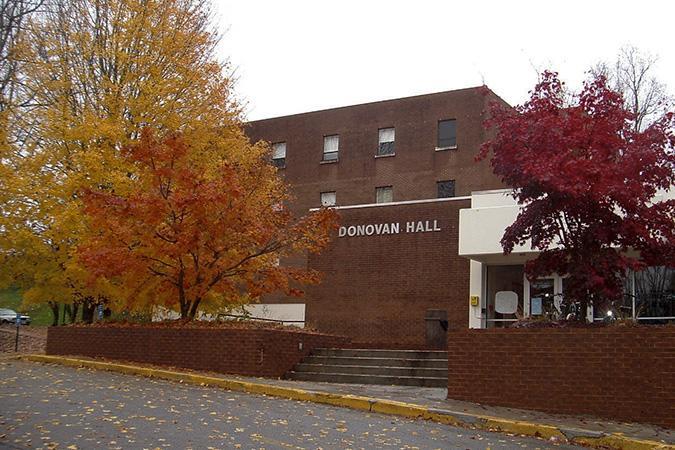
About University of North Georgia
University of North Georgia: Courses, Tuition Fees, Admissions & Student Life
Introduction
The University of North Georgia (UNG) is a public university located in the state of Georgia, United States. Established in 2013 through the consolidation of North Georgia College & State University and Gainesville State College, the institution has a long educational history and a distinctive position within the University System of Georgia.
UNG offers undergraduate and graduate programmes across a wide range of academic disciplines, including business, computer science, cybersecurity, education, nursing, biology, psychology, engineering pathways, international affairs, and the humanities. With more than 140 programmes of study across its campuses and online learning options, the university provides educational opportunities for students with different academic interests and career ambitions.
The university is also recognised as one of the six Senior Military Colleges in the United States. Its military heritage, leadership education, and Corps of Cadets distinguish it from many other public universities.
For international students, UNG offers an opportunity to study in North Georgia while accessing academic programmes, student support services, international student assistance, and a campus community with a strong focus on leadership and personal development.
About the University of North Georgia
The University of North Georgia was established in 2013 following the consolidation of two institutions: North Georgia College & State University and Gainesville State College. Its institutional roots extend back to 1873, when North Georgia Agricultural College was established in Dahlonega.
The university operates across five campuses: Blue Ridge, Cumming, Dahlonega, Gainesville, and Oconee. It also offers selected programmes through online learning.
UNG is part of the University System of Georgia and is accredited by the Southern Association of Colleges and Schools Commission on Colleges (SACSCOC). This accreditation supports its authority to award undergraduate and graduate qualifications.
The university serves a diverse student population and provides programmes in academic, professional, and military-related fields. Its multi-campus structure allows students to explore different learning environments depending on their selected programme.
One of UNG's defining characteristics is its designation as a Senior Military College. The university offers a Corps of Cadets programme that combines academic education with leadership development and military training. Students who participate in the Corps of Cadets receive opportunities to develop discipline, responsibility, teamwork, and leadership skills.
However, military participation is not compulsory for every student. UNG also offers a traditional college experience for students who want to pursue academic programmes without joining the Corps of Cadets.
The university emphasises academic achievement, leadership, community involvement, research, and career preparation.
Courses and Academic Programs
The University of North Georgia offers more than 140 programmes of study across undergraduate, graduate, certificate, and online learning options.
Its academic programmes cover areas such as business, education, health, humanities, science, technology, and social sciences.
Students should check the campus availability of their chosen degree because not every programme is offered at every UNG location.
Business and Management
UNG offers academic programmes for students interested in business, accounting, economics, management, and organisational development.
Business education focuses on understanding how organisations operate, how financial decisions are made, and how companies respond to changing markets.
Students can explore areas such as:
- Accounting
- Business administration
- Management
- Economics
- Finance
- Business-related professional studies
The university's business programmes help students develop analytical thinking, communication, financial awareness, problem-solving, and management skills.
These subjects can provide foundations for careers in accounting, financial services, corporate operations, entrepreneurship, consulting, and business management.
Students interested in graduate education can also explore the university's Master of Accountancy programme.
Computer Science and Information Technology
Computer Science is an academic option for students interested in computing, software development, programming, and digital technologies.
Students can explore concepts such as programming languages, algorithms, computational thinking, software design, and computer systems.
Technology-related study helps develop technical problem-solving skills and provides foundations for careers in software development, IT support, systems analysis, and related professional areas.
UNG also offers academic opportunities connected to technology management and information systems.
Students interested in cybersecurity should explore the university's current degree and programme catalogue to identify available courses, pathways, and concentrations that match their career goals.
Cybersecurity and Intelligence Studies
UNG has a distinctive academic focus on national security, international affairs, intelligence, and strategic studies.
Students interested in security-related fields can explore programmes and academic pathways connected to intelligence, political science, international affairs, and strategic and security studies.
These subjects help students understand international relations, global security challenges, political systems, risk analysis, and the role of information in decision-making.
The university's military and leadership heritage also contributes to its academic environment in areas related to national security and public service.
Students may consider future careers in government, policy research, intelligence analysis, international organisations, and related fields, subject to applicable employment and citizenship requirements.
Education
UNG provides programmes for students interested in teaching, educational leadership, curriculum development, and professional education.
Education programmes focus on teaching methods, learning theories, classroom practices, student development, and educational administration.
Students can explore pathways in elementary education, special education, middle grades education, and other teacher preparation areas.
Graduate-level options are also available for eligible students seeking advanced qualifications in education.
Applicants interested in teaching should review programme-specific certification requirements. Professional teaching qualifications and licensing rules can differ between countries and US states.
Nursing and Health Sciences
The university offers academic pathways for students interested in nursing, healthcare, kinesiology, and related health disciplines.
Nursing education combines scientific knowledge, clinical preparation, patient communication, and professional responsibility.
Students interested in health sciences can also explore areas such as exercise science, health and fitness, and related academic pathways.
Healthcare programmes may have additional admission requirements, including prerequisite courses, academic performance standards, clinical documentation, and professional eligibility conditions.
Students should review the requirements of their intended programme before applying.
Biology and Natural Sciences
UNG offers programmes in biology, chemistry, physics, and other scientific disciplines.
These subjects help students develop scientific knowledge, analytical skills, laboratory experience, and an understanding of natural processes.
Biology students can explore areas connected to living organisms, ecology, genetics, and biological systems.
Chemistry and physics programmes provide foundations in scientific investigation, experimentation, mathematical reasoning, and research.
These academic pathways can support careers in laboratory work, research, environmental science, education, healthcare-related fields, and postgraduate study.
Psychology and Social Sciences
Students interested in human behaviour and society can explore psychology, sociology, political science, and related disciplines.
Psychology focuses on mental processes, individual behaviour, learning, and human development.
Sociology examines social relationships, communities, institutions, and broader social issues.
Political science and international affairs provide opportunities to study government systems, public policy, international relations, and global developments.
These subjects can support further education and professional interests in research, public service, community development, education, and related fields.
Communication, Film, and Theatre
UNG offers programmes in communication, multimedia journalism, public relations, theatre, and related creative disciplines.
Communication programmes help students develop skills in media, writing, public communication, digital content, and organisational messaging.
Students interested in journalism can explore multimedia storytelling and communication techniques.
Theatre and visual arts programmes provide opportunities to develop creative expression, performance, design, and practical artistic skills.
These fields can support careers in media, public relations, communication, creative industries, journalism, and related professional areas.
International Affairs and Strategic Studies
UNG provides academic opportunities for students interested in global affairs, political systems, international relations, and security.
International Affairs programmes focus on understanding relationships between countries, international organisations, diplomacy, political institutions, and global challenges.
Students can develop analytical and research skills that may be relevant to careers in public policy, international development, government, research, and related organisations.
The university's academic environment and military heritage make these areas an important part of its educational identity.
Graduate Programs
The University of North Georgia offers graduate-level programmes for students seeking advanced academic qualifications or professional specialisation.
Graduate study is available in selected areas such as accountancy, education, athletic training, kinesiology, international affairs, and other disciplines.
Admission requirements vary by programme and may include:
- A recognised bachelor's degree or equivalent qualification.
- Official academic transcripts.
- Minimum academic performance requirements.
- English-language proficiency evidence where applicable.
- Letters of recommendation.
- Statement of purpose.
- Résumé or curriculum vitae.
- Additional programme-specific documents.
Some programmes may require prerequisite coursework, professional experience, interviews, or other supporting materials.
Applicants should review the individual graduate programme requirements before submitting an application.
Tuition Fees and Cost of Studying
The cost of studying at the University of North Georgia depends on the student's campus, degree level, academic programme, enrolment status, accommodation, and personal expenses.
International students are generally classified as out-of-country students for tuition purposes.
For the 2026–2027 academic year, the estimated annual tuition and mandatory fees for an international undergraduate bachelor's student attending the Dahlonega campus are approximately $23,620.
This estimate includes:
- Tuition: approximately $22,440.
- Mandatory fees: approximately $1,180.
The university's estimated total annual cost of attendance for this category is approximately $43,150, including estimated housing, food, books, transportation, and personal expenses.
These figures are planning estimates and may change. Students attending other campuses or choosing different accommodation arrangements may have different expenses.
Additional Expenses
Accommodation: Students living in university residence halls should include housing charges in their financial plan.
Meals and food: Meal plans and personal food expenses depend on accommodation and individual lifestyle.
Books and supplies: Textbooks, software, laboratory materials, and other academic resources may create additional costs.
Health insurance: International students must meet the University System of Georgia's health insurance requirements.
Transportation: Students should consider local travel, campus transportation, and trips to nearby towns or airports.
Personal expenses: Communication, clothing, entertainment, and other daily requirements should be included in the budget.
International student fee: International students attending the Dahlonega campus should also account for the applicable one-time international student fee.
Students should use the university's current tuition estimator and international financial documentation requirements when preparing their budget.
Scholarships and Financial Aid
The University of North Georgia offers scholarship opportunities for eligible students based on academic achievement, leadership, service, and other qualifications.
International students should explore the scholarships specifically available to their applicant category.
One important funding opportunity is the International Student Scholarship. Eligible international undergraduate students may receive a reduction in tuition after academic admission.
The university's international student information describes an approximate scholarship value of $3,000 per semester. The award and its conditions should be confirmed for the relevant academic year.
Students should consider the following steps when exploring scholarships:
- Review the current International Student Scholarship information.
- Confirm academic eligibility.
- Check whether a separate application is required.
- Review award amounts and renewal conditions.
- Confirm whether the scholarship applies to the intended programme and campus.
- Prepare a budget covering expenses not included in the award.
Scholarship availability and award amounts can change. International students should not assume that every financial aid programme available to US citizens or permanent residents is available to them.
Admission Requirements for International Students
The University of North Georgia welcomes international applicants interested in undergraduate and graduate education.
International applicants must meet the academic and English-language requirements for their intended programme and provide the documentation required by the university.
The admission process depends on the applicant's previous education, transfer status, and intended degree level.
Undergraduate Admission
International undergraduate applicants generally need to be at least 16 years old before the first day of classes and hold a recognised high school diploma.
Applicants should prepare:
- Completed online application.
- Non-refundable application fee.
- Official high school transcripts.
- Required credential evaluation.
- English-language proficiency evidence where applicable.
- SAT or ACT scores where required.
- Valid passport information.
- Financial documentation after academic acceptance.
- Additional programme-specific documents.
International high school transcripts generally need a document-by-document evaluation from an organisation that is a member of NACES or AICE.
The evaluation must be sent directly to the university according to its official instructions.
Students should ensure that academic records are complete and that translations are provided when documents are not issued in English.
Transfer Admission
Students who have previously attended a college or university may apply as transfer students.
Applicants transferring from institutions in the United States must submit official academic transcripts from every institution attended.
International transfer applicants may need course-by-course credential evaluations from an approved NACES or AICE member organisation.
The university reviews previous coursework to determine which credits may be accepted towards the intended degree.
Transfer credit is not automatically guaranteed. The final decision depends on the content, academic level, and recognition of the previous coursework.
Students transferring from another US institution while holding F-1 status must also complete the applicable immigration transfer procedures.
Graduate Admission
Graduate applicants must meet the academic requirements of their selected programme.
Common requirements may include:
- Recognised bachelor's degree or equivalent qualification.
- Official university transcripts.
- Minimum GPA requirements.
- Statement of purpose or personal statement.
- Letters of recommendation.
- English-language proficiency evidence where required.
- Résumé or curriculum vitae.
- Additional programme-specific materials.
Some graduate programmes may require relevant experience, prerequisite subjects, interviews, or other supporting documents.
International applicants should consult the Graduate Admissions office and their intended department for the correct application instructions.
English Language Requirements
International applicants who are not eligible for an English-language exemption must provide evidence of English proficiency.
For bachelor's degree admission, UNG currently lists the following accepted benchmarks:
- TOEFL iBT: 4.0 on the new scoring scale, equivalent to 79 under the pre-2026 scoring scale.
- IELTS Academic: 6.5.
- Pearson PTE Academic: 58.
- SAT Evidence-Based Reading and Writing: 480.
- ACT English: 17.
- ACT Reading: 17.
The university also accepts certain alternative examinations and English-language qualifications under its published admission policy.
Associate degree admission has different English-language benchmarks. Students should confirm the correct requirement for their degree pathway and campus.
English test scores are generally valid for two years from the test date.
Applicants who have completed qualifying academic instruction in English may be eligible for an exemption, subject to the university's conditions.
Students should verify the current accepted examinations and minimum scores before submitting an application.
Application Process
Applying to the University of North Georgia involves choosing a programme, preparing academic records, submitting the application, and completing the international student documentation process.
Step 1: Select a Programme and Campus
Explore UNG's academic programmes and identify the degree that matches your interests.
The university has five campuses, but not every programme is available at every location. Bachelor's programmes are primarily offered at the Dahlonega and Gainesville campuses, with selected programmes available through other locations and online options.
Students should confirm the programme's campus before applying.
Step 2: Review Admission Requirements
Check the requirements for your intended programme and applicant category.
Freshman, transfer, and graduate applicants may have different academic and documentation requirements.
Step 3: Prepare Academic Documents
Collect high school or university transcripts, graduation certificates, examination results, passport details, and English-language test scores.
Arrange the required credential evaluation through an approved NACES or AICE organisation.
Step 4: Submit the Application
Complete the online application through the accepted application platform.
Pay the non-refundable application fee and review all information before submission.
Step 5: Submit Official Records
Arrange for academic documents and official examination scores to reach the university directly from the relevant institutions or testing agencies.
Applicants should monitor their application status to ensure that all required documents have been received.
Step 6: Receive the Admission Decision
The university reviews the application and communicates the admission decision once the required materials have been received.
Admitted students should carefully review the offer and complete any outstanding admission conditions.
Step 7: Complete Financial Documentation
International applicants must demonstrate sufficient financial resources to cover their educational and living expenses.
For bachelor's degree applicants, UNG currently requires evidence of at least $43,000 in available financial resources under its published international student guidance.
The amount is an estimate and may change.
Step 8: Request Immigration Documentation
After academic acceptance, eligible international students can work with the Center for Global Engagement to request the relevant immigration documentation.
Students should follow the university's instructions for financial certification, passport information, and other required materials.
Step 9: Prepare for Arrival
Complete visa procedures, arrange accommodation, review health insurance requirements, and prepare for international student orientation.
Application Deadlines
The University of North Georgia publishes application deadlines for different academic terms and international applicant categories.
International students should review the current deadline information before submitting their applications because dates can differ from general undergraduate admission deadlines.
The university may stop accepting applications before the published deadline if the available capacity is reached.
Students should also allow sufficient time for:
- International transcript evaluation.
- English-language test score reporting.
- Academic application review.
- Financial documentation.
- Immigration document processing.
- Visa appointments and travel arrangements.
Applying early can help students manage these requirements more comfortably.
Graduate applicants should check the deadlines established by their intended academic department.
Student Visa and Immigration Information
International students who plan to study full-time at UNG generally need the appropriate US student immigration status.
Eligible students who require F-1 or J-1 status must complete the relevant university documentation process.
The process generally involves:
- Receiving an academic admission decision.
- Providing passport information.
- Submitting financial support documents.
- Completing the university's immigration document request.
- Receiving the relevant Form I-20 or other applicable immigration documentation.
- Paying the required government fee.
- Completing the student visa application.
- Attending a visa interview where required.
- Preparing for arrival and university orientation.
The university's Center for Global Engagement assists international students with immigration documentation and maintaining their student status.
Health Insurance Requirements
International students are required to maintain health insurance that meets the University System of Georgia's requirements.
Eligible international students are generally enrolled in the university's student health insurance plan unless an approved waiver is granted.
Students who already have qualifying insurance should review the university's waiver conditions and submission deadlines.
Employment Regulations
International students must follow the immigration regulations governing employment during their studies.
Employment eligibility depends on visa classification, authorisation, and the nature of the work.
Students should consult the Center for Global Engagement before accepting employment or participating in practical training arrangements.
Admission to UNG does not guarantee visa approval. The final immigration decision is made by the relevant United States authorities.
Student Life at the University of North Georgia
Student life at UNG combines academic activities with leadership development, student organisations, athletics, cultural events, and recreational opportunities.
The university's different campuses offer distinct student environments, allowing students to participate in activities connected to their location and academic interests.
Student Organisations and Clubs
UNG provides opportunities for students to participate in clubs and organisations related to academic interests, professional development, cultural backgrounds, leadership, volunteering, and personal hobbies.
Students can join groups that match their interests and connect with classmates outside the classroom.
Participation can help develop teamwork, communication, leadership, and organisational skills.
Corps of Cadets and Leadership Development
One of UNG's distinctive features is its Corps of Cadets programme.
The university is one of six Senior Military Colleges in the United States, and its military programme provides structured opportunities for leadership development.
Cadets participate in military training, physical preparation, academic education, and leadership activities.
The Corps of Cadets helps students develop discipline, responsibility, teamwork, and decision-making abilities.
However, students who are not interested in military participation can still pursue a traditional university experience through the university's non-cadet student pathways.
Athletics and Recreation
The university has an active athletics programme, with its teams known as the Nighthawks.
UNG participates in NCAA Division II athletics and offers a variety of sporting opportunities.
Students can attend sporting events, support university teams, and explore recreational activities available through campus facilities.
Sports and fitness activities can help students maintain an active lifestyle and build connections with classmates.
Campus Facilities
UNG provides a range of facilities designed to support academic, social, and recreational activities.
Depending on the campus, students can access:
- Academic buildings and classrooms.
- Libraries and study areas.
- Science and computer laboratories.
- Residence halls.
- Dining facilities.
- Fitness and recreation spaces.
- Student activity centres.
- Cultural and performance spaces.
The Dahlonega campus is particularly recognised for its historic architecture and mountain surroundings.
The Gainesville campus provides another important academic location, while the Cumming, Oconee, and Blue Ridge campuses support selected academic programmes and student services.
Accommodation and Living in North Georgia
The University of North Georgia has different accommodation arrangements depending on the campus.
The Dahlonega campus offers university residence halls and a traditional residential student environment.
Students attending the Gainesville, Cumming, or Oconee campuses should be aware that these locations do not offer the same on-campus housing arrangements as Dahlonega. Students may need to arrange suitable off-campus accommodation.
Housing availability, meal plans, costs, and residence requirements vary by location.
Before choosing accommodation, students should compare:
- Available residence halls and room types.
- Housing costs and payment schedules.
- Meal plans and dining facilities.
- Distance from academic buildings.
- Local transportation options.
- Housing application deadlines.
- Off-campus lease conditions.
Daily Living Expenses
Living expenses depend on campus location, accommodation, transportation, and personal lifestyle.
Students should prepare a monthly budget covering:
- Accommodation and utilities.
- Food and groceries.
- Transportation.
- Books and academic supplies.
- Mobile and internet services.
- Health insurance.
- Personal and recreational expenses.
North Georgia offers a different environment from large metropolitan areas, with mountain landscapes, smaller communities, and access to outdoor recreational activities.
Students should plan transportation carefully, particularly if their campus or accommodation is located away from major public transport routes.
Career Development and Employment Opportunities
The University of North Georgia encourages students to connect academic learning with professional development.
Students can explore career advising, internships, research activities, networking opportunities, and practical learning experiences.
Career preparation resources may help students develop professional résumés, improve interview skills, explore career interests, and understand employer expectations.
Academic programmes in business, technology, education, healthcare, sciences, and international affairs can provide foundations for different professional directions.
Students can strengthen their career preparation through:
- Internships and practical experiences.
- Academic research projects.
- Professional development workshops.
- Student organisations.
- Networking activities.
- Faculty-led academic opportunities.
- Leadership and community service programmes.
UNG's focus on leadership development can also support students interested in public service, organisational management, and related professional areas.
International students must understand the immigration regulations governing employment during and after their studies. Work opportunities depend on immigration status, eligibility, and required authorisation.
Students should consult the Center for Global Engagement before accepting employment or participating in practical training arrangements.
Why Choose the University of North Georgia?
Students considering UNG may find several aspects of the university attractive.
Distinctive institutional history: UNG's educational roots extend back to 1873, providing a long history of higher education in North Georgia.
Public university education: As part of the University System of Georgia, the university provides recognised academic qualifications.
Broad academic selection: Students can explore programmes in business, computer science, education, nursing, science, international affairs, and other fields.
Senior Military College designation: UNG is one of six Senior Military Colleges in the United States, providing a distinctive leadership and military education environment.
International student support: The Center for Global Engagement assists international students with immigration documentation, health insurance information, and maintaining their student status.
Scholarship opportunities: Eligible international students can explore the International Student Scholarship and other available funding options.
Multiple campus locations: Five campuses and online learning options provide different academic and educational environments.
Leadership development: The university encourages responsibility, teamwork, service, and professional growth through its academic and extracurricular programmes.
Frequently Asked Questions
Is the University of North Georgia public or private?
The University of North Georgia is a public university and a member of the University System of Georgia.
Where is the University of North Georgia located?
UNG is located in North Georgia and operates five campuses: Blue Ridge, Cumming, Dahlonega, Gainesville, and Oconee.
When was UNG established?
The University of North Georgia was established in 2013 through the consolidation of North Georgia College & State University and Gainesville State College. Its institutional history dates back to 1873.
What courses are available at UNG?
UNG offers programmes in business, accounting, computer science, education, nursing, biology, chemistry, psychology, international affairs, communication, theatre, and other academic areas.
Does UNG accept international students?
Yes. The university welcomes international undergraduate and graduate applicants and provides support through its international student services.
What English test scores are accepted by UNG?
For bachelor's admission, UNG currently accepts TOEFL iBT 4.0 on the new scale, IELTS 6.5, PTE Academic 58, and specified SAT and ACT scores. Other approved examinations and exemptions may also be available.
How much is tuition at UNG?
The estimated 2026–2027 annual tuition and mandatory fees for an international undergraduate bachelor's student at the Dahlonega campus are approximately $23,620. The estimated total annual cost of attendance is approximately $43,150.
Does UNG offer scholarships to international students?
Yes. Eligible international undergraduate students may receive the International Student Scholarship, which is described as providing approximately $3,000 in tuition savings per semester. Award conditions should be confirmed for the applicable academic year.
Is accommodation available on campus?
Yes. The Dahlonega campus offers residence halls. Students attending Gainesville, Cumming, and Oconee should arrange suitable off-campus accommodation because these campuses do not offer the same on-campus housing facilities.
Is the University of North Georgia a Senior Military College?
Yes. UNG is one of six Senior Military Colleges in the United States. It offers a Corps of Cadets programme alongside traditional non-cadet academic pathways.
Is the University of North Georgia accredited?
Yes. UNG is institutionally accredited by the Southern Association of Colleges and Schools Commission on Colleges (SACSCOC).
Can international students work while studying at UNG?
International students may have certain employment opportunities depending on their immigration status and applicable regulations. They should consult the Center for Global Engagement before beginning employment.
Conclusion
The University of North Georgia offers international students an opportunity to study at a public university with a distinctive academic and leadership-focused environment.
Its programmes across business, technology, education, healthcare, sciences, humanities, and international affairs provide different pathways for students with varied academic interests and career ambitions.
The university's five-campus structure, military heritage, international student support, and scholarship opportunities contribute to its overall educational experience.
For students interested in leadership development and a university environment outside a major metropolitan city, UNG may be an institution worth considering.
Prospective applicants should carefully review their intended programme, campus availability, tuition and living expenses, scholarship eligibility, English-language requirements, and immigration procedures before applying.
With appropriate preparation and a clear understanding of the admission process, students can make an informed decision about whether the University of North Georgia aligns with their academic goals and long-term career plans.
Entry Requirements
General Entry Requirement
IELTS 6.5 overall
Fees & Scholarships
Annual Tuition Fees
USD 23,000 - USD 43,000
Ready to Apply to University of North Georgia?
Our advisors guide you from eligibility check to offer letter — at no cost to you.
Join our WhatsApp Community

Scan to join our student community for admission updates & guidance