
Annual FeesUSD 34,000 - USD 52,000
University of North Alabama
LocationUS
Entry RequirementIELTS 6.0 overall
Visa Success Rate70%
Campus Photos
University of North Alabama
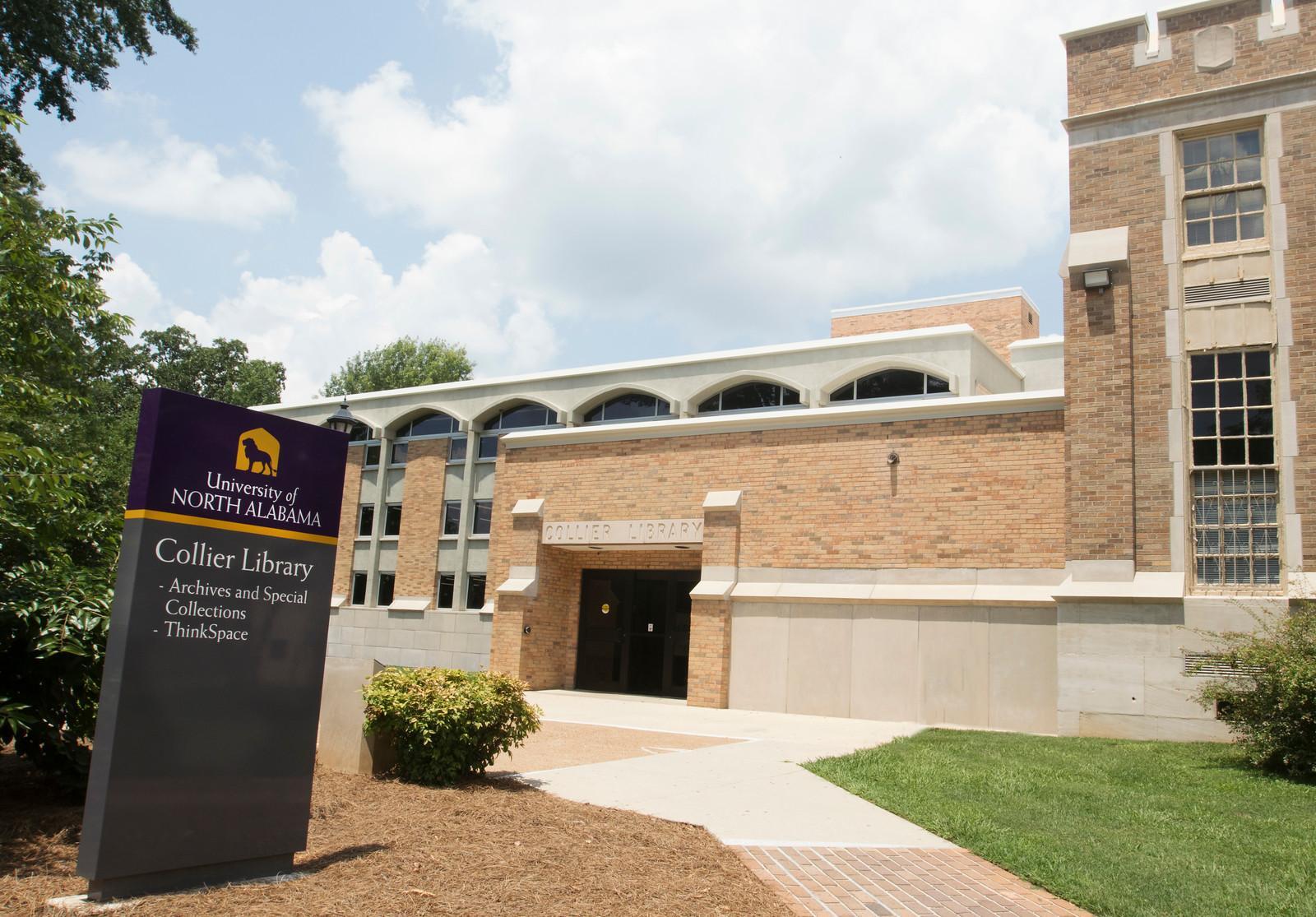
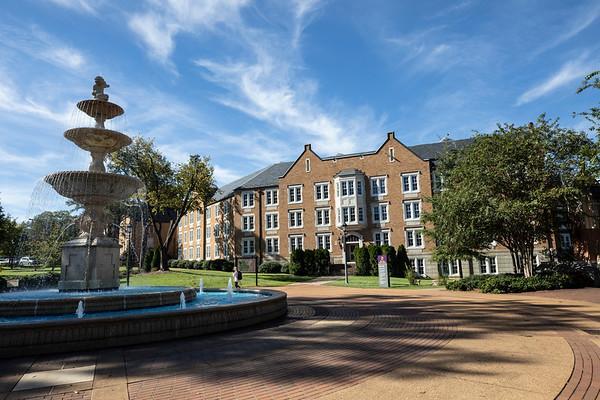
About University of North Alabama
University of North Alabama: Courses, Tuition Fees, Admissions & Student Life
Introduction
The University of North Alabama (UNA) is a public university located in Florence, Alabama, in the southeastern United States. Established in 1830, it is recognised as Alabama’s first public four-year university and has a long history of providing accessible higher education. The university combines traditional academic learning with practical experiences, student support services, research opportunities, and an active campus environment.
UNA offers undergraduate and graduate programmes across a variety of academic disciplines, including business, computer science, engineering-related fields, education, nursing, health professions, arts, and sciences. Its academic environment is designed to support students who want to develop subject knowledge, professional skills, and experience that can help prepare them for their future careers.
The university's campus is located in Florence, a city within the Shoals region of northwestern Alabama. The area offers a smaller-city environment with access to local cultural attractions, shopping, restaurants, outdoor recreation, and nearby communities. For international students considering education in the United States, UNA provides an opportunity to study at an established public institution while experiencing life in an American university community.
About the University of North Alabama
The University of North Alabama traces its origins to 1830, when it was established as LaGrange College. Its institutional history reflects nearly two centuries of educational development in Alabama. Over time, the institution evolved into the university it is today, expanding its academic programmes and educational services to meet changing student and community needs.
UNA is located at One Harrison Plaza in Florence, Alabama. Its campus covers approximately 130 acres and is situated within the Shoals region, which includes Florence, Tuscumbia, Muscle Shoals, and Sheffield. The location gives students access to a university campus while keeping many city facilities and local attractions within reach.
The university serves a diverse student population, with more than 10,000 students reported across its institutional profile. Its international community includes students from numerous countries, creating opportunities for cultural exchange and interaction. Students can engage with classmates from different backgrounds through academic activities, student organisations, campus events, and international programmes.
UNA is accredited by the Southern Association of Colleges and Schools Commission on Colleges (SACSCOC). This institutional accreditation allows the university to award bachelor's, master's, and education specialist degrees, as well as doctoral qualifications where authorised by its academic offerings.
The university emphasises teaching, research, service, inclusion, and student development. Its educational approach combines classroom instruction with opportunities for internships, experiential learning, mentoring, and extracurricular participation.
Courses and Academic Programs
The University of North Alabama offers a broad selection of undergraduate and graduate programmes through its academic colleges. Students can explore different subjects depending on their educational background, career interests, and long-term goals.
Its academic structure includes the College of Arts, Sciences, and Engineering; Sanders College of Business and Technology; Spencer College of Education and Human Sciences; Anderson College of Nursing and Health Professions; and the Delores and Weldon Cole Honors College.
Business and Technology
Sanders College of Business and Technology provides academic opportunities for students interested in business operations, management, accounting, finance, technology, and related professional fields.
Business programmes help students understand how organisations operate, how financial decisions are made, and how businesses respond to changing markets. Areas of study include accounting, business administration, finance, management, and computer information systems.
Students interested in technology and business can explore programmes that combine technical knowledge with organisational and analytical skills. These areas may be relevant to careers in corporate operations, financial services, information systems, business analysis, and management.
Computer Science and Information Systems
Students interested in computing and technology can explore programmes such as Computer Science and Computer Information Systems.
Computer Science focuses on computational concepts, programming, software development, algorithms, and problem-solving. Computer Information Systems connects technology with business processes, helping students understand how organisations use information systems to manage operations and support decisions.
These subjects can prepare students to explore career paths in software development, IT support, systems analysis, database-related roles, and other technology-focused areas. Students should review the current programme curriculum to understand specific course requirements and available concentrations.
Arts, Sciences, and Engineering
The College of Arts, Sciences, and Engineering offers programmes across a variety of scientific, creative, technical, and humanities disciplines.
Students can explore subjects such as biology, chemistry, art, cinematic arts and theatre, mathematics, and other areas of study. Science programmes provide opportunities to develop research, laboratory, analytical, and problem-solving skills.
The university's academic offerings also provide pathways for students interested in further education in scientific and professional fields. Depending on the programme, students may participate in laboratory activities, research projects, creative work, and collaborative assignments.
Education and Human Sciences
The Spencer College of Education and Human Sciences supports students interested in teaching, educational development, human behaviour, and related professional areas.
Education programmes are designed to develop knowledge of teaching methods, classroom practices, learning environments, and student development. Students interested in working in schools or educational organisations can explore relevant academic pathways.
Human sciences programmes also provide opportunities to understand individual and community development, health, behaviour, and social environments. Practical learning and professional preparation are important elements of these fields.
Nursing and Health Professions
The Anderson College of Nursing and Health Professions offers academic pathways for students interested in healthcare and related professional careers.
Nursing and health-related education requires a combination of scientific knowledge, practical preparation, communication, and professional responsibility. Students should review programme-specific admission requirements, clinical expectations, accreditation information, and licensing considerations before applying.
Honors College
The Delores and Weldon Cole Honors College provides additional academic opportunities for eligible students across different majors. Its benefits may include smaller classes, early registration, mentoring, academic enrichment, and scholarship opportunities.
Students interested in the Honors College should review the university's current eligibility and application requirements.
Tuition Fees and Cost of Studying
The cost of studying at the University of North Alabama depends on the student's academic programme, course load, housing arrangements, personal expenses, and applicable fees.
International students should prepare a complete financial plan before applying. Tuition is only one part of the overall cost. Accommodation, meals, books, supplies, transportation, health insurance, and personal expenses can increase the amount required for a year of study.
The university publishes tuition and cost estimates through its official tuition and financial information resources. International applicants should use the applicable academic-year figures and confirm whether the estimates reflect their programme and enrolment status.
Main Expenses to Consider
Tuition and mandatory fees: These are the primary academic expenses and generally depend on the number of credit hours and the student's classification.
Accommodation: Students living in university housing should consider residence hall charges, meal arrangements, and other housing-related expenses.
Books and supplies: Course materials, textbooks, software, and equipment may create additional costs depending on the programme.
Health insurance: International students should account for applicable health insurance requirements and related expenses.
Personal and transportation expenses: Daily living costs, local travel, communication, and other personal needs should be included in the budget.
Because tuition and university charges can change, students should not rely solely on older estimates when preparing their financial documents. The latest published fee schedule and individual cost information should be checked before making a final decision.
Scholarships and Financial Aid
The University of North Alabama offers scholarship opportunities intended to support students with different academic achievements, talents, and interests. Scholarship eligibility and award amounts can depend on academic performance, programme requirements, application deadlines, and the availability of funding.
The university describes several categories of scholarship support, including academic and leadership awards, service-related opportunities, performance scholarships, and talent-based awards.
International students should investigate which scholarships are open to applicants from outside the United States. Some awards may have separate eligibility requirements, while others may depend on admission status or academic credentials.
Students should consider the following steps when exploring scholarships:
- Review the university's current international scholarship information.
- Check academic eligibility and any required grade or test scores.
- Confirm whether a separate scholarship application is necessary.
- Review application deadlines and renewal conditions.
- Understand whether the award covers tuition, housing, or another eligible expense.
- Include remaining costs in the financial plan.
Scholarships can make studying more affordable, but students should not assume that an award is guaranteed. Applicants should prepare a budget using the published costs before considering any scholarship reduction.
Admission Requirements for International Students
International applicants must satisfy the academic and documentation requirements applicable to their chosen programme. Requirements may vary between undergraduate and graduate study, so applicants should review the relevant admission category before submitting an application.
Undergraduate Admission
Students applying for an undergraduate programme generally need to provide evidence of completed secondary education. The university may require official academic transcripts, a recognised high school diploma, and supporting documents.
International applicants should prepare:
- Completed application form.
- Official academic transcripts and school-leaving credentials.
- Required transcript verification or attestation.
- Copy of a valid passport.
- Evidence of English-language proficiency, where applicable.
- Financial documentation demonstrating the ability to fund education and living expenses.
- Any additional programme-specific documents requested by the university.
Documents issued outside the United States may need to be submitted in an approved format. Applicants should follow the university's instructions for certified translations, official records, and document verification.
Graduate Admission
Graduate applicants must meet the academic requirements of their intended programme. Depending on the degree, applicants may need a recognised bachelor's degree, official university transcripts, a minimum academic performance level, and additional supporting materials.
Some programmes may request a statement of purpose, recommendation letters, a résumé, relevant professional experience, or standardised test results. Requirements differ by department, so students should review the individual graduate programme's admission information.
English Language Requirements
International applicants whose previous education does not meet the university's English-language eligibility conditions may need to demonstrate proficiency through an accepted test.
Commonly listed English proficiency options for undergraduate international admission include:
- IELTS Academic: 5.5
- TOEFL iBT: 61
- Duolingo English Test: 90
- PTE Academic: 46
- TOEIC: 600
The university may accept additional qualifications or provide alternative English-language pathways in eligible circumstances. Test availability, score requirements, and exemptions can change. Applicants should confirm the current accepted tests and minimum scores for their intended admission term.
Students who do not meet the direct-entry English requirement may wish to investigate whether the university's Academic English programme or another approved pathway is appropriate for their circumstances.
Application Process
Applying to the University of North Alabama involves selecting a programme, preparing academic documents, meeting English-language requirements, and completing the university's international admission process.
Step 1: Choose a Programme
Begin by reviewing the available undergraduate or graduate programmes. Compare course content, degree requirements, academic interests, and potential career directions.
Step 2: Review Admission Requirements
Check the entry requirements for the selected programme. Undergraduate and graduate applicants may have different academic and documentation requirements.
Step 3: Prepare Documents
Gather academic transcripts, certificates, passport information, English-language test results, and other documents requested by the university.
Step 4: Submit the Application
Complete the relevant application and pay the applicable application fee. Make sure all information is accurate and consistent with the submitted academic records.
Step 5: Monitor the Application
Check communications from the admissions office and provide any additional documents requested. Applicants should allow sufficient time for international transcript review and other admission procedures.
Step 6: Receive the Admission Decision
Once the application has been reviewed, the university will communicate the admission outcome and any further steps required.
Step 7: Prepare for Arrival
Admitted international students should complete the necessary immigration documentation, arrange accommodation, review health insurance requirements, and follow the university's instructions for international student orientation.
Student Visa and Immigration Information
International students who intend to study full-time in the United States generally need the appropriate student immigration status. Students admitted to an eligible programme should follow the university's international office instructions for obtaining the documentation required for the visa application process.
The process generally involves receiving the relevant university-issued immigration document, paying the applicable government fee, completing the visa application, and attending a visa interview where required.
Applicants should prepare financial evidence demonstrating that they can meet the estimated costs of tuition and living expenses. They may also need academic records, passport details, admission documents, and other supporting information.
Admission to a university does not automatically guarantee visa approval. The final immigration decision is made by the relevant United States authorities. Students should use official government guidance and university instructions when preparing their applications.
Campus Life at the University of North Alabama
Campus life at UNA combines academic activities with student organisations, athletics, cultural programmes, social events, and opportunities for personal development.
The university's campus in Florence provides facilities intended to support learning, recreation, and student engagement. Students can use academic resources, participate in organised activities, and connect with other members of the university community.
Student Organisations and Activities
Students can explore clubs and organisations connected to academic interests, cultural backgrounds, professional development, volunteering, and personal hobbies.
Participation in these activities can help students develop communication, teamwork, leadership, and organisational skills. It also provides opportunities to build friendships and become more involved in university life.
Athletics and Recreation
The University of North Alabama has an active athletics programme, with its teams competing at the NCAA Division I level. The university is known as the home of the Lions, and sports form an important part of its campus identity.
Students can follow university teams, attend sporting events, and explore recreational opportunities available through campus facilities and organised programmes.
Campus Facilities
The university provides a range of facilities that support academic and student needs. These include library resources, learning spaces, laboratories, student services, recreation facilities, and accommodation options.
Students should review the current campus housing and facilities information when deciding where to live and how to plan their daily routines.
Accommodation and Living in Florence, Alabama
Florence offers a smaller-city environment compared with major metropolitan areas in the United States. It is part of the Shoals region, which includes several neighbouring communities and is known for its music history, cultural attractions, and connection to the Tennessee River.
Students can explore university-managed housing and other accommodation options available in the surrounding area. On-campus housing may provide convenient access to classrooms, campus services, and student activities.
Before choosing accommodation, international students should compare:
- Housing charges and payment schedules.
- Meal plan requirements and availability.
- Distance from academic buildings.
- Transportation options.
- Lease conditions for off-campus accommodation.
- Personal safety and access to essential services.
Living expenses can vary depending on housing type and individual lifestyle. Students should create a realistic monthly budget covering accommodation, food, transportation, communication, and personal needs.
Florence's location also gives students opportunities to explore the wider Shoals region. Local restaurants, cultural venues, outdoor spaces, and community events can contribute to the overall student experience.
Career Development and Employment Opportunities
The University of North Alabama encourages students to develop professional skills alongside their academic knowledge. Career preparation can involve practical projects, internships, mentoring, networking, and participation in university activities.
Students should make use of available career development resources to explore potential occupations, prepare application materials, and understand employer expectations.
Academic programmes in business, technology, science, education, nursing, and other disciplines can provide foundations for different professional directions. However, career outcomes depend on the student's qualifications, experience, skills, and the opportunities available in the relevant employment market.
International students should also understand the immigration rules governing employment during and after their studies. Work authorisation in the United States is subject to federal regulations and individual eligibility. Students should consult the university's international student services team before accepting employment or participating in practical training arrangements.
Why Choose the University of North Alabama?
Students considering UNA may find several aspects of the institution appealing.
Long institutional history: Established in 1830, UNA has a long record of providing higher education and remains an important public university in Alabama.
Broad academic selection: The university offers programmes across business, technology, arts, sciences, education, nursing, and other professional fields.
International student community: Students from different countries contribute to a multicultural learning environment and opportunities for cross-cultural interaction.
Campus environment: Its 130-acre campus offers a university setting within Florence and the wider Shoals region.
Scholarship opportunities: Eligible students may explore academic, leadership, service, performance, and talent-based scholarship opportunities.
Student development: Academic learning is supported by campus activities, student organisations, athletics, mentoring, and career-related resources.
Accredited institution: UNA is institutionally accredited by SACSCOC and offers qualifications across undergraduate and graduate levels.
Frequently Asked Questions
Is the University of North Alabama a public or private university?
The University of North Alabama is a public university located in Florence, Alabama. It was established in 1830 and is recognised as Alabama's first public four-year university.
Where is the University of North Alabama located?
The university is located at One Harrison Plaza in Florence, Alabama, USA. Florence is part of the Shoals region in northwestern Alabama.
What courses are available at the University of North Alabama?
UNA offers undergraduate and graduate programmes in areas such as business, accounting, computer science, computer information systems, biology, chemistry, arts, education, nursing, and health professions. Programme availability and degree options should be checked in the current academic catalogue.
Does the University of North Alabama accept international students?
Yes. UNA welcomes international applicants and provides international admission information and student support services. Applicants must meet the academic, English-language, and documentation requirements for their intended programme.
What English test scores are accepted by UNA?
The university lists several English-language proficiency options for international undergraduate admission, including IELTS, TOEFL iBT, Duolingo English Test, PTE Academic, and TOEIC. Minimum scores and accepted alternatives should be verified for the relevant admission term.
Does UNA offer scholarships to international students?
The university provides several scholarship opportunities. International applicants should review current eligibility rules, available awards, application procedures, and deadlines before relying on scholarship funding.
Is accommodation available for students?
Students can explore university housing and accommodation options in the Florence area. Availability, costs, and housing conditions should be confirmed directly with the university.
Is the University of North Alabama accredited?
Yes. UNA is accredited by the Southern Association of Colleges and Schools Commission on Colleges (SACSCOC).
Can international students work while studying at UNA?
International students may have certain employment opportunities depending on their immigration status and applicable regulations. They should consult the university's international student services office before beginning any employment.
Conclusion
The University of North Alabama offers an established public university experience in Florence, Alabama, supported by a wide range of academic programmes, campus activities, student services, and international education opportunities.
Its history, academic colleges, international community, and campus environment make it an institution worth considering for students exploring higher education in the United States. Prospective applicants should compare their intended programme with the university's admission requirements, tuition costs, scholarship opportunities, and career goals before making a final decision.
For international students, careful preparation is especially important. Reviewing the latest academic information, confirming financial requirements, preparing the necessary documents, and understanding student visa procedures can help make the application process more organised and successful.
Entry Requirements
General Entry Requirement
IELTS 6.0 overall
Fees & Scholarships
Annual Tuition Fees
USD 34,000 - USD 52,000
Ready to Apply to University of North Alabama?
Our advisors guide you from eligibility check to offer letter — at no cost to you.
Join our WhatsApp Community

Scan to join our student community for admission updates & guidance