
Annual FeesUSD 35,000 - USD 60,000
University of New Mexico
LocationUS
Entry RequirementIELTS 6.5 overall
Visa Success Rate75%
Campus Photos
University of New Mexico
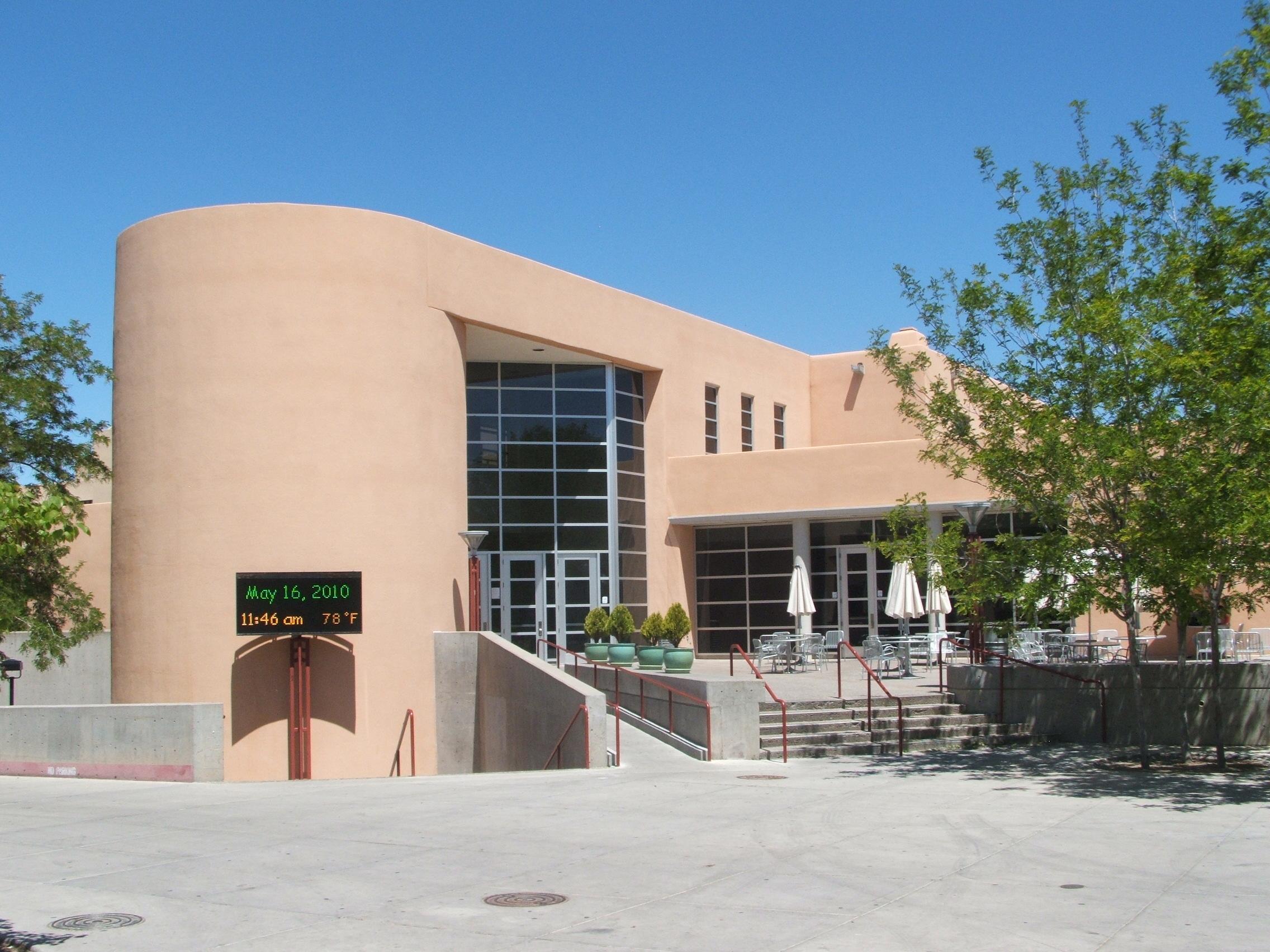
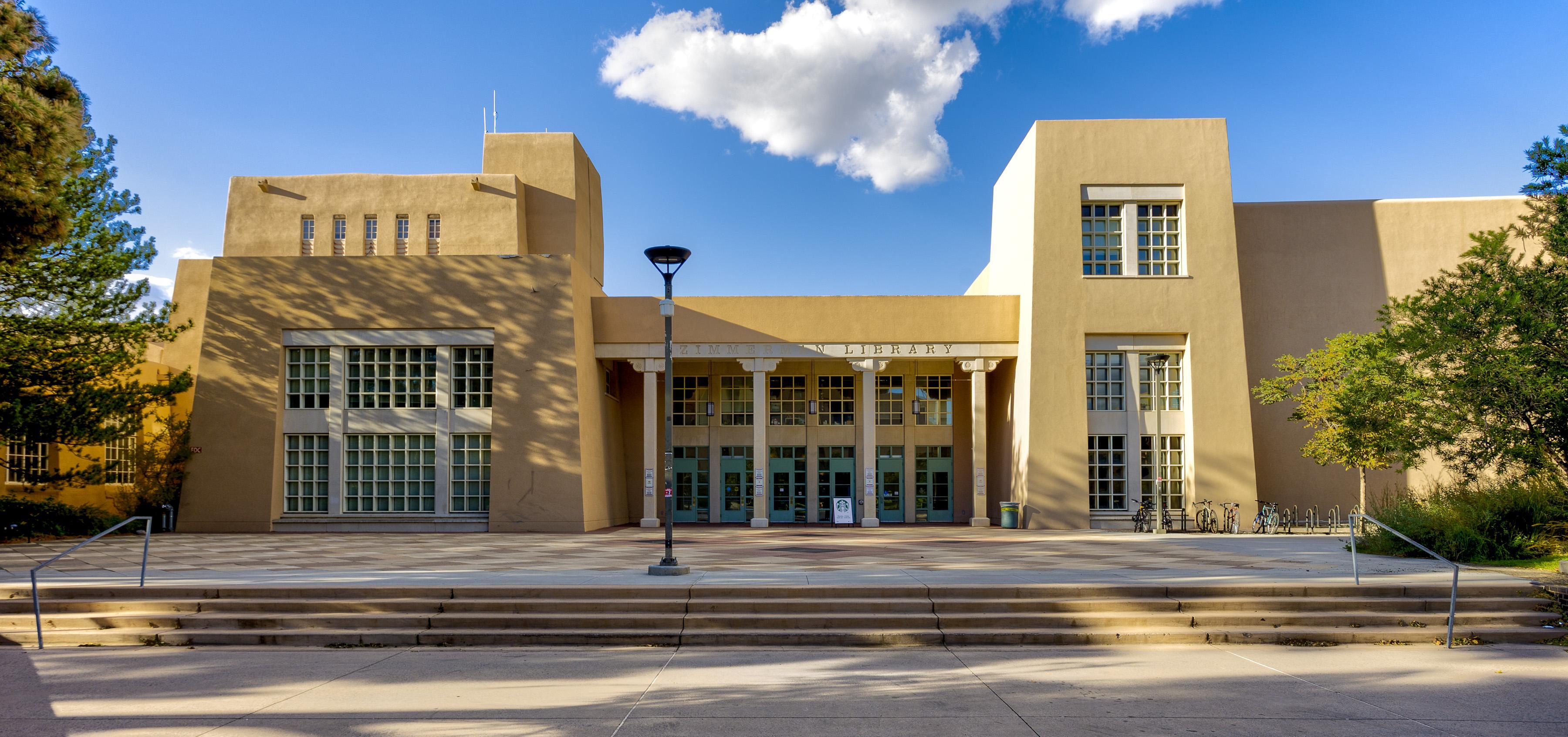
About University of New Mexico
University of New Mexico: Courses, Tuition Fees, Admissions and Student Life
The University of New Mexico (UNM) is a public research university located in Albuquerque, New Mexico, United States. Established in 1889, the university is the state's flagship public institution and offers undergraduate, graduate, and doctoral programmes across a wide range of academic disciplines. Its academic environment combines classroom learning, research, practical experience, and community engagement to prepare students for professional careers and further education.
UNM provides academic opportunities in business, engineering, computer science, architecture, fine arts, education, nursing, pharmacy, health sciences, law, and the humanities. Students can choose from a broad selection of programmes according to their interests, previous education, and career objectives.
The university welcomes international students and provides support with admission applications, English-language requirements, scholarships, immigration documentation, and campus transition. Its location in Albuquerque also gives students access to a metropolitan environment with professional organisations, research institutions, cultural attractions, and outdoor recreation.
For international applicants, choosing UNM involves evaluating academic programmes, tuition, living expenses, scholarships, admission standards, and career opportunities. Understanding these factors can help students determine whether the university is appropriate for their educational plans.
About the University of New Mexico
The University of New Mexico was founded in 1889 and has developed into a major public research institution. Its main campus is situated in Albuquerque, with additional branch campuses serving communities across the state.
UNM offers programmes through multiple colleges and schools, including the College of Arts and Sciences, School of Engineering, Anderson School of Management, College of Fine Arts, College of Nursing, College of Pharmacy, College of Population Health, School of Architecture and Planning, School of Law, and School of Medicine.
The university's academic approach combines theoretical instruction with research, laboratory activities, professional development, and applied learning. Depending on the degree, students may have opportunities to work with faculty members, participate in research projects, and develop practical skills related to their academic discipline.
UNM also provides academic advising, student support, libraries, laboratories, recreation facilities, residence halls, and student organisations. These resources contribute to the academic and social experience of students studying on campus.
Courses and Academic Programmes
The University of New Mexico offers more than 220 degree and certificate programmes across undergraduate, master's, and doctoral levels. Programme availability and entry requirements depend on the academic department and degree.
Business and Management
The Anderson School of Management provides programmes for students interested in business administration, accounting, finance, management, marketing, and organisational leadership.
Students can develop knowledge of business operations, financial decision-making, market behaviour, entrepreneurship, and strategic planning.
Common areas of business study include:
- Business administration
- Accounting
- Finance
- Marketing
- Management
- Entrepreneurship
- Business analytics
- Organisational leadership
Coursework may involve financial reporting, business strategy, economics, marketing research, and management principles. Students can strengthen their analytical, communication, and problem-solving skills through academic projects and practical assignments.
Graduates may pursue careers in banking, accounting, financial services, marketing, consulting, business development, and corporate management. Some professional positions require additional qualifications or certification.
Computer Science and Information Technology
UNM offers computing and technology-related programmes for students interested in software, digital systems, information management, and emerging technologies.
Computer science education may cover programming, algorithms, data structures, databases, computer systems, software engineering, and related technical subjects.
Students can build technical knowledge through coursework, research, laboratory activities, and project-based learning. Those interested in technology careers should consider developing practical programming experience and a portfolio of relevant projects.
Potential career directions include software development, systems analysis, database administration, cybersecurity, application development, IT consulting, and technology support.
Engineering
The UNM School of Engineering provides academic pathways for students interested in technical design, scientific principles, infrastructure, and applied problem-solving.
Engineering disciplines include:
- Chemical Engineering
- Civil Engineering
- Computer Engineering
- Construction Engineering
- Electrical Engineering
- Mechanical Engineering
- Nuclear Engineering
Students study mathematics, science, engineering fundamentals, technical design, and specialised subjects related to their chosen field.
Depending on the programme, practical learning may include laboratory experiments, technical projects, research, and collaborative design activities.
Graduates may pursue careers in manufacturing, construction, energy, infrastructure, technology, engineering consulting, and research. Professional licensing or additional qualifications may be required for certain positions.
Architecture and Planning
The School of Architecture and Planning offers programmes for students interested in the built environment, architectural design, urban development, and sustainable planning.
Students can explore subjects such as architecture, environmental planning and design, and landscape architecture, depending on programme availability.
Academic work may involve design studios, technical drawing, research, environmental analysis, and project development.
Graduates may pursue careers in architectural design, urban planning, landscape design, environmental planning, and related professional fields. Some careers require accredited professional education, supervised experience, or licensing.
Fine Arts and Creative Industries
The College of Fine Arts provides academic opportunities for students interested in artistic expression, creative practice, performance, and digital media.
Programme areas include art, design, music, theatre, dance, and film and digital arts.
Students may develop practical abilities through studio work, performances, creative projects, and collaboration with other students and faculty members.
Career possibilities include visual arts, graphic design, film production, theatre, music, creative media, arts administration, and education. Professional opportunities depend on individual portfolios, experience, and specialisation.
Education and Human Sciences
The College of Education and Human Sciences offers programmes related to teaching, learning, human development, and community wellbeing.
Students can explore areas such as elementary education, secondary education, special education, community health education, exercise science, family and child studies, nutrition, and related subjects.
Coursework may cover educational methods, learning theory, human development, health promotion, and professional practice.
Graduates may pursue careers in education, training, community services, health promotion, and programme coordination. Students intending to become licensed teachers should investigate the relevant state certification requirements.
Nursing and Health Sciences
UNM offers academic pathways in nursing and other health-related disciplines through its health and professional schools.
Students interested in nursing, population health, pharmacy, and related fields should review programme-specific academic requirements, prerequisite subjects, clinical experience expectations, and professional standards.
Depending on the programme, learning may involve scientific foundations, laboratory work, research, clinical education, and community health activities.
Healthcare careers often involve professional examinations, licensing, and additional regulatory requirements. International students should investigate whether their intended degree will meet professional requirements in the country where they plan to work.
Pharmacy and Population Health
The College of Pharmacy and College of Population Health provide specialised academic options for students interested in medicines, healthcare systems, public health, and community wellbeing.
Pharmacy-related study may involve pharmaceutical sciences, drug development, medication safety, and professional practice. Population health programmes examine factors that influence health outcomes across communities.
These fields can lead to opportunities in healthcare research, pharmaceutical organisations, public health services, policy support, and further professional education.
Students should distinguish between academic study in pharmaceutical sciences and professional pharmacy qualifications, as the requirements for practising as a pharmacist may differ.
Humanities and Social Sciences
The College of Arts and Sciences offers a broad selection of programmes across humanities, social sciences, and natural sciences.
Students may explore subjects such as:
- Psychology
- Sociology
- Economics
- Political science
- History
- Communication
- English
- Anthropology
- Biology
- Chemistry
- Mathematics
- Physics
- Environmental science
These programmes develop research, communication, analytical thinking, scientific investigation, and problem-solving skills.
Graduates may pursue careers in research, education, communications, public administration, environmental organisations, social services, and postgraduate study.
Law and Professional Studies
The UNM School of Law provides legal education for students interested in legal systems, public policy, advocacy, and professional legal practice.
Law programmes have specific entry requirements that differ from general undergraduate admission. Applicants should examine the degree structure, previous qualification requirements, professional recognition, and relevant licensing rules.
International students interested in legal education in the United States should also investigate how their qualification may be recognised in the country where they intend to practise.
Tuition Fees and Cost of Studying at UNM
The cost of studying at the University of New Mexico depends on the academic programme, student classification, credit load, accommodation, and personal spending.
For the 2026–2027 academic year, the estimated annual tuition and fees for international undergraduate students without a scholarship are approximately US$35,173.
This figure represents the published tuition-and-fee estimate and does not include every expense associated with studying and living in the United States.
The university's estimated annual financial requirement for international undergraduate students without a scholarship is approximately US$51,898. This broader estimate includes:
- Tuition and mandatory fees
- Accommodation and food
- Books and supplies
- Transportation
- Personal and miscellaneous expenses
- Health insurance
Actual expenditure may vary according to the selected programme, housing arrangements, meal plans, insurance requirements, and personal lifestyle.
Graduate tuition differs by programme and academic level. Students applying for master's or doctoral programmes should review the relevant graduate tuition schedule rather than relying on undergraduate estimates.
International applicants should also budget for application fees, visa-related expenses, travel, and other costs that may not be included in the published annual estimate.
Tuition and other university charges can change each academic year. Applicants should confirm the official cost estimate for their intended intake before accepting an offer.
Scholarships and Financial Support
The University of New Mexico provides scholarship opportunities for eligible international students. These awards can help reduce tuition expenses and make studying at the university more financially manageable.
International undergraduate applicants may be considered for scholarships such as the International Amigo Scholarship and Leadership Scholarship, subject to eligibility requirements and university policies.
Scholarship decisions may depend on academic performance, admission status, application timing, and other published criteria. Students should confirm the current award amounts, renewal conditions, and eligibility rules before preparing their financial plan.
A scholarship may reduce tuition without covering housing, food, health insurance, transportation, or personal expenses. Applicants should therefore calculate their remaining financial requirement after considering only funding that has been officially confirmed.
Graduate students may have access to additional funding opportunities through their academic departments, including assistantships or other programme-specific support. Availability varies by department and qualification level.
Students can also investigate legitimate external scholarships and education loans. Before accepting a loan, applicants should review repayment conditions, interest rates, and the financial obligations that may continue after graduation.
Admission Requirements for International Students
Admission requirements depend on the chosen degree, academic background, and intended semester. International students should review the university's current admissions guidance before submitting an application.
Undergraduate Admission
International undergraduate applicants generally need to prepare:
- A completed online application.
- The required application fee.
- Official secondary school transcripts.
- Secondary school graduation certificate or equivalent qualification.
- Examination results where applicable.
- Certified English translations of academic records when required.
- Proof of English-language proficiency, unless an exemption applies.
- Additional programme-specific documents.
Applicants must submit academic documents that demonstrate completion of the educational qualifications required for university-level study.
UNM provides country-specific academic document guidance. Students should check the requirements for the country in which they completed secondary education and follow the instructions for official document submission.
Applicants transferring from another institution may need to submit additional college or university transcripts. Transfer credit depends on the evaluation of previous coursework and its relevance to the selected degree.
English-Language Requirements
International students whose previous education does not qualify them for an English-language exemption may need to submit an approved proficiency test.
Published undergraduate minimum scores include:
- Duolingo English Test: 95
- IELTS Academic: 6.0
- TOEFL iBT: 68, with the applicable new-scale equivalent of 4.0
- SAT Evidence-Based Reading and Writing: 500
- PTE Academic: 47
- Cambridge English: C1
- Oxford Test of English: 125
These are published minimum requirements and do not guarantee admission. Applicants should verify accepted test formats, score validity, and any additional departmental requirements.
Some students may qualify for an exemption depending on their previous education or other accepted evidence. Students should confirm their eligibility before assuming that an English-language test is unnecessary.
Graduate Admission
Graduate applicants generally need a recognised bachelor's degree or equivalent qualification that satisfies the academic requirements of their chosen programme.
Depending on the department, applicants may need to submit:
- Official academic transcripts.
- Degree certificates.
- A statement of purpose.
- Recommendation letters.
- A résumé or curriculum vitae.
- English-language proficiency scores.
- Additional programme-specific documents.
Some graduate programmes may require prerequisite coursework, research experience, interviews, portfolios, or standardised examinations.
Applicants should review the graduate department's requirements and deadlines carefully, as admission standards can differ considerably between programmes.
How to Apply to the University of New Mexico
International applicants can organise their application through the following steps.
Step 1: Choose an academic programme. Review available undergraduate or graduate degrees, course content, admission requirements, and career opportunities.
Step 2: Check eligibility. Compare your previous qualifications and English-language results with the university's admission standards.
Step 3: Complete the online application. Submit the appropriate international application and pay the required application fee.
Step 4: Submit academic documents. Provide official transcripts, graduation certificates, examination results, and translations where necessary.
Step 5: Submit English-language evidence. Arrange for approved test results to be sent or uploaded according to university instructions.
Step 6: Review the admission decision. Monitor application updates and respond to any requests for additional documents.
Step 7: Accept the offer. Follow the university's instructions for confirming admission and completing outstanding requirements.
Step 8: Submit financial documents. International students who require an I-20 must demonstrate sufficient funding for their first year of study.
Step 9: Complete visa arrangements. Follow the applicable SEVIS and F-1 student visa procedures.
Step 10: Prepare for arrival. Arrange housing, review health insurance requirements, complete orientation tasks, and prepare for travel.
Applicants should check the official international admissions deadlines for their intended semester. Visa appointment availability and document processing times should be considered when planning the application.
Campus Facilities and Accommodation
UNM provides academic buildings, research laboratories, libraries, student centres, dining facilities, residence halls, and recreational resources.
The university's libraries and learning facilities support research, independent study, and group work. Students can access academic resources and seek assistance with coursework and research activities.
On-campus accommodation is available through university residence halls and other housing options. Living on campus can make it easier to attend classes, participate in student activities, and access university facilities.
Students should compare room types, meal plans, accommodation fees, contract periods, and eligibility before selecting housing.
Students who prefer to live off campus should investigate rent, utilities, groceries, transportation, and commuting time. Accommodation costs can vary depending on location and the type of housing selected.
International students should arrange accommodation before travelling and review university guidance on housing, arrival, and campus orientation.
Student Life at UNM
Student life at the University of New Mexico includes academic organisations, cultural events, athletics, recreational activities, student clubs, and social gatherings.
The university provides opportunities for students to connect with peers through clubs and organisations covering academic interests, professional development, culture, hobbies, volunteering, and community engagement.
Students can also participate in athletics and recreational activities. These opportunities encourage teamwork, personal development, and social interaction outside the classroom.
UNM's campus environment brings together students from different backgrounds and countries. International students can participate in cultural activities, meet other students, and become familiar with university life in the United States.
The university's location in Albuquerque also provides opportunities to explore museums, local markets, outdoor activities, restaurants, and cultural events.
Balancing academic responsibilities with extracurricular involvement can help students develop a broader university experience.
International Student Support
International students may need assistance with admission documents, immigration procedures, financial evidence, academic planning, accommodation, and adapting to a new country.
UNM's Global Education Office and International Student and Scholar Services provide support throughout the international student journey.
Students can seek guidance about application materials, immigration requirements, maintaining student status, employment rules, travel regulations, and university systems.
Applicants who require an F-1 or J-1 visa must complete the university's financial documentation process and receive the appropriate immigration paperwork before scheduling their visa appointment.
International students are responsible for understanding and maintaining their immigration status. Rules can affect course registration, employment, travel, and other activities. Students should contact authorised university advisers when they need clarification.
New students should also participate in orientation activities and familiarise themselves with university services before beginning their academic programmes.
Career Development and Employment Opportunities
UNM provides academic and professional development opportunities that can help students prepare for employment across different industries.
Students can strengthen their professional profiles through academic projects, research, internships where eligible, faculty engagement, and participation in university organisations.
The university's programmes cover fields such as business, engineering, computer science, healthcare, architecture, education, fine arts, and public policy. These disciplines can lead to different career pathways depending on the student's specialisation and experience.
Career preparation may include résumé development, interview practice, networking, career advising, and learning about employer expectations.
The Albuquerque region provides access to organisations in government, research, healthcare, technology, education, and business. However, employment outcomes depend on the student's academic background, professional skills, and labour-market conditions.
International students must comply with the employment rules associated with their immigration status and obtain any required authorisation before beginning work.
Certain careers may require additional qualifications, licensing, or professional certification after graduation.
Why Choose the University of New Mexico?
The University of New Mexico may be a suitable choice for students seeking a public research university with a broad academic portfolio and access to research opportunities.
Potential advantages include:
- Wide academic selection: More than 220 degree and certificate programmes across undergraduate and graduate levels.
- Research environment: Opportunities to explore academic research, laboratories, and faculty-led projects.
- International student support: Dedicated services for admissions, immigration guidance, and student transition.
- Scholarship opportunities: Eligible international students may qualify for merit-based scholarships.
- Public university environment: A large academic institution with multiple colleges, schools, and campus resources.
- Albuquerque location: Access to cultural attractions, employers, research organisations, and outdoor recreation.
- Multiple academic pathways: Options across business, engineering, health sciences, fine arts, law, education, and other disciplines.
The value of these advantages depends on the student's academic interests, financial circumstances, career objectives, and preferred campus environment.
Applicants should compare UNM with other universities based on programme quality, tuition, total cost of attendance, scholarship availability, and professional opportunities.
Living in Albuquerque, New Mexico
Albuquerque is the largest city in New Mexico and offers a combination of urban amenities, cultural attractions, outdoor activities, and professional opportunities.
Students can explore museums, parks, historic neighbourhoods, restaurants, community events, and local festivals while studying in the city.
The region is also known for its desert landscapes, mountain surroundings, and outdoor recreation opportunities. Students interested in hiking and nature activities may find several options within the wider area.
Living expenses depend on accommodation, food, transportation, insurance, and personal spending. Students should create a monthly budget and consider the distance between their accommodation, campus, workplace, and essential services.
Albuquerque experiences warm summers and cooler winters, so international students should prepare for seasonal weather conditions.
Students should also research local transportation, healthcare access, and university safety resources before arriving.
Frequently Asked Questions
Is the University of New Mexico public or private?
The University of New Mexico is a public research university and the flagship public institution of New Mexico.
Where is UNM located?
UNM's main campus is located in Albuquerque, New Mexico, United States.
How many programmes does UNM offer?
The university offers more than 220 degree and certificate programmes across undergraduate, master's, and doctoral levels.
How much is international undergraduate tuition at UNM?
For the 2026–2027 academic year, estimated international undergraduate tuition and fees without a scholarship are approximately US$35,173 annually. Total estimated annual expenses are higher when living costs, insurance, books, and other expenses are included.
What is the international undergraduate application fee?
The published international undergraduate application fee is US$50. Applicants should confirm the current fee and payment instructions before applying.
Does UNM accept international students?
Yes. UNM welcomes international students and provides support through its international admissions and student services offices.
What English-language tests does UNM accept?
Published options include IELTS, TOEFL iBT, Duolingo English Test, PTE Academic, SAT Evidence-Based Reading and Writing, Cambridge English, and Oxford Test of English. Applicants should verify current minimum scores and accepted formats.
Are scholarships available for international students?
Yes. Eligible international undergraduate students may be considered for scholarships such as the International Amigo Scholarship and Leadership Scholarship, subject to university conditions.
Does UNM provide on-campus housing?
Yes. The university offers residence halls and other accommodation options. Costs, availability, and eligibility vary.
Can international students work while studying at UNM?
Some international students may qualify for specific employment opportunities under US immigration regulations. Students must confirm eligibility and obtain any required authorisation before working.
What should students consider before applying?
Applicants should compare programme requirements, tuition, living expenses, scholarship eligibility, English-language standards, accommodation, deadlines, and career goals before making a decision.
Conclusion
The University of New Mexico offers international students a wide range of academic programmes, research opportunities, campus resources, and student support services. Its colleges and schools provide pathways in business, engineering, computer science, health sciences, architecture, fine arts, education, law, and other disciplines.
The university's public research environment and location in Albuquerque provide opportunities for academic development and engagement with the wider community.
Before applying, students should confirm the latest programme requirements, tuition and fees, scholarship conditions, English-language standards, and immigration documentation requirements. Careful financial planning and comparison of academic options can help applicants decide whether UNM aligns with their educational and professional goals.
Entry Requirements
General Entry Requirement
IELTS 6.5 overall
Fees & Scholarships
Annual Tuition Fees
USD 35,000 - USD 60,000
Ready to Apply to University of New Mexico?
Our advisors guide you from eligibility check to offer letter — at no cost to you.
Join our WhatsApp Community

Scan to join our student community for admission updates & guidance