
Annual FeesUSD 31,900 - USD 53,900
University of Nebraska–Lincoln
LocationUS
Entry RequirementIELTS 6.5 overall
Visa Success Rate70%
Campus Photos
University of Nebraska–Lincoln
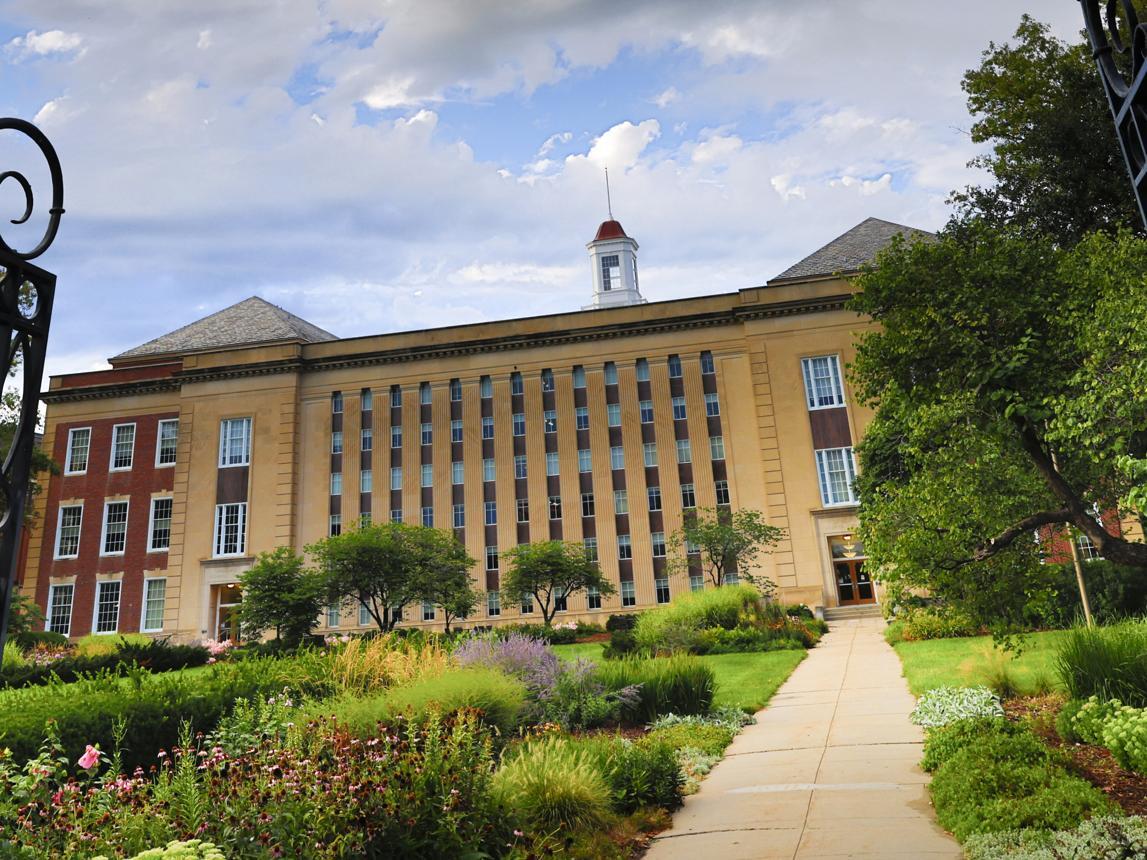

About University of Nebraska–Lincoln
University of Nebraska–Lincoln: Courses, Fees, Admissions and Student Life
Introduction to the University of Nebraska–Lincoln
The University of Nebraska–Lincoln is a public research university located in Lincoln, Nebraska, United States. Established in 1869, it is the state's flagship university and a member of the Big Ten Academic Alliance. The institution offers undergraduate, graduate and doctoral programs across a wide range of academic disciplines, combining classroom instruction with research, innovation and practical learning.
The university provides more than 100 undergraduate majors, alongside graduate programs and specialized academic opportunities. Students can explore fields such as engineering, computer science, business administration, agriculture, biological sciences, architecture, education, journalism and the liberal arts.
For international students, the University of Nebraska–Lincoln offers an opportunity to study in a research-oriented academic environment while experiencing American campus life. The university welcomes students from many countries and provides resources to help them adjust to their studies, navigate university procedures and prepare for future careers.
Lincoln, the state capital, offers a university-centered environment with cultural attractions, restaurants, recreational spaces and community activities. Students can benefit from the city's academic atmosphere while accessing services and opportunities outside the campus.
Choosing the right university requires careful consideration of academic programs, tuition fees, scholarships, admission criteria, accommodation and career goals. Understanding these factors can help prospective students determine whether the University of Nebraska–Lincoln is a suitable choice for their educational journey.
Why Choose the University of Nebraska–Lincoln?
Research and Academic Excellence
The University of Nebraska–Lincoln is a research-intensive institution with academic activity across science, engineering, agriculture, business, education and other disciplines. Students may have opportunities to engage with faculty research, specialized laboratories and academic projects, depending on their program and level of study.
Research experience can be particularly useful for students considering graduate education or careers involving scientific investigation, technical development and analytical problem-solving.
Broad Academic Choices
The university offers programs across several colleges and academic departments. This variety allows students to explore different interests, compare specializations and select qualifications that align with their professional ambitions.
Applicants can investigate undergraduate majors, graduate degrees, research pathways and interdisciplinary study options. The exact choices available depend on the current academic catalogue and program requirements.
Practical and Experiential Learning
Many programs combine theoretical instruction with practical assignments, laboratory work, design projects, field experiences or research. Certain degrees also offer opportunities to explore internships and professional development activities.
Students should investigate the experiential learning opportunities available in their intended department, since requirements and access can vary by course.
International Student Support
The university has an international student community representing more than 126 countries. Its international admissions and student support services help applicants understand application requirements, prepare for enrollment and adjust to studying in the United States.
Students can seek guidance on academic planning, immigration documentation and campus resources. They should consult the appropriate university office for advice concerning their specific circumstances.
A Recognized Research University
As a member of the Big Ten Academic Alliance and a Carnegie R1 research institution, the University of Nebraska–Lincoln offers an environment suited to students interested in advanced study and research.
Students considering research-focused degrees should explore faculty expertise, available facilities, funding opportunities and the expectations associated with their intended program.
Courses Offered at the University of Nebraska–Lincoln
The university offers undergraduate and graduate programs across numerous academic fields. Program titles, specializations and admission criteria may change, so applicants should consult the current academic catalogue before making a decision.
Computer Science and Technology
Computer science is an option for students interested in software, computing systems and technological innovation.
Depending on the program, students may study programming, algorithms, databases, software engineering, computer architecture and related subjects. These areas can provide a foundation for careers in software development, systems analysis, computing research and other technology-related roles.
Applicants should examine available electives and specializations to determine whether a degree aligns with their interests in artificial intelligence, cybersecurity, software engineering or advanced computing.
Engineering
The university offers engineering programs in areas such as electrical engineering, mechanical engineering, civil engineering, computer engineering and related disciplines.
Engineering education combines scientific foundations with design, analysis and practical problem-solving. Students may explore electronic systems, infrastructure, mechanical design, computing technologies and other technical applications according to their chosen degree.
Applicants should compare curricula, laboratory resources, research opportunities and relevant professional accreditation before selecting a program.
Business Administration
Business programs provide opportunities to study management, finance, accounting, marketing, entrepreneurship and organizational strategy.
Students can develop an understanding of how organizations operate, allocate resources and respond to changing markets. Depending on the degree, coursework may include leadership, business analytics, financial decision-making and international business.
Graduate applicants considering a Master of Business Administration should compare admission criteria, course structure, program duration and total tuition costs.
Agriculture and Agricultural Sciences
Agriculture is one of the university's established academic areas. Students can explore subjects related to agricultural systems, crop and soil sciences, animal science, agricultural economics and related fields.
Programs may combine scientific instruction with laboratory work, field experiences, research or practical projects. These opportunities can help students understand food production, natural resources and the economic and environmental factors affecting agriculture.
Applicants interested in agricultural research should investigate available laboratories, faculty research areas and specialized degree requirements.
Biological Sciences and Life Sciences
Students interested in living organisms, ecosystems and scientific investigation can explore biological sciences and related academic pathways.
Depending on the program, study may include genetics, ecology, microbiology, molecular biology, physiology and research methods.
These subjects can support further study or career development in research, environmental science, biotechnology and related fields. Students should check prerequisites and laboratory requirements when selecting a degree.
Architecture and Design
Architecture and design programs may appeal to students interested in the built environment, spatial planning and creative problem-solving.
Depending on the chosen degree, students may study architectural design, building systems, environmental considerations, visual communication and design principles.
Applicants should verify portfolio requirements, studio expectations, program duration and any professional accreditation relevant to their intended career.
Education
The University of Nebraska–Lincoln offers academic opportunities for students interested in teaching, educational research and learning development.
Depending on the specialization, students may study curriculum development, instructional methods, educational psychology, educational leadership and related topics.
Applicants seeking professional teaching credentials should verify certification requirements and confirm whether the qualification meets the standards of the state or country where they plan to work.
Journalism and Communication
Students interested in media, communication and public information can explore journalism and related disciplines.
Coursework may involve reporting, writing, media production, strategic communication, digital content and communication research, depending on the program.
These subjects can support careers in media organizations, public relations, communication departments and digital publishing. Applicants should review practical requirements and available specializations.
Liberal Arts and Social Sciences
The university also provides programs in liberal arts and social science disciplines. Students can investigate subjects such as history, psychology, political science, languages, sociology and related fields.
These areas help develop research, writing, critical thinking and communication skills. Graduates may pursue further education or careers in organizations where analytical reasoning and effective communication are important.
University of Nebraska–Lincoln Tuition Fees
Tuition and living expenses are important considerations for international students planning to study in the United States. The University of Nebraska–Lincoln publishes cost estimates based on residency classification, program, course load and housing arrangements.
For the 2026–2027 academic year, the university estimates annual undergraduate international student costs as follows:
- Tuition and fees: approximately US$31,942.
- Housing and food: approximately US$13,950.
- Health insurance: approximately US$4,578.
- Books and supplies: approximately US$1,128.
- Flights and transportation: approximately US$1,094.
- Personal expenses: approximately US$1,230.
The estimated total annual cost of attendance for international undergraduates is approximately US$53,922.
These figures represent a planning estimate rather than a universal fee for every degree. Certain colleges, including business, architecture and engineering, may charge differential tuition. Graduate and professional programs can have separate cost structures.
Students should distinguish between tuition and the full cost of attendance. Accommodation, food, insurance, books and other living expenses can substantially increase the amount required for a year of study.
Before accepting an offer, applicants should check the latest fee schedule for their intended program and calculate their expected expenses according to their credit load and housing arrangements.
Scholarships and Financial Aid
Scholarships can help eligible students reduce the cost of studying at the University of Nebraska–Lincoln. The university offers awards based on academic achievement, leadership, service and other eligibility criteria.
International undergraduate students are automatically considered for certain academic scholarships when they complete the admission process and receive full admission. The university advertises scholarship opportunities of up to US$15,000 per year for eligible international students, although award amounts and conditions vary.
Students should investigate the following areas:
- International merit scholarships based on academic qualifications.
- Departmental awards for eligible students in particular fields.
- Leadership and service scholarships.
- Supplemental scholarship applications, where required.
- Graduate assistantships and research funding opportunities.
- External scholarships and sponsorship programs.
Applicants should confirm application deadlines, renewal conditions, minimum academic performance requirements and whether an award can be combined with other funding.
Graduate funding often depends on the department, academic qualifications, available positions and research interests. Students should contact their intended department for information about assistantships and other funding options.
Scholarships do not necessarily cover the entire cost of attendance. Students should calculate the remaining tuition, fees and living expenses after applying any confirmed award.
Admission Requirements for International Students
International admission requirements vary according to academic level, previous qualifications and intended program. Applicants should review the current criteria for their chosen degree before applying.
Undergraduate Admission
International first-year applicants generally need to demonstrate completion of secondary education and meet the university's academic coursework requirements.
The university's published core coursework requirements include:
- Four units of upper-level mathematics.
- Three units of natural sciences.
- Three units of social sciences.
- Four units of English and native-language coursework.
Applicants must submit their final secondary school transcript and school-leaving certificate or diploma. Academic records should be complete and submitted according to the university's instructions.
Students educated under CBSE, International Baccalaureate or Cambridge A Level curricula can review the university's specific policies for evaluating these qualifications and awarding any applicable transfer credit.
Meeting the minimum academic requirements does not guarantee admission to every program. Certain colleges or majors may have additional selection criteria.
Graduate Admission
Graduate applicants generally need a recognized bachelor's degree or an equivalent qualification appropriate for their intended program.
Requirements can include a minimum GPA, academic transcripts, a résumé, a statement of purpose, recommendation letters and prerequisite coursework. Some departments may require standardized test scores, professional experience, a portfolio or other supporting documents.
Applicants should follow the requirements published by their specific graduate department, as admission criteria differ across programs.
English Language Proficiency
International applicants who do not qualify for an approved exemption must demonstrate English proficiency through an accepted test.
For general undergraduate admission, the university publishes the following minimum scores for commonly accepted examinations:
- IELTS Academic: 6.5 overall, with a minimum of 6.0 in each required area.
- TOEFL iBT: 79, with minimum subscores as specified by the university.
- Duolingo English Test: 110, with minimum subscores where applicable.
Some colleges have higher requirements. For example, the College of Journalism and Mass Communications lists higher English proficiency thresholds than the general undergraduate standard.
Applicants should confirm the current test requirements, accepted score versions and deadlines before scheduling an examination.
Application Documents
Depending on the applicant's academic level and program, required documents may include:
- Completed online application.
- Application fee.
- Official academic transcripts.
- Secondary school certificate or previous degree certificate.
- English language proficiency scores, if required.
- Passport information.
- Résumé, statement of purpose or recommendation letters for applicable programs.
- Additional department-specific documents.
Applicants should monitor their application portal for missing documents and respond to requests from the admissions office.
How to Apply to the University of Nebraska–Lincoln
International applicants can organize the application process into several stages.
Step 1: Choose a program. Compare academic subjects, degree requirements and long-term career objectives.
Step 2: Check eligibility. Review academic prerequisites, English proficiency requirements and any program-specific criteria.
Step 3: Prepare documents. Gather academic transcripts, certificates, passport information and supporting materials.
Step 4: Submit the application. Complete the appropriate online application and pay the required application fee.
Step 5: Track your application. Monitor the application portal and submit any missing documents promptly.
Step 6: Review the admission decision. Read the offer carefully and confirm the program, intake and any conditions attached to admission.
Step 7: Investigate scholarships. Check award eligibility, deadlines and renewal conditions. Complete any supplemental scholarship application when required.
Step 8: Prepare financial documentation. International students must demonstrate sufficient financial resources for the applicable first-year expenses.
Step 9: Complete immigration procedures. Follow the university's instructions for obtaining the required student immigration documentation and applying for the appropriate visa.
Step 10: Arrange accommodation and arrival. Review housing options, orientation requirements, travel arrangements and enrollment dates.
Applicants should apply early enough to allow time for document evaluation, scholarship consideration and immigration preparations.
Cost of Living in Lincoln, Nebraska
Living expenses depend on accommodation, meal plans, transportation and personal spending. Students should create a realistic budget that accounts for both university charges and everyday necessities.
Accommodation
Students can investigate on-campus residence halls and off-campus housing options. Costs depend on room type, occupancy, meal arrangements and lease terms.
The university's international undergraduate cost estimate includes approximately US$13,950 annually for housing and food. Actual expenses may differ according to housing choices and individual circumstances.
Applicants should confirm residence availability, deposits, contract dates and additional charges before making a commitment.
Food and Daily Expenses
Food costs vary according to meal plans, grocery shopping and personal preferences. Students should also budget for mobile service, clothing, toiletries and other daily necessities.
A suitable budget should account for both regular spending and occasional expenses such as household supplies or social activities.
Books and Academic Supplies
The university estimates approximately US$1,128 annually for books and supplies in its international undergraduate cost calculation.
Actual expenses vary by major. Laboratory-based, technical and specialized courses may involve additional materials or equipment.
Transportation
Transportation costs depend on local travel, commuting arrangements and trips outside Lincoln. International students should investigate available transport options and include their expected travel expenses in their financial plans.
Financial Planning
A comprehensive budget should include tuition, fees, housing, meals, books, insurance, transportation and personal spending. Students should also maintain an emergency reserve for unexpected costs.
The university's official cost-of-attendance estimates provide a useful starting point, but individual expenses can vary.
Campus Facilities and Student Life
University life includes academic learning, social interaction and opportunities for personal development.
The University of Nebraska–Lincoln offers academic facilities, libraries, research spaces, laboratories and other resources intended to support students across different fields. Access to specialist facilities depends on the program and its requirements.
Students can participate in campus organizations, cultural activities, recreational programs and student events. These opportunities can help them build friendships, develop communication skills and become more involved in the university community.
International students may benefit from orientation activities and support services designed to help them adjust to the American education system.
Before enrolling, students should investigate available accommodation, dining, accessibility, health services and campus safety information. Students should also consider how the campus environment and city location align with their personal preferences.
Career Development and Opportunities After Graduation
Career planning is an important part of selecting a university. The University of Nebraska–Lincoln provides academic pathways across fields such as engineering, computing, business, agriculture, education and the sciences.
Depending on the degree, students may explore internships, research projects, practical assignments and professional development opportunities. These experiences can help them develop skills relevant to their intended career.
University Career Services offers support for international students, including career coaching, résumé reviews, interview preparation and mentorship opportunities.
Graduates may pursue careers related to their qualifications in areas such as technology, engineering, business, agriculture, research, education and communication.
Employment outcomes depend on several factors, including the qualification earned, professional experience, individual skills, employer requirements and labour-market conditions.
International graduates who intend to work in the United States should understand the immigration rules and eligibility requirements applicable to their circumstances. Certain graduates may qualify for Optional Practical Training, and eligible STEM graduates may be able to apply for an extension. Work authorization is not automatic.
Students planning to return to their home countries should also investigate how their qualifications are recognized by employers or relevant professional bodies.
Location and Accessibility
The University of Nebraska–Lincoln is located in Lincoln, Nebraska, the state capital. The city provides a university-centered environment with cultural attractions, restaurants, recreational spaces and community activities.
Students should consider access to transportation, shopping, accommodation and other essential services when deciding where to live.
International applicants should research airport connections, travel arrangements to campus and the dates for orientation and enrollment. They should also confirm any housing and arrival instructions provided by the university.
Lincoln may appeal to students who prefer a university-oriented city rather than a major metropolitan environment. However, applicants should compare the location with their personal preferences, financial circumstances and transportation needs.
Is the University of Nebraska–Lincoln a Good Choice for International Students?
The University of Nebraska–Lincoln may be a suitable option for students seeking a public research university with broad academic choices, research opportunities and a diverse international community.
Its programs in engineering, computing, business, agriculture, education and other fields offer several pathways for undergraduate and graduate study. International admissions support and scholarship opportunities may also help eligible students prepare for enrollment.
Nevertheless, the university is not necessarily the right fit for every applicant. Tuition, living expenses, admission requirements and the availability of specific specializations should be evaluated carefully.
Students should compare their intended program with alternatives, investigate accreditation where relevant, confirm scholarship eligibility and calculate the full cost of attendance before making a commitment.
Frequently Asked Questions
Where is the University of Nebraska–Lincoln located?
The University of Nebraska–Lincoln is located in Lincoln, Nebraska, United States.
Is the University of Nebraska–Lincoln public or private?
It is a public research university and the flagship institution of the University of Nebraska system.
When was the University of Nebraska–Lincoln established?
The university was established in 1869.
How much does it cost international undergraduate students?
For 2026–2027, the university estimates annual international undergraduate tuition and fees at approximately US$31,942 and total annual attendance costs at approximately US$53,922, including estimated living expenses.
Does the university offer scholarships to international students?
Yes. Eligible international students are considered for scholarships, and the university advertises awards of up to US$15,000 annually for qualifying students. Award amounts and conditions vary.
What IELTS score is required?
The general undergraduate admission requirement is IELTS 6.5 overall, with minimum subscores specified by the university. Some colleges require higher scores.
What academic qualifications are needed for undergraduate admission?
Applicants generally need to complete secondary education and satisfy the university's core coursework requirements. Academic records and school-leaving credentials must be submitted for evaluation.
Does the university offer graduate programs?
Yes. The university offers master's and doctoral programs across numerous disciplines. Requirements and tuition vary by department and degree.
Is accommodation available on campus?
Students can investigate university residence halls and other housing options. Availability, costs and contract conditions should be confirmed before enrollment.
Can international students work after graduation?
Some eligible international graduates may qualify for employment authorization under applicable United States immigration rules. Eligibility depends on their immigration status, program and other requirements.
Conclusion
The University of Nebraska–Lincoln offers international students the opportunity to pursue higher education at a public research university with a broad range of academic programs. Its research environment, campus community, career services and scholarship opportunities may appeal to students with different educational and professional goals.
Before applying, students should identify a suitable degree, verify the latest admission requirements, compare tuition and living expenses, and investigate financial assistance. They should also understand any professional accreditation, licensing or immigration requirements relevant to their future plans.
Careful research and financial planning can help applicants determine whether the University of Nebraska–Lincoln aligns with their academic interests, budget and long-term ambitions.
Entry Requirements
General Entry Requirement
IELTS 6.5 overall
Fees & Scholarships
Annual Tuition Fees
USD 31,900 - USD 53,900
Ready to Apply to University of Nebraska–Lincoln?
Our advisors guide you from eligibility check to offer letter — at no cost to you.
Join our WhatsApp Community

Scan to join our student community for admission updates & guidance