
Annual FeesUSD 14,000 - USD 35,000
University of Michigan–Flint
LocationUS
Entry RequirementIELTS 6.0 overall
Visa Success Rate69%
Campus Photos
University of Michigan–Flint
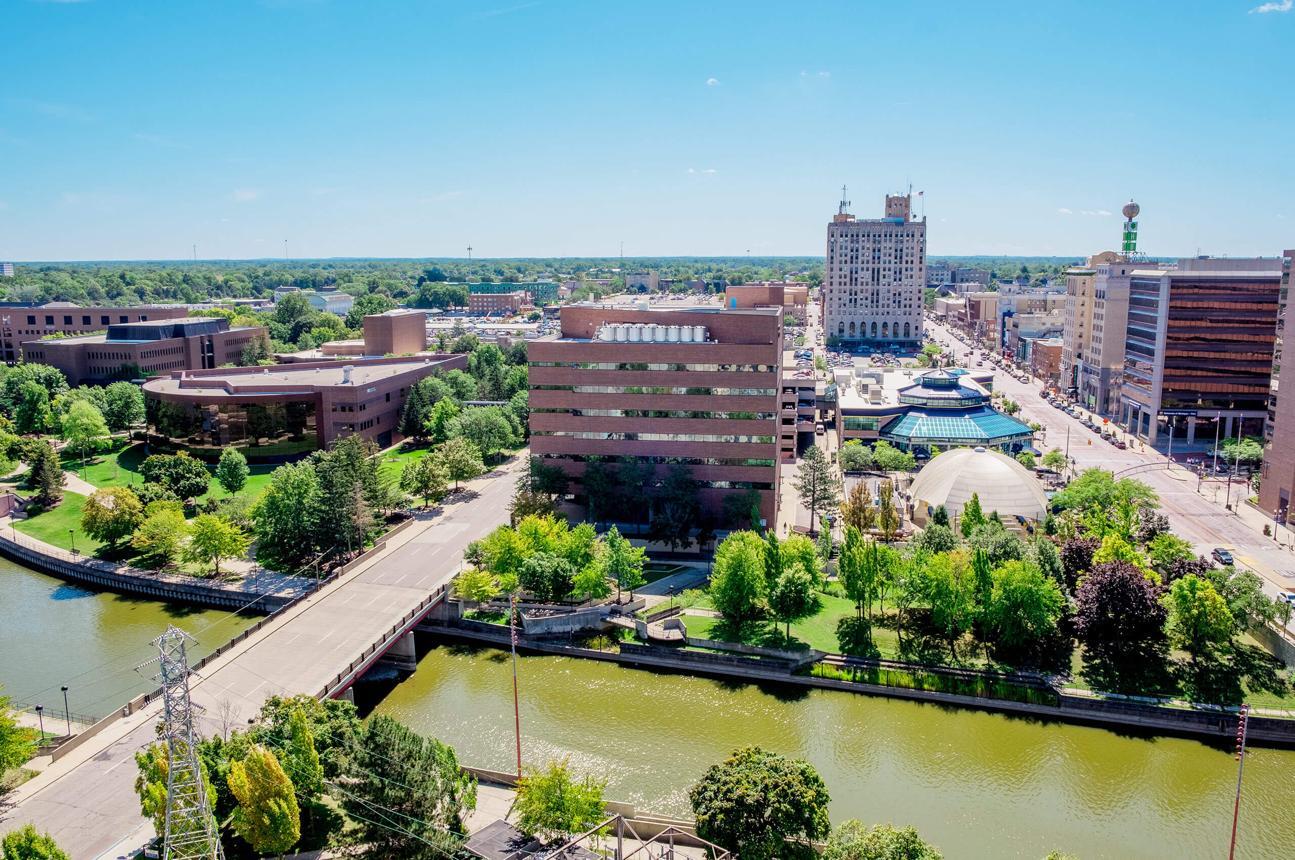
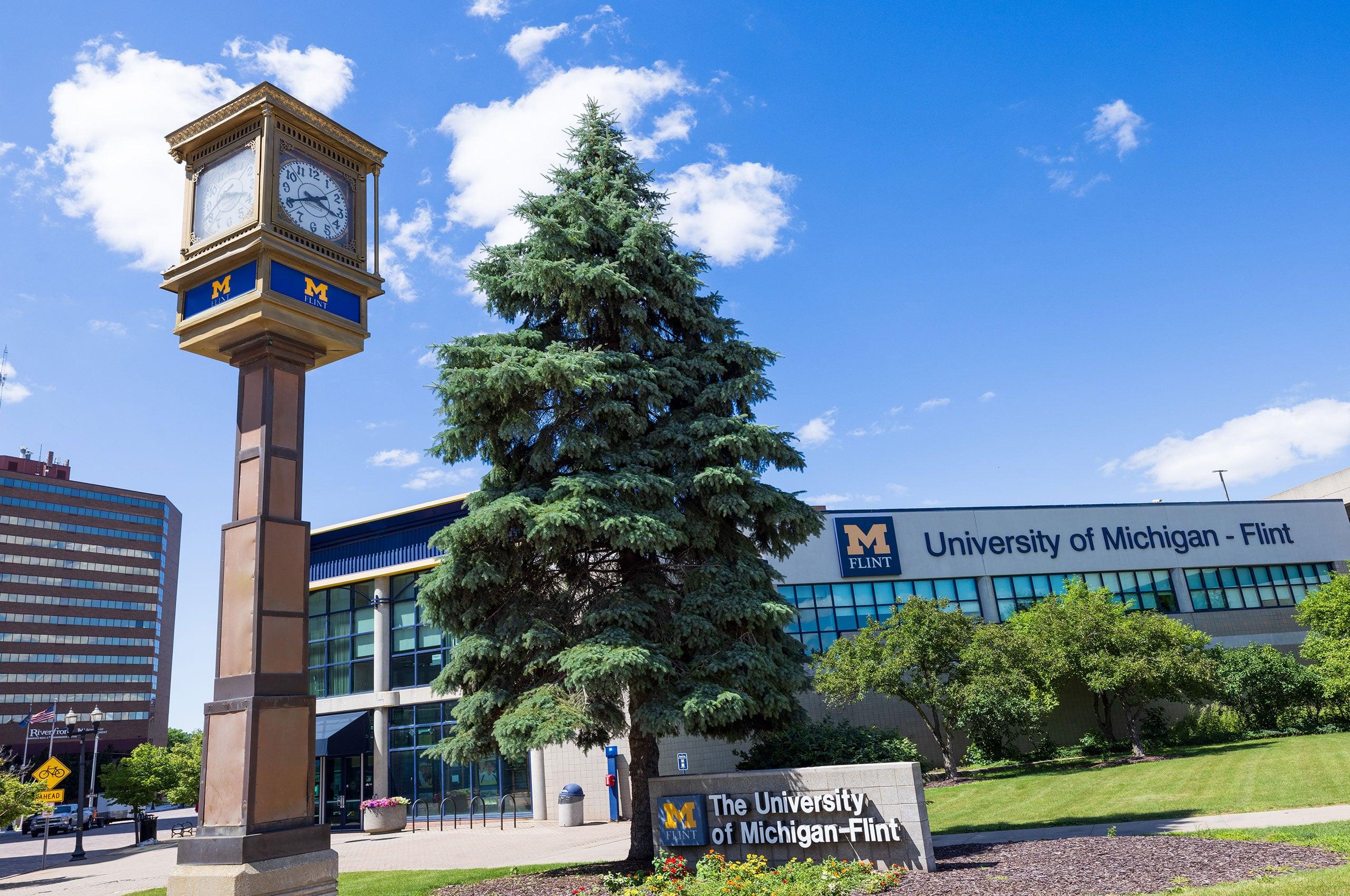
About University of Michigan–Flint
University of Michigan–Flint: Courses, Tuition Fees, Admissions & Student Life
Overview of the University of Michigan–Flint
The University of Michigan–Flint (UM-Flint) is a public university located in Flint, Michigan, United States. It is one of the three campuses of the University of Michigan system and offers undergraduate, graduate, and professional education across a wide range of academic disciplines.
The university combines classroom learning with practical experience, research, and opportunities for professional development. Its academic programmes cover areas such as computer science, engineering, business administration, health sciences, nursing, education, natural sciences, arts, humanities, and social sciences.
UM-Flint offers an educational environment that emphasizes student engagement, academic support, and preparation for future careers. Students can pursue their chosen degrees while participating in research activities, campus organizations, and professional development opportunities.
Located in downtown Flint, the university provides access to a regional community with connections to manufacturing, healthcare, technology, education, and business. Its location also places students within reach of the wider Michigan economy, including the Detroit metropolitan area.
For international students, UM-Flint offers the opportunity to earn a University of Michigan degree while studying in a campus environment with international student services, academic resources, and a variety of student activities.
Why Choose the University of Michigan–Flint?
Choosing a university requires students to consider academic programmes, affordability, campus environment, student support, and career opportunities. UM-Flint offers several features that may appeal to students seeking a university education in Michigan.
A Recognized University System
UM-Flint is part of the University of Michigan system, which includes campuses in Ann Arbor, Dearborn, and Flint. Students at UM-Flint receive an education through the university's academic programmes and benefit from its institutional identity.
Prospective students should distinguish between the three campuses because admission requirements, academic offerings, tuition rates, campus facilities, and student experiences differ. The university's name alone does not mean that all three campuses offer identical programmes.
Student-Focused Learning
UM-Flint emphasizes an educational environment in which students can interact with faculty, receive academic guidance, and develop their interests. Students can access resources that help them plan their degrees, strengthen their academic performance, and explore opportunities beyond their regular coursework.
This environment may appeal to students who value access to faculty and a campus community that supports academic progress.
Practical Learning and Research
The university encourages students to connect classroom knowledge with practical applications. Depending on the programme, students may participate in laboratory activities, research projects, internships, presentations, and applied assignments.
These experiences can help students develop critical thinking, technical knowledge, teamwork, and problem-solving abilities. Students should explore opportunities relevant to their chosen field and understand the eligibility requirements for research or internship participation.
A Broad Range of Academic Choices
UM-Flint offers undergraduate and graduate programmes in technical, professional, creative, and social science disciplines. Students can explore subjects such as computer science, software engineering, cybersecurity, business administration, nursing, public health, biology, and education.
This variety allows applicants to compare different academic pathways and select a programme that fits their previous education and long-term goals.
Access to the Michigan Region
Flint is located within Michigan, a state with a substantial manufacturing, healthcare, automotive, education, and technology presence. The wider region includes major employers, research organizations, and professional communities.
Students may benefit from learning about these industries and exploring suitable networking or internship opportunities. However, individual outcomes depend on qualifications, experience, employer requirements, opportunity availability, and applicable immigration rules.
Courses and Academic Programmes
The University of Michigan–Flint offers undergraduate and graduate programmes across several colleges and academic departments. Its academic options cover business, engineering, computing, health sciences, natural sciences, humanities, education, and social sciences.
Programme availability, course requirements, and admission criteria vary by degree. Prospective students should consult the current academic catalogue and the relevant department before applying.
Computer Science and Information Technology
Computer science and information technology programmes are suitable for students interested in programming, software systems, computing infrastructure, and digital innovation.
Depending on the degree, students may study programming languages, algorithms, data structures, databases, computer architecture, software development, and information systems. These subjects help students understand how computing technologies are designed, developed, and applied to real-world challenges.
UM-Flint also offers areas such as computer information systems, cybersecurity, data analytics, and information technology and informatics. Each field has a different focus, so applicants should compare the curriculum before choosing a programme.
Potential career pathways include software development, IT support and administration, systems analysis, cybersecurity-related roles, and data-oriented work. Employment outcomes depend on individual skills, experience, and employer requirements.
Software Engineering
Software engineering focuses on the systematic design, development, testing, and maintenance of software systems. Students learn how to build reliable applications while considering performance, usability, quality, and long-term maintenance.
Depending on the curriculum, coursework may include programming, software design, testing, project development, and computing fundamentals.
Students interested in this field should examine project opportunities and develop a portfolio that demonstrates their technical abilities. Practical experience can help them communicate their skills to prospective employers.
Engineering
UM-Flint offers engineering-related study, including mechanical engineering and electrical engineering, alongside programmes in applied science and technology.
Mechanical engineering focuses on the design, analysis, and operation of mechanical systems. Students may study mechanics, materials, thermodynamics, manufacturing, dynamics, and engineering design.
Electrical engineering focuses on electrical systems, circuits, electronics, and related technical applications. Depending on the curriculum, students may explore circuit analysis, electronics, signals, and engineering systems.
Engineering programmes typically combine mathematical and scientific foundations with technical problem-solving. Applicants should check the required mathematics and science preparation and confirm the exact programme options available for their entry year.
Business Administration and Management
UM-Flint offers business-related programmes that prepare students to understand organizations, markets, management, finance, and decision-making.
Students can explore subjects such as accounting, finance, marketing, management, international business, entrepreneurship and innovation, organizational behaviour, and human resources management.
Depending on their degree, students may develop skills in financial analysis, business communication, marketing strategy, organizational planning, and data-informed decision-making.
These programmes can support career interests in business operations, financial services, marketing, management, human resources, and entrepreneurship. Students should compare course requirements and consider professional goals when selecting a major.
Accounting and Finance
Accounting programmes introduce students to financial reporting, accounting systems, auditing concepts, and the interpretation of financial information. Finance-related study focuses on areas such as investment, financial management, and the analysis of financial decisions.
Students may develop quantitative, analytical, and communication skills that can be applied in business and financial organizations.
Applicants interested in professional accounting should also investigate certification requirements in their intended country of employment. A university degree may provide academic preparation, but professional credentials can require additional coursework, examinations, or supervised experience.
Biological Sciences and Biotechnology
UM-Flint offers programmes in biology, biochemistry, molecular biology and biotechnology, human biology, and related scientific fields.
These subjects help students understand living systems, biological processes, molecular mechanisms, and scientific research methods. Depending on the programme, students may undertake laboratory work and explore topics relevant to biotechnology, healthcare research, environmental science, and further academic study.
Students interested in research-oriented careers should examine available laboratory opportunities and the prerequisites for advanced study.
Nursing and Health Sciences
The university offers programmes in nursing and other health-related areas, including health sciences, public health, healthcare management, exercise science, and physician assistant education at the appropriate academic level.
Nursing education prepares students for professional healthcare responsibilities through scientific learning, clinical preparation, and patient-focused practice. Other health programmes may focus on population health, healthcare systems, human performance, or health services management.
Some professional health programmes have additional admission criteria, clinical requirements, background checks, or licensing-related conditions. Applicants should carefully confirm the requirements for their intended degree and understand the rules that apply if they plan to practise in the United States or another country.
Public Health and Healthcare Management
Public health programmes focus on health at the population and community levels. Students may explore health promotion, disease prevention, health policy, research methods, and the social factors that influence well-being.
Healthcare management programmes examine the organizational and administrative aspects of healthcare delivery. Depending on the course, students may study management, healthcare systems, policy, finance, and service improvement.
These fields may suit students interested in healthcare organizations, public health programmes, community services, and health administration.
Education and Teacher Preparation
UM-Flint offers programmes in education and related fields, including pathways connected to early childhood studies, elementary education, secondary education, and teacher certification.
Students can learn about child development, learning methods, classroom practice, curriculum planning, and educational assessment, depending on their degree.
Applicants who intend to teach should investigate certification requirements, practical placement expectations, and professional regulations in the state or country where they want to work.
Arts, Humanities, and Social Sciences
Students can explore programmes in art, design, communication, English, history, psychology, sociology, political science, criminal justice, social work, and related disciplines.
These fields develop research, communication, writing, analytical thinking, and critical evaluation skills. Creative programmes can also help students develop artistic techniques, portfolios, and practical experience.
Graduates may pursue careers in education, communications, public service, social services, research, community organizations, creative industries, or further academic study.
Students should review programme-specific requirements and any portfolio, fieldwork, or practical placement expectations.
Tuition Fees and Cost of Studying at UM-Flint
The cost of studying at UM-Flint depends on academic level, course load, programme, accommodation, health insurance, and personal spending.
For the 2026–2027 academic year, international undergraduate tuition is listed at US$1,169.75 per credit hour for lower-division courses and US$1,185.25 per credit hour for upper-division courses. At a full-time load of 12 credits per semester, the tuition amounts to US$14,037 and US$14,223 per term, respectively.
The standard undergraduate registration fee is US$389 per semester. First-year students may also be charged a one-time orientation fee of US$150, while transfer students have a separate orientation fee.
For a student taking 24 credits across two semesters, estimated lower-division tuition plus registration fees totals approximately US$28,852. Upper-division tuition plus registration fees totals approximately US$29,224 for the same credit load.
These figures do not represent the complete cost of attendance. Housing, food, health insurance, books, supplies, transportation, and personal expenses must be considered separately. Additional course-related fees may also apply.
Graduate tuition varies by programme and is generally based on the applicable graduate tuition schedule. Students should consult the current rates for their intended degree.
Additional Living Expenses
International students should prepare a realistic annual budget that includes expenses beyond tuition and registration charges.
Common expenses include:
- Accommodation and meals
- Books, supplies, and computer equipment
- Health insurance and medical expenses
- Transportation and local travel
- Personal spending and communication costs
- Travel between the United States and the student's home country
- Initial settlement expenses after arrival
Housing costs depend on the type of accommodation and the student's living arrangements. Students should compare on-campus and off-campus options while considering rent, utilities, food, transport, and other expenses.
Scholarships and Financial Assistance
UM-Flint offers merit-based scholarships for eligible international undergraduate students. First-year international applicants are automatically considered for applicable merit scholarships through the admission process, subject to current university policies.
International transfer students may also qualify for transfer merit awards. Eligibility depends on the student's academic record, enrolment category, and the conditions associated with the scholarship.
Graduate students may have access to additional funding opportunities, including eligible research assistantships and graduate merit scholarships. These options vary by programme and are not guaranteed for every applicant.
Most international students are not eligible for United States federal financial aid. Applicants should verify the available university funding, award amounts, renewal requirements, and any separate application procedures.
Students should prepare a financial plan without assuming that a scholarship will cover the full cost of attendance.
Admission Requirements for International Students
UM-Flint has different admission procedures for first-year undergraduate applicants, transfer students, and graduate applicants. Students should identify the appropriate application category based on their previous education.
Undergraduate Admission
International first-year applicants generally need to have completed, or be close to completing, secondary school and demonstrate academic preparation appropriate for university study.
The application process typically includes:
- A completed online application or Common Application
- Official secondary-school transcripts
- Relevant examination results and graduation records
- English-language proficiency evidence, where required
- A copy of a valid passport
- Additional documents requested by the university
- Financial documentation for the student immigration process after admission
Applicants whose transcripts are not in English must provide an acceptable English translation. The university may also require documents to be uploaded through its designated system.
UM-Flint is test-optional for SAT and ACT admission consideration. However, applicants should check whether submitting scores may be relevant to scholarship consideration or a specific programme.
English-Language Proficiency
International applicants generally need to demonstrate English-language proficiency unless they qualify for an approved exemption.
Published minimum scores include IELTS Academic 6.0 and Duolingo English Test 100. For TOEFL, the applicable minimum is 72 on the pre-2026 scale or 4 on the newer 2026-and-later scale.
The university may accept other recognised tests or English-language pathways. Applicants should verify the accepted tests, current score requirements, and exemption conditions for their intended entry term.
Students should arrange testing early enough to allow results to be submitted and reviewed before the application deadline.
Transfer Admission
Students who have completed college or university coursework after secondary school may need to apply as transfer applicants.
Transfer applicants generally submit academic transcripts from all previously attended institutions. The university reviews prior coursework to determine which credits may transfer and how they apply to the intended degree.
International academic records may require English translations or additional supporting documentation. Students should not assume that all previously completed courses will transfer, because credit decisions depend on the university's evaluation and programme requirements.
Graduate Admission
Graduate applicants must meet the requirements established by their chosen programme. A recognised bachelor's degree is generally required for master's-level study, while doctoral and professional programmes may have additional academic or practical expectations.
Depending on the course, applicants may need to provide:
- Official university transcripts
- A statement of purpose
- Letters of recommendation
- A résumé or curriculum vitae
- English-language proficiency results, where required
- Standardized test scores, if required
- Portfolios, writing samples, or other programme-specific documents
Graduate admission deadlines vary by programme and academic term. Applicants should review the relevant department's requirements rather than relying solely on the general international admissions information.
Application Fee and Deadlines
UM-Flint's international undergraduate application is free. Applicants should use the university's current application instructions to confirm the correct application route and required documents.
The university publishes priority deadlines for international undergraduate applicants, including July 1 for the fall semester and November 1 for the winter semester. Applications may be accepted after these dates, but late applicants may not receive a decision in time to enrol for their intended term.
Students should apply early enough to arrange academic records, English-language test results, financial documents, and the student immigration process.
International Student Support at UM-Flint
Moving to a new country for higher education involves academic, cultural, financial, and administrative adjustments. UM-Flint provides resources intended to help international students prepare for their studies and adapt to university life.
Center for Global Engagement
The Center for Global Engagement supports international students through resources related to orientation, campus transition, immigration procedures, and student services.
International students who require an F-1 student visa must follow the university's instructions for submitting financial evidence and obtaining the required immigration documents after admission.
Students should understand the rules associated with their immigration status before making decisions about employment, internships, travel, or changes in academic enrolment.
Academic Advising and Learning Support
Academic advising can help students understand degree requirements, select appropriate courses, and plan their progress toward graduation.
Students can explore learning resources and seek assistance when they encounter challenges with coursework or university expectations. Early use of academic support can help students address difficulties before they affect their overall performance.
International Student Community
International students can participate in campus activities, cultural events, and student organizations to meet people and become familiar with American university life.
Building relationships with classmates, faculty members, and university staff can help students develop a support network while adjusting to a new academic and social environment.
Campus Life and Student Experience
UM-Flint offers a campus environment where students can combine academic study with student organizations, recreational activities, cultural events, and social engagement.
Student Organizations and Clubs
The university offers a range of student-led clubs and organizations covering academic subjects, professional interests, culture, recreation, and community service.
Participation can help students develop leadership, teamwork, communication, and organizational skills. It also provides opportunities to meet students from different backgrounds and explore interests outside the classroom.
International students may find cultural organizations and campus events helpful when building friendships and adjusting to university life.
Campus Facilities
University facilities support teaching, research, independent study, recreation, and student services. Depending on their programme, students may use libraries, laboratories, computer facilities, classrooms, performance spaces, and specialist academic resources.
Students should investigate the facilities relevant to their chosen degree and check access rules, opening hours, and any programme-specific arrangements.
Housing and Dining
Students can explore on-campus residence halls and other accommodation options. Living on campus can make it easier to access university facilities, participate in activities, and meet other students.
Housing availability and costs depend on room type, student eligibility, and the applicable academic-year rates. Students should apply for accommodation early and review housing contracts carefully.
Those considering off-campus housing should compare rent, utilities, food, transportation, and other expenses before making a decision.
Location and Surrounding Region
UM-Flint is located in downtown Flint, Michigan. Students can explore the local community and access regional services, cultural attractions, public spaces, and professional networks.
The wider Michigan region includes industries such as automotive manufacturing, healthcare, engineering, education, and technology. Students can investigate these sectors when exploring career interests and internship opportunities.
However, employment outcomes depend on individual qualifications, available positions, employer requirements, and applicable immigration rules.
Career Development and Research Opportunities
Career development can begin during the first year of university. Students can build relevant experience through coursework, practical projects, research, internships where available, student organizations, and career development services.
Computer science and software engineering students may develop applications, build portfolios, and practise technical problem-solving. Engineering students can gain experience through design assignments and laboratory activities. Business students may strengthen analytical, financial, management, and communication skills, while health sciences students can explore research and relevant practical experiences.
UM-Flint provides career-related resources that can help students investigate professional options, prepare résumés, and improve interview skills. Students should seek advice early and explore experiences that match their chosen field.
International students must understand the employment conditions associated with their immigration status before accepting a job or starting an internship. Career guidance can support preparation, but employment is not guaranteed.
Tips for a Successful UM-Flint Application
Prospective students can improve their preparation by following a structured application plan.
Choose a suitable programme. Compare the curriculum, prerequisites, degree structure, and career relevance before selecting a course.
Prepare academic records early. Request transcripts and examination documents in advance, and arrange acceptable English translations where necessary.
Verify English-language requirements. Check accepted tests, minimum scores, exemption conditions, and submission procedures.
Track application deadlines. Record the priority deadline for the intended semester and allow sufficient time for documents and admission processing.
Plan finances realistically. Include tuition, registration fees, housing, food, insurance, books, transportation, and personal expenses.
Investigate scholarships. Review eligibility, application procedures, renewal conditions, and any academic requirements before relying on funding.
Arrange housing and arrival. Research accommodation, orientation, travel arrangements, and international student procedures before travelling.
Use official university resources. Contact the admissions office or relevant department whenever a requirement is unclear.
Conclusion
The University of Michigan–Flint offers undergraduate, graduate, and professional education across computing, engineering, business, health sciences, natural sciences, education, arts, and social sciences. Its practical learning opportunities, student support resources, research activities, and campus organizations may appeal to students seeking a university education in Michigan.
For international students, UM-Flint offers a route to a University of Michigan degree within a campus community that provides academic guidance and international student services. The right choice depends on academic fit, financial circumstances, admission eligibility, and long-term goals.
Before applying, prospective students should confirm current tuition and fees, scholarship conditions, English-language requirements, application deadlines, programme-specific admission criteria, and housing costs. Careful preparation can help students make an informed decision and plan their university experience with confidence.
Entry Requirements
General Entry Requirement
IELTS 6.0 overall
Fees & Scholarships
Annual Tuition Fees
USD 14,000 - USD 35,000
Ready to Apply to University of Michigan–Flint?
Our advisors guide you from eligibility check to offer letter — at no cost to you.
Join our WhatsApp Community

Scan to join our student community for admission updates & guidance