
Annual FeesUSD 33,000 - USD 69,000
University of Miami – College of Engineering
LocationUS
Entry RequirementIELTS 6.5 overall
Visa Success Rate75%
Campus Photos
University of Miami – College of Engineering
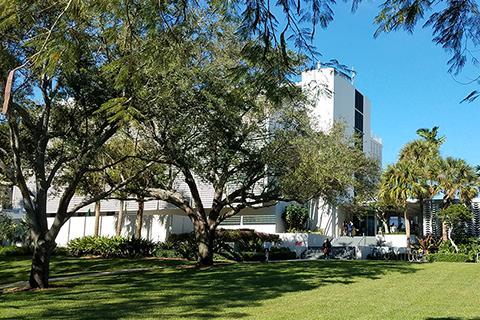
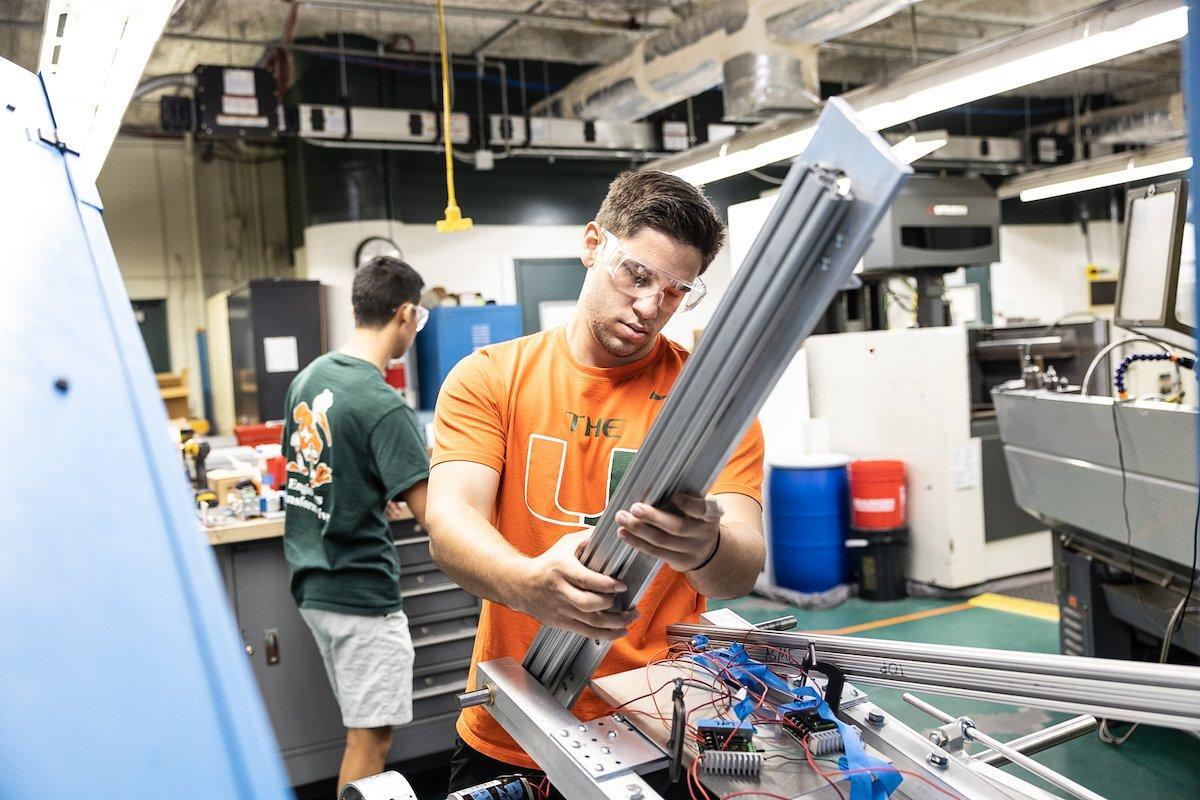
About University of Miami – College of Engineering
University of Miami College of Engineering: Courses, Tuition Fees, Admissions & Student Life
Overview of the University of Miami College of Engineering
The University of Miami College of Engineering is part of the University of Miami, a private research university located in Coral Gables, Florida, United States. The College of Engineering provides undergraduate and graduate education across several engineering disciplines, with an emphasis on technical knowledge, research, innovation, and practical problem-solving.
The college prepares students to address challenges in areas such as healthcare technology, infrastructure, environmental sustainability, advanced materials, computing, and industrial systems. Its academic programmes combine mathematics and scientific foundations with engineering design, laboratory work, technical analysis, and opportunities to explore research.
Students can pursue undergraduate degrees in fields including aerospace engineering, architectural engineering, biomedical engineering, chemical engineering, civil engineering, computer engineering, electrical engineering, environmental engineering, industrial engineering, mechanical engineering, software engineering, and engineering science.
For international students, the college offers an opportunity to study engineering within a research university in South Florida. Its academic environment, access to specialist facilities, and opportunities for professional development may appeal to students seeking a technical degree in the United States.
Why Choose the University of Miami College of Engineering?
Choosing an engineering school involves evaluating academic programmes, laboratory resources, faculty expertise, research opportunities, costs, and career preparation. The University of Miami College of Engineering offers several features for students interested in developing technical and professional skills.
A Range of Engineering Disciplines
The college offers multiple engineering pathways, allowing students to focus on subjects that match their interests. Students interested in medicine and technology may explore biomedical engineering, while those interested in aircraft and flight systems may consider aerospace engineering.
Other programmes focus on infrastructure, software, electrical systems, industrial processes, environmental challenges, and mechanical design. This variety helps students compare different engineering specializations before choosing a degree.
Research and Innovation
Research is an important component of engineering education at the University of Miami. Depending on the department and programme, students may have opportunities to participate in research projects, work with faculty members, and investigate technical challenges.
Research experience can help students develop analytical reasoning, experimental methods, technical communication, and the ability to evaluate evidence. These skills can be useful for professional engineering work or further study at the graduate level.
Practical and Applied Learning
Engineering education involves more than understanding formulas and theories. Students learn to apply scientific and mathematical concepts to design, testing, modelling, and problem-solving.
Depending on their programme, students may complete laboratory experiments, design assignments, team projects, computer-based simulations, and technical presentations. These activities help connect classroom learning with engineering practice.
Professional Development Opportunities
Engineering students can prepare for employment by developing technical portfolios, participating in research, connecting with faculty, and investigating internship opportunities.
Certain departments provide structured internship or cooperative education opportunities. Availability depends on the programme, eligibility requirements, employer participation, and the student's academic progress.
Students should also investigate professional accreditation for their intended degree, particularly if they plan to pursue engineering licensure or professional recognition in the United States or another country.
Location in South Florida
The university's Coral Gables location provides access to the wider Miami metropolitan region. The area includes businesses, healthcare organizations, technology companies, construction firms, research institutions, and other professional communities.
This location can provide opportunities to learn about different industries, attend events, and build professional connections. However, access to a specific internship or job depends on individual qualifications, available positions, employer requirements, and applicable immigration rules.
Courses and Academic Programmes
The College of Engineering offers undergraduate and graduate programmes through departments covering biomedical engineering; chemical, environmental, and materials engineering; civil and architectural engineering; electrical and computer engineering; industrial and systems engineering; and mechanical and aerospace engineering.
Programme availability, prerequisites, and degree requirements vary by academic level. Students should review the current university bulletin and the relevant department's information before applying.
Aerospace Engineering
Aerospace engineering focuses on the design, analysis, and performance of aircraft and related aerospace systems. Students study the scientific and mathematical principles behind flight, structures, propulsion, and the behaviour of engineering systems.
Depending on the curriculum, coursework may include fluid mechanics, thermodynamics, dynamics, aerodynamics, materials, and engineering design. Students develop the ability to analyse technical problems and evaluate design choices using mathematical and computational methods.
Graduates may pursue opportunities in aerospace manufacturing, engineering analysis, research, testing, and related technical industries. Career outcomes depend on individual qualifications, experience, and employer requirements.
Architectural and Civil Engineering
Architectural engineering combines engineering principles with the design and operation of buildings and their systems. Civil engineering focuses on infrastructure, including structures, transportation systems, construction, water resources, and other elements of the built environment.
Students may study structural analysis, mechanics, construction materials, environmental systems, engineering design, and project planning. Depending on the programme, laboratory work and design assignments help students understand how engineering decisions affect safety, reliability, performance, and sustainability.
These fields can suit students interested in infrastructure development, building systems, construction, transportation, and the planning of resilient communities.
Applicants interested in professional engineering practice should examine programme accreditation and the licensing requirements that apply in their intended country of employment.
Biomedical Engineering
Biomedical engineering brings together engineering, biology, and healthcare-related applications. Students learn how technical methods can be used to understand biological systems and develop technologies that support medical research and healthcare.
The curriculum may include biomechanics, biomaterials, physiological systems, instrumentation, engineering analysis, and medical technology, depending on the chosen course and specialization.
Potential career areas include medical device development, biomedical research, healthcare technology, laboratory work, and graduate study. Some roles may require additional qualifications or specialized experience.
Students should review the programme's scientific prerequisites and explore research opportunities relevant to their interests.
Chemical Engineering
Chemical engineering focuses on the processes used to transform materials and develop products across industrial and scientific settings. Students apply principles from chemistry, physics, mathematics, and engineering to understand and improve processes.
Depending on the curriculum, students may study thermodynamics, transport phenomena, reaction engineering, process control, and materials-related topics. Laboratory work and technical projects can help students evaluate process performance, efficiency, safety, and environmental impact.
Graduates may pursue careers in manufacturing, materials processing, energy-related industries, biotechnology, process engineering, and research. Specific opportunities depend on the student's specialization and professional experience.
Computer and Electrical Engineering
Computer and electrical engineering focus on computing hardware, electronic systems, circuits, communications, embedded systems, and related technologies.
Students may study circuit analysis, digital systems, computer architecture, signal processing, electronics, programming, and system design. These subjects help learners understand how hardware and software components interact within modern technical systems.
The college also offers software engineering, which focuses on designing, developing, testing, and maintaining reliable software systems. Depending on the degree, students may study software architecture, programming methods, testing, project management, and secure development practices.
These programmes can prepare students for technical roles in computing, electronics, software development, systems engineering, and research. Applicants should compare the course structures carefully because computer engineering, electrical engineering, and software engineering have different academic emphases.
Environmental Engineering
Environmental engineering applies engineering principles to environmental protection, pollution control, water management, and sustainable systems.
Students may study environmental chemistry, fluid mechanics, water and wastewater treatment, environmental processes, and engineering design. Depending on the programme, coursework may also address environmental regulations, risk assessment, and the technical challenges involved in managing natural resources.
Graduates may explore opportunities in environmental consulting, water management, infrastructure, sustainability-related projects, and research.
Students interested in this field should review the programme curriculum to understand its balance of engineering fundamentals, environmental science, and applied projects.
Industrial Engineering
Industrial engineering focuses on improving systems involving people, equipment, information, materials, and processes. Students learn how to analyse operations and design systems that improve productivity, quality, efficiency, and reliability.
Coursework may include operations research, statistics, optimisation, systems modelling, manufacturing, logistics, and quality management.
These skills can be relevant to manufacturing, supply chain management, healthcare operations, logistics, consulting, and process improvement. Students who enjoy mathematics, analytical thinking, and solving operational problems may find this discipline particularly suitable.
Mechanical Engineering
Mechanical engineering covers the design, analysis, manufacture, and operation of mechanical systems. Students develop knowledge of mechanics, materials, thermodynamics, fluid systems, dynamics, and engineering design.
Depending on the programme, students may use laboratory facilities, simulation tools, and design projects to explore how machines and mechanical components behave under different conditions.
Graduates may pursue opportunities in product development, manufacturing, energy systems, mechanical design, testing, and research. The specific career path depends on experience, technical skills, and the industry in which a graduate seeks employment.
Engineering Science and Interdisciplinary Study
Engineering science provides a broad technical foundation for students interested in the scientific principles underlying engineering. Interdisciplinary programmes and concentrations can allow students to combine engineering with other technical or academic interests.
The college also offers options such as Innovation, Technology and Design, which connects engineering-related study with creativity and the development of new solutions.
Students should compare degree requirements, programme objectives, and accreditation information before choosing an interdisciplinary pathway.
Graduate Engineering Programmes
Graduate students can explore master's and doctoral programmes across several engineering disciplines. Available areas include biomedical engineering, civil engineering, electrical and computer engineering, mechanical engineering, industrial engineering, environmental and materials engineering, engineering management, and related specializations.
Graduate study may suit students who want to deepen their technical knowledge, develop research expertise, or prepare for specialized professional roles.
Requirements vary by programme. Applicants may need a relevant bachelor's degree, transcripts, recommendation letters, a statement of purpose, a résumé, English-language proficiency evidence, and additional materials requested by the department.
Tuition Fees and Cost of Studying at the University of Miami
The University of Miami is a private university, and students should budget for tuition, mandatory fees, housing, food, insurance, books, transportation, and personal expenses.
For the 2026–2027 academic year, the published full-time undergraduate tuition rate is US$33,156 per semester for a course load of 12–20 credits. Mandatory undergraduate fees are US$1,460 per semester.
Based on two standard semesters, estimated annual tuition and mandatory fees total approximately US$69,232. This calculation excludes housing, meals, health insurance, books, travel, and other personal or programme-related expenses.
Students who take more than 20 credits in a semester may incur additional tuition charges. Certain courses and special programmes may also have separate fees.
Graduate tuition varies according to the degree, credit load, and applicable programme charges. Prospective graduate students should consult the current tuition schedule for their intended course.
Additional Living Expenses
International students should calculate the full cost of attendance rather than relying on tuition alone. Common expenses include:
- Accommodation and meals
- Books, course materials, and computer equipment
- Health insurance and medical expenses
- Transportation and local travel
- Personal spending and communication costs
- Travel between the United States and the student's home country
- Initial settlement expenses after arrival
Housing costs vary according to room type, location, and living arrangements. Students should compare university accommodation with off-campus options while accounting for rent, utilities, food, transport, and other expenses.
Scholarships and Financial Assistance
The University of Miami provides information about merit scholarships and other funding opportunities for eligible students. Awards depend on the student's academic record, applicant category, programme, application timeline, and the specific scholarship's conditions.
International applicants should check which awards are available to them and whether consideration is automatic or requires separate materials. Some scholarships have priority deadlines or renewal requirements.
Students should not assume that a scholarship will cover the entire cost of attendance. A realistic financial plan should include tuition, mandatory fees, housing, meals, insurance, transportation, and personal expenses.
Prospective students should confirm current scholarship amounts and eligibility conditions directly with the university before relying on an award in their financial planning.
Admission Requirements for International Students
Admission requirements vary by academic level and programme. International applicants should follow the instructions for their intended entry term and ensure that they satisfy both university-wide and engineering-specific requirements.
Undergraduate Admission
First-year applicants generally need to demonstrate successful secondary-school completion and academic preparation suitable for university study.
The application process typically includes:
- A completed Common Application
- Official secondary-school transcripts and examination results
- Required application essays and supporting information
- At least one recommendation letter, as specified by the university
- English-language proficiency evidence, where required
- Any additional documents requested during the review process
Applicants should provide accurate information about their academic history and arrange for official records to be submitted in the required format. Documents issued in another language may require English translations.
Engineering applicants should pay particular attention to their preparation in mathematics and science. The relevant programme may expect a strong foundation in subjects such as algebra, calculus, physics, and chemistry, depending on the intended degree.
Admission is competitive, and meeting the minimum requirements does not guarantee acceptance.
English-Language Proficiency
International applicants whose first language is not English generally need to demonstrate English-language proficiency unless they qualify for an approved exemption.
The university accepts several recognised English-language tests. Published competitive minimum scores include TOEFL 80, IELTS 6.5, or Duolingo English Test 125.
Requirements and exemption policies can change. Applicants should verify the accepted test formats, minimum scores, and score-reporting procedures for their intended entry term.
Students should arrange testing well before the application deadline to allow time for results to be reported and processed.
Graduate Admission
Graduate applicants must meet the academic requirements of their intended engineering programme. A recognised bachelor's degree in engineering or a closely related field is generally expected for many technical master's programmes, although eligible backgrounds vary.
Depending on the programme, applicants may need to provide:
- Official university transcripts
- A statement of purpose
- Letters of recommendation
- A résumé or curriculum vitae
- English-language proficiency results, where required
- Standardized test scores, if required
- A portfolio, research statement, or other programme-specific materials
Applicants should consult the relevant graduate department for exact requirements, deadlines, and application procedures.
Application Fee and Deadlines
The published undergraduate application fee is US$75. Applicants should verify the current amount and any applicable waiver conditions before submitting their application.
The university publishes separate deadlines for different entry terms and applicant categories. Some academic programmes may have additional requirements or priority deadlines.
International students should allow sufficient time to prepare transcripts, recommendation letters, test scores, financial documentation, and any required immigration-related paperwork after admission.
Submitting a complete application early can help students manage missing documents and follow-up requests more effectively.
International Student Support
Studying in another country involves academic, cultural, financial, and administrative adjustments. The University of Miami provides resources intended to help international students navigate university procedures and prepare for life in the United States.
International Student and Scholar Services
International students who require immigration documentation should follow the university's instructions after admission and provide the necessary financial and identity documents.
Students should learn about the requirements associated with their immigration status before making plans related to employment, internships, travel, or changes in academic enrolment.
University offices can provide guidance on the relevant procedures, but students remain responsible for understanding and complying with the conditions that apply to their status.
Academic Advising
Academic advising can help students understand degree requirements, select courses, plan their progress, and explore appropriate academic options.
Engineering programmes often involve carefully sequenced technical courses, so students should consult their academic adviser when planning prerequisites, electives, research activities, or an accelerated degree pathway.
Seeking advice early can help students avoid scheduling conflicts and make informed decisions about their academic goals.
Research and Learning Resources
Students may have access to laboratories, libraries, computing facilities, academic workshops, and other resources relevant to their programme.
The availability of specific facilities depends on the department, course, research project, and applicable safety requirements. Students should learn how to access the resources most relevant to their intended field of study.
Cultural Adjustment and Campus Community
Student organizations, campus activities, and cultural events can help international students meet classmates and become familiar with university life.
Participating in academic societies, recreational activities, and other campus groups can support communication skills, teamwork, and a sense of belonging.
Campus Life and Student Experience
The University of Miami offers a campus environment in Coral Gables where students can combine academic study with extracurricular activities, recreation, and social engagement.
Student Organizations and Engineering Activities
Engineering students can explore academic organizations, technical societies, project teams, and activities related to their interests. Such opportunities can help students collaborate on projects, exchange ideas, and develop leadership skills.
Participation in relevant organizations may also provide experience with technical communication, teamwork, and problem-solving beyond formal coursework.
Students should investigate the current organizations and project opportunities available through the College of Engineering and the wider university.
Campus Facilities
The university provides facilities to support teaching, research, independent study, and student activities. Engineering students should explore the laboratories, design spaces, computing resources, and specialist facilities associated with their intended department.
Access rules can differ according to the facility and activity. Laboratory users may need safety training, supervision, or specific authorization.
Housing and Dining
Students can investigate university housing, dining plans, and other accommodation arrangements. Costs vary according to room type, meal plan, and the applicable academic-year rates.
Housing availability and eligibility may differ by student category and term. Applicants should review the relevant deadlines and requirements before accepting an accommodation arrangement.
Students considering off-campus housing should compare rent, utilities, transport, food, deposits, and other expenses. The location of accommodation can affect both the total budget and daily travel time.
Location and Surrounding Region
Coral Gables is part of the Miami metropolitan region, offering access to cultural attractions, public spaces, restaurants, professional events, and businesses across several industries.
Students can explore the wider area while becoming familiar with local transport and community resources. However, students should plan their budgets carefully and consider travel time when arranging internships, work, or extracurricular activities.
Career Development and Research Opportunities
Career preparation is an important part of engineering education. Students can develop their professional profile through technical coursework, design projects, laboratory experience, research, internships where available, and career development resources.
Aerospace and mechanical engineering students may build experience through design and analysis projects. Computer and software engineering students can develop technical portfolios and demonstrate programming or systems skills. Biomedical and environmental engineering students may explore research opportunities connected to healthcare technology or environmental challenges.
Students should investigate career services, faculty connections, professional events, and internship opportunities relevant to their discipline. Preparing a résumé, practising interviews, and building a record of technical projects can help students communicate their abilities to potential employers.
International students must understand the employment conditions associated with their immigration status before accepting work or beginning an internship. Career services can help students prepare, but employment opportunities and outcomes are not guaranteed.
Tips for a Successful University of Miami Engineering Application
Prospective students can improve their preparation by following a structured application plan.
Choose the right engineering discipline. Compare the curriculum, prerequisites, degree structure, and professional interests associated with each programme.
Build a strong academic foundation. Pay particular attention to mathematics and science preparation, as these subjects are important for many engineering degrees.
Prepare academic documents early. Request transcripts, examination records, and recommendation letters well before the deadline.
Verify English-language requirements. Check accepted tests, score requirements, exemptions, and reporting procedures for the intended entry term.
Track application deadlines. Record the deadlines for the chosen semester and check whether the engineering programme has additional requirements.
Plan finances carefully. Budget for tuition, mandatory fees, housing, food, insurance, books, transportation, and personal expenses.
Investigate scholarships. Confirm eligibility rules, application procedures, priority dates, and renewal conditions before relying on financial assistance.
Explore research and internship options. Review the opportunities relevant to the chosen discipline and understand any eligibility or work-authorization requirements.
Use official university guidance. Contact the admissions office or engineering department whenever a requirement is unclear.
Conclusion
The University of Miami College of Engineering offers undergraduate and graduate pathways across aerospace, architectural, biomedical, chemical, civil, computer, electrical, environmental, industrial, mechanical, and software engineering, along with other technical programmes.
Its combination of engineering education, research opportunities, applied learning, and professional development resources may appeal to students seeking a technical degree in the United States. Its location in Coral Gables also gives students access to the wider South Florida region.
For international applicants, the most suitable programme depends on academic preparation, career objectives, financial circumstances, and eligibility. Before applying, students should confirm current tuition and fees, scholarship conditions, English-language requirements, application deadlines, programme-specific prerequisites, and housing costs.
Careful preparation can help students make an informed decision and plan their engineering education with confidence.
Entry Requirements
General Entry Requirement
IELTS 6.5 overall
Fees & Scholarships
Annual Tuition Fees
USD 33,000 - USD 69,000
Ready to Apply to University of Miami – College of Engineering?
Our advisors guide you from eligibility check to offer letter — at no cost to you.
Join our WhatsApp Community

Scan to join our student community for admission updates & guidance