
Annual FeesAUD 32,000–AUD 70,000
University of Melbourne
LocationAustralia
Entry RequirementIELTS 6.5 overall
Visa Success Rate50%
Campus Photos
University of Melbourne
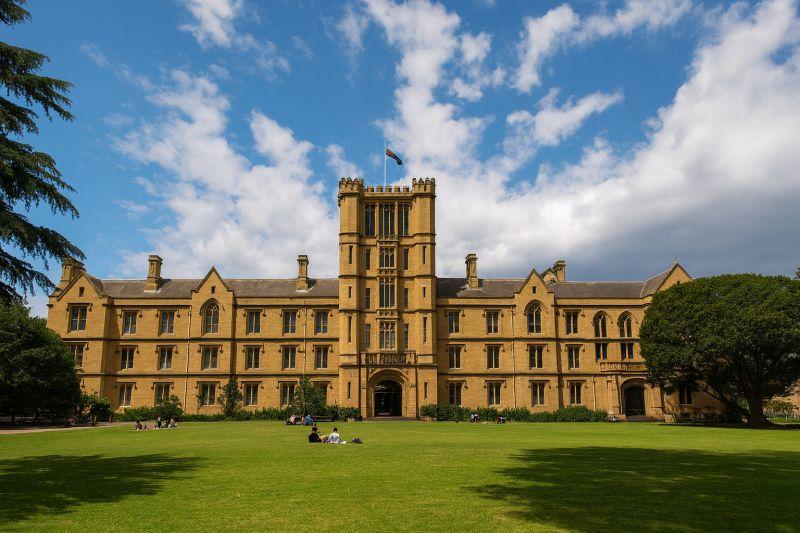
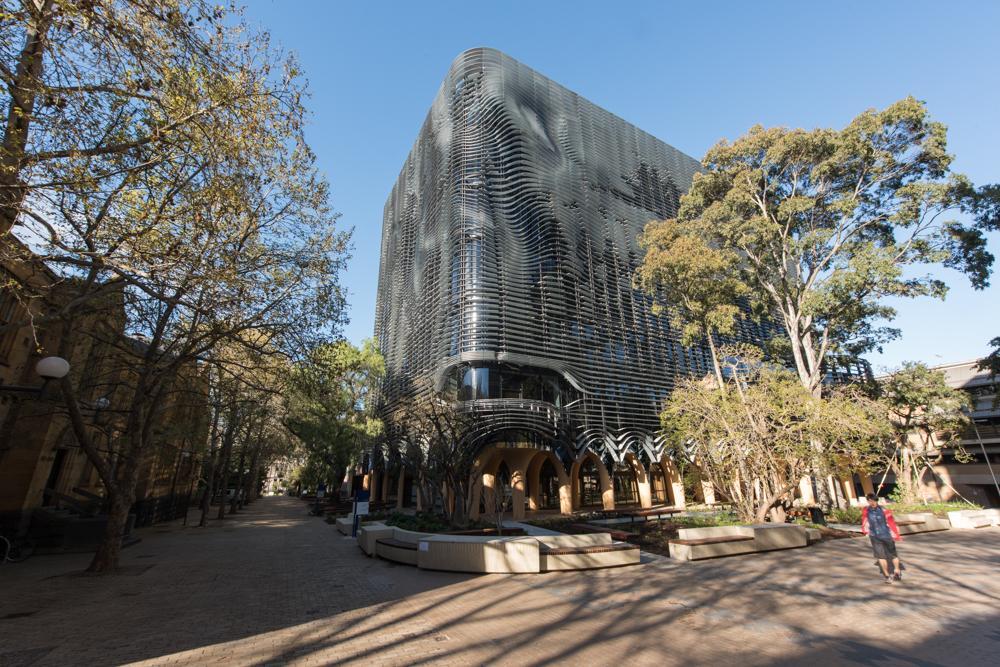
About University of Melbourne
University of Melbourne: World-Class Education, Research and Career Opportunities
The University of Melbourne is one of Australia's leading universities, offering a broad range of undergraduate and graduate programs across disciplines including business, engineering, science, computing, education, arts, health, design and architecture. Its main Parkville campus is located close to Melbourne's CBD.
The university combines a strong academic and research environment with opportunities for students to develop professional and practical skills.
What is the University of Melbourne Known For?
The University is particularly known for:
- Business and Commerce
- Computing and Information Technology
- Engineering
- Science
- Biomedicine
- Medicine
- Dentistry
- Law
- Education
- Psychology
- Architecture and Design
- Arts and Humanities
- Environment
- Music and Fine Arts
Its undergraduate portfolio includes areas such as Agriculture, Arts, Biomedicine, Commerce, Design, Fine Arts, Music and Oral Health, alongside many other disciplines.
Business & Commerce
Students can explore:
- Commerce
- Accounting
- Finance
- Economics
- Management
- Marketing
- Business analytics
Business programs can provide pathways into professional careers and further graduate study.
Computing & Information Technology
Students can explore areas such as:
- Computer science
- Computing
- Information systems
- Data science
- Artificial intelligence
- Software development
- Digital technologies
The University provides undergraduate and graduate options for students interested in technology and computing.
Engineering
Engineering is offered across areas including:
- Civil engineering
- Mechanical engineering
- Electrical engineering
- Chemical engineering
- Software engineering
- Biomedical engineering
The University also provides pathways into specialised graduate engineering study.
Science & Biomedicine
Students can study:
- Biology
- Chemistry
- Physics
- Mathematics
- Environmental science
- Biomedical science
- Data science
Laboratory work, research and practical projects can form part of relevant programs.
Medicine & Health
The University has a major health and medical education portfolio covering areas such as:
- Medicine
- Dentistry
- Nursing
- Physiotherapy
- Public health
- Psychology
- Biomedical science
- Oral health
Many professional programs incorporate practical, clinical or placement-based learning.
Law
Students can pursue law and related study areas, with pathways toward careers in:
- Legal practice
- Corporate law
- Government
- Policy
- International law
- Compliance
The University also offers graduate professional study in law.
Architecture, Design & Planning
Students can explore:
- Architecture
- Design
- Construction
- Urban planning
- Landscape architecture
- Property
These programs can involve studio work, design projects and practical learning.
Arts, Humanities & Social Sciences
Study areas include:
- Arts
- Humanities
- Languages
- History
- Philosophy
- Politics
- International studies
- Social sciences
Education
Students can pursue programs related to:
- Teaching
- Education
- Educational leadership
- Early childhood
- Other education disciplines
The Melbourne Curriculum
One of the University's distinctive features is the Melbourne Curriculum.
Undergraduate students generally complete a broad bachelor's degree before progressing to specialised graduate study where appropriate. This structure gives students flexibility to explore different academic areas while developing a strong foundation in their chosen field.
The University describes its undergraduate offering as allowing students to explore disciplines through majors and build pathways toward future careers and graduate study.
Academic Environment
Depending on the selected course, students may experience:
- Lectures
- Tutorials
- Laboratories
- Workshops
- Studios
- Research projects
- Fieldwork
- Industry projects
- Placements
- Internships
The University combines academic study with opportunities for students to develop skills relevant to professional careers.
Entry Requirements for International Students
International applicants must meet the requirements of their selected course.
For undergraduate admission, applicants generally need to:
- Complete a recognised secondary-school qualification
- Meet the required entry score or equivalent
- Complete prerequisite subjects
- Meet English-language requirements
- Complete any additional selection requirements, such as an interview or audition where applicable.
The University accepts several Indian secondary qualifications, including CBSE, CISCE/ISC and selected Indian State Board examinations. Requirements vary by course.
Students who do not meet direct-entry requirements may be able to use a foundation studies pathway. The University has a guaranteed undergraduate pathway through Trinity College Foundation Studies for eligible students.
Application Process
International undergraduate applicants can generally apply directly to the University, although the application pathway depends on their qualification and intake.
Applicants can generally apply for:
- Semester 1/start-year intake
- Semester 2/mid-year intake for eligible courses
The University advises international applicants to check the specific application method and deadlines for their qualification and intended course.
Important for Indian Students
Students who have completed tertiary studies in India must generally apply through an authorised University of Melbourne education agent for document-verification purposes. Students applying directly from Indian high school can apply directly to the University.
Practical Learning & Employability
The University provides opportunities to develop professional skills through:
- Internships
- Industry projects
- Capstone subjects
- Laboratories
- Studios
- Placements
- Fieldwork
- Research
- Global learning
These experiences can help students connect academic knowledge with real-world career applications.
International Student Community
The University of Melbourne has a large international community and provides dedicated services for students from overseas.
International students can access:
- Orientation
- Academic support
- Career services
- Accommodation support
- Wellbeing services
- International student advice
- English-language support
The University's official information for Indian students highlights its academic environment, entry pathways, scholarships, student life and employability opportunities.
Quick Facts
- University: University of Melbourne
- Country: Australia
- Main campus: Parkville, Melbourne
- Study levels: Undergraduate, graduate and research
- International students: Yes
- Major areas: Business, Computing, Engineering, Science, Medicine, Law, Education, Arts, Health and Design
- Key academic feature: Melbourne Curriculum
- Pathways: Foundation and graduate pathways
- International application: Direct application or authorised-agent route depending on circumstances
Q. Is the University of Melbourne good for international students?
A. Yes. It offers a broad academic portfolio, a large international community, dedicated student support and multiple pathways into undergraduate and graduate study.
Q. What is the University of Melbourne known for?
A. It is particularly strong across business, computing, engineering, science, biomedicine, medicine, law, education, architecture and design.
Q. Does the University of Melbourne offer foundation pathways?
A. Yes. International students who don't meet direct-entry requirements may be able to use foundation studies, including the Trinity College Foundation Studies pathway.
Student Life at the University of Melbourne
The University of Melbourne offers a highly international student experience, with students from more than 150 countries. Its main Parkville campus is close to Melbourne's CBD, giving students access to the city's cultural, professional and social environment.
Campus & Facilities
Students can access:
- Libraries and study spaces
- Laboratories
- Specialist teaching facilities
- Student spaces
- Sporting facilities
- Health and wellbeing services
- Career and employability services
- Student clubs and societies
- Cafés and social spaces
The University provides facilities across multiple campuses and locations, with its Parkville campus serving as the main academic hub.
Student Clubs & Activities
Students can participate in more than 200 clubs and societies, covering academic, cultural, professional, sporting and social interests.
Activities include:
- Academic societies
- Cultural clubs
- Sporting clubs
- Professional networks
- Social events
- Volunteering
- Student leadership
- Special-interest groups
For Indian students, organisations include the Melbourne University Indian Club, Indian Graduate Students' Society and Bollywood Society, providing opportunities for cultural, social and professional connections.
International Student Experience
The University provides dedicated services to help international students transition to life in Melbourne.
Support includes:
- Orientation programs
- Academic skills workshops
- English-language assistance
- Career services
- Wellbeing and counselling
- Accommodation support
- Financial and budgeting guidance
- International student advice
The University's Stop 1 service helps students with areas including fees, admissions, scholarships, accommodation, examinations and general student support.
Q. What is student life like at the University of Melbourne?
A. Students can expect a diverse, multicultural environment with more than 200 clubs and societies, sporting activities, campus events, career opportunities and dedicated support services.
University of Melbourne Courses – Business, IT, Engineering, Science and More
The University of Melbourne offers undergraduate and graduate programs across a broad range of disciplines, including Business, Engineering, Computing, Science, Medicine, Law, Education, Arts, Health, Design and Architecture.
Popular Subject Areas
Business & Economics
Students can explore:
- Business
- Commerce
- Accounting
- Finance
- Economics
- Management
- Marketing
Business and economics programs can provide pathways into professional careers and further graduate study.
Computing & Information Technology
Students can explore:
- Computing
- Computer science
- Information systems
- Data science
- Artificial intelligence
- Software development
- Digital technologies
Technology students can combine academic study with practical projects, industry engagement and career-development opportunities.
Engineering
Engineering at Melbourne is generally structured through an undergraduate pathway followed by specialised graduate engineering study.
Students can explore areas such as:
- Civil engineering
- Mechanical engineering
- Electrical engineering
- Chemical engineering
- Software engineering
- Biomedical engineering
Science
Students can study:
- Biological sciences
- Chemistry
- Physics
- Mathematics
- Environmental science
- Data science
- Biomedical science
Science programs can include laboratory work, research projects and practical learning.
Medicine & Health
The University has a major health and medical education portfolio.
Students can explore:
- Medicine
- Nursing
- Physiotherapy
- Public health
- Biomedical science
- Psychology
- Dentistry
- Other health disciplines
Many professional health programs incorporate clinical or practical learning.
Law
Students can study:
- Law
- Legal studies
- Corporate law
- International law
- Public policy
- Related legal disciplines
The University is also known for its graduate professional pathways in law.
Architecture, Design & Planning
Study areas include:
- Architecture
- Design
- Construction
- Urban planning
- Landscape architecture
- Property
Arts & Humanities
Students can explore:
- Arts
- Humanities
- Languages
- History
- Philosophy
- Politics
- International studies
- Media and communication
Education
Students can pursue study in:
- Teaching
- Education
- Early childhood
- Educational leadership
- Related education disciplines
The Melbourne Curriculum
One of the University's distinctive academic features is its Melbourne Curriculum.
The undergraduate model allows students to develop broad knowledge through their bachelor's degree before progressing into specialised graduate study where required.
This structure can provide students with flexibility to explore different academic interests while developing a strong foundation in their chosen discipline.
Practical Learning
Although the University has a strong academic and research focus, students can also gain practical experience through:
- Internships
- Industry projects
- Capstone subjects
- Laboratories
- Studios
- Field trips
- Placements
- Simulations
- Global learning
- Co-curricular programs
The University's employability framework specifically highlights internships, industry projects, capstones, global learning, simulations, laboratories, studios, field trips and placements as ways students can develop real-world capabilities.
Industry Experience & Internships
Students can connect with employers and professional organisations through career programs, industry networks, internships and other experiential learning opportunities.
The University also operates the Students@Work Internship Program, which provides paid internship opportunities for selected current students.
For the Semester 2, 2026 intake, the Students@Work program included internships beginning 24 August 2026, with selection involving applications, video tasks and interviews or assessment centres.
Careers & Employability
The University of Melbourne provides dedicated Careers and Employability services.
Students can access:
- One-to-one career guidance
- Career workshops
- Resume support
- Cover-letter assistance
- Interview preparation
- Online job opportunities
- Employer connections
- Mentoring
- Industry networks
- Employability programs
The University's career team specifically helps students identify career options, understand how their degree connects to employment and find relevant opportunities.
The University currently describes itself as Australia's #1 university for graduate employability, based on the cited Times Higher Education 2026 ranking.
Career Areas
Depending on their degree, graduates can pursue careers in:
Technology
- Software development
- Data science
- AI
- Information technology
- Digital technologies
Business & Finance
- Accounting
- Finance
- Consulting
- Economics
- Management
Engineering
- Civil engineering
- Mechanical engineering
- Electrical engineering
- Software engineering
Health
- Medicine
- Nursing
- Psychology
- Public health
- Biomedical science
Law
- Legal practice
- Corporate law
- Government
- Policy
Science
- Research
- Biotechnology
- Environmental science
- Data
Placement & Internship Opportunities
Depending on the selected course, students may gain experience through:
- Internships
- Industry projects
- Clinical placements
- Capstone projects
- Research projects
- Professional placements
- Fieldwork
Requirements vary by program.
Accommodation
The University offers several accommodation options close to the Parkville campus, including University Accommodation, residential colleges and partner accommodation.
For 2026, listed University Accommodation prices range approximately from AUD 430 to AUD 947 per week, depending on residence, room type and whether meals are included.
The University also provides an Accommodation Offer for commencing students who are new to Melbourne, subject to availability.
Living in Melbourne
Melbourne provides students with access to:
- Public transport
- Arts and cultural events
- Sports
- Restaurants and cafés
- Multicultural communities
- Professional opportunities
- Entertainment
The University currently highlights Melbourne as the #4 most liveable city globally according to the 2025 EIU Global Liveability Index and #4 in the QS Best Student Cities 2027 ranking.
Quick Facts
- University: University of Melbourne
- Country: Australia
- Main campus: Parkville
- International community: Students from 150+ countries
- Study levels: Undergraduate, graduate and research
- Major areas: Business, Computing, Engineering, Science, Medicine, Law, Education, Arts and Design
- Key academic feature: Melbourne Curriculum
- Student clubs: 200+
- Career focus: Internships, industry projects, placements and employability programs
- International support: Orientation, academic support, careers, wellbeing and accommodation services
Q. Is the University of Melbourne good for international students?
A. Yes. It offers a large international community, extensive student support, more than 200 clubs and societies, strong career services and a wide range of academic programs.
Q. Does the University of Melbourne offer internships?
A. Yes. Students can access internships, industry projects, placements, capstones and other experiential learning opportunities. The University also runs dedicated internship programs such as Students@Work.
Q. Where do University of Melbourne students live?
A. Students can choose from University Accommodation, residential colleges, private rentals, share houses and partner accommodation. Many University-managed options are located close to the Parkville campus.
University of Melbourne Fees – Tuition Costs, Scholarships and Financial Support for International Students
The University of Melbourne charges international students course-specific tuition fees. The amount varies according to the chosen course, discipline, study load and year of commencement. Undergraduate fees are generally calculated based on the subjects students enrol in, while graduate coursework fees vary by program.
Tuition Fees for International Students
There is no single tuition fee applicable to all University of Melbourne courses.
For 2026, examples of indicative international tuition fees include:
|
Course |
Indicative 2026 Fee |
|
Master of Supply Chain Management |
AUD 32,000 per EFTSL |
|
Master of Sports Medicine |
AUD 36,000 per EFTSL |
|
Master of Teaching |
AUD 52,000 per EFTSL |
|
Master of Finance |
AUD 65,984 per EFTSL |
|
Master of Speech Pathology |
AUD 69,984 per EFTSL |
These examples demonstrate the significant variation between programs. Students should always check the official fee for their selected course before applying.
International students should also budget separately for:
- Accommodation
- Food and living expenses
- Overseas Student Health Cover (OSHC)
- Books and study materials
- Transport
- Visa and travel costs
- Course-specific expenses
Undergraduate Tuition Cost
Undergraduate tuition is calculated according to the subjects selected and their applicable fee bands.
For example, if a student's annual tuition works out to AUD 45,000:
AUD 45,000 × 3 years = AUD 135,000
This is an illustrative calculation only. The actual cost depends on the course and subjects selected.
Accommodation Costs
Accommodation is separate from tuition.
Students can choose from:
- University Accommodation
- Residential colleges
- Partner accommodation
- Private rentals
- Shared housing
The cost varies depending on the residence, room type, location and whether meals are included.
International Student Cost of Attendance
Students should consider:
Tuition + Accommodation + Living Expenses + OSHC + Transport + Study Materials
The University recommends that international students plan for both tuition and Melbourne living costs when preparing their study budget.
Scholarships & Financial Support
The University of Melbourne offers a wide range of scholarships for international students.
Melbourne International Undergraduate Scholarship
The Melbourne International Undergraduate Scholarship provides eligible high-achieving international students with tuition-fee support.
Scholarship benefits can include a 10%, 25% or 100% fee remission, depending on the scholarship category and eligibility.
Melbourne International Scholarship
For eligible international graduate students, the University also offers scholarships providing tuition-fee support.
For students from India, the University highlights scholarship opportunities including a 20% tuition-fee remission for eligible students.
The exact scholarship and eligibility requirements depend on the student's course and academic background.
Graduate Research Scholarships
International students applying for graduate research degrees can also be considered for the University's Graduate Research Scholarships.
Eligible students can receive:
- Full tuition-fee remission
- A living allowance
- Relocation allowance in eligible circumstances
- Overseas Student Health Cover for eligible international students
These scholarships are highly competitive and are assessed based on academic achievement and research potential.
Scholarships for International Students
Students should check:
- Academic requirements
- Eligible courses
- Citizenship requirements
- Scholarship value
- Duration
- Application deadlines
- Whether a separate application is required
The University offers scholarships for undergraduate, graduate coursework and graduate research students.
Payment of Tuition Fees
International students must pay a minimum AUD 17,000 tuition-fee deposit when accepting their offer and securing their place.
The deposit is then credited toward the student's first-semester tuition fees.
Students should carefully check their offer for:
- Tuition amount
- Deposit
- Payment deadline
- Scholarship deductions
- OSHC
- Other applicable charges
International students studying on a Student Visa must also maintain appropriate Overseas Student Health Cover (OSHC).
Cost Example for an International Student
Suppose a student's annual tuition is AUD 52,000 and they receive a hypothetical 20% tuition-fee remission.
Scholarship:
AUD 52,000 × 20% = AUD 10,400
Remaining tuition:
AUD 52,000 − AUD 10,400 = AUD 41,600 per year
This is an illustrative calculation only. The actual scholarship percentage and eligibility depend on the specific University of Melbourne scholarship.
The Honest Verdict – Is the University of Melbourne Worth the Cost?
The University of Melbourne can be an excellent option for students seeking high-quality academic education, strong research opportunities, global exposure and extensive career support.
University of Melbourne Is an Excellent Choice If You...
- Want to study at a leading Australian university
- Are interested in Computing or IT
- Want to study Engineering
- Are interested in Business or Finance
- Want to study Medicine or Health
- Are interested in Law
- Want strong research opportunities
- Value a broad academic environment
- Want access to international scholarships
- Want strong graduate career opportunities
It May Not Be the Right Fit If You...
- Need the lowest possible tuition fees
- Have a very limited study budget
- Prefer a small university environment
- Want a highly vocational or hands-on institution rather than a research-intensive university
Frequently Asked Questions About University of Melbourne Fees
Q. How much does it cost to study at the University of Melbourne?
A. Fees vary significantly by course. For 2026, indicative graduate fees range from approximately AUD 32,000 to almost AUD 70,000 per EFTSL across the examples listed above.
Q. Does the University of Melbourne offer scholarships to international students?
A. Yes. The University offers scholarships for international undergraduate, graduate coursework and research students.
Q. Can Indian students receive scholarships?
A. Yes. Eligible Indian students can access several scholarship opportunities, including tuition-fee remission scholarships.
Q. Can international students receive a full scholarship?
A. Yes. Some University of Melbourne scholarships can provide 100% tuition-fee remission, particularly in certain undergraduate and graduate research scholarship categories. These are highly competitive and subject to eligibility requirements.
Q. Is accommodation included in tuition?
A. No. Accommodation and living expenses are separate costs.
Q. Do University of Melbourne tuition fees remain the same throughout the degree?
A. Students should not assume that they will remain unchanged. Fees depend on the course, subjects and applicable annual fee schedules.
A Final Word – Why the University of Melbourne Deserves Your Consideration
The University of Melbourne combines academic excellence, research strength, international exposure and strong graduate career support.
Its broad range of programs across business, computing, engineering, science, medicine, law, education, architecture and the arts makes it suitable for students with diverse academic and career goals.
The University's scholarship portfolio can also help eligible international students reduce the financial burden of studying in Australia.
Overall Verdict: The University of Melbourne is a strong choice for international students seeking high-quality, research-led education and strong long-term career opportunities, particularly in business, technology, engineering, science, medicine and law.
Entry Requirements
General Entry Requirement
IELTS 6.5 overall
Fees & Scholarships
Annual Tuition Fees
AUD 32,000–AUD 70,000
Ready to Apply to University of Melbourne?
Our advisors guide you from eligibility check to offer letter — at no cost to you.
Join our WhatsApp Community
.jpeg)
Scan to join our student community for admission updates & guidance