
Annual FeesUSD 34,000 - USD 53,300
University of Massachusetts Dartmouth
LocationUS
Entry RequirementIELTS 6.5 overall
Visa Success Rate75%
Campus Photos
University of Massachusetts Dartmouth
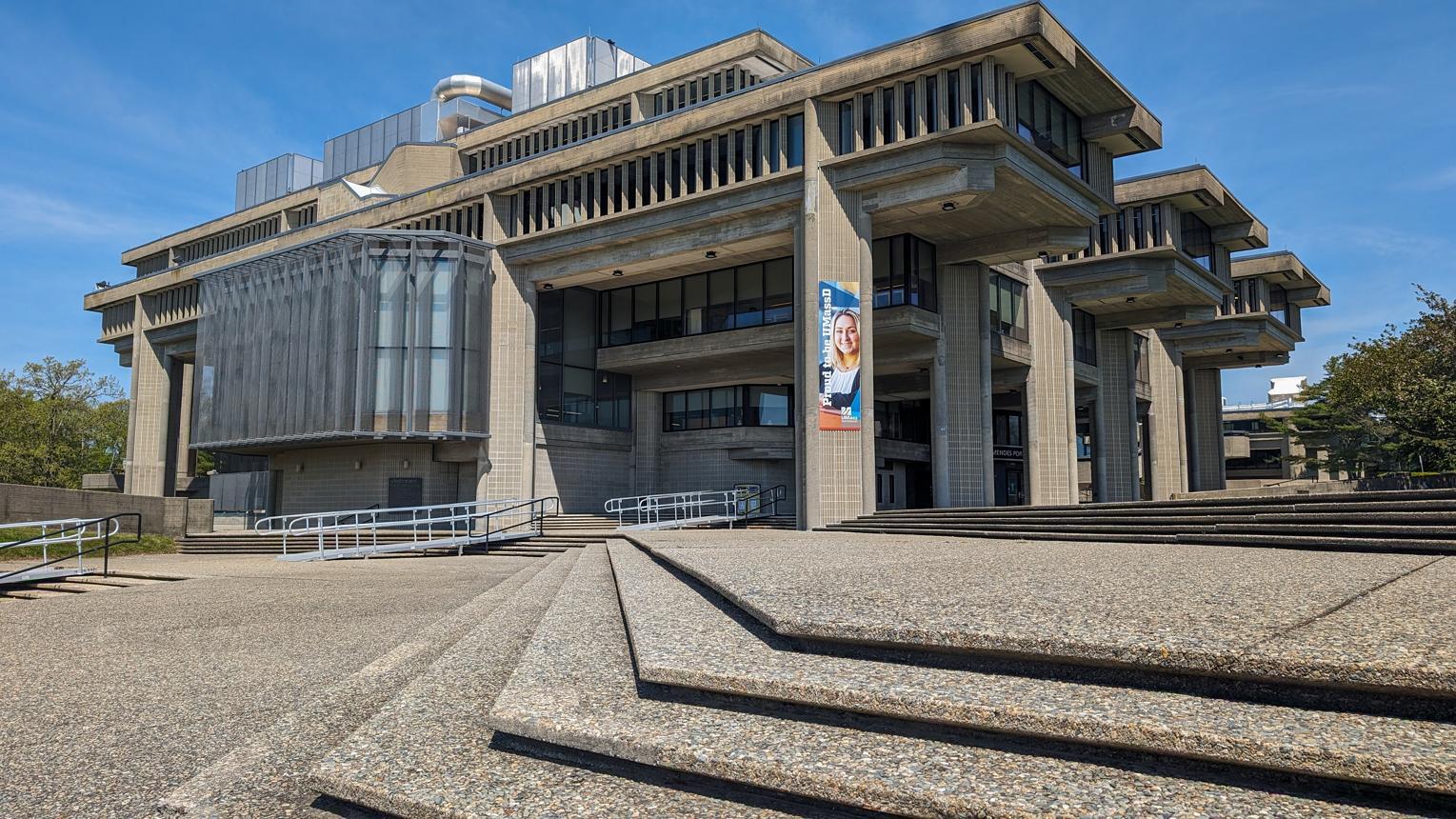
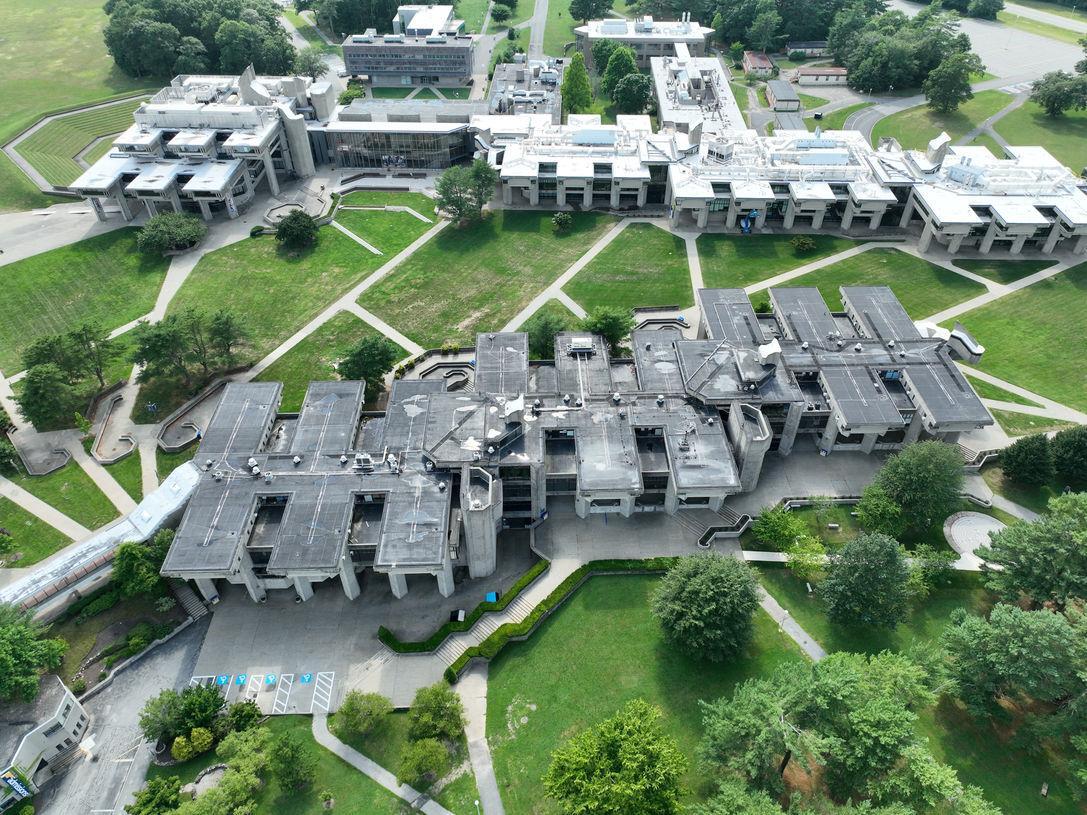
About University of Massachusetts Dartmouth
University of Massachusetts Dartmouth: Courses, Tuition Fees, Admissions & Student Life
Overview of the University of Massachusetts Dartmouth
The University of Massachusetts Dartmouth (UMass Dartmouth) is a public research university located in Dartmouth, Massachusetts, United States. As part of the University of Massachusetts system, the university offers a wide range of undergraduate and graduate programmes across science, engineering, business, health sciences, arts, humanities, and social sciences.
UMass Dartmouth combines academic learning with research, practical experience, and opportunities for professional development. Its campus environment encourages students to explore their interests, work collaboratively, and build skills that can support further education or future employment.
The university serves students from different educational and cultural backgrounds, including international students seeking a degree in the United States. Its academic programmes, student services, research activities, and campus organizations provide opportunities to develop subject knowledge and participate in university life.
Located in southeastern Massachusetts, UMass Dartmouth offers access to the wider New England region. Students can explore nearby communities, cultural attractions, and professional opportunities while studying in a university setting that combines academic facilities with campus-based activities.
Why Choose the University of Massachusetts Dartmouth?
Choosing a university requires students to consider programme quality, academic support, cost, campus life, and future career opportunities. UMass Dartmouth offers several features that may appeal to students looking for a public university with a broad range of academic options.
Research and Practical Learning
Research is an important part of the university's academic environment. Students may have opportunities to engage with faculty research, participate in projects, and apply classroom concepts to practical questions, depending on their programme and academic preparation.
These experiences can help students develop analytical thinking, technical skills, teamwork, and problem-solving abilities. Research opportunities may be particularly relevant to students in engineering, science, marine science, health-related disciplines, and other research-oriented fields.
Diverse Academic Programmes
UMass Dartmouth offers programmes across multiple colleges and schools. Students can explore subjects ranging from accounting and business administration to engineering, nursing, computer science, biology, art and design, and public policy.
This range of options allows students to compare different academic pathways and select a programme that aligns with their interests and career goals.
Career-Oriented Education
Many programmes incorporate practical projects, laboratory work, presentations, research, or other forms of applied learning. These experiences can help students connect theoretical knowledge with real-world problems.
Students can further develop their professional skills through internships where available, student organizations, faculty connections, and career development resources. The opportunities available depend on the course, employer requirements, and the student's individual circumstances.
A Campus Community
The university provides opportunities for students to participate in clubs, cultural activities, academic organizations, recreation, and campus events. These experiences can help students meet classmates, explore new interests, and develop leadership and communication skills.
For international students, participation in campus activities can also make it easier to become familiar with American university culture and build a supportive social network.
Courses and Academic Programmes
UMass Dartmouth offers undergraduate and graduate programmes across a range of disciplines. The university's academic structure includes colleges and schools focused on business, arts and sciences, engineering, nursing and health sciences, visual and performing arts, marine science and technology, and law.
Programme availability, admission requirements, and degree structures vary by academic level and department. Prospective students should review the requirements for their intended course before applying.
Computer Science and Information Technology
Computer science and related technology disciplines are suitable for students interested in software, computing systems, programming, and digital innovation.
Depending on the programme, students may study programming languages, data structures, algorithms, software development, databases, computer architecture, and other computing concepts. These foundations can support career pathways in software engineering, application development, systems analysis, and technology-related research.
Students should examine the programme curriculum to understand the balance between theory, technical projects, laboratory work, and elective subjects.
Engineering
UMass Dartmouth offers engineering programmes that prepare students to apply scientific and mathematical knowledge to technical challenges. Available areas include disciplines such as mechanical engineering, electrical and computer engineering, chemical engineering, and bioengineering.
Engineering education typically combines theoretical coursework with design, analysis, laboratory activities, and collaborative projects. Students learn to approach problems systematically and consider technical requirements, safety, efficiency, and practical constraints.
Applicants should review the entry requirements and course structure of their intended engineering programme, particularly the mathematics and science subjects required for admission.
Business and Management
The Charlton College of Business provides academic options for students interested in business, management, finance, accounting, marketing, and related fields.
Students may develop skills in financial analysis, organizational management, marketing strategy, business communication, and decision-making. Accounting programmes can help prepare students for accounting-related careers, while other business degrees may suit students interested in management, entrepreneurship, financial services, or marketing.
Students should compare course content, elective choices, experiential learning opportunities, and any professional certification requirements associated with their intended career.
Biology and Marine Science
UMass Dartmouth offers programmes connected to biological sciences and marine science. These subjects may appeal to students interested in ecosystems, organisms, environmental processes, marine environments, and scientific research.
Depending on the degree, students may study laboratory methods, biological systems, ecology, research techniques, and data analysis. Marine science-related study can provide opportunities to investigate questions involving oceans, coastal environments, and aquatic systems.
Students interested in these areas should review laboratory and fieldwork requirements, available research opportunities, and the academic prerequisites for each programme.
Nursing and Health Sciences
The College of Nursing and Health Sciences offers academic pathways in nursing and related health disciplines. These programmes can suit students who want to understand healthcare, human health, clinical practice, and the scientific foundations of patient care.
Professional health programmes may have additional admission requirements, clinical placement expectations, background checks, or licensing-related conditions. International students should carefully confirm eligibility and understand the professional requirements that apply if they intend to practise in the United States or another country.
Art, Design, and Performing Arts
UMass Dartmouth provides options in visual and performing arts, including areas such as graphic design, illustration, animation and game arts, photography, studio art, music, and other creative disciplines.
Students can develop creative thinking, technical proficiency, visual communication, and portfolio-building skills. Depending on the programme, learning may include studio practice, design projects, critique sessions, exhibitions, performances, and collaborative work.
Some programmes require a portfolio or audition as part of the admission process. Applicants should confirm the submission format, deadlines, and evaluation requirements for their chosen course.
Arts, Humanities, and Social Sciences
Students can also explore subjects such as English, history, psychology, sociology, political science, public policy, and related disciplines.
These programmes help students develop research, writing, communication, critical thinking, and analytical skills. Graduates may pursue further study or careers in areas related to education, public service, communications, research, community organizations, and other fields.
Students who are unsure of their intended major may investigate exploratory academic options where available before committing to a specific programme.
Tuition Fees and Cost of Studying at UMass Dartmouth
The cost of attending UMass Dartmouth depends on residency classification, programme, credit load, accommodation, meal plan, insurance, and personal spending.
For the 2026–2027 academic year, estimated full-time out-of-state and international undergraduate tuition plus mandatory university fees are US$34,936 per year. The estimated annual amount including tuition, mandatory fees, housing, and food is approximately US$53,358, based on a double room and an unlimited dining plan.
These figures are planning estimates and may change. Additional programme-specific charges, international student fees, health insurance, books, and other expenses may increase the total amount.
Graduate tuition and fees are calculated according to the applicable academic programme and credit load. Students should consult the university's current financial information for the degree they intend to pursue.
Additional Living Expenses
International students should prepare a complete budget rather than considering tuition alone. Common expenses include:
- Accommodation and meals
- Books, course materials, and equipment
- Health insurance and medical expenses
- Transportation and personal travel
- Telephone, internet, and personal spending
- Travel between the United States and the student's home country
- Initial settlement costs after arrival
Students who choose off-campus accommodation should also account for rent, utilities, deposits, and transportation to campus. The final cost depends on housing arrangements and individual spending habits.
Scholarships and Financial Support
UMass Dartmouth provides merit-based scholarship opportunities for eligible international undergraduate students. According to the university's published international funding information, eligible first-year applicants with a high school GPA of at least 2.75 may be considered for annual merit scholarships ranging from US$10,000 to US$15,500. Eligible international transfer students with a transfer GPA of at least 3.0 may be considered for a US$10,000 annual award.
These scholarships are subject to university rules and eligibility conditions. The published merit awards may be renewable for up to four years, provided students maintain full-time status and the required cumulative GPA.
Prospective students should verify the conditions that apply to their admission term. They should also confirm whether any separate scholarship application is required and whether an award can be combined with other funding.
International applicants should not assume that scholarships will cover the entire cost of attendance. A realistic financial plan should include tuition, living costs, insurance, travel, and other expected expenses.
Admission Requirements for International Students
International admission requirements depend on the applicant's academic history and intended degree. Undergraduate first-year applicants, transfer students, and graduate applicants may follow different procedures.
Undergraduate Admission
International first-year applicants generally need to demonstrate successful secondary-school preparation and submit the required academic records.
The application process typically includes:
- A completed online application
- Official secondary-school transcripts and examination results
- Certified English translations of documents that are not in English
- English-language proficiency evidence, where required
- The published application fee
- Additional materials requested for specific programmes
UMass Dartmouth lists a minimum GPA requirement of 2.5 for international undergraduate applicants. Meeting the minimum does not guarantee admission, and competitive programmes may have higher expectations or additional requirements.
Applicants should provide complete academic records and confirm whether their school must submit documents directly to the university.
English-Language Proficiency
Applicants whose first language is not English generally need to demonstrate English-language proficiency unless they qualify for an exemption.
UMass Dartmouth accepts several recognised tests. Its published international undergraduate requirements include the following minimum scores:
- TOEFL: 79 or the applicable score on the newer scale
- IELTS: 6.0
- Duolingo English Test: 105
- PTE Academic: 53
- Cambridge English qualifications: the specified accepted qualification and score
Other accepted pathways may also be available. Applicants should verify the current requirements, test formats, and exemption conditions for their intended intake.
Students who do not meet the direct-entry English requirements may wish to investigate alternative pathway options offered through the university's international admissions arrangements.
Graduate Admission
Graduate applicants must meet the academic and documentation requirements of their chosen department. Most master's-level programmes require a recognised bachelor's degree, while doctoral programmes may have additional expectations relating to research preparation and previous academic achievement.
Depending on the course, applicants may need to provide:
- Official university transcripts
- A statement of purpose
- Letters of recommendation
- A résumé or curriculum vitae
- English-language proficiency results, where required
- Standardized test results, portfolios, writing samples, or additional programme-specific documents
Applicants should consult the relevant graduate department because requirements, application deadlines, and evaluation procedures differ between programmes.
Application Fee and Deadlines
The published international undergraduate application fee is US$60. Application fees may differ for other applicant categories or programmes, so applicants should verify the amount shown in their application instructions.
UMass Dartmouth uses rolling admissions for many undergraduate applications, with published deadlines for different semesters. The university lists December 1 for international spring applications and July 15 for fall international applications on its international undergraduate application page. Some competitive programmes have earlier priority deadlines.
Students should check the current dates for their intended entry term and apply early enough to arrange academic documents, test results, financial records, and any additional requirements.
International Student Support
Moving to another country for higher education can involve academic, cultural, financial, and administrative adjustments. UMass Dartmouth provides resources intended to help international students navigate university procedures and settle into campus life.
International Student Services
The International Student and Scholar Center supports international students during their transition to university and throughout their educational experience. Students should use the university's official guidance for current immigration documentation, orientation, and other international student procedures.
International applicants who receive an offer of admission and require a student visa must complete the applicable documentation process. They should prepare financial evidence and other requested materials within the university's stated timelines.
Academic Support
Students can explore academic advising and learning resources to understand course requirements, plan their degree, and strengthen their academic performance.
Seeking advice early can help students select suitable courses, identify academic support services, and address difficulties before they affect their progress.
Cultural Adjustment and Community
Campus organizations and cultural activities give students opportunities to meet people, exchange experiences, and become more familiar with American university life.
International students may benefit from joining organizations related to their interests, participating in campus events, and building connections with classmates and faculty members.
Campus Life and Student Experience
UMass Dartmouth provides a campus environment where students can combine academic study with extracurricular activities, recreation, and social engagement.
Student Organizations and Clubs
Students can explore academic clubs, cultural associations, service organizations, creative groups, and recreational activities. These organizations provide opportunities to develop leadership, communication, teamwork, and organizational skills.
Participation can also help students build friendships and maintain a balanced university experience outside the classroom.
Campus Facilities
University facilities support teaching, research, independent study, and student activities. Depending on their programme, students may use libraries, laboratories, studios, computer facilities, performance spaces, and other academic resources.
Students should explore the facilities connected to their chosen discipline and check access rules, opening hours, and any programme-specific requirements.
Housing and Dining
Students can investigate on-campus residence halls, meal plans, and other accommodation options. Housing costs depend on room type, meal selection, and the applicable academic-year rates.
International students are not generally required to live on campus, but they should arrange suitable accommodation before arriving in the United States. Students considering off-campus housing should compare the total cost of rent, utilities, food, transportation, and other living expenses.
Location and Surrounding Region
UMass Dartmouth is located in southeastern Massachusetts, within the wider New England region. Students can explore nearby communities, coastal areas, cultural attractions, and regional professional networks.
The location may provide opportunities to learn about local industries and attend professional events. However, access to internships and employment depends on individual qualifications, available positions, employer requirements, and immigration rules.
Career Development and Research Opportunities
Career preparation can begin during the first year of university. Students can strengthen their professional profile through coursework, research, practical projects, student organizations, and career development resources.
Computing and engineering students may build technical portfolios and participate in relevant projects. Students in biology and marine science can explore research opportunities, while business students may develop analytical, financial, communication, and management skills. Creative students can develop portfolios that demonstrate their artistic and technical abilities.
Students should investigate the career support available through the university and seek advice on résumés, interviews, internships, and professional networking.
International students must understand the employment conditions associated with their immigration status before accepting a job or beginning an internship. University career resources can provide guidance, but employment outcomes are not guaranteed.
Tips for a Successful UMass Dartmouth Application
Prospective students can prepare more effectively by following a structured application plan.
Choose a suitable programme. Compare course content, academic prerequisites, degree structure, and future career goals before deciding.
Prepare academic documents early. Request transcripts and examination records in advance, and arrange certified translations where needed.
Verify English-language requirements. Confirm accepted tests, minimum scores, exemption conditions, and score-submission procedures.
Track application deadlines. Record the deadlines for the intended semester and check whether the programme has a separate priority date.
Prepare a realistic budget. Consider tuition, mandatory fees, accommodation, food, insurance, books, transportation, and personal expenses.
Investigate scholarships carefully. Review eligibility rules, GPA requirements, renewal conditions, and application procedures before relying on a scholarship.
Plan accommodation and arrival. Research housing, travel arrangements, orientation, and international student documentation well before the semester begins.
Use official university guidance. Contact the relevant admissions office or academic department if a requirement is unclear.
Conclusion
The University of Massachusetts Dartmouth offers a broad range of academic programmes in business, engineering, computer science, health sciences, marine science, arts, and other disciplines. Its research activities, applied learning opportunities, campus organizations, and international student resources may appeal to students seeking a public university education in Massachusetts.
For international students, UMass Dartmouth offers opportunities to develop academic knowledge, participate in campus life, and prepare for future study or employment. The most suitable choice depends on programme fit, financial circumstances, admission eligibility, and long-term goals.
Before applying, prospective students should verify current tuition and fees, scholarship conditions, English-language requirements, application deadlines, accommodation costs, and programme-specific admission criteria. Careful preparation can help students make an informed decision and plan their university experience with confidence.
Entry Requirements
General Entry Requirement
IELTS 6.5 overall
Fees & Scholarships
Annual Tuition Fees
USD 34,000 - USD 53,300
Ready to Apply to University of Massachusetts Dartmouth?
Our advisors guide you from eligibility check to offer letter — at no cost to you.
Join our WhatsApp Community

Scan to join our student community for admission updates & guidance