
Annual FeesUSD 30,600 - USD 41,200
University of Massachusetts Boston
LocationUS
Entry RequirementIELTS 6.5 overall
Visa Success Rate79%
Campus Photos
University of Massachusetts Boston
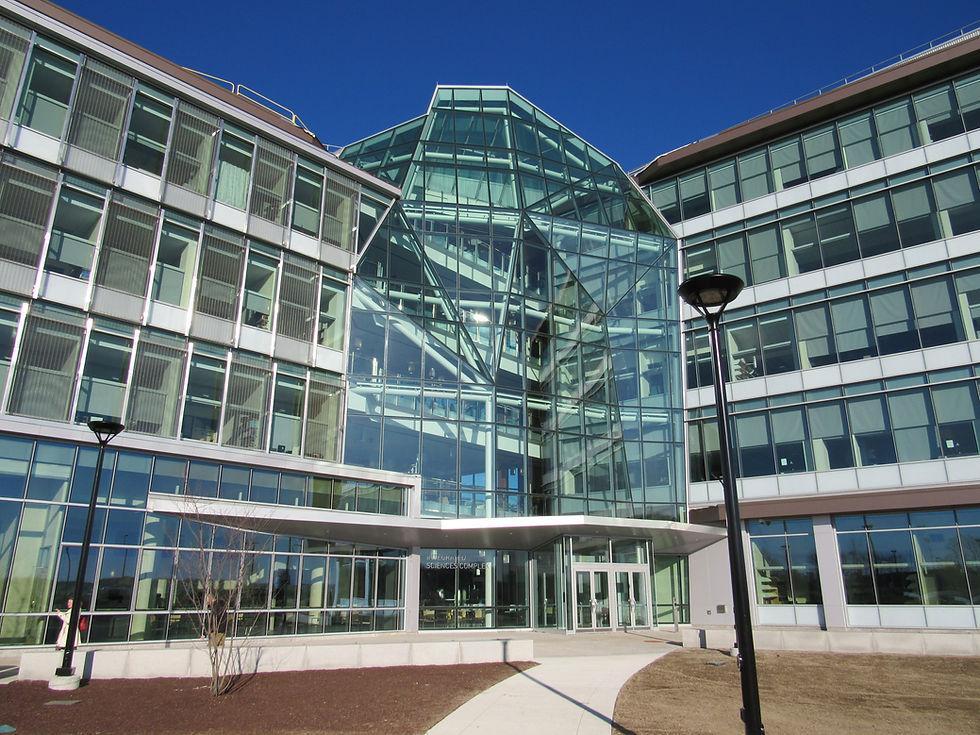

About University of Massachusetts Boston
University of Massachusetts Boston: Courses, Fees, Admission Requirements and Campus Life
Overview of the University of Massachusetts Boston
The University of Massachusetts Boston, commonly known as UMass Boston, is a public research university located in Boston, Massachusetts, United States. As part of the University of Massachusetts system, the university provides undergraduate and graduate education across several academic disciplines. Its urban location gives students access to the educational, cultural and professional environment of one of the United States' major cities.
UMass Boston offers programs across business, science, mathematics, education, liberal arts, social sciences and other fields. Students can explore undergraduate degrees that establish a foundation for further study or professional development, as well as graduate programs designed to deepen subject knowledge and build specialized skills.
For international students, the university offers admission pathways and support services in collaboration with Shorelight. These options are intended to help eligible students navigate university applications, academic preparation and the transition to studying in the United States. Program availability and admission conditions depend on the student's intended degree and study level.
UMass Boston may appeal to students looking for a public university in a large metropolitan setting. Prospective applicants should consider their academic interests, admission eligibility, tuition budget and career objectives before deciding whether the university is the right fit.
Why Choose the University of Massachusetts Boston?
A Range of Academic Disciplines
UMass Boston offers educational opportunities across multiple subject areas. Its College of Management and College of Science and Mathematics are among the academic units highlighted for prospective students. Other areas include education, liberal arts and related fields.
This breadth allows students to compare different academic directions within one university. Before applying, students should examine individual degree requirements, course structures, faculty expertise and opportunities for practical learning to determine which program best supports their goals.
Public Research University Environment
As a public research university, UMass Boston combines teaching with research and academic development. Students can investigate opportunities related to their chosen subject, depending on the department, program and level of study.
Graduate applicants may wish to examine faculty research interests, thesis or project requirements, laboratory facilities where applicable, and opportunities to participate in academic or professional activities. Undergraduate applicants can focus on the foundational courses and learning experiences that prepare them for advanced study or employment.
Location in Boston, Massachusetts
Boston is an important center for higher education, healthcare, technology, business, research and cultural activities. Studying in the city can give students exposure to a diverse urban environment and opportunities to learn about professional sectors connected with their degrees.
However, living in a major city also requires careful financial planning. Students should compare housing options, transportation costs, food expenses and other living costs before accepting an offer. The availability of internships and employment depends on qualifications, competition, individual circumstances and applicable work authorization rules.
International Student Support
Through its collaboration with Shorelight, UMass Boston offers international student pathways with services designed to support the admissions and enrollment journey. Depending on the student's program, these services may include application guidance, visa-related assistance, academic preparation, orientation and career development support.
Students should review the exact services included in their chosen pathway and identify any optional services that may involve additional costs. Support services do not guarantee admission, visa approval, scholarships, internships or employment.
Popular Academic Areas and Programs
The university's academic offerings cover several fields, but the programs available through a particular international pathway may represent only a selection of the university's complete degree catalogue. Applicants should confirm that their intended degree is available for their intake.
Business and Management
The College of Management is relevant to students interested in business administration, organizational decision-making, finance, management and related areas. Depending on the specific degree, students may develop analytical, communication and problem-solving skills that can be useful in business environments.
Applicants should compare undergraduate and graduate options carefully. Graduate programs may require a relevant bachelor's degree, prerequisite coursework, professional experience or additional application materials. Students should check the curriculum and career-related opportunities for their particular program instead of relying on general descriptions of business education.
Science and Mathematics
The College of Science and Mathematics offers academic opportunities for students interested in scientific study, quantitative methods and research-oriented disciplines. Students should review the specific departments and degrees to identify available specializations.
For science-related programs, previous coursework may be important, particularly where the degree builds on knowledge in mathematics, biology, chemistry, physics or another technical subject. Applicants should confirm prerequisites and understand whether the program emphasizes laboratory work, research, theoretical study or a combination of these approaches.
Education and Human Development
Students interested in teaching, learning, education systems and human development can explore relevant offerings within the university's education-related academic areas. Program requirements can differ significantly depending on whether a degree is intended for research, professional development or preparation for a regulated occupation.
Applicants should check whether a chosen program has fieldwork, professional experience or other requirements. Students planning to work in education after graduation should also investigate any licensing or certification rules that apply in their intended place of employment.
Liberal Arts and Social Sciences
The university's liberal arts and related disciplines can appeal to students interested in communication, society, culture, history, public affairs and human behavior. These fields may support the development of research, writing, critical-thinking and analytical skills.
Career possibilities depend on the specific degree and the student's experience. Students should consider combining academic study with relevant projects, internships, research or other practical activities where available.
Admission Requirements for International Students
Admission requirements depend on the study level and the chosen program. Applicants must meet the university's general admission standards as well as any additional conditions set by the relevant academic department or international pathway.
Undergraduate Admission
Students applying for undergraduate study generally need to provide evidence of completed secondary education that meets the university's admission standards. Academic transcripts, certificates and proof of English-language proficiency may be required.
Additional application materials can vary by program and intake. Applicants should confirm the required documents, accepted qualifications, application deadlines and any specific conditions that apply to international students.
Students applying through a Shorelight pathway should also check which program track is appropriate for their academic history and English proficiency. Pathway requirements may differ from those for direct admission.
Graduate Admission
Graduate applicants generally need a bachelor's degree that is considered equivalent to a degree from a regionally accredited US institution. The university evaluates international academic qualifications and may require additional documentation if degree equivalency is unclear.
An important consideration for applicants from India is that UMass Boston states that most Indian three-year bachelor's degrees, including Bachelor of Arts, Bachelor of Science and Bachelor of Commerce degrees, are not considered equivalent to a US four-year bachelor's degree for graduate admission. Applicants with a three-year degree should confirm their eligibility directly with Graduate Admissions before relying on an assumption that their qualification will be accepted.
The university's general graduate application requirements also include academic transcripts and other program-specific materials. Some degrees may require a particular undergraduate background, a résumé, a statement of purpose, recommendations, a portfolio or additional supporting information.
English-Language Proficiency
International applicants who do not qualify for an English-language proficiency exemption may need to submit official scores from an accepted test. UMass Boston lists TOEFL iBT, IELTS Academic, PTE Academic and the Duolingo English Test among its accepted examinations.
Minimum scores vary by program. For example, the university's published graduate requirements list the following scores for the College of Management and several other programs:
- IELTS Academic: 6.5
- TOEFL iBT taken on or before January 21, 2026: 90
- TOEFL score on the new scale for tests taken after January 21, 2026: 4.5
- PTE Academic: 61
- Duolingo English Test: 110
For many other graduate programs, the published minimums are lower, while certain programs require higher scores. Applicants should check the current requirements for their specific degree and ensure that official scores are sent according to the university's instructions.
Required Documents
Depending on the program, applicants may need academic transcripts, degree certificates, English-language test results, identification documents and additional materials. International academic documents must meet the university's requirements for official submission. Documents issued in a language other than English must be accompanied by an appropriate English translation.
Applicants should not assume that sending scanned documents directly is sufficient for every stage of the process. The university specifies how official transcripts and other records must be submitted. Students should follow the instructions for their particular application route and allow enough time for documents to arrive.
Tuition Fees and Cost of Attendance
The cost of studying at UMass Boston depends on the degree, study level, course load, tuition classification, mandatory fees, housing and personal expenses. Undergraduate and graduate students should not use the same tuition estimate without checking whether it applies to their program.
For the 2026–2027 planning period, Shorelight's published university profiles provide estimated tuition figures of approximately USD 38,620 for undergraduate study and USD 30,682 for graduate study. These are estimates associated with the relevant Shorelight program information and should not be interpreted as universal prices for every degree.
UMass Boston's published Fall 2026 graduate tuition and fee schedule lists a full-time out-of-state total of USD 15,608.70 per semester for nine credits, before certain other charges. Two semesters at that listed rate would amount to approximately USD 31,217.40. International student fees, identification fees and other applicable charges may increase the total. Program-specific costs and registration details can also affect the final amount.
Students should distinguish tuition and mandatory university fees from the total cost of attendance. Accommodation, meals, books, transportation, health insurance where applicable, personal expenses and travel can add substantially to the overall budget. Boston's housing and living costs deserve particular attention when preparing a financial plan.
The final cost should be confirmed through the university's current tuition information and the detailed estimate for the chosen pathway or academic program. Students should obtain a written breakdown before making enrollment decisions.
Scholarships and Financial Planning
Prospective students should investigate scholarships, grants and other funding opportunities for which they may qualify. Eligibility may depend on academic performance, degree level, program, enrollment status and other conditions.
Students should not assume that a scholarship is automatic or that an award will cover the full cost of studying and living in Boston. Any expected funding should be confirmed before it is included in the final budget.
A practical financial plan should account for tuition, mandatory fees, accommodation, meals, transportation, books, insurance, personal expenses and emergency funds. International applicants may also need to demonstrate sufficient financial resources for the student visa documentation process.
Students should compare the estimated costs of different housing arrangements and consider whether optional pathway services involve additional charges. Planning for potential changes in tuition and living expenses can help students avoid unexpected financial pressure during their studies.
Campus Life and Student Experience
UMass Boston's urban location provides students with a university experience connected to the wider Boston community. Students can explore academic facilities, student organizations, campus events and activities that complement their coursework.
Participation in clubs, academic events and other university activities can help students develop communication skills, meet peers and become familiar with the campus environment. Graduate students may also seek opportunities for research, departmental engagement and professional development, depending on their degree.
International students often need time to adjust to a new academic system, climate, culture and daily routine. Orientation programs and university support services can help them understand campus expectations and access relevant resources.
Students should consider practical matters such as travel time, transportation options, accommodation and access to everyday services. These factors can influence both the cost of attendance and the overall student experience.
Career Development and Employment Opportunities
UMass Boston's academic programs can help students develop knowledge and skills relevant to their chosen fields. Depending on their degree, career interests may include business, management, science, research, education, social sciences and other professional areas.
Career outcomes depend on more than the name of a university. Employers may consider subject knowledge, practical experience, communication, technical skills, internships, projects and previous employment. Students should use job descriptions in their intended field to identify the competencies they need to develop during their studies.
International students should understand the rules governing employment and internships under their immigration status. They should seek guidance from the university's relevant international student office before undertaking any work that may require authorization.
Career services and professional development resources can help students prepare résumés, improve interview skills and explore opportunities. Nevertheless, internships, job offers and post-study employment are not guaranteed.
How to Apply to the University of Massachusetts Boston
International applicants can approach the application process through the following steps.
Step 1: Select a degree and study level. Identify whether you want to pursue undergraduate or graduate study and confirm that the intended program is available for your preferred intake.
Step 2: Review academic eligibility. Check the required previous qualification, GPA expectations, prerequisites and any program-specific admission conditions. Graduate applicants with Indian three-year bachelor's degrees should confirm equivalency before proceeding.
Step 3: Check English-language requirements. Identify the accepted examinations and minimum scores for the exact program. Confirm whether an exemption may apply and whether the university requires official score reports.
Step 4: Prepare the documents. Collect transcripts, certificates, English-language results and any additional application materials. Arrange official document submission and certified translations where required.
Step 5: Estimate the total cost. Review tuition, mandatory fees, accommodation, meals and other expenses. If applying through Shorelight, request the cost breakdown for the particular pathway.
Step 6: Submit the application. Follow the appropriate university or pathway application instructions, complete the required sections and submit all materials before the deadline.
Step 7: Review the admission decision. If admitted, carefully examine the offer conditions, deposits, deadlines and remaining enrollment requirements.
Step 8: Prepare for international enrollment. Follow the university's instructions for financial documentation, the I-20 process, visa application, housing, orientation and arrival. Visa approval is determined through the relevant official process and is not guaranteed by admission.
Applicants should verify current deadlines and requirements because program availability, application dates and costs can change.
Frequently Asked Questions
Where is the University of Massachusetts Boston located?
UMass Boston is located in Boston, Massachusetts, United States. Its urban setting gives students access to the city's educational, cultural and professional environment.
Is UMass Boston a public university?
Yes. UMass Boston is a public research university and part of the University of Massachusetts system.
Does UMass Boston accept international students?
Yes. The university welcomes international applicants and publishes specific requirements for international undergraduate and graduate admission. Applicants must meet the relevant academic, English-language and document requirements.
Can an Indian student with a three-year bachelor's degree apply for graduate study?
Applicants should confirm eligibility directly with Graduate Admissions. UMass Boston states that most Indian three-year bachelor's degrees, including BA, BSc and BCom degrees, are not considered equivalent to a US four-year bachelor's degree for graduate admission.
What English tests does UMass Boston accept?
The university lists TOEFL iBT, IELTS Academic, PTE Academic and the Duolingo English Test among its accepted tests. Required scores vary by program and may change, so applicants should check the current requirements for their chosen degree.
How much does it cost to study at UMass Boston?
The cost depends on the degree and personal circumstances. Published Shorelight estimates include approximately USD 38,620 for undergraduate tuition and USD 30,682 for graduate tuition. These estimates should be checked against the current program-specific cost breakdown, and living expenses must be budgeted separately.
Does UMass Boston guarantee jobs after graduation?
No. The university does not guarantee employment after graduation. Outcomes depend on the student's qualifications, skills, experience, the job market and applicable work authorization rules.
Conclusion
The University of Massachusetts Boston offers undergraduate and graduate education in a public research university environment in Boston, Massachusetts. Its academic areas span management, science and mathematics, education, liberal arts and related disciplines. International students can explore university admission routes and support services available through the institution and its Shorelight collaboration.
Before applying, students should confirm that their previous qualifications meet the requirements for their intended program, review the English-language standards and obtain an accurate estimate of tuition and living expenses. Careful preparation can help applicants make a well-informed decision about whether UMass Boston matches their academic interests, professional goals and financial circumstances.
Entry Requirements
General Entry Requirement
IELTS 6.5 overall
Fees & Scholarships
Annual Tuition Fees
USD 30,600 - USD 41,200
Ready to Apply to University of Massachusetts Boston?
Our advisors guide you from eligibility check to offer letter — at no cost to you.
Join our WhatsApp Community
.jpeg)
Scan to join our student community for admission updates & guidance