
Annual FeesUSD 34,000 - USD 51,000
University of Maryland, Baltimore County (UMBC)
LocationUS
Entry RequirementIELTS 6.5 overall
Visa Success Rate70%
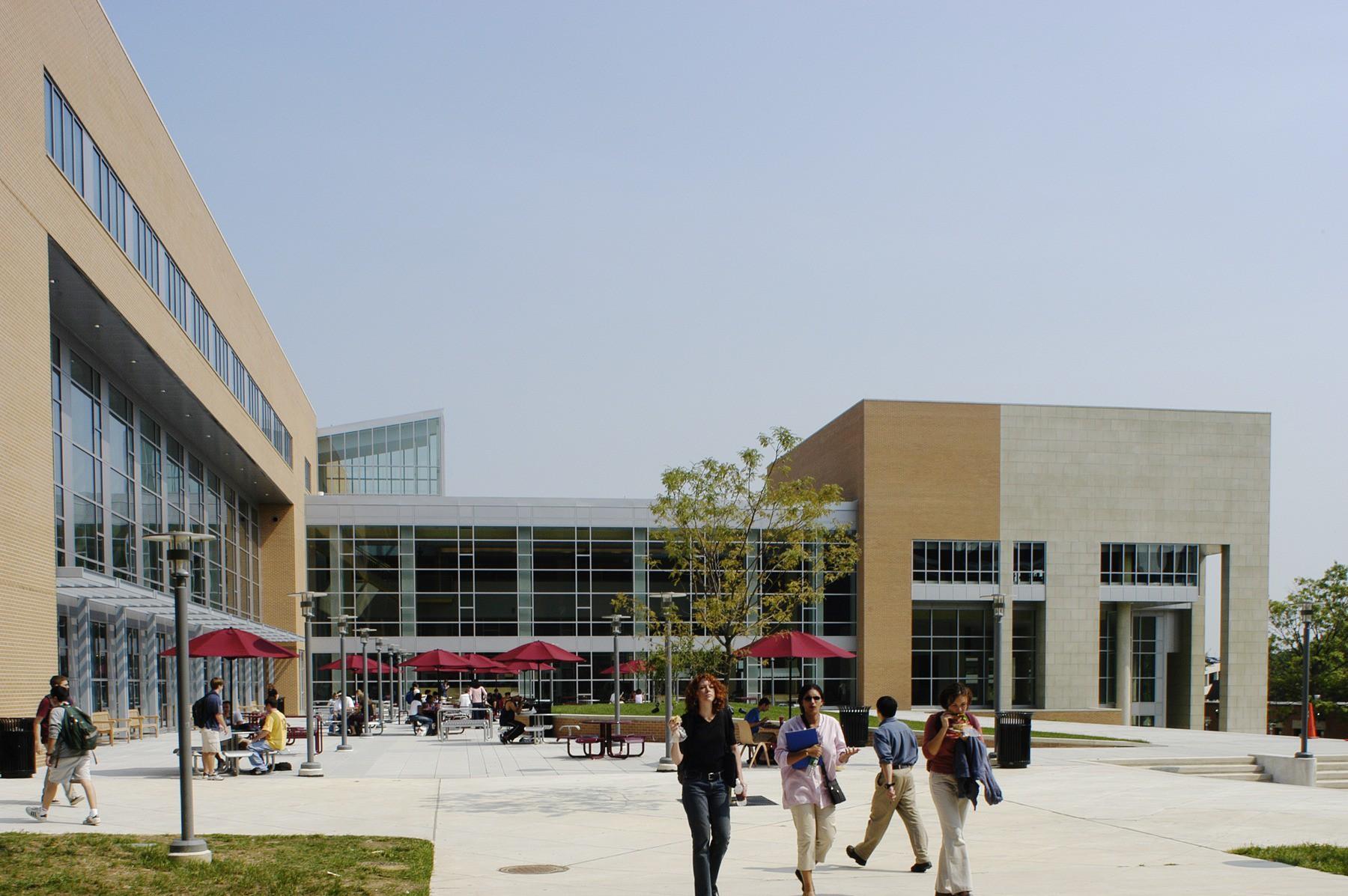
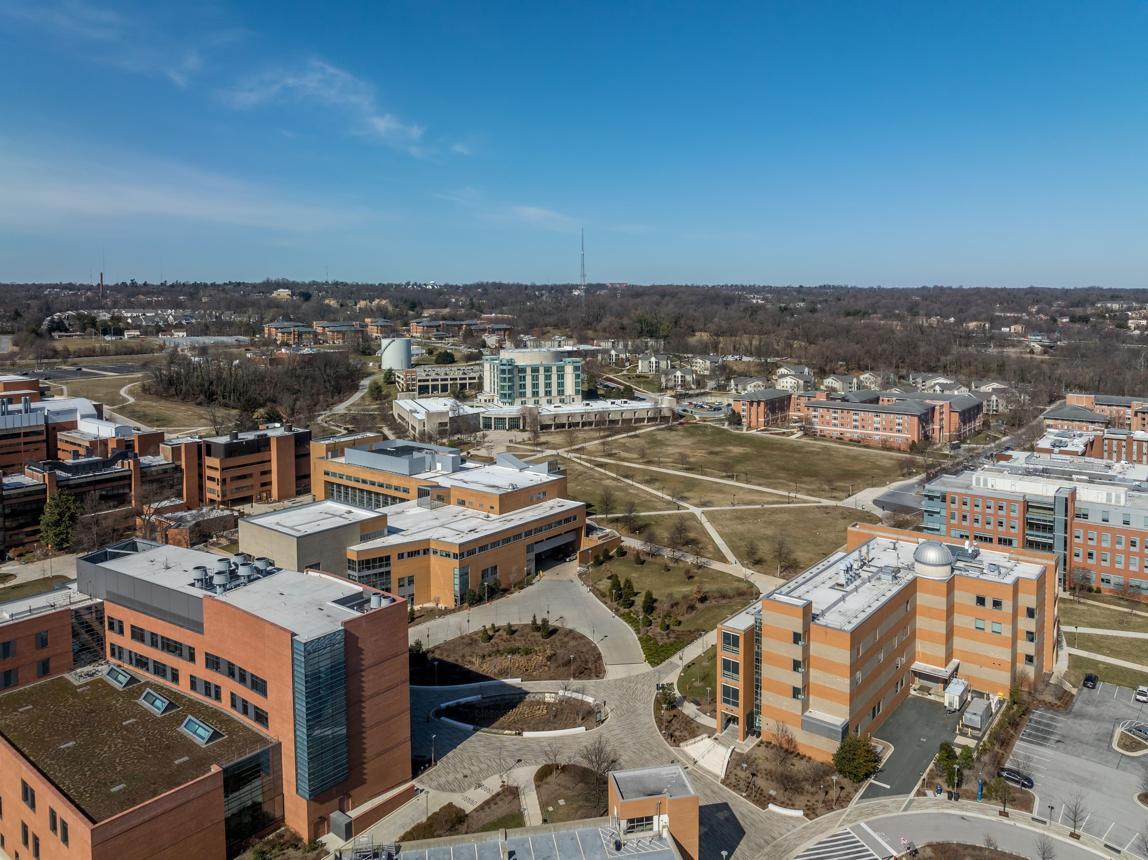
Campus Photos
University of Maryland, Baltimore County (UMBC)
About University of Maryland, Baltimore County (UMBC)
University of Maryland, Baltimore County: Courses, Tuition Fees, Admissions & Student Life
Overview of the University of Maryland, Baltimore County
The University of Maryland, Baltimore County (UMBC) is a public research university located in Catonsville, Maryland, near Baltimore and Washington, D.C. Established in 1966, the university has developed an academic environment focused on research, innovation, interdisciplinary learning, and student engagement. It offers undergraduate and graduate programmes across science, engineering, information technology, arts, humanities, and social sciences.
UMBC combines the opportunities of a research-intensive institution with a campus community that values collaboration and individual development. Students can build academic knowledge, explore research interests, participate in campus organizations, and prepare for professional careers through coursework and practical experiences.
The university's location in the Baltimore–Washington region provides access to a broad network of research institutions, technology companies, healthcare organizations, government agencies, and cultural attractions. For international students, UMBC offers the opportunity to experience American higher education while developing academic, professional, and intercultural skills.
Why Choose the University of Maryland, Baltimore County?
Choosing a university involves considering academic quality, programme options, research opportunities, student support, affordability, and future career plans. UMBC offers several features that may appeal to students looking for a research-focused education in the United States.
Research-Focused Education
Research is an important part of UMBC's academic identity. Faculty members work across different disciplines, and students may have opportunities to contribute to research projects, depending on their programme, preparation, and available positions.
Research experiences can help students strengthen analytical thinking, problem-solving, technical knowledge, and communication skills. They may be particularly valuable for students considering careers in science, engineering, computing, biotechnology, or further academic study.
Interdisciplinary Learning
Many contemporary challenges require knowledge from more than one academic field. UMBC encourages students to explore connections between disciplines, allowing them to understand how scientific, technological, social, and creative perspectives can complement one another.
Interdisciplinary study may be useful for students interested in areas such as data analysis, environmental challenges, technology policy, public health research, and innovation.
Student-Focused Academic Environment
UMBC emphasizes teaching, faculty collaboration, and student development. Academic support resources can help students adjust to university-level study, strengthen their writing and quantitative skills, and plan their academic progress.
Students can also explore research activities, academic societies, cultural organizations, and other campus opportunities that complement their classroom experience.
Location Near Baltimore and Washington, D.C.
The university's location provides access to the wider Baltimore–Washington metropolitan region. Students can explore museums, cultural institutions, professional events, and organizations across several industries.
Although the surrounding region may offer useful networking and internship opportunities, individual outcomes depend on a student's qualifications, field of study, experience, employer requirements, and applicable work authorization.
Courses and Academic Programmes
UMBC offers a broad range of undergraduate and graduate programmes. Students can choose from subjects in the arts, engineering, information technology, natural sciences, mathematics, humanities, and social sciences.
Programme availability, prerequisites, and degree requirements vary by academic department. Prospective students should review the curriculum for their intended course before applying.
Computer Science and Information Technology
Computer science is an important option for students interested in software development, computational thinking, algorithms, and digital systems. Depending on the degree, students may study programming, data structures, software engineering, computer architecture, databases, and related technical subjects.
These skills can support career pathways in software engineering, application development, systems analysis, cybersecurity-related work, and technology research. Students should examine the course structure and opportunities for technical projects or undergraduate research when comparing programmes.
UMBC also offers related areas of study that connect computing with information systems, mathematics, and other disciplines. Applicants should confirm the precise degree title and curriculum available for their intended entry year.
Engineering
Engineering programmes provide a foundation for applying scientific and mathematical principles to practical problems. UMBC's engineering and information technology offerings include disciplines such as computer engineering, chemical engineering, mechanical engineering, and electrical engineering at relevant degree levels.
Students may encounter laboratory work, design projects, technical analysis, and collaborative problem-solving as part of their education. Engineering applicants should review prerequisite subjects, mathematics expectations, laboratory requirements, and any programme-specific admission criteria.
Biological Sciences and Biotechnology
Students interested in life sciences can explore programmes related to biology, biochemistry, biotechnology, and other scientific disciplines. These subjects can introduce learners to biological systems, laboratory methods, molecular processes, and scientific investigation.
Depending on the degree, students may pursue interests in laboratory research, biotechnology, healthcare-related research, environmental science, or postgraduate education. Students should check the curriculum and research opportunities offered by the relevant department.
Mathematics, Statistics, and Data-Related Study
Mathematics and quantitative disciplines help students develop logical reasoning, modelling, statistical interpretation, and problem-solving skills. These capabilities can be applied in research, computing, financial analysis, business analytics, and other fields that rely on quantitative evidence.
Students interested in data-oriented careers should examine how different programmes combine mathematics, statistics, programming, and applied projects. The balance between theoretical and practical study varies by course.
Economics and Information Systems
UMBC offers academic options connected to economics, financial economics, information systems, and business technology administration. These fields can help students understand markets, organizations, information management, and the use of technology in decision-making.
Depending on their interests, students may develop skills in economic analysis, data interpretation, information systems, business processes, and organizational problem-solving. Applicants should distinguish between dedicated degree programmes and related subjects housed in other academic departments.
Arts, Humanities, and Social Sciences
UMBC also provides programmes across subjects such as visual arts, music, theatre, English, history, psychology, sociology, political science, and public policy.
These disciplines develop communication, creativity, research, critical thinking, and analytical skills. Students can explore cultural questions, human behaviour, public institutions, social change, and creative expression.
For students who want to combine different interests, the university's interdisciplinary environment may offer opportunities to connect humanities or social science study with technology, research, and public policy.
Tuition Fees and Cost of Studying at UMBC
The total cost of studying at UMBC depends on the student's residency classification, academic level, programme, credit load, accommodation, health insurance, and personal spending.
For international undergraduate applicants, UMBC's financial requirements for Fall 2026 list estimated full-time tuition and mandatory fees of approximately US$32,735 per academic year. The university's estimated total annual financial requirement for undergraduate students is US$51,722, including estimated living expenses, health insurance, and other costs.
These figures are planning estimates rather than a final bill. Actual charges may differ according to the student's circumstances, selected courses, housing arrangements, and university fee updates.
Graduate students have a separate cost structure. Tuition and mandatory fees depend on academic level, credit load, programme, and applicable charges. Applicants should consult the estimate relevant to their intended degree.
Additional Living Expenses
International students should prepare a budget that includes more than tuition. Common expenses include:
- Accommodation and meals
- Books, supplies, and computer equipment
- Health insurance and medical expenses
- Transportation and local travel
- Personal spending and communication costs
- Travel to and from the United States
- Initial settlement expenses after arrival
Housing and meal costs can vary significantly depending on the arrangement selected. Students should compare the total expected cost of on-campus and off-campus living before making a decision.
Scholarships and Financial Assistance
UMBC provides information about scholarships and other financial resources for eligible students. Academically competitive first-year international undergraduate applicants may be considered for merit-based scholarships, subject to the university's current eligibility rules and deadlines.
Scholarship availability, award amounts, renewal conditions, and application requirements can change. Students should confirm whether they need to submit additional materials and whether they must meet an early application deadline for best consideration.
Applicants should create a realistic budget without assuming that financial assistance will cover all expenses. They should also verify whether a particular award is available to international students and whether it applies to their intended programme.
Admission Requirements for International Students
International applicants should follow the admission process that corresponds to their academic background. Requirements differ between first-year undergraduate, transfer, and graduate applicants, and some programmes have additional conditions.
Undergraduate Admission
Students applying as first-year international applicants generally need to have completed, or be completing, secondary school and must demonstrate suitable academic preparation.
The application process typically includes:
- A completed undergraduate application through the designated platform
- Official secondary-school transcripts and relevant leaving examination results
- An application essay and required application questions
- Evidence of English-language proficiency, unless an exemption applies
- Any additional documents requested by the university
UMBC considers multiple aspects of an application, including academic performance, the strength of the student's curriculum, achievements, and the essay. Applicants should submit complete and accurate information and ensure that required academic records are provided in the accepted format.
Students who have completed university-level study after secondary school may need to apply as transfer applicants. The appropriate category depends on their previous academic history and the university's rules.
English-Language Proficiency
International applicants are generally required to demonstrate English-language proficiency unless they qualify for an approved exemption.
UMBC lists several accepted ways to demonstrate proficiency, including recognised English-language tests. Published recommended levels include IELTS 6.5 and Duolingo English Test 115. TOEFL requirements depend on the applicable score scale and test date.
Students should verify the current accepted tests, minimum scores, exemptions, and reporting procedures for their intended entry term. Meeting the English-language requirement does not guarantee admission, as applicants must also satisfy the other academic and application requirements.
Graduate Admission
Graduate applicants must meet the requirements established by their intended programme. A recognised bachelor's degree is generally required for master's-level study, while doctoral programmes may have additional academic and research expectations.
Depending on the department, applicants may need to provide:
- Official academic transcripts
- A statement of purpose
- Letters of recommendation
- A résumé or curriculum vitae
- English-language proficiency results, where required
- Standardized test results, portfolios, writing samples, or other programme-specific documents
Applicants should review the relevant department's instructions carefully. Requirements and deadlines can vary across graduate programmes, so a general university checklist may not cover every requirement.
Application Fees and Deadlines
International first-year undergraduate applicants should budget for the published non-refundable application fee, currently listed as US$75. Fees for graduate or other application categories may differ.
UMBC has different deadlines for admission rounds and academic terms. Applicants should check the deadlines for their intended intake and leave enough time to arrange transcripts, test results, recommendations, and any additional documents.
Students applying to honours or special programmes should also check whether separate questions, writing supplements, or priority deadlines apply.
International Student Support at UMBC
Moving to a new country involves academic, administrative, and personal adjustments. International students may need guidance with university procedures, immigration-related documentation, housing, and adapting to a different educational environment.
UMBC's Center for Global Engagement provides resources intended to support international students, including guidance related to pre-departure preparation, campus services, and career development. Students should consult the relevant university office for current immigration procedures and document requirements.
Academic Support
Academic resources can help students strengthen their performance and adjust to university expectations. Support may include tutoring, writing assistance, and guidance in subjects such as mathematics and science.
Students should learn how to access available services early in their studies rather than waiting until they encounter difficulties. Understanding course expectations, assessment methods, and academic policies can make the transition to university study easier.
English Language Development
Students who want additional language practice can explore available English-language learning resources and conversation opportunities. These can help learners build confidence in academic writing, discussion, presentations, and everyday communication.
The availability and eligibility conditions of specific resources should be confirmed with the university.
Career Guidance
Career support can help students explore career options, prepare résumés, improve interview skills, and investigate internship opportunities. Students can benefit from seeking advice before they begin applying for jobs or internships.
International students must also understand the employment conditions associated with their immigration status. They should obtain guidance from the appropriate university office before accepting employment or beginning an internship.
Campus Life and Student Experience
UMBC offers a campus environment that brings together academic work, research, recreation, arts, and student organizations. Students can participate in activities outside the classroom while developing friendships and exploring interests.
Student Organizations and Cultural Activities
Student organizations provide opportunities to meet people, collaborate on activities, and develop leadership skills. Students can look for academic societies, cultural associations, service organizations, performing arts groups, and recreational clubs that match their interests.
International students may also find cultural organizations that help them connect with others who share similar experiences. Participating in campus activities can make it easier to build a social network and feel connected to the university community.
Campus Facilities
University facilities support teaching, research, study, recreation, and student services. Students should explore the libraries, laboratories, study areas, departmental facilities, and other resources relevant to their programme.
Access policies and opening hours may vary by facility and academic period. Students can consult official campus information for details about available services.
Housing and Dining
Students should research accommodation options, housing application deadlines, meal arrangements, and associated costs before enrolling. On-campus housing availability can vary, so applicants should not assume that a room will automatically be available.
Students considering off-campus accommodation should account for rent, utilities, food, transportation, and any deposits or additional charges. Comparing the full cost and travel time can help students select an arrangement that fits their budget and academic schedule.
Location and Surrounding Region
UMBC's Catonsville campus is located near Baltimore, with Washington, D.C., also accessible from the region. Students can explore cultural attractions, museums, parks, professional events, and organizations across the wider metropolitan area.
The location may be useful for students seeking exposure to different industries and professional communities. However, access to a particular internship or job depends on individual qualifications, employer requirements, opportunity availability, and applicable immigration rules.
Career Development and Research Opportunities
Career preparation can begin well before graduation. Students can build relevant experience through coursework, projects, research, campus activities, and professional development resources.
For computing and engineering students, practical projects and technical portfolios can help demonstrate applied skills. Students in scientific disciplines may benefit from laboratory work, research participation, and analytical experience. Those studying humanities or social sciences can develop writing, communication, research, and critical-thinking skills that apply across a range of professions.
Students should explore the career resources available through UMBC, attend suitable events, and seek advice from faculty members or career advisers. Building professional connections and preparing application materials early can make the transition from university to employment more manageable.
International students should understand that career guidance does not guarantee employment or immigration eligibility. Any work experience must comply with the rules applicable to the student's status.
Tips for a Successful UMBC Application
Prospective students can prepare a stronger and more organised application by following a few practical steps.
Choose the right programme. Review course content, academic prerequisites, degree structure, and future goals before selecting a programme.
Prepare academic documents early. Request transcripts and examination records in advance. Confirm whether official translations or additional records are needed.
Check English-language requirements. Verify accepted tests, score requirements, exemptions, and reporting procedures for the intended entry term.
Track application deadlines. Record the relevant deadline for the chosen intake and leave sufficient time to submit supporting documents.
Plan finances carefully. Consider tuition, mandatory fees, accommodation, meals, insurance, transport, and personal expenses. Confirm scholarship eligibility rather than relying on unverified funding assumptions.
Explore student support. Learn about international student guidance, academic resources, career services, and housing options before arriving.
Use official university information. If a requirement is unclear, contact the appropriate admissions office or academic department rather than relying on outdated information.
Conclusion
The University of Maryland, Baltimore County offers a research-oriented academic environment with programmes spanning computing, engineering, natural sciences, arts, humanities, and social sciences. Its emphasis on innovation, interdisciplinary learning, and student engagement may appeal to students seeking a university experience that combines academic development with research and career preparation.
For international students, UMBC's location near Baltimore and Washington, D.C., campus resources, and international student support services are important factors to consider. However, the right choice depends on academic suitability, total cost, admission eligibility, and long-term objectives.
Before applying, students should confirm current tuition and fees, programme availability, English-language requirements, application deadlines, scholarship conditions, and housing costs. Careful research and early preparation can help prospective students make an informed decision about studying at UMBC.
Entry Requirements
General Entry Requirement
IELTS 6.5 overall
Fees & Scholarships
Annual Tuition Fees
USD 34,000 - USD 51,000
Ready to Apply to University of Maryland, Baltimore County (UMBC)?
Our advisors guide you from eligibility check to offer letter — at no cost to you.
Join our WhatsApp Community

Scan to join our student community for admission updates & guidance