
Annual FeesUSD 63,000 - USD 70,000
University of Denver – Daniels College of Business
LocationUS
Entry RequirementIELTS 6.5 overall
Visa Success Rate70%
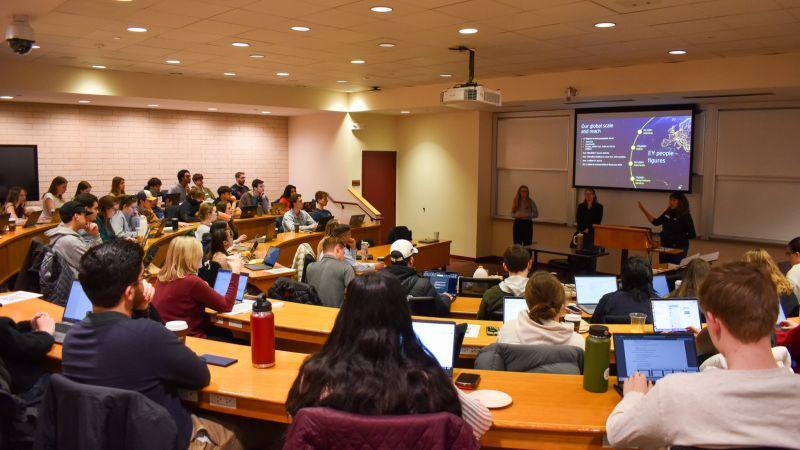
Campus Photos
University of Denver – Daniels College of Business

About University of Denver – Daniels College of Business
University of Denver Daniels College of Business: Courses, Tuition Fees, Admissions & Student Life
Overview of Daniels College of Business
The Daniels College of Business is the business school of the University of Denver, a private research university located in Denver, Colorado, United States. The college provides business education for students interested in developing the analytical, leadership, communication, and professional skills needed to work in a changing global economy.
Daniels College of Business offers undergraduate and graduate programmes covering several areas of business, including accounting, finance, marketing, business analytics, international business, real estate, and business administration. Its academic approach combines business fundamentals with opportunities to explore specialised subjects, understand organisational challenges, and apply classroom knowledge to practical situations.
Located in Denver, the college gives students access to a metropolitan environment with businesses across industries such as finance, technology, healthcare, hospitality, real estate, and professional services. This setting can be useful for students exploring internships, professional networking, and potential career pathways.
International students considering Daniels should understand that it is part of the University of Denver rather than a separate university. Undergraduate applicants seeking a business major generally apply for admission to the University of Denver and select business as their intended major. Graduate applicants follow the admission process for their chosen Daniels programme.
Why Choose Daniels College of Business?
Selecting a business school involves evaluating its academic programmes, learning environment, costs, professional opportunities, and relevance to long-term career goals. Daniels College of Business offers several features that prospective students may wish to consider.
A Dedicated Business School
Daniels provides an academic environment focused on business education. Students can study the principles behind financial decisions, marketing strategies, organisational management, business operations, entrepreneurship, and other areas relevant to modern organisations.
A specialised business school can help students connect concepts across different business functions. For example, understanding accounting can improve financial decision-making, while marketing knowledge can help students understand customer behaviour and business growth.
Multiple Business Specialisations
The college offers opportunities to explore different business disciplines. Students can develop a broad foundation before concentrating on an area that matches their interests and professional plans.
Those interested in numerical analysis may explore accounting, finance, or business analytics. Students drawn to customer behaviour and brand development may prefer marketing. Applicants interested in property markets and development can investigate real estate-related study.
The appropriate choice depends on individual strengths, previous education, preferred career direction, and the specific curriculum of the intended degree.
Learning Beyond the Classroom
Business education can benefit from practical activities that connect theory with real organisational problems. Depending on the programme, students may encounter projects, case studies, presentations, team assignments, applied analysis, and opportunities to engage with professionals.
These activities can help students develop communication, teamwork, critical thinking, research, and decision-making skills. Students should review the course structure of their intended programme to understand the particular practical learning opportunities available.
Location in Denver, Colorado
Denver offers a metropolitan setting with a range of employers, business communities, and professional events. Students can explore the local economy while developing an understanding of how organisations operate in different industries.
However, living in a major city does not guarantee an internship or job. Opportunities depend on individual qualifications, networking, application performance, employer demand, and work authorisation.
Academic Programmes at Daniels College of Business
Daniels College of Business offers undergraduate business majors and minors as well as graduate-level study. Programme availability, degree titles, admission criteria, and course requirements can change, so applicants should check the current programme information before applying.
Accounting
Accounting focuses on the financial information organisations use to measure performance, meet reporting obligations, manage resources, and support business decisions.
Students may study financial accounting, managerial accounting, taxation, auditing, and related subjects. The programme can help prepare students for roles such as accountants, auditors, financial reporting professionals, and other positions that require an understanding of business finances.
Students who want to pursue professional accounting qualifications should check the relevant certification requirements and determine whether additional coursework or postgraduate study will be necessary.
Business Analytics
Business analytics combines quantitative analysis, statistics, data interpretation, and business knowledge to support organisational decisions.
Students can develop skills in analysing information, identifying patterns, interpreting results, and communicating findings to decision-makers. Depending on the curriculum, relevant study may involve statistical techniques, modelling, data presentation, research methods, and business applications.
This area may suit students interested in using evidence to answer questions about customer behaviour, operational performance, financial trends, or business strategy.
Potential career pathways include business analyst, data-focused business specialist, operations analyst, and analytical roles in consulting or other organisations. Specific technical requirements vary by employer.
Finance
Finance explores how individuals and organisations manage money, evaluate investments, assess risk, and make financial decisions.
Students may study corporate finance, investment analysis, financial institutions, financial markets, and international finance. Coursework can help develop numerical reasoning, financial interpretation, problem-solving, and decision-making abilities.
Depending on their experience and qualifications, graduates may explore careers in corporate finance, financial analysis, banking, investment services, or related areas. Highly specialised financial roles may require additional professional qualifications or relevant experience.
Marketing
Marketing examines how organisations understand customers, communicate value, position products, and build relationships with their audiences.
Students may explore brand management, marketing analytics, advertising, promotions, digital marketing, pricing, sales forecasting, and customer relationship management. This combination can help students understand both the creative and analytical aspects of marketing.
Potential career pathways include marketing coordinator, brand specialist, digital marketing professional, market research analyst, and account or client relationship roles.
Students interested in digital marketing can also strengthen their profiles through practical experience with analytics platforms, campaign planning, content strategy, and marketing technology tools.
International Business
International business focuses on the challenges and opportunities organisations encounter when operating across countries and cultures.
Students can explore global markets, international business practices, cross-cultural communication, and the relationships between business decisions and international economic conditions.
This area may appeal to students interested in multinational companies, international trade, global operations, consulting, or cross-border business development.
Because international business involves cultural and economic differences, language skills, overseas experience, and an understanding of regional markets may be useful additions to academic study.
Real Estate and the Built Environment
The college offers study related to real estate and the built environment, combining business principles with topics connected to property, development, investment, and construction.
Students may examine real estate finance, property markets, valuation, development, project management, and the commercial considerations involved in the built environment.
Possible career directions include real estate analysis, property investment, development, brokerage, asset management, and construction-related business roles. The precise pathways available depend on the student's degree, practical experience, and any required professional credentials.
Business Administration and Related Study
Business administration provides a foundation in how organisations operate, including management, strategy, finance, marketing, and decision-making.
Students who study broader business subjects can build an understanding of how different functions work together. This knowledge may be relevant to management development, entrepreneurship, operations, consulting, or other business careers.
The college also offers business-related minors and other academic options. Students should check which combinations are available for their intended major and whether they fit the programme's credit and graduation requirements.
Graduate Business Education
Graduate programmes are designed for students seeking advanced knowledge or specialised preparation in a particular business area.
Depending on the degree, applicants may need previous university study, academic transcripts, a résumé, recommendations, a statement of purpose, English-language proficiency evidence, or other supporting materials. Work experience may be relevant for some programmes, but requirements differ.
Prospective graduate students should compare the curriculum, length of study, total tuition, admission requirements, career resources, and any programme-specific expectations before choosing a degree.
Admissions at Daniels College of Business for International Students
International applicants should begin by identifying whether they intend to pursue an undergraduate business degree or a graduate programme. These routes have different admission procedures and documentation requirements.
Undergraduate Admission
Students seeking an undergraduate business major generally apply to the University of Denver and select business as their intended major. Admission to the university is the initial step in entering the undergraduate business pathway.
Applicants should prepare the academic records required for their admission category. International first-year applicants will generally need evidence of secondary school completion and academic performance. The university may also require essays, English-language proficiency evidence, and additional application materials.
Students should check the current application instructions to determine whether their intended entry term has specific deadlines or supplementary requirements.
Admission decisions are based on the university's applicable review process. Meeting minimum requirements does not guarantee acceptance.
Graduate Admission
Graduate applicants must follow the application instructions for their specific Daniels programme. Requirements may vary according to the degree, academic department, and applicant background.
Commonly requested documents include:
- Academic transcripts and evidence of previous qualifications.
- A completed programme application.
- A résumé or curriculum vitae, where required.
- A statement of purpose or personal statement.
- Letters of recommendation, where required.
- English-language proficiency results, if applicable.
- Any additional materials specified by the programme.
Some programmes may have particular expectations regarding previous academic study, quantitative preparation, work experience, or professional goals. Applicants should verify these requirements before paying an application fee.
English-Language Proficiency
International students may need to demonstrate English-language proficiency if they do not qualify for an applicable exemption.
Accepted tests, minimum scores, and alternative pathways can differ between undergraduate and graduate programmes. Applicants should review the requirements for their intended degree and entry term before booking a test.
They should also confirm whether official results must be sent directly by the testing organisation and whether the scores will remain valid when the application is reviewed.
Application Fees and Deadlines
Application fees and deadlines depend on the admission category and programme. Applicants should consult the current University of Denver and Daniels application instructions for the correct fee rather than relying on a fee quoted for another degree.
Preparing documents early can help applicants avoid delays. International students should leave sufficient time to arrange transcripts, English-language results, financial documents, accommodation, and immigration procedures after receiving an admission decision.
Tuition Fees and Cost of Attendance
The cost of studying at Daniels College of Business depends on the programme, degree level, number of credits, applicable fees, accommodation, and personal spending.
For international undergraduate students enrolled in a traditional full-time programme at the University of Denver, the published estimated tuition for the 2026–2027 academic year is US$63,720. This rate assumes a full-time undergraduate course load of 12–18 credits per quarter over three quarters.
The published annual student fees are estimated at US$1,584. These figures cover tuition and common student fees, not the complete cost of studying and living in Denver.
Students must also budget for accommodation, food, books, supplies, health insurance, transport, travel, and personal expenses. Actual expenses can differ depending on lifestyle, housing arrangements, and the requirements of a particular course.
Graduate tuition should be checked separately because the rate and total programme cost may differ from undergraduate tuition. Students should also verify whether their programme includes additional fees or other required expenses.
Planning a Realistic Budget
International students should prepare a budget that includes both university charges and everyday living costs.
The main categories to consider are:
- Tuition and mandatory university fees.
- Housing and utilities.
- Food and groceries.
- Books, software, and course materials.
- Health insurance and healthcare-related expenses.
- Local transport and travel.
- Mobile service and personal expenses.
- Initial arrival costs and an emergency reserve.
Students should also check payment deadlines, deposit requirements, and the financial documentation required for immigration purposes. It is important to plan using the current official estimates rather than assuming that a general tuition figure represents the full annual expense.
Scholarships and Financial Support
The University of Denver offers scholarships and financial assistance to eligible students. Daniels College of Business also provides business-school scholarship opportunities, subject to the applicable conditions and availability of funding.
The university states that admitted undergraduate students receive a grant or scholarship. Daniels additionally awards renewable scholarship funding to business students, with published awards ranging from US$1,000 to more than US$10,000 per year.
These statements should be understood in the context of the university's published financial aid policies. International students must confirm which awards are open to them, whether the scholarship is guaranteed or competitive, and which conditions apply to renewal.
Merit scholarship consideration for undergraduate Daniels applicants is generally automatic through the university application process. However, applicants should check whether any additional requirements apply to a particular award.
Need-based aid eligibility depends on the student's circumstances and the relevant university policies. Some US federal and state funding is restricted to eligible domestic students, so international applicants should not assume they can access every type of financial aid.
Before accepting an offer, students should carefully read their financial aid letter, including the award amount, duration, academic conditions, and expenses not covered. They should calculate their remaining costs after scholarships and ensure that their funding plan is sustainable.
Campus Life at Daniels College of Business
Daniels students are part of the wider University of Denver community. They can participate in university activities, student organisations, campus events, and other opportunities alongside their academic responsibilities.
Student Organisations and Networking
Business-related student organisations can provide opportunities to explore professional interests, collaborate with classmates, develop leadership skills, and learn about different industries.
Depending on availability and eligibility, students may take part in business clubs, academic societies, entrepreneurship activities, professional events, and networking sessions.
These experiences can complement classroom learning by helping students practise communication, teamwork, project planning, and professional relationship-building.
Learning Environment
Business programmes often involve group projects, presentations, case studies, research, and applied assignments. These activities can help students develop the ability to explain ideas clearly, evaluate business problems, and work effectively with people who have different perspectives.
Students should also make use of faculty guidance, academic advising, university libraries, and career development resources when available.
Accommodation and Everyday Life
Students should investigate university housing and other accommodation options in Denver before arriving. Costs and availability vary by residence, room type, lease length, and the services included.
Living expenses in a city can be substantial, so students should compare accommodation costs with their budget and consider transport, food, utilities, and other recurring expenses.
Students who choose to live outside university housing should examine lease conditions, deposits, commuting options, and the distance to campus. Admission to the university should not be treated as a guarantee of a particular housing arrangement.
Career Development and Professional Opportunities
Daniels College of Business can help students develop academic knowledge and transferable skills relevant to a range of business careers. Depending on their programme, students may explore career advising, networking events, employer engagement, practical projects, and internship opportunities.
Students can improve their professional readiness by building a strong résumé, practising interviews, developing technical skills, and gaining experience through relevant projects or internships where eligible.
Career options vary by specialisation. Accounting graduates may explore accounting and auditing, finance students may pursue financial analysis, marketing students may seek brand or digital marketing roles, and business analytics students may target analytical positions.
Real estate and international business graduates may pursue opportunities related to property, development, global operations, or cross-border business. These are potential pathways rather than guaranteed employment outcomes.
International students must also understand US immigration rules concerning internships and employment. Eligibility depends on immigration status, the nature of the work, and the applicable authorisation. Students should seek guidance from the university's international student advisers before beginning employment or practical training.
Studying in Denver, Colorado
Denver is the capital of Colorado and a major urban centre in the western United States. The city offers a mix of business activity, cultural attractions, outdoor recreation, restaurants, and public spaces.
Students can explore the city's professional environment while studying at the University of Denver. Depending on their interests, they may also visit museums, attend community events, or enjoy outdoor activities in the surrounding region.
Denver's climate includes seasonal changes, so international students should prepare for cold winter conditions as well as warmer periods. Clothing, transport, and housing choices can influence how comfortably students adjust to local weather.
The city's business environment may be attractive to students interested in finance, technology, healthcare, real estate, hospitality, and professional services. Nevertheless, the availability of work and internship opportunities depends on individual preparation, employer requirements, and legal eligibility.
How to Apply to Daniels College of Business
Applicants can use the following steps to organise their application.
Step 1: Select the programme. Choose the undergraduate business major or graduate degree that best matches your academic background and professional goals.
Step 2: Review admission criteria. Confirm the required qualifications, transcripts, English-language proficiency, supporting documents, and deadlines.
Step 3: Prepare your application. Collect academic records, essays, recommendations, test scores, and any programme-specific materials.
Step 4: Submit through the correct process. Undergraduate business applicants generally apply to the University of Denver and indicate business as their intended major. Graduate applicants should follow the instructions for their chosen Daniels programme.
Step 5: Monitor the application. Check your email and application portal for updates, additional document requests, and the admission decision.
Step 6: Review tuition and financial aid. Calculate the total cost of attendance and confirm the conditions attached to any scholarship or financial aid award.
Step 7: Prepare for enrolment. Arrange the required financial documentation, immigration paperwork, accommodation, health insurance, and travel plans.
Applicants should verify all current deadlines and requirements before submitting an application.
Is Daniels College of Business a Good Choice for International Students?
Daniels College of Business may be worth considering for students who want to study business at a private American research university and specialise in fields such as accounting, finance, marketing, business analytics, international business, or real estate.
Its location in Denver provides access to a metropolitan environment, while its connection to the University of Denver gives business students access to the broader university community.
However, affordability is an important consideration. International undergraduate tuition is substantial, and students should evaluate the complete cost of attendance rather than focusing on tuition alone. Scholarships may help eligible applicants, but the final financial aid package should be confirmed before making a commitment.
Students should compare Daniels with other business schools by examining curriculum, programme length, scholarship conditions, career support, internship access, location, and total cost.
Conclusion
Daniels College of Business at the University of Denver offers business-focused education across several disciplines, including accounting, finance, marketing, business analytics, international business, and real estate. Its programmes can help students develop business knowledge, analytical thinking, communication, and professional skills.
For international students, choosing Daniels requires careful research into admission requirements, programme-specific tuition, scholarships, living expenses, and immigration procedures. Understanding these factors early can make it easier to assess whether the college fits both academic ambitions and financial circumstances.
By comparing its programmes with personal goals and evaluating the full cost of study, prospective students can make a more informed decision about pursuing business education at the University of Denver.
Entry Requirements
General Entry Requirement
IELTS 6.5 overall
Fees & Scholarships
Annual Tuition Fees
USD 63,000 - USD 70,000
Ready to Apply to University of Denver – Daniels College of Business?
Our advisors guide you from eligibility check to offer letter — at no cost to you.
Join our WhatsApp Community

Scan to join our student community for admission updates & guidance