
Annual FeesUSD 45,400 - USD 70,000
University of Delaware
LocationUS
Entry RequirementIELTS 6.5 overall
Visa Success Rate72%
Campus Photos
University of Delaware
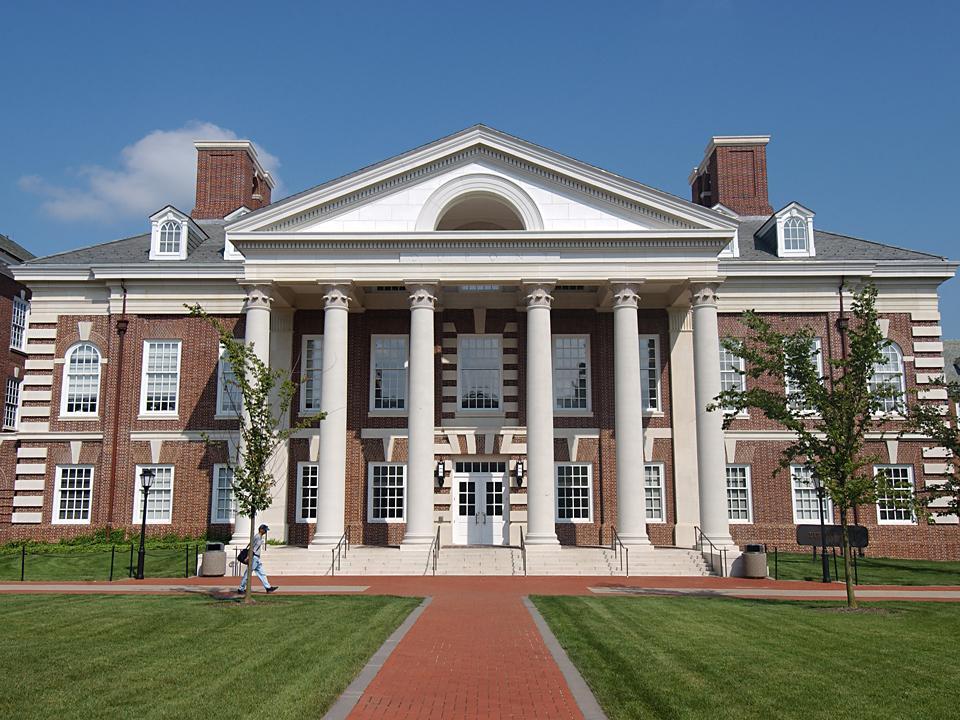
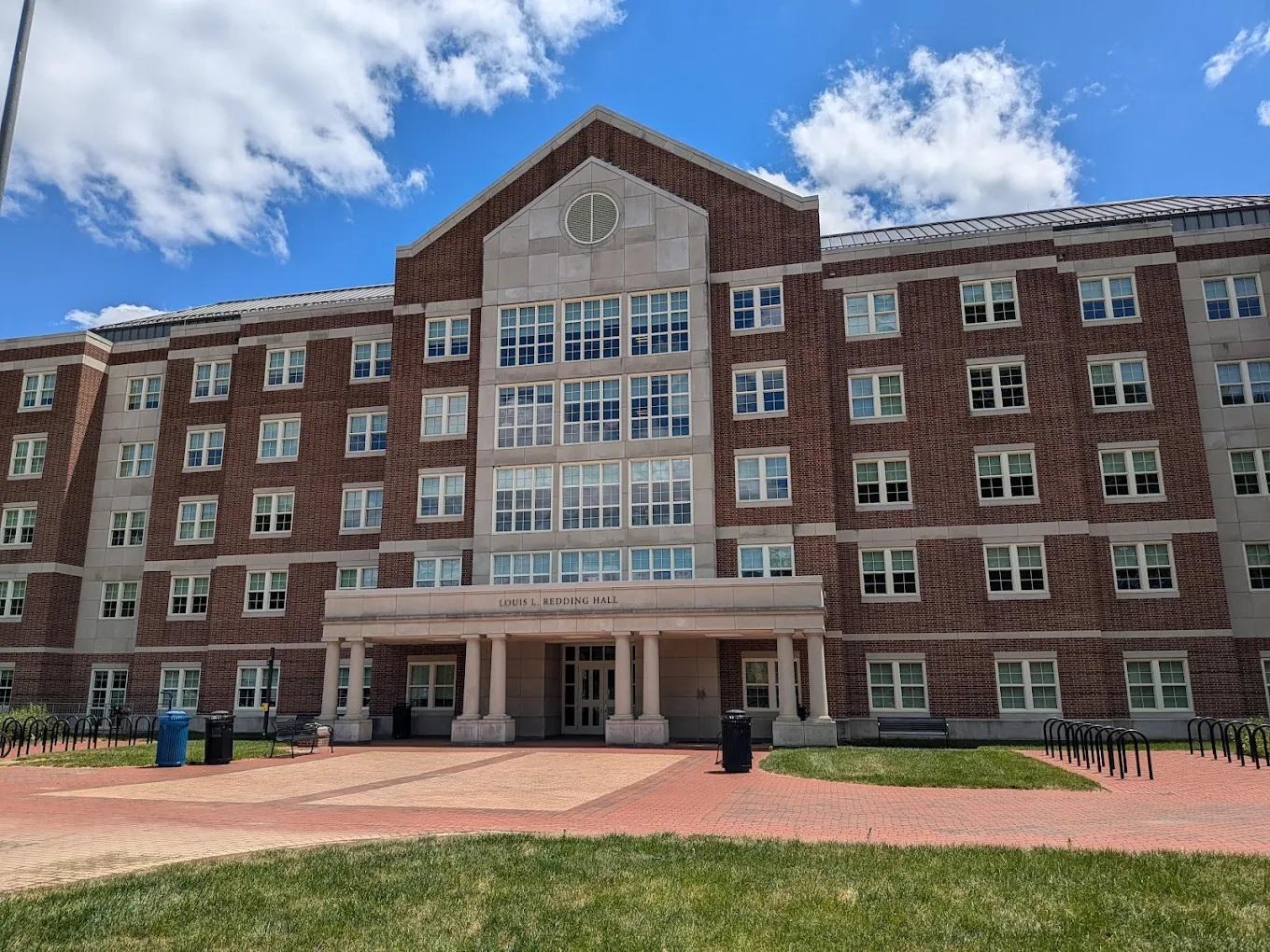
About University of Delaware
University of Delaware: Courses, Tuition Fees, Admissions & Student Life
Overview of the University of Delaware
The University of Delaware (UD) is a public research university located in Newark, Delaware, United States. With a history dating back to 1743, the university has developed into a major centre for higher education, research, innovation, and professional development. It welcomes students from across the United States and around the world, offering an academic environment that combines classroom learning with research and practical experience.
The university's main campus is in Newark, a college town known for its student community, local businesses, parks, and university-centred activities. Its location also gives students access to opportunities in the wider Mid-Atlantic region, including professional networks in Delaware, Philadelphia, Baltimore, Washington, D.C., and other nearby areas.
The University of Delaware offers undergraduate, graduate, and professional programmes across a broad range of disciplines. Students can explore fields such as engineering, business, computer science, health sciences, agriculture, environmental studies, education, public policy, and the humanities. Its research-focused approach allows students to develop analytical skills, investigate real-world problems, and prepare for further study or employment.
For international students, UD offers an opportunity to study in an established American university while experiencing a diverse campus community. Prospective applicants should carefully review programme requirements, tuition costs, scholarship conditions, and application deadlines before beginning the admission process.
Why Choose the University of Delaware?
Choosing a university involves more than comparing rankings or tuition fees. Students should consider academic quality, available programmes, campus environment, practical learning opportunities, and the support offered to international applicants.
A Long-Established Research University
The University of Delaware has a history spanning more than two centuries. Its development from an early educational institution into a research-intensive university reflects a long-standing commitment to teaching, scholarship, and public service.
Students can benefit from an environment where academic departments, laboratories, research centres, and faculty expertise support learning across multiple disciplines. Research opportunities may be available through individual departments, faculty-led projects, and specialised academic programmes.
A Broad Range of Academic Choices
UD offers programmes through colleges and schools covering business, engineering, arts and sciences, agriculture and natural resources, health sciences, education, public policy, and environmental studies. This breadth gives students flexibility when exploring different academic interests.
Applicants should compare individual programmes rather than relying only on the university's overall reputation. Course structure, specialisations, internship options, research facilities, and professional accreditation can vary between departments.
Practical and Experiential Learning
University education is most valuable when students can apply classroom knowledge to practical situations. Depending on their programme, University of Delaware students may have opportunities to participate in research, laboratory work, projects, internships, community engagement, and other experiential learning activities.
These experiences can help students develop communication, teamwork, problem-solving, and technical skills. Availability depends on the course, academic performance, eligibility criteria, and the opportunities offered during a particular semester.
A Welcoming Campus Community
The university supports student involvement through clubs, student organisations, campus events, cultural activities, athletics, and recreational programmes. International students can use these opportunities to meet classmates, develop friendships, learn about American culture, and maintain connections with their home communities.
For students moving abroad for the first time, campus involvement can also make the transition to university life more manageable.
Academic Programmes at the University of Delaware
The University of Delaware offers undergraduate and graduate education across several academic areas. Exact degree titles, concentrations, course availability, and entry requirements depend on the department and academic year.
Engineering and Technology
Engineering is an important academic area at UD. Students can investigate disciplines such as chemical engineering, civil engineering, computer engineering, electrical engineering, mechanical engineering, and related fields, subject to current programme availability.
Engineering education typically combines mathematics, scientific principles, technical coursework, laboratory activities, and project-based learning. Students interested in these programmes should examine the curriculum, facilities, research opportunities, and any additional programme-specific costs.
Applicants considering computing-related pathways should also compare the available computer science and technology programmes. It is important to distinguish computer science from computer engineering and other related degrees because their course requirements and professional applications can differ.
Business and Economics
The Alfred Lerner College of Business and Economics offers academic pathways in areas including finance, accounting, marketing, economics, and related business disciplines.
Business students can develop skills in financial analysis, management, decision-making, communication, and understanding markets. Depending on the programme, students may have access to career development resources, practical projects, and opportunities to explore entrepreneurship or professional specialisations.
Students deciding between undergraduate business degrees and specialised graduate programmes should review the course structure and entry requirements carefully. Previous academic preparation and quantitative skills may be relevant for particular courses.
Arts and Sciences
The College of Arts and Sciences covers a broad collection of subjects, including the humanities, social sciences, natural sciences, mathematics, and related interdisciplinary areas.
Students may explore subjects such as biology, chemistry, physics, psychology, communication, political science, languages, and international relations, depending on current offerings. These programmes can prepare graduates for a range of career pathways or further education.
The flexibility of some arts and sciences degrees may also allow students to combine a major with minors, electives, research, or other academic interests.
Agriculture and Natural Resources
The College of Agriculture and Natural Resources brings together areas related to agriculture, environmental systems, food and animal sciences, ecology, and applied research.
Students interested in sustainability, food production, environmental management, wildlife, or agricultural technology may find relevant academic opportunities here. Practical learning can be particularly valuable in disciplines that connect scientific research with real-world environmental and agricultural challenges.
Health Sciences
The College of Health Sciences offers academic and research opportunities in areas related to healthcare, human movement, health behaviour, nursing, and other health-focused disciplines.
Applicants should pay close attention to programme-specific admission criteria, prerequisite subjects, clinical or practical requirements, and any additional clearances required for placements. Requirements for professional or clinical programmes may differ substantially from those for general undergraduate degrees.
Education and Public Policy
Students interested in teaching, education systems, public administration, policy analysis, and community development can explore relevant offerings through the university's education and public policy schools.
These disciplines can help students understand institutions, social challenges, policy decisions, and the practical processes involved in improving public services.
Graduate and Research Programmes
The University of Delaware offers graduate-level study for students who want to specialise in a field or pursue advanced research. Master's, doctoral, and professional programmes have different admission criteria and academic expectations.
Graduate applicants should check whether their intended programme requires a related bachelor's degree, specific prerequisite courses, research experience, a statement of purpose, recommendation letters, a résumé, standardised test scores, or an interview. Not every requirement applies to every programme.
University of Delaware Admissions for International Students
International applicants should begin by identifying a suitable programme and reviewing the university's current admissions instructions. Undergraduate and graduate applications follow different processes, so applicants must use the requirements for their intended level of study.
Undergraduate Admission Requirements
Students applying for a bachelor's degree generally need to provide evidence of their completed secondary education and academic performance. Depending on the application route and programme, the university may request:
- Academic transcripts and examination results.
- A completed undergraduate application.
- Personal or academic information requested by the application system.
- English-language proficiency evidence, where required.
- Additional materials required for particular programmes or scholarship consideration.
Applicants should ensure that names, dates, qualifications, and other details are consistent across their application documents. If academic records are not in English, the university's instructions should be checked for acceptable translation and document submission procedures.
The University of Delaware offers direct freshman admission and conditional admission options for eligible international students. Conditional admission may involve additional English-language preparation or participation in an academic transition pathway before full-time undergraduate study.
Graduate Admission Requirements
Graduate applicants should first confirm that their intended degree is available to international students and determine the department's specific application process.
Common requirements may include:
- A recognised bachelor's degree or other appropriate previous qualification.
- Official academic transcripts.
- A statement of purpose or personal statement.
- Letters of recommendation.
- A résumé or curriculum vitae, when requested.
- English proficiency results, where applicable.
- Standardised test scores, writing samples, portfolios, or other programme-specific materials, if required.
Research-based programmes may also ask applicants to identify research interests or demonstrate relevant academic preparation. Meeting the minimum requirements does not guarantee admission, as decisions may depend on academic background, programme capacity, and the strength of the applicant pool.
English-Language Proficiency
International students whose previous education was not conducted in English may need to demonstrate English-language proficiency. Accepted tests, minimum scores, exemptions, and alternative pathways can vary by programme and admission category.
Applicants should consult the requirements for their specific degree before booking a test. They should also confirm whether official scores must be sent directly by the testing organisation and whether the scores will remain valid for the intended entry term.
Application Fee and Deadlines
The published international undergraduate application fee for direct freshman admission is US$75. Fees and application procedures for graduate programmes may differ.
The university uses different deadlines for different entry terms and programmes. Certain programmes, including selective or specialised courses, may have earlier deadlines than general undergraduate admission.
Applicants should plan ahead to allow enough time to submit transcripts, English-language scores, recommendations, financial documentation, and any additional materials. Applying early can also help students manage visa processing and accommodation arrangements if they receive an offer.
University of Delaware Tuition Fees and Cost of Attendance
Tuition is an important part of planning an international education, but students should calculate the full cost of attendance rather than looking only at the tuition figure.
For the 2026–2027 academic year, the university publishes the following estimated costs for international undergraduate students studying at the Newark campus.
|
Expense |
Estimated annual cost |
|
Full-time tuition |
US$42,470 |
|
Mandatory full-time fees |
US$2,930 |
|
New student orientation fee |
US$260 |
|
Medical insurance |
US$3,888 |
|
Standard housing |
US$9,286 |
|
Standard food allowance |
US$7,328 |
|
Additional indirect expenses |
US$4,250 |
|
Total estimated annual cost of attendance |
US$70,412 |
These figures are estimates, not a guaranteed bill for every student. The orientation fee applies to new students, and individual expenses can vary according to the programme, housing arrangement, personal spending, and other circumstances. Certain colleges and programmes may also charge additional differential fees.
Graduate tuition varies by programme, degree level, credit load, and other applicable charges. Graduate applicants should use the current cost information for their intended department rather than assuming that undergraduate tuition estimates apply to them.
Living Expenses
Living expenses depend on whether a student lives in university accommodation, rents privately, prepares meals, uses public transport, or has other personal costs.
Students should budget for housing, food, books, course materials, mobile service, laundry, transport, clothing, and personal expenses. International students should also review the university's insurance requirements and any financial documentation needed for immigration paperwork.
It is sensible to keep a financial reserve for unexpected expenses, travel, and costs associated with arriving in the United States.
Scholarships and Financial Support
The University of Delaware offers scholarship opportunities for eligible international undergraduate students. Awards depend on the applicable scholarship rules, academic qualifications, available funding, and the admission cycle.
For the 2026–2027 information published for international students, certain undergraduate scholarship awards are listed in the range of US$10,000 to US$15,000 per year. More competitive scholarship opportunities may offer larger awards, subject to their specific eligibility and renewal requirements.
International freshman applicants are automatically considered for applicable scholarships under the university's published process, so a separate application may not be required for every award. However, students should verify the conditions for the scholarships relevant to their entry year.
As a public university, UD states that need-based financial aid is not available to international students in the same way it is for eligible domestic students. Applicants should therefore avoid assuming that they will receive financial assistance simply because they demonstrate financial need.
Before accepting an offer, students should check the scholarship amount, duration, renewal requirements, academic performance conditions, and expenses not covered by the award. They should also prepare a financial plan that remains manageable if a scholarship is reduced or not renewed.
Campus Life at the University of Delaware
Campus life is an important part of the student experience. At the University of Delaware, students can combine academic responsibilities with social activities, sports, cultural events, and personal development opportunities.
Student Organisations and Activities
The university supports a wide range of student organisations and extracurricular activities. Students may be able to join academic societies, cultural associations, professional groups, volunteering initiatives, performance organisations, and recreational clubs.
Taking part in these activities can help students develop leadership, teamwork, and communication skills while building a social network outside the classroom.
International students may find cultural and international student communities especially useful when adjusting to a new country. Participating in campus activities can also help students become more comfortable with local customs and university expectations.
Sports and Recreation
University athletics contribute to campus identity and student engagement. Students can follow university sports, attend events, or explore recreational activities and fitness facilities available through campus services.
Availability and participation requirements differ between varsity sports, club teams, and general recreation programmes. Students should review the relevant options based on their interests and schedules.
Housing and Accommodation
Students can explore university-managed housing or investigate suitable off-campus accommodation in Newark. On-campus housing may offer convenient access to classes, libraries, dining facilities, and student activities.
Room types, meal arrangements, prices, eligibility, and application deadlines can vary. Students should confirm accommodation availability before making travel plans and should not assume that admission automatically guarantees a housing place.
Students considering off-campus housing should research rent, deposits, utility costs, transport, lease terms, and the distance from campus. International students should also allow time to arrange temporary accommodation if their permanent housing is not available immediately upon arrival.
Food and Everyday Needs
Students need to consider how they will manage meals, groceries, personal supplies, and other daily expenses. University dining arrangements may offer convenient options, while off-campus food and grocery costs depend on personal preferences and spending habits.
New international students may benefit from learning about nearby supermarkets, pharmacies, public transport, banking services, and other essential facilities before the start of classes.
Location: Studying in Newark, Delaware
The University of Delaware's main campus is located in Newark, a city in northern Delaware. Its college-town setting provides a university-centred environment with academic facilities, student housing, local shops, restaurants, and recreational spaces.
Newark's location in the Mid-Atlantic region gives students access to several larger cities for travel, cultural activities, and potential professional networking. Philadelphia and Baltimore are among the regional urban centres students may explore, while Washington, D.C., is another destination within the broader region.
Travel times depend on the route, transport option, traffic, and destination. Students should research transport connections before planning regular travel or assuming that an internship or job will be easy to reach from campus.
Delaware's location may be attractive to students who want a university environment outside a major metropolitan centre while retaining access to a wider regional network.
Career Development and Employment Opportunities
The University of Delaware provides students with academic and extracurricular opportunities that can support their career preparation. Career development may involve résumé guidance, interview preparation, networking events, employer engagement, career fairs, internships, research, and other professional activities.
The availability of a particular opportunity depends on the student's programme, qualifications, academic progress, work authorisation, and the employer's requirements.
Students can strengthen their career readiness by building practical skills alongside their coursework. Examples include participating in research, completing relevant projects, developing a portfolio, joining professional student organisations, and seeking internships where eligible.
International students should understand the rules governing employment and internships in the United States. Work eligibility depends on immigration status and the nature of the activity, and students should seek guidance from the university's international student services before accepting work or practical training arrangements.
Graduation from a university does not guarantee a job or a particular salary. Career outcomes depend on factors such as field of study, experience, skills, location, employer demand, and the graduate's eligibility to work.
Support Services for International Students
Moving to another country for education involves academic, financial, cultural, and administrative adjustments. International students should familiarise themselves with the university's international student support services before travelling.
These services can provide guidance on immigration documentation, maintaining student status, arrival procedures, orientation, and other aspects of studying in the United States.
Students should keep their immigration documents organised and understand the conditions attached to their visa and university enrolment. Questions about travel, employment, changes in academic plans, or immigration status should be directed to qualified university advisers rather than relying on informal advice.
Academic support is also important. Students may benefit from faculty office hours, academic advising, libraries, writing support, tutoring, and other learning resources available to them.
How to Apply to the University of Delaware
International applicants can follow a structured process to prepare a complete application.
Step 1: Choose a programme. Identify the intended degree, review the curriculum, and check whether the programme matches your academic background and career goals.
Step 2: Review admission requirements. Confirm the required qualifications, academic records, English-language proficiency, supplementary materials, and programme-specific criteria.
Step 3: Prepare documents. Organise transcripts, certificates, test scores, recommendations, personal statements, and any other requested materials.
Step 4: Submit the application. Use the application platform specified for your admission category and pay the applicable fee.
Step 5: Monitor application updates. Check email and the application portal for requests for further documents, admission decisions, and instructions.
Step 6: Review the offer and funding. If admitted, examine the programme details, tuition, scholarships, payment arrangements, and any conditions attached to the offer.
Step 7: Prepare for enrolment. Complete the required financial and immigration documentation, arrange housing, review health insurance requirements, and plan your arrival.
Applicants should confirm all dates and procedures for their intended entry term because deadlines and requirements can change.
Is the University of Delaware a Good Choice for International Students?
The University of Delaware may be a suitable choice for students seeking a public research university with a broad range of academic disciplines, campus activities, and opportunities to engage in research or practical learning.
It can be particularly worth exploring for applicants interested in engineering, business, sciences, health-related fields, environmental subjects, or interdisciplinary study. However, the best choice depends on each student's academic goals, preferred learning environment, financial resources, and intended career path.
The overall cost of studying in the United States should be considered carefully. International undergraduate students should plan for tuition, fees, insurance, accommodation, food, books, and personal expenses. Scholarships may reduce the financial burden for eligible applicants, but funding should be confirmed rather than assumed.
Students should compare the University of Delaware with other institutions offering similar programmes, paying attention to curriculum, total cost, scholarship conditions, location, internship possibilities, and support services.
Conclusion
The University of Delaware combines a long educational history with research-focused teaching, a wide selection of academic programmes, and a campus environment that supports student involvement. Its location in Newark, Delaware, offers a college-town setting with access to the wider Mid-Atlantic region.
For international students, careful preparation is essential. Reviewing programme-specific admission requirements, understanding the full cost of attendance, exploring scholarship options, and arranging housing and immigration documentation early can make the transition to university life more manageable.
Students who match their academic interests and budget to the university's offerings can use these factors to decide whether the University of Delaware is the right fit for their higher education plans.
Entry Requirements
General Entry Requirement
IELTS 6.5 overall
Fees & Scholarships
Annual Tuition Fees
USD 45,400 - USD 70,000
Ready to Apply to University of Delaware?
Our advisors guide you from eligibility check to offer letter — at no cost to you.
Join our WhatsApp Community

Scan to join our student community for admission updates & guidance