
Annual FeesUSD 69,700 - USD 74,200
University of Dayton
LocationUS
Entry RequirementIELTS 6.0 overall
Visa Success Rate69%
Campus Photos
University of Dayton
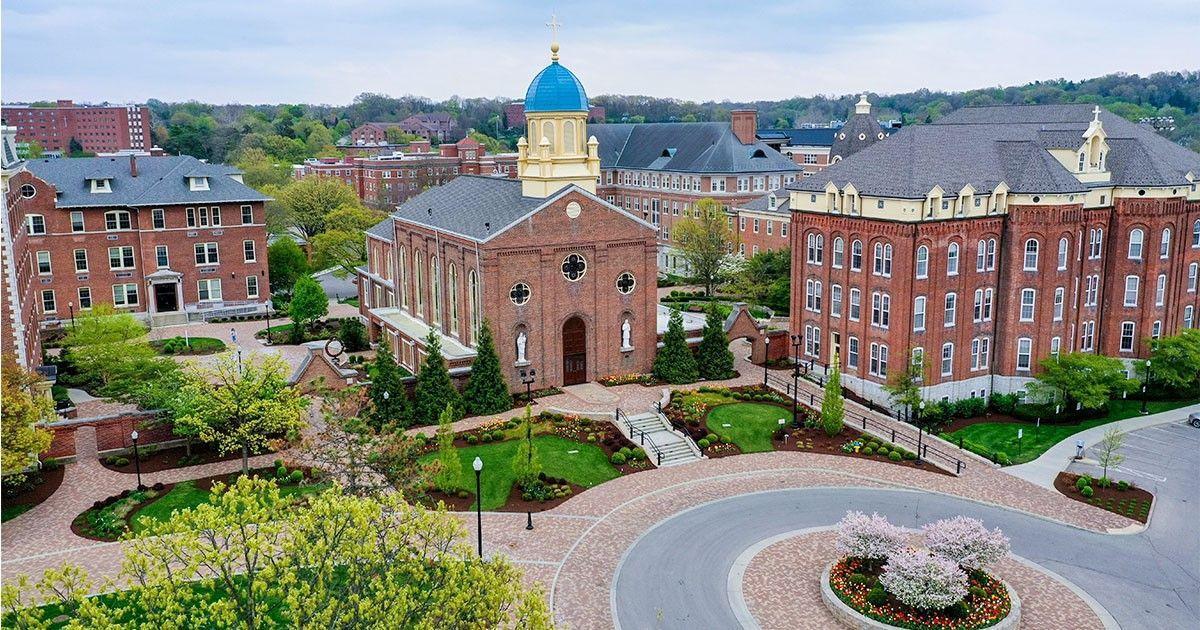

About University of Dayton
University of Dayton, USA: Courses, Fees, Admissions and Campus Life
Overview of the University of Dayton
The University of Dayton is a private Catholic research university located in Dayton, Ohio, United States. Founded in 1850, the university has developed an academic community focused on education, research, service and student development. Its campus combines academic facilities, residential spaces and opportunities for students to participate in university activities.
The university offers undergraduate and graduate programs across a range of disciplines, including business, engineering, computer science, education, health-related fields, the sciences, communication and the liberal arts. Students can pursue academic interests while developing analytical thinking, communication, problem-solving and professional skills.
The University of Dayton welcomes students from different backgrounds and provides services intended to support academic progress and campus integration. International applicants can explore direct admission options as well as pathway programs offered through UDayton Global. The appropriate admission route depends on the student's academic qualifications, English-language proficiency, intended program and the university's current requirements.
Located in southwestern Ohio, Dayton offers a regional environment with connections to manufacturing, engineering, aerospace, healthcare, education and business. Students can experience campus life while exploring the wider community through academic activities, internships and other eligible opportunities.
Why Choose the University of Dayton?
A wide range of academic programs
The University of Dayton offers programs across several academic fields. Students can investigate subjects such as business administration, engineering, computer science, biology, chemistry, communication, education and the humanities.
This range enables applicants to compare different areas of study according to their interests and long-term plans. Students should examine individual course structures, specialisations, admission prerequisites and available experiential learning opportunities before selecting a program.
Engineering and research opportunities
Engineering is an important part of the university's academic identity. Students can explore engineering disciplines and related scientific fields through coursework, laboratory activities, projects and research opportunities, depending on the program.
Research experiences can help students apply classroom concepts to practical questions and develop technical and analytical abilities. Participation in a particular research project is not guaranteed, so applicants should review departmental opportunities and eligibility conditions.
International student pathways
UDayton Global provides international admission pathways for eligible students who may need additional academic or English-language preparation before progressing through university study.
Depending on their qualifications, students may be considered for International Direct admission, an Academic Accelerator Program or an Extended Accelerator Program. These routes have different academic and English-language criteria.
Applicants should confirm the exact pathway included in their offer, the duration of any preparation program, the credits that count toward the intended degree and the requirements for progressing to the next stage.
Student support and campus community
University life involves more than attending lectures. Students must manage assignments, independent study, group projects, examinations and other responsibilities. Academic advising, learning resources and student support services can help students adjust to these expectations.
Campus organisations and extracurricular activities also give students opportunities to meet classmates, develop leadership skills and participate in community events.
Location in Dayton, Ohio
Dayton is a city in southwestern Ohio with connections to engineering, aerospace, manufacturing, healthcare, education and business. Its regional economy provides context for students exploring professional interests in these sectors.
Students should consider accommodation, transport, daily living costs and the location of potential internships when planning their studies. Access to professional opportunities depends on individual eligibility, experience and the availability of positions.
Popular Courses at the University of Dayton
The university offers academic options across several disciplines. The following areas can help international students begin researching programs that match their interests.
Business and Management
Business-related programs can introduce students to accounting, finance, marketing, management, economics and organisational decision-making. Students may learn how organisations manage resources, evaluate markets, develop strategies and respond to changes in the business environment.
These subjects can support interests in corporate management, financial services, marketing, consulting, entrepreneurship and operations. Students should compare the curriculum, concentrations, practical learning opportunities and internship arrangements of their preferred degrees.
Engineering
The University of Dayton has a strong presence in engineering education. Depending on the chosen program, students can study areas such as mechanical, electrical, civil, chemical or other engineering disciplines offered by the university.
Engineering curricula commonly combine mathematics and science with technical design, analysis and practical problem-solving. Applicants should verify the exact degree options, prerequisite subjects, laboratory requirements and professional accreditation information for their intended program.
Computer Science and Technology
Students interested in computing can explore computer science and related technology programs. Depending on the course, study may include programming, algorithms, software development concepts, data structures, computer systems and computational problem-solving.
Students considering careers in software development, information technology or related fields should review the curriculum and look for opportunities to develop practical projects. Technical portfolios, teamwork and relevant experience can complement academic study.
Natural Sciences
The university provides opportunities to study scientific disciplines, including areas such as biology, chemistry and related fields. Students can develop scientific reasoning, research methods, laboratory skills and an understanding of natural systems.
These programs may be suitable for students interested in research, laboratory work, environmental topics or further academic study. Some careers in healthcare and other regulated professions require additional degrees, examinations or professional licensing.
Education
Education-related programs can help students understand learning, curriculum development, teaching practices and educational systems. The exact subjects available depend on the degree and level of study.
Students intending to work as teachers should check whether the chosen program includes professional preparation or leads to any required certification. Requirements vary by state and country, and completing a degree does not automatically provide teaching authorisation everywhere.
Communication and the Liberal Arts
Communication and liberal arts disciplines can develop writing, research, presentation, critical-thinking and interpretation skills. Students may explore how people communicate, how institutions function and how ideas are represented in society.
Graduates may pursue opportunities in communication, public relations, education, administration, media or related fields, depending on their specialisation and experience.
Health-Related and Interdisciplinary Studies
Students interested in health and human development can investigate the university's relevant academic offerings. Course availability, prerequisites and professional outcomes differ across disciplines.
Applicants should distinguish between academic preparation for a healthcare career and a professional qualification that permits them to practise. Regulated occupations may require additional education, clinical training, examinations or licensing.
Important: Program availability, concentrations and admission conditions can change. Applicants should confirm the current academic catalogue and requirements for their intended degree.
Admission Requirements for International Students
Admission requirements at the University of Dayton vary by degree level, program and entry route. International applicants should check the current criteria for their intended intake and ensure that their academic documents meet the university's requirements.
Undergraduate admission
International first-year applicants generally need a secondary-school qualification equivalent to a United States high school diploma. The university reviews academic performance, completed subjects and other relevant qualifications when assessing an application.
Applicants may need to provide:
- A completed application.
- Official secondary-school transcripts and examination results.
- Academic records from previously attended colleges or universities, if applicable.
- Proof of English-language proficiency when required.
- Passport identification details.
- Additional documents requested for the selected program.
Applicants transferring from another institution should follow the applicable transfer-admission process and submit the required postsecondary records.
English-language proficiency
English-language requirements depend on whether the applicant is seeking direct admission or a pathway program.
Published UDayton Global undergraduate criteria include the following examples:
International Direct
- IELTS Academic: 6.0.
- TOEFL iBT: 70.
- Duolingo English Test: 105.
Academic Accelerator Program
- IELTS Academic: 5.5, with no band below 5.0.
- TOEFL iBT: 68, with no subscore below 14.
- Duolingo English Test: 100.
Extended Accelerator Program
- IELTS Academic: 5.0, with no band below 4.5.
- TOEFL iBT: 60, with no subscore below 12.
- Duolingo English Test: 95.
These are pathway-specific published criteria and should not be treated as universal requirements for every university degree. Other accepted tests, exemptions and conditions may apply. Applicants should confirm current score requirements and test validity for their intended intake.
UDayton Global admission pathways
UDayton Global provides different entry routes for eligible international undergraduate applicants.
International Direct: This route is intended for students who meet the relevant academic and English-language requirements. Published criteria include a minimum GPA of 3.0, alongside the required language scores.
Academic Accelerator Program: This route provides additional academic support for eligible students. Its published criteria include a minimum GPA of 2.5 and English scores appropriate to the program.
Extended Accelerator Program: This route offers a longer period of preparation for eligible students who need additional language or academic support. Its published criteria include a minimum GPA of 2.5, with lower English-language thresholds than direct entry.
Admission decisions depend on the complete application and the requirements of the selected track. Students should confirm the pathway duration, course progression rules, total cost and conditions for entering the relevant degree program before accepting an offer.
Graduate admission
Graduate admission requirements differ by department and degree. Applicants commonly need a recognised bachelor's degree, official transcripts, an acceptable academic record and proof of English-language proficiency when required.
Depending on the program, additional documents may include a statement of purpose, recommendation letters, a résumé or CV, a portfolio, prerequisite coursework or evidence of relevant professional experience.
Some graduate programs may have interviews, examinations or other specialised requirements. Applicants should check the exact instructions for their intended course rather than relying on general undergraduate requirements.
Tuition Fees and Cost of Studying at the University of Dayton
The total cost of studying at the University of Dayton depends on the selected program, credit load, housing, meal plan, insurance and personal expenses. Students should distinguish tuition and required university charges from the wider annual cost of attendance.
Undergraduate tuition and fees
For the 2026–2027 academic year, the university's published estimated undergraduate residential budget is approximately USD 69,700 in direct costs. This estimate includes tuition and applicable university charges together with estimated housing and food costs.
A wider annual budget may reach approximately USD 74,940 when additional expenses such as books, transportation and personal costs are included.
These figures are estimates, not guaranteed invoices. The actual amount can vary according to the degree program, course load, accommodation choice and other charges.
Accommodation and living expenses
Students should prepare a separate budget for accommodation, food, books, supplies, transport, health insurance and personal spending. The final amount depends on whether they live on campus, rent privately or make other living arrangements.
Students should also consider initial settlement expenses, travel to the United States and costs associated with preparing for their arrival. Exchange rates and personal spending habits can affect the amount required.
Pathway program costs
UDayton Global pathway programs may have a different fee structure from direct university admission. Costs depend on the selected entry route, duration, course structure and included services.
Applicants should request a current itemised cost estimate before accepting an offer. They should establish which charges cover the pathway and which apply after progressing into the main degree program.
Students should also confirm whether pathway credits count toward the intended degree and whether additional tuition is required after progression.
Scholarships and financial assistance
The University of Dayton offers merit-based scholarships and other forms of financial assistance to eligible students. International undergraduate applicants may be considered for merit scholarships, with published awards reaching up to USD 34,000 per year toward tuition for eligible students.
Award values and conditions depend on academic performance, eligibility rules, admission category and available funding. Scholarships may have renewal requirements, such as maintaining a specified academic standard.
Students should confirm the value, duration and conditions of any award directly with the university. They should not assume that the maximum advertised award will apply to every applicant.
Campus Life at the University of Dayton
The University of Dayton offers a campus environment with academic facilities, student services, residential options and opportunities for extracurricular participation. Students can combine their studies with activities that support personal development and social engagement.
Student organisations and activities
Student organisations allow students to explore interests, connect with classmates and develop leadership experience. Depending on availability, students may participate in academic societies, cultural groups, volunteering, recreation and university events.
International students may find these activities helpful when adjusting to a new educational system and building a social network. Students should check the current organisation directory and semester calendar for active groups.
Academic support and learning resources
University study requires independent learning, research, written assignments, presentations and group projects. Students can use available academic support and advising services to help them understand course expectations and manage their workload.
Students enrolled in a pathway program should review the academic and language support provided within their track. They should also understand the grades and other conditions required to progress into the next stage of study.
Accommodation and dining
Students can investigate on-campus residence options, dining plans and off-campus housing. Their choice should reflect their budget, room availability, distance from classes and personal preferences.
Housing and meals form a significant part of the annual student budget. Applicants should confirm accommodation prices, payment deadlines, contract conditions and cancellation policies before making arrangements.
Recreation and campus community
University life can include recreation, cultural activities, student events and opportunities to connect with the wider campus community. Participation can help students develop friendships, teamwork and communication skills outside the classroom.
The availability of particular activities and facilities may vary by semester, so students should consult current university information when planning their experience.
Exploring Dayton, Ohio
Dayton offers local restaurants, cultural attractions, recreation and community activities. The wider region has connections to aerospace, engineering, manufacturing, healthcare and education.
Students should research public transportation, accommodation locations and everyday travel costs. Access to internships or professional opportunities depends on eligibility, experience and the availability of positions rather than university location alone.
Career Development and Employment Opportunities
The University of Dayton provides an academic environment in which students can develop skills relevant to future employment. Depending on their program, students may gain experience through projects, research, student organisations, internships and other professional activities.
Students interested in engineering, technology, business, science or communication should explore career resources and opportunities relevant to their field. Practical projects, professional networking and relevant experience can complement academic qualifications.
Career outcomes depend on a student's skills, academic performance, work experience and the availability of suitable positions. Enrolment does not guarantee a job or internship.
International students must follow the employment rules associated with their immigration status. Certain forms of work require authorisation, and off-campus employment is subject to applicable regulations. Students should consult the university's international student advisers before accepting a job or internship.
Those planning to work in the United States after graduation should research the relevant options and application procedures well before completing their degree.
Location and Accessibility
The University of Dayton is located in Dayton, Ohio, in the southwestern part of the state. The region has connections to engineering, aerospace, manufacturing, healthcare, business and education.
Students should evaluate transportation options, housing costs and travel time when selecting accommodation. The most suitable arrangement depends on their class schedule, budget and personal preferences.
The university's location may provide exposure to regional employers and community organisations, but individual opportunities depend on program requirements, eligibility and the availability of placements.
How to Apply to the University of Dayton
International applicants can use the following general steps to prepare their applications:
- Choose a program: Identify the degree that matches your academic interests and future plans.
- Review admission requirements: Check academic qualifications, English-language scores, deadlines and program-specific conditions.
- Select the appropriate entry route: Determine whether direct admission or a UDayton Global pathway is suitable for your qualifications.
- Prepare documents: Gather transcripts, examination results, passport details and other requested materials.
- Submit the application: Complete the appropriate application process and pay any required application fee.
- Provide additional information: Respond to requests from the admissions team for missing documents or clarification.
- Review your offer: Confirm the degree, entry route, progression requirements, estimated costs and any scholarship award.
- Plan finances: Budget for tuition, housing, food, insurance, transportation and personal expenses.
- Prepare for the student visa process: Follow the official instructions for required immigration documentation and financial evidence.
- Arrange accommodation and travel: Confirm housing, arrival arrangements and orientation requirements before the academic term begins.
Deadlines and application procedures can differ by program and intake. Applicants should verify current requirements before submitting their applications.
Frequently Asked Questions
Where is the University of Dayton located?
The University of Dayton is located in Dayton, Ohio, United States. The city has connections to engineering, aerospace, manufacturing, healthcare, education and business.
What English-language score is required for the University of Dayton?
Requirements depend on the admission route. Published UDayton Global criteria include IELTS 6.0, TOEFL iBT 70 or Duolingo 105 for International Direct admission. Accelerator pathways have different score thresholds and additional conditions.
How much does it cost to study at the University of Dayton?
For 2026–2027, the estimated undergraduate residential direct cost is approximately USD 69,700 per year. A wider annual budget including additional expenses may reach approximately USD 74,940. Actual costs vary by program and living arrangements.
Does the University of Dayton offer scholarships to international students?
Eligible international undergraduates may be considered for merit-based scholarships. Published awards can reach USD 34,000 per year toward tuition, but the actual amount depends on eligibility and the award decision.
Does the University of Dayton offer graduate programs?
Yes. The university offers graduate study across multiple academic fields. Entry requirements, tuition and supporting documents differ by program and department.
Can international students work while studying at the University of Dayton?
Employment depends on immigration status and applicable authorisation requirements. International students should consult the university's international student advisers before undertaking on-campus or off-campus work.
What should students consider before applying?
Students should compare programs, confirm admission and English-language requirements, review tuition and living costs, investigate scholarships and understand the visa process. Applicants considering a pathway program should also examine its duration, total cost and progression conditions.
Conclusion
The University of Dayton offers undergraduate and graduate study across a range of academic disciplines in a campus environment in Ohio. Its engineering and research activities, international admission pathways, student support services and regional industry connections may appeal to students seeking an American university education.
Before applying, prospective students should confirm the requirements of their chosen program, review the full cost of attendance, investigate available scholarships and understand the conditions of any pathway offer. Careful preparation can help students decide whether the University of Dayton fits their academic goals, financial circumstances and longer-term plans.
Entry Requirements
General Entry Requirement
IELTS 6.0 overall
Fees & Scholarships
Annual Tuition Fees
USD 69,700 - USD 74,200
Ready to Apply to University of Dayton?
Our advisors guide you from eligibility check to offer letter — at no cost to you.
Join our WhatsApp Community
.jpeg)
Scan to join our student community for admission updates & guidance