
Annual Fees£14,900 to £17,800
University of Cumbria
LocationUK
Entry RequirementIELTS 6.5 overall
Visa Success Rate95%
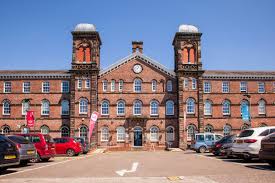
Campus Photos
University of Cumbria
-Jun-27-2026-09-05-30-1449-AM.jpg)
About University of Cumbria
University of Cumbria: A Student-Focused University with Strong Outdoor, Health, Education and Professional Programmes
The University of Cumbria is a modern UK university with campuses across Cumbria and Lancashire, including locations in Carlisle, Lancaster and Ambleside. It offers a distinctive combination of city, countryside and Lake District study environments.
The university has a particularly practical and career-focused approach, with courses covering Business, Health, Education, Media, Zoology, Tourism, Computing, Policing and other professional subjects. Its location is one of its biggest advantages, especially for students interested in outdoor studies, tourism, environmental subjects and health-related programmes.
What is the University of Cumbria Known For?
Cumbria offers programmes across a diverse range of academic and professional areas.
Major Subject Areas
- Business & Management
- International Business
- Accounting & Finance
- Computing
- Cyber Security
- Digital Technologies
- Health & Nursing
- Physiotherapy
- Occupational Therapy
- Midwifery
- Social Work
- Education & Teaching
- Psychology
- Criminology
- Law
- Professional Policing
- Tourism
- Outdoor Studies
- Adventure Sports
- Zoology
- Animal Studies
- Environmental Studies
- Media & Film
- Art & Design
- Sports
- Leadership & Management
Computing & Digital Technologies
Students interested in technology can explore programmes in Computing and related digital subjects, with opportunities to develop technical, analytical and professional skills.
Health & Wellbeing
Health is an important area for the university, with programmes including:
- Nursing
- Physiotherapy
- Occupational Therapy
- Midwifery
- Public Health
- Health-related professional programmes
These programmes typically combine academic study with practical and professional learning.
Education & Teaching
Cumbria has a significant focus on Education and teacher training, making it a relevant option for students interested in becoming teachers or working in education.
Tourism, Outdoor Studies & Adventure
This is one of Cumbria's most distinctive areas.
Its location around the Lake District provides an unusual environment for programmes connected with:
- Tourism
- Outdoor Leadership
- Adventure
- Outdoor Education
- Environmental subjects
- Sport
For students who want their university experience to include substantial exposure to the outdoors, this can be a major advantage.
Zoology & Animal Studies
Cumbria also offers programmes connected with Zoology and animal-related subjects, supported by its location and access to diverse natural environments.
University of Cumbria Campus Experience – City, Coast & Countryside
One of Cumbria's biggest advantages is the variety of its locations.
Carlisle
Carlisle provides a more traditional city-based student environment with access to:
- Business facilities
- Health facilities
- Computing
- Education
- Libraries
- Student accommodation
- Student societies
- Careers services
Lancaster
Lancaster offers another city-based environment and hosts programmes across areas such as:
- Business
- Health
- Tourism
- Education
- Law
- Other professional subjects
Ambleside
Ambleside is particularly distinctive.
Located in the Lake District, it provides an environment suited to students interested in:
- Outdoor studies
- Adventure
- Tourism
- Environmental subjects
- Sport
- Natural sciences
This gives Cumbria a very different feel from universities located entirely in major cities.
Q. What is student life like at the University of Cumbria?
A. It depends heavily on your campus. Students can experience a city environment in Carlisle or Lancaster or a countryside/Lake District environment in Ambleside. The university offers societies, sports, volunteering, cultural activities and careers events alongside its academic programmes.
Careers & Employability – Practical Preparation for Professional Careers
Employability is an important part of Cumbria's approach.
Depending on the programme, students can gain experience through:
- Professional placements
- Internships
- Work-based learning
- Employer projects
- Practical training
- Research projects
- Volunteering
- Professional accreditation
The university's location can also provide opportunities connected with:
- Tourism
- Hospitality
- Outdoor recreation
- Environmental work
- Healthcare
- Education
- Business
- Public services
Courses in health and education can provide structured professional experience as part of their training, while other programmes may offer placement or work-based learning options.
Students can receive careers support with:
- CV preparation
- Job applications
- Interview preparation
- Career planning
- Placement searches
- Employer connections
- Graduate opportunities
Eligible international graduates may also benefit from the UK's Graduate Route, subject to the immigration rules applicable when they graduate.
Q. Does the University of Cumbria provide placement opportunities?
A. Yes. Placement and professional experience opportunities are available on relevant programmes, although the exact structure depends on the course.
🇮🇳 For Indian Students
Cumbria can be particularly interesting for Indian students who want a more affordable UK university experience outside London, especially in areas such as:
Business | Computing | Health | Nursing | Education | Tourism | Outdoor Studies | Zoology | Media | Law
The university's international offering also includes dedicated application, visa, fee and scholarship support.
One major advantage is its 2026/27 international tuition pricing. Standard international undergraduate and most postgraduate taught programmes are listed at £16,000 per year, while international pre-registration Health and Social Work undergraduate programmes are £17,800.
Cumbria also offers significant international scholarships. For 2026/27, eligible international undergraduate students can receive up to £4,500 through the Cumbria International UG Scholarship, while the Global Excellence UG Merit Scholarship offers up to £7,500 for a limited number of eligible students.
For students looking for affordability, practical education and a distinctive UK setting, the University of Cumbria is definitely worth considering.
University of Cumbria Courses – Practical Degrees with Strong Professional Focus
Popular Subject Areas
Computing & Digital Technologies
Computing | Cyber Security | Digital Technologies | Software Development | Information Technology
Students develop programming, problem-solving, digital and technical skills through practical projects and applied learning.
Business & Management
Business Management | International Business | Accounting & Finance | Leadership | Management
Students develop skills in business strategy, finance, leadership, marketing and organisational management through projects and professional activities.
Health & Social Care
Nursing | Physiotherapy | Occupational Therapy | Midwifery | Social Work | Public Health
Students combine academic learning with practical training and professional placements, depending on the programme.
Education & Teaching
Education Studies | Primary Education | Secondary Education | Teacher Training | Early Years
Students develop teaching, communication and educational skills through academic study and practical experience.
Tourism, Hospitality & Outdoor Studies
Tourism | Outdoor Leadership | Adventure | Outdoor Education | Environmental Studies
This is one of Cumbria's distinctive areas because of its location around the Lake District, providing opportunities for practical outdoor and environmental learning.
Sport & Exercise
Sport | Exercise Science | Sports Coaching | Adventure Sport
Students combine theory with practical training, coaching and performance development.
Zoology & Animal Studies
Zoology | Animal Studies | Wildlife-related subjects
Students can explore animal behaviour, ecology, conservation and biological sciences, benefiting from Cumbria's diverse natural environment.
Law, Criminology & Policing
Law | Criminology | Professional Policing | Criminal Justice
Students develop analytical, investigative, legal and professional communication skills.
Media & Creative Industries
Media | Film | Photography | Art & Design | Creative Practice
Students develop creative and technical skills through practical projects, productions and portfolio development.
Psychology & Social Sciences
Psychology | Sociology | Social Sciences | Counselling-related subjects
Students develop research, analytical, communication and interpersonal skills through academic and applied learning.
Q. What are the best courses at the University of Cumbria?
A. Cumbria is particularly interesting for Health, Nursing, Education, Computing, Business, Tourism, Outdoor Studies, Sport, Zoology, Policing and Environmental subjects. Its outdoor and Lake District setting gives programmes connected with tourism, adventure and environmental studies a distinctive advantage.
Student Life at the University of Cumbria – City or Lake District Experience
One of Cumbria's biggest advantages is that students can experience very different environments depending on their campus.
Carlisle
Carlisle provides a city-based university experience with:
- Student accommodation
- Libraries
- Computing facilities
- Health facilities
- Education facilities
- Sports facilities
- Students' Union
- Careers services
Lancaster
Lancaster offers another city-based environment with access to:
- Business facilities
- Health facilities
- Education
- Tourism
- Professional programmes
- Student societies
- Careers services
Ambleside
Ambleside is the most distinctive location, situated in the Lake District.
Students studying there can benefit from access to:
- Mountains
- Lakes
- Outdoor environments
- Adventure activities
- Environmental settings
- Tourism opportunities
This makes Ambleside particularly attractive for students studying Outdoor Leadership, Adventure, Tourism, Environmental Studies and related subjects.
Students across Cumbria can participate in:
- Student societies
- Sports clubs
- Volunteering
- Cultural events
- International activities
- Careers events
- Student-led activities
Q. What is student life like at the University of Cumbria?
A. It depends on the campus. You can experience a city environment in Carlisle or Lancaster or a much more outdoor and countryside-focused lifestyle in Ambleside.
Careers & Employability – Practical Experience Throughout Your Degree
Employability is an important part of Cumbria's approach.
Depending on the programme, students can gain experience through:
- Professional placements
- Internships
- Work-based learning
- Employer projects
- Practical training
- Research projects
- Volunteering
- Professional accreditation
Students can receive careers support with:
- Career planning
- CV preparation
- Job applications
- Interview preparation
- Placement searches
- Employer networking
- Graduate opportunities
- Professional development
Potential employment sectors include:
- Healthcare
- Education
- Computing
- Business
- Tourism
- Hospitality
- Outdoor recreation
- Environmental organisations
- Public services
- Media and creative industries
Eligible international graduates may also benefit from the UK's Graduate Route, subject to the immigration rules applicable when they graduate.
Q. Does the University of Cumbria provide placement opportunities?
A. Yes. Relevant programmes can include professional placements, internships, practical training and work-based learning, although the exact opportunities depend on the individual course.
🇮🇳 For Indian Students
Cumbria can be particularly attractive to Indian students looking for:
Computing | Business | Health | Nursing | Education | Tourism | Outdoor Studies | Zoology | Law | Media
Its relatively affordable tuition and distinctive locations make it an interesting alternative to universities in expensive major cities.
For 2026/27, the university lists standard international undergraduate and most postgraduate taught tuition at £16,000 per year, while international pre-registration Health and Social Work undergraduate programmes are £17,800.
Eligible international undergraduate students may also receive significant scholarship support, including the Cumbria International UG Scholarship and Global Excellence UG Merit Scholarship, subject to the relevant criteria.
University of Cumbria Fees – Affordable UK Study with International Scholarships
Tuition Fees for International Students
For 2026/27, the University of Cumbria lists the following international tuition fees:
|
Programme Type |
2026/27 Annual Fee |
|
Standard undergraduate programmes |
£16,000 |
|
Most postgraduate taught programmes |
£16,000 |
|
Pre-registration Health & Social Work undergraduate programmes |
£17,800 |
Exact fees can vary by programme, so students should always check the individual course page before applying.
Scholarships for International Students
Cumbria offers several scholarships and discounts for eligible international students.
For 2026/27, opportunities include:
- Cumbria International UG Scholarship – up to £4,500
- Global Excellence UG Merit Scholarship – up to £7,500
- International postgraduate scholarships
- Country-specific awards
- Other fee discounts and funding opportunities
Scholarship availability and eligibility depend on the student's nationality, academic profile and chosen programme.
Q. Is the University of Cumbria affordable for international students?
A. Yes. With standard international tuition of around £16,000 per year, Cumbria can be a relatively affordable UK option. Its locations outside major expensive cities can also help students manage their overall living budget.
University of Cumbria for International Students – Supportive and Affordable
Cumbria welcomes students from different countries and provides dedicated support throughout the international student journey.
International students can receive guidance with:
- Student visa requirements
- CAS and arrival procedures
- Accommodation
- Orientation
- Academic support
- English-language support
- Careers and employability
- Wellbeing
- International student advice
- Cultural activities
Why Cumbria Can Be Attractive to International Students
- Relatively affordable tuition
- Scholarship opportunities
- Practical, career-focused courses
- Health and professional programmes
- Computing and Business options
- Unique Lake District environment
- Multicultural student community
- Placement opportunities
- Smaller and more personal university experience
Eligible international graduates may also be able to use the UK's Graduate Route, subject to the immigration rules applicable when they graduate.
Q. Is the University of Cumbria good for international students?
A. Yes. It can be particularly suitable for students who want affordable tuition, practical education, a supportive environment and a distinctive UK lifestyle outside the largest cities.
The Honest Verdict – Is the University of Cumbria Right for You?
Cumbria is best suited to students who value affordability, practical education, professional experience and a smaller university environment.
Its distinctive location also makes it particularly interesting for students interested in Outdoor Studies, Tourism, Environmental subjects, Sport and Adventure-related programmes.
Cumbria Is an Excellent Choice If You...
- Want relatively affordable UK tuition.
- Are interested in Computing.
- Want to study Business.
- Are interested in Nursing or Health.
- Want to study Education.
- Are interested in Tourism.
- Love outdoor activities and nature.
- Want to study Outdoor or Adventure subjects.
- Prefer a smaller university environment.
- Want to avoid the high costs of London.
It May Not Be the Right Fit If You...
- Specifically want a Russell Group university.
- Prioritise global university rankings.
- Want a large metropolitan student experience.
- Prefer extensive research facilities across many disciplines.
- Want to live in a major city such as London, Birmingham or Manchester.
For students looking for value, practical learning and a distinctive lifestyle, the University of Cumbria is worth considering.
Frequently Asked Questions About the University of Cumbria
Q. Is the University of Cumbria good for Indian students?
A. Yes. It can be particularly attractive to Indian students interested in Computing, Business, Health, Nursing, Education, Tourism, Outdoor Studies, Zoology, Law and Media.
Q. What is the University of Cumbria famous for?
A. It is particularly distinctive for Health, Education, Outdoor Studies, Adventure, Tourism, Sport and professional programmes, supported by its Lake District location.
Q. Does Cumbria offer scholarships?
A. Yes. Eligible international students can access scholarships including the Cumbria International UG Scholarship and Global Excellence UG Merit Scholarship.
Q. Can international students work while studying?
A. Eligible international students can generally work within the conditions attached to their UK Student visa. Students should check the current UK Government rules applicable to their individual visa.
Q. Is Cumbria affordable for students?
A. It can be. Standard international tuition for 2026/27 is £16,000 per year, while living costs can be more manageable than in major UK cities, although the exact cost depends on the campus and lifestyle.
Q. Does Cumbria provide placement opportunities?
A. Yes. Depending on the course, students can access professional placements, internships, practical training and work-based learning.
A Final Word – Why the University of Cumbria Deserves Your Consideration
The University of Cumbria offers a different experience from large research universities. Its biggest strengths are affordability, practical education, professional programmes and its unique locations across Cumbria and Lancashire.
For international students, the combination of £16,000 standard tuition for 2026/27, scholarship opportunities and potentially lower living costs makes it an interesting value-oriented option.
Its Ambleside campus and Lake District location are particularly distinctive for students interested in Outdoor Studies, Tourism, Adventure, Sport and Environmental subjects.
If you're looking for a UK university that offers affordable study, practical career preparation, a supportive environment and a unique lifestyle, the University of Cumbria deserves consideration.
Before making a final decision, compare your chosen course's exact tuition fee, scholarship eligibility, entry requirements, placement opportunities, living costs and graduate outcomes with the other universities you're considering.
Entry Requirements
General Entry Requirement
IELTS 6.5 overall
Fees & Scholarships
Annual Tuition Fees
£14,900 to £17,800
Ready to Apply to University of Cumbria?
Our advisors guide you from eligibility check to offer letter — at no cost to you.
Join our WhatsApp Community
.jpeg)
Scan to join our student community for admission updates & guidance