
Annual FeesUSD 44,902 – USD 70,649
university-of-connecticut
LocationUS
Entry RequirementIELTS 6.5 overall
Visa Success Rate72%
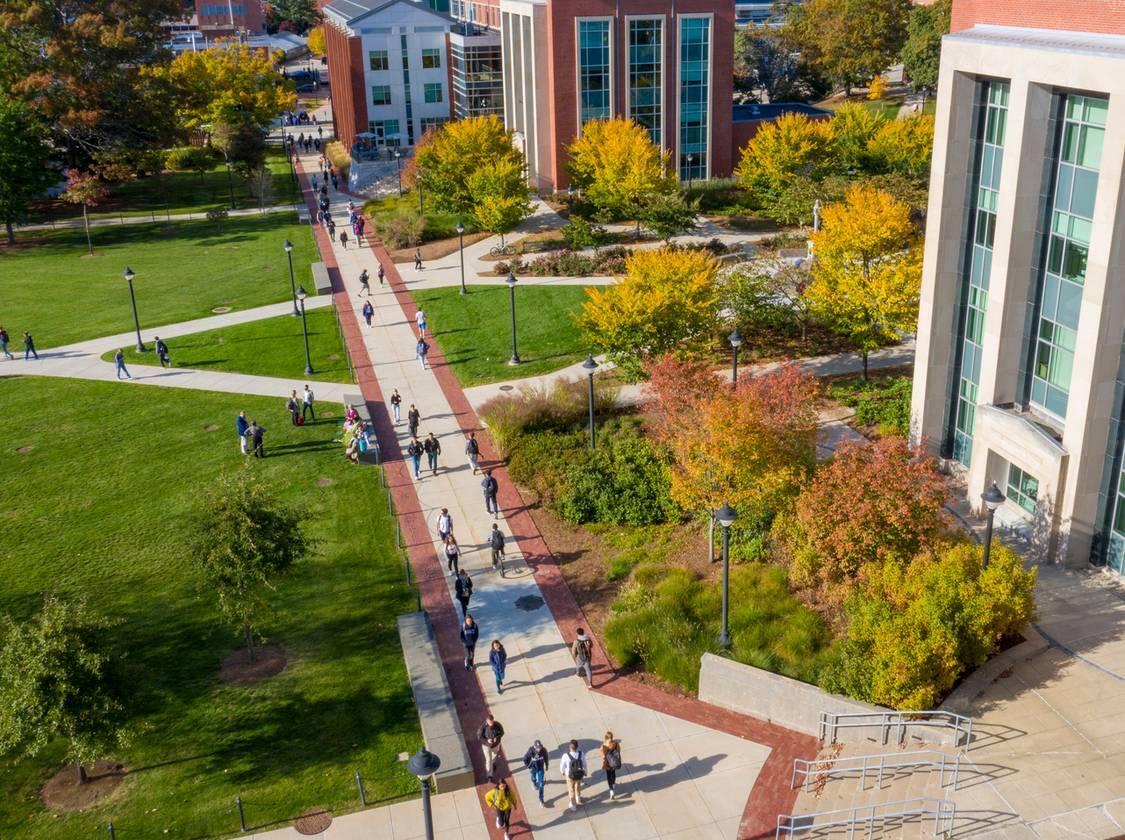
Campus Photos
university-of-connecticut

About university-of-connecticut
University of Connecticut: Courses, Fees, Admissions and Campus Life
Overview of the University of Connecticut
The University of Connecticut, widely known as UConn, is a public research university in the state of Connecticut, United States. Its main campus is located in Storrs, a college-town setting known for its academic environment, campus facilities and student community. The university also operates regional campuses, including those in Stamford, Hartford, Avery Point and Waterbury.
UConn offers undergraduate, graduate and professional education across a broad range of academic disciplines. Its combination of research opportunities, diverse academic departments and campus-based student experiences makes it an option for international students considering higher education in the United States.
The university serves students from different countries and backgrounds. International applicants can explore a variety of academic pathways, depending on their previous qualifications, English-language proficiency and intended degree. Students who do not meet every requirement for direct admission should review available pathway or language-support options through the appropriate admissions route.
Why Study at the University of Connecticut?
Choosing a university involves more than comparing rankings or tuition fees. Students should consider academic quality, learning resources, career preparation, campus environment and the total cost of studying abroad.
UConn offers several features that may appeal to international students.
Broad academic choice: Students can explore degrees across science, engineering, business, social sciences, humanities, education and other subject areas. Course availability and admission requirements differ by school and program.
Research-focused learning: As a public research university, UConn provides an environment in which academic study can connect with research, practical projects and specialist facilities. Opportunities depend on the student's course, academic progress and eligibility.
Multiple campus environments: The Storrs campus provides a traditional university-town experience, while regional campuses offer settings in locations such as Stamford and Hartford. Students should confirm the campus at which their chosen program is delivered.
International student community: Students from many countries study at UConn, creating opportunities to learn alongside people with different cultural and educational backgrounds.
Student development: University clubs, academic support, campus activities and career-development resources can help students build communication, teamwork and professional skills alongside their studies.
Prospective applicants should evaluate these features in relation to their own goals rather than assuming every opportunity is automatically available to every student.
Popular Courses and Academic Areas
UConn offers programs across numerous fields. The right choice depends on a student's academic background, career plans and preferred area of specialization.
Engineering and Technology
Students interested in engineering can explore fields such as mechanical, electrical, civil, chemical and computer engineering, subject to current program availability. Engineering applicants should pay particular attention to mathematics and science preparation because these subjects are important for admission and future coursework.
Students planning a technology-focused career should compare the curriculum, laboratory facilities, project opportunities and any specialization requirements of their preferred degree.
Business and Management
Business-related study may appeal to students interested in management, finance, analytics, entrepreneurship and organizational leadership. UConn offers undergraduate business education and specialized graduate options.
International students considering graduate business programs should check the exact qualification requirements, course duration, tuition structure and campus arrangements for their selected program. Graduate fees may differ considerably from undergraduate costs.
Computer Science and Data-Related Fields
Students interested in software, computing and data-oriented careers can investigate relevant computing and quantitative programs. Before applying, applicants should review course prerequisites, mathematics expectations and the technical subjects covered in the curriculum.
When comparing programs, students should look beyond the degree title. Programming languages, data structures, statistics, research opportunities and practical projects can vary by course.
Biological and Physical Sciences
UConn provides academic study across scientific disciplines. Students interested in biology, chemistry, physics or related areas should examine the structure of the curriculum, laboratory requirements and potential research opportunities.
Applicants considering health-related professional education should distinguish an undergraduate science degree from admission to a professional school. Admission to medical, dental or other professional programs can involve additional requirements and a separate selection process.
Social Sciences and Humanities
The university also offers study in fields such as psychology, economics, communication, political science, history and other humanities and social science disciplines. These areas can help students develop research, analytical, writing and communication skills.
Students should examine course modules, electives, internship possibilities and postgraduate pathways before selecting a program.
Graduate Study
UConn offers graduate education for students who have completed an appropriate undergraduate qualification. Graduate admission requirements vary by department and may include academic transcripts, prerequisite coursework, recommendation letters, a statement of purpose, standardized tests or relevant professional experience.
Some specialized graduate programs have their own tuition and funding structures. Applicants should consult the requirements for their chosen course rather than relying on a general university-wide checklist.
Admission Requirements for International Students
Admission requirements depend on the level of study, academic department, campus and entry route. Students should confirm the latest requirements before submitting an application.
Undergraduate Admission
International first-year applicants generally need to have completed secondary education equivalent to the US high-school curriculum and be eligible to enter university in their home country.
Applicants should prepare:
- Academic transcripts and school-leaving certificates.
- Evidence of English-language proficiency, where required.
- The application and supporting documents requested by the university.
- Additional academic information or materials required by the chosen course.
Students applying for engineering should pay particular attention to their preparation in mathematics, physics and chemistry. Other courses may have their own subject prerequisites.
UConn evaluates applications in the context of the applicant's educational background. Meeting minimum requirements does not necessarily guarantee admission, and more competitive programs may expect stronger academic preparation.
English-Language Requirements
International applicants may need to demonstrate English proficiency through an accepted test or another approved method.
Kaplan's UConn degree-admission information lists the following minimum English-language scores for the relevant undergraduate route:
- IELTS Academic: 6.5
- TOEFL iBT: 79
- Duolingo English Test: 100
These figures should be checked against the current requirements for the student's precise admission route and program. Requirements may differ for graduate courses, English-language programs or pathway options. Applicants should also confirm the university's rules for test validity, exemptions and score reporting.
Graduate Admission
Graduate applicants usually need a recognized bachelor's degree or equivalent qualification. Depending on the course, the application may also require academic references, a résumé, a personal statement, test scores or evidence of relevant experience.
Requirements can vary significantly between graduate departments. Students should confirm the application deadline, prerequisite subjects, English-language score and document format for their chosen course.
Kaplan Pathway and Degree-Admission Options
International students exploring UConn through Kaplan should identify which route applies to them. Students who already meet the relevant academic and English-language requirements may be eligible to apply for degree admission through the applicable process.
Kaplan also provides information about special pre-professional options and graduate admission. These routes have their own eligibility conditions and should not be treated as interchangeable.
Applicants who do not meet direct-entry requirements should ask an authorized adviser which pathway or language-support option, if any, fits their academic profile. A pathway route does not guarantee progression unless the stated academic, attendance and other conditions are met.
Tuition Fees and Cost of Attendance
Tuition is a major part of the cost of studying in the United States, but it is not the only expense international students need to budget for. Total costs can include mandatory university fees, accommodation, meals, health insurance, books, transportation and personal spending.
For the 2026–2027 academic year, UConn's published estimate for undergraduate and exchange students in the standard undergraduate category lists the following annual figures:
|
Expense |
Estimated annual cost |
|
Tuition |
USD 39,678 |
|
University fees |
USD 5,224 |
|
Tuition and fees combined |
USD 44,902 |
|
Estimated living expenses and other costs |
USD 25,747 |
|
Total estimated cost of attendance |
USD 70,649 |
These figures are estimates for the stated undergraduate category and should not be applied automatically to every campus, course or student type. Individual expenses can differ according to accommodation choices, insurance arrangements, enrollment and personal circumstances.
Graduate Tuition
Graduate tuition varies by degree and department. For example, UConn's published international-student information for certain graduate business programs lists different tuition totals depending on the program and study plan.
Applicants should check the official fee information for their exact graduate course and calculate the full cost across the expected duration of study. Additional summer terms, course fees or program-specific expenses may affect the final budget.
Additional Living Expenses
Students should budget for accommodation, food, health insurance, course materials, transportation and personal expenses. The amount required depends on the campus, housing arrangement and individual spending habits.
International students should also plan for initial costs such as travel, housing deposits, required documentation and other expenses incurred before classes begin. Financial planning should be based on the university's current estimate and the student's own circumstances.
Scholarships and Financial Support
Scholarships can help eligible students reduce the cost of studying abroad. Availability, award value and eligibility depend on the student's academic profile, degree level, program and funding conditions.
Kaplan's UConn information describes scholarship opportunities for eligible undergraduate and graduate applicants. Some awards may be considered automatically, while other forms of support may have separate requirements. Applicants should confirm the current award terms and whether the scholarship applies to their selected program.
Students should not assume that a scholarship is guaranteed or that it will cover the full cost of attendance. A realistic budget should account for the remaining tuition, fees and living expenses after any confirmed award.
Other possible funding sources may include eligible external scholarships, family funding or other lawful financial arrangements. Students should verify the rules governing each source and make sure they can meet the financial documentation requirements associated with their studies.
Campus Life and Student Experience
Campus life is an important part of the university experience. At UConn, students can explore academic events, student organizations, recreational facilities and activities that bring together people with different interests.
Storrs Campus
Storrs is UConn's main campus and offers a traditional university-town environment. Students can access academic facilities, student services, dining options and campus activities. The setting may appeal to students who prefer a university community with a substantial campus environment.
Regional Campuses
UConn also operates campuses in locations including Stamford, Hartford, Avery Point and Waterbury. Each campus has its own setting and program offerings. Students should verify where their degree is taught and whether they can access the services and facilities relevant to their course.
Clubs and Student Organizations
Student organizations provide opportunities to explore interests, meet classmates and develop leadership skills. Activities may include academic societies, cultural groups, recreational clubs and volunteering.
International students can use these opportunities to build connections and become familiar with university life. The organizations available and their activities may change from year to year.
Student Support
Students should become familiar with academic advising, international student services, health and wellbeing resources, career support and other campus services. These resources can help students navigate university expectations and manage the transition to studying in another country.
International students should also understand the conditions attached to their immigration status, including enrollment and employment restrictions where applicable. Official university guidance should be used for immigration-related questions.
Career Development and Future Opportunities
University study can help students develop subject knowledge, communication skills, analytical thinking and the ability to work with others. These skills can be valuable across different industries.
UConn students may have access to career-development services, networking activities, career fairs and other professional-development resources, depending on their program and eligibility. Students should explore these resources early and seek advice on internships, research positions or other relevant experiences.
International students must understand that employment authorization in the United States is governed by specific rules. Studying at a university does not automatically grant unrestricted permission to work. Students should consult the appropriate international student office before accepting employment or beginning an internship.
Career outcomes depend on several factors, including the student's field, academic performance, practical experience, professional network and prevailing employment conditions. Applicants should research their intended industry and evaluate how the course supports their goals.
How to Apply to the University of Connecticut
International applicants can use the following steps to organize their application.
Step 1: Choose a course. Identify the degree, campus and intake that match your academic background and career plans.
Step 2: Check eligibility. Review the academic prerequisites, English-language requirements and any additional course-specific criteria.
Step 3: Prepare documents. Gather transcripts, certificates, English test results and any additional materials required for the selected route.
Step 4: Submit the application. Follow the instructions for the appropriate UConn or Kaplan application route and provide accurate information.
Step 5: Review the offer. If admitted, check the offer conditions, deposit requirements, tuition, deadlines and any remaining documentation.
Step 6: Plan finances and immigration documentation. Confirm the funds required, follow the university's instructions for the relevant immigration documents and complete the necessary visa process.
Step 7: Prepare for arrival. Arrange accommodation, travel, insurance and orientation plans, and review the university's instructions for international students.
Application deadlines differ by course, campus and intake. Students should not rely on a single general deadline for every program.
Frequently Asked Questions
1. Is the University of Connecticut suitable for international students?
UConn welcomes international students and offers academic programs across multiple disciplines. Whether it is the right choice depends on the student's academic interests, budget, preferred campus and career plans.
2. How much does UConn cost for international undergraduate students?
For 2026–2027, the published estimated annual cost of attendance for the standard undergraduate category is USD 70,649, including tuition, university fees and estimated living and other expenses. Actual costs can vary.
3. What IELTS score is required for UConn?
Kaplan's listed minimum for the relevant undergraduate degree-admission route is IELTS Academic 6.5. Students should verify the current requirement for their exact program and entry route.
4. Can students apply to UConn through Kaplan?
Kaplan provides information and application support for specified UConn admission routes. Eligibility and available options depend on academic qualifications, English proficiency and the program selected.
5. Are scholarships available for international students?
Scholarship opportunities may be available to eligible students. Award amounts, conditions and availability vary, so applicants should confirm the terms for their specific course and intake.
6. Does UConn offer graduate programs?
Yes. UConn offers graduate study across a range of disciplines. Applicants should check the department's academic prerequisites, application documents, deadlines and tuition.
7. Does admission guarantee a job in the United States?
No. Admission and graduation do not guarantee employment. Career outcomes depend on the student's qualifications, experience, field and employment conditions, while international students must follow applicable work-authorization rules.
8. Which campus should international students choose?
The appropriate campus depends on the selected program and the student's preferences. Applicants should confirm the degree's teaching location, available facilities and accommodation arrangements before accepting an offer.
Conclusion
The University of Connecticut offers international students a range of undergraduate and graduate study options in a public research university environment. Its academic breadth, research setting, student organizations and multiple campuses provide different opportunities for students with varied interests.
Before applying, students should carefully compare their preferred course's admission requirements, tuition and total cost of attendance. Those considering a Kaplan-supported route should also verify the specific pathway conditions and progression requirements.
A well-informed decision should balance academic fit, affordability, campus preference and realistic career goals. Reviewing the current official requirements for the chosen program is the best way to prepare a strong and financially informed application.
Entry Requirements
General Entry Requirement
IELTS 6.5 overall
Fees & Scholarships
Annual Tuition Fees
USD 44,902 – USD 70,649
Ready to Apply to university-of-connecticut?
Our advisors guide you from eligibility check to offer letter — at no cost to you.
Join our WhatsApp Community
.jpeg)
Scan to join our student community for admission updates & guidance