
Annual FeesUSD 33,000 - USD 59,000
University of Colorado Denver (CU Denver)
LocationUS
Entry RequirementIELTS 6.5 overall
Visa Success Rate70%
Campus Photos
University of Colorado Denver (CU Denver)
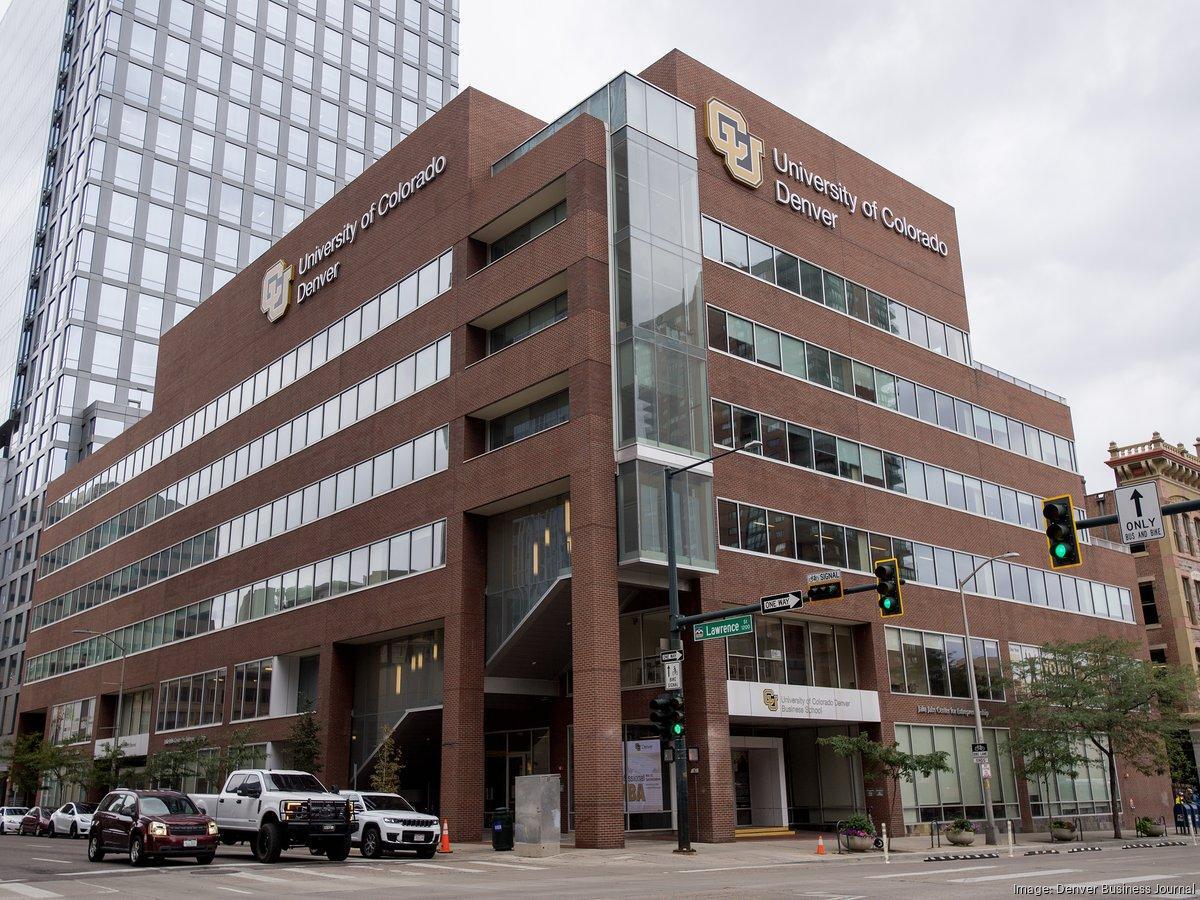
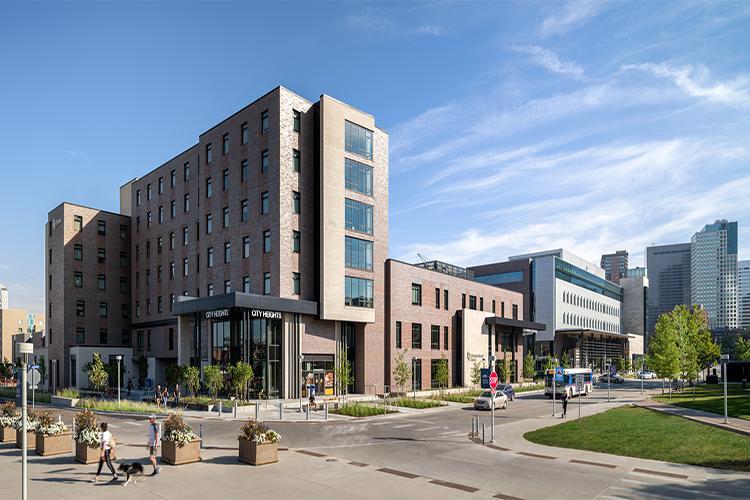
About University of Colorado Denver (CU Denver)
University of Colorado Denver: Courses, Tuition Fees, Admissions and Student Life
University Overview
The University of Colorado Denver (CU Denver) is a public research university located in downtown Denver, Colorado, United States. As part of the University of Colorado system, the university offers undergraduate and graduate education across a broad range of academic disciplines. Its urban location places students near businesses, healthcare organisations, government institutions, cultural venues and technology-related employers.
CU Denver provides academic programs in areas such as business, engineering, computer science, architecture, design, public affairs, health sciences, education, natural sciences and the arts. Students can explore different fields while developing the academic knowledge and professional skills relevant to their career goals.
The university's downtown campus is situated within the Auraria Campus area, which it shares with other educational institutions. This setting creates access to academic facilities, libraries, student services, cultural resources and public transportation connections.
CU Denver emphasises research, professional preparation and experiential learning. Depending on the program, students may participate in laboratory work, research projects, group assignments, internships and practical activities that complement classroom learning.
For international students, CU Denver offers an opportunity to study in a major American city while pursuing a recognised university degree. Its range of academic programs and international student support services may appeal to students interested in technology, business, design, engineering and other professional fields.
Prospective applicants should compare individual programs, admission requirements, total expenses and available scholarships before making a final decision. Costs and entry criteria can differ substantially across departments and academic years.
Why Choose the University of Colorado Denver?
One of CU Denver's main advantages is its broad selection of academic programs. Students can investigate undergraduate and graduate degrees across business, engineering, computing, architecture, design, education, science and public affairs.
The university's location in downtown Denver is another important consideration. Students have access to a metropolitan environment with organisations across healthcare, finance, technology, government, construction, professional services and other sectors. This setting can help students investigate internships, networking events and career opportunities, although employment is never guaranteed.
CU Denver also offers research and practical learning opportunities through its academic departments. Depending on the program, students may work with faculty on projects, use specialised laboratories or develop portfolios that demonstrate their skills.
The university welcomes international students from many countries and provides support for admission, immigration documentation and adjustment to campus life. International students can access information about housing, orientation, registration and other practical matters.
However, the university's overall reputation should not be the only basis for choosing a degree. Applicants should examine course content, accreditation, faculty expertise, internship arrangements, professional licensing requirements and total costs. These factors are particularly important for students pursuing technical or regulated professions.
Courses and Academic Programs
CU Denver offers undergraduate, graduate and professional study options across multiple schools and colleges. The curriculum and admission requirements depend on the selected degree.
Engineering and Computer Science
Students interested in technical careers can explore programs in engineering, computer science, computing and related disciplines. Depending on the course, subjects may include programming, software development, algorithms, databases, computer systems, cybersecurity and technical design.
Engineering programs can combine mathematics, scientific principles, laboratory activities and design projects. Students may study electrical, mechanical, civil, biomedical or other engineering-related subjects according to the current program catalogue.
Computer science students can develop skills in computational thinking, programming, systems analysis and software design. Specialisations and electives may provide opportunities to focus on particular technical interests.
Applicants should review the prerequisite subjects and course structure before applying. Some programs require a strong foundation in mathematics or science, while graduate programs may require previous coursework in a related discipline.
Students planning technical careers should also investigate program accreditation, laboratory access, research opportunities and practical experience. These details can help them determine whether a degree aligns with their intended occupation.
Business and Management
CU Denver's Business School offers education for students interested in management, accounting, finance, marketing, business analytics and related fields.
Business coursework may cover financial decision-making, organisational behaviour, marketing strategy, management principles, economics and data analysis. Depending on the degree, students may participate in case studies, presentations, team projects and other activities designed to develop professional skills.
Undergraduate programs can provide a foundation for entry-level business roles or further education. Graduate-level study may suit applicants seeking specialised knowledge or advanced management preparation.
Students should compare concentrations, course requirements, internship opportunities and admission criteria before selecting a business program. Applicants interested in a particular occupation should also investigate the qualifications and technical skills employers typically expect.
Architecture, Design and Creative Disciplines
CU Denver offers programs connected with architecture, urban planning, design and creative fields. These areas can appeal to students interested in the built environment, visual communication, digital media and the development of creative solutions.
Depending on the degree, students may work on design projects, develop portfolios, study planning principles or learn to use specialised creative software. Architecture and design programs often require substantial project work and may include additional materials or equipment expenses.
Applicants should confirm whether their chosen program requires a portfolio, previous design experience or specific academic preparation. They should also examine the facilities and practical learning opportunities available within the relevant department.
Health Sciences and Related Fields
Students interested in healthcare and public health can explore relevant academic programs and pathways offered through CU Denver and the wider University of Colorado educational environment.
Depending on the specific program and campus, coursework may cover health systems, biomedical sciences, public health, research methods or other specialised subjects.
Applicants must distinguish between academic study and professional qualification. Certain healthcare careers require additional degrees, clinical training, licensing examinations or supervised practice. Program availability and professional requirements should be confirmed for the exact course and intended career.
International students planning to work in a regulated healthcare profession should investigate licensing rules in advance, particularly if they intend to practise in the United States after graduation.
Education and Public Affairs
CU Denver provides opportunities to study education, public affairs and related disciplines. These programs can be relevant to students interested in teaching, educational leadership, public policy, administration and community development.
Coursework may involve research, policy analysis, communication, leadership and the evaluation of public services. Graduate programs can offer more specialised preparation for students who already hold an undergraduate degree.
Some careers in education and public administration have additional professional or state-specific requirements. Applicants should verify these conditions before choosing a program, especially if they intend to pursue a regulated occupation.
Natural Sciences and Liberal Arts
Students can also explore natural sciences, mathematics, social sciences and humanities disciplines at CU Denver. These programs support academic development in areas such as scientific reasoning, research, communication and analytical thinking.
Depending on the subject, students may participate in laboratory work, field activities, research projects or written assignments. The knowledge gained can support employment, further study or professional training.
Students considering research-based careers should investigate faculty research interests, laboratory facilities and opportunities to participate in academic projects. Applicants should also review the course catalogue to understand available majors and concentrations.
Tuition Fees and Cost of Studying
The cost of attending CU Denver depends on the degree, program, credit load, accommodation arrangements, insurance and personal expenses. International students should prepare a full budget that includes both university charges and the cost of living in Denver.
For the 2026–2027 academic year, CU Denver's published international undergraduate estimates place total annual costs at approximately US$60,852 to US$63,062 for the listed downtown campus programs. These estimates include tuition and fees, living expenses, books and insurance.
International graduate cost estimates vary more widely by program and credit load, with published total costs ranging from approximately US$46,847 to US$95,070. These figures are planning estimates rather than a single tuition rate for every student.
The university may revise tuition and living expense estimates for subsequent academic years. Applicants should confirm the amount applicable to their chosen program and intended intake before making financial commitments.
Tuition and University Fees
Tuition is one of the largest expenses for international students. The amount depends on the school or college, number of credits and selected degree.
For 2026–2027, CU Denver publishes different international undergraduate tuition estimates for programs in business, engineering, design, computing, architecture, arts and other academic areas. This means students should not assume that one tuition figure applies to every major.
Graduate tuition can vary considerably. Professional and specialised programs may have different credit requirements, tuition structures or additional course expenses.
Students should check whether the published estimate includes mandatory fees and health insurance. They should also determine whether tuition is charged per credit or according to a full-time course load.
Accommodation and Living Expenses
Housing and food are important components of the total budget. Students can investigate university-related housing and private accommodation in Denver.
Living near campus may reduce travel time and provide convenient access to academic buildings, student services and public transportation. However, housing prices vary by location, room type and lease arrangement.
Students considering private accommodation should account for rent, utilities, internet, deposits, furniture and food. They should also consider transportation costs when comparing housing farther from campus.
Denver offers a metropolitan lifestyle with restaurants, cultural venues, parks and other amenities. Personal spending can vary considerably, so students should establish a realistic monthly budget before arriving.
Health Insurance, Books and Other Expenses
International students should confirm CU Denver's health insurance requirements and the costs applicable to their immigration category.
Additional expenses may include books, course materials, software, laboratory supplies, mobile services, transport and personal items. Travel, visa-related charges and initial settlement expenses can also affect the amount needed before classes begin.
Students should retain an emergency reserve for unexpected expenses. Their financial plan should rely on confirmed resources rather than assuming that a future scholarship or job will cover the cost.
Admission Requirements for International Students
CU Denver offers separate application pathways for undergraduate and graduate applicants. Admission requirements depend on the student's previous education, intended program and entry term.
Undergraduate Admission
International undergraduate applicants generally need to demonstrate completion of secondary education equivalent to the required U.S. high school qualification.
Applicants should prepare academic transcripts, graduation documents and any required examination results. Documents issued in a language other than English may require certified translations.
CU Denver evaluates applications according to its admission policies and the requirements of the intended program. Some majors may have additional prerequisites, portfolio requirements or selection criteria.
Applicants should provide accurate information about their educational history and follow the university's instructions for submitting official records. Students transferring from another institution may need to provide additional transcripts and information for credit evaluation.
Graduate Admission
Graduate applicants generally need a suitable bachelor's degree or other qualifying previous education. They must submit academic records and meet the requirements of their chosen department.
Additional materials may include a statement of purpose, résumé or curriculum vitae, letters of recommendation, writing samples, portfolio materials or test scores. Requirements vary by program.
Applicants should consult the individual graduate department's instructions rather than assume that all master's and doctoral programs have the same criteria. Some programs may require particular prerequisite courses, minimum GPA standards, relevant professional experience or additional documentation.
Students interested in research-based graduate study should investigate faculty research areas and determine whether the program aligns with their academic interests.
English Language Proficiency
International applicants may need to demonstrate English proficiency if they do not qualify for an approved exemption.
CU Denver accepts specified forms of English-language evidence, including approved TOEFL, IELTS and Duolingo English Test results. Minimum scores and exemptions depend on the admission category and applicable university policy.
Applicants should verify the required score for their intended program and ensure that their results meet the university's validity and submission rules. Graduate programs may have different expectations from undergraduate admissions.
Students who do not meet the required standard should contact international admissions to ask about available English-language preparation options. Meeting the English requirement alone does not guarantee admission; academic qualifications and program-specific criteria must also be satisfied.
Application Process and Deadlines
The application process begins with selecting an academic program and reviewing the admission requirements for the intended entry term.
International undergraduate applicants should complete the appropriate online application and pay the required fee. CU Denver's international undergraduate application fee is listed as US$75 and is non-refundable. Graduate applicants should confirm the fee applicable to their program and application pathway.
Applicants must prepare academic records, English-language test results and any additional documents requested by their department. Some programs may require recommendations, a personal statement, a portfolio or other supporting materials.
CU Denver uses rolling admission processing for undergraduate applications, but deadlines still apply. Published undergraduate deadlines vary by term and by whether an applicant is applying from outside or inside the United States. Graduate deadlines differ by program.
Students should check the current admissions calendar and allow sufficient time for documents to be received and evaluated. Applying early may also help students meet scholarship consideration dates.
After submission, applicants should monitor their application portal and respond to requests for additional information. Once admitted, they should follow university instructions for accepting the offer, completing financial documentation and preparing for arrival.
International students should not make non-refundable travel commitments until their admission and relevant immigration arrangements have been sufficiently confirmed.
Scholarships and Financial Assistance
Scholarships can help reduce the cost of studying at CU Denver. The university provides several forms of financial assistance for eligible international students, but eligibility, award amounts and deadlines vary.
CU Denver lists automatic merit-based undergraduate scholarships of approximately US$5,000 to US$10,000 per academic year for eligible students, depending on academic performance and other applicable conditions. These awards are not available to every applicant or every study format.
The university also lists additional merit and program-specific scholarship opportunities. Some require a separate application and may have priority deadlines or limited funding.
Students should carefully review the eligibility requirements, renewal conditions and duration of each award. They should confirm whether a scholarship applies to tuition only or helps cover other expenses.
International students should not assume that scholarship funding will cover the full cost of attendance. Students in F-1 or J-1 status are generally not eligible for U.S. federal student aid reserved for eligible U.S. citizens and other qualifying categories, although university-specific awards and other permitted sources may be available.
A realistic financial plan should be based on confirmed funding and current cost estimates.
Campus Facilities and Learning Environment
CU Denver's downtown campus provides academic facilities designed to support learning, research and student engagement. These include classrooms, laboratories, computer resources, libraries, study areas and student support services.
Students in engineering, computing and scientific disciplines may have access to specialised equipment and laboratories relevant to their courses. Architecture and design students may use facilities that support project-based work and portfolio development.
Libraries and study spaces provide environments for individual research and group assignments. Academic advising and other student services can help learners understand course requirements and navigate university policies.
The university's urban location also places students near cultural institutions, professional organisations and other resources in central Denver. The opportunities available to an individual student depend on their program, enrolment and participation.
Prospective applicants should examine the facilities and resources most relevant to their intended degree rather than assume every resource is available to every student.
Student Life at CU Denver
Student life at CU Denver combines academic study with cultural activities, student organisations, events and recreation. Its location in downtown Denver offers opportunities to experience a major American city while participating in university activities.
Student Organisations and Campus Activities
Student organisations can help learners explore academic interests, professional development, culture, volunteering and recreation.
Participation may allow students to build friendships, practise communication and develop leadership skills. International students can use these activities to meet classmates and become more familiar with American campus life.
Students should review the current list of clubs and events because schedules and membership requirements may change throughout the academic year.
Arts, Culture and Recreation
Denver offers museums, theatres, music venues, restaurants, parks and community events. Students can explore these resources during their free time, depending on their budget and interests.
Outdoor recreation is another attraction of the region. Hiking, cycling, skiing and other activities are available in and around Colorado, although travel distances and seasonal conditions should be considered.
Students should plan recreation around their academic responsibilities and prepare for the local climate, especially during winter.
International Student Support
International students may need support with academic registration, housing, immigration documentation, health insurance and cultural adjustment.
CU Denver's international admissions and international student services teams provide information about the steps students must complete before and after arrival. Students should use official university guidance for questions about immigration status and required documentation.
Orientation programs and campus resources can help new students understand university expectations and settle into their surroundings. Building a support network and asking questions early can make the transition easier.
Accommodation Options
Students can compare university-related housing with private accommodation in Denver. The right option depends on budget, lifestyle, availability and preferred distance from campus.
Housing near the downtown campus can provide convenient access to classes, public transportation, student services and city amenities. However, students should compare total housing costs rather than focusing only on rent.
Private accommodation may offer more flexibility in room type and location. Applicants should carefully review lease periods, deposits, utility charges, internet costs and cancellation policies before signing an agreement.
Students should begin their housing search early and confirm move-in dates before arranging travel. They should also determine whether their chosen accommodation is suitable for their daily schedule and academic commitments.
Career Development and Employment Opportunities
CU Denver's programs can help students develop academic and practical skills relevant to their future careers. Depending on the degree, students may have opportunities to participate in research, projects, internships, networking events and other professional development activities.
Business students may explore careers in finance, accounting, marketing, management and analytics. Computing and engineering graduates may pursue technical roles in software, systems, engineering and related industries. Architecture, design, health, education and public affairs programs can lead to other pathways depending on qualifications and professional requirements.
The university's location in Denver provides access to a range of employers and organisations. However, internships and employment are not guaranteed. Opportunities depend on individual qualifications, employer requirements, the job market and applicable immigration rules.
International students must understand the restrictions associated with their immigration status. Students should consult university international student advisers before beginning employment, internships or practical training that may require authorisation.
Students planning to remain in the United States after graduation should research the relevant post-completion employment rules early. Admission to CU Denver does not guarantee employment, work authorisation or future immigration approval.
Denver as a Student Destination
Denver is the capital of Colorado and a major metropolitan centre in the western United States. The city offers a mix of business districts, cultural venues, parks, restaurants, shopping areas and public transportation.
Its economy includes healthcare, technology, finance, professional services, government, education and other sectors. Students may explore local employers and professional events related to their studies, while recognising that career opportunities depend on their qualifications and the market.
The city's outdoor attractions are another consideration. The Rocky Mountains and nearby recreation areas provide opportunities for hiking, cycling and winter sports, although some destinations require additional travel and planning.
Living expenses vary by neighbourhood and lifestyle. Students should compare accommodation, transportation, food and personal expenses before choosing where to live.
Denver experiences warm summers and cold winter conditions, with weather varying across the year. Students moving from another country should prepare suitable clothing and familiarise themselves with local transport and seasonal conditions.
Is the University of Colorado Denver the Right Choice?
CU Denver may suit students seeking a public university with a broad selection of academic programs and a location in a major American city.
Its offerings in business, engineering, computer science, architecture, design, education, public affairs and other fields provide different pathways for undergraduate and graduate study. Its international student services and urban setting may also appeal to applicants who value access to professional organisations and city amenities.
However, the university may not be the right choice for every student. Applicants should compare the curriculum, total cost of attendance, scholarship eligibility, accommodation options, program accreditation and career pathways associated with their intended degree.
International students should also verify current admissions requirements, tuition estimates and application deadlines. These details can change between academic years, so using the latest official information is essential for making an informed decision.
Conclusion
The University of Colorado Denver is a public research university offering undergraduate and graduate education across a variety of academic disciplines. Its downtown location, academic programs, research opportunities and access to Denver's professional and cultural environment make it an option worth considering for international students.
Prospective applicants should begin by selecting an appropriate program and confirming the academic and English-language requirements. They should then calculate tuition and living expenses, investigate scholarships and housing, prepare the required documents and understand the immigration process applicable to their circumstances.
By comparing these factors carefully, students can determine whether CU Denver aligns with their academic interests, financial circumstances and long-term career goals.
Entry Requirements
General Entry Requirement
IELTS 6.5 overall
Fees & Scholarships
Annual Tuition Fees
USD 33,000 - USD 59,000
Ready to Apply to University of Colorado Denver (CU Denver)?
Our advisors guide you from eligibility check to offer letter — at no cost to you.
Join our WhatsApp Community

Scan to join our student community for admission updates & guidance