
Annual FeesUSD 44,000 - USD 45,900
University of Central Florida (UCF)
LocationUS
Entry RequirementIELTS 6.5 overall
Visa Success Rate75%
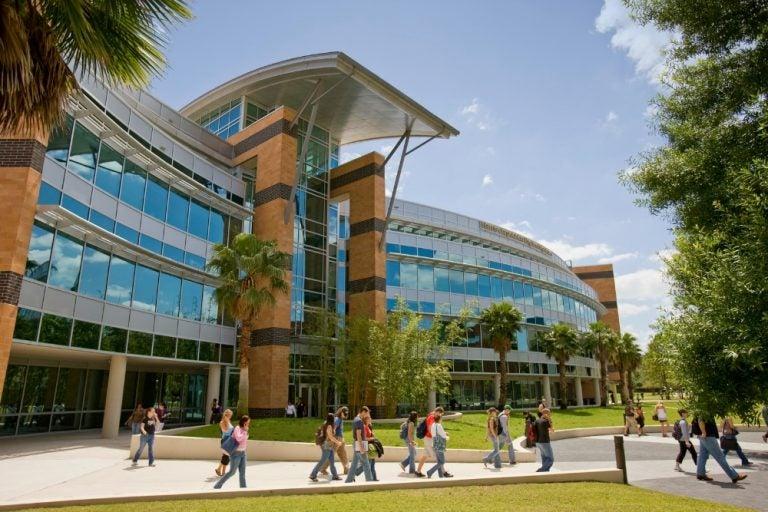
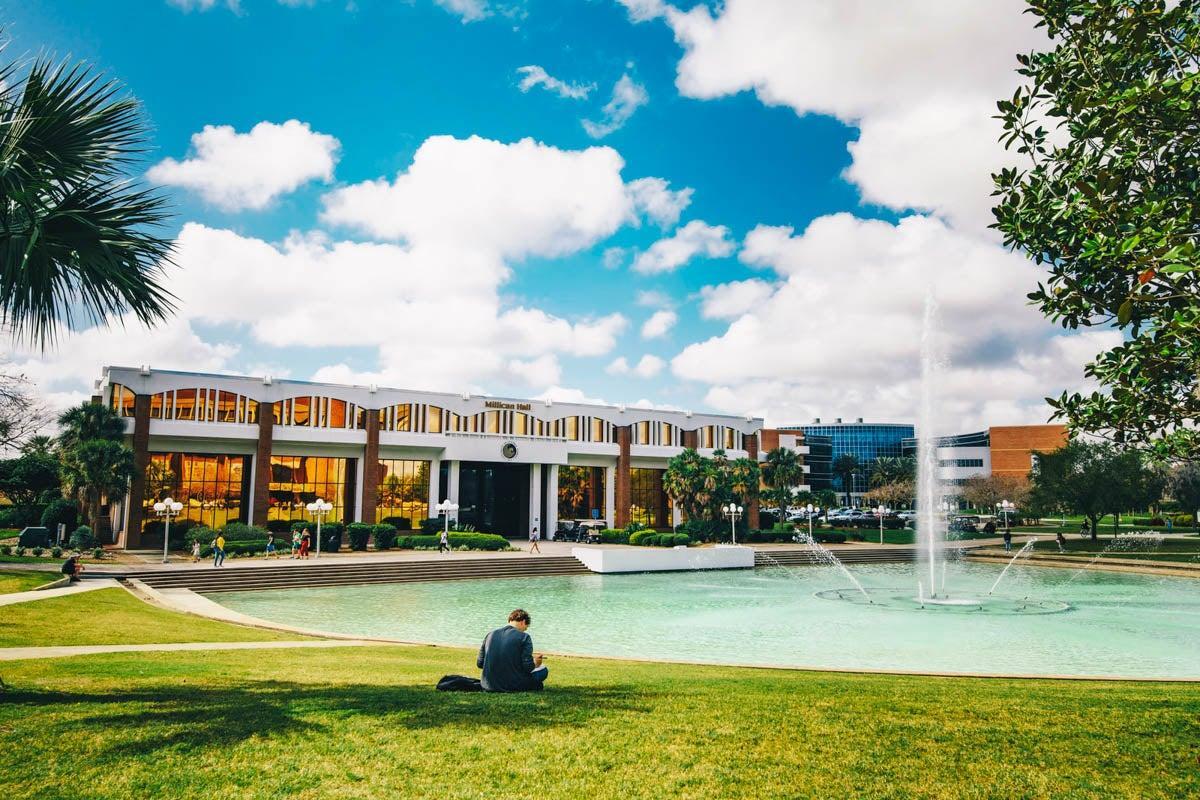
Campus Photos
University of Central Florida (UCF)
About University of Central Florida (UCF)
University of Central Florida: Courses, Tuition Fees, Admissions and Student Life
University Overview
The University of Central Florida (UCF) is a public research university located in Orlando, Florida, United States. Established in 1963, the university has grown into a major institution offering a wide range of undergraduate, graduate and professional education opportunities. Its location in Central Florida places students near a diverse economy that includes technology, aerospace, hospitality, healthcare, entertainment and business services.
UCF is known for its broad academic offerings, research activities and emphasis on career preparation. The university brings together students from different backgrounds and countries, creating an environment where learners can develop academic knowledge, practical skills and international perspectives.
The university's main campus in Orlando provides classrooms, laboratories, libraries, student accommodation, recreation facilities and spaces for clubs and campus activities. UCF also operates in a region with connections to employers and research organisations, giving students opportunities to explore internships, collaborative projects and professional development.
For international students, the University of Central Florida can be an option for those seeking a degree in the United States while studying in a large metropolitan area. However, admission requirements, tuition expenses and eligibility for particular programs depend on the selected course and applicant category.
Why Choose the University of Central Florida?
One of UCF's main advantages is its range of academic disciplines. Students can explore fields including engineering, computer science, business, health sciences, psychology, education, sciences, hospitality management and the arts. This variety makes the university relevant to students with different academic interests and career objectives.
UCF also places importance on research, innovation and experiential learning. Depending on their program, students may have opportunities to participate in research projects, laboratory activities, group assignments, internships and other practical experiences. These activities can help learners connect classroom concepts with professional applications.
Another consideration is the university's location. Orlando is internationally recognised for tourism and entertainment, but its economy also includes technology, healthcare, aerospace, simulation and training, financial services and advanced manufacturing. The availability of opportunities varies by industry and individual qualifications, but the local environment can help students investigate career pathways beyond the classroom.
The university's student community provides opportunities to meet people with different experiences and interests. Academic clubs, cultural organisations, professional associations, volunteering opportunities and recreational activities can help students develop communication skills and build friendships.
Prospective students should still evaluate each program individually. Course structure, faculty expertise, laboratory access, internship arrangements, accreditation and total cost can differ across academic departments. Choosing a university should involve comparing these details with personal goals rather than relying on the institution's overall reputation alone.
Courses and Academic Programs
The University of Central Florida offers undergraduate and graduate programs across a wide range of disciplines. Students can choose a major according to their previous education, interests and intended career direction.
Engineering and Computer Science
Engineering and computing are important areas of study at UCF. Depending on the program, students can explore computer science, information technology, electrical engineering, mechanical engineering, aerospace-related fields and other technical disciplines.
Computer-focused programs may cover programming, algorithms, software development, databases, computer systems, cybersecurity and related subjects. Engineering programs typically combine theoretical foundations with laboratory work, design projects and technical problem-solving.
Students considering these fields should review the mathematics and science prerequisites for their intended program. Some majors may have additional admission criteria, prerequisite courses or progression requirements. Applicants should also compare the curriculum with the technical skills needed for their preferred career.
Business and Management
UCF offers business-related education for students interested in organisational management, finance, accounting, marketing, economics and entrepreneurship. Depending on the degree, coursework may focus on financial decision-making, business communication, data analysis, market research, management principles and strategic planning.
Business students may benefit from group projects, case studies, presentations and opportunities to develop professional networks. Students interested in a particular career should check the subjects included in the curriculum and whether the program provides relevant experiential learning opportunities.
Graduate-level business education may suit applicants who already hold a bachelor's degree and want to develop more specialised management or analytical skills. Admission requirements, work experience expectations and application procedures differ across graduate programs.
Sciences and Mathematics
UCF provides opportunities to study disciplines such as biology, chemistry, physics, mathematics and related scientific fields. These programs can provide foundations for scientific research, technical careers, further study or professional education.
Students may study theoretical concepts alongside laboratory exercises, data analysis and research methods. Applicants planning to pursue postgraduate research should investigate faculty research areas, laboratory facilities and opportunities for undergraduate research participation.
Some science programs may include specific prerequisite subjects or recommended coursework. Students should confirm these requirements before applying, particularly if their previous education was completed outside the United States.
Health Sciences and Psychology
Health-related programs and psychology attract students interested in healthcare systems, human behaviour, public health and related fields. The appropriate course depends on whether the student's objective is healthcare administration, research, community health, clinical preparation or another professional pathway.
A bachelor's degree in a health-related discipline does not automatically qualify a graduate to practise a regulated healthcare profession. Additional education, licensing examinations, supervised experience or professional certification may be required.
International students should carefully investigate the licensing rules and educational requirements associated with their intended career, especially if they plan to work in a regulated profession after graduation.
Hospitality, Education and the Arts
UCF's location in Orlando provides a relevant setting for students interested in hospitality, tourism and event-related industries. Programs in these areas can cover service management, operations, customer experience and business strategy.
The university also offers study options in education, communication, arts and humanities. These disciplines allow students to develop subject-specific knowledge, analytical thinking, creativity and communication skills.
Because degree structures differ, prospective applicants should review the individual course catalogue to understand available specialisations, electives, practical components and graduation requirements.
Tuition Fees and Cost of Studying
Tuition and living expenses are important considerations for international applicants planning to study at the University of Central Florida. The final cost depends on the degree level, academic program, number of credits, housing arrangements, insurance requirements and personal spending habits.
UCF Global publishes estimated costs for international students. An illustrative annual estimate previously listed for planning purposes is approximately US$44,291 for undergraduate students and US$45,912 for graduate students. These figures include estimated tuition and fees, living expenses and mandatory health insurance rather than tuition alone. Students should confirm the latest figures for their intended entry term before making financial commitments.
Tuition and University Fees
Tuition is influenced by the student's degree level, enrolment status and course selection. Some programs may include additional costs for laboratories, equipment, specialised instruction or other academic requirements.
Applicants should distinguish between tuition and the overall cost of attendance. A published total-cost estimate may include housing, food, transport, books, personal expenses and insurance, all of which are separate from academic tuition charges.
International students should obtain a program-specific estimate and check whether fees are charged per credit, semester or academic year. Graduate programs may have different tuition structures from undergraduate degrees, and professional or specialised courses can involve additional expenses.
Accommodation and Living Expenses
Housing is another significant part of the student budget. Students may consider university-managed residence halls, university-affiliated apartments or private accommodation in the Orlando area.
Residence halls can offer convenient access to academic facilities and campus activities. Private accommodation may provide more flexibility, but students should consider rent, utility bills, transport costs, deposits and the distance from campus.
Food, mobile services, books, personal supplies and recreation should also be included in the budget. Students who live farther from campus may need to allow additional money for transport.
Health Insurance and Additional Costs
International students may need to meet specific health insurance requirements. Insurance costs and coverage conditions should be checked with the university for the relevant academic year.
Other expenses can include visa-related charges, travel, document evaluation, course materials and initial settlement costs. These may not all appear in a university's tuition figure.
A sensible financial plan should include an emergency reserve in addition to the expected annual expenses. Students should also review payment deadlines and any university policies regarding deposits or outstanding balances.
Admission Requirements for International Students
International admission requirements at UCF depend on whether the applicant is entering as a first-year undergraduate student, a transfer student or a graduate student. The selected major can introduce additional academic prerequisites.
Undergraduate Admission
Applicants seeking a bachelor's degree generally need to provide academic records showing completion of the required secondary education. UCF evaluates international academic credentials according to its admission policies and the applicant's educational system.
First-year applicants may need to submit high school transcripts, graduation records and standardised test scores accepted by the university. Required documents can vary according to the applicant's circumstances and current admissions policy.
Applicants should identify their intended major before applying because some programs have limited access, prerequisite requirements or additional selection criteria. Meeting minimum admission requirements does not guarantee acceptance.
Students transferring from another college or university may need to submit transcripts from their previous institutions. International postsecondary coursework may require a course-by-course credential evaluation through an evaluation organisation accepted by UCF.
Graduate Admission
Applicants for master's, doctoral and graduate certificate programs generally need to meet the academic requirements for the selected course. This commonly involves holding an appropriate previous degree and providing official transcripts.
Some programs may request a statement of purpose, letters of recommendation, a résumé or curriculum vitae, a portfolio, relevant professional experience or standardised test scores. Research-based programs may also require applicants to identify a suitable research area or potential faculty supervisor.
Requirements and deadlines are established by individual graduate programs, so prospective students should consult the department's current instructions rather than assume that all graduate applications follow the same process.
English Language Proficiency
International applicants whose previous education or circumstances do not qualify for an exemption may need to demonstrate English proficiency.
UCF accepts specified forms of English-language evidence, including qualifying IELTS, TOEFL and Duolingo English Test scores, along with other approved alternatives. The published undergraduate requirements include an IELTS score of at least 6.5 and a Duolingo English Test score of at least 120. TOEFL requirements depend on the test format and the date the examination was taken, so applicants should confirm the current standard.
English proficiency requirements may differ by program and degree level. Applicants should check which tests are accepted, the minimum score for their intended course and whether results must be sent directly by the testing organisation.
Meeting an English-language requirement does not by itself guarantee admission. Academic qualifications, document completeness and program-specific criteria remain important.
Application Process and Important Deadlines
The application process begins with selecting the appropriate degree and reviewing the requirements for the intended intake.
Applicants should complete the relevant online application and pay the required application fee. UCF's undergraduate application information lists a non-refundable fee of US$30; applicants should confirm the current fee displayed during the application process.
The next step is submitting academic records and other required documents. These may include transcripts, graduation certificates, English proficiency results, standardised test scores and certified translations where necessary. Applicants should ensure that their documents match the university's instructions for their country and qualification type.
International students must also complete the immigration-documentation process required for their intended study status after admission. This can include providing financial documentation and other information requested by the university.
Application deadlines vary by entry term, student category and program. Graduate departments may set deadlines that differ from general undergraduate dates. Students should plan ahead because transcript evaluations, test results and international document delivery can take time.
After submitting the application, applicants should monitor the university's application portal and respond promptly to requests for additional information. They should not make non-refundable travel or housing commitments until their admission and relevant immigration arrangements are sufficiently confirmed.
Scholarships and Financial Assistance
Scholarship availability is an important consideration for students comparing universities in the United States. UCF provides information about financial assistance and scholarship opportunities, but eligibility varies by award, academic level and student category.
International students should carefully review each scholarship's eligibility criteria, deadlines and renewal requirements. Some awards may be limited to particular programs, academic achievements or applicant groups.
Students studying in the United States on F-1 or J-1 status are generally not eligible for U.S. federal student aid. However, individual university awards or other permitted funding sources may be available depending on the specific conditions.
Applicants should not assume that a scholarship will automatically be awarded after admission. They should confirm whether a separate application is required, how the award affects the cost estimate and whether the funding continues in later academic years.
A realistic financial plan should be based on confirmed funding rather than the possibility of receiving a future scholarship.
Campus Facilities and Learning Environment
UCF's main campus provides facilities intended to support academic work, research and student development. Students can access learning spaces, libraries, laboratories and other resources according to their enrolment and university policies.
Libraries and study areas support individual learning, research and group assignments. Students may also have access to academic advising, tutoring or other learning support services, depending on the service and their eligibility.
Laboratory and specialised facilities are particularly relevant to students in engineering, computing, science and selected professional disciplines. The facilities available to a student depend on their program and course requirements.
The university's digital learning systems help students access course materials, communicate with instructors and manage academic responsibilities. Students should familiarise themselves with the systems and academic policies used by their individual departments.
Facilities alone do not determine the quality of an educational experience. Students should also consider class formats, access to faculty, course availability and the level of support offered within their chosen major.
Student Life at the University of Central Florida
Student life at UCF extends beyond academic classes. The university offers opportunities to participate in student organisations, cultural events, recreational activities, volunteering and professional development.
With students from many backgrounds, the campus can provide opportunities to build friendships and learn about different cultures. International students may find it helpful to join organisations related to their interests, academic discipline or home region.
Clubs and Student Organisations
Student organisations can help learners explore interests and develop skills outside the classroom. Activities may include academic competitions, cultural events, professional networking, volunteering and recreational gatherings.
Participation can also help students practise teamwork, communication and leadership. Students should review current club listings and membership requirements because activities and availability can change.
Sports and Recreation
UCF provides opportunities for recreational activities and collegiate sports. Students interested in fitness or social recreation can investigate the available facilities, intramural activities and student participation options.
Sports and recreation can be useful ways to maintain a balanced routine and meet other students. Participation requirements differ across recreational and competitive activities.
Support for International Students
International students need to manage academic responsibilities alongside practical matters such as housing, immigration documentation, health insurance and cultural adjustment.
UCF Global provides information and support related to international student processes. Students should use official university guidance for immigration questions and keep track of document deadlines and reporting requirements.
New students may also benefit from orientation, academic advising and student support services. These resources can help them understand university expectations and adjust to studying in a different education system.
Accommodation Options
Students considering UCF can compare university housing with private rental options in Orlando. The right choice depends on budget, preferred lifestyle, availability and travel time to academic facilities.
University-managed accommodation may offer a campus-oriented experience and convenient access to classes and student activities. Students should check the types of rooms available, meal-plan requirements, contract periods and application deadlines.
Private accommodation can provide different room types and price ranges. However, advertised rent may not include utilities, internet, transport, furniture or other household costs. Students should read rental agreements carefully and understand deposit and cancellation terms before signing.
It is advisable to investigate housing early, especially for high-demand intake periods. International students should confirm their accommodation arrangements before travelling and ensure that the expected move-in date is compatible with university orientation and course schedules.
Career Development and Employment Opportunities
UCF's academic programs can help students develop knowledge and skills relevant to employment or further study. Career preparation may involve coursework, projects, career advising, networking events, internships and employer engagement, depending on the student's program.
Students in computing and engineering may explore opportunities related to software, systems, technology, design or research. Business students may investigate areas such as marketing, finance, operations and management. Students in sciences, health-related fields, hospitality and other disciplines can pursue pathways aligned with their qualifications and professional requirements.
Internships and other work experiences are not guaranteed. Availability depends on the employer, program, student's qualifications and applicable regulations. International students must understand the employment restrictions associated with their immigration status and obtain any required authorisation before beginning work.
Students planning to remain in the United States after graduation should research the relevant post-completion employment rules early. Eligibility depends on the immigration category, degree and other conditions; admission to a university does not guarantee future employment or immigration approval.
Orlando as a Student Destination
Orlando offers an urban environment with a mix of entertainment, hospitality, healthcare, business and technology-related activity. Its international visibility is closely connected to tourism, while the wider Central Florida region also supports other industries.
Students can explore local attractions, cultural venues, parks, shopping areas and community activities during their free time. The city offers a different experience from a smaller college town, with access to metropolitan amenities and a broad range of neighbourhoods.
Living costs and travel times vary considerably by location. Students should compare accommodation options based on total monthly expense, distance from campus and access to transport rather than relying only on the advertised rent.
Florida's climate is generally warm, with hot and humid summers and a rainy season. Students moving from another country may need time to adjust to the weather, transport arrangements and local routines.
Is the University of Central Florida the Right Choice?
The University of Central Florida may suit students who want a broad range of degree options, access to research and learning facilities, a large student community and a location in a major Florida metropolitan area.
Its range of academic disciplines can appeal to students interested in technology, engineering, business, science, health-related studies, hospitality and other fields. The campus environment also provides opportunities to participate in organisations, recreational activities and professional development.
However, students should compare UCF with other institutions before making a final decision. Important factors include the exact curriculum, total cost, scholarship eligibility, class availability, housing expenses and the career outcomes relevant to the chosen program.
Applicants should also confirm the current entry requirements and immigration-documentation process. International admission policies and costs can change between academic years, so relying on outdated figures can create avoidable financial or application problems.
Conclusion
The University of Central Florida is a public research university in Orlando that offers undergraduate and graduate study across a wide range of academic disciplines. Its academic environment, research opportunities, student organisations and location in Central Florida make it an institution worth considering for students exploring higher education in the United States.
Prospective international students should begin by identifying a suitable major, checking the program-specific admission requirements and preparing a complete application. They should also obtain an up-to-date estimate of tuition, living expenses and insurance, investigate available funding and plan their accommodation in advance.
By comparing these factors carefully, students can determine whether the University of Central Florida aligns with their academic interests, financial circumstances and long-term career plans.
Entry Requirements
General Entry Requirement
IELTS 6.5 overall
Fees & Scholarships
Annual Tuition Fees
USD 44,000 - USD 45,900
Ready to Apply to University of Central Florida (UCF)?
Our advisors guide you from eligibility check to offer letter — at no cost to you.
Join our WhatsApp Community

Scan to join our student community for admission updates & guidance