
Annual Fees£17,000 and £28,000
University of Buckingham
LocationUK
Entry RequirementIELTS 6.5 overall
Visa Success Rate95%
Campus Photos
University of Buckingham
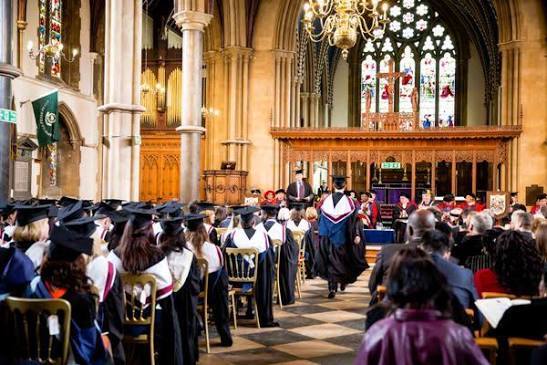

About University of Buckingham
University of Buckingham: A Fast-Track University with Small Classes, Strong Graduate Prospects and Specialist Professional Courses
The University of Buckingham is an independent university located in Buckingham, England, with a distinctive academic model built around shorter undergraduate degrees, small-group teaching and personalised education. Founded in 1976, it became the UK's first independent university with a Royal Charter in 1983. Unlike most UK universities, Buckingham's standard undergraduate degrees can often be completed in two years rather than three, allowing students to enter employment or postgraduate study sooner.
The university offers programmes across Business, Computing, Law, Psychology, Medicine, International Relations, Security and Intelligence, Humanities, Social Sciences and other professional disciplines.
One of Buckingham's biggest advantages is its small-scale learning environment. The university positions itself around individual attention, small class sizes and close relationships between students and lecturers.
What is the University of Buckingham Known For?
The University of Buckingham is particularly known for:
- Two-year accelerated undergraduate degrees
- Small-group teaching
- Medicine
- Computing
- Business and Management
- Psychology
- Law
- International Relations
- Security and Intelligence
- Flexible January and September starts on selected courses
- Strong graduate-prospect outcomes
The university's accelerated model allows students on eligible programmes to complete an undergraduate degree in two years, compared with the traditional three-year UK structure. Students can also potentially progress from a two-year bachelor's degree to a Master's and complete both qualifications in around three years.
Computing & Technology
Buckingham offers computing programmes covering areas such as:
- Computing
- Computer Science
- Artificial Intelligence
- Cyber Security
- Software-related subjects
- Data and digital technologies
Computing is one of the university's strongest areas in terms of graduate prospects. The Complete University Guide 2027 places Buckingham joint 1st for graduate prospects outcomes in Computer Science.
Business & Management
Students can study:
- Business Management
- Business
- Accounting and Finance
- Economics
- Entrepreneurship
- Marketing
- International Business
Buckingham's Business and Management programmes combine academic study with professional and practical skills.
The university is also ranked in the top 10 for student satisfaction in Business and Management in the Complete University Guide 2027.
Medicine
Medicine is one of Buckingham's most distinctive areas.
The university offers the MB ChB Medicine, including an accelerated 4.5-year medical degree.
The University of Buckingham Medical School is particularly notable because its medical programme is shorter than the standard five- or six-year UK medical degrees.
The university currently lists a £47,000 international tuition fee for the first year of the January 2027 MB ChB, with a total listed tuition cost of £211,500 over 4.5 years.
Medicine also performs strongly in graduate-prospect measures, with Buckingham listed joint 1st for graduate prospects in Medicine in the Complete University Guide 2025.
Psychology
Psychology is another important area at Buckingham.
Students can explore:
- Psychology
- Clinical psychology-related subjects
- Behavioural science
- Research methods
- Cognitive psychology
- Social psychology
Buckingham is listed among the top 10 universities for Psychology graduate prospects in the Complete University Guide.
Law
Buckingham offers programmes covering:
- Law
- Commercial law
- International law
- Legal studies
- Professional legal education
The smaller teaching environment can be useful for students who prefer closer academic interaction.
International Relations
Buckingham offers a BA (Hons) International Relations, covering topics such as:
- Global politics
- International security
- Conflict
- Cooperation
- World economy
- Global order
The programme can be completed in two years, and students can potentially progress to Master's programmes such as United Nations and Diplomatic Studies, Security and Intelligence Studies, or Security, Intelligence and Diplomacy.
Security & Intelligence
Buckingham has specialist programmes connected to:
- Security
- Intelligence
- Diplomacy
- International relations
- Strategic studies
This makes the university particularly interesting for students interested in international affairs, intelligence and security careers.
University of Buckingham Rankings – Strong Graduate Prospects and Student Experience
Buckingham's strongest recent ranking performance is in graduate prospects, student satisfaction and selected subjects.
According to the university's published ranking information:
- Top 10 for Graduate Prospects (outcomes) overall – Complete University Guide 2027
- 2nd for Graduate Prospects (on track) overall – Complete University Guide 2027
- Joint 1st for Graduate Prospects (outcomes) in Computer Science – Complete University Guide 2027
- 2nd for Graduate Prospects (on track) in Computing – Complete University Guide 2026
- Top 10 for Student Satisfaction in Computing – Complete University Guide 2026
- Top 10 for Student Satisfaction in Business and Management – Complete University Guide 2027
- Joint 1st for Graduate Prospects in Medicine – Complete University Guide 2025
- Silver rating in the Teaching Excellence Framework 2023
At the Whatuni Student Choice Awards 2025, Buckingham won awards for:
- Lecturers and Teaching Quality in South-East England
- Student Support in South-East England
- Postgraduate experience in South-East England
Why These Rankings Matter
Buckingham's profile is different from a large research-intensive university.
Its key strengths are:
Graduate Prospects | Student Satisfaction | Small Classes | Teaching | Professional Education | Accelerated Degrees
Students who want a highly personalised learning environment may find Buckingham particularly attractive.
Quick Facts
- Founded: 1976
- Location: Buckingham, England
- Independent university
- First independent university in the UK to receive a Royal Charter
- Two-year undergraduate degrees available
- Small-group teaching
- Strong graduate-prospect results
- Silver TEF rating
- Specialist strengths in Computing, Medicine, Business, Psychology and International Relations
- International students welcomed
- Selected courses have January and September starts
Q. Is the University of Buckingham a good university in the UK?
A. Yes, particularly for students who value small classes, personalised teaching, accelerated degrees and strong graduate prospects. It is especially worth considering for subjects such as Computing, Medicine, Business, Psychology and International Relations.
University of Buckingham Campus – A Small University Environment in Buckinghamshire
The University of Buckingham's main campus is located in Buckingham, a historic market town in England.
The smaller university environment provides students with a more close-knit experience than the large campuses found at many UK universities.
Students have access to:
- Lecture and teaching rooms
- Libraries
- Computing facilities
- Specialist laboratories
- Study spaces
- Medical teaching facilities
- Student support
- Careers services
- Student societies
Small-Group Teaching
One of Buckingham's main selling points is its emphasis on small classes and individual attention.
The university's philosophy is that students should not simply become another number in a large lecture hall. Students can develop closer relationships with academics and receive more personalised feedback.
Life in Buckingham
Buckingham provides a quieter environment compared with studying in London or Birmingham.
Students can enjoy:
- Historic town centre
- Cafés and restaurants
- Parks
- Local shops
- Community events
- Student societies
- Outdoor activities
The university's location may suit students who prefer a smaller town and quieter study environment.
International Student Experience
Buckingham welcomes students from around the world and provides international applicants with information about:
- Applications
- Entry requirements
- Tuition fees
- Accommodation
- Visas
- Scholarships
- Student support
International students can also benefit from the university's relatively small community, which can make it easier to interact with academics and other students.
Q. Is the University of Buckingham a good place for international students?
A. It can be particularly attractive to international students who want a smaller university, personalised teaching and the possibility of completing an undergraduate degree in two years. Students should compare the course-specific tuition fee and total cost of living carefully before applying.
University of Buckingham Courses – Accelerated Degrees in Computing, Business, Law, Psychology, Medicine and International Relations
The University of Buckingham offers a wide range of undergraduate and postgraduate programmes across Computing, Business, Accounting and Finance, Law, Psychology, Medicine, International Relations, Security and Intelligence, Education and Humanities. One of its most distinctive features is its two-year undergraduate degree structure, available across a number of subjects, allowing students to complete their bachelor's degree one year earlier than the traditional UK route. (buckingham.ac.uk)
The university currently lists more than 30 undergraduate programmes, including two-year degrees, three-year degrees and integrated foundation routes. (buckingham.ac.uk)
Popular Subject Areas
Computer Science & Computing
Computing | Artificial Intelligence & Robotics | Cyber Security | Software Development | Digital Technologies
Students can develop skills in:
- Programming
- Software development
- Artificial intelligence
- Machine learning
- Robotics
- Cyber security
- Digital technologies
- Problem-solving
- Data and computing systems
Buckingham's BSc Computing is accredited by the British Computer Society and combines theoretical knowledge with practical application. The two-year route is available with September and January starts. (buckingham.ac.uk)
The university also offers a three-year Computing (Artificial Intelligence and Robotics) degree focusing on AI, machine learning, robotics and autonomous digital solutions. (buckingham.ac.uk)
Business, Management & Entrepreneurship
Business Management & Leadership | Business Management & Marketing | Business Entrepreneurship | Business Economics | Accounting, Finance & AI for Sustainable Futures
Students can study:
- Business management
- Leadership
- Marketing
- Entrepreneurship
- Business economics
- Accounting
- Finance
- Digital marketing
- Business analytics
- AI in business
The Business Management and Marketing degree includes real business projects, analytics tools and digital marketing strategy, giving students practical exposure alongside academic study. (buckingham.ac.uk)
Law
LLB Law | International Law | Commercial Law | Legal Studies
Law students can study areas including:
- Contract law
- Criminal law
- Constitutional and administrative law
- European Union law
- Commercial law
- Company law
- International law
- Family law
- Human rights
- Legal skills and procedure
Buckingham offers a two-year LLB Law degree, allowing students to complete their undergraduate law degree faster than the traditional three-year route. (buckingham.ac.uk)
Psychology
Psychology | Psychology-related specialist pathways
Students can explore:
- Cognitive psychology
- Social psychology
- Developmental psychology
- Psychological research
- Human behaviour
- Research methods
- Mental health and wellbeing
The university's psychology programmes combine theoretical understanding with research and analytical skills.
Medicine
MB ChB Medicine
Medicine is one of Buckingham's most distinctive professional programmes.
The university offers an accelerated 4.5-year MB ChB Medicine programme.
Students receive medical education covering:
- Clinical sciences
- Human anatomy
- Medical practice
- Patient care
- Clinical skills
- Professional practice
The programme is designed around an accelerated structure compared with many traditional UK medical degrees.
International Relations
BA International Relations
Students can explore:
- Global politics
- International security
- Conflict
- Cooperation
- International organisations
- Global economics
- Foreign policy
- Global order
Buckingham's BA International Relations can be completed in two years, with September and January starts. (buckingham.ac.uk)
The degree can prepare students for careers in areas such as:
- Government
- Civil service
- Diplomacy
- Policy analysis
- NGOs
- Journalism
- Public affairs
- Country-risk analysis
Security, Intelligence & Cyber
Buckingham offers programmes combining:
Security + Intelligence + Cyber + International Affairs
Students can develop knowledge of:
- Cyber security
- Intelligence
- National security
- International security
- Strategic studies
- Global threats
- Risk analysis
This is a distinctive subject combination for students interested in security, intelligence and international affairs.
Education & Teacher Training
Education programmes include areas such as:
- Primary Education
- Secondary Education
- Mathematics
- Special Educational Needs and Disabilities
- Education Studies
- Teacher training
Some programmes provide pathways towards Qualified Teacher Status (QTS) or further teacher training. (buckingham.ac.uk)
Foundation Programmes
Students who do not meet the standard entry requirements can consider foundation routes.
Current options include foundation pathways for:
- Computing
- Business Economics
- Business Management
- Economics
- International Relations
- Law
- Psychology
- Security, Intelligence and Cyber
- Accounting and Finance
Buckingham also offers an Access to Computing programme for students who need additional preparation before progressing to the BSc Computing degree. (buckingham.ac.uk)
Q. What Are the Best Courses at the University of Buckingham?
A. Buckingham is particularly worth considering for Computing, Artificial Intelligence and Robotics, Business, Accounting and Finance, Law, Psychology, Medicine, International Relations and Security & Intelligence. Its biggest advantage is the combination of small-group teaching, practical learning and accelerated degree options.
Student Life at the University of Buckingham – Small Classes and a Supportive Academic Community
Student life at Buckingham is different from that of a large city university.
The university emphasises small-group teaching, tutorials and close relationships between students and academics. Students attend tutorials in addition to lectures and seminars, giving them opportunities to participate in discussion and receive more individual attention. (buckingham.ac.uk)
Students can participate in:
- Student societies
- Sports
- Volunteering
- Academic events
- Student activities
- Careers events
- Cultural activities
- University clubs
Campus Experience
Students have access to:
- Lecture rooms
- Tutorial rooms
- Library facilities
- Computing facilities
- Laboratories
- Medical teaching facilities
- Study spaces
- Student support
- Careers services
- Social facilities
The smaller university structure allows students to develop closer relationships with academic staff.
Life in Buckingham
Buckingham is a historic market town rather than a major metropolitan city.
Students can enjoy:
- Historic town centre
- Cafés and restaurants
- Parks
- Local shops
- Community events
- Outdoor activities
At the same time, the university's location provides access to larger cities and employment centres in the surrounding region.
International Student Experience
Buckingham welcomes international students and provides information and support covering:
- Applications
- Entry requirements
- Visa requirements
- Accommodation
- Scholarships
- Student support
- Careers
The smaller student community can make it easier for international students to interact directly with lecturers and university staff.
Q. What is student life like at the University of Buckingham?
A. Student life is smaller, more personal and academically focused than at many large UK universities. The tutorial system and close academic interaction are particularly attractive to students who prefer personalised learning.
Careers & Employability – Professional Development and Work Experience
Employability is an important part of Buckingham's academic approach.
The university's Careers and Employability Service supports students with:
- Career planning
- One-to-one careers consultations
- CV development
- Mock interviews
- Job searching
- Placement opportunities
- Work experience
- Employer networking
- Graduate employment
- Further-study planning
The university also runs B-Enterprising, a micro-internship scheme that provides students with short-term, flexible work experience while they study. (buckingham.ac.uk)
Buckingham also states that several degree programmes offer integrated work placements ranging from one term to one year. (buckingham.ac.uk)
Professional Development
Buckingham incorporates professional-development activities into undergraduate programmes through its Professional Development Portfolio.
Students can reflect on the skills they develop through academic and extracurricular activities, supported by workshops and skills masterclasses. (buckingham.ac.uk)
International Graduate Support
The Careers and Employability Service also provides support for international graduates.
Buckingham has partnered with Student Circus, a platform that lists UK jobs from employers offering Skilled Worker visa sponsorship, giving eligible Buckingham graduates access to the platform. (buckingham.ac.uk)
Q. Does the University of Buckingham provide placement opportunities?
A. Yes. Depending on the programme, students can access integrated work placements, internships, micro-internships, work experience and employer networking. The exact placement structure varies by course. (buckingham.ac.uk)
For Indian Students
The University of Buckingham can be particularly relevant for Indian students interested in:
Computer Science | Artificial Intelligence | Cyber Security | Business | Accounting & Finance | Law | Psychology | Medicine | International Relations | Security & Intelligence
Its key advantages are accelerated degrees, small-group teaching, personalised academic support and career-development opportunities.
Indian applicants should carefully check the specific academic entry requirements, English-language requirements, tuition fees, scholarships and Student visa requirements for their chosen programme.
University of Buckingham Fees – International Tuition, Accelerated Degree Savings and Scholarships
The University of Buckingham's tuition fees vary by course, but its two-year undergraduate model can reduce the overall cost of studying compared with a traditional three-year degree. The university's current international fee comparison uses £22,200 per year for a typical two-year Buckingham degree, giving a total tuition cost of £44,400 over two years.
Tuition Fees for International Students
|
Programme |
International Tuition Fee |
|
BSc Computing – 2-year degree |
From £19,733/year |
|
BSc Computing – 3-year degree |
From £14,800/year |
|
BSc Computing (Cyber Security) – 2-year degree |
From £19,733/year |
|
BSc Computing (AI & Robotics) – 2-year degree |
From £19,733/year |
|
BSc Psychology – 2-year degree |
From £19,733/year |
|
BSc Business Management & Leadership – 2-year degree |
From £22,200/year |
|
BSc Business Management & Marketing – 2-year degree |
From £22,200/year |
|
BSc Business Entrepreneurship – 2-year degree |
From £22,200/year |
|
BA International Relations – 2-year degree |
From £22,200/year |
|
MB ChB Medicine – 4.5-year degree |
£47,000 first year |
|
Access to Computing |
£4,928 total |
The exact fee can depend on the start date and programme structure. For example, the 2026 BSc Computing two-year degree starts from £19,733 per year, while the three-year version starts from £14,800 per year for international students.
The 2026 BSc Psychology two-year degree also starts from £19,733 per year, while Business Management and Leadership, Business Management and Marketing and Business Entrepreneurship are listed from £22,200 per year.
For International Relations, the current international tuition fee is £22,200 per year for the two-year degree.
Medicine Fees
Medicine is considerably more expensive than most Buckingham programmes.
The 4.5-year MB ChB Medicine programme lists an international tuition fee of £47,000 for the first year, with the university previously publishing a total tuition figure of approximately £211,500 over 4.5 years. Medicine applicants should confirm the latest total fee directly with the university because fees can change between intakes.
Additional Costs
Students should budget separately for:
- Accommodation
- Food and daily living expenses
- Travel
- Books
- Equipment
- Visa and immigration costs
- Personal expenses
- Professional or examination costs where applicable
The university states that course fees do not include additional costs such as books, equipment, writing-up fees and other ancillary charges.
Why the Two-Year Degree Can Be Financially Attractive
Buckingham's accelerated structure is one of its biggest financial advantages.
For example, the university's current international comparison estimates:
Two-year Buckingham degree
- Tuition: £44,400
- Estimated living expenses: £26,496
- Total: £70,896
compared with an illustrative three-year alternative:
- Tuition: £81,900
- Estimated living expenses: £39,744
- Total: £121,644
The university estimates that international students could therefore save more than £50,000 in this comparison, although the figures are illustrative and depend on the actual university and course selected.
Scholarships for International Students
Buckingham offers scholarships and fee reductions for eligible international students.
One important award is the International Undergraduate High Achiever Scholarship, which provides a £2,500 tuition-fee reduction for eligible international undergraduates with qualifications equivalent to AAB at A level.
The scholarship currently applies to selected programmes including:
- Accounting, Finance and AI for Sustainable Futures
- Business Economics
- Business Entrepreneurship
- International Relations
- Law
- Psychology
- Security, Intelligence and Cyber
- Selected Humanities programmes
High-performing students can also benefit from other university discounts and fee reductions depending on their programme and academic performance.
Q. How much does the University of Buckingham cost for international students?
A. It depends on the programme. For 2026, examples include £19,733 per year for the two-year BSc Computing and Psychology degrees, £22,200 per year for selected Business and International Relations degrees, and £47,000 for the first year of Medicine.
Q. Is the University of Buckingham affordable for international students?
A. It can be financially attractive because eligible students can complete many bachelor's degrees in two years rather than three, reducing both tuition and living costs. However, individual fees vary considerably, particularly for Medicine, so students should compare the complete cost of their chosen programme.
The Honest Verdict – Is the University of Buckingham Worth the Cost?
For students choosing an accelerated undergraduate programme, Buckingham can offer a compelling financial proposition.
University of Buckingham Is an Excellent Choice If You...
- Want to complete your bachelor's degree in two years.
- Want to reduce accommodation and living costs.
- Are interested in Computing.
- Want to study AI or Cyber Security.
- Are interested in Business or Entrepreneurship.
- Want to study Psychology.
- Are interested in International Relations.
- Want small-group teaching.
- Prefer personalised academic support.
- Have strong academic results and can qualify for scholarships.
It May Not Be the Right Fit If You...
- Prefer a traditional three-year university experience.
- Want a very large campus.
- Want extensive student accommodation and campus facilities.
- Prioritise a large research-university environment.
- Are looking for the lowest possible annual tuition fee.
- Want to study Medicine but have a limited budget.
For international students, the two-year structure is the major financial advantage, but the annual tuition can still be substantial.
Frequently Asked Questions About University of Buckingham Fees
Q. What is the tuition fee for Computing at Buckingham?
A. The 2026 international fee starts from £19,733 per year for the two-year BSc Computing degree and £14,800 per year for the three-year BSc Computing degree.
Q. What is the tuition fee for Psychology?
A. The 2026 two-year BSc Psychology degree starts from £19,733 per year for international students.
Q. What is the tuition fee for Business?
A. The 2026 BSc Business Management and Leadership, Business Management and Marketing and Business Entrepreneurship degrees are listed from £22,200 per year for international students.
Q. What is the tuition fee for International Relations?
A. The two-year BA International Relations is listed from £22,200 per year for international students.
Q. What is the tuition fee for Medicine?
A. The accelerated 4.5-year MB ChB Medicine programme lists £47,000 for the first year for international students. Medicine is therefore significantly more expensive than Buckingham's other undergraduate programmes.
Q. Does Buckingham offer scholarships?
A. Yes. The International Undergraduate High Achiever Scholarship provides a £2,500 fee reduction to eligible international undergraduates with qualifications equivalent to AAB, subject to the scholarship's course and intake conditions.
Q. Can students save money by studying at Buckingham?
A. Potentially, yes. Because many Buckingham undergraduate degrees take two years, students can save an additional year of tuition and living expenses compared with a conventional three-year degree. The university estimates more than £50,000 in total savings in its illustrative international comparison.
A Final Word – Why University of Buckingham Deserves Your Consideration
The University of Buckingham's biggest financial advantage is simple:
Complete your degree faster → pay for fewer years → enter the workforce earlier.
For international students, the current fees range from around £19,733 per year for selected two-year Computing and Psychology programmes to £22,200 for selected Business and International Relations programmes, while Medicine has a much higher fee of £47,000 for the first year.
Combined with scholarships such as the £2,500 International Undergraduate High Achiever Scholarship, Buckingham can be an attractive option for academically strong international students.
The key point is to compare the total cost of the entire degree, not simply the annual fee. A higher annual fee over two years can potentially cost less overall than a lower annual fee paid for three years.
Overall Verdict: A distinctive UK university where accelerated degrees, personalised teaching and potential savings on total study time make it an attractive option for international students.
Entry Requirements
General Entry Requirement
IELTS 6.5 overall
Fees & Scholarships
Annual Tuition Fees
£17,000 and £28,000
Ready to Apply to University of Buckingham?
Our advisors guide you from eligibility check to offer letter — at no cost to you.
Join our WhatsApp Community
.jpeg)
Scan to join our student community for admission updates & guidance