
Annual FeesUSD 51,000 - USD 61,000
University of Bridgeport
LocationUS
Entry RequirementIELTS 6.0 overall
Visa Success Rate75%
Campus Photos
University of Bridgeport
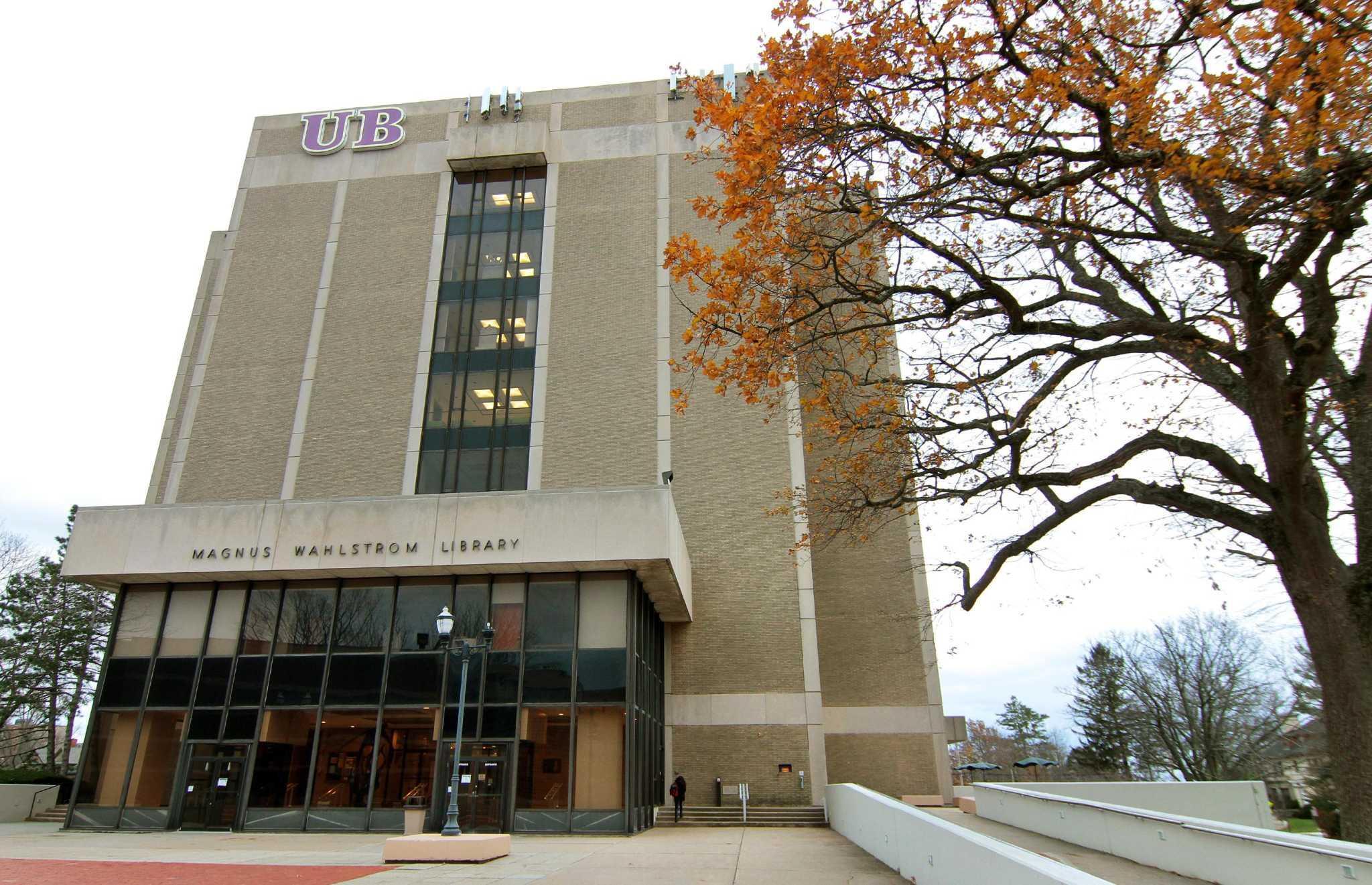
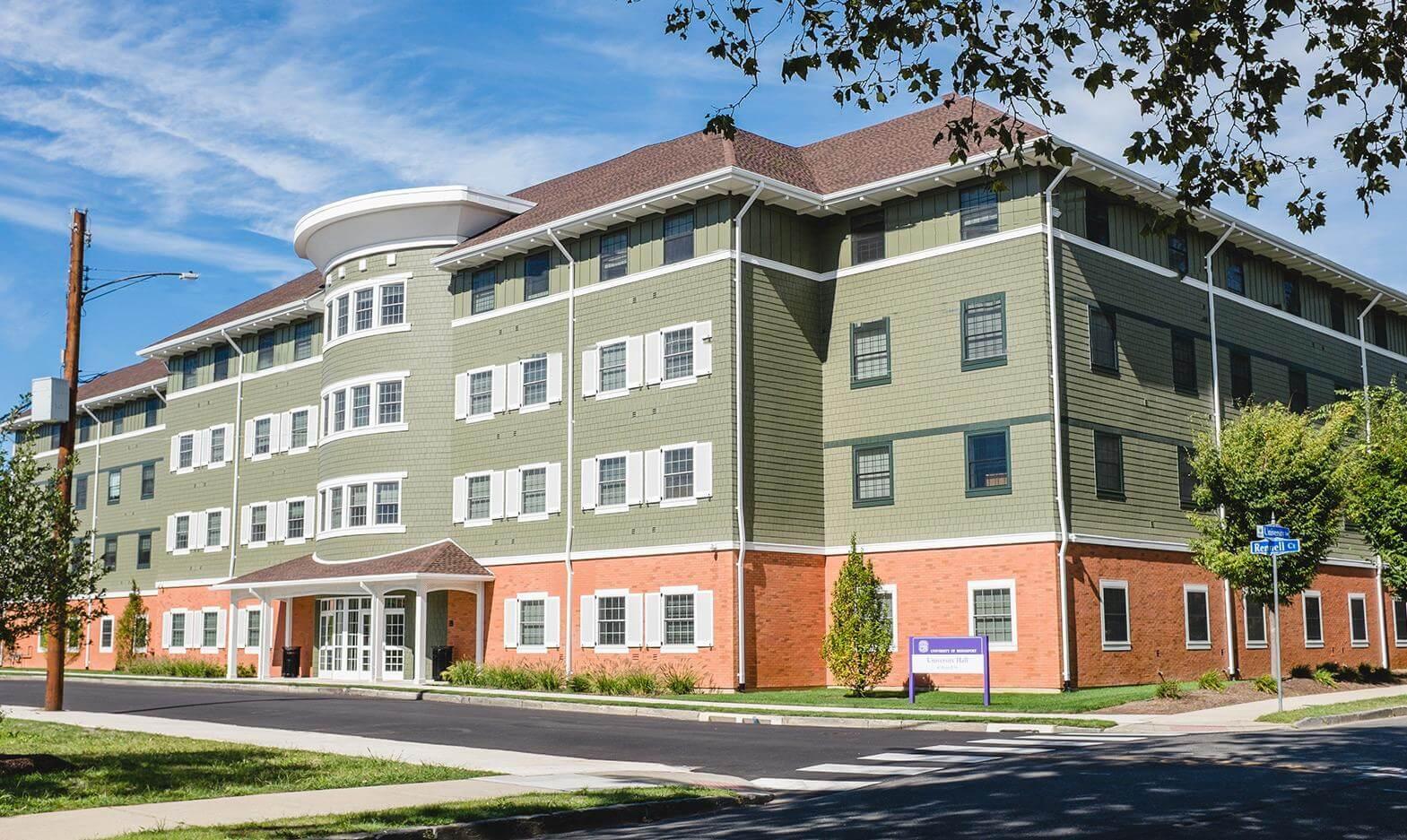
About University of Bridgeport
University of Bridgeport: Courses, Tuition Fees, Admissions and Student Life
Introduction
The University of Bridgeport is a private, non-sectarian university located in Bridgeport, Connecticut, United States. Founded in 1927, the university offers undergraduate, graduate and professional education across a range of academic disciplines. Its programs combine classroom learning, practical experience and career-focused education to help students develop skills for professional advancement and further study.
The university offers more than 80 academic programs and majors across areas such as business administration, accounting, computer science, engineering, data analytics, nursing, health sciences, biology, criminal justice, psychology, education and the creative arts. This variety gives students opportunities to explore different academic interests and select programs that align with their career objectives.
The University of Bridgeport has an international student community and provides support for applicants navigating the American higher education system. Its location in Connecticut places students within reach of major regional employment centres, including New York City, while the campus provides academic facilities, student housing, dining services and extracurricular activities.
For international students considering higher education in the United States, the University of Bridgeport is worth exploring for its range of academic programs, international admissions support and opportunities for practical learning. Applicants should carefully compare program requirements, tuition fees, scholarships and living expenses before making a final decision.
University of Bridgeport at a Glance
- University Name: University of Bridgeport
- Location: Bridgeport, Connecticut, United States
- Established: 1927
- Institution Type: Private, non-sectarian university
- Study Levels: Undergraduate, graduate and professional programs
- Academic Offerings: More than 80 programs and majors
- Popular Study Areas: Business, computer science, engineering, data analytics, nursing, health sciences, biology, criminal justice and psychology
- International Students: Dedicated international admissions services
- Campus Environment: University campus in a coastal Connecticut city
- Accommodation: On-campus residential options
- Student Activities: Clubs, athletics, cultural events and recreational activities
- Learning Formats: On-campus, online and hybrid options, depending on the program
Academic Programs at the University of Bridgeport
The University of Bridgeport offers programs across several academic fields. Students can pursue undergraduate degrees, advanced study and selected professional programs according to their qualifications and interests.
Course availability, admission standards and study formats vary by program. Prospective students should review the current academic catalogue and confirm whether their preferred program is available in the format they need.
Business Administration and Management
Business-related programs are suitable for students interested in management, finance, marketing and organisational leadership. The university offers academic options such as business administration, accounting, finance, marketing and healthcare administration.
Students may study business communication, management principles, financial analysis, marketing strategy, organisational behaviour and decision-making. Depending on the degree, coursework may also develop skills in leadership, project management and analytical problem-solving.
Accounting programs can help students understand financial reporting, auditing, taxation and business systems. Finance-related study focuses on financial decisions, investment principles and the management of resources.
Graduates may explore opportunities in business operations, accounting, financial services, marketing, consulting and management. Students aiming for regulated professional positions should check whether additional certification or licensing is required.
Computer Science and Data Analytics
The University of Bridgeport offers programs in computer science and data analytics for students interested in computing, software and data-driven problem-solving.
Computer science study can cover programming, algorithms, software development, computer systems and technical problem-solving. Students may develop a foundation for work in software engineering, application development, systems support and related technology fields.
Data analytics focuses on using information to identify patterns, evaluate performance and support decisions. Depending on the curriculum, students may work with statistical methods, data tools and analytical techniques used in business and technical environments.
Students should examine course prerequisites, especially mathematics and programming requirements, before applying. Practical projects and relevant internships can also help students build experience alongside their academic qualifications.
Engineering and Engineering Technology
Engineering programs provide students with opportunities to study technical systems, design principles and applied problem-solving. The university offers options that include computer engineering, electrical engineering, mechanical engineering and engineering technology.
Computer engineering combines aspects of computing and electronic systems. Electrical engineering focuses on electrical systems, circuits and related technologies, while mechanical engineering explores the design and operation of mechanical systems.
Engineering technology programs emphasise practical applications of technical principles. Depending on the course, students may work with equipment, software, design methods and applied laboratory activities.
Graduates may pursue roles in engineering support, technical operations, manufacturing, design and related industries. Students should confirm the precise program title, curriculum, laboratory facilities and any professional accreditation relevant to their intended career.
Nursing and Health Sciences
The university offers programs in nursing and health sciences for students interested in healthcare, clinical support and health-related professions.
Health sciences can provide a foundation in human health, exercise and fitness, and related scientific subjects. Nursing programs are designed for specific educational and professional pathways, with different options available according to a student's previous qualifications and level of study.
Some programs may include clinical placements, laboratory requirements, professional assessments or additional health documentation. Students should review these conditions before applying, particularly if they have studied outside the United States.
Professional nursing practice requires compliance with the relevant licensing rules. An academic qualification alone does not guarantee eligibility to practise in a particular state or country.
Dental Hygiene
The University of Bridgeport offers associate and bachelor's degree pathways in dental hygiene, along with related preparatory study options.
Dental hygiene education focuses on oral health, preventive care, patient education and clinical skills. Students may complete classroom learning, laboratory activities and supervised clinical training as part of the relevant program.
Admission requirements can be more specific than those for general undergraduate degrees. Applicants may need to provide additional academic records, prerequisite coursework, test scores or other supporting documents.
Students interested in this field should confirm program availability, clinical requirements, tuition differentials and professional licensing conditions before making a decision.
Biology and Medical Laboratory Science
Students interested in the life sciences can explore biology and medical laboratory science-related programs.
Biology examines living organisms, biological processes, genetics and ecology. Medical laboratory science focuses on laboratory methods used to analyse biological samples and support healthcare decision-making.
Depending on the program, coursework may involve laboratory practicals, scientific analysis and specialised equipment. Students should check the curriculum to understand the balance between theoretical learning and practical experience.
Graduates may pursue opportunities in laboratory settings, research support, scientific services or further education. Certain healthcare and laboratory roles require additional certification or licensing.
Criminal Justice and Human Services
Criminal justice and human services programs can appeal to students interested in public safety, community support and social services.
Criminal justice study examines justice systems, crime, law enforcement, corrections and related social issues. Human services focuses on supporting individuals and communities through service-oriented work and an understanding of social needs.
These subjects can develop research, communication, critical-thinking and problem-solving skills. Depending on the qualification and local requirements, graduates may explore careers in community organisations, public service, justice-related settings or further academic study.
Students seeking regulated counselling or social work positions should confirm the additional qualifications and supervised experience required for professional practice.
Psychology and Social Sciences
Psychology-related study explores human behaviour, mental processes and the factors that influence individuals and groups.
Students may develop an understanding of psychological theory, research methods, social behaviour and the relationship between people and their environments. Depending on the program, study may include research projects and applied coursework.
This field may suit students interested in human services, research, education, organisational settings or further professional education. Becoming a licensed psychologist or practising in certain clinical roles generally requires additional graduate education, supervised training and professional licensing.
Sport Management and Creative Arts
The university also offers academic options in sport management, sports marketing, esports-related study and music.
Sport management combines business and organisational principles with the sports industry. Students may study management, marketing, event planning and related professional subjects.
Creative arts programs, including music, provide opportunities to develop artistic skills and subject knowledge. Depending on the course, students may focus on performance, music education or business-related aspects of the creative industries.
Graduates can explore opportunities in sports organisations, event management, marketing, music, performance and other creative or professional fields.
Graduate and Professional Programs
The University of Bridgeport offers graduate programs across business, engineering, health sciences, education and other disciplines. Program options and admission conditions vary by department.
Graduate study may be appropriate for students who want to deepen their subject knowledge, move into a specialised field or develop professional expertise. Some programs require an undergraduate degree in a related discipline, while others may accept students with different academic backgrounds subject to prerequisites.
Applicants may need to provide transcripts, a résumé, a statement of purpose, recommendation letters, English-language evidence or additional program-specific materials.
Students should check the current graduate catalogue and contact the relevant department to confirm international eligibility, curriculum, study format and total program cost.
Tuition Fees and Cost of Studying at the University of Bridgeport
The cost of attending the University of Bridgeport depends on the selected degree, course load, housing arrangements, health insurance and other expenses. Tuition alone does not represent the complete amount required to study and live in the United States.
For the 2026–2027 academic year, the university publishes an estimated annual undergraduate cost of attendance ranging from approximately USD 51,252 to USD 61,302, depending on the living arrangement.
The university's published estimate includes tuition and fees, estimated housing and food expenses where applicable, transportation, miscellaneous expenses and other budget items. Health insurance, laboratory fees, tuition differentials for certain programs and some additional charges may be excluded.
Tuition and University Fees
For traditional full-time undergraduate study, the published tuition rate is USD 16,925 per semester for students taking 12–18 credits, before the general fee and other charges. The general fee is listed separately, and specialised programs may have different rates.
The university also publishes different tuition and fee schedules for programs such as dental hygiene and nursing. Students taking fewer than 12 credits, exceeding the standard credit range or enrolling in summer courses may be charged under different arrangements.
Graduate tuition varies by degree and department. Applicants should use the specific tuition schedule for their intended program rather than assuming that the undergraduate rate applies to graduate study.
Accommodation and Food
Students living on campus should budget for university housing and food expenses. The total depends on the residence hall, room arrangement and meal plan.
Students considering off-campus accommodation should include rent, utilities, groceries and transportation in their budget. Living away from campus does not automatically reduce the total cost, particularly when commuting and personal expenses are included.
Before accepting an accommodation offer, students should review current housing availability, contract dates, deposits and cancellation policies.
Health Insurance and Additional Expenses
International students are required to participate in the university's applicable health insurance arrangements. Insurance costs should therefore be included in the annual budget.
Other expenses may include:
- Textbooks, software and academic supplies.
- Laboratory materials and course-specific fees.
- Transportation and local travel.
- Phone services, clothing and personal necessities.
- Initial arrival expenses.
- Any additional costs associated with a clinical or professional program.
The university's published estimates are intended for planning and may change. Students should obtain a personalised cost estimate before making financial commitments.
Scholarships and Financial Assistance
The University of Bridgeport offers scholarships and financial assistance opportunities for eligible undergraduate, transfer, graduate and international students.
Some scholarships are awarded automatically as part of the admissions process, while others may require separate applications or supporting information. Eligibility and award amounts depend on the scholarship, academic record, program and applicable conditions.
The university also provides access to Scholarship Universe, a platform that lists internal and external scholarship opportunities. Students should investigate whether they qualify for additional funding and whether any awards can be combined.
Applicants should confirm scholarship details in writing, including the amount, duration, renewal requirements and any minimum academic performance conditions. A scholarship should not be assumed to cover the full cost of attendance unless the award explicitly states that it does.
Admission Requirements for International Students
International applicants must meet the academic and documentation requirements for their chosen program. Requirements differ between undergraduate, transfer and graduate admission, and certain professional programs have additional conditions.
Undergraduate Admission
International undergraduate applicants generally need to complete secondary school and provide official academic records.
The university's published international undergraduate requirements include:
- A completed application form.
- Official secondary school transcripts and examination results.
- Graduation certificates or diplomas, where available.
- English-language proficiency evidence for direct academic admission.
- An original personal statement or essay of 250–500 words.
- A copy of a valid passport.
- A financial statement and supporting bank documentation.
Applicants who have attended another college or university must also provide records from those institutions. Students seeking transfer credit may be asked to submit official course descriptions or syllabi so the university can evaluate their previous coursework.
Academic documents issued in a language other than English must be accompanied by an acceptable English translation. The university provides instructions for the required document format, so applicants should review these before submitting records.
Graduate Admission
Graduate applicants must meet the academic prerequisites of their intended program. A recognised bachelor's degree or equivalent qualification is generally required for master's study, although some programs have additional conditions.
Depending on the degree, applicants may need to provide:
- A completed graduate application.
- Official university transcripts and degree certificates.
- English-language test scores.
- A statement of purpose or personal essay.
- Recommendation letters.
- A résumé or curriculum vitae.
- Standardised test scores, where required.
- Additional program-specific documents.
Some graduate programs may require relevant academic preparation, professional experience, interviews or prerequisite courses. Applicants should confirm the requirements of their intended department rather than relying on general university admission information alone.
English-Language Requirements
International applicants seeking direct admission to an academic program must provide accepted evidence of English proficiency unless they qualify for an approved exemption.
The university's international admissions guidance lists the following minimums for direct undergraduate admission:
- TOEFL iBT: 75.
- IELTS Academic: 6.0.
Other tests, including Duolingo English Test and PTE, may be accepted under the university's current policy. Applicants should verify the exact minimum scores and test validity rules before taking an examination.
For graduate admission, the published international FAQ lists TOEFL iBT 80 and IELTS 6.5 as general direct-admission requirements. Some programs, including the MBA, have specific English-language requirements.
Applicants who do not meet the required proficiency level may be eligible for conditional admission through the university's English Language Institute. They must complete the applicable language requirements before progressing to full academic study.
Financial Documentation
International students applying for the relevant student immigration documentation must demonstrate access to sufficient funds for the academic year.
The university requires a Financial Statement for International Students and supporting bank documentation. The bank statement should show readily accessible funds and meet the university's requirements regarding the document's date, language and account information.
If the funds are held by a sponsor, applicants may need to submit the appropriate financial statement and a sponsorship or financial guarantee letter. Students should follow the current instructions to ensure their documentation meets the requirements.
The total amount required depends on the intended program, living arrangements and the cost estimate used for immigration documentation.
How to Apply to the University of Bridgeport
International applicants can follow these steps to prepare their application.
Step 1: Choose a program. Review the academic catalogue and select a degree that matches your interests, previous education and career plans.
Step 2: Confirm eligibility. Check the academic prerequisites, English-language requirements and any additional conditions associated with the selected course.
Step 3: Complete the application. Submit the appropriate undergraduate or graduate application through the university's application process. The university states that its application fee is waived for international undergraduate and graduate applicants.
Step 4: Submit academic records. Provide official transcripts, examination results and graduation documents. Arrange acceptable English translations when required.
Step 5: Prepare your personal statement. Undergraduate international applicants are asked to submit an original essay of 250–500 words explaining their program choice, personal and career goals, and plans after graduation.
Step 6: Submit English-language evidence. Provide accepted test scores or ask admissions whether conditional admission or an exemption may apply.
Step 7: Submit financial documents. Complete the required financial statement and provide supporting bank documentation or sponsor information.
Step 8: Provide additional materials. Submit any recommendations, résumé, test scores or other documents required by the selected program.
Step 9: Monitor your application. Check the application portal and respond promptly to requests for missing documents.
Step 10: Prepare for arrival. After admission and once eligible, work with the university's international admissions team on immigration documentation, accommodation, insurance and orientation arrangements.
The university recommends that international students apply well before the relevant deadline because all required documents must be received for the application to be reviewed. Its international admissions information lists December 1 for the Spring semester and July 15 for the Fall semester. Applicants should verify the dates for their intended entry term.
Campus Life at the University of Bridgeport
Campus life at the University of Bridgeport includes academic activities, student organisations, athletics, cultural events and recreational opportunities. Students can take part in activities outside their courses while building friendships and developing practical skills.
The university has a multicultural student community, creating opportunities for people from different backgrounds to share experiences and learn from one another.
Accommodation and Dining
The university offers on-campus housing and dining options. Living in university accommodation can make it easier to access academic buildings, participate in campus events and meet other students.
Students should compare available residence halls, room types, meal plans and costs before making a decision. Housing availability and eligibility can vary by student category and academic year.
International students moving to the United States for the first time should review arrival instructions, accommodation dates and any required deposits well before travelling.
Clubs and Student Organisations
Student clubs and organisations offer opportunities to explore interests in academics, culture, leadership, community service, recreation and other areas.
Participating in campus organisations can help students develop communication and teamwork skills while meeting peers outside their academic programs. International students may find cultural organisations particularly helpful when adjusting to life in a new country.
Students should review the current organisation directory and activity calendar to find opportunities that match their interests.
Athletics and Recreation
The university provides opportunities for students to participate in or follow university athletics. Sports and recreational activities can be an important part of campus life, helping students maintain an active routine and connect with other members of the university community.
Students interested in competitive sports should check the relevant eligibility criteria and recruitment arrangements. Recreational facilities and activities may have their own schedules and participation requirements.
Academic Support and Student Services
Students can access university services designed to support academic progress and personal development. Depending on their needs, students may seek academic advising, library resources, career guidance or assistance with administrative matters.
International students should also familiarise themselves with the university's international admissions and student support services. Understanding where to obtain guidance can make it easier to manage academic responsibilities and the practical aspects of living in the United States.
Career Development and Future Opportunities
The University of Bridgeport offers programs designed to connect academic study with professional preparation. Depending on the field, students may develop technical skills, research experience, communication abilities and practical knowledge relevant to employment.
The university's location in Connecticut places students within reach of regional employers and major cities in the northeastern United States. New York City and other employment centres may be accessible for networking, internships and professional events, depending on transportation and individual circumstances.
Students can strengthen their career readiness by participating in relevant projects, developing professional skills, building relationships with faculty and seeking internships where available.
Career outcomes depend on the student's degree, experience, employment market and eligibility to work in the intended location. Certain occupations require additional qualifications, professional certification or licensing.
International students who plan to work in the United States after graduation should research the applicable immigration and employment authorisation rules. They should obtain current guidance from the university's international student services team and the relevant authorities before making employment plans.
Location: Bridgeport, Connecticut, USA
The University of Bridgeport is located in Bridgeport, Connecticut, a coastal city in the northeastern United States. The location provides access to local services, transport connections and the wider regional economy.
Bridgeport is within travelling distance of New York City, although actual journey times depend on the route, traffic and transport service. Students should consider the cost and convenience of travel when evaluating potential internships, cultural activities or visits to nearby cities.
The area has its own housing market, climate and lifestyle. Students should research local accommodation, transport, everyday expenses and campus safety information before deciding where to live.
For international students, understanding the local environment can help with planning arrival arrangements and adjusting to life away from home.
Is the University of Bridgeport a Good Choice for International Students?
The University of Bridgeport may be a suitable option for international students seeking a private university with a broad selection of academic programs and career-oriented study opportunities.
It may appeal to students interested in business, computer science, engineering, data analytics, nursing, health sciences, biology, criminal justice, psychology and other disciplines. The university also offers international admissions guidance and access to scholarship opportunities for eligible students.
However, the right choice depends on each student's academic objectives, budget and intended career. Applicants should compare tuition, housing expenses, program curricula, scholarship conditions and available facilities with those of other institutions.
Students interested in nursing, dental hygiene or other specialised professional programs should pay particular attention to additional admission requirements, clinical training arrangements and licensing considerations.
By researching these factors and confirming current information directly with the university, applicants can make a more informed decision about whether the University of Bridgeport aligns with their higher education plans.
Frequently Asked Questions
1. Where is the University of Bridgeport located?
The University of Bridgeport is located in Bridgeport, Connecticut, United States.
2. When was the University of Bridgeport established?
The university was founded in 1927.
3. Is the University of Bridgeport public or private?
It is a private, non-sectarian university.
4. What programs does the University of Bridgeport offer?
The university offers more than 80 programs and majors across areas such as business, accounting, computer science, engineering, data analytics, nursing, health sciences, biology, criminal justice, psychology, sport management and music.
5. How much does it cost to study at the University of Bridgeport?
For 2026–2027, the published estimated undergraduate cost of attendance ranges from approximately USD 51,252 to USD 61,302 per year, depending on living arrangements. Health insurance, laboratory fees and some specialised program charges may be additional.
6. Does the University of Bridgeport charge an application fee?
The university's international admissions information states that the application fee is waived for international undergraduate and graduate applicants.
7. What English-language scores are required?
Published general minimums for direct undergraduate admission include TOEFL iBT 75 and IELTS 6.0. The international admissions FAQ lists TOEFL iBT 80 and IELTS 6.5 for general graduate admission. Applicants should confirm current program-specific requirements.
8. Are scholarships available for international students?
Yes. The university offers scholarship opportunities for eligible undergraduate, transfer, graduate and international students. Award amounts and eligibility conditions vary.
9. Does the university offer student accommodation?
Yes. The university provides on-campus housing and dining options. Students should check current room availability, prices and housing requirements.
10. What are the international application deadlines?
The published international admissions guidance lists December 1 for Spring entry and July 15 for Fall entry. Students should verify the current deadline for their intended program and semester.
Conclusion
The University of Bridgeport offers a private university education in Connecticut with academic programs spanning business, technology, engineering, health sciences, social sciences and the creative arts. Its international student support, campus activities and access to the wider northeastern United States may appeal to students seeking a diverse educational environment.
Before applying, prospective students should confirm the availability and requirements of their preferred program, calculate the total cost of attendance, explore scholarships and prepare the necessary academic, English-language and financial documents.
By comparing these factors with their academic goals and budget, international applicants can decide whether the University of Bridgeport is the right choice for their higher education journey in the United States.
Entry Requirements
General Entry Requirement
IELTS 6.0 overall
Fees & Scholarships
Annual Tuition Fees
USD 51,000 - USD 61,000
Ready to Apply to University of Bridgeport?
Our advisors guide you from eligibility check to offer letter — at no cost to you.
Join our WhatsApp Community

Scan to join our student community for admission updates & guidance