
Annual FeesCAD 12,000 - CAD 18,000
Université du Québec en Abitibi-Témiscamingue
LocationCanada
Entry RequirementIELTS 6.0 overal
Visa Success Rate70%
Campus Photos
Université du Québec en Abitibi-Témiscamingue
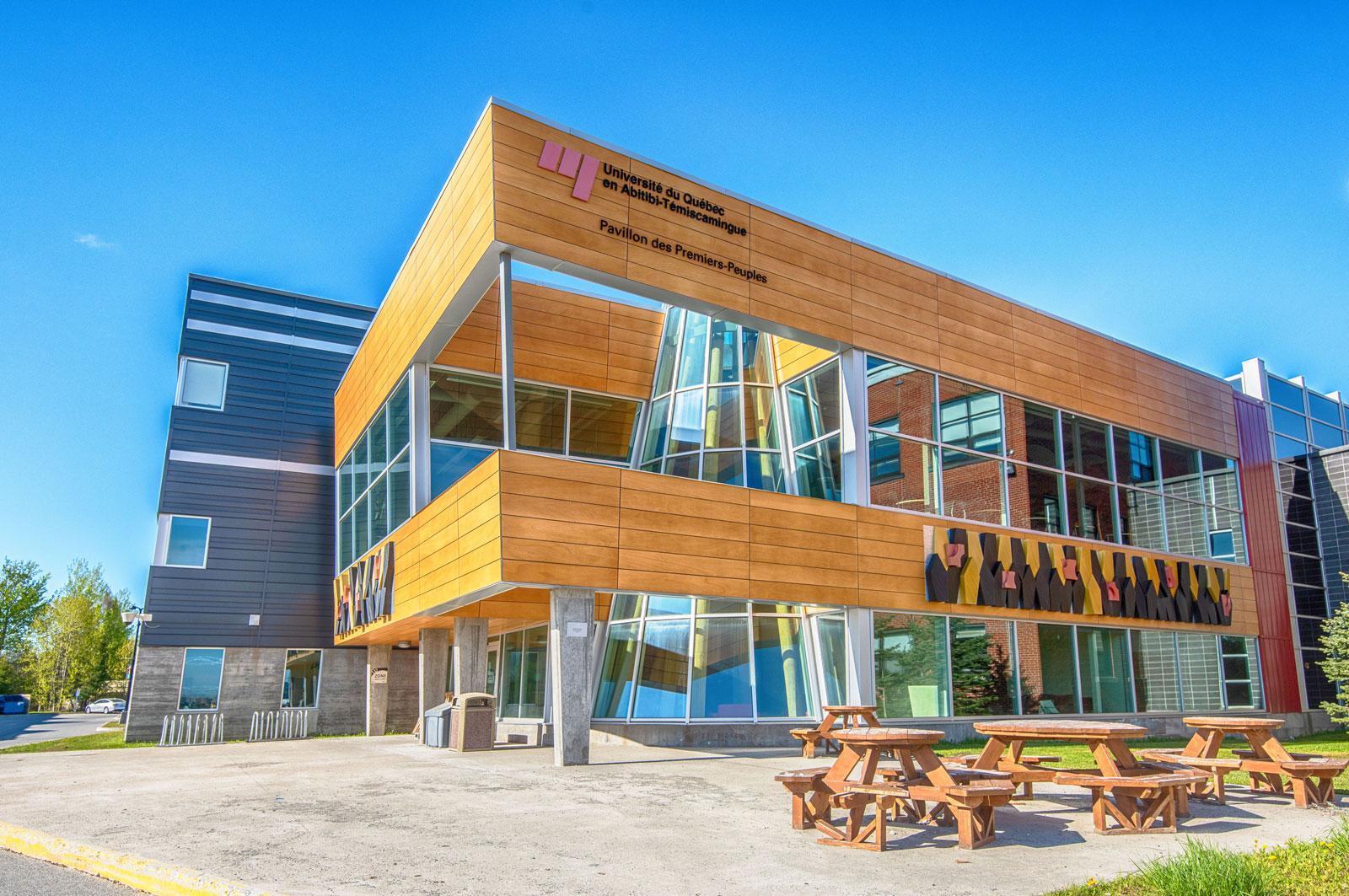
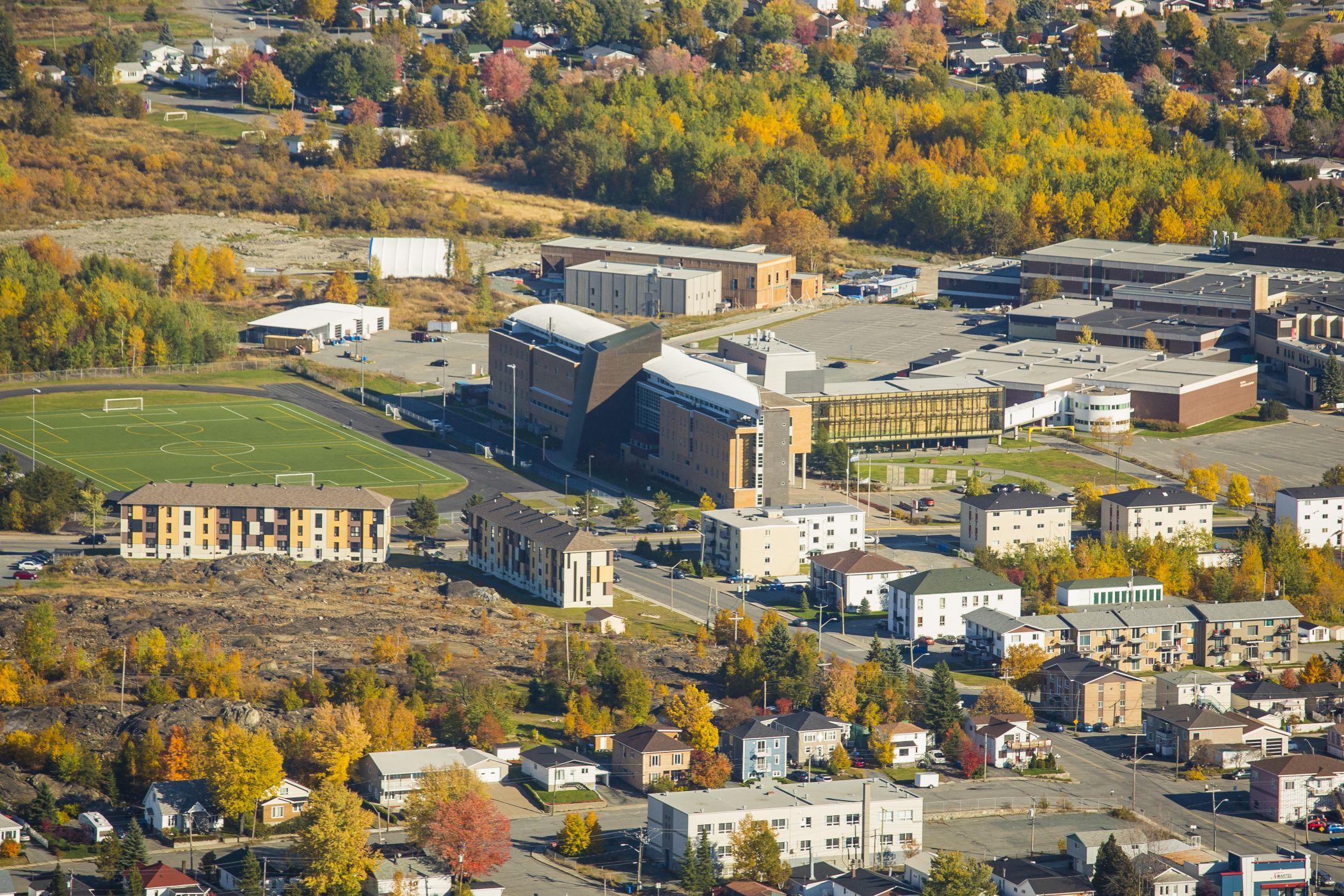
About Université du Québec en Abitibi-Témiscamingue
Université du Québec en Abitibi-Témiscamingue (UQAT): Programs, Admission, Tuition Fees, Scholarships and Study in Canada
Université du Québec en Abitibi-Témiscamingue (UQAT) is a French-language public university in Quebec and a constituent university of the Université du Québec network. Its main academic locations include Rouyn-Noranda, Val-d'Or and Mont-Laurier, with additional teaching and research activities across the region.
UQAT is known for research and teaching connected to areas such as mining and metallurgy, forestry, environment, engineering, management, education, health, psychology and Indigenous studies. Its regional focus gives students opportunities to study subjects closely connected to northern Quebec and its communities.
UQAT at a Glance
|
Information |
Details |
|
University |
Université du Québec en Abitibi-Témiscamingue |
|
Short Name |
UQAT |
|
Location |
Quebec, Canada |
|
Institution Type |
Public University |
|
University Network |
Université du Québec |
|
Main Locations |
Rouyn-Noranda, Val-d'Or, Mont-Laurier and other regional sites |
|
Main Language |
French |
|
Study Levels |
Undergraduate, Graduate and Doctoral |
|
International Students |
Yes |
|
Major Areas |
Engineering, Mining, Forestry, Environment, Management, Education, Health, Psychology and Indigenous Studies |
About UQAT
UQAT was created to provide university education and research opportunities in the Abitibi-Témiscamingue region.
Its academic activities are closely connected to the region's economic, environmental, social and cultural characteristics.
The university has developed particular expertise in areas including:
- Mining
- Forestry
- Environment
- Engineering
- Sustainable development
- Indigenous studies
- Education
- Psychology
- Health sciences
- Management
UQAT combines classroom education with applied research and professional experience.
Academic Programs
UQAT offers undergraduate and graduate programs across several faculties and schools.
Engineering
Engineering is an important area of UQAT's academic and research activity.
Students can explore areas connected to:
- Mechanical engineering
- Electrical engineering
- Mining engineering
- Environmental engineering
- Industrial engineering
- Automation
- Renewable energy
Engineering research often connects with mining, natural resources, environmental protection and industrial technologies.
Mining and Mineral Resources
UQAT has developed specialized expertise in mining-related education and research.
Research and academic activities can involve:
- Mining engineering
- Mineral processing
- Geosciences
- Mining environment
- Rock mechanics
- Sustainable mining
- Mine management
- Mineral exploration
Students interested in Canada's natural-resources sector can find specialized academic and research opportunities in this field.
Forestry
Forestry and forest-resource management are significant areas of UQAT's research.
Topics can include:
- Forest management
- Forest ecology
- Silviculture
- Wood products
- Forest economics
- Sustainable forestry
- Climate change and forests
The university's regional location provides access to forest environments that support field-based research.
Environment and Sustainable Development
Environmental research at UQAT covers natural resources and sustainable development.
Students and researchers can investigate:
- Environmental science
- Water resources
- Soil
- Ecosystems
- Environmental remediation
- Climate change
- Sustainable resource management
These fields connect scientific research with practical environmental challenges.
Business and Management
UQAT offers programs related to:
- Business administration
- Management
- Accounting
- Finance
- Entrepreneurship
- Human resources
- Project management
Programs can prepare students for careers in private businesses, public organizations and resource-related industries.
Education
Education programs cover areas such as:
- Teacher education
- Educational sciences
- Special education
- Educational administration
- Professional development
Program requirements vary according to the intended teaching or education profession.
Psychology
UQAT provides programs and research opportunities in psychology.
Possible areas include:
- Psychology
- Mental health research
- Social psychology
- Development
- Organizational psychology
- Community intervention
Specific professional-practice requirements depend on the intended career.
Health Sciences
Health-related education and research can include:
- Nursing
- Health sciences
- Community health
- Human development
- Health intervention
Programs vary according to campus and academic year.
Indigenous Studies
UQAT has a notable academic and research focus on Indigenous peoples and communities.
Activities can involve:
- Indigenous studies
- Indigenous education
- Indigenous governance
- Indigenous languages and cultures
- Community development
- Land and resource relationships
This area reflects UQAT's regional context and relationships with Indigenous communities.
Undergraduate Programs
UQAT offers undergraduate credentials such as:
- Bachelor's degrees
- Certificates
- Short programs
- Other undergraduate pathways
Available programs depend on the academic year and campus.
Students should consult the specific program page to confirm admission requirements, language requirements and delivery location.
Graduate Programs
Graduate education is an important component of UQAT.
Students can pursue:
- Graduate certificates
- Master's degrees
- Research master's degrees
- Professional master's programs
- Doctoral programs
Research areas include natural resources, engineering, environment, education, management, psychology and Indigenous studies.
Admission Requirements
Admission requirements depend on the selected program.
International applicants generally need:
- Recognized academic qualifications
- Official academic transcripts
- Program-specific prerequisites
- French-language proficiency
- Identification documents
- Additional supporting documents where required
Graduate programs may additionally require:
- Curriculum vitae
- Motivation letter
- Research proposal
- References
- Supervisor information
Applicants should check the exact conditions of their selected program before submitting an application.
Requirements for International Students
UQAT accepts international students into eligible programs.
International applicants should prepare:
- Academic diplomas
- Official transcripts
- Passport
- Proof of language proficiency
- CV where applicable
- Letters of recommendation where required
- Research documents for applicable graduate programs
Documents issued in languages other than French may need to be accompanied by an official translation.
Requirements for Indian Students
Indian students should verify the equivalency of their educational qualifications before applying.
For undergraduate admission, documents can include:
- Class X certificate and marksheet
- Class XII certificate and marksheet
- Relevant prerequisite subjects
- Passport
- French-language evidence where required
For master's admission, applicants generally need an appropriate bachelor's degree and academic transcripts.
Doctoral applicants normally need a relevant master's qualification or equivalent research preparation.
Requirements can vary significantly by program.
French-Language Requirements
UQAT is primarily a French-language university.
International applicants therefore need to carefully review the French-language requirement of their chosen program.
The required level can vary according to the program and study level.
Some programs may require specific French-language tests or recognized proof of proficiency.
How to Apply
Step 1: Choose a Program
Review UQAT's available programs and identify the course that matches your academic background.
Step 2: Check International Eligibility
Confirm that the selected program accepts international applicants.
Step 3: Review Admission Conditions
Check:
- Academic requirements
- French-language requirements
- Prerequisites
- Required documents
- Application deadlines
Step 4: Prepare Documents
Collect your academic certificates, transcripts, passport and other required documentation.
Step 5: Submit the Application
Complete the university's online admission process.
Step 6: Submit Supporting Documents
Provide all required documents according to UQAT's instructions.
Step 7: Wait for the Admission Decision
The application is evaluated according to the admission conditions of the selected program.
Step 8: Complete Immigration Requirements
After admission, eligible international students should begin the required Quebec and Canadian immigration procedures.
Tuition Fees
UQAT tuition varies according to:
- Program
- Study level
- Number of credits
- Student status
- Citizenship
- Applicable tuition exemptions
International students generally pay additional tuition compared with Quebec students.
Because fees can change between programs and academic years, prospective students should use UQAT's current tuition schedule or fee calculator when preparing their budget.
Students should also account for:
- Student fees
- Insurance
- Course materials
- Accommodation
- Transportation
- Personal expenses
Scholarships and Financial Support
UQAT students may have access to several forms of financial support.
Depending on eligibility, these can include:
- Admission scholarships
- Academic excellence awards
- Research scholarships
- Graduate funding
- External scholarships
- Tuition exemptions
- Research-assistant opportunities
Graduate students involved in research may also receive funding through research projects or supervisors.
Availability and eligibility vary by program and academic year.
Research at UQAT
Research is one of UQAT's defining characteristics.
The university has developed research expertise in areas including:
- Mining
- Forestry
- Environment
- Engineering
- Renewable energy
- Sustainable development
- Indigenous studies
- Health
- Psychology
- Management
Research can involve laboratories, fieldwork, community partnerships and industry collaborations.
Mining Research
UQAT's mining research is particularly connected to the university's regional environment.
Research can address:
- Mine design
- Mineral processing
- Geomechanics
- Mine environment
- Tailings management
- Sustainable mining
- Mineral exploration
This research can involve collaboration with mining companies, governments and research organizations.
Forestry Research
Forestry research examines sustainable use and management of forest resources.
Research can cover:
- Forest ecosystems
- Forest management
- Climate impacts
- Biodiversity
- Wood products
- Sustainable harvesting
Students may have opportunities for field-based research depending on their program.
Campus Locations
UQAT has academic activities at multiple locations.
Rouyn-Noranda
Rouyn-Noranda is an important university and research centre for UQAT.
Students can access:
- Classrooms
- Laboratories
- Libraries
- Student services
- Research facilities
- Sports and recreational facilities
Val-d'Or
Val-d'Or is another important UQAT location, particularly for programs and research related to natural resources and regional development.
Mont-Laurier
UQAT also provides university education in Mont-Laurier, allowing students in the Laurentians region to access selected programs closer to home.
The availability of specific programs varies by location.
Student Life
UQAT students can participate in:
- Student associations
- Sports
- Cultural activities
- Academic events
- Research activities
- Community events
- Student services
Because UQAT operates across regional communities, student life differs depending on the campus and location.
Living in Abitibi-Témiscamingue
The Abitibi-Témiscamingue region offers a different environment from major Canadian metropolitan areas.
Students can experience:
- Smaller university communities
- Access to nature
- Outdoor activities
- Regional employment opportunities
- Lower-density urban environments
Students should still prepare a detailed budget for:
- Rent
- Food
- Transportation
- Utilities
- Health insurance
- Personal expenses
International students should research accommodation availability before travelling to Quebec.
International Student Support
UQAT provides support for international students throughout the study process.
Support can involve:
- Admission
- Immigration
- Orientation
- Academic integration
- Housing information
- Health insurance
- Student services
- Cultural integration
International students should contact the university's international services for current requirements and procedures.
Career Opportunities
Depending on their program, UQAT graduates can work in sectors such as:
- Mining
- Engineering
- Forestry
- Environmental services
- Government
- Business
- Education
- Healthcare
- Research
- Technology
- Sustainable development
The university's regional connections can provide opportunities for students interested in natural resources and applied research.
Post-Graduation Opportunities
International graduates who want to remain in Canada after completing their studies should verify the latest federal and Quebec immigration regulations.
Post-graduation work authorization depends on the current rules, the program completed and the student's individual circumstances.
Students should confirm eligibility through official government sources before making immigration or employment plans.
Frequently Asked Questions
What is UQAT?
UQAT stands for Université du Québec en Abitibi-Témiscamingue, a public French-language university in Quebec and part of the Université du Québec network.
Where is UQAT located?
UQAT's main academic locations include Rouyn-Noranda, Val-d'Or and Mont-Laurier, along with other regional locations.
Is UQAT a public university?
Yes. UQAT is a public university within the Université du Québec network.
Does UQAT accept international students?
Yes. International students can apply to eligible UQAT programs subject to the relevant admission requirements.
Can Indian students apply to UQAT?
Yes. Indian students can apply if they meet the academic, French-language and program-specific requirements.
Is UQAT taught in English?
UQAT is primarily a French-language university. Applicants should verify the language requirements of their selected program.
What does UQAT specialize in?
UQAT has notable teaching and research activity in mining, forestry, environment, engineering, sustainable development, Indigenous studies, management, education, psychology and health.
Does UQAT offer master's programs?
Yes. UQAT offers master's programs across multiple academic and research fields.
Does UQAT offer PhD programs?
Yes. Doctoral opportunities are available in selected research areas.
How much does UQAT cost for international students?
Tuition varies by program, study level, credits and student status. International students generally pay additional tuition, so applicants should check the current fee schedule for their specific program.
Does UQAT offer scholarships?
Yes. Eligible students may have access to scholarships, research funding, tuition exemptions and other financial-support opportunities.
Does UQAT have mining programs?
Yes. Mining and mineral-resource research and education are important areas of UQAT's academic activity.
What language is required to study at UQAT?
French is the primary language of instruction. The exact proficiency requirement depends on the selected program.
Final Takeaway
Université du Québec en Abitibi-Témiscamingue (UQAT) is a public French-language university with a strong regional and research focus. Its academic strengths include mining, forestry, engineering, environment, sustainable development, Indigenous studies, management, education, psychology and health.
For international students, UQAT provides undergraduate and graduate opportunities, but applicants should pay particular attention to French-language requirements, program-specific admission conditions and international tuition rates.
Its campuses and research facilities across Quebec provide students with opportunities to study in smaller regional communities while engaging with research and industries connected to natural resources, technology, health and sustainable development.
Before applying, prospective students should verify the specific program requirements, current tuition, scholarships, application deadlines and Quebec/Canadian immigration requirements.
Entry Requirements
General Entry Requirement
IELTS 6.0 overal
Fees & Scholarships
Annual Tuition Fees
CAD 12,000 - CAD 18,000
Ready to Apply to Université du Québec en Abitibi-Témiscamingue?
Our advisors guide you from eligibility check to offer letter — at no cost to you.
Join our WhatsApp Community
.jpeg)
Scan to join our student community for admission updates & guidance