
Annual FeesUSD 52,000 - USD 57,000
The University of Scranton
LocationUS
Entry RequirementIELTS 6.5 overall
Visa Success Rate75%
Campus Photos
The University of Scranton
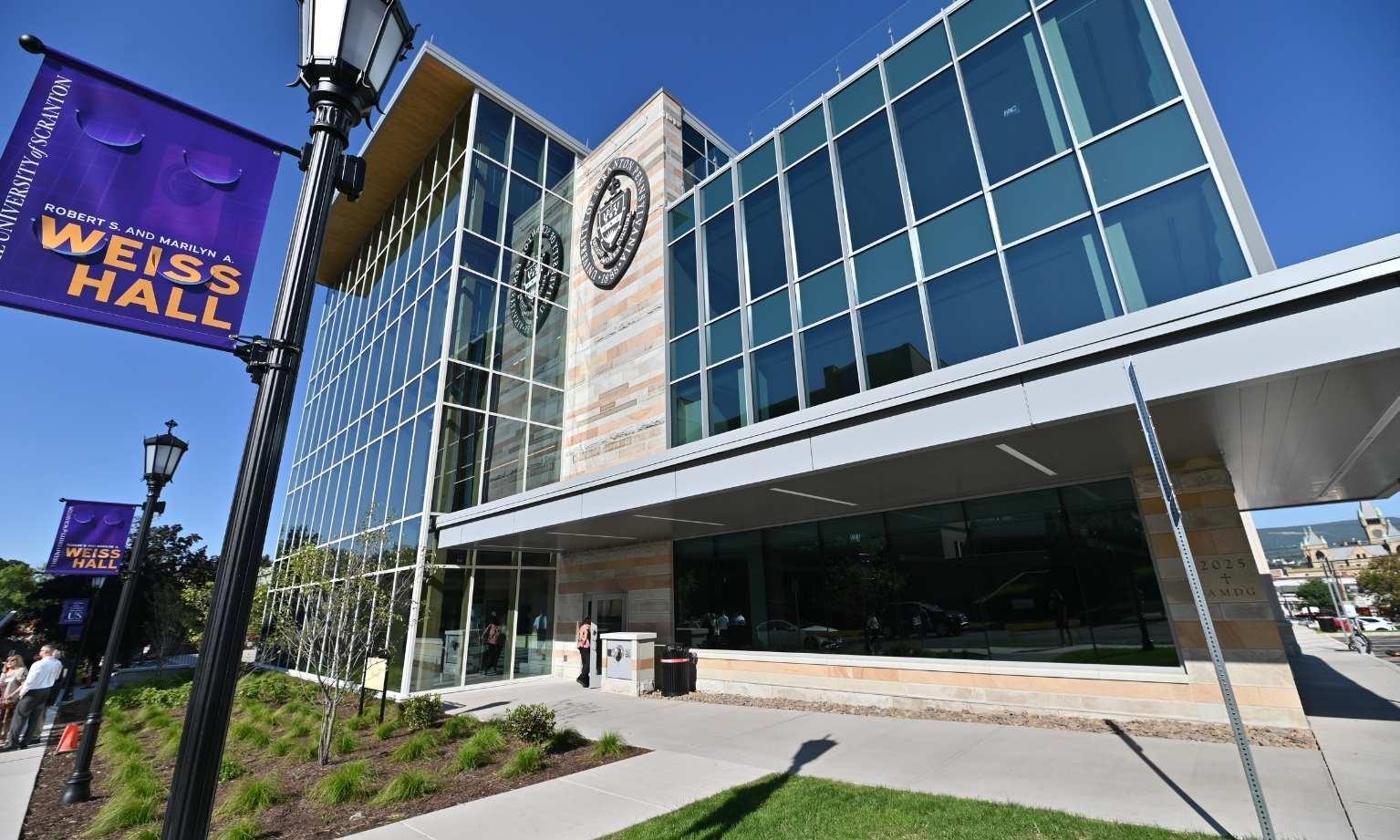
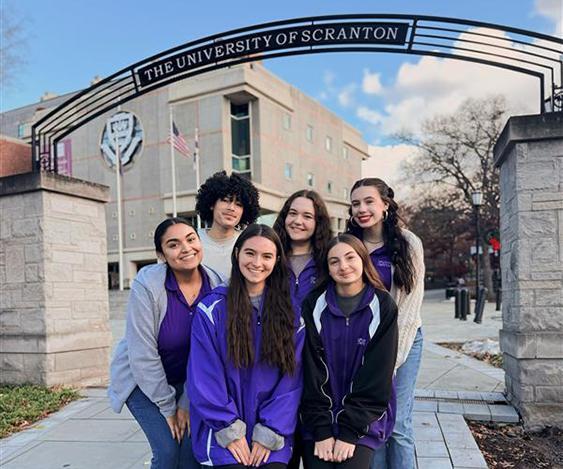
About The University of Scranton
The University of Scranton: Courses, Tuition, Admissions and Student Life
Introduction
The University of Scranton is a private Catholic and Jesuit university located in Scranton, Pennsylvania, United States. Known for its student-focused academic environment, commitment to service, and emphasis on personal development, the university offers undergraduate and graduate programs across business, health sciences, liberal arts, engineering, education, and technology. Its educational approach combines classroom learning with practical experience, helping students develop the knowledge, communication skills, and professional judgment needed to succeed in their chosen careers.
For students considering studying in the United States, The University of Scranton offers a university experience that brings together academic learning, faculty interaction, campus activities, and opportunities for community engagement. Its location in northeastern Pennsylvania also provides access to a smaller American city environment, where students can experience university life without living in a major metropolitan centre.
International applicants should consider the university's academic offerings, tuition costs, admission requirements, financial aid options, and campus environment before deciding whether it suits their educational goals. Understanding these factors can help prospective students prepare a realistic study plan and make an informed decision about their education in the United States.
About The University of Scranton
The University of Scranton has a long history of providing higher education grounded in the Jesuit tradition. This educational philosophy places importance on intellectual development, ethical decision-making, reflection, and service to others. Students are encouraged not only to gain technical knowledge but also to understand how their decisions affect communities and society.
The university's academic environment combines professional preparation with a broader liberal arts education. Depending on their chosen program, students may study subjects related to business, computing, science, health, communication, social sciences, or the humanities. This multidisciplinary approach can help learners develop transferable skills alongside the specialised knowledge required for their professions.
Scranton emphasises close engagement between students and faculty. A supportive academic setting can be particularly valuable for students adjusting to a new educational system or preparing for their first professional role. Faculty members guide students through coursework, research, projects, and other learning experiences that connect academic concepts with practical applications.
The university also promotes extracurricular involvement, volunteering, cultural activities, athletics, and international experiences. These opportunities allow students to develop leadership skills, build friendships, and gain a broader understanding of the world beyond their classrooms.
Location and Campus Environment
The University of Scranton is located in Scranton, a city in northeastern Pennsylvania. The campus is integrated into the surrounding urban area, giving students access to university facilities as well as nearby shops, restaurants, services, and community spaces.
Scranton provides a different experience from studying in a large city such as New York or Boston. Students may appreciate its more compact urban setting, which can make it easier to become familiar with the local community. At the same time, students should research transport options, travel times, seasonal weather, and access to major airports before making accommodation or travel arrangements.
The campus includes academic buildings, learning spaces, student residences, dining facilities, recreational areas, and spaces for student organisations. These facilities support everyday academic work as well as the social aspects of university life.
Students can participate in campus events, join clubs, attend performances, use recreational facilities, and engage in community service. Such activities can help international students build social connections and become more comfortable in their new surroundings.
The university's campus environment is also connected to its Jesuit mission. Service and community engagement form part of its educational identity, encouraging students to consider how their knowledge can contribute to the wider community.
Courses and Academic Programs
The University of Scranton offers a broad selection of academic programs across undergraduate and graduate study. Its undergraduate majors and minors span business, health sciences, arts and sciences, computing, engineering, communication, education, and social sciences. Program availability, degree structure, and admission requirements vary by department.
Business and Management
Business-related programs are suitable for students interested in corporate careers, entrepreneurship, financial services, marketing, management, and organisational leadership. Areas of study include accounting, business administration, business analytics, economics, finance, international business, management, marketing, and supply chain management.
These programs can introduce students to financial analysis, business strategy, decision-making, organisational behaviour, and the use of information in business settings. Depending on the curriculum, students may complete case studies, group projects, presentations, and other assignments that develop practical problem-solving skills.
Business analytics is particularly relevant to students who want to understand how organisations use data to improve performance and support decisions. Accounting and finance can suit students interested in financial reporting, auditing, banking, or corporate finance, while marketing and management offer pathways towards brand development, customer engagement, and business operations.
Prospective applicants should compare individual course structures rather than relying solely on the general subject area, as each degree has its own prerequisites and progression requirements.
Computing, Information Technology and Engineering
Students interested in technology can explore programs such as computer science, applied computing, computer engineering, cybercrime and homeland security, and related areas. These subjects address different aspects of computing, from software and computational problem-solving to computer systems and digital security.
Computer science can provide a foundation in programming, algorithms, software development, and computational thinking. Applied computing may appeal to students interested in applying technological tools to practical problems, while computer engineering combines computing with elements of hardware and engineering systems.
Cybercrime and homeland security-related study can be relevant to students interested in digital investigations, cybersecurity, information protection, and security-focused careers. Students should review each program's detailed curriculum to understand how much emphasis it places on technical computing, investigative methods, policy, or related disciplines.
Engineering programs provide another route for students who want to apply mathematics and scientific principles to real-world challenges. Depending on the chosen discipline, study may involve laboratory work, technical projects, design tasks, and collaborative problem-solving.
Applicants should confirm any mathematics, science, programming, or previous academic requirements before applying. Students planning to pursue professional or specialised technical careers should also review relevant accreditation and graduate study options.
Health Sciences and Healthcare
The university's health-related academic offerings include nursing, public health, health administration, kinesiology, communication sciences and disorders, and other professional or health-focused programs. Graduate-level opportunities are also available in selected fields.
These subjects serve students with different career interests. Nursing prepares students for a professional healthcare pathway, while public health explores health promotion, prevention, population health, and the factors that influence wellbeing. Health administration focuses on the management and organisation of healthcare services.
Kinesiology examines movement and physical activity, while communication sciences and disorders addresses communication-related challenges and professional preparation in the relevant field. Some healthcare degrees require clinical placements, practical experience, background checks, or additional professional clearances.
International students considering a health-related program should carefully examine licensing requirements, placement arrangements, and whether their intended qualification will support their professional goals in the country where they eventually wish to work.
Arts, Sciences and Humanities
The College of Arts and Sciences offers programs across the natural sciences, humanities, mathematics, communication, and social sciences. Areas of study include biology, chemistry, biochemistry, environmental science, neuroscience, physics, mathematics, English, history, psychology, sociology, political science, and international studies.
These disciplines help students develop research skills, critical thinking, written communication, and analytical reasoning. Science students may have opportunities to engage with laboratory-based learning and faculty-led research, while humanities and social science students explore ideas, institutions, cultures, and human behaviour.
Students who are not certain about a specific professional direction may find these subjects useful for developing a broad academic foundation. However, some careers require postgraduate qualifications, professional certification, or additional specialised training, so long-term education plans should be considered when choosing a major.
Communication, Education and Social Sciences
Communication-related programs include areas such as communication, business communication, media production and journalism, and advertising, public relations, and social media. These subjects may suit students interested in media, corporate communication, digital content, public relations, and audience engagement.
Education programs prepare students for different educational settings, subject to the relevant degree and certification requirements. Students interested in teaching should investigate the professional qualification rules that apply in the state or country where they intend to work.
Social science programs, including criminal justice, psychology, sociology, and political science, examine people, institutions, communities, and public issues. They can support career interests in public service, research, community organisations, policy-related work, and further professional study.
Tuition Fees and Cost of Attendance
Tuition is one of the most important factors to consider when planning to study at The University of Scranton. For the 2026–2027 academic year, the university publishes traditional undergraduate tuition and fees of approximately US$57,360 per year. Housing and food are listed separately at approximately US$18,350, bringing the published total direct cost for these items to about US$75,710.
These figures represent a published undergraduate cost estimate and should not automatically be applied to every graduate degree or specialised program. Graduate tuition may be calculated by credit, while some courses or professional programs can have additional charges.
Students should also budget for expenses beyond tuition, housing, and meals. These may include books and course materials, personal expenses, local transportation, health insurance, travel between their home country and the United States, and any applicable immigration-related costs.
Actual expenses depend on accommodation choices, meal plans, personal spending habits, travel needs, and the structure of the selected program. Students should therefore create a full annual budget instead of evaluating affordability based on tuition alone.
Before accepting an offer, applicants should check the latest official tuition schedule for their intended start term and confirm which fees are included in the university's published figures. Tuition rates can change from one academic year to the next.
Scholarships and Financial Aid
The University of Scranton offers financial assistance opportunities, including university scholarships and need-based grants for eligible students. The university reports that a large proportion of its first-year students who applied for aid and enrolled in the relevant reporting period received university scholarships or need-based grants.
However, the availability and value of financial assistance depend on eligibility, the applicant's circumstances, the type of award, and the applicable funding rules. International students should not assume that every domestic financial aid program is available to them.
Prospective applicants should investigate merit-based scholarships, international student funding opportunities, and any awards associated with their intended academic program. They should also determine whether a scholarship is renewable and whether maintaining a particular grade point average or course load is required.
When comparing financial aid offers, students should calculate the amount they would actually need to pay after confirmed grants and scholarships. Loans, where available, should be distinguished from grants and scholarships because loans generally require repayment.
It is advisable to submit financial aid documents by the relevant deadlines and request clarification from the university's financial aid office if an award letter does not explain the total cost clearly. Students should also prepare a financial plan that remains workable if an award is lower than expected.
Admission Requirements for International Students
International applicants should review the university's official admission requirements for their intended degree and entry term. The application process can vary according to whether the student is applying for an undergraduate or graduate program, their previous education, and the academic department involved.
Undergraduate Admission
International first-year applicants generally need to submit an application and the academic records required to assess their secondary-school education. The university accepts applications through the Common Application and indicates that qualified international first-year applicants may apply on a rolling basis, although earlier submission is encouraged, particularly for competitive programs.
Applicants should be prepared to provide official academic transcripts or school records, along with any required translations. Depending on the program and application route, additional materials such as recommendation letters, an essay, or standardised test scores may be relevant.
The university reviews applicants holistically, considering factors that may include academic performance, coursework, test scores where applicable, leadership, community service, and extracurricular participation. Published averages for admitted students can provide context, but they are not guaranteed admission thresholds.
Applicants should verify whether SAT or ACT scores are required, optional, or recommended for their particular application cycle. Competitive programs may have additional expectations or limited capacity.
English-Language Proficiency
Applicants whose previous education was not conducted in English may need to demonstrate English-language proficiency through an accepted test or another university-approved method. The specific tests, minimum scores, exemptions, and documentation rules can change.
Students should check the current international admissions guidance rather than relying on requirements published for a previous year. They should also allow sufficient time for test registration and score reporting if an examination is required.
Strong English skills are important beyond admission. University study involves reading academic material, participating in discussions, completing written assignments, presenting ideas, and communicating with faculty and classmates.
Graduate Admission
Graduate applicants must meet the requirements for the specific program. These commonly include a relevant previous degree and official academic transcripts. Some programs may also require a statement of purpose, recommendation letters, a résumé, test scores, prerequisite coursework, an interview, or evidence of relevant professional experience.
Requirements can differ substantially between business, computing, health sciences, and other graduate programs. Applicants should therefore review the relevant department's instructions and confirm whether international credentials require a particular evaluation or format.
Application Timing and Documents
Students should prepare their applications well in advance of the intended start term. Competitive programs may have earlier deadlines or specific entry restrictions. Applicants should also ensure that transcripts, test results, and other required materials arrive before the application can be fully assessed.
Admission to a university program does not by itself grant permission to enter or remain in the United States. International students who receive an offer must follow the applicable student immigration process and provide the financial documentation required for their circumstances.
Campus Life and Student Experience
Student life at The University of Scranton includes academic activities, social events, student organisations, athletics, service opportunities, and campus traditions. Students can join clubs that reflect their interests, develop leadership skills, and meet peers from different academic and cultural backgrounds.
The university's Jesuit identity places emphasis on service and community engagement. Students may have opportunities to participate in volunteering and service-learning activities that connect their academic interests with local or wider community needs.
Campus organisations can also help students adjust to university life. Joining a club, attending events, or taking part in group activities can make it easier to build friendships and develop a sense of belonging.
Housing and dining are important parts of the residential student experience. The university provides residence and dining options, but students should review the costs, eligibility rules, room arrangements, meal plans, and housing deadlines before making a decision.
International students should consider how they will manage daily life in a new country, including food preferences, weather, transport, budgeting, and access to support services. Asking questions before arrival can help reduce uncertainty during the transition.
Internships, Research and Career Development
Practical experience can play an important role in preparing students for employment or further study. The University of Scranton promotes internships, research opportunities, service-learning, and other forms of experiential education that allow students to apply classroom knowledge in real-world settings.
Internships can help students understand workplace expectations, build professional networks, and explore potential career paths. Availability depends on the program, employer requirements, student qualifications, and the opportunities offered during a particular term.
Students in scientific and technical disciplines may be able to explore research projects or laboratory-based experiences. These activities can develop skills in data collection, analysis, problem-solving, and presenting results. Students planning to pursue graduate school may find research experience particularly valuable.
The university also provides career development resources to help students consider career options, prepare application materials, and navigate the transition from education to employment. Students can make better use of these resources by engaging early rather than waiting until their final semester.
The university has reported that 99% of its Class of 2024 were employed, continuing their education, or engaged in service within one year of graduation. This is a university-reported outcome measure across several post-graduation pathways; it should not be interpreted as a guarantee of employment for every student or as a specific employment rate for international graduates.
International students should research work authorisation requirements carefully. Internship eligibility and post-study work options depend on immigration regulations, the student's status, program conditions, and the relevant authorities' rules.
Accommodation and Living in Scranton
Students can investigate university residence halls and other accommodation arrangements available for their program and student category. Living on campus may offer convenient access to classes, dining facilities, and university activities. Private accommodation may provide different levels of independence, but students should carefully compare rent, utilities, transport, and lease conditions.
When estimating living costs, applicants should include more than the advertised housing price. Food, phone service, clothing, personal items, books, local travel, and occasional trips can add significantly to the annual budget.
Scranton's climate includes cold winters, so students arriving from warmer regions should prepare for seasonal changes and budget for suitable clothing. Students should also understand local transportation options and consider how they will travel to grocery stores, medical appointments, and other essential services.
The best accommodation choice depends on budget, personal preferences, distance from campus, and the student's need for support during the first year. Applicants should rely on current university housing information and carefully review any agreement before committing to a property.
Why Consider The University of Scranton?
The University of Scranton may be a strong option for students who value a private university environment, a broad selection of academic disciplines, and an educational philosophy that combines professional preparation with ethical and community-focused learning.
Its range of programs allows students to explore interests across business, technology, healthcare, science, communication, and the humanities. Research, internship, and service-learning opportunities can add practical dimensions to the academic experience.
The university's student-focused environment may appeal to learners who want to participate actively in campus life and seek guidance from faculty and university support services. Its location in Scranton also offers an alternative to studying in a very large American city.
Nevertheless, the university will not be the right fit for everyone. Tuition and living expenses can be substantial, program requirements vary, and professional outcomes depend on many factors beyond the institution attended. Students should compare the university with other institutions based on course content, total cost, scholarships, location, class experience, career goals, and eligibility for future employment or further study.
Frequently Asked Questions
1. Where is The University of Scranton located?
The University of Scranton is located in Scranton, Pennsylvania, in the northeastern United States.
2. Is The University of Scranton a public or private university?
It is a private Catholic and Jesuit university.
3. How much is undergraduate tuition at The University of Scranton?
For 2026–2027, the published traditional undergraduate tuition and fees are approximately US$57,360 per year. Housing, food, and other personal expenses are additional.
4. What programs can international students study?
Program options include business, accounting, finance, computing, engineering, health sciences, nursing, communication, education, sciences, humanities, and social sciences. Availability and admission requirements depend on the specific degree.
5. Does the university offer scholarships?
The university offers scholarships and need-based grants to eligible students. International applicants should verify which awards are available to them, their eligibility criteria, and their application deadlines.
6. What are the admission requirements for international students?
Requirements depend on the degree and applicant category. Undergraduate applicants typically provide academic records and the required application materials. English-language proficiency evidence may also be necessary, depending on the applicant's educational background and the university's current policies.
7. Does The University of Scranton offer internship opportunities?
The university promotes internships and other experiential learning opportunities. Participation depends on the program, student eligibility, employer requirements, and available placements.
8. Can international students work while studying?
Employment eligibility depends on the student's immigration status and applicable United States regulations. Students should consult the university's international student advisers and official government guidance before accepting employment.
9. Is on-campus accommodation available?
The university offers residential housing and dining options. Students should check current availability, costs, eligibility requirements, and application deadlines before making arrangements.
10. How should students decide whether Scranton is the right choice?
Students should compare academic programs, tuition, scholarships, living expenses, campus environment, career resources, and long-term goals. They should also confirm current admission and immigration requirements before accepting an offer.
Conclusion
The University of Scranton offers an educational experience shaped by academic study, professional preparation, community engagement, and the Jesuit tradition. Its programs span business, computing, engineering, health sciences, liberal arts, and other disciplines, giving students a range of possible academic pathways.
For international students, the most important steps are to identify a suitable program, confirm the latest admission requirements, calculate the full cost of attendance, and investigate financial assistance before applying. Students should also consider accommodation, campus life, internship opportunities, and the requirements associated with their future career plans.
With careful research and realistic financial planning, prospective students can assess whether The University of Scranton aligns with their academic ambitions and their plans for studying in the United States.
Entry Requirements
General Entry Requirement
IELTS 6.5 overall
Fees & Scholarships
Annual Tuition Fees
USD 52,000 - USD 57,000
Ready to Apply to The University of Scranton?
Our advisors guide you from eligibility check to offer letter — at no cost to you.
Join our WhatsApp Community

Scan to join our student community for admission updates & guidance