
Annual FeesAUD 36,000 – AUD 53,000
The University of Newcastle
LocationAustralia
Entry RequirementIELTS 6.0 overall
Visa Success Rate80%
Campus Photos
The University of Newcastle
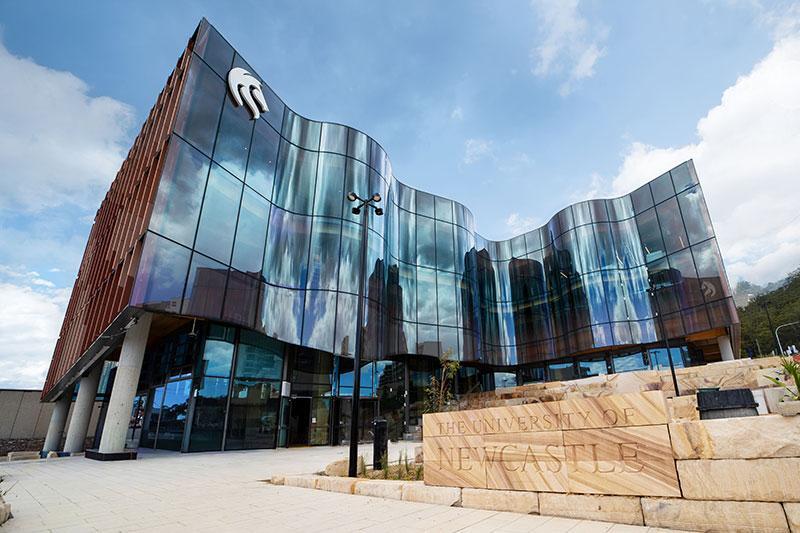
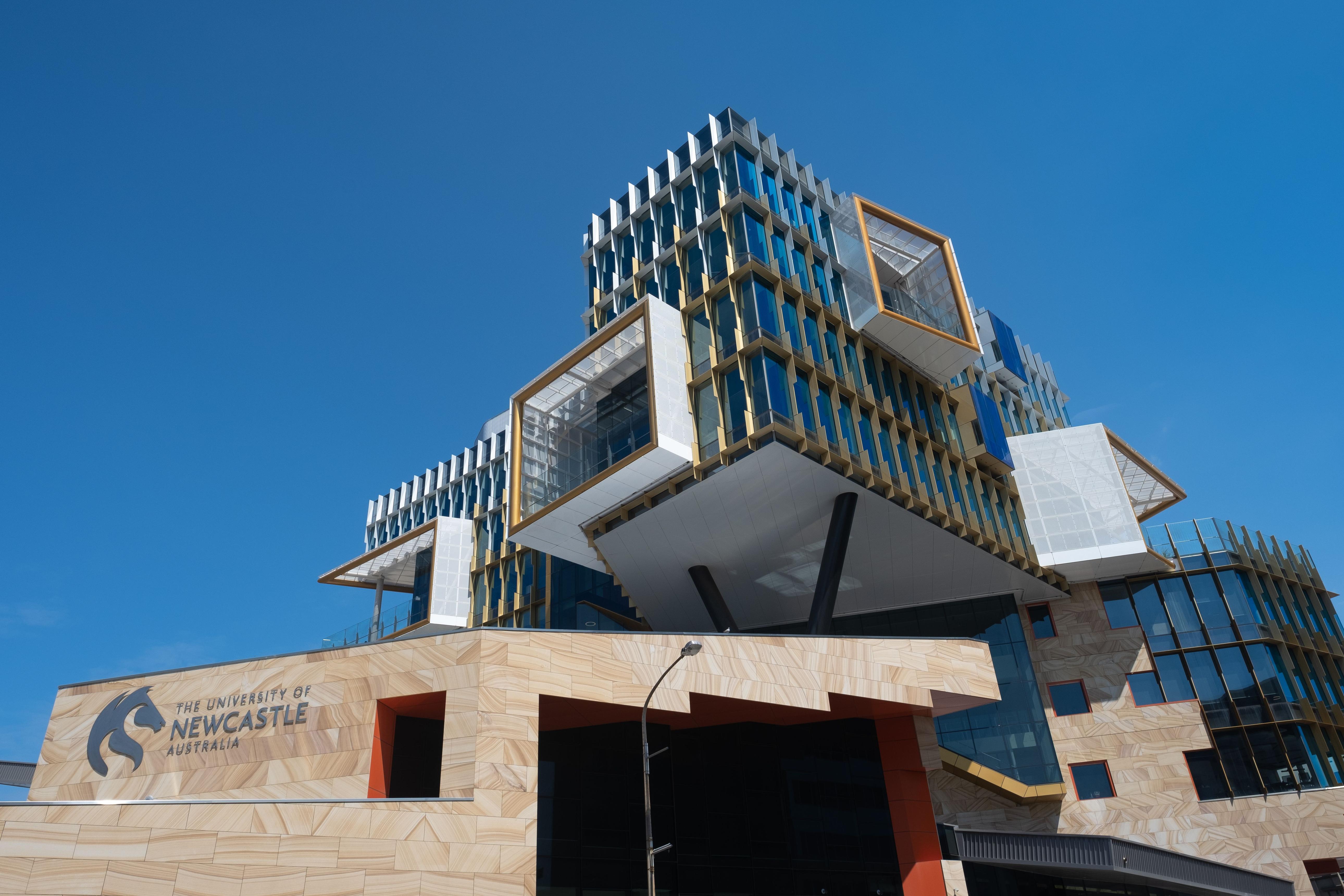
About The University of Newcastle
The University of Newcastle: Practical Learning, Research and Global Opportunities
The University of Newcastle, Australia is a public university based in New South Wales, with its main campuses in the Newcastle region and additional locations including Sydney and the Central Coast. The university offers undergraduate, postgraduate and research programs and describes its focus as providing high-quality education that prepares students for future careers.
The University of Newcastle offers programs across Architecture and Construction, Business and Management, Computing, Maths and Technology, Creative Industries and Communication, Education, Engineering, Health and Medicine, Humanities and Social Sciences, Law, and Science and the Environment.
What is the University of Newcastle Known For?
The university is particularly known for:
- Business and Management
- Computing and Information Technology
- Engineering
- Health and Medicine
- Education
- Architecture and Construction
- Law
- Science and the Environment
- Creative Industries and Communication
- Humanities and Social Sciences
The university places emphasis on practical learning, industry connections and career preparation, alongside research and academic study.
Business & Management
Students can explore areas including:
- Business
- Management
- Accounting
- Finance
- Economics
- Marketing
These programs can prepare students for careers in business, finance, management, consulting and professional services.
Computing, Mathematics & Technology
The University of Newcastle offers study in technology-related areas including:
- Computer Science
- Information Technology
- Software
- Cybersecurity
- Data and computing
- Mathematics
These programs can develop technical and analytical skills for careers in technology, software, data and digital industries.
Engineering
Engineering is another major study area, with programs covering areas such as:
- Civil engineering
- Electrical engineering
- Mechanical engineering
- Chemical engineering
- Environmental engineering
- Software-related engineering
Students can combine technical study with practical and industry-focused learning.
Health & Medicine
The university offers a wide range of health and medical programs, including disciplines such as:
- Medicine
- Nursing
- Pharmacy
- Physiotherapy
- Medical science
- Psychology
- Public health
Professional health programs may have additional academic, English-language or registration requirements.
Education
Education programs prepare students for careers in teaching and related professional fields, with study options across different stages and areas of education.
Law
Students interested in legal careers can explore:
- Law
- Legal studies
- Business and law
- Related areas of policy and governance
These programs can provide pathways into legal services, government and professional careers.
Science & Environment
Science-related study areas include:
- Biological sciences
- Environmental science
- Chemistry
- Physics
- Marine and environmental studies
- Earth sciences
The university's Newcastle and Central Coast locations provide opportunities for students interested in environmental and coastal subjects.
Architecture & Construction
Students can explore:
- Architecture
- Construction management
- Built environment
- Design
- Planning
These disciplines can prepare students for careers in architecture, construction, property and the built environment.
Academic Environment
The University of Newcastle combines academic learning with practical and research experiences. Depending on the course, students may experience:
- Lectures
- Tutorials
- Laboratory work
- Practical classes
- Research projects
- Fieldwork
- Industry projects
- Professional placements
The university specifically highlights industry experts, practical learning and real-world experiences as part of its study experience.
Quick Facts
- University: The University of Newcastle, Australia
- Type: Public university
- Country: Australia
- State: New South Wales
- Study levels: Undergraduate, postgraduate and research
- International students: Yes
- Main study areas: Business, Computing, Engineering, Health, Education, Law, Science, Architecture and Construction
- Study locations: Newcastle, Central Coast and Sydney, depending on program
- International pathways: Yes
- International application: Online application or through an official education agent
Q. Is the University of Newcastle a good university?
A. The University of Newcastle can be a strong choice for students looking for a research-oriented Australian university with practical learning and a broad selection of professional programs. It is particularly relevant for students interested in engineering, health, computing, business, education, law and science.
Q. Where is the University of Newcastle located?
A. The university is based in New South Wales, with its main Newcastle-area campuses and additional study locations including Sydney and the Central Coast. The exact location depends on the selected program.
Student Life at the University of Newcastle
The University of Newcastle offers a diverse student experience across its campuses in Newcastle, the Central Coast and Sydney. The university has more than 37,000 students, including nearly 6,400 international students from 96 countries. Students can take part in more than 100 clubs and societies covering social, cultural, academic and sporting interests.
Campus & Facilities
Students can access:
- Libraries and study spaces
- Teaching and learning facilities
- Research facilities
- Specialist laboratories
- Sport and recreation facilities
- Student support services
- Accommodation
- Careers services
- Health and wellbeing support
The university also provides orientation programs, campus tours and student-life activities to help new students settle into university.
Student Clubs & Activities
Students can participate in:
- Academic clubs
- Sports clubs
- Cultural societies
- Social events
- Volunteering
- Student leadership
- International student activities
The university has over 100 registered clubs and societies, giving students opportunities to meet people with similar interests and develop teamwork and interpersonal skills.
International Student Experience
The University of Newcastle provides dedicated support for international students before and during their studies.
Support includes:
- International student orientation
- Academic support
- Wellbeing services
- Careers guidance
- Accommodation support
- English-language support
- International student advice
- Pathway programs
The university also offers pathway programs and English-language courses for international students who need additional preparation before entering their chosen degree.
Q. What is student life like at the University of Newcastle?
A. Student life combines academic study with clubs, societies, sporting activities, cultural events and professional development. International students can also access dedicated support and programs designed to help them adjust to studying and living in Australia.
The University of Newcastle Courses – Business, Computing, Engineering, Health, Law and More
The University of Newcastle offers undergraduate, postgraduate and research programs across a broad range of disciplines. Its postgraduate portfolio includes more than 450 courses and 70 programs, including graduate certificates, graduate diplomas and master's degrees.
Popular Subject Areas
Business & Management
Students can explore:
- Business
- Accounting
- Finance
- Economics
- Management
- Marketing
These programs can prepare graduates for careers in business, finance, accounting, consulting and management.
Computing & Technology
Technology-related study includes:
- Computer Science
- Information Technology
- Software
- Data-related disciplines
- Cybersecurity
- Digital technologies
Students can develop technical and analytical skills relevant to technology and digital careers.
Engineering
Engineering is a significant area of study, with programs across disciplines such as:
- Civil engineering
- Electrical engineering
- Mechanical engineering
- Chemical engineering
- Environmental engineering
- Software engineering
Students can combine technical study with practical learning and industry experience.
Health & Medicine
Health-related programs include areas such as:
- Medicine
- Nursing
- Pharmacy
- Physiotherapy
- Medical science
- Psychology
- Public health
Professional health programs may have additional entry and registration requirements.
Education
Students can study education and teaching-related disciplines, preparing for careers across schools, education services and related organisations.
Law
Law-related study includes:
- Law
- Legal studies
- Business and law
- Related policy and governance fields
These programs can support careers in legal services, government and professional organisations.
Science & Environment
Science programs cover areas including:
- Biological sciences
- Environmental science
- Chemistry
- Physics
- Earth sciences
- Marine and environmental disciplines
Architecture & Construction
Students can explore:
- Architecture
- Construction management
- Built environment
- Design
- Planning
These programs can lead to careers in architecture, construction, property and related industries.
Q. What are the best courses at the University of Newcastle?
A. The university is particularly suited to students interested in Engineering, Health, Computing, Business, Education, Law, Science, Architecture and Construction. The most suitable course depends on the student's academic background and career goals.
Practical Learning
The University of Newcastle places strong emphasis on applying academic knowledge in real-world environments.
Depending on the course, students may gain experience through:
- Clinical placements
- Professional work placements
- Practicums
- Internships
- Industry-led projects
- Research projects
- Fieldwork
The university describes these opportunities as career-ready placements, designed to help students gain hands-on experience and build professional connections.
Careers & Employability
The University of Newcastle's Careers Service provides support to students and graduates.
Students can access:
- Career counselling
- Resume and application support
- Interview preparation
- Job opportunities
- Employer events
- Networking
- Career workshops
- Graduate program information
International students can also use the Finding Work in Australia program, which helps them understand Australian workplace practices and improve their employability.
Career Areas
Depending on their degree, graduates can pursue careers in:
Business & Finance
- Accounting
- Banking
- Finance
- Management
- Consulting
Technology
- Software development
- IT
- Data
- Cybersecurity
- Digital technology
Engineering
- Civil engineering
- Mechanical engineering
- Electrical engineering
- Environmental engineering
- Engineering consulting
Health
- Nursing
- Medicine
- Pharmacy
- Physiotherapy
- Health services
Law & Government
- Legal services
- Government
- Policy
- Public administration
Science & Environment
- Scientific research
- Environmental management
- Sustainability
- Laboratory-based careers
Placement & Internship Opportunities
Students may gain professional experience through:
- Clinical placements
- Professional placements
- Internships
- Practicums
- Industry projects
- Research experience
The exact placement structure depends on the selected degree.
The University of Newcastle Fees – Tuition Costs, Scholarships and Financial Support for International Students
International tuition fees at the University of Newcastle vary according to the course and study load. For 2026, the university publishes separate international undergraduate and postgraduate fee schedules.
Tuition Fees for International Students
Examples of 2026 international fees include:
|
Study Area |
2026 Fee |
|
Accounting — Undergraduate |
AUD 5,138 per 10 units |
|
Business — Undergraduate |
AUD 5,138 per 10 units |
|
Computer Science — Undergraduate |
AUD 5,134 per 10 units |
|
Civil Engineering — Undergraduate |
AUD 5,871 per 10 units |
|
Environmental Studies — Undergraduate |
AUD 6,181 per 10 units |
|
Accounting — Postgraduate |
AUD 4,492 per 10 units |
|
Computer Science — Postgraduate |
AUD 6,108 per 10 units |
|
Engineering — Postgraduate |
AUD 6,353 per 10 units |
The university calculates fees according to the subjects and units undertaken, so the actual annual cost depends on the student's program and study load.
International students should also budget for:
- Tuition fees
- Student Services and Amenities Fee (SSAF)
- Overseas Student Health Cover (OSHC)
- Accommodation
- Food and living expenses
- Books and study materials
- Transport
- Visa and travel expenses
For 2026, the maximum SSAF for a full-time international student is AUD 373 per year.
Undergraduate Tuition Cost
The total undergraduate tuition cost depends on the selected degree.
For example, if a student completes a standard full-time study load and the applicable subjects average approximately AUD 5,134 per 10 units, the annual tuition will depend on the total number of units required by the particular degree.
Therefore, students should use the official program-specific annual fee rather than multiplying one subject fee across every year of study.
Accommodation Costs
Accommodation is separate from tuition fees.
Students can choose from university accommodation and private accommodation options around Newcastle and the university's other study locations.
Students should also budget for:
- Food
- Transport
- Personal expenses
- Study materials
- OSHC
- Visa expenses
- Travel
International Student Cost of Attendance
The total cost of studying at the University of Newcastle depends on the student's course, study load, accommodation and lifestyle.
Students should consider:
Tuition + Accommodation + Living Expenses + OSHC + SSAF + Transport + Study Materials
The university recommends that international students plan for expenses beyond tuition, including textbooks, course materials and SSAF.
Scholarships & Financial Support
The University of Newcastle offers a range of scholarships for international students. These include awards based on academic achievement and other eligibility criteria.
International Excellence Scholarship
The International Excellence Scholarship provides eligible international students commencing in 2027 with a 20% reduction in gross annual international tuition fees. The university lists 500 scholarships for this award.
Vice-Chancellor's International Academic Merit Scholarship
The Vice-Chancellor's International Academic Merit Scholarship provides eligible students commencing in 2027 with a 30% reduction in gross annual international tuition fees.
Students should check the individual scholarship conditions because eligibility, commencement year and eligible programs vary.
Scholarships for International Students
International students should check Newcastle's current scholarship listings for:
- Scholarship value
- Eligible courses
- Academic requirements
- Nationality requirements
- Commencement year
- Application requirements
- Scholarship duration
Scholarships can significantly reduce the tuition cost for eligible students.
Payment of Tuition Fees
International students must pay their tuition fees by the due dates specified by the University of Newcastle. The university also offers payment plans for eligible international students, available from Trimester 1, 2025 onward.
Students should follow the payment instructions included with their offer and enrolment information.
Cost Example for an International Student
Suppose an international student's annual tuition is AUD 40,000 and they receive the 20% International Excellence Scholarship.
Scholarship:
AUD 40,000 × 20% = AUD 8,000
Remaining tuition:
AUD 40,000 − AUD 8,000 = AUD 32,000 per year
This is an illustrative calculation only. The actual tuition depends on the student's course and study load, while scholarship eligibility and value depend on the applicable scholarship conditions.
The Honest Verdict – Is the University of Newcastle Worth the Cost?
The University of Newcastle can be a strong option for international students looking for a broad range of professional programs, practical learning and a university environment outside Australia's largest capital cities.
The University of Newcastle Is an Excellent Choice If You...
- Want to study in New South Wales
- Are interested in Engineering
- Want to study Computing or IT
- Are interested in Health or Medicine
- Want to study Business
- Are interested in Law
- Want to study Science or Environmental Studies
- Are interested in Architecture and Construction
- Want access to international scholarships
- Prefer a university with strong practical and industry-focused learning
It May Not Be the Right Fit If You...
- Need the lowest possible tuition costs
- Prefer studying in the centre of Sydney or Melbourne
- Want a very small university environment
- Prefer a university where all programs have one fixed tuition fee
Frequently Asked Questions About University of Newcastle Fees
Q. How much does it cost to study at the University of Newcastle?
A. International fees vary according to the course and study load. For 2026, undergraduate subject fees range across different disciplines, while postgraduate coursework fees also vary by subject area.
Q. Does the University of Newcastle offer scholarships to international students?
A. Yes. The university offers several scholarships for international students, including tuition-fee reduction scholarships.
Q. How much can international students save through scholarships?
A. Current 2027 scholarship listings include the 20% International Excellence Scholarship and 30% Vice-Chancellor's International Academic Merit Scholarship for eligible students.
Q. Is accommodation included in tuition?
A. No. Accommodation and everyday living expenses are separate from tuition fees.
Q. Do international students need OSHC?
A. Yes. International students studying in Australia on a student visa need appropriate Overseas Student Health Cover.
Q. Is the SSAF included in tuition?
A. No. The SSAF is charged separately. For 2026, the maximum full-time international SSAF is AUD 373.
A Final Word – Why the University of Newcastle Deserves Your Consideration
The University of Newcastle combines academic study, practical learning, industry experience and a broad range of professional programs. Its offerings across engineering, computing, health, business, law, science, education and architecture make it suitable for students with varied career goals.
International students can also benefit from scholarship opportunities that may reduce tuition costs.
Overall Verdict: The University of Newcastle is a strong option for international students seeking a career-focused Australian university, particularly in engineering, computing, health, business, law, science and related professional fields. Students should check the exact tuition fee for their chosen program and compare scholarship eligibility, accommodation and living costs before applying.
Entry Requirements
General Entry Requirement
IELTS 6.0 overall
Fees & Scholarships
Annual Tuition Fees
AUD 36,000 – AUD 53,000
Ready to Apply to The University of Newcastle?
Our advisors guide you from eligibility check to offer letter — at no cost to you.
Join our WhatsApp Community
.jpeg)
Scan to join our student community for admission updates & guidance