
Annual FeesUSD 25,000 - USD 43,000
Texas State University
LocationUS
Entry RequirementIELTS 6.0 overall
Visa Success Rate70%
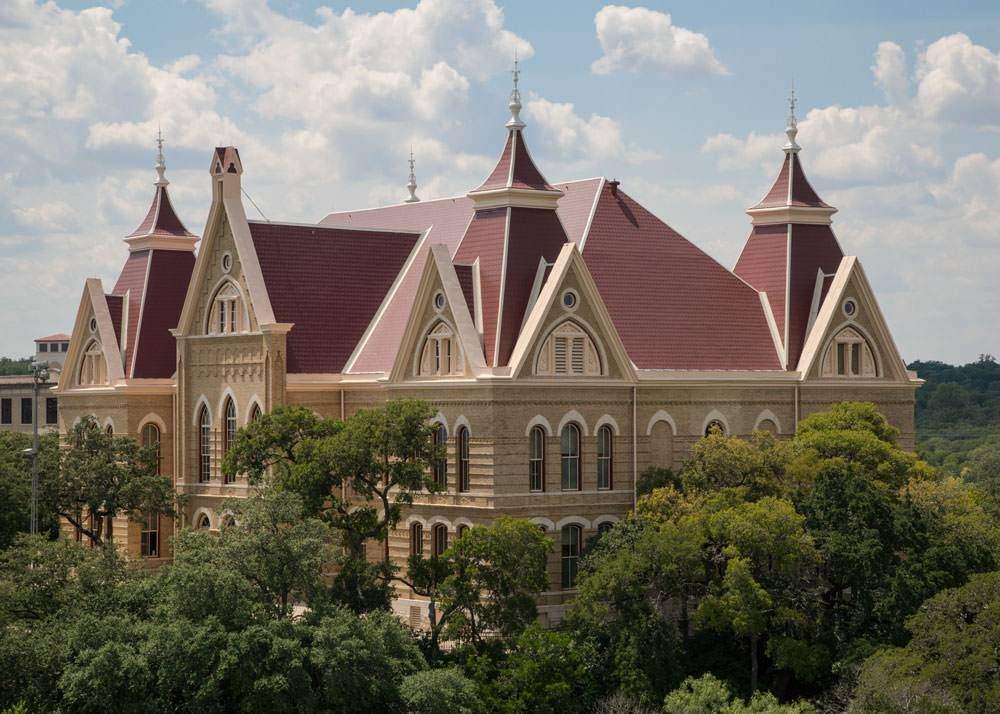
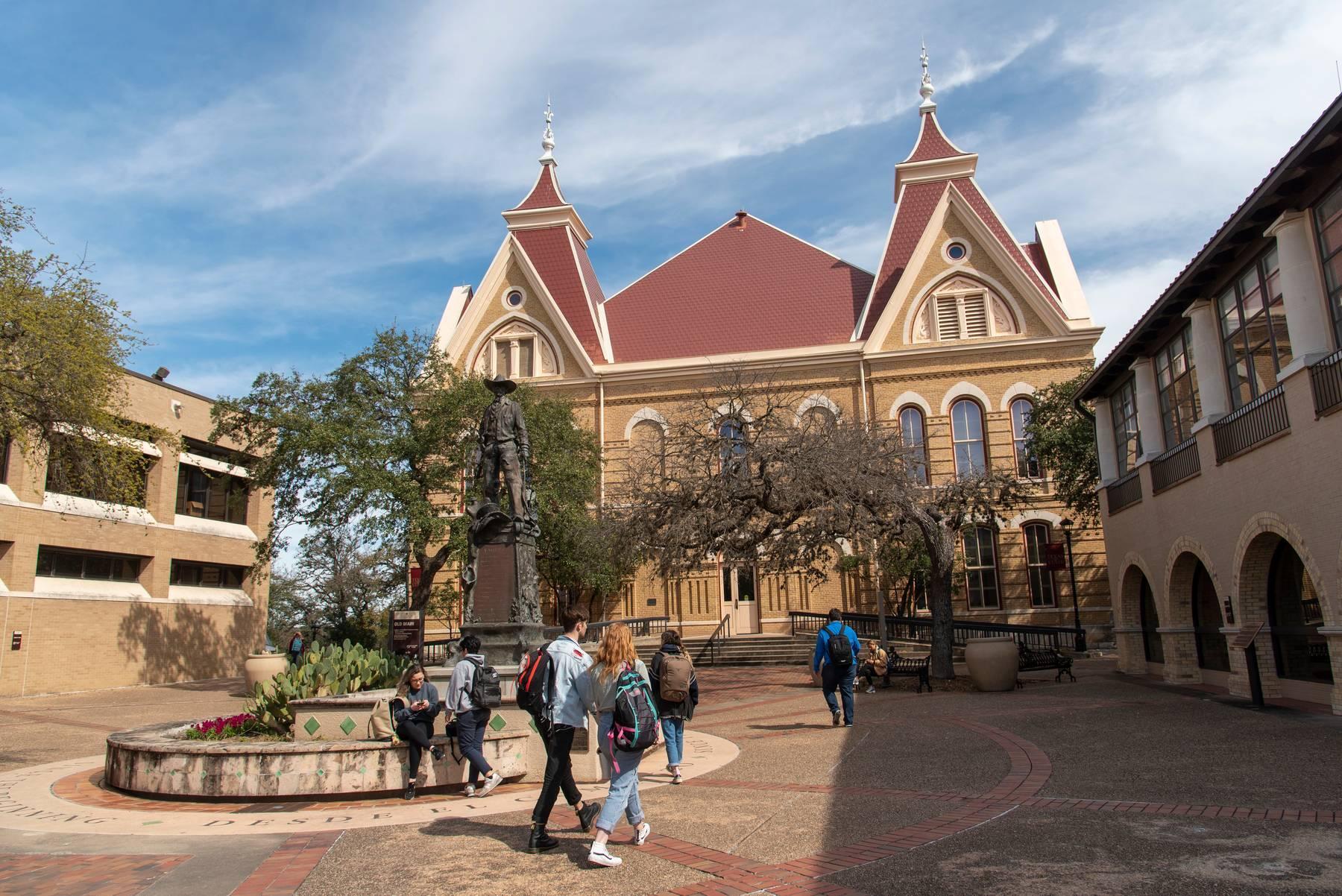
Campus Photos
Texas State University
About Texas State University
Texas State University: Diverse Academic Programmes, Research Opportunities and Student Life in Texas
Texas State University is a public research university located in San Marcos, Texas, between Austin and San Antonio. Known for its broad selection of academic programmes, active campus community and research opportunities, the university attracts students interested in a wide range of subjects, from business and computer science to engineering, education, healthcare and the natural sciences.
The university offers undergraduate and graduate degrees across multiple academic colleges. Its location in the Central Texas region gives students access to a growing economic area that includes technology, healthcare, education, manufacturing and professional services. Students can combine classroom learning with research, student organisations, practical projects and other experiences that contribute to their academic and professional development.
For international students, Texas State University is worth exploring because of its academic variety, established international student services and campus-based residential options. However, choosing a university requires more than looking at its location or the number of courses it offers. Applicants should consider programme-specific admission requirements, total annual expenses, scholarship eligibility, accommodation and the opportunities available in their intended field.
What is Texas State University Known For?
Texas State University is known for its broad academic portfolio, research activity and large, diverse student community. It offers more than 200 degree programmes and welcomes students from numerous countries, creating opportunities to learn alongside people with different academic interests and cultural backgrounds.
Its academic offerings span business, computer science, engineering, education, health professions, liberal arts, fine arts, science and technology. This variety allows students to explore different professional directions while benefiting from the resources of a public university.
The university also emphasises research and experiential learning. Depending on their academic discipline, students may have opportunities to participate in faculty-led research, laboratory activities, creative projects, fieldwork and professional development initiatives.
Another important feature is its location in San Marcos. Students can experience a university-centred environment while remaining within reach of Austin and San Antonio. These nearby cities expand the range of cultural attractions, entertainment and potential professional connections available in the wider region.
Texas State University is therefore particularly relevant to applicants who want a broad choice of programmes, an active campus environment and opportunities to connect academic learning with future career goals.
Texas State University Rankings – Research, Academic Breadth and Recognition
University rankings can help applicants compare institutions, but their value depends on the ranking organisation, evaluation criteria, subject area and publication year. A university may perform differently in research assessments, subject-specific rankings, student outcomes and measures of overall institutional reputation.
Texas State University identifies itself as a doctoral university with higher research activity under the Carnegie Classification framework. This classification reflects the institution's research profile; it should not be interpreted as a universal ranking position or a guarantee of a particular academic outcome.
Students should examine rankings alongside other indicators, including programme accreditation, curriculum, research facilities, faculty expertise, student support and graduate outcomes. For professional fields, the quality and recognition of the specific degree programme can be more useful than an institution-wide ranking.
Why These Rankings Matter
Rankings can provide an initial comparison between universities, but they should not determine a student's decision on their own. Applicants interested in business may prioritise practical projects and professional connections, while engineering students may focus on laboratories, technical facilities and accreditation.
Students should also distinguish between an overall university ranking and a ranking for a specific subject. Reviewing the publication year and methodology helps ensure that comparisons are relevant and current.
Quick Facts
- University name: Texas State University
- Institution type: Public research university
- Location: San Marcos, Texas, United States
- Academic levels: Undergraduate and graduate
- Academic range: More than 200 degree programmes
- Key study areas: Business, computer science, engineering, education, health professions, science, fine arts and liberal arts
- Student community: Domestic and international students from many countries
- Campus environment: Residential university campus in Central Texas
- International admissions: Available for eligible applicants, subject to programme and intake requirements
- Estimated undergraduate annual cost: US$43,720 for nonresident students living on campus in the 2026–2027 published estimate
Q. Is Texas State University a good university for international students?
A. It can be a suitable option for students looking for a broad range of academic programmes, research opportunities and an active campus community. Its suitability depends on the student's chosen degree, budget, admission eligibility and preferred living environment.
Texas State University Campuses – Learning in San Marcos
Texas State University's main campus is in San Marcos, a city in Central Texas located between Austin and San Antonio. The campus combines academic buildings, student services, residential facilities, recreational spaces and resources that support university life.
Students can access facilities associated with their particular colleges and departments. Depending on their degree, these may include laboratories, classrooms, specialist equipment, studios, collaborative learning spaces and research facilities.
The university's campus environment also supports activities outside the classroom. Students can participate in recognised organisations, attend university events, use recreational facilities and explore opportunities to build connections with classmates and faculty.
Residential options are an important part of the university experience. Texas State offers residence halls and other housing options, although room availability, eligibility, costs and application procedures vary. International students should confirm current housing arrangements before finalising their financial plans.
Is San Marcos a Good Place for International Students?
San Marcos may appeal to students who want to live in a university city while remaining close to larger urban centres. Austin and San Antonio provide additional options for entertainment, cultural activities, shopping and exploring the wider region.
However, students should research local transport, commuting arrangements, grocery shopping, healthcare access and travel costs before arriving. The availability of convenient transport depends on where a student lives and where they need to travel.
Students who prefer a large metropolitan campus may want to compare Texas State with universities located directly in Austin, Dallas or Houston. Those who prefer a residential campus with access to nearby cities may find San Marcos an appealing alternative.
Texas State University Courses – Programmes for Different Career Goals
Texas State University offers undergraduate and graduate programmes across a variety of academic disciplines. The best choice depends on a student's academic background, career objectives, subject interests and eligibility for the intended programme.
Applicants should review the current university catalogue to confirm degree availability, prerequisites, course requirements and any additional application materials required by individual departments.
Popular Subject Areas at Texas State University
Business and Management
Students interested in business can explore areas such as accounting, finance, management, marketing and information systems. These disciplines introduce students to organisational decision-making, financial analysis, business operations, customer behaviour and technology-enabled business processes.
Business applicants should compare degree requirements, elective options and opportunities for practical projects or internships. The right specialisation depends on whether a student wants to pursue finance, management, marketing, entrepreneurship or another business-related career.
Computer Science and Information Technology
Computer science and related technical programmes can appeal to students interested in programming, software development, algorithms, systems and computing applications. Students should examine the balance between theoretical foundations and practical project work in their intended degree.
Those pursuing technology careers can strengthen their preparation through personal projects, research, internships and collaborative work. Applicants should confirm the specific courses and technical prerequisites associated with their chosen programme.
Engineering and Applied Sciences
Engineering and applied science programmes offer pathways for students interested in technical problem-solving, design, systems and scientific applications. Depending on the programme, students may study subjects related to engineering principles, computing, manufacturing, materials or other applied disciplines.
Prospective students should investigate laboratory access, project opportunities, programme accreditation and the professional requirements associated with their intended career.
Education and Teacher Preparation
Texas State University offers programmes connected to education and teacher preparation. Students interested in teaching or educational leadership should examine the requirements for their intended specialisation.
Teacher certification requirements can differ according to the subject, educational level and applicable state regulations. International applicants should confirm whether their intended programme leads to the credentials they need and whether additional requirements apply.
Health Professions and Healthcare-Related Fields
Students can explore healthcare-related academic pathways and programmes in relevant scientific and professional disciplines. These fields may suit applicants interested in health services, clinical professions, research or community health.
Students should distinguish between completing an academic degree and obtaining professional licensure. Some careers require supervised clinical experience, examinations or additional certification, and international graduates must check the rules that apply to their chosen profession.
Science, Liberal Arts and Fine Arts
Texas State also offers programmes across the natural sciences, social sciences, humanities and creative disciplines. Depending on the degree, students may study biology, chemistry, psychology, communication, history, political science, music and other subjects.
These areas can support careers in research, communication, public service, creative industries, education and further academic study. Students should compare individual curricula and career pathways before choosing a major.
Q. Which courses are best at Texas State University?
A. There is no single best programme for every student. Business, computer science, engineering, education, healthcare-related subjects and the sciences are all worth exploring, depending on individual goals. Applicants should compare curriculum, admission criteria, career relevance and total costs before deciding.
Student Life at Texas State University – Campus Activities and Community
Student life at Texas State University extends beyond lectures and examinations. The university offers opportunities to participate in student organisations, campus events, cultural activities, recreation and professional groups.
With a large student population and an international community, students can meet classmates from different backgrounds and develop friendships through academic and extracurricular activities. Joining an organisation or attending campus events can help new students become familiar with university life.
Students can also explore athletics and recreation as part of their university experience. Participation may provide opportunities to develop teamwork, leadership and communication skills while building connections outside the classroom.
For international students, adapting to a new academic system and living environment can take time. Making use of orientation, student services, academic advising and peer networks can help students navigate the transition.
Facilities & Campus Life
- Academic buildings: Classrooms and learning spaces for different academic departments.
- Research facilities: Resources that support faculty-led research and discipline-specific projects.
- Library services: Study areas, research materials and academic resources.
- Residential facilities: Campus housing options, subject to availability and university policies.
- Student organisations: Groups related to academic interests, professional development, culture and recreation.
- Recreational opportunities: Activities and facilities that support student wellbeing and campus involvement.
- International student services: Guidance for international applicants and students on relevant university and immigration processes.
- Campus events: Activities that provide opportunities for social connection and engagement with university life.
Students should confirm current facility access, housing rules and service availability through official university departments.
Q. What is student life like at Texas State University?
A. Students can combine academic work with campus events, student organisations, research and recreational activities. The experience depends on individual interests and participation, so students who actively use university resources may find it easier to build connections and make the most of campus life.
Careers & Employability – Helping Students Build Successful Careers
Career preparation is an important consideration when selecting a university. Texas State University offers programmes across fields that connect with a wide range of professional sectors, and students can use their time at university to develop subject knowledge and transferable skills.
Career outcomes depend on the student's degree, academic performance, practical experience, communication skills and the wider employment market. Students should take an active approach to preparing for employment rather than assuming that a university qualification alone guarantees a job.
Career Support Includes
- Academic advising: Planning coursework and understanding degree requirements.
- Research opportunities: Exploring faculty-led projects and discipline-specific experiences.
- Professional development: Developing communication, teamwork, analytical thinking and problem-solving skills.
- Career preparation: Checking current university services for résumé support, interview preparation and career planning.
- Internship research: Identifying relevant opportunities and understanding the eligibility requirements.
- Networking: Building professional connections through academic departments, student organisations and university events.
- Further study planning: Exploring postgraduate education or professional qualifications where relevant.
Students should ask the university which services are available to their specific programme and how they can access them. They should also research programme-level employment outcomes and typical career requirements independently.
International students must consider immigration rules when planning internships or employment. Work eligibility depends on visa status and the applicable authorisation requirements. Students should consult the university's international student services office before undertaking work or accepting an internship.
Q. Does Texas State University guarantee employment after graduation?
A. No university can guarantee a job for every graduate. Career outcomes depend on the student's skills, experience, degree, professional eligibility and employment conditions. Students should use university resources and practical learning opportunities to strengthen their prospects.
Texas State University Fees – Tuition and Cost of Living
Understanding the total cost of studying is essential for international applicants. Expenses may include tuition, mandatory fees, accommodation, food, books, transportation, health insurance and personal spending.
For the 2026–2027 academic year, Texas State University's published undergraduate cost-of-attendance estimate for nonresident students living on campus is US$43,720 for a standard nine-month academic year. This estimate includes US$25,080 for tuition and fees, US$790 for books and supplies, US$13,330 for housing and food, and US$4,520 for personal, miscellaneous and travel expenses.
These figures are estimates based on a specified study load and living arrangement. Actual tuition and expenses can differ according to the degree, number of credits, housing choice, insurance and individual spending. Students planning for another intake should check the latest published rates.
Estimated Tuition Fees for International Students
|
Expense category |
Estimated annual amount |
|
Tuition and fees |
US$25,080 |
|
Books and supplies |
US$790 |
|
Housing and food |
US$13,330 |
|
Personal, miscellaneous and travel |
US$4,520 |
|
Total estimated cost |
US$43,720 |
Figures represent the university's published 2026–2027 undergraduate estimate for nonresident students living on campus for the fall and spring semesters. They are budgeting estimates rather than a personalised bill or guarantee of future rates.
Graduate students should use the separate cost estimates for their academic level. The amount required for immigration documentation may also differ from the general cost-of-attendance estimate because the university uses specific assumptions for credit hours and living expenses.
Scholarships for International Students
Texas State University provides scholarship opportunities for eligible students. Awards can vary according to academic performance, student classification, eligibility rules and the conditions attached to individual scholarships.
The university lists several freshman scholarship categories, including assured awards for students who meet specified criteria, as well as national and competitive scholarships. Award amounts, eligibility and renewal conditions depend on the particular scholarship and the university's current policies.
International applicants should verify which scholarships accept their applicant category, whether they must complete a separate application and what academic performance is required to retain an award. Students should also confirm whether an award affects tuition classification or other financial arrangements.
Scholarships should be treated as potential financial support rather than guaranteed funding unless the student has received a formal award. Applicants should prepare a realistic budget that remains workable if they do not receive the scholarship they hope to obtain.
Q. Is Texas State University affordable for international students?
A. Affordability depends on the student's available funding and expected expenses. The published undergraduate estimate is a useful starting point, but applicants should calculate their full budget, investigate eligible scholarships and allow for additional expenses such as travel, insurance and personal needs.
Texas State University for International Students – Admissions and Support
Texas State University welcomes international students and provides guidance on the application process. Admission requirements depend on the applicant's educational background, intended academic level, degree programme and planned intake.
Freshman applicants generally need to complete an equivalent of a U.S. high school education and meet the university's admission standards. Applicants must submit the required application and academic records. Official documents and certified translations may be necessary, depending on where and how the records were issued.
International applicants must also satisfy the university's English-language proficiency requirements unless an approved exemption applies. Published options include TOEFL iBT, IELTS, Duolingo English Test and other accepted qualifications, each with its own minimum score requirements. Applicants should consult the current admissions page because accepted tests, score thresholds and policies may change.
Transfer and graduate applicants have different requirements. Graduate programmes may require a relevant previous degree, additional transcripts, recommendations, test scores or other department-specific materials.
Applicants should review deadlines carefully and submit their materials early enough to allow time for document evaluation and immigration procedures. Those who need an F-1 student visa should also understand that university admission does not guarantee visa approval.
International Student Support Includes
- Admissions guidance: Information about applications, academic records and deadlines.
- English proficiency information: Details about accepted tests, minimum scores and applicable exemptions.
- Immigration guidance: Information about student immigration documentation and maintaining appropriate status.
- Financial planning: Guidance on estimated expenses and required financial documentation.
- Orientation: Information about university procedures and support for new students.
- Academic resources: Access to relevant advising, library and learning services.
- Campus involvement: Opportunities to join student organisations and participate in university activities.
International applicants should verify the current requirements with the relevant university office before submitting documents or making financial commitments.
Q. Is Texas State University a good choice for international students?
A. It can be a good fit for students seeking a broad choice of degrees, an active campus and access to the Central Texas region. Applicants should confirm their programme eligibility, English proficiency, financial resources, housing arrangements and immigration requirements before making a final decision.
The Honest Verdict – Is Texas State University the Right Choice for You?
Texas State University is worth considering for students who want a broad academic selection, research opportunities and an active campus environment in Central Texas. Its location in San Marcos offers access to Austin and San Antonio while providing a distinct university setting.
The university may be particularly attractive to applicants whose intended programmes match its academic offerings and who want to participate in research, student organisations or campus activities. However, the right decision depends on the individual programme and the student's ability to meet the financial and admission requirements.
Texas State University Is an Excellent Choice If You...
- Want to explore a broad range of undergraduate or graduate degrees.
- Are interested in business, computing, engineering, education, health-related subjects, science or the arts.
- Prefer a campus environment with residential and extracurricular opportunities.
- Value access to a university community and the wider Central Texas region.
- Have researched the complete cost of attendance and have a realistic funding plan.
- Meet the academic and English-language requirements for your intended programme.
It May Not Be the Right Fit If You...
- Need a degree or specialisation that the university does not offer.
- Prefer a university located directly within a large metropolitan centre.
- Cannot meet the estimated cost without unconfirmed financial support.
- Require a professional qualification without checking the programme's licensing implications.
- Are choosing solely on the basis of a ranking or an assumed employment outcome.
Frequently Asked Questions About Texas State University
Q. Where is Texas State University located?
A. It is located in San Marcos, Texas, between Austin and San Antonio.
Q. Is Texas State University a public university?
A. Yes. It is a public research university in Texas.
Q. How many programmes does Texas State University offer?
A. The university advertises more than 200 degree programmes across different academic fields. Applicants should check the current catalogue for specific degrees and specialisations.
Q. How much does it cost for an international undergraduate student?
A. The published 2026–2027 estimate for nonresident undergraduates living on campus is US$43,720 for a nine-month academic year, including tuition, fees and estimated living expenses.
Q. Does Texas State University offer scholarships?
A. Yes. Scholarship opportunities include assured, national and competitive awards, but eligibility and funding depend on the individual scholarship and current university rules.
Q. What English proficiency scores are accepted?
A. Published options include TOEFL iBT, IELTS, Duolingo English Test and other recognised qualifications. Minimum scores and exemption rules should be confirmed on the current international admissions page.
Q. Is campus housing available?
A. Yes. The university offers residence halls and other housing options. Availability, cost and eligibility depend on the current housing policies.
Q. Can international students work while studying?
A. Work eligibility depends on immigration status and applicable authorisation rules. Students should obtain guidance from the university's international student services office before starting employment or an internship.
Q. Does university admission guarantee a U.S. student visa?
A. No. Admission and visa approval are separate decisions. Applicants must meet the relevant U.S. immigration requirements.
A Final Word – Why Texas State University Deserves Your Consideration
Texas State University offers international students a wide range of academic options in a university setting in Central Texas. Its research activity, campus organisations, student services and location between Austin and San Antonio provide several factors worth considering when comparing universities in the United States.
The strongest application decision begins with the student's intended degree. Review the curriculum, admission standards, total cost of attendance, scholarships, housing and career-related opportunities before committing. International students should also plan ahead for academic documents, English-language requirements and immigration procedures.
With careful research and a realistic budget, prospective students can determine whether Texas State University aligns with their academic ambitions, personal preferences and long-term professional goals.
Entry Requirements
General Entry Requirement
IELTS 6.0 overall
Fees & Scholarships
Annual Tuition Fees
USD 25,000 - USD 43,000
Ready to Apply to Texas State University?
Our advisors guide you from eligibility check to offer letter — at no cost to you.
Join our WhatsApp Community

Scan to join our student community for admission updates & guidance