
Annual FeesUSD 19,000 - USD 44,000
SUNY Polytechnic Institute
LocationUS
Entry RequirementIELTS 6.5 overall
Visa Success Rate70%
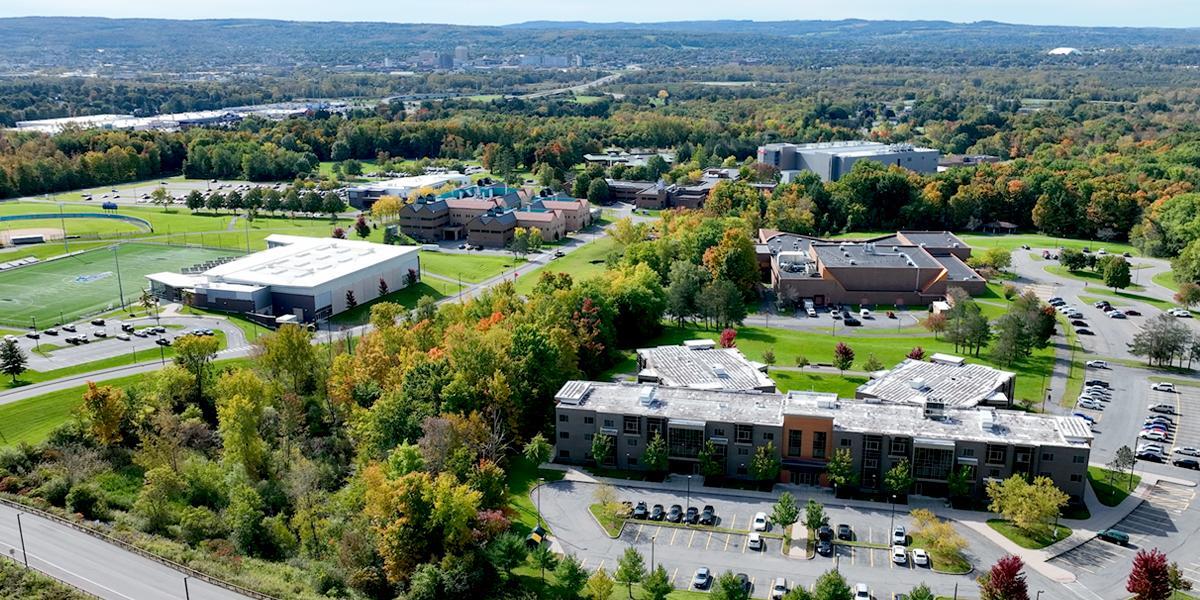
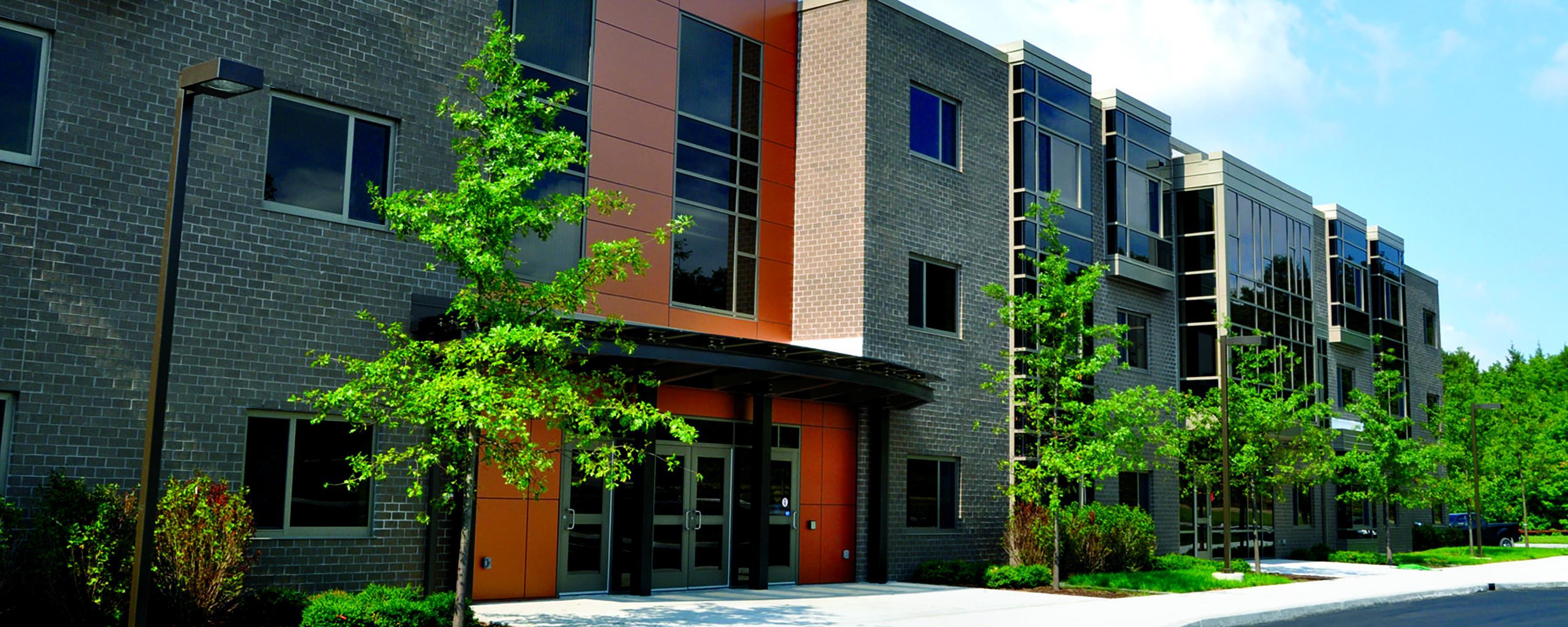
Campus Photos
SUNY Polytechnic Institute
About SUNY Polytechnic Institute
SUNY Polytechnic Institute: Technology-Focused Education, Applied Research and Career Opportunities in New York
Choosing a university in the United States is an important decision, particularly for international students interested in technology, engineering, computing and other specialised fields. Beyond academic reputation, students need to consider tuition fees, practical learning opportunities, campus facilities, career preparation and the overall cost of living. SUNY Polytechnic Institute, commonly known as SUNY Poly, offers a public university education with an emphasis on science, technology, engineering and applied learning.
Located in Utica, New York, SUNY Poly is part of the State University of New York system. The institution offers undergraduate and graduate programmes in areas such as computer science, cybersecurity, engineering, data science, business and the sciences. Its polytechnic approach emphasises connecting academic knowledge with practical applications, helping students understand how concepts are used in professional and research environments.
The university may appeal to students who prefer a technology-oriented academic setting rather than a traditional university focused primarily on the liberal arts. Its programmes can support different interests, from software development and information security to engineering, analytics and business-related careers.
For international students, SUNY Poly is worth considering when comparing American universities offering technical education. However, applicants should review the exact degree requirements, admission criteria, available financial support and estimated annual expenses before deciding whether it is the right fit.
What is SUNY Polytechnic Institute Known For?
SUNY Polytechnic Institute is known for its focus on science, technology, engineering and applied education. Its academic environment is designed to connect theoretical learning with practical problem-solving, preparing students to understand technical concepts and apply them to real-world situations.
The university's academic offerings include fields such as computer science, cybersecurity, civil engineering, data science and analytics, alongside business and other scientific disciplines. The availability of individual programmes can vary by degree level and academic year, so prospective students should consult the official catalogue before applying.
One of the institution's key attractions is its emphasis on technical and professional preparation. Students in relevant programmes may encounter programming assignments, laboratory work, research projects, collaborative problem-solving and other applied learning experiences. The nature of these opportunities depends on the chosen course.
SUNY Poly also offers graduate programmes intended for students seeking advanced knowledge in engineering, computing and emerging technologies. These programmes can be relevant for applicants who want to specialise after completing an undergraduate degree.
As a public institution within the SUNY system, SUNY Poly provides another option for students comparing the costs and academic opportunities of American public universities. Its suitability ultimately depends on the intended major, the student's financial circumstances and the kind of campus experience they prefer.
SUNY Polytechnic Institute Rankings – Academic Recognition and Technical Education
SUNY Polytechnic Institute has received recognition in university rankings published by organisations such as U.S. News & World Report and other higher education publications. Its official university information highlights recognition across rankings and academic categories.
When evaluating SUNY Poly, students should look beyond a single overall ranking. A university's performance in engineering, computing or other specialised areas may be more relevant than its general institutional position for someone planning a technical career.
Rankings use different methodologies. Some consider academic reputation, graduation rates and student outcomes, while others examine affordability, research activity or the experiences of particular student groups. Results can change between publication years.
Applicants should verify the year and category of any ranking before using it to compare universities. It is equally important to investigate curriculum content, research facilities, faculty expertise and opportunities for practical learning.
Why These Rankings Matter
Rankings can help students organise their university shortlist, but they do not provide a complete picture of the educational experience. A highly ranked institution may not offer the precise programme a student wants, while a university with a more specialised focus may provide a better match for particular academic goals.
For SUNY Poly applicants, the most useful comparison includes the quality of the intended programme, opportunities to gain technical experience, tuition and living costs, and access to academic support.
Students should also examine whether a degree aligns with their long-term plans. Those interested in research may prioritise laboratories and graduate study opportunities, while students preparing for industry roles may place greater emphasis on projects, internships and career development.
Quick Facts
- Official name: State University of New York Polytechnic Institute
- Common name: SUNY Polytechnic Institute or SUNY Poly
- Institution type: Public university
- Location: Utica, New York, United States
- University system: State University of New York
- Academic focus: Science, technology, engineering, computing and applied learning
- Study levels: Undergraduate and graduate programmes
- Popular subject areas: Computer science, cybersecurity, engineering, data science, business and related sciences
- International undergraduate tuition: USD 9,830 per semester for full-time study, or USD 19,660 for two semesters
- Estimated annual cost: USD 44,531.37 for international undergraduate students living on campus, including estimated indirect expenses
- Learning opportunities: Applied coursework, technical projects and programme-dependent research experiences
- Campus environment: A university setting in upstate New York
Q. Is SUNY Polytechnic Institute a good university for technology-focused education?
A. SUNY Poly can be a strong option for students interested in computing, engineering and applied technology. Applicants should compare the curriculum and practical learning opportunities for their intended degree and confirm that the programme fits their career goals.
SUNY Polytechnic Institute Campuses – Learning in Upstate New York
SUNY Polytechnic Institute is based in Utica, a city in central New York. The campus provides an academic environment for students pursuing technical, scientific and professional programmes.
A university campus can influence a student's experience as much as the classroom itself. Access to study spaces, laboratories, student services, residential facilities and recreational activities can help students balance academic work with daily life.
For students in technical programmes, specialised learning spaces and access to appropriate equipment can be particularly important. Applicants should investigate the facilities associated with their intended department and ask about opportunities to participate in research or practical projects.
Utica offers a different lifestyle from larger American cities such as New York City or Boston. Students may appreciate a smaller urban setting, although they should also consider local transport, travel costs, winter weather and access to activities outside campus.
Accommodation options and dining arrangements can affect the overall budget. Students should review current housing availability, room choices and meal plans before accepting an offer.
Q. Is Utica a good location for international students?
A. Utica may suit students who prefer a smaller city and a university-centred environment. Those who want extensive big-city entertainment or frequent international travel should consider transport connections and travel costs when comparing locations.
SUNY Polytechnic Institute Courses – Programmes in Computing, Engineering and Applied Science
SUNY Poly offers programmes across technical, scientific and professional disciplines. Its range of courses makes it possible for students to explore several career pathways, although the available degrees and admission requirements differ by academic level.
Students should examine the official academic catalogue carefully. Programme titles alone do not show the complete curriculum, prerequisites, elective options or opportunities for research and practical experience.
Popular Subject Areas at SUNY Polytechnic Institute
Computer Science
Computer science is relevant for students interested in programming, algorithms, software systems and computational problem-solving. Students can build technical foundations that may support careers in software development, systems engineering, application development and further study. Practical projects and a strong programming portfolio can help students demonstrate their abilities to employers.
Cybersecurity
Cybersecurity focuses on protecting computer systems, networks and information from digital threats. Students interested in this field can explore topics such as information security, risk management, system protection and security analysis, depending on their programme. Relevant careers may include security analyst, security engineer and other information security roles, although professional responsibilities vary.
Civil Engineering
Civil engineering involves the design, analysis and development of infrastructure such as buildings, transport systems and water-related facilities. Students develop mathematical, scientific and technical skills to understand how engineering solutions are designed and evaluated. Applicants should examine programme requirements and professional accreditation considerations if they plan to pursue a regulated engineering career.
Data Science and Analytics
Data science and analytics combine quantitative reasoning, computing and the interpretation of data. Students may learn to organise information, analyse patterns and communicate findings that support decisions. These skills can be useful in technology, finance, healthcare, business operations and research. Students should check the mathematical and programming prerequisites for their chosen programme.
Electrical and Other Engineering Fields
Engineering programmes can suit students interested in technical systems, design, modelling and applied problem-solving. Before applying, prospective students should confirm which engineering specialisations are available at their intended study level and examine the laboratory and project components of the curriculum.
Business and Management
Students interested in organisations, markets and business decision-making can explore relevant business programmes. These subjects may support career interests in management, operations, entrepreneurship and related fields. Combining business knowledge with technical skills can be valuable in technology-driven organisations.
Applied Science and Interdisciplinary Study
Science-related and interdisciplinary programmes can help students develop research skills, analytical thinking and a deeper understanding of technical problems. Applicants should check the exact programme structure, laboratory requirements and any available pathways to postgraduate study.
Q. Which courses are best at SUNY Polytechnic Institute?
A. Computer science, cybersecurity, engineering and data science are natural options for students interested in technology and applied problem-solving. The best programme depends on the student's strengths and career objectives, so applicants should compare course modules, practical requirements and future study options before choosing.
Student Life at SUNY Polytechnic Institute – Balancing Academics and Campus Activities
University life involves more than lectures, assignments and examinations. Students also benefit from developing friendships, exploring interests, participating in campus activities and learning to manage their time independently.
SUNY Poly students can explore opportunities associated with student organisations, campus events, athletics and recreational activities. Participation can help students meet classmates from different backgrounds, develop communication skills and build a sense of community.
For students enrolled in demanding technical programmes, managing time between coursework and extracurricular activities can be particularly important. Group projects and student organisations can also provide opportunities to practise teamwork and leadership.
International students may need time to adjust to a new education system, climate and social environment. Joining campus activities, connecting with classmates and asking university staff for guidance can make the transition easier.
Facilities & Campus Life
- Academic buildings: Spaces for lectures, seminars and academic activities.
- Laboratories and technical facilities: Programme-dependent resources supporting scientific and technical learning.
- Study spaces: Areas for individual study, research and group collaboration.
- Residential facilities: Accommodation options subject to availability and university housing policies.
- Dining services: Campus meal options and plans, with costs depending on the selected arrangement.
- Student organisations: Opportunities to connect with peers and explore academic or personal interests.
- Athletics and recreation: Activities that support fitness, recreation and student engagement.
- Academic support: Resources that may help students strengthen their understanding of course material.
- Career development: Guidance and activities intended to support career planning and professional preparation.
Students should check current campus information for facility access, opening hours, housing details and available student services.
Q. What is student life like at SUNY Poly?
A. Student life combines technical and academic study with opportunities to join campus activities and connect with classmates. The experience depends on a student's programme, interests and participation in the university community.
Careers & Employability – Preparing Students for Technical and Professional Roles
SUNY Poly's emphasis on applied education can help students connect academic knowledge with professional skills. In technical fields, employers often value a combination of theoretical understanding, practical experience, problem-solving ability and clear communication.
Students should make career preparation part of their university experience from the beginning. Relevant activities may include academic projects, research, internships, professional events and independent technical work. The availability of each opportunity depends on the programme, employer requirements and student eligibility.
Students can also strengthen their career prospects by documenting projects, building a portfolio where appropriate and practising how to explain technical decisions to non-specialists. These skills are useful in computing, engineering, analytics and many other professional areas.
Career Support Includes
- Career exploration: Identifying professional pathways connected to a chosen degree.
- Resume development: Presenting education, technical skills, projects and experience clearly.
- Interview preparation: Practising how to discuss academic projects and solve relevant technical problems.
- Internship research: Exploring suitable opportunities and meeting employer requirements.
- Project development: Using coursework and independent work to demonstrate practical ability.
- Networking: Connecting with faculty, classmates, alumni and professional communities where appropriate.
- Graduate study planning: Exploring postgraduate programmes and understanding their admission requirements.
International students must also understand the employment conditions attached to their immigration status. On-campus employment, internships and off-campus practical training may be subject to different rules. Students should seek guidance from the university's designated school official before accepting employment or beginning practical training.
Q. Does SUNY Polytechnic Institute guarantee jobs after graduation?
A. No. SUNY Poly can provide academic preparation and opportunities to develop relevant skills, but employment outcomes depend on the student's experience, technical abilities, job market, professional preparation and work authorisation.
SUNY Polytechnic Institute Fees – Understanding the Cost of Studying in New York
Tuition is an important part of the financial decision, but it is not the only expense international students need to consider. Housing, meals, insurance, books, transportation and personal spending all contribute to the total cost of studying in the United States.
SUNY Poly publishes estimated costs for international students requiring F-1 status. The following figures provide a useful starting point for budgeting, but costs may change and individual expenses can vary.
Estimated Tuition Fees for International Students
|
Expense |
Estimated annual cost |
|
Tuition |
USD 19,660 |
|
Fees |
USD 1,555 |
|
Housing and food |
USD 17,552 |
|
International student health insurance |
USD 2,164.37 |
|
Total direct billable costs |
USD 40,931.37 |
|
Books and supplies |
USD 1,400 |
|
Transportation |
USD 1,200 |
|
Personal expenses |
USD 1,000 |
|
Estimated total annual cost |
USD 44,531.37 |
These figures represent the university's published estimate for international undergraduate students living on campus. The total includes estimated indirect expenses in addition to direct university charges. It should not be interpreted as a guaranteed final bill.
The university also lists a one-time international orientation fee of USD 200 for new international students. Applicants should confirm how this charge applies to their entry term and whether any additional programme-specific expenses will arise.
Students should prepare a financial plan that accounts for possible changes in tuition, housing, insurance and everyday spending. Travel to and from the United States may also create additional costs.
Scholarships for International Students
Students should investigate scholarship opportunities and other financial assistance available through SUNY Poly. Eligibility, award amounts and conditions vary by funding source and programme.
International applicants should not assume that all scholarships available to domestic students will also be available to them. They should check the university's current financial aid guidance and ask admissions staff about awards for which international students may qualify.
For students requiring an I-20, SUNY Poly requires financial documentation demonstrating access to the estimated costs of study. The university's international admissions guidance explains the documentation needed to establish financial support.
Q. Is SUNY Polytechnic Institute affordable for international students?
A. It may be a suitable option for students seeking a public university focused on technical education, but the total annual budget is substantial. Applicants should compare the full cost with other universities and plan their finances before accepting an offer.
SUNY Polytechnic Institute for International Students – Admissions and Support
SUNY Polytechnic Institute provides an international admissions process for students applying from outside the United States. Applicants should identify the correct application route, review the requirements for their intended degree and prepare the necessary documents well before the deadline.
International undergraduate applicants may need to submit official secondary-school records, a passport biographical page and letters of recommendation, alongside other materials required by the university. Requirements can vary according to educational background, programme and application category.
Students should confirm whether their qualifications require an evaluation or translation and allow sufficient time for official documents to reach the university. Applicants should also verify the current English-language proficiency policy and any applicable test-score requirements rather than relying on assumptions.
Graduate applicants should check the separate requirements for their intended programme. Depending on the degree, these may include prior university transcripts, a relevant academic background and other supporting documents.
International Student Support Includes
- Admissions guidance: Information about applications, required documents and deadlines.
- Academic information: Details about programmes, course requirements and study options.
- Financial documentation guidance: Instructions for demonstrating funds required for international enrolment.
- International student advising: Guidance about immigration procedures and maintaining the appropriate student status.
- Campus resources: Information about facilities, housing and university services.
- Career preparation: Opportunities to explore professional pathways and develop relevant skills.
Students who need an F-1 visa should begin planning early. Admission to a university and issuance of an I-20 do not themselves guarantee visa approval. Applicants must satisfy the applicable immigration requirements and provide the documentation requested by the relevant authorities.
Q. Is SUNY Polytechnic Institute a good choice for international students?
A. SUNY Poly can suit international students who want a public university education in computing, engineering, data science or related technical fields. The right decision depends on programme availability, academic eligibility, the total cost and the student's preferred campus environment.
The Honest Verdict – Is SUNY Polytechnic Institute the Right Choice for You?
SUNY Polytechnic Institute offers a specialised option for students interested in technology, engineering, computing and applied science. Its public-university setting and focus on practical learning may appeal to applicants who want to build technical knowledge and develop skills relevant to professional work.
Its location in Utica offers a different experience from universities based in major metropolitan centres. Students should consider whether this environment suits their lifestyle, transport needs and preferred level of access to city activities.
Cost is another essential factor. Although SUNY Poly belongs to a public university system, international students pay non-resident tuition and must budget for housing, food, insurance and other expenses. Scholarship eligibility and the full cost of attendance should be confirmed before committing to the programme.
SUNY Polytechnic Institute Is an Excellent Choice If You...
- Want to study computing, cybersecurity, engineering, data science or related technical subjects.
- Prefer a university that emphasises applied learning and technical problem-solving.
- Are interested in developing practical skills alongside academic knowledge.
- Want to explore research, projects or other programme-related learning experiences.
- Prefer a public university in upstate New York.
- Have a realistic financial plan for tuition and living expenses.
It May Not Be the Right Fit If You...
- Need a very low-cost international study option without substantial financial resources.
- Want a degree programme that SUNY Poly does not currently offer.
- Prefer a large metropolitan campus with extensive big-city amenities.
- Expect a guaranteed scholarship, internship or job after graduation.
- Have not checked the academic prerequisites or professional requirements for your chosen field.
The best approach is to compare SUNY Poly's actual curriculum and complete cost with other universities offering similar degrees. This helps ensure that the decision is based on academic suitability and financial practicality rather than the university name alone.
Frequently Asked Questions About SUNY Polytechnic Institute
1. Where is SUNY Polytechnic Institute located?
SUNY Polytechnic Institute is located in Utica, New York, in the United States.
2. Is SUNY Poly a public or private university?
SUNY Poly is a public university within the State University of New York system.
3. How much is international undergraduate tuition?
The university lists full-time international undergraduate tuition of USD 9,830 per semester, equivalent to USD 19,660 for two semesters, before other expenses.
4. What is the total estimated annual cost for international undergraduates?
The published estimated yearly cost for international undergraduates living on campus is USD 44,531.37, including direct charges and estimated indirect expenses.
5. Does SUNY Poly offer computer science and cybersecurity?
Yes. The university lists computing and cybersecurity-related study options. Applicants should check the current catalogue for programme availability and admission requirements.
6. Are scholarships available for international students?
Students should review the university's current scholarship information and confirm which awards are open to international applicants. Eligibility and award conditions vary.
7. What documents are required for international admission?
Requirements depend on the degree and applicant category. International undergraduates may need academic records, a passport biographical page, recommendations and other application materials.
8. Can international students work while studying?
Some employment options may be available to eligible international students, but immigration rules and university requirements apply. Students should seek advice before starting employment or practical training.
9. Is on-campus accommodation available?
The university provides on-campus housing and food options. Students should confirm current availability, room arrangements, meal plans and associated costs.
10. Does admission guarantee an F-1 visa?
No. University admission and the I-20 process are separate from the visa decision. Students must satisfy the applicable U.S. immigration requirements.
A Final Word – Why SUNY Polytechnic Institute Deserves Your Consideration
SUNY Polytechnic Institute deserves consideration from students who want to pursue technology-focused education at a public university in the United States. Its academic offerings in computing, engineering, cybersecurity and related disciplines can provide a foundation for technical careers or further study.
International students should approach the decision carefully by confirming their intended programme, checking entry requirements, investigating available financial support and preparing a realistic annual budget. Practical experience, academic performance and continued professional development will also play important roles in future opportunities.
For students whose goals align with its technical focus and whose finances can support the total cost of attendance, SUNY Poly may be a worthwhile university to explore. A careful comparison with other institutions will help determine whether its programmes, location and learning environment are the right match.
Entry Requirements
General Entry Requirement
IELTS 6.5 overall
Fees & Scholarships
Annual Tuition Fees
USD 19,000 - USD 44,000
Ready to Apply to SUNY Polytechnic Institute?
Our advisors guide you from eligibility check to offer letter — at no cost to you.
Join our WhatsApp Community

Scan to join our student community for admission updates & guidance