
Annual FeesUSD 36,700 - USD 51,300
Suffolk University
LocationUS
Entry RequirementIELTS 6.5 overall
Visa Success Rate72%
Campus Photos
Suffolk University
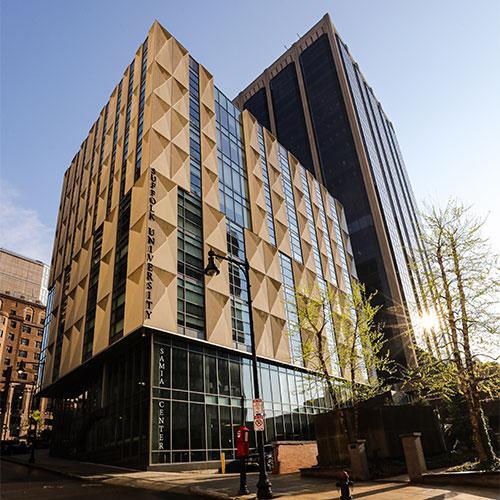
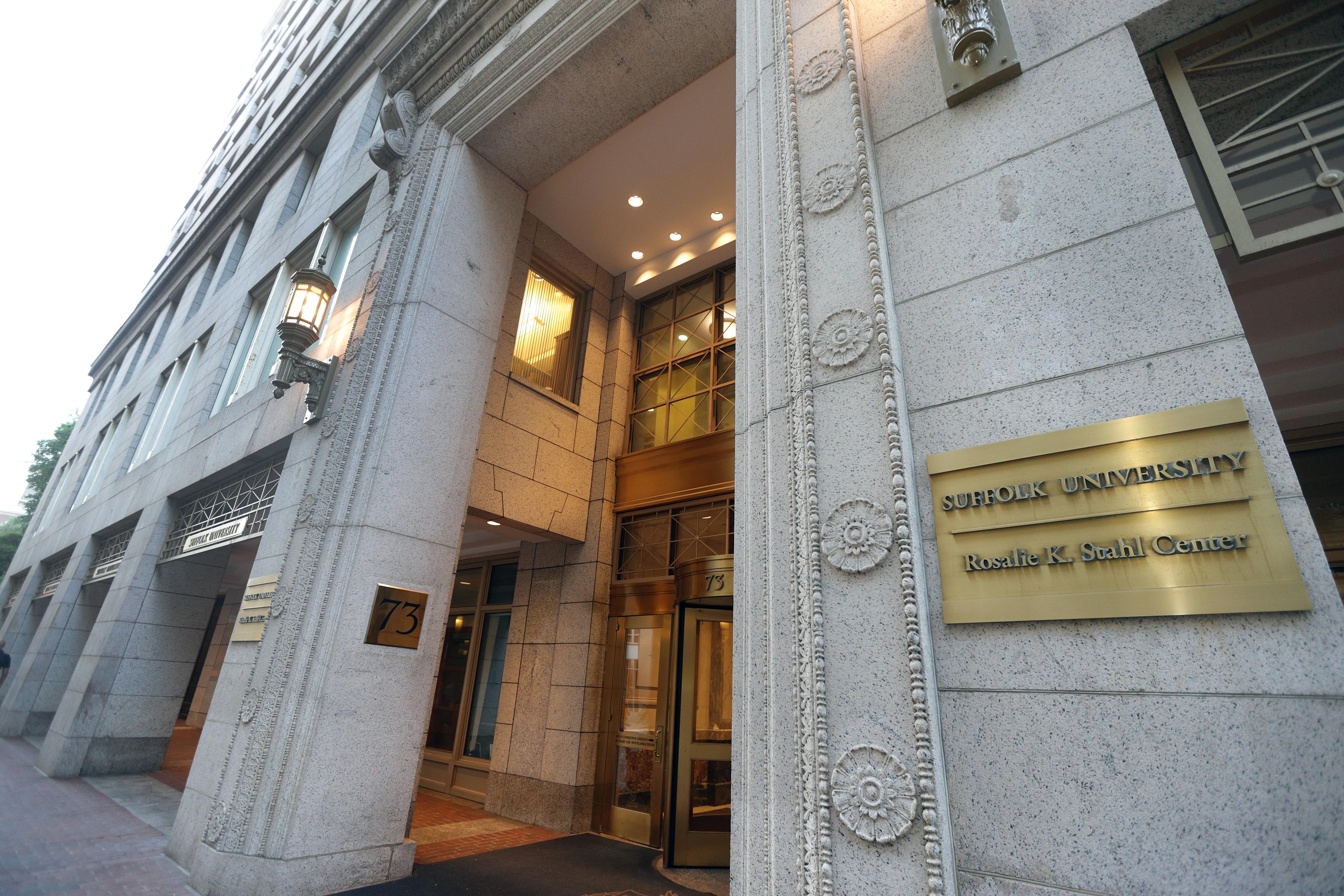
About Suffolk University
Suffolk University: Programs, Admissions, Tuition, and Student Life
Overview of Suffolk University
Suffolk University is a private university located in downtown Boston, Massachusetts, United States. Established in 1906, the institution has developed a strong identity around professional education, experiential learning, and preparing students for careers in a changing global economy. Its urban location gives students access to Boston’s business community, cultural institutions, public services, and professional networks.
The university offers undergraduate and graduate programs across several academic areas, including business, law, arts and sciences, public affairs, and professional studies. Students can explore disciplines such as accounting, finance, marketing, management, computer science, data analytics, communication, psychology, and public policy, depending on the available degree and program requirements.
Suffolk University may appeal to international students who want to study in a major American city while building academic knowledge, professional experience, and cross-cultural connections. Its location is particularly relevant for students interested in business, finance, technology, government, communications, and other fields connected to a large metropolitan economy.
Prospective students should distinguish Suffolk University in Boston from other institutions with similar names. Program availability, tuition, entry requirements, scholarships, and application procedures should always be checked for the specific university and degree.
Location and Campus Environment
Suffolk University is situated in downtown Boston, a city known for higher education, healthcare, technology, finance, research, and cultural activity. The campus is integrated into the city rather than being isolated in a remote college town. Students can experience university life alongside the everyday activity of a major American urban centre.
Boston is home to universities, hospitals, research organisations, financial institutions, technology companies, government offices, and cultural venues. This environment can provide opportunities to attend professional events, participate in internships, meet people from different backgrounds, and learn about industries beyond the classroom.
The university’s central location also places students near public transportation, restaurants, libraries, museums, parks, and other city amenities. Access to these resources can make it easier to balance academic work with social activities and professional development. Students should nevertheless plan for the cost of transportation, accommodation, food, and other living expenses, which can be significant in Boston.
Living in a city-based university environment requires independence and careful planning. International students should consider their preferred housing arrangement, commuting time, personal budget, and access to essential services before deciding where to live.
Academic Programs and Areas of Study
Suffolk University offers programs through its academic schools and colleges. The right choice depends on the student's educational background, career interests, and intended level of study.
Business, Management, and Finance
Business-related education is an important option for students interested in understanding organisations, markets, financial systems, and business strategy. Depending on the program, students may study accounting, finance, management, marketing, entrepreneurship, business analytics, or related areas.
These subjects can help students develop skills in problem-solving, communication, quantitative analysis, decision-making, and teamwork. Business students may also explore case studies and practical projects that connect classroom concepts with organisational challenges.
Students interested in finance or accounting should compare course content, quantitative requirements, professional opportunities, and any relevant certification pathways. Those interested in marketing or management may prefer programs that combine business fundamentals with analytics, communication, consumer behaviour, or leadership.
Computer Science and Technology
Students considering technology careers can explore relevant computing and information-related programs where available. Computer science education generally focuses on programming, algorithms, software development, data structures, systems, and the technical foundations of computing.
Technology-related study may be appropriate for students aiming for careers in software development, IT, systems analysis, or other digital fields. Applicants should review the curriculum carefully to confirm which programming languages, technical subjects, and project opportunities are included in their chosen degree.
Students should not assume that every technology specialisation is available at every degree level. Course offerings and admission criteria can vary, so checking the current academic catalogue is essential before applying.
Data Analytics and Business Intelligence
Data-focused study can help students understand how organisations collect, interpret, and use information. Depending on the specific program, students may encounter statistics, analytical methods, data management, business intelligence, or quantitative decision-making.
These skills can be valuable in business, consulting, finance, marketing, operations, and technology. Students interested in data-oriented careers should look for programs that provide a suitable balance of quantitative foundations, practical applications, and opportunities to work with real or representative datasets.
Applicants should review prerequisites in mathematics, statistics, programming, or related subjects before selecting a data-focused course.
Arts, Sciences, and Communication
Suffolk University's arts and sciences offerings provide opportunities to study subjects related to society, human behaviour, communication, politics, and the humanities. The exact choices depend on the current program catalogue.
Students in these areas can develop writing, research, presentation, critical-thinking, and analytical skills. Such abilities are relevant to careers in communications, public relations, policy, research, community organisations, and a wide range of professional settings.
Students who are still exploring their career direction may value the opportunity to examine different subjects before committing to a specialised professional path.
Public Policy and Related Fields
Students interested in government, public administration, international affairs, or social issues may investigate relevant programs offered by the university. Study in these areas can examine how institutions operate, how public decisions are made, and how policies affect communities and organisations.
Applicants should compare the focus of each degree, including whether it emphasises research, policy analysis, professional practice, leadership, or a particular subject area.
Law and Professional Education
Suffolk University is also known for its law school. Law degrees and related professional programs have different admission standards from undergraduate and many other graduate courses. Applicants should therefore review the relevant school's application instructions, academic expectations, costs, and professional requirements.
International students considering legal education in the United States should also understand that eligibility to practise law depends on jurisdiction-specific rules. Completing a degree does not automatically grant permission to practise in every state or country.
Admission Requirements for International Students
International applicants should begin by identifying the exact program and intake they wish to pursue. Requirements can differ between undergraduate, transfer, graduate, and professional applicants.
Undergraduate Admission
First-year undergraduate applicants generally need to submit an application, academic records from secondary school, and supporting materials specified by the university. Depending on the application route, these may include an essay or personal statement, a recommendation letter, and proof of English-language proficiency.
Applicants should ensure that transcripts are complete and provided in the required format. Documents that are not in English may need official translations. The university may request additional documentation or a credential evaluation if it cannot assess an applicant's academic history directly.
Students transferring from another college or university generally need to provide records from their previous institutions. Transfer-credit decisions depend on the university's evaluation of completed coursework and the requirements of the intended degree.
Graduate Admission
Graduate admission requirements vary by program. Applicants are typically expected to submit an online application and academic transcripts, along with any required statement of purpose, recommendation letters, résumé, portfolio, test results, or other supporting materials.
Some programs may require a relevant undergraduate background, specific prerequisite courses, professional experience, or evidence of quantitative preparation. Applicants should not assume that the requirements for one master's degree automatically apply to another.
The most reliable approach is to consult the current program page and confirm all required documents before submitting an application.
English-Language Proficiency
Applicants whose previous education does not meet the university's accepted English-language criteria may need to demonstrate proficiency through an approved test or another recognised route. Accepted qualifications, minimum scores, exemptions, and testing-flexible options can vary by program and applicant background.
Students should check the current English-language requirements rather than relying on an old score list. Test results may also have validity periods, so applicants should confirm that their scores will remain valid for the intended intake.
Financial Documentation
International students who need an F-1 student visa should prepare for the financial documentation process. The university may require evidence that the student has sufficient funds to cover tuition, living expenses, and other estimated costs for the relevant period.
The financial documents must follow the university's instructions. Students should plan ahead to obtain bank statements, sponsor documentation, or other required evidence and should not assume that admission alone completes the visa process.
Tuition Fees and Estimated Cost of Attendance
Tuition is an important part of the decision to study at Suffolk University. For the 2026–2027 academic year, the published full-time undergraduate tuition rate for the Boston campus is USD 25,670 per semester, or USD 51,340 for a standard full-time academic year.
The actual cost depends on the degree, course load, academic level, fees, housing arrangement, and other personal expenses. Graduate tuition varies substantially by program. Professional degrees may have different pricing from other master's programs, and specialised courses can be charged at a different rate.
Students should budget for more than tuition alone. Additional costs can include mandatory university fees, accommodation, meals, books, health insurance, transportation, personal expenses, and any applicable orientation or program charges.
Boston is a major city, so accommodation and everyday expenses deserve particular attention. Living on campus, sharing an apartment, or living farther from the university can lead to different total budgets. Students should compare realistic housing options rather than relying on tuition figures alone.
A practical financial plan should include the full academic year and an allowance for unexpected expenses. Applicants should also check payment deadlines, deposit requirements, refund rules, and the university's current cost-of-attendance estimates before making a final decision.
Scholarships and Financial Support
Suffolk University offers merit-based scholarship consideration for eligible applicants. International undergraduate applicants may be considered for institutional merit awards, with scholarship amounts depending on academic achievement and the applicable award criteria.
Students should review the conditions of any scholarship carefully. Important details can include eligibility, award value, renewal requirements, academic progress expectations, and whether the scholarship applies to tuition only or other expenses.
A scholarship that reduces tuition does not necessarily cover housing, meals, insurance, travel, or personal costs. Students should calculate the remaining amount they must fund after accounting for any confirmed award.
Financial support and eligibility can differ by degree level and student status. International students should check the specific funding information for their intended program rather than assuming that every scholarship is available to every applicant.
Students should also be cautious about budgeting around an unconfirmed scholarship. A sound plan should identify how tuition and living expenses will be covered even if the expected award is smaller than anticipated.
Student Life and the International Community
Studying at Suffolk University involves more than attending classes. Students can engage with clubs, cultural activities, campus events, student services, and opportunities to meet people from different backgrounds.
An international student community can help newcomers adjust to a different academic and social environment. Meeting other students may provide opportunities to exchange perspectives, build friendships, practise communication skills, and learn how to navigate life in the United States.
Student organisations can also help students explore interests outside their academic program. Depending on availability and eligibility, students may participate in cultural groups, professional societies, volunteering, leadership activities, and recreational events.
Because the campus is part of downtown Boston, students can also experience the city's cultural and social life. Museums, public spaces, performances, sporting events, and local communities offer ways to explore the area outside the classroom. Students should plan these activities within their budget and academic schedule.
International students may need time to adapt to differences in classroom participation, independent study, group assignments, and communication with professors. Taking advantage of academic advising, writing support, library services, and international student resources can make the transition easier.
Accommodation and Living in Boston
Students should research accommodation early because housing costs and availability can influence the overall study budget. University-sponsored residence options may provide a convenient way to live near classes and meet other students, while off-campus housing may offer different levels of independence and flexibility.
Before choosing accommodation, students should compare rent, utilities, internet, meals, deposits, transportation, and the distance from campus. They should also understand the terms of a lease and any financial obligations that continue during academic breaks.
International students arriving from another country may find it helpful to arrange temporary accommodation for the initial arrival period if their long-term housing is not yet confirmed. They should keep copies of housing agreements and make sure they understand how to contact the landlord or residence office.
Boston's public transportation network can help students travel around the city, but commuting costs and travel time should still be included in the budget. The most affordable room is not always the most economical option if it requires a long or expensive commute.
Internships, Career Development, and Professional Exposure
One advantage of studying in a large metropolitan area is the potential to connect academic learning with professional experience. Suffolk University highlights experiential learning and internship opportunities as part of its educational environment.
Depending on the student's program, eligibility, and available opportunities, internships can help develop workplace communication, problem-solving, research, teamwork, and industry knowledge. They may also help students understand professional expectations and build contacts in their chosen field.
Students interested in business may investigate opportunities related to finance, accounting, marketing, consulting, management, or analytics. Technology students may look for relevant software, IT, data, or systems-related roles where their qualifications fit. Students in communication, public policy, and the social sciences may explore opportunities connected to their respective fields.
Career outcomes depend on many factors, including academic performance, prior experience, communication skills, work authorisation, the economic environment, and the student's willingness to pursue relevant opportunities. No university can guarantee a particular job or salary.
International students should understand the rules governing employment while studying in the United States. They must follow the conditions of their immigration status and obtain the necessary authorisation before undertaking any employment or practical training that requires it.
F-1 Student Visa Preparation
International applicants who plan to study in the United States on an F-1 visa should treat visa preparation as a separate stage of the process. After meeting the university's admission and documentation requirements, eligible students generally receive the appropriate documentation needed to proceed with the student-visa process.
Students must review the current instructions from the university's international student office and the relevant U.S. government authorities. They may need to pay applicable fees, complete the required visa application, schedule an interview where required, and prepare documents supporting their academic plans and financial ability.
Applicants should allow sufficient time for administrative processing and appointment availability. Admission to a university does not itself guarantee visa approval.
Students should also keep their academic and financial documents organised, ensure that information is consistent across applications, and respond promptly to requests for additional documentation.
How to Apply to Suffolk University
A careful application process can help international students avoid delays and incomplete submissions.
Step 1: Choose a program. Identify the degree level, subject, intake, and campus relevant to your goals. Confirm that the program is suitable for your previous education and career plans.
Step 2: Review the entry requirements. Check academic prerequisites, English-language requirements, application deadlines, and all program-specific instructions.
Step 3: Prepare your documents. Arrange transcripts, translations where required, essays, recommendation letters, test results, and any additional documents requested by the university.
Step 4: Submit the application. Complete the correct application route and provide accurate information. Pay any applicable fee unless you qualify for a waiver.
Step 5: Monitor your application. Check the applicant portal and email regularly. Respond to requests for missing documents or further information within the stated deadlines.
Step 6: Review the admission offer. If admitted, read the conditions carefully, confirm the response deadline, and understand any deposit or enrolment requirements.
Step 7: Plan your finances. Confirm tuition, fees, housing, insurance, and living expenses. Review scholarship details and prepare the required financial evidence.
Step 8: Prepare for arrival. Follow the university's international student instructions for immigration documentation, orientation, accommodation, travel, and enrolment.
Students should verify the deadline for their chosen intake because application timing can be particularly important for international applicants who need time to complete visa formalities.
Is Suffolk University a Good Choice for International Students?
Suffolk University may be worth considering for students who value a city-centred university experience, access to professional and cultural activities, and academic options in business, law, arts and sciences, and related areas.
Its downtown Boston location can be useful for students who want to experience a major American city while pursuing their studies. The university's international student services and campus community may also help students adjust to academic and cultural life in the United States.
However, the university may not be the best fit for every applicant. Boston's cost of living, program-specific tuition, academic entry requirements, and individual career goals should all be considered. Students who prefer a suburban campus or need a lower overall budget may want to compare Suffolk with other institutions.
A good decision requires looking beyond reputation or location. Applicants should examine the curriculum, total cost, scholarship eligibility, internship opportunities, support services, and expected outcomes for their particular degree.
Conclusion
Suffolk University offers an urban American university experience in the heart of Boston, with academic options across business, law, arts and sciences, and other professional areas. Its location can give students access to a wide range of cultural, academic, and career-related experiences.
For international students, successful planning involves more than receiving an admission offer. It requires selecting the right program, meeting academic and English-language requirements, preparing financial documents, budgeting for Boston's living costs, and understanding the F-1 visa process.
Students who carefully compare program details, tuition, scholarships, accommodation, and career goals will be better positioned to decide whether Suffolk University fits their plans. Before applying, always confirm current requirements and costs with the university for the intended intake.
Entry Requirements
General Entry Requirement
IELTS 6.5 overall
Fees & Scholarships
Annual Tuition Fees
USD 36,700 - USD 51,300
Ready to Apply to Suffolk University?
Our advisors guide you from eligibility check to offer letter — at no cost to you.
Join our WhatsApp Community
.jpeg)
Scan to join our student community for admission updates & guidance