
Annual FeesUSD 30,000 – USD 60,000
Simmons University
LocationUS
Entry RequirementIELTS 6.5 overall
Visa Success Rate75%
Campus Photos
Simmons University
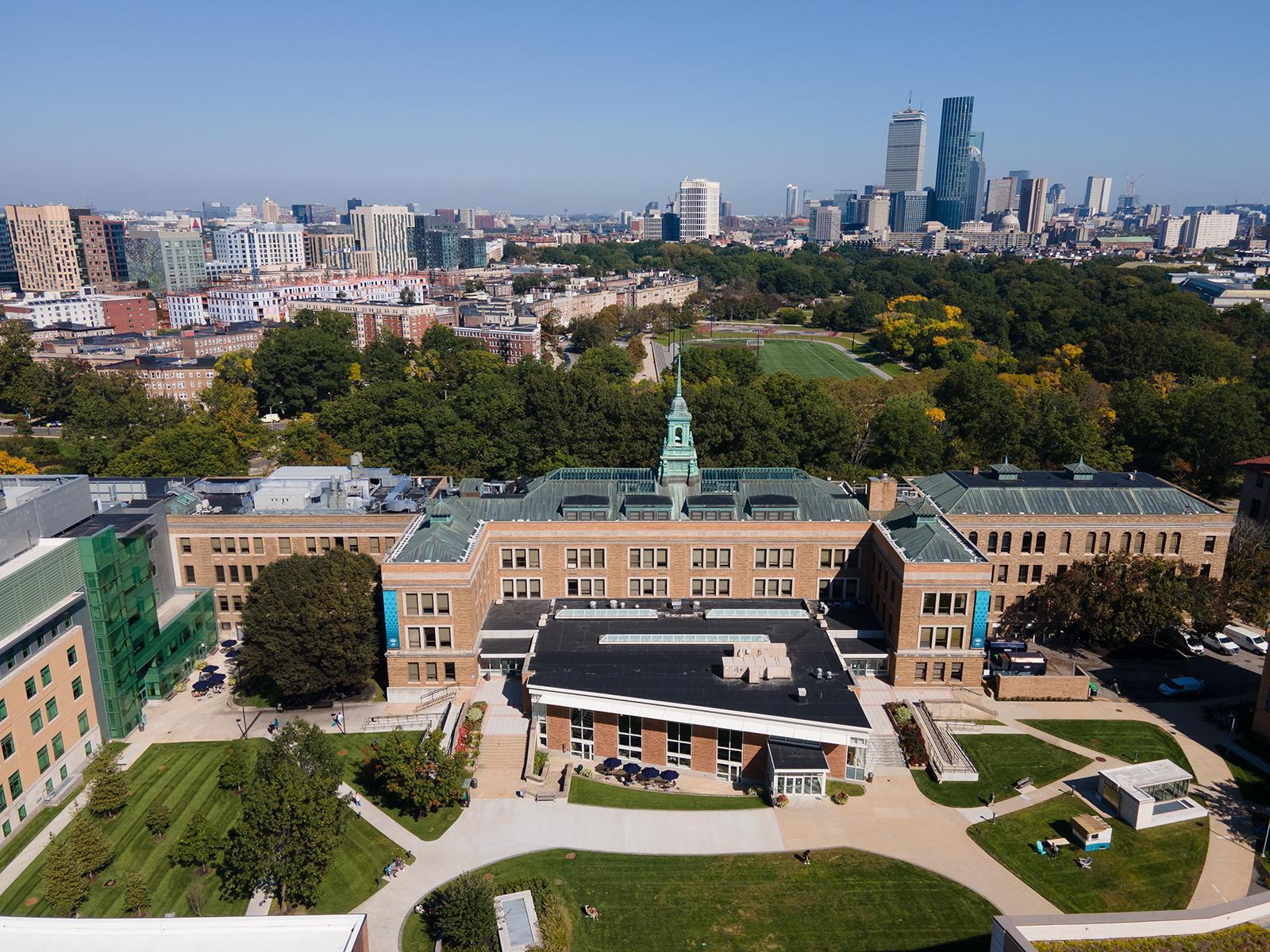
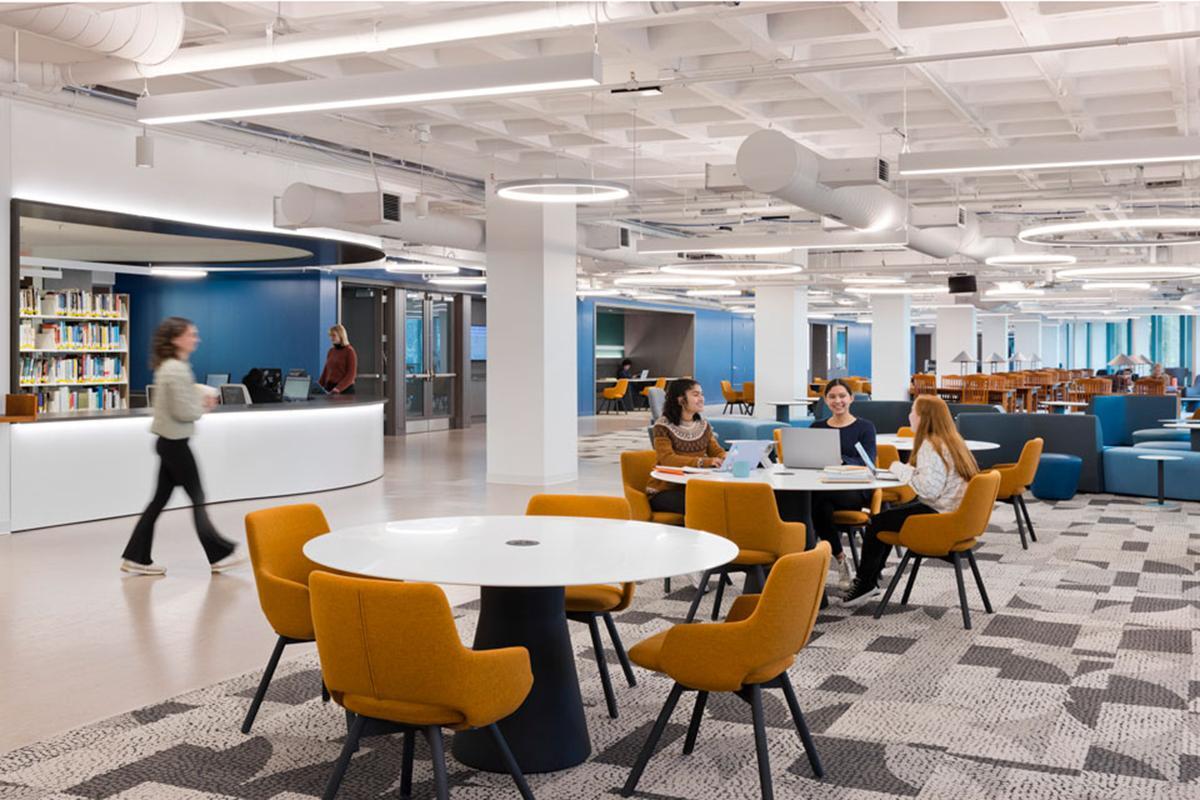
About Simmons University
Simmons University: Programs, Admission, Tuition Fees, Scholarships and Study in the USA
Overview of Simmons University
Simmons University is a private university located in Boston, Massachusetts, United States. Known for its women-centered undergraduate education and coeducational graduate programs, the university offers an academic environment that emphasizes professional preparation, intellectual development, leadership, and community engagement. Its location in Boston provides students with access to a major centre for education, healthcare, research, technology, business, and cultural activities.
The university is particularly recognised for its focus on preparing students for careers that make a meaningful contribution to society. Its academic approach combines classroom learning with practical experience, helping students develop communication, analytical, research, and problem-solving skills.
Simmons University welcomes international students and provides separate application guidance for undergraduate and graduate applicants. Students considering the university should understand its distinctive undergraduate admission policies, program-specific requirements, tuition costs, scholarship opportunities, and the expenses associated with studying in Boston.
Why Choose Simmons University?
Simmons University can be an appealing option for students seeking a career-focused education in a major American city. Its academic environment combines specialised study with opportunities to build professional skills and participate in campus activities.
One of the university's distinguishing characteristics is its women-centered undergraduate community. The institution aims to support academic achievement, leadership development, and the advancement of women. Its graduate programs are coeducational, providing educational opportunities to a broader range of students at the postgraduate level.
The university's Boston location is another important consideration. Students can explore internships, professional events, cultural attractions, and networking opportunities throughout the city. Depending on their field of study, they may also benefit from Boston's established healthcare, education, research, and technology communities.
Other reasons students may consider Simmons University include:
- Career-oriented academic programs.
- Opportunities to develop leadership and professional communication skills.
- A supportive academic community.
- Undergraduate merit scholarship consideration for eligible international applicants.
- Graduate study options across a variety of professional and academic fields.
- Access to Boston's educational, cultural, and employment networks.
Prospective students should compare the university's academic offerings, admission criteria, total cost of attendance, and available financial support before making a final decision.
Academic Programs at Simmons University
Simmons University offers undergraduate and graduate education across multiple academic and professional disciplines. Available programs and their specific requirements vary by school, degree level, and year of entry.
Students should select a program according to their previous academic background, career plans, and eligibility.
Undergraduate Programs
Undergraduate education at Simmons University is designed to provide students with subject knowledge, critical-thinking skills, and preparation for further study or professional employment. Students can explore academic options across the university's schools and departments.
Depending on the program and current catalogue, areas of study may include business, the social sciences, humanities, public health, library and information science pathways, and other professional or interdisciplinary fields. Nursing is another important area of study, with separate tuition arrangements and program-specific admission requirements.
Undergraduate students generally complete a combination of major requirements, supporting courses, and broader academic learning. This structure can help them develop both specialised expertise and transferable skills.
International applicants should review the eligibility policies for the undergraduate community before applying. Simmons describes its undergraduate education as women-centered and publishes specific policies explaining who is eligible to apply. These policies should be reviewed directly by anyone considering an undergraduate application.
Graduate Programs
Simmons University offers graduate degrees and certificates for students who want to advance their education, specialise in a professional field, or prepare for a new career direction.
Graduate study may be suitable for applicants with a completed bachelor's degree who want to deepen their subject knowledge or gain specialised qualifications. Depending on the program, applicants may need relevant academic preparation, prerequisite coursework, professional experience, writing samples, or other supplementary materials.
Graduate admission requirements are not identical across the university. Applicants should check the individual program's application instructions to confirm the degree prerequisites, required documents, English proficiency requirements, application deadlines, and tuition arrangements.
International students who require an F-1 student visa can apply to most eligible graduate programs. However, certain graduate certificates and other specified offerings may not qualify for F-1 status. Applicants should confirm visa eligibility for their intended program before submitting an application.
Admission Requirements for International Students
Simmons University has separate admission procedures for international undergraduate and graduate applicants. The required documents depend on the applicant's educational history, intended program, and student category.
Meeting the minimum application requirements does not automatically guarantee admission. Applicants should submit complete and accurate information and allow sufficient time for document preparation.
Undergraduate Admission Requirements
International undergraduate applicants generally need to provide official secondary-school academic records, an application, and any additional materials required for their applicant category.
Applicants educated outside the United States may need to provide English translations of their academic records. The university may also require records covering multiple years of secondary education, depending on the applicant's educational background and graduation date.
English proficiency scores may be required when English was not the language of instruction at the applicant's school. Students should review Simmons University's current English proficiency policy to determine which tests are accepted and whether a waiver may apply.
The university is test-optional for SAT and ACT scores, according to its published international undergraduate guidance. However, students must still satisfy the academic and documentation requirements for their intended program.
Before applying, undergraduate candidates should:
- Review the university's undergraduate eligibility policies.
- Prepare official secondary-school transcripts and required translations.
- Check whether English proficiency testing is necessary.
- Confirm the current application process and deadlines.
- Review scholarship eligibility and the financial documentation required after admission.
Graduate Admission Requirements
Graduate applicants generally need a completed bachelor's degree or the academic qualification specified by their intended program. They should review the individual program's requirements carefully because some fields require additional preparation or documentation.
The university's published general graduate application requirements include:
- A completed application form.
- A personal statement.
- A current résumé or curriculum vitae.
- Letters of recommendation.
- Official transcripts from all previously attended postsecondary institutions.
- English proficiency examination results, when applicable.
- Additional program-specific materials where required.
Applicants with international academic records may need a credential evaluation from an approved evaluation service. The university provides guidance about transcript evaluation and the documentation required for international qualifications.
English proficiency requirements can differ by program. Applicants should check the relevant graduate admissions page for the current recommended scores and any available exemptions. They should not assume that a score accepted by one program will automatically meet the requirements of another.
Tuition Fees and Cost of Studying at Simmons University
Tuition is a major consideration for international students planning to study in Boston. The total amount depends on the level of study, academic program, number of credits, accommodation arrangements, insurance, and other personal expenses.
Simmons University publishes separate tuition schedules for undergraduate, graduate, and online degree-completion programs.
Undergraduate Tuition Fees
For the 2026–2027 academic year, the university lists full-time undergraduate tuition for non-nursing programs at USD 48,308 per year. The published flat rate covers 12–18 credits per semester under the stated tuition structure.
Nursing programs have a separate tuition schedule. The published full-time undergraduate nursing tuition for 2026–2027 is USD 52,930 per year.
These figures represent tuition rather than the complete cost of attendance. Students must also account for accommodation, meals, mandatory fees, health insurance where applicable, books, supplies, transport, and personal expenses.
The university's published estimate for a typical full-time undergraduate resident student in a non-nursing program is approximately USD 74,086 for 2026–2027, including the listed cost categories. Nursing students should consult the separate nursing cost schedule.
Graduate Tuition Fees
Graduate tuition varies by degree and program. Students should not assume that a single annual tuition figure applies to all graduate courses.
Before accepting an offer, applicants should check the published tuition schedule for their intended program and calculate the expected cost based on the number of credits required. They should also account for living expenses, health insurance, course materials, and other costs associated with studying in Boston.
Living Expenses in Boston
Living in Boston can represent a substantial portion of an international student's budget. Housing, food, transportation, books, personal expenses, and health insurance may increase the total amount needed beyond tuition alone.
Students living in university accommodation should review housing and meal-plan costs. Those considering off-campus housing should research rental prices, transport access, utilities, deposits, and other living costs before making a commitment.
A practical budget should include:
- Tuition and mandatory university fees.
- Housing and meals.
- Health insurance and medical expenses.
- Books, supplies, and course materials.
- Local transportation.
- Personal expenses and an emergency reserve.
Students should use the university's current cost estimates and their own circumstances to prepare a realistic financial plan. Tuition and fees can change between academic years.
Scholarships and Financial Aid for International Students
Simmons University provides scholarship opportunities, although the availability and conditions differ between undergraduate and graduate students.
Undergraduate Scholarships
Eligible first-year international undergraduate applicants are automatically considered for merit scholarships when they submit their applications. The university also publishes merit scholarship information for eligible transfer and adult international applicants.
Scholarships can reduce the overall cost of education, but they do not necessarily cover the full cost of attendance. Simmons states that need-based financial aid is not available to international undergraduate students.
Applicants should therefore evaluate their expected scholarship award alongside tuition, accommodation, insurance, and personal expenses. They should not assume that receiving a merit scholarship will remove the need to demonstrate sufficient financial resources.
Graduate Scholarships
Graduate students may be eligible for merit-based scholarships, depending on their program and individual circumstances. Some programs also offer particular funding or research opportunities.
Scholarships are not guaranteed, and awards may cover only part of the tuition cost. Simmons states that full-tuition scholarships are generally not provided for master's programs, with limited exceptions for selected PhD awards.
Graduate applicants should contact the relevant admissions office to understand the funding options available for their intended degree.
Planning for Educational Expenses
Students should investigate scholarships early, review any award conditions, and calculate how much funding they will need from personal savings, family support, sponsorship, or other legitimate sources.
International students who receive an offer may also need to submit financial documentation before the university can issue the documentation required for the student visa process. Applicants should follow the university's instructions and prepare these records carefully.
Campus Life at Simmons University
Campus life is an important part of the student experience. Simmons University provides an academic community in which students can participate in learning activities, build friendships, explore interests, and develop leadership skills.
Students may take part in student organisations, campus events, academic activities, and community initiatives. These experiences can help them develop teamwork, communication, and organisational abilities alongside their formal studies.
The university's Boston location provides opportunities to explore museums, cultural institutions, public spaces, professional events, and other attractions. Students can also investigate internships and networking activities related to their academic interests, subject to eligibility and availability.
International students may need time to adjust to a new education system, living arrangements, climate, and cultural environment. Preparing for these changes and engaging with campus resources can make the transition easier.
Students should review current housing options, student services, health requirements, orientation arrangements, and support resources before arriving in the United States.
Career Development and Professional Opportunities
Simmons University emphasises preparation for professional life. Depending on their program, students can develop subject-specific expertise alongside communication, research, critical thinking, collaboration, and problem-solving skills.
Boston offers a broad professional environment that includes healthcare, education, research, business, technology, and nonprofit organisations. Students may explore relevant internships, professional events, and networking opportunities where available.
Career outcomes depend on the student's degree, experience, skills, professional interests, and the conditions of the employment market. Studying at a particular university does not guarantee a job or a specific salary.
International students should also understand the rules governing employment during study and any post-study work options. Employment authorisation and eligibility depend on individual immigration circumstances and current regulations, so students should seek accurate guidance before making plans.
Student Support for International Applicants
Moving to the United States for education involves academic, financial, administrative, and personal preparation. Simmons University provides admissions guidance for international applicants, while its international student support resources can help eligible students understand immigration-related procedures and university expectations.
Prospective students should keep copies of their academic records, passport, admission correspondence, financial documentation, and other important materials. They should also monitor university communications for deadlines and instructions.
Before travelling, students should confirm their housing arrangements, health insurance, orientation details, tuition payment requirements, and immigration documents. Graduate applicants should additionally verify that their specific program is eligible for the student visa category they intend to use.
Careful preparation can help students begin their studies with a clearer understanding of their responsibilities and available support.
Frequently Asked Questions About Simmons University
Is Simmons University a public or private university?
Simmons University is a private, nonprofit university located in Boston, Massachusetts, United States.
Does Simmons University accept international students?
Yes. The university publishes separate application guidance for international undergraduate and graduate applicants. Eligibility and documentation requirements depend on the program and applicant category.
What is the undergraduate tuition at Simmons University?
For 2026–2027, published full-time undergraduate tuition is USD 48,308 per year for non-nursing programs and USD 52,930 per year for nursing programs. Additional expenses apply, and students should check the current official schedule before budgeting.
Are scholarships available for international students?
Yes. Eligible international undergraduates are automatically considered for merit scholarships when they apply. Graduate students may also qualify for merit-based awards, depending on the program. Scholarship awards do not necessarily cover the full cost of attendance.
Are all undergraduate programs at Simmons University open to every applicant?
Simmons describes its undergraduate community as women-centered and publishes specific eligibility policies. Applicants should review these policies carefully before applying. Graduate programs are coeducational.
Can international students apply for graduate programs?
Yes. International applicants can apply to most eligible graduate programs. Requirements vary by degree, and some programs or certificates may not be eligible for F-1 student status.
What English proficiency tests does Simmons University accept?
Accepted tests and minimum recommended scores depend on the applicant category and program. International applicants should consult the current university English proficiency guidance rather than relying on a general score for every course.
Is Boston an appropriate location for international students?
Boston offers a large academic, cultural, and professional environment. Students should also consider the city's living costs, accommodation availability, transportation needs, and personal budget when deciding whether it is the right location for them.
Conclusion
Simmons University offers undergraduate and graduate study in Boston, with a distinctive women-centered undergraduate community, coeducational graduate programs, and an emphasis on professional preparation and leadership. Its location provides access to a broad academic and cultural environment, while its scholarship opportunities may help eligible students manage educational expenses.
For international applicants, choosing the right program requires more than comparing tuition figures. Students should review undergraduate eligibility policies, program-specific admission requirements, English proficiency rules, scholarship conditions, living expenses, and student visa eligibility before applying.
By researching these factors carefully and preparing the required documents in advance, prospective students can make a more informed decision about whether Simmons University aligns with their academic goals, career plans, and financial circumstances.
Entry Requirements
General Entry Requirement
IELTS 6.5 overall
Fees & Scholarships
Annual Tuition Fees
USD 30,000 – USD 60,000
Ready to Apply to Simmons University?
Our advisors guide you from eligibility check to offer letter — at no cost to you.
Join our WhatsApp Community
.jpeg)
Scan to join our student community for admission updates & guidance