
Annual FeesUSD 66,000 - USD 90,000
Savannah College of Art and Design (SCAD)
LocationUS
Entry RequirementIELTS 6.5 overall
Visa Success Rate70%
Campus Photos
Savannah College of Art and Design (SCAD)
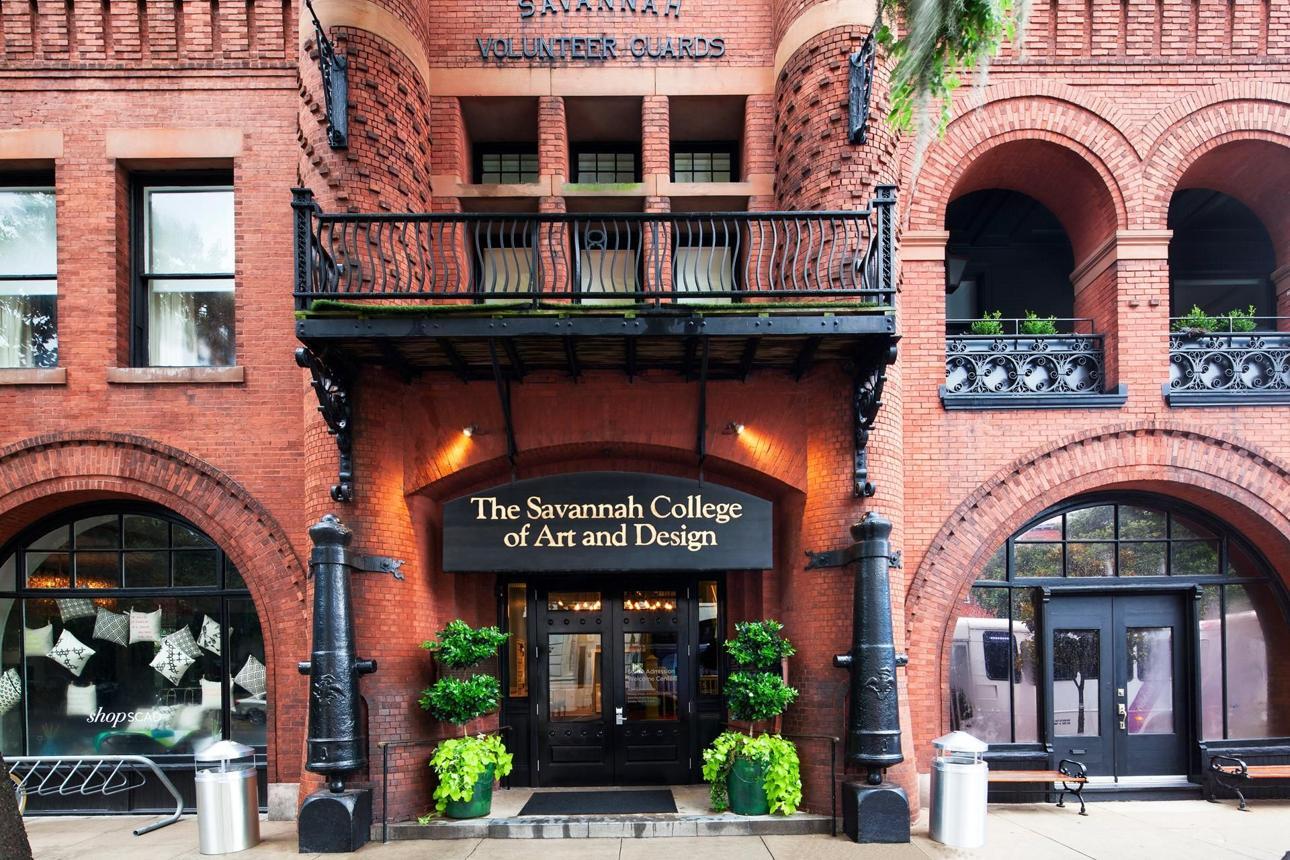
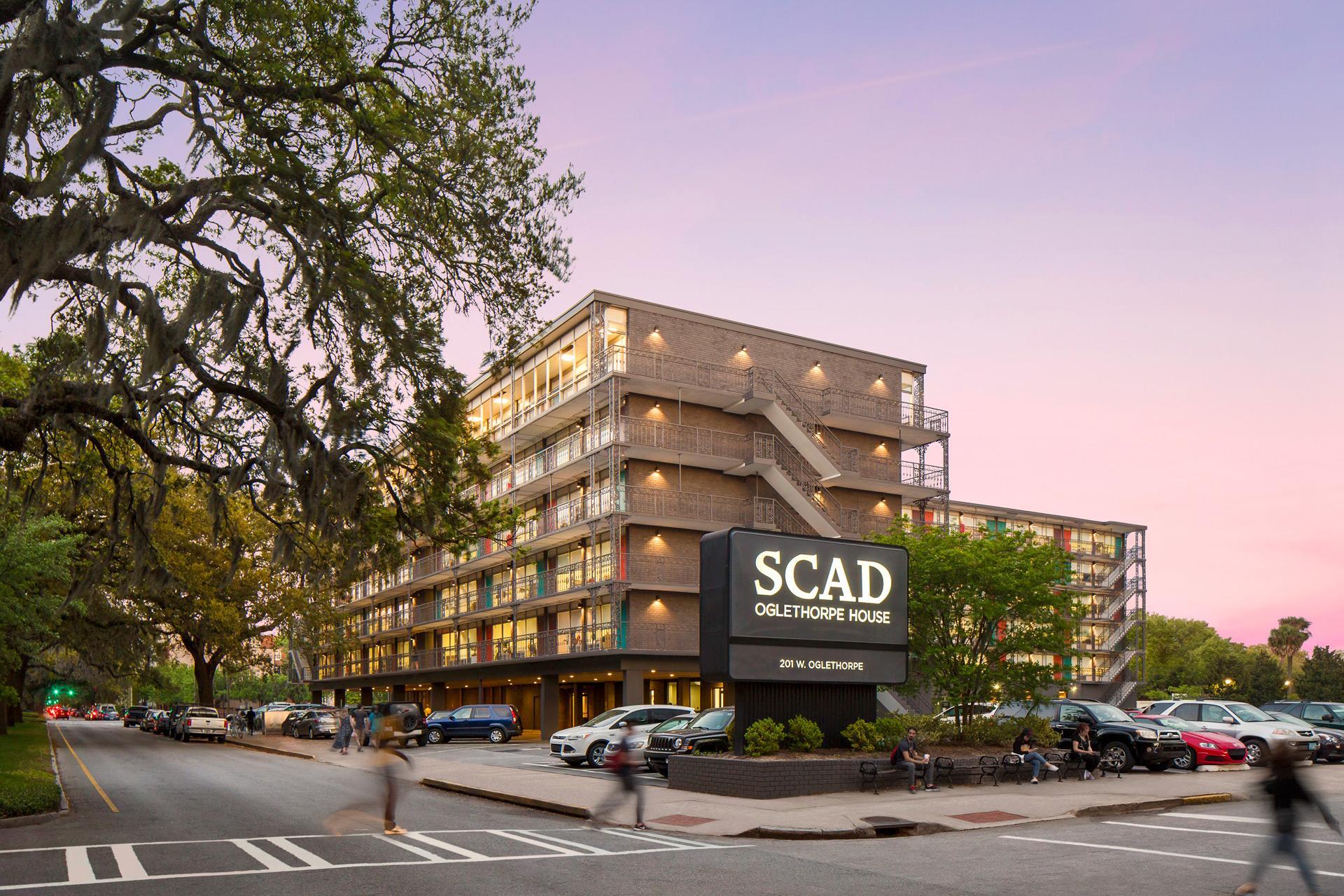
About Savannah College of Art and Design (SCAD)
Savannah College of Art and Design: Programs, Admissions, Tuition Fees and Scholarships
Overview of Savannah College of Art and Design
Savannah College of Art and Design (SCAD) is a private, nonprofit university specialising in art, design and creative careers. Founded in 1978, the university offers undergraduate and graduate programs for students who want to develop creative expertise, technical knowledge and professional skills. Its main locations in Savannah and Atlanta, Georgia, provide students with access to different creative environments and industry opportunities.
SCAD offers a wide range of degree programs across fields such as animation, architecture, fashion, graphic design, interior design, film and television, photography, visual effects, advertising, illustration and interactive design. Students can also explore subjects that connect creative practice with technology, business and emerging industries.
The university's educational model combines academic instruction with project-based learning, studio work, portfolio development and exposure to professional practices. Depending on the selected program, students may complete practical projects, use specialised facilities and collaborate with peers from different creative disciplines.
SCAD may be a suitable option for students who want to build a career in art, design, media, entertainment or another creative field. Prospective applicants should compare the curriculum, portfolio expectations, tuition costs and career goals before choosing a program.
Why Choose Savannah College of Art and Design?
One of SCAD's main attractions is its concentration on creative education. Rather than offering only a general academic experience, the university provides programs designed around specific artistic, design and media disciplines. This structure can help students develop specialised skills and create work that demonstrates their abilities.
The university offers more than 100 degree programs across a wide range of creative and related fields. Students can investigate both traditional artistic disciplines and contemporary areas involving digital production, technology, communication and creative business.
SCAD's locations also provide different settings for learning. Savannah is known for its historic architecture and creative community, while Atlanta offers access to a large metropolitan environment with media, entertainment, business and technology sectors. Students should compare the available programs and facilities at each location because not every course is necessarily offered everywhere.
Another consideration is the university's emphasis on portfolio development and practical work. Students in creative disciplines often need to demonstrate their skills through projects, presentations and professional-quality work. The ability to develop and refine a portfolio can be valuable when applying for internships, employment or further study.
However, SCAD is a specialised private university with substantial educational and living costs. Applicants should assess the full financial commitment and available scholarship opportunities before accepting an offer.
Academic Programs and Courses
SCAD offers undergraduate and graduate programs across a broad range of creative disciplines. Program structures, course requirements and available locations differ, so applicants should review the current academic catalogue.
Animation and Visual Effects
Animation and visual effects programs can help students develop skills in digital storytelling, character animation, modelling, visual effects and related production techniques. Depending on the selected degree, coursework may include drawing, digital tools, production pipelines and collaborative projects.
Students interested in animation should examine the curriculum, software requirements and portfolio expectations. They should also consider the type of work they want to pursue, such as character animation, visual effects, story development or technical production.
Graphic Design and Advertising
Graphic design and advertising programs focus on visual communication, brand identity, layout, typography and creative problem-solving. Students may learn how to communicate ideas through visual systems, digital media and design projects.
These disciplines can be relevant to careers in branding, advertising, marketing communications, digital design and creative agencies. Students should investigate opportunities to develop a strong portfolio and understand how their chosen program connects with professional practice.
Fashion and Accessory Design
Fashion-related programs can cover design development, garment construction, textiles, trend research, presentation and other aspects of the fashion industry. Students may work on projects that require both creative thinking and an understanding of production processes.
Applicants should consider the materials, equipment and project requirements associated with their intended program. Fashion students may also benefit from reviewing internship opportunities and the portfolio standards expected by prospective employers.
Film, Television and Digital Media
Film and television programs can introduce students to storytelling, directing, cinematography, editing, production design and other aspects of media production. Students may develop technical skills while learning how to plan, produce and evaluate creative work.
Those interested in filmmaking should compare the program's facilities, production resources and opportunities for collaborative projects. Creative careers in media often require a combination of technical ability, teamwork, communication and a portfolio of completed work.
Architecture and Interior Design
Architecture and interior design programs focus on the relationship between spaces, people, materials and the built environment. Depending on the course, students may explore design principles, spatial planning, digital modelling, visualisation, materials and project presentation.
Students considering architecture should carefully review the degree structure and professional requirements relevant to the region where they intend to work. Completing a university degree does not automatically grant professional registration in every jurisdiction.
Interior design students should examine the balance between design theory, technical documentation, practical projects and digital tools.
Illustration, Photography and Fine Arts
Students interested in illustration, photography and fine arts can explore programs that develop visual storytelling, composition, image-making and artistic experimentation. Coursework may involve traditional methods, digital techniques, critical analysis and independent creative projects.
These disciplines can support careers in publishing, advertising, editorial work, visual communication, galleries and other creative sectors. Students should consider how they will develop a portfolio that reflects their interests and demonstrates technical and conceptual skills.
Interactive Design and Emerging Technologies
SCAD also offers programs that connect creative disciplines with technology and interactive experiences. Depending on the chosen field, students may explore user experience, interactive media, game development, digital interfaces or other technology-supported creative practices.
Students should compare specific degree requirements and identify the technical skills they will need to develop. Programs that combine design and technology may involve programming, research, prototyping, usability testing or collaborative production.
Undergraduate and Graduate Study Options
SCAD offers undergraduate and graduate degrees for students at different stages of their education. Undergraduate applicants typically apply as first-year or transfer students, while graduate applicants must meet the academic and program-specific requirements for their intended degree.
First-year undergraduate applicants generally need an official high-school diploma, evidence of English proficiency, an achievement profile, supplementary materials and documentation required for the student visa process. A portfolio or audition is not generally required for undergraduate admission, although submitting one may help applicants be considered for scholarships.
Transfer applicants must provide official transcripts from the colleges or universities they have attended. The amount of transfer credit awarded depends on the courses completed, the applicable academic requirements and the university's evaluation process.
Graduate applicants generally need a bachelor's degree or its equivalent. Depending on the program, they may also need to submit a portfolio or audition, recommendations, a résumé, a statement of purpose, English proficiency evidence and other supplementary materials. An interview or standardised test may be required for some programs.
Students should review the current admission checklist for their exact degree and applicant category. Requirements can differ between programs, and submitting an application does not guarantee admission or scholarship funding.
SCAD Admission Requirements for International Students
SCAD welcomes international students from many countries and provides a dedicated admissions process for applicants who need to meet US student visa requirements.
Academic Qualifications
First-year undergraduate applicants generally need to submit an official high-school diploma or its equivalent. Transfer applicants should provide official academic transcripts from all relevant colleges or universities.
Graduate applicants must generally demonstrate that they have completed a bachelor's degree or an equivalent qualification. Some graduate programs may require a specific academic background, additional coursework or evidence of relevant professional experience.
Applicants should ensure that their academic documents are complete and accurate. Documents issued in languages other than English may require official translations or additional processing under the university's current instructions.
English Language Proficiency
International applicants must provide evidence of English proficiency through an accepted test or another approved route. The accepted tests, minimum scores and exemptions can depend on the applicant's academic history and intended program.
Students should check the latest English-language requirements before booking a test. Applicants who have studied in English or completed an approved language program should ask an admission adviser whether their previous education satisfies the university's current criteria.
Supplementary Materials
Depending on the applicant category, supplementary materials may include an achievement profile, portfolio, audition, résumé, recommendations or statement of purpose.
Undergraduate applicants are encouraged to submit a portfolio or audition if they want to be considered for certain scholarships, even though these materials are not generally required for undergraduate admission. Graduate applicants are required to submit a portfolio or audition for relevant programs.
Students should follow the portfolio and writing guidelines for their intended major. A well-organised submission should reflect their own work, explain their creative interests and demonstrate their readiness for the selected course of study.
Financial Documentation
International students must provide the financial documentation required for the US student visa process. This may include a sponsorship letter addressed to SCAD and a Certificate of Financial Support documenting that the required funds are available.
Students should follow the university's current instructions for account statements, sponsor information and other financial records. The amount required depends on the applicable cost estimate and the student's circumstances.
Visa Preparation
After admission, international students who are not US citizens or permanent residents generally need to obtain the appropriate student visa before travelling to study. Students should follow the university's immigration guidance and the procedures of the relevant US consulate or embassy.
Admission to SCAD does not guarantee visa approval. Applicants should allow sufficient time for document preparation, appointments and processing.
How to Apply to Savannah College of Art and Design
International applicants can use the following general process to organise their application.
Step 1: Choose a degree program. Review SCAD's academic catalogue and identify the degree, major and campus location that match your interests.
Step 2: Submit the online application. Apply through the university's official admissions system as a first-year undergraduate, transfer or graduate applicant.
Step 3: Access MyAdmission. After submitting the application, follow the instructions to log in to the applicant portal and communicate with the assigned admission adviser.
Step 4: Submit academic documents. Provide the required high-school diploma, college transcripts or previous degree records according to your applicant category.
Step 5: Demonstrate English proficiency. Submit accepted English test results or documentation for an approved alternative.
Step 6: Provide supplementary materials. Submit the achievement profile and any portfolio, audition, résumé, recommendations or statement of purpose required for your intended program.
Step 7: Complete financial and visa documentation. Follow the university's instructions for demonstrating financial support and preparing the documents required for the student visa process.
Step 8: Review your offer and funding. If admitted, carefully review the offer, scholarship information, enrollment fee, housing arrangements and payment deadlines before making a final decision.
SCAD accepts applications throughout the year and does not publish a single universal application deadline for all applicants. Admission decisions typically take two to four weeks, and the university recommends applying at least 30 days before the intended term of entry. Students should confirm current timing with their admission adviser.
Tuition Fees and Cost of Living
SCAD is a private university, and the cost of attendance is an important consideration for international applicants. The total budget includes tuition, university fees, housing, meals, books, supplies, health insurance, travel and personal expenses.
For the 2026–2027 academic year, published full-time undergraduate tuition is US$42,975 annually for students taking three courses per quarter. The university also lists a one-time US$500 enrollment fee and a US$100 online application fee.
The university's estimated US undergraduate cost of attendance for the standard three-course load is approximately US$66,946 for the year. This estimate includes tuition and enrollment costs, estimated living expenses, books and supplies, health insurance and travel. It should not be treated as a guaranteed final bill, because individual expenses and housing choices can vary.
Planning a Realistic Budget
Students should build a detailed budget before accepting an offer. Important items include:
- Tuition and enrollment charges for the selected program.
- Application and one-time enrollment fees.
- Housing and meal plans.
- Books, supplies, materials and any required equipment.
- Health insurance.
- Transportation and travel to and from the United States.
- Personal expenses, phone service and emergency savings.
Creative programs may involve additional materials, software or project-related expenses. Students should ask their academic department or admission adviser whether their intended program has costs beyond the standard estimate.
Housing expenses differ by location and accommodation type. Applicants should compare residence hall options, meal plans and other permitted housing arrangements before deciding where to live.
The published cost figures should be checked again before enrolment. Graduate tuition and expenses may differ from undergraduate estimates, and the total cost can vary by course load and program.
Scholarships and Financial Aid
SCAD offers institutional scholarship opportunities to eligible admitted students. International students are not eligible for US federal or state financial aid, but they are automatically considered for institutional scholarships under the university's published international admission guidance. Separate scholarship application requirements may not apply to all awards.
Scholarships are limited and may be awarded to eligible students early in the admissions process. Applicants should therefore submit their materials in good time and ensure that their academic records and supplementary materials are complete.
Undergraduate students may strengthen their scholarship consideration by submitting a portfolio or audition when relevant, even if the material is not required for admission. Graduate applicants should follow the portfolio or audition requirements for their program.
Students should review the scholarship conditions, award amounts, renewal criteria and the portion of total expenses covered. A scholarship may reduce tuition costs without covering housing, insurance, supplies or other living expenses.
Applicants should not assume that funding will cover the full cost of attendance. A realistic financial plan should include the remaining amount the student or sponsor must pay.
Campus Facilities and Student Life
SCAD operates a network of academic buildings, creative facilities, student residences and other spaces designed to support art and design education. Facilities can include studios, production environments, specialised equipment and learning spaces relevant to particular majors.
Students should investigate the facilities available to their selected program and campus. Access to particular equipment, studios and workshops may depend on course enrolment, safety training or other university procedures.
Student life includes creative projects, exhibitions, events, clubs, networking opportunities and activities that bring students from different disciplines together. These experiences can help learners exchange ideas, build friendships and develop professional connections.
The university also offers student services related to housing, health and wellness, international student support, transportation and academic life. International students can contact the relevant office for help with questions about immigration, insurance, cultural adjustment and other aspects of studying in the United States.
Students entering a creative university should expect to manage independent projects, meet deadlines, accept feedback and work collaboratively. These habits can be important parts of developing professional skills.
Location and Living in Savannah and Atlanta, Georgia
SCAD's two principal US locations are Savannah and Atlanta, Georgia. Each offers a different setting, and students should compare the location of their intended program before applying.
Savannah is a historic coastal city with distinctive architecture, a well-known historic district and a creative cultural environment. The university's facilities are integrated into the city, giving students opportunities to study in buildings adapted for academic and creative use.
Atlanta is a major metropolitan centre with a diverse economy and activity in media, entertainment, business, technology and design. Students studying there may find the urban environment relevant to their academic interests and career plans.
Living expenses, transport options and housing availability differ between cities and neighbourhoods. Students should research accommodation, commuting time, food costs and daily expenses before making a decision.
International students should arrange suitable housing, prepare their travel documents and review university arrival instructions before travelling. It is also useful to become familiar with campus services and the local transport system during orientation.
Career Preparation and Industry Opportunities
SCAD's programs are designed to help students develop knowledge and practical skills for creative and related professional fields. Depending on the major, students may prepare for roles in animation, film production, advertising, fashion, architecture, illustration, graphic design, interactive media or other areas.
Creative careers often require more than a degree. Employers may look for a strong portfolio, technical proficiency, problem-solving ability, communication skills, collaboration and experience with professional workflows.
Students can use coursework and projects to develop evidence of their abilities. They should investigate internships, career support, portfolio reviews and industry events available through their program.
Career outcomes vary according to the student's discipline, skill level, experience, location and employment conditions. A degree does not guarantee a specific job or salary.
International students should also understand the immigration rules that apply to internships, work during study and post-graduation employment. They should seek guidance from the university's international student services office before making plans that depend on work authorisation.
Is SCAD a Good Choice for International Students?
Savannah College of Art and Design may be a strong option for students who want specialised education in art, design, media and creative industries. Its range of programs, studio-based learning and opportunities to build a professional portfolio can appeal to students who have clear creative interests.
The university may be particularly suitable for learners who want to concentrate on a discipline such as animation, fashion, film, graphic design or interior design rather than pursue a general academic program.
However, applicants should carefully consider the cost of attendance. Tuition and living expenses can represent a substantial financial commitment, and scholarship awards may not cover the full budget.
Students should compare SCAD with other institutions offering similar programs, paying attention to curriculum, facilities, campus location, portfolio requirements, career support and total expenses. The best choice is the one that aligns with the student's creative goals, academic preparation and financial circumstances.
Frequently Asked Questions
1. Where is Savannah College of Art and Design located?
SCAD has principal US locations in Savannah and Atlanta, Georgia. It also offers other study options, including online learning and locations outside the United States.
2. Is SCAD a public or private university?
SCAD is a private, nonprofit university specialising in art, design and related creative disciplines.
3. What programs does SCAD offer?
SCAD offers more than 100 degree programs across fields such as animation, architecture, fashion, graphic design, interior design, film and television, photography, illustration and interactive design.
4. Can international students apply to SCAD?
Yes. International students can apply as first-year undergraduate, transfer or graduate applicants, subject to the requirements of their intended program.
5. Is a portfolio required for admission?
Portfolios and auditions are generally not required for undergraduate admission, although they are encouraged for scholarship consideration. Graduate applicants may be required to submit a portfolio or audition, depending on the program.
6. How much does SCAD cost for undergraduate students?
Published 2026–2027 full-time undergraduate tuition is US$42,975 annually for three courses per quarter. The estimated total annual cost of attendance is approximately US$66,946, including tuition, fees, living expenses, supplies, insurance and travel.
7. Are scholarships available for international students?
Yes. Eligible admitted students are automatically considered for institutional scholarships under SCAD's published international admissions guidance. Awards are limited and may not cover the full cost of attendance.
8. Does SCAD admission guarantee a US student visa?
No. Admission and visa approval are separate processes. International students must meet the applicable financial and immigration requirements.
Conclusion
Savannah College of Art and Design offers specialised education for students interested in art, design, media and creative careers. Its broad selection of degree programs, practical learning opportunities and portfolio-focused approach can help students develop the skills needed to pursue their chosen creative direction.
International applicants should review the academic catalogue, admission requirements, English proficiency standards, portfolio guidance, tuition and living costs before applying. They should also investigate scholarship eligibility and prepare financial and visa documents early. With careful planning, students can decide whether SCAD's programs and learning environment match their creative ambitions and long-term career goals.
Entry Requirements
General Entry Requirement
IELTS 6.5 overall
Fees & Scholarships
Annual Tuition Fees
USD 66,000 - USD 90,000
Ready to Apply to Savannah College of Art and Design (SCAD)?
Our advisors guide you from eligibility check to offer letter — at no cost to you.
Join our WhatsApp Community

Scan to join our student community for admission updates & guidance