
Annual FeesUSD 36,000 - USD 60,000
Santa Rosa Junior College
LocationUS
Entry RequirementIELTS 6.5 overall
Visa Success Rate72%
Campus Photos
Santa Rosa Junior College
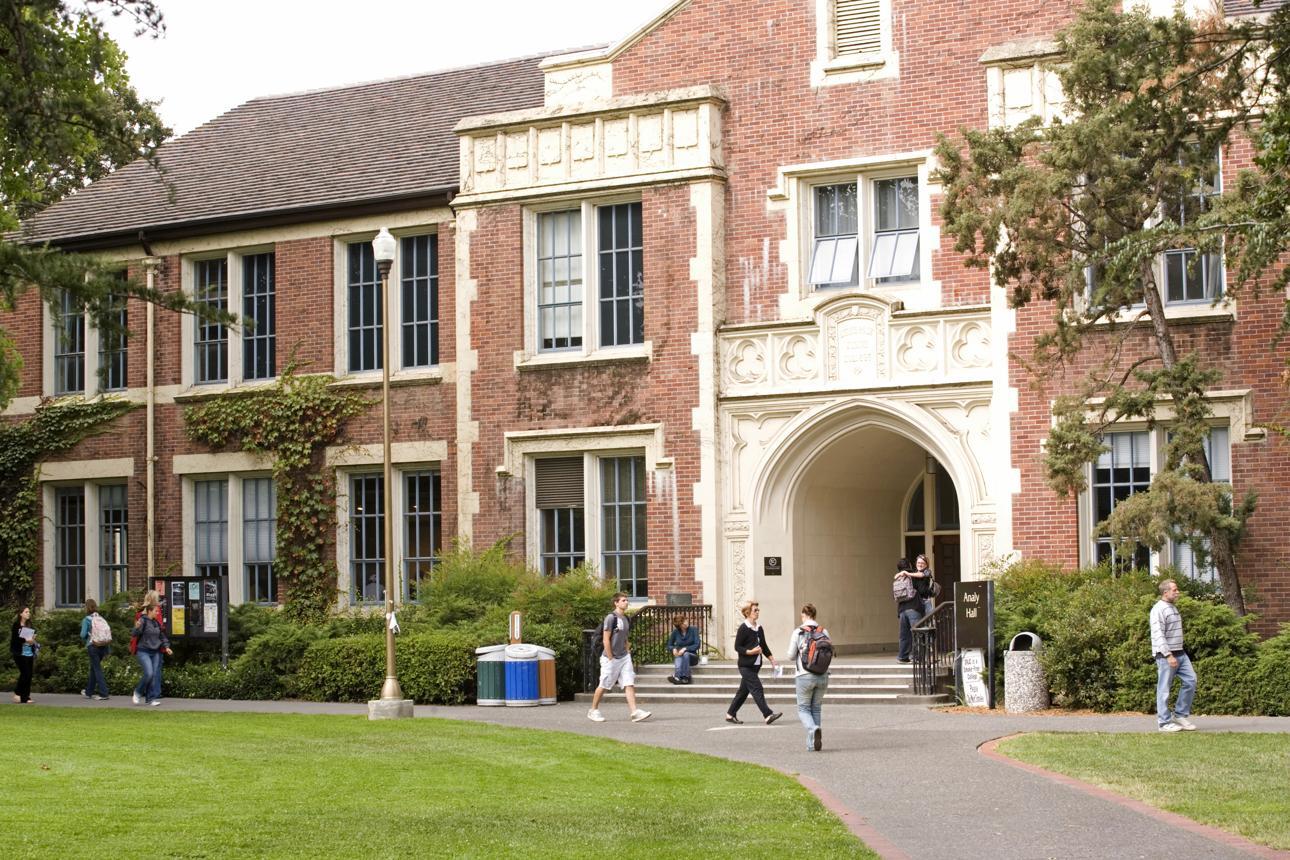
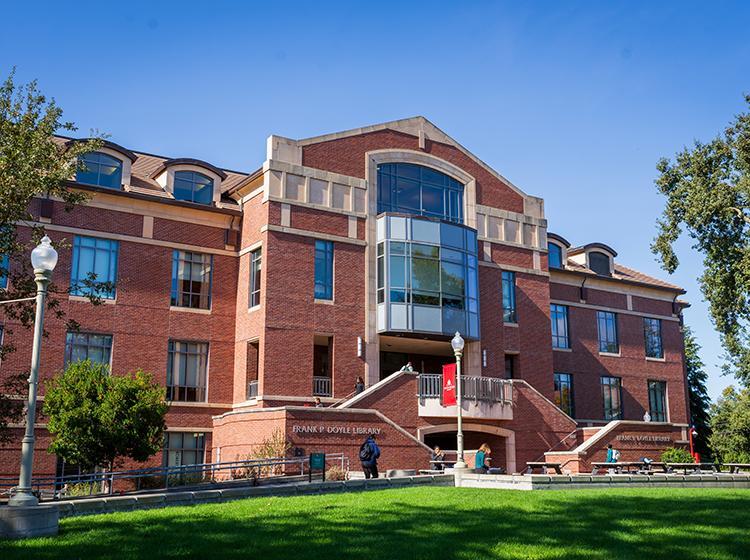
About Santa Rosa Junior College
Santa Rosa Junior College: Programs, Admissions, Tuition Fees and Scholarships
Overview of Santa Rosa Junior College
Santa Rosa Junior College (SRJC) is a public community college located in Santa Rosa, California, in Sonoma County. The college provides higher education, career training and transfer opportunities for students with different academic interests and professional goals. Its main campus is known for its historic brick buildings, landscaped gardens, mature oak trees and welcoming learning environment.
SRJC offers more than 100 majors and a variety of associate degrees, professional certificates and non-degree study options. Students can choose subjects across business, computer studies, science, engineering, arts, health-related disciplines, social sciences and other academic fields. Many students attend a community college to complete foundational coursework before transferring to a four-year university.
The college also welcomes eligible international students through its International Student Program. This program supports international admissions, orientation and immigration advising for students studying in the United States in F-1 status.
Santa Rosa Junior College may be a suitable choice for students who want to pursue an associate degree, develop practical skills or begin a university-transfer pathway in Northern California. Before applying, prospective students should compare available programs, academic requirements, total costs and transfer opportunities to ensure that the college fits their long-term plans.
Why Choose Santa Rosa Junior College?
One of the main advantages of Santa Rosa Junior College is its variety of educational pathways. Students can choose a program based on whether they want to prepare for employment, earn a certificate, complete an associate degree or continue their education at a university.
The college's range of majors allows learners to explore academic interests while developing a foundation in their chosen field. Students who are uncertain about their future specialisation may benefit from academic advising and structured course planning before committing to a particular pathway.
SRJC also provides services such as academic counselling, tutoring, student support and university-transfer guidance. These services can help students understand degree requirements, manage their coursework and prepare for further study.
Its location in Sonoma County offers a different environment from the larger urban centres of Southern California. Santa Rosa provides access to local businesses, community organisations, outdoor recreation and cultural activities. Students should nevertheless consider accommodation, transport and living expenses when evaluating the location.
Choosing SRJC should involve more than considering the campus environment. Students should verify that their intended program is available, understand its prerequisites and determine whether the resulting qualification supports their career or transfer objectives.
Academic Programs and Courses
Santa Rosa Junior College offers a broad selection of academic majors, associate degrees and professional certificates. The best program depends on the student's previous education, intended career and future study plans.
Business and Management
Business-related courses can introduce students to accounting, business administration, economics, management and organisational practices. Depending on the selected program, students may develop skills relevant to business operations, administration, entrepreneurship or further university study.
Students planning to transfer into a bachelor's degree in business should identify their intended university and review the courses required for admission. Appropriate planning can help students complete transferable credits efficiently.
Computer Studies and Technology
Students interested in computing can explore programs and courses related to computer studies, programming, information technology and other technical subjects available in the college catalogue.
These courses can help students develop foundational knowledge for further education in computing or technology-related careers. Students should review the current curriculum carefully to understand the programming languages, technical subjects, mathematics prerequisites and practical work associated with each pathway.
For those planning to transfer into computer science or a related bachelor's program, it is especially important to confirm that completed mathematics and computing courses satisfy the destination university's requirements.
Science, Engineering and Mathematics
SRJC provides study opportunities in science, mathematics and engineering-related disciplines. Students may explore subjects such as biology, chemistry, physics, mathematics and engineering or applied technology, depending on current program availability.
These subjects can prepare students for further study in scientific and technical fields. Laboratory courses and prerequisite sequences may be important components of a program, so students should plan their schedules carefully.
Students interested in competitive university majors should consult academic counsellors to identify the required sequence of courses and understand how their grades may affect transfer eligibility.
Arts, Humanities and Communication
Students can pursue academic interests in arts, humanities, communication and related fields. These subjects help develop research, critical thinking, writing, presentation and analytical skills.
Creative and communication-focused programs may include practical assignments, projects or portfolio work. Students should examine individual course descriptions to understand the balance between classroom instruction and hands-on learning.
For students intending to transfer, the relevant university's general education and major requirements should guide course selection.
Health and Allied Health
Health-related education can appeal to students interested in healthcare, life sciences and allied health professions. Requirements vary significantly across different healthcare pathways, and some programs may have selective admission procedures or additional prerequisites.
The college's international student information identifies certain healthcare programs, including nursing, dental hygiene and radiologic technology, as unavailable to F-1 students under the relevant program rules. International students interested in healthcare should consult the college before selecting a major and consider eligible related pathways, such as pre-allied health or natural sciences, where appropriate.
Students should also investigate any further qualifications, clinical requirements or professional licensing rules connected to their intended career.
Career and Technical Education
Career and technical education helps students develop practical skills for particular industries and occupations. Depending on the program, students may pursue certificates or associate degrees in technical and professional subjects.
Applicants should review course availability, equipment or laboratory requirements, program duration and any additional expenses before enrolling. They should also consider whether the qualification is designed for immediate employment, further education or both.
Associate Degrees, Certificates and University Transfer
Santa Rosa Junior College offers associate degrees and professional certificates across a wide range of subjects. Students may also enrol in eligible non-degree study options for a limited period.
Many international students attend SRJC to complete lower-division coursework before transferring to a four-year university. This approach is often described as a two-plus-two pathway: students complete the first part of their university education at a community college and then continue at a bachelor's degree-granting institution.
Students interested in transferring should identify possible destination universities early. They can then compare course requirements, general education pathways, prerequisite subjects and application deadlines.
An associate degree does not automatically guarantee admission to a particular university or major. Transfer eligibility depends on the destination institution's rules, the student's academic performance, completed coursework and other applicable criteria.
Academic counselling can help students develop an appropriate course plan. Students should also review formal articulation agreements and confirm whether their chosen courses will count toward the intended bachelor's degree.
Santa Rosa Junior College Admission Requirements
Admission requirements depend on the student's age, academic background, applicant category and intended program. International applicants seeking to study in F-1 status must complete the college's general application and the additional International Student Program requirements needed for the Form I-20 process.
Academic Records and Age
Under SRJC's current international admissions policy, applicants who will be 18 or older when classes begin do not need to submit proof of high-school graduation for admission. The college does not specify a minimum GPA for admission under this policy.
Applicants who will be under 18 when classes begin must provide additional academic documentation, such as a high-school diploma or an unofficial transcript showing the graduation or completion date. Parent or guardian consent requirements may also apply.
Students who have previously completed college-level coursework and want to request transfer credit should follow the college's separate transfer-credit evaluation process after admission and enrolment.
English Language Proficiency
International applicants must demonstrate English proficiency through an approved examination, an accepted educational background or another approved pathway.
Accepted examination options listed by SRJC include IELTS, TOEFL iBT, Duolingo English Test, Pearson PTE Academic and other recognised assessments. For example, the published minimums include IELTS 5.5, TOEFL iBT 61 or Duolingo English Test 95. Other accepted examinations have their own minimum scores.
The college also lists approved intensive English pathways and certain previous educational experiences that may satisfy the requirement. Students should verify the latest criteria directly with the International Student Program before booking an examination.
Applicants who do not meet the English proficiency requirement may investigate the college's approved language-program pathways and determine whether an eligible route is available for their intended start term.
Passport and Application Fee
International applicants must upload a copy of the biographical page of their passport and complete the college's international application process.
SRJC lists a non-refundable international application fee of US$50. Applicants should follow the instructions in the student portal and confirm that the fee has been received as part of their completed application.
Financial Documentation
International students must demonstrate that they have sufficient financial resources to cover their first year of study and living expenses in the United States. SRJC's published 2026–2027 estimate requires at least US$36,705 in readily available funds for the standard budget.
Financial documents must meet the college's current requirements, including rules about issue dates, account-holder details, currency and accessible balances. Applicants whose education is funded by a parent, relative or other sponsor may need a signed declaration of sponsor support.
The college publishes a lower funding threshold for eligible students receiving free housing and meals from a local sponsor. Applicants should use the exact current documentation instructions that apply to their circumstances.
How to Apply to Santa Rosa Junior College
International applicants can use the following general process to organise their application.
Step 1: Choose a study pathway. Review the available majors, associate degrees, certificates and non-degree options. Select a program that matches the intended academic and professional goals.
Step 2: Submit the college application. Create or access the required application account and complete the SRJC application through the official application system.
Step 3: Complete the international requirements. After receiving the instructions from the International Student Program, access the designated portal and complete the required international student information.
Step 4: Upload supporting documents. Submit English proficiency evidence, financial documentation, passport information and academic records when required for the applicant category.
Step 5: Pay the application fee. Pay the non-refundable US$50 international application fee through the college's student account system.
Step 6: Monitor application progress. Check the student portal and email for missing-document requests, application updates and the admission decision. Respond promptly to any requests.
Step 7: Complete the immigration process. If eligible, the student receives admission information and the Form I-20 instructions. The student must then follow the applicable process for applying for the F-1 visa or otherwise establishing eligible status. College admission does not guarantee visa approval.
Step 8: Prepare for arrival. Complete required orientation, review housing arrangements, register for classes and follow the college's pre-arrival guidance.
Application deadlines vary by term. Students should check the current dates and start-term eligibility before submitting an application.
Santa Rosa Junior College Tuition Fees and Cost of Living
The total cost of studying at SRJC includes tuition, mandatory fees, health insurance, accommodation, meals, books, supplies, transportation and personal expenses.
For the 2026–2027 academic year, the college's estimated nine-month international student budget is US$36,705. The published estimate includes US$11,058 for tuition and fees, US$2,016 for health insurance, US$16,697 for housing and meals, US$1,374 for books and supplies, US$1,442 for transportation and US$4,068 for personal expenses. A US$50 international application fee is also required.
The college uses this estimated total to determine the financial support required for issuing a Form I-20. Students should understand that the amount is an estimate for the standard budget and that individual spending may vary.
Planning Your Budget
Before accepting an offer, students should prepare a realistic financial plan that covers:
- Tuition and college fees for the expected study load.
- Required health insurance.
- Housing, meals and utilities.
- Books, supplies and academic materials.
- Local transportation.
- Personal expenses and emergency savings.
- Travel to and from the United States.
The estimated housing and meal costs are based on a particular accommodation arrangement. Students who choose a different housing option may spend more or less than the published estimate.
Applicants should also account for any costs associated with arrival, deposits, transportation from the airport and the first weeks of living in California.
The official fee schedule and international student expense page should be checked again before applying because fees and estimates can change by academic year.
Scholarships and Financial Support
Students should explore scholarship and financial support opportunities before finalising their study budget. Eligibility depends on the funding provider, academic performance, citizenship or immigration status, program of study and other conditions.
International students should not assume that every scholarship or financial aid program is available to them. Each award's eligibility rules should be reviewed carefully, including whether it can be used toward tuition, housing or other educational expenses.
Students may also investigate external scholarships, educational sponsorships and funding options in their home country. If a parent or another sponsor will cover the cost of study, the required financial documents should be prepared early.
Applicants should include scholarship funding in their confirmed budget only after receiving an official award. Until then, they should plan to meet the college's required funding threshold through verified available resources.
Campus Facilities and Student Life
Santa Rosa Junior College's Santa Rosa campus features historic architecture, landscaped grounds, oak trees, gardens and academic buildings. The campus includes classrooms, laboratories, learning resources and facilities supporting a wide range of academic and student activities.
The college also offers opportunities for student involvement through clubs, events, leadership activities and cultural programming. International students can meet classmates, take part in campus activities and learn more about the local community.
Student support services include academic counselling, tutoring and transfer guidance. These resources can be especially useful for students who need help selecting courses or preparing for university transfer.
International students should become familiar with the International Student Program, student portal, registration process and orientation requirements. Understanding these services early can help students manage administrative tasks and focus on their studies.
Location and Living in Santa Rosa, California
Santa Rosa Junior College's main campus is located at 1501 Mendocino Avenue in Santa Rosa, California. The city is in Sonoma County, north of San Francisco, and provides access to a mix of residential neighbourhoods, local businesses, outdoor recreation and cultural activities.
Santa Rosa offers a different setting from a large city such as Los Angeles or San Francisco. Students may appreciate the campus's landscaped grounds and the surrounding region, but they should research transportation and accommodation before deciding where to live.
Housing costs depend on the type of accommodation, location, meal arrangements and whether a student shares a home. International applicants should compare options carefully and make sure their budget covers deposits and initial expenses.
Students arriving from overseas should also prepare for the transition to a new academic system, local transport and everyday life in California. The college's orientation and international student services can help new arrivals understand campus expectations and available support.
Career Preparation and Further Study
Santa Rosa Junior College provides educational options for students pursuing employment, professional training or further university study. Certificates can support focused skill development, while associate degrees and transferable coursework can help students continue toward a bachelor's degree.
Career outcomes depend on the student's chosen field, academic performance, practical experience and the requirements of the intended profession. Completing a college program does not automatically guarantee a job, professional licence or eligibility to work in the United States.
Students planning to transfer should track their grades, prerequisites and university application deadlines. Students preparing for employment can complement their coursework with relevant projects, work experience where permitted, communication skills and career guidance.
International students should understand the immigration regulations that apply to their circumstances before making plans to work during or after their studies.
Is Santa Rosa Junior College a Good Choice for International Students?
Santa Rosa Junior College may be a suitable option for international students seeking a public community college in Northern California. Its broad range of majors, associate degrees, certificates and transfer pathways gives students several ways to plan their education.
The college may particularly suit learners who want to complete lower-division coursework before transferring to a four-year university. Students interested in career training can also investigate its professional and technical programs.
However, applicants should carefully check program eligibility, especially for fields with special admission or immigration-related restrictions. They should also compare the total cost of attendance, English proficiency requirements, financial documentation and housing arrangements before committing.
The best choice depends on the student's academic goals, financial resources and intended career. Reviewing official program details and discussing a course plan with the college can help students make an informed decision.
Frequently Asked Questions
1. Where is Santa Rosa Junior College located?
Santa Rosa Junior College's main campus is located in Santa Rosa, Sonoma County, California, United States.
2. Is Santa Rosa Junior College a public college?
Yes. SRJC is a public community college offering associate degrees, certificates and other educational pathways.
3. Can international students study at SRJC?
Yes. The college's International Student Program supports eligible international students studying in F-1 status and assists with admission, orientation and immigration advising.
4. What English proficiency scores are accepted?
Accepted options include IELTS, TOEFL iBT, Duolingo English Test, Pearson PTE Academic and other approved examinations or pathways. Current minimum scores should be checked with the college.
5. How much does it cost to study at SRJC?
The published 2026–2027 estimated nine-month budget for international students is US$36,705, including tuition, fees, insurance and estimated living expenses.
6. Does SRJC offer university-transfer pathways?
Yes. Students can complete lower-division coursework and pursue eligible transfer pathways to four-year universities. Transfer requirements vary by destination institution and major.
7. What is the international application fee?
The published international application fee is US$50 and is non-refundable.
8. Does admission guarantee a US student visa?
No. Admission and visa approval are separate processes. Students must meet the applicable immigration requirements and complete the necessary steps.
Conclusion
Santa Rosa Junior College offers a wide range of academic majors, associate degrees, professional certificates and university-transfer opportunities in Northern California. Its educational pathways can support students who want to develop practical skills, complete foundational coursework or continue their education at a four-year institution.
International students should plan carefully by confirming the current admission requirements, English proficiency criteria, financial documentation, application deadlines and estimated cost of attendance. By choosing a suitable program and preparing their academic and financial plans in advance, students can make a more informed decision about studying at Santa Rosa Junior College.
Entry Requirements
General Entry Requirement
IELTS 6.5 overall
Fees & Scholarships
Annual Tuition Fees
USD 36,000 - USD 60,000
Ready to Apply to Santa Rosa Junior College?
Our advisors guide you from eligibility check to offer letter — at no cost to you.
Join our WhatsApp Community

Scan to join our student community for admission updates & guidance