
Annual FeesUSD 34,000 - USD 52,000
Santa Monica College
LocationUS
Entry RequirementIELTS 6.0 overall
Visa Success Rate80%
Campus Photos
Santa Monica College
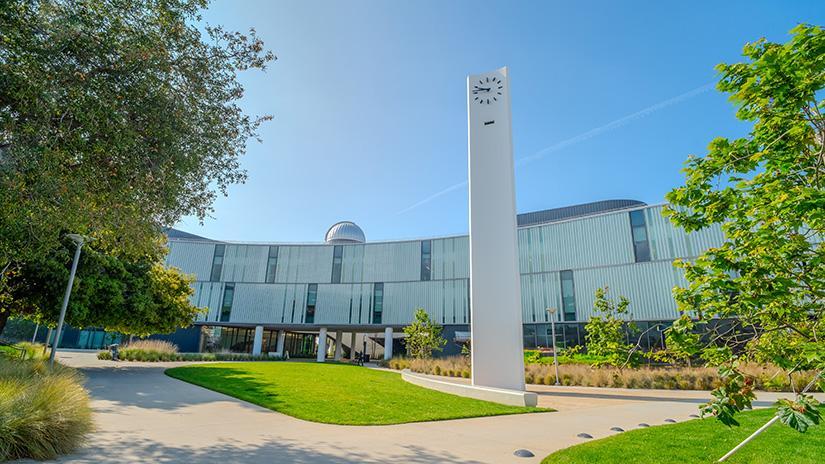
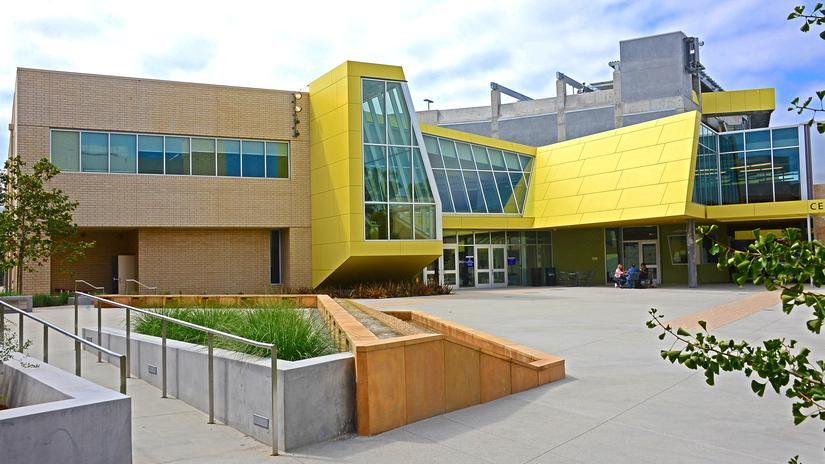
About Santa Monica College
Santa Monica College: Programs, Admissions, Tuition Fees and Student Life
Overview of Santa Monica College
Santa Monica College (SMC) is a public community college located in Santa Monica, California, in the greater Los Angeles area. Established in 1929, the institution provides higher education, career preparation and transfer pathways for students with a wide range of academic interests. It is known for offering a broad selection of associate degrees, certificates, university-transfer courses and specialised educational programs.
Santa Monica College serves students who want to begin their higher education journey, develop professional skills, complete an associate degree or prepare to transfer to a four-year university. Its academic offerings span business, computer science, engineering, arts and media, health and wellness, education, social sciences, languages and other disciplines.
The college's location in Southern California provides access to a large urban region with diverse communities, cultural attractions and employment sectors. Students considering SMC should evaluate their intended program, international admission requirements, annual expenses and long-term academic plans before applying.
Why Choose Santa Monica College?
One of the main reasons students consider Santa Monica College is the range of educational pathways available through a community college. Students can begin with foundational courses, complete an associate degree or follow a transfer-focused study plan before continuing at a university.
SMC offers programs that support different goals. Career-oriented students can explore certificates and applied subjects, while students planning to earn a bachelor's degree can complete relevant lower-division courses and prepare for transfer. This flexibility can be useful for learners who want to explore an academic area before committing to a longer university program.
The college also provides academic counselling, tutoring and other student support services. These resources can help learners plan courses, understand degree requirements and work through academic challenges.
Another consideration is the breadth of the college's academic catalogue. Students can explore disciplines across arts, business, education, technology and social sciences. However, course availability and program requirements may vary by term, so applicants should review the current catalogue before deciding on a major.
Academic Programs and Courses
Santa Monica College offers a wide range of academic programs, degrees and certificates. The appropriate course selection depends on whether a student intends to transfer, pursue a career-focused qualification or develop specialised knowledge.
Business and Management
Business-related programs can help students develop an understanding of accounting, management, economics, marketing and organisational practices. Depending on the chosen pathway, students may prepare for entry-level business roles or continue their education in business administration at a four-year university.
Students should compare the course requirements of their intended program with those of potential transfer universities. Selecting appropriate classes early can help them use their credits effectively and stay on track toward a degree.
Computer Science and Information Technology
Students interested in technology can explore subjects such as computer science, computer programming, cloud computing, database applications and related technical areas. These courses can build foundational knowledge for further study in software development, information systems and other computing disciplines.
Students should examine the actual curriculum rather than choosing a program based solely on its title. Relevant factors include programming languages, mathematics prerequisites, laboratory work, project requirements and transfer eligibility.
Those who intend to pursue a bachelor's degree in computing should identify suitable destination universities and review their transfer requirements before selecting courses.
Engineering and STEM
Science, technology, engineering and mathematics provide pathways for students interested in scientific research, technical problem-solving and advanced study. Depending on the program, students may take courses in biology, chemistry, mathematics, physics, engineering and related subjects.
Students planning to transfer into a competitive STEM major should pay close attention to prerequisite sequences and course articulation. Missing a required mathematics or laboratory course can affect the time needed to complete a degree.
Arts, Media and Entertainment
SMC offers academic options in arts, media and entertainment-related subjects. Students can investigate fields such as animation, art, architecture, broadcasting, photography and other creative disciplines.
These programs may combine theoretical learning with practical projects and portfolio development. Students interested in creative careers should examine the equipment, software, studio access and portfolio expectations associated with their chosen program.
For those intending to transfer, it is useful to check whether completed coursework will meet the requirements of the destination university's major.
Education and Social Sciences
Students can explore subjects related to education, child and adolescent development, psychology, sociology, political science, communication and social work. These fields can provide a foundation for further education or for careers requiring strong communication, analytical and interpersonal skills.
Students pursuing professional roles in education, counselling or social services should research the additional qualifications, licensing conditions or further study that may be required after completing their initial college program.
Health and Wellness
Health and wellness-related education can help students build knowledge in areas connected to personal wellbeing, nutrition, physical activity and related academic disciplines. Program-specific prerequisites and professional requirements may differ.
Students should check whether their chosen subject prepares them for transfer, provides a certificate or serves as a foundation for further professional education.
Associate Degrees, Certificates and University Transfer
Santa Monica College offers associate degrees, certificates and courses designed to help students transfer to four-year institutions. The community college route can allow learners to complete lower-division requirements before moving to a university for advanced study.
Students who want to transfer should identify their intended university and major as early as possible. Transfer requirements differ by institution and program, and some majors have additional prerequisites or higher grade expectations.
SMC offers Associate Degrees for Transfer in eligible disciplines. These programs are designed to support transfer to participating California State University programs when students meet the relevant requirements. A transfer-oriented degree does not automatically guarantee admission to every university or major.
Students should work with academic counsellors to review course articulation, general education requirements, unit totals and grade expectations. They should also check the destination institution's current transfer policies.
SMC offers selected bachelor's degree opportunities as well. Availability and eligibility depend on the specific program, so prospective students should confirm current offerings directly through the college.
Santa Monica College Admission Requirements
Admission requirements depend on whether the applicant is a domestic student, an international student or someone transferring from another institution. International students applying for F-1 or F-2 study should follow the dedicated international application process.
Academic Records
Applicants generally need to provide transcripts or records from their previous educational institution. International applicants should check the document checklist to understand which school records, certificates or transcripts must be submitted.
Records from institutions in the United States may need to be sent directly by the awarding institution. Documents in other languages may require suitable English translations or additional evaluation, depending on the college's instructions.
Age Requirement
Santa Monica College's international admissions information specifies an age requirement for initial attendance. Applicants who are 16 or 17 may be considered under special conditions, including high-school completion and guardian requirements. Students should review the current official policy to confirm their eligibility.
English Language Proficiency
International applicants generally need to provide proof of English proficiency through an accepted test or approved alternative. The college publishes a list of accepted options and applicable requirements.
Students should confirm the latest accepted tests and minimum standards before booking an examination. Those who do not meet the English proficiency requirement may wish to investigate the college's Intensive English Program and its separate admission conditions.
Financial Statement
Applicants must demonstrate that they have sufficient financial resources to meet the estimated costs of education and living. The college specifies the financial documentation that must be uploaded with the application.
Students should use the current financial forms and estimates rather than relying on older figures. If a parent or another sponsor will fund the education, applicants should follow the college's instructions for documenting that support.
Passport and Application Fee
International applicants need to submit a copy of their passport information page and pay the required application fee. SMC's published international application fee is US$75 and is non-refundable.
Applicants should verify all required documents before submitting the application. Missing information can delay processing.
Personal Essay
SMC requires an autobiographical personal essay of at least 500 words for relevant international applications. The essay should explain why the student wants to attend Santa Monica College, identify the intended major and describe whether the goal is to earn an associate degree, transfer to a university or pursue another academic objective.
Applicants who intend to transfer should identify their prospective universities where requested. The essay should be original, clear and consistent with the student's actual academic plans.
How to Apply to Santa Monica College
International applicants can organise their application through the following general process.
Step 1: Select an academic pathway. Review the college's programs and decide whether the goal is to study English, complete an associate degree, pursue a certificate or prepare for transfer.
Step 2: Review eligibility. Check academic qualifications, age requirements, English proficiency standards and program-specific prerequisites.
Step 3: Create an application account. Follow the college's international application instructions and complete the admission application accurately.
Step 4: Pay the application fee. Submit the non-refundable fee using the payment process specified by the college.
Step 5: Upload the required documents. Provide academic transcripts, passport information, financial statements, English proficiency evidence and the personal essay where required.
Step 6: Monitor the application. Check the online application portal and email for updates or requests for additional information. Respond promptly to avoid unnecessary delays.
Step 7: Complete the immigration process. After admission, eligible students should follow the college's instructions for receiving the appropriate immigration documentation and applying for the relevant student visa. Admission alone does not guarantee visa approval.
Step 8: Prepare for arrival. Review orientation requirements, housing arrangements, health insurance, registration instructions and the college's international student guidance before travelling.
Application deadlines differ by term and applicant category. Students should confirm the latest dates directly with the college before submitting their documents.
Santa Monica College Tuition Fees and Cost of Living
International students should budget for tuition, enrolment charges, mandatory fees, health insurance, books, supplies, accommodation, food, transport and personal expenses.
For Fall 2026 through Spring 2027, Santa Monica College publishes an estimated annual budget of approximately US$34,000 for international students. This estimate includes academic costs and projected living expenses. The actual amount will depend on the student's course load, accommodation arrangements, personal spending and any changes to college fees.
International tuition is calculated by unit, and students taking more than the standard full-time course load may pay additional tuition. Certain programs can also have additional charges.
Understanding the Total Cost
The overall cost of attendance is different from tuition alone. Students should account for:
- Tuition and enrolment charges for the planned course load.
- Student fees and mandatory health insurance.
- Books, supplies and academic equipment.
- Accommodation, utilities and food.
- Local transportation and personal expenses.
- Initial arrival costs and emergency savings.
Housing costs can vary considerably depending on whether a student chooses a homestay, shared accommodation or another arrangement. Students should research realistic local options and allow for unexpected expenses.
The college's current tuition and international student expense pages should be reviewed before an application is submitted. The budget used for financial documentation should match the applicable academic year and the college's current instructions.
Scholarships and Financial Support
Students should investigate scholarship and funding opportunities before finalising their budget. Eligibility may depend on citizenship, immigration status, academic performance, financial need, program enrolment and the terms of the funding provider.
Not every scholarship or financial aid program is available to international students. Applicants should check the eligibility rules for each opportunity and confirm whether an award can be used for tuition, living costs or other expenses.
Students may also explore external scholarships, educational sponsorships and funding opportunities in their home country. Families should prepare the required financial documentation early when they intend to sponsor a student's education.
A scholarship should be included in the confirmed financial plan only after the student receives an official award. Until then, applicants should plan for the full estimated cost.
Campus Facilities and Student Life
Santa Monica College offers academic facilities, student support resources and opportunities to participate in campus activities. Students can access academic departments, learning resources and services designed to support their educational progress.
Student involvement can help learners develop communication skills, build friendships and become familiar with college life. Clubs, student organisations and campus activities can provide opportunities to connect with classmates who share similar interests.
Academic counselling is particularly valuable for students who plan to transfer. Counsellors can help them understand degree requirements, review course choices and identify potential transfer pathways.
International students should learn how to access the college's online systems and identify the offices responsible for international student services, registration and academic advising. Orientation and information sessions can help new arrivals understand campus procedures and expectations.
Students should also make use of available tutoring and other academic support services if they experience difficulty with a subject or course workload.
Location and Living in Santa Monica, California
Santa Monica is a coastal city in Los Angeles County, Southern California. Its location provides access to the wider Los Angeles region, which includes diverse communities, cultural venues, businesses and employment sectors.
Students may enjoy exploring the local coastline and surrounding communities during their free time. However, transport, accommodation and daily expenses should be considered when choosing where to live. Travel times can vary according to traffic, route and transportation method.
Students arriving from abroad should plan accommodation before travelling and understand the costs of deposits, utilities, food and local transport. They should also keep important documents accessible and follow the college's instructions for arrival and check-in.
Adjusting to a new education system can take time. International students may need to become familiar with course registration, academic expectations, classroom participation and assessment methods. Asking questions and using college support services can make the transition more manageable.
Career Preparation and Further Study
Santa Monica College offers programs that can support further education or career development. Students may complete a certificate, earn an associate degree or use transferable coursework as part of a plan to continue at a university.
Career outcomes depend on the student's program, academic performance, relevant experience and the requirements of the intended profession. Completing a college program does not automatically guarantee employment or professional licensing.
Students planning to transfer should monitor prerequisites, grades and application deadlines. Those focused on employment can complement their studies with projects, practical experience, communication skills and career guidance.
International students should also understand the immigration rules that apply to their circumstances before making plans to work during or after their studies.
Is Santa Monica College a Good Choice for International Students?
Santa Monica College may be a good option for students who want a broad selection of academic programs, a community college learning environment and opportunities to transfer to a four-year university. Its range of degrees and certificates allows students to pursue different academic and professional goals.
The college may particularly suit learners who want to complete foundational coursework before continuing to a bachelor's degree. However, students should not assume that every course will transfer to every university. Reviewing articulation agreements and destination requirements is essential.
International applicants should also consider the full annual budget, English proficiency requirements, application documents and housing arrangements. The best choice depends on the student's academic interests, financial resources and future plans.
Comparing SMC with other institutions can help students determine whether the program structure, location and total costs align with their expectations.
Frequently Asked Questions
1. Where is Santa Monica College located?
Santa Monica College is located in Santa Monica, California, in the greater Los Angeles region of the United States.
2. Is Santa Monica College a public college?
Yes. Santa Monica College is a public community college offering degrees, certificates and transfer preparation.
3. Can international students apply to Santa Monica College?
Yes. SMC has a dedicated international student application process for eligible F-1 and F-2 applicants.
4. What documents do international applicants need?
Applicants generally need academic transcripts, a passport copy, proof of English proficiency, a financial statement, the application fee and a personal essay. The exact requirements should be checked against the current application checklist.
5. How much does Santa Monica College cost for international students?
The published estimated budget for Fall 2026–Spring 2027 is approximately US$34,000, including tuition, fees, insurance and estimated living expenses. Actual costs may vary.
6. Does Santa Monica College offer transfer pathways?
Yes. SMC offers transfer preparation and eligible Associate Degrees for Transfer. Students should confirm the specific requirements of their intended university and major.
7. Are scholarships available to international students?
Funding opportunities may exist, but eligibility depends on the particular award. International students should verify the rules before relying on scholarship funding.
8. Does admission guarantee a US student visa?
No. Admission and visa approval are separate processes. Students must complete the applicable immigration requirements.
Conclusion
Santa Monica College offers a wide range of academic programs, certificates, associate degrees and transfer pathways in Southern California. Its educational options can support students who want to prepare for a career, develop specialised skills or continue their education at a four-year university.
For international students, careful preparation is essential. Applicants should confirm the latest academic requirements, English proficiency rules, application deadlines, total expenses and immigration documentation before applying. By choosing an appropriate program and planning their finances and transfer goals early, students can make a more informed decision about studying at Santa Monica College.
Entry Requirements
General Entry Requirement
IELTS 6.0 overall
Fees & Scholarships
Annual Tuition Fees
USD 34,000 - USD 52,000
Ready to Apply to Santa Monica College?
Our advisors guide you from eligibility check to offer letter — at no cost to you.
Join our WhatsApp Community

Scan to join our student community for admission updates & guidance