
Annual FeesUSD 53,000 - USD 60,000
San Diego State University
LocationUS
Entry RequirementIELTS 6.5 overall
Visa Success Rate80%
Campus Photos
San Diego State University
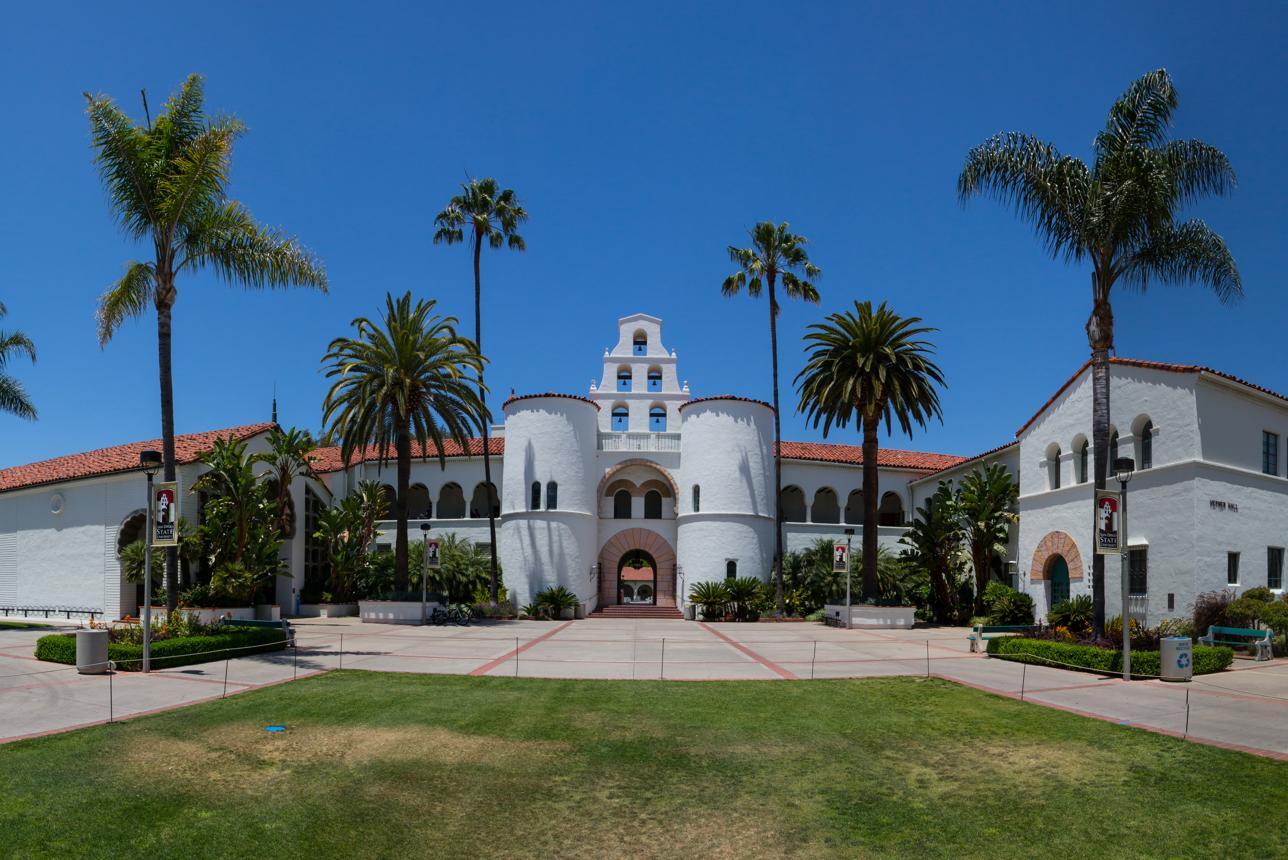
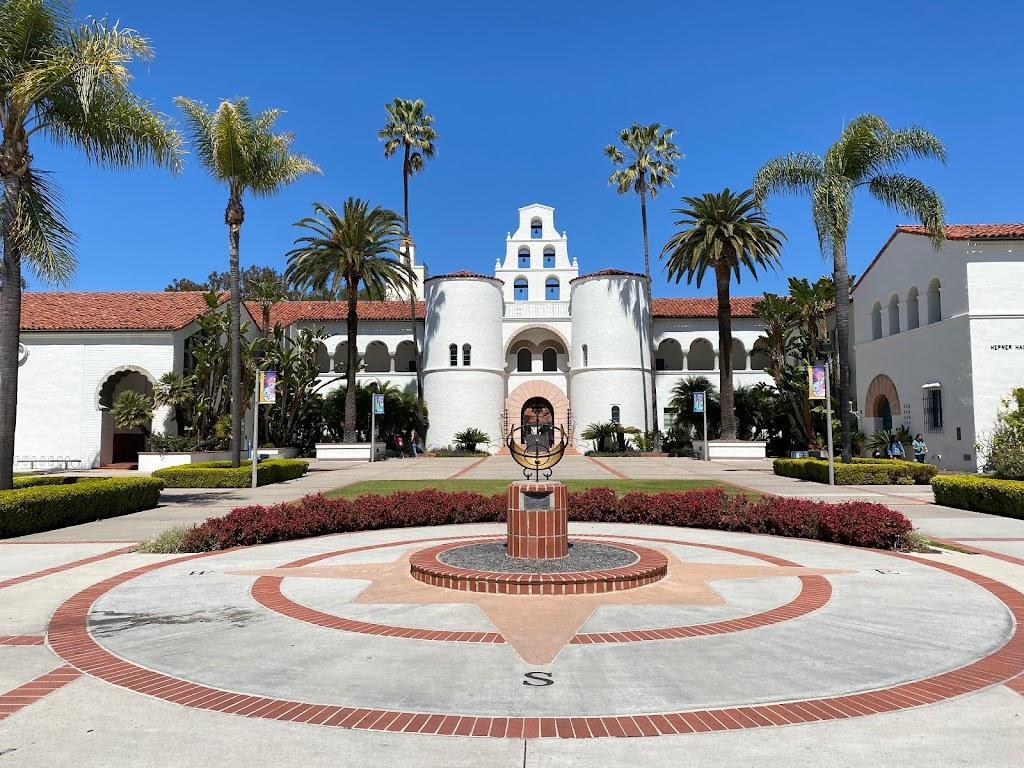
About San Diego State University
San Diego State University: Courses, Admissions, Tuition Fees, Scholarships and Student Life
Introduction
San Diego State University (SDSU) is a public research university located in San Diego, California, United States. Established in 1897, the university has developed into a major institution offering undergraduate, graduate, and doctoral education across a wide range of academic disciplines.
As part of the California State University system, SDSU combines academic instruction with research, practical learning, community engagement, and professional development. Its location in Southern California gives students access to a metropolitan economy with opportunities across technology, business, healthcare, tourism, engineering, media, and other industries.
The university attracts students from different backgrounds who want to pursue higher education in a diverse campus environment. International students can explore a broad selection of academic programmes, campus organisations, research opportunities, and career preparation resources.
For students considering studying in the United States, San Diego State University offers a combination of public university education, an active campus community, and access to the wider San Diego region. Applicants should evaluate their intended programme, admission eligibility, financial resources, and career goals before deciding whether SDSU is the right destination.
About San Diego State University
San Diego State University has a history spanning more than a century. Originally established as a teacher-training institution, it expanded over time into a comprehensive university with programmes across numerous academic and professional fields.
Today, SDSU is known for its diverse student population, academic offerings, research activity, and engagement with the surrounding community. Its campus includes academic buildings, libraries, laboratories, residence halls, recreation facilities, student services, and spaces for cultural and extracurricular activities.
The university offers education through multiple academic colleges and schools. Students can investigate fields ranging from business administration and engineering to the sciences, public health, education, the arts, and the humanities.
SDSU also maintains connections with employers, alumni, community organisations, and professional networks. Depending on the student's programme, these connections may create opportunities to participate in internships, applied projects, research, and career development activities.
Its location in San Diego provides an additional dimension to the student experience. The city is known for its coastal environment, cultural attractions, research institutions, tourism economy, and business communities. Students can explore these surroundings while participating in university life.
Why Choose San Diego State University?
A Wide Range of Academic Programmes
SDSU offers more than 200 degree programmes across bachelor's, master's, and doctoral levels. This breadth allows students to compare disciplines and identify courses aligned with their interests and long-term ambitions.
Programme availability, admission standards, and specialisation options vary by department, so applicants should review the current academic catalogue before choosing a degree.
Public Research University Environment
As a research-active public university, SDSU offers opportunities for students to develop academic knowledge while exploring research and practical learning.
Depending on the discipline, students may participate in laboratory work, faculty-led research, collaborative projects, or other experiences that complement classroom instruction.
Location in San Diego
San Diego offers access to businesses, research organisations, hospitals, technology companies, cultural institutions, and other employers.
Students can investigate internship opportunities, professional events, and community activities throughout the region. Access to a specific opportunity depends on eligibility, availability, and the student's preparation.
Career Development and Mentoring
The university provides career services and mentoring initiatives that help students explore professional interests and prepare for employment.
Students can work on their résumés, develop interview skills, investigate internships, and connect with alumni or professionals where opportunities are available.
Campus Community and Student Activities
SDSU offers a large campus environment with student organisations, cultural activities, athletics, recreation, and social events.
Students can participate in clubs, pursue leadership opportunities, and connect with classmates from different backgrounds. These experiences can support personal development alongside academic progress.
Courses and Academic Programmes
San Diego State University offers programmes across a wide range of disciplines. The exact degree titles, concentrations, and available intakes should be checked through the current university catalogue.
Business and Management
Students interested in business can explore programmes through the Fowler College of Business and related academic departments.
Subject areas include accounting, finance, management, marketing, international business, information systems, and other business-related disciplines, depending on the degree.
Business programmes can help students understand financial decision-making, organisational management, market research, business operations, and strategic planning.
Graduates may pursue roles in accounting, financial services, business analysis, marketing, consulting, management, or operations. Some professional roles require additional certification, experience, or specialised education.
Students should compare the curriculum, internship options, and any programme-specific admission requirements before selecting a business degree.
Computer Science and Information Technology
Students interested in technology can investigate computer science and related programmes at SDSU.
Depending on the course, study may include programming, algorithms, software development, computer systems, databases, and other technical subjects.
These programmes can provide a foundation for further study or careers in software engineering, systems development, IT, and related fields.
Students can strengthen their preparation through practical projects, research, internships, and relevant technical certifications. The suitability of each qualification depends on the specific career and employer requirements.
Engineering
SDSU offers engineering programmes in areas that include civil, electrical, mechanical, computer, and other engineering disciplines, subject to current programme availability.
Engineering education combines scientific principles, mathematical analysis, technical design, and problem-solving. Some programmes include laboratory work, design projects, and practical learning experiences.
Graduates may pursue opportunities in engineering design, manufacturing, infrastructure, electronics, computing, and related industries.
Applicants should check the prerequisites for their chosen degree, particularly mathematics, physics, and other required subjects. Professional engineering careers may also require additional examinations or licensing.
Health and Public Health
Students interested in healthcare and community wellbeing can explore health-related programmes offered through SDSU's relevant academic departments and schools.
Depending on the programme, subject areas may include public health, health administration, nursing, nutrition, and other health sciences.
These disciplines can prepare students for roles related to healthcare systems, community health, health research, and professional practice.
Admission to some health programmes can be competitive and may involve additional prerequisites, clinical requirements, or separate application procedures. Students should confirm the specific requirements before applying.
Natural Sciences and Mathematics
SDSU offers academic options across scientific and quantitative disciplines, including areas such as biology, chemistry, physics, mathematics, and related subjects.
Students may study scientific theory, experimental methods, laboratory techniques, statistical reasoning, and quantitative analysis.
These subjects can support careers in research, laboratory work, education, environmental fields, and further professional study. Some specialist careers require postgraduate qualifications or professional credentials.
Applicants should review available concentrations and research opportunities to determine whether a programme matches their interests.
Psychology and Social Sciences
Students interested in human behaviour, society, and public institutions can explore psychology and social science disciplines.
Study may involve human development, social relationships, research methods, behavioural science, political systems, economics, and other areas depending on the programme.
Graduates may pursue opportunities in research support, human resources, community services, public administration, education, and related fields.
Professional psychology and counselling careers generally require additional education, supervised experience, and appropriate licensing.
Arts, Humanities, and Communication
SDSU provides academic opportunities in the arts, humanities, media, communication, and related disciplines.
Students can develop creative skills, research abilities, writing, presentation, and critical thinking through their chosen programmes.
Depending on the degree, career paths may include media production, public relations, journalism, communication, design, education, creative industries, or further academic study.
Applicants interested in creative programmes should check whether auditions, portfolios, supplementary materials, or additional deadlines apply.
Education and Graduate Programmes
Students interested in education can investigate programmes related to teaching, educational leadership, and other areas of professional preparation.
The university also offers graduate and doctoral programmes across selected academic fields. Graduate admission may require a recognised bachelor's degree, transcripts, recommendations, a statement of purpose, and additional programme-specific documentation.
Applicants should confirm the current degree catalogue, delivery format, admission requirements, and tuition structure before submitting an application.
Admission Requirements for International Students
Admission to San Diego State University depends on the applicant's educational background, intended programme, degree level, and eligibility under the university's policies.
International students should begin by identifying the correct applicant category and reviewing the requirements for their intended intake.
Undergraduate Admission
International first-year applicants generally need to have completed secondary education equivalent to a US high school diploma.
Common requirements include:
- Academic transcripts from all schools attended.
- English translations of documents where required.
- Proof of English proficiency when applicable.
- Completion of the university's application process.
- Any additional documentation required for the selected major.
SDSU's international undergraduate application process is conducted through the Cal State Apply system.
The university's published requirements indicate that SAT and ACT scores are not required for international first-year applicants under the stated application process. Certain majors have additional admission requirements or earlier deadlines.
Transfer Admission
Applicants who have completed college or university coursework after graduating from high school may be classified as transfer students.
Transfer applicants must meet the applicable California State University transfer requirements and any additional criteria for their chosen major.
Students should prepare transcripts from every relevant institution and review credit-transfer policies. Previously completed courses are evaluated according to the university's rules, and not all credits are guaranteed to transfer.
International transfer applicants should also check whether their previous education satisfies the required subject preparation and academic standards.
English Language Proficiency
International applicants may need to demonstrate English proficiency through an accepted test or another approved method.
SDSU publishes accepted tests and minimum requirements for international applicants. The university's current first-year admissions information includes options such as IELTS, the Duolingo English Test, and Pearson Test of English, alongside other approved methods.
Applicants should confirm the exact score requirements and whether their educational background qualifies for an exemption. Requirements can change, and scores may need to fall within an accepted validity period.
Graduate Admission
Graduate admission requirements depend on the selected programme and academic department.
Applicants generally need a recognised undergraduate degree and may be required to submit transcripts, recommendations, a résumé, a statement of purpose, test scores where applicable, or other supporting materials.
Some graduate programmes have separate application systems, specific prerequisites, or additional professional requirements.
International students should verify both departmental admission requirements and the university's international application procedures before applying.
Application Process
A typical undergraduate application process includes selecting a major, completing the Cal State Apply application, paying the application fee, submitting academic records, and providing any required English proficiency evidence.
Applicants should monitor their application portal for document requests and admission updates.
Once admitted, international students must complete the university's enrolment and immigration documentation requirements, including the relevant financial verification process.
Students should allow sufficient time for academic document evaluation, visa preparation, housing arrangements, and travel planning.
Tuition Fees and Cost of Attendance
The cost of studying at San Diego State University depends on the student's programme, residency classification, course load, housing arrangement, and other expenses.
International students generally pay nonresident tuition in addition to standard tuition and campus fees. The university publishes estimated costs for the academic year to help students plan their finances.
Undergraduate Cost for 2026–2027
For the 2026–2027 academic year, SDSU publishes the following estimated annual budget for an international undergraduate student living in university housing:
|
Expense |
Estimated annual cost |
|
Basic tuition |
US$6,838 |
|
Campus fees |
US$2,942 |
|
Nonresident tuition |
US$14,130 |
|
Housing |
US$14,008 |
|
Meal plan |
US$7,848 |
|
Books and supplies |
US$1,014 |
|
Transportation |
US$1,216 |
|
Personal expenses |
US$2,566 |
|
Out-of-state and international student fee |
US$3,000 |
|
Estimated total |
US$53,562 |
These figures are the university's published estimates for the stated academic year. Actual expenses vary by housing choice, meal plan, course load, and personal spending.
International undergraduate students are also required to obtain health insurance. The university estimates this at approximately US$1,866 per year, which is additional to the total above.
Off-Campus Living Costs
Students who live off campus have a different estimated budget. For 2026–2027, the published standard annual estimate for an undergraduate nonresident living off campus is US$53,366 before the additional estimated international student health insurance expense.
Actual off-campus expenses depend on rent, utilities, food choices, transportation, and the location of the accommodation.
Students should compare these costs with university housing options and consider how they will travel to classes and other campus facilities.
Graduate Tuition and Fees
Graduate tuition depends on the programme and number of units taken.
International graduate students generally pay nonresident tuition in addition to applicable basic tuition and fees. Certain professional programmes also charge additional per-unit fees.
Programmes in business, information systems, accountancy, cybersecurity management, and other specialised fields may have different total costs.
Applicants should obtain the latest cost estimate for their exact degree rather than relying on the standard undergraduate budget.
Additional Expenses
Students should also plan for visa-related costs, flights, mobile phone service, personal purchases, and unexpected expenses.
The amount needed for immigration financial documentation may differ from the tuition bill or the student's preferred personal budget.
A realistic financial plan should include confirmed scholarships, available family support, educational loans where applicable, and sufficient funds for living expenses throughout the intended study period.
Scholarships and Financial Aid
San Diego State University offers scholarship opportunities, although funding eligibility and award amounts depend on the specific scholarship and applicant category.
International students should review the current scholarship catalogue and determine which opportunities are open to them.
University Scholarships
SDSU provides scholarship opportunities through the university and its academic departments. Awards may be based on academic performance, field of study, demonstrated achievement, or other eligibility criteria.
Some scholarships require a separate application, while others may be associated with specific programmes or activities.
International applicants should check whether a scholarship is available to nonresident students and whether they must complete additional forms.
Departmental Scholarships
Academic colleges and departments may offer scholarships to students studying particular disciplines.
These awards may have requirements related to academic standing, enrolment status, coursework, or programme participation.
Students should contact the relevant department or review its current scholarship information to understand the available opportunities.
External Scholarships
Students can also investigate scholarships and education funding from external organisations, foundations, and sponsors.
Eligibility may depend on nationality, academic achievement, intended subject, financial need, or other conditions. Applicants should verify whether the funding can be used at SDSU and whether it satisfies any required financial documentation.
Financial Planning Tips
Students should compare their confirmed financial aid with the full estimated cost of attendance.
They should also check award renewal rules, academic requirements, deadlines, and whether scholarships cover tuition only or contribute towards other expenses.
International applicants should not assume that admission guarantees a scholarship or that any particular award will cover their entire cost of study.
Campus Life and Student Experience
San Diego State University has an active campus environment with opportunities for academic engagement, recreation, cultural activities, and student leadership.
Student Organisations
The university supports a wide range of student organisations covering academic interests, cultural communities, professional development, volunteering, recreation, and other activities.
Joining a club or organisation can help students develop communication and leadership skills, meet people with shared interests, and participate in the campus community.
International students may also find cultural organisations and events that help them connect with other students while sharing their own backgrounds.
Housing and Dining
SDSU provides on-campus residence halls and dining options. Costs depend on the selected room type and meal plan.
University housing can offer convenient access to classes, libraries, recreation facilities, and student events. Students should review housing application deadlines, availability, and any residence requirements before enrolling.
Off-campus accommodation is another option, although San Diego's housing market can be expensive. Students should compare rent, utilities, transport, lease conditions, and proximity to campus before making a commitment.
Athletics and Recreation
SDSU has a prominent collegiate athletics programme, with 18 NCAA Division I teams listed in its international fact sheet.
Students can follow university sports, participate in recreational activities, and explore campus fitness facilities. Competitive athletic participation has separate eligibility and selection requirements.
Sports, recreation, and other extracurricular activities can help students maintain a balanced university experience.
Living in San Diego
San Diego is a coastal city in Southern California known for its beaches, parks, cultural attractions, and varied economy.
The city offers access to employers and organisations in technology, biotechnology, healthcare, tourism, defence-related industries, business services, and other fields.
The climate is generally mild compared with many parts of the United States, although seasonal weather and local conditions still vary.
Students should consider transport, accommodation, food, and personal expenses when deciding how much money they will need beyond university charges.
International Student Support and Visa Preparation
International students must complete the appropriate documentation and immigration procedures before beginning their studies in the United States.
Financial Documentation and Form I-20
Students admitted to SDSU who intend to study in F-1 status must complete the university's applicable international student documentation requirements.
These generally include providing financial evidence and other requested documents before the university can issue the relevant Form I-20.
Applicants should make sure their financial records are accurate and meet the university's stated requirements.
F-1 Student Visa
After receiving the required immigration documentation, students must follow the applicable US student visa process.
This may include paying the required fees, completing the visa application, scheduling an interview where required, and presenting supporting documents.
Admission to SDSU does not guarantee visa approval. Students should follow official immigration instructions and allow enough time for processing.
Orientation and Arrival
New international students should review orientation information and complete the university's required arrival and enrolment steps.
They should plan accommodation, travel, health insurance, course registration, and other practical arrangements before arriving.
Students must also understand the restrictions that apply to employment under their immigration status. Any work or practical training must be permitted under the relevant rules.
Career Opportunities and Professional Development
San Diego State University offers resources designed to help students explore careers, develop professional skills, and connect academic learning with employment opportunities.
Career Services
Students can use career services to investigate career options, improve résumés, prepare for interviews, and explore internships and other professional experiences.
The university's Aztec Mentor Program connects participating students with alumni and professional mentors. Such connections can help students learn about industries, career paths, and workplace expectations.
Access to particular programmes may depend on eligibility and availability.
Internships and Practical Experience
Internships can help students apply classroom knowledge in a professional setting. Depending on their field, students may investigate opportunities in business, technology, healthcare, engineering, media, research, and other industries.
Students should plan early, build relevant skills, and review any academic or immigration requirements that apply to internships.
International students must obtain the necessary authorisation before undertaking employment or practical training where required.
Career Pathways
Business graduates may pursue roles in accounting, marketing, finance, management, consulting, or analysis. Technology and engineering graduates may investigate technical and development positions, while science and health graduates may pursue opportunities related to their specific qualifications.
Graduates in the humanities, arts, and social sciences can explore communication, education, research, public service, and other fields.
Employment outcomes depend on the student's degree, experience, skills, professional eligibility, and labour market conditions. A university qualification does not guarantee a particular job or salary.
How to Apply to San Diego State University
Prospective students should begin by selecting a programme and confirming that they meet the relevant academic and language requirements.
Undergraduate applicants generally submit their application through Cal State Apply. They should prepare academic transcripts, English translations where necessary, and any required proof of English proficiency.
Transfer applicants need to follow the applicable transfer admission process, while graduate applicants should review the requirements of their selected department.
Applicants should pay attention to deadlines because some majors have earlier application dates or additional requirements.
After receiving an admission decision, international students should review their financial arrangements, complete the required documentation, and follow instructions for obtaining their immigration documents.
Before accepting an offer, students should compare the full cost of attendance, confirmed scholarship funding, housing arrangements, and programme suitability.
Early preparation can provide more time to resolve document issues, organise finances, and plan for the transition to studying in the United States.
Is San Diego State University Right for You?
San Diego State University may be a suitable option for students seeking a public research university with a broad range of academic programmes and access to a large metropolitan area.
Its academic offerings, student organisations, mentoring resources, and career development opportunities provide several factors for prospective students to evaluate.
At the same time, international students must plan carefully for nonresident tuition, housing, health insurance, and other expenses. Admission can also be competitive, particularly for certain majors.
Applicants should compare the curriculum, admission requirements, total cost, scholarship availability, and career relevance of their intended degree.
Graduate applicants should pay particular attention to programme-specific tuition and admission criteria, as these can differ substantially from undergraduate requirements.
The best university choice is one that fits a student's academic preparation, financial circumstances, preferred learning environment, and future plans. Evaluating these factors carefully can help students determine whether SDSU is the right destination for their higher education.
Frequently Asked Questions
1. Where is San Diego State University located?
San Diego State University is located in San Diego, California, United States.
2. Is San Diego State University a public university?
Yes. SDSU is a public university within the California State University system.
3. How many academic programmes does SDSU offer?
The university's international fact sheet lists more than 200 bachelor's, master's, and doctoral degree programmes.
4. What is the estimated international undergraduate cost for 2026–2027?
The published estimate for an international undergraduate living in university housing is US$53,562 annually, excluding the additional estimated health insurance cost of approximately US$1,866.
5. What are the English proficiency requirements?
Requirements depend on the applicant category and current university policy. SDSU accepts several English proficiency options, and applicants should verify the latest minimum scores and any exemptions.
6. Can international students apply to SDSU without SAT or ACT scores?
The university's published international first-year application information states that SAT and ACT scores are not required under the stated process. Applicants should verify the current policy for their intended intake and programme.
7. Does SDSU offer scholarships?
Yes. Students can explore university, departmental, and external scholarships. Eligibility, award amounts, and application requirements vary.
8. Is on-campus housing available?
Yes. SDSU provides residence halls and dining options. Availability, room types, costs, and housing requirements should be confirmed for the intended academic year.
9. Can international students work after graduation?
Some graduates may qualify for authorised practical training or other employment options under applicable immigration regulations. Eligibility depends on the student's circumstances and current rules.
10. What should students consider before applying?
Students should review programme availability, academic and English proficiency requirements, application deadlines, tuition, living costs, scholarship options, housing, and career goals before making a decision.
Conclusion
San Diego State University offers international students an opportunity to study at a public research university in Southern California. Its range of academic programmes, active campus environment, career development resources, and location in San Diego make it an option worth considering.
However, applicants should carefully evaluate the total cost of attendance, nonresident tuition, additional insurance expenses, admission requirements, and scholarship eligibility before committing.
By comparing these factors with their academic interests and professional ambitions, students can make a more informed decision about whether San Diego State University is the right destination for their higher education.
Entry Requirements
General Entry Requirement
IELTS 6.5 overall
Fees & Scholarships
Annual Tuition Fees
USD 53,000 - USD 60,000
Ready to Apply to San Diego State University?
Our advisors guide you from eligibility check to offer letter — at no cost to you.
Join our WhatsApp Community

Scan to join our student community for admission updates & guidance