
Annual FeesUSD 28,600 - USD 42,000
Saint Leo University
LocationUS
Entry RequirementIELTS 6.5 overall
Visa Success Rate72%
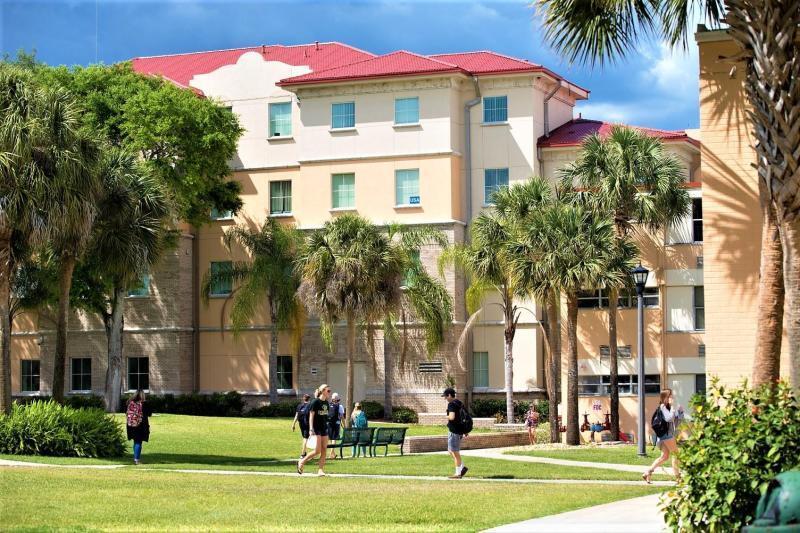
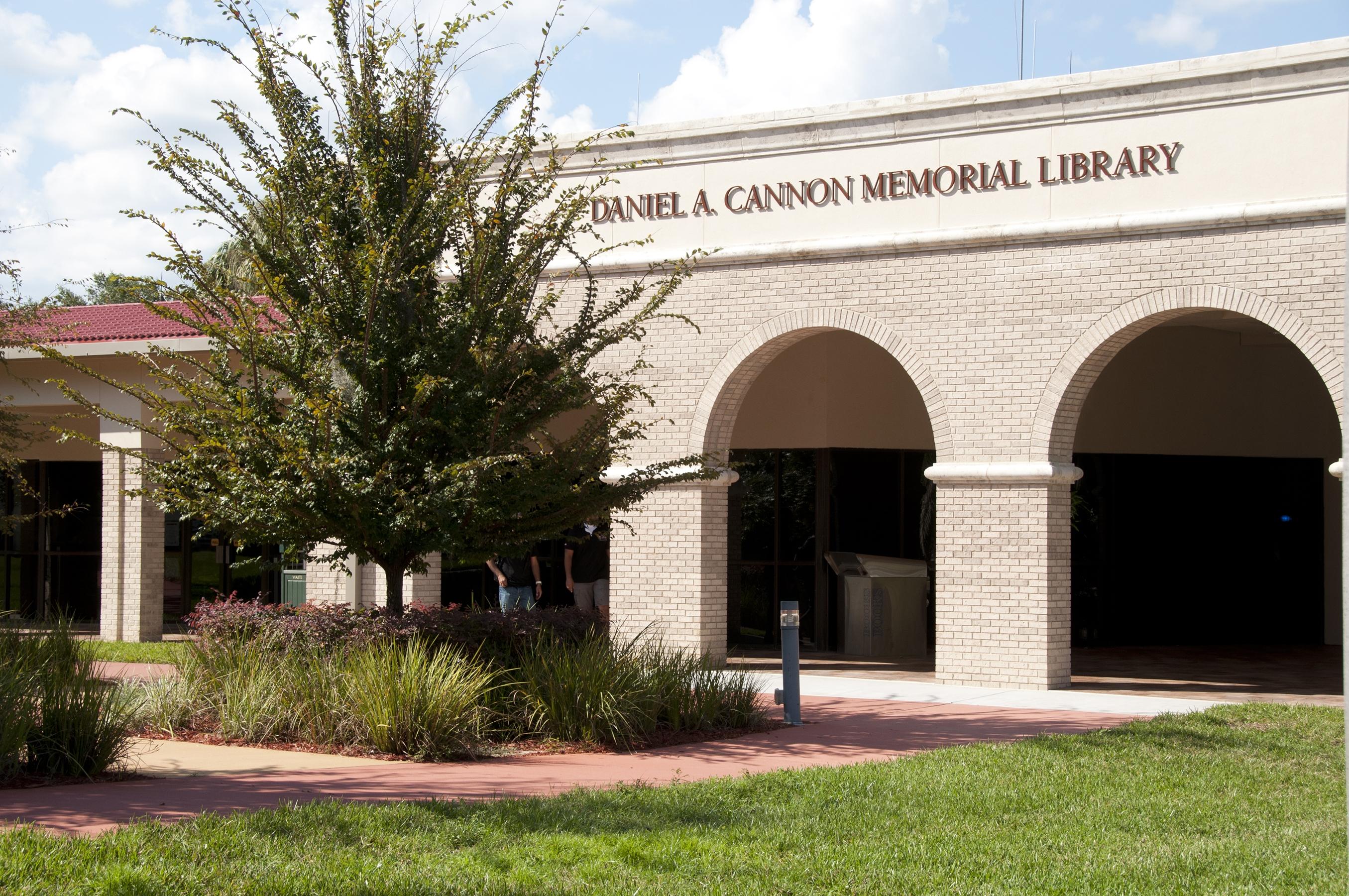
Campus Photos
Saint Leo University
About Saint Leo University
Saint Leo University: Courses, Tuition Fees, Admissions and Student Life
Introduction
Saint Leo University is a private Catholic university located in Saint Leo, Florida, United States. Established in 1889, the university offers undergraduate and graduate programs in areas such as business, computer science, cybersecurity, criminal justice, education, psychology, healthcare, and liberal arts. It combines academic instruction with professional development, student support, and opportunities for personal growth.
For international students planning to study in the United States, Saint Leo University offers a campus-based educational experience in Florida. Its academic programs cater to students with different interests, from business and technology to social sciences and professional studies. The university also provides international admissions guidance to help applicants understand entry requirements, English proficiency, scholarships, and immigration documentation.
The university's location offers a quieter setting than major metropolitan centers while maintaining access to the wider Tampa Bay region. Students can experience campus life, participate in student organizations, and explore the surrounding area during their studies.
Before applying, prospective students should carefully compare the available courses, tuition fees, living expenses, scholarship conditions, and career opportunities. This guide explains the main features of Saint Leo University and the information international applicants should consider when making their decision.
About Saint Leo University
Saint Leo University is a private Catholic institution with a long history of providing higher education. Its educational approach emphasizes academic development, ethical responsibility, service, and respect for people from different backgrounds.
The university offers a broad selection of academic programs through its colleges and schools. Students can investigate disciplines such as business, technology, education, social sciences, criminal justice, and health-related studies. Undergraduate programs provide foundational knowledge, while graduate programs allow eligible students to develop more specialized expertise.
Saint Leo serves a diverse student population and provides academic advising, library resources, career support, and student services. These resources can help students manage coursework, explore professional goals, and adjust to university life.
Academic departments may provide practical projects, research activities, internships, or other applied learning opportunities. Availability depends on the chosen program, academic standing, and individual eligibility.
International students should review the curriculum and course delivery format for their intended degree. Saint Leo offers campus-based education as well as other learning formats, but international students who require an F-1 student visa must ensure that their chosen study arrangement satisfies applicable immigration requirements.
Location and Campus Environment
Saint Leo University's main campus is located in Saint Leo, Florida, in Pasco County, north of Tampa. The campus provides classrooms, academic facilities, residential accommodation, dining services, recreational areas, and spaces for student activities.
The university's setting offers a campus-centered environment with opportunities for students to focus on academic work and participate in university life. The surrounding area includes local services, shops, restaurants, and outdoor recreation options.
Tampa and other communities in the wider region provide additional opportunities to explore cultural attractions, entertainment, professional events, and employment markets. Students should check transport options and travel times before planning regular trips beyond campus.
Florida's climate is generally warm, with hot summers and a rainy season. Students arriving from other countries should prepare for local weather conditions and budget for everyday expenses such as clothing, transportation, and personal supplies.
Before selecting accommodation, applicants should compare on-campus housing with available off-campus options. They should consider rent, meals, transport, utility costs, and access to classes and student services.
Courses and Academic Programs
Saint Leo University offers academic programs across several subject areas. Available degrees, specializations, and entry requirements can change, so students should check the current university catalog before applying.
Business and Management
Business programs can suit students interested in accounting, management, marketing, finance, human resources, and organizational decision-making.
Depending on the degree, students may study business communication, economics, financial reporting, marketing strategy, management principles, and organizational behavior. These subjects help learners understand how businesses operate, allocate resources, manage employees, and respond to market changes.
Students can strengthen their academic preparation through presentations, collaborative assignments, independent projects, and relevant professional experiences where available.
Graduates may explore career opportunities in business operations, finance, marketing, management, accounting, and related areas. Career prospects depend on the student's specialization, practical experience, professional skills, and employer requirements.
Computer Science and Cybersecurity
Students interested in technology can explore computer science, cybersecurity, and related computing programs offered by the university.
Depending on the course, students may study programming, information systems, software development, networking, data management, computer security, and technical problem-solving.
Cybersecurity-focused study can introduce students to information protection, security risks, network defense, and methods used to protect digital systems. Computing programs may also help students develop analytical thinking and practical technical skills.
Students should supplement classroom learning with personal projects, technical practice, and a portfolio that demonstrates their abilities. These activities can be valuable when applying for internships or entry-level roles.
Applicants should confirm the exact degree structure, available specializations, and mathematics or technical prerequisites for their chosen program.
Criminal Justice
Saint Leo University offers academic opportunities in criminal justice and related subjects. These programs can appeal to students interested in law enforcement, public safety, corrections, investigations, and the study of criminal behavior.
Coursework may cover the criminal justice system, criminology, law, ethics, public institutions, and related social issues, depending on the selected degree.
Students develop skills in research, communication, critical thinking, and understanding institutional processes. Career opportunities depend on the degree, additional training, relevant background checks, and any licensing or citizenship requirements associated with specific positions.
International applicants should research the employment rules of the country where they hope to work after graduation.
Psychology and Social Sciences
Psychology and social science programs can help students explore human behavior, relationships, development, and social institutions.
Depending on the program, coursework may include psychological theory, research methods, social behavior, developmental psychology, and the analysis of human experiences.
These subjects can develop research, writing, analytical, and interpersonal skills. Graduates may consider further study or roles in areas related to community services, human resources, research support, and other fields where their qualifications are relevant.
Students who want to become licensed psychologists or enter other regulated professions should understand that additional education, supervised experience, and licensing requirements may apply.
Education
Education-related programs provide opportunities for students interested in teaching, learning, instructional methods, and educational development.
Depending on the degree, coursework may include educational psychology, curriculum design, assessment, teaching strategies, and classroom practice.
Applicants planning to work as teachers should check the certification requirements of the state or country where they intend to teach. Completing a degree alone may not satisfy every professional requirement.
Liberal Arts and Other Programs
Saint Leo also provides academic pathways in liberal arts and related disciplines. These subjects can help students develop communication, research, critical thinking, and cultural awareness.
Students should compare available majors and course structures to identify a program that matches their interests and future plans.
Tuition Fees and Cost of Studying
The cost of attending Saint Leo University depends on the academic year, program, enrollment status, campus arrangement, and individual expenses.
For the 2026–2027 academic year, the university's official international student financial form estimates the following annual undergraduate costs for a full-time student attending for a nine-month academic period:
- Tuition: approximately US$35,000
- Fees: approximately US$1,600
- Books: approximately US$1,076
- Housing and meals: approximately US$14,840
- Health insurance: approximately US$1,845
These figures produce an estimated total annual cost of approximately US$54,361. This is an official planning estimate, not a guaranteed invoice or final net price. Actual charges may change, and scholarships can affect eligible tuition costs.
Graduate students have different costs depending on their program and credit load. The university's financial documentation provides a separate graduate estimate and identifies different tuition rates for certain degrees. Applicants should request the appropriate estimate for their intended course.
Additional expenses may include travel, personal supplies, transportation, seasonal clothing, and other costs not fully reflected in a standard budget.
International students who require an F-1 visa must demonstrate sufficient financial resources for the period specified by the university. Students should prepare financial documents early and avoid relying on an unconfirmed scholarship or future job to meet essential costs.
Admission Requirements
Saint Leo University's admission requirements vary according to the applicant's academic history and chosen program.
Undergraduate Admission
First-year applicants generally need to have completed secondary education equivalent to a United States high-school qualification.
The university recommends a suitable academic background that includes English, mathematics, science, history or social sciences, a foreign language, and elective subjects.
Applicants are generally required to submit an application and official high-school transcripts. A recommendation letter may be optional for standard first-year admission, while some applicants may need additional supporting documents.
The university follows a test-optional policy for undergraduate SAT and ACT scores, subject to the conditions of that policy. Students should confirm the current requirements for their applicant category.
Transfer applicants must submit records from previously attended colleges or universities. The university determines whether previous coursework can be accepted toward the intended degree.
Graduate Admission
Graduate applicants generally need a bachelor's degree or an accepted equivalent qualification. Specific academic requirements depend on the chosen master's or doctoral program.
Applicants may need to submit official transcripts, a résumé, a statement of purpose, recommendation letters, or other materials requested by their academic department.
Some graduate programs have additional prerequisites or professional requirements. International applicants should review the exact degree requirements and confirm whether their previous qualifications meet the university's standards.
English Language Requirements
International applicants generally need to demonstrate English proficiency unless they qualify for an accepted exemption.
Saint Leo's published direct-entry benchmarks include IELTS 6.0, TOEFL iBT 71, Duolingo 105, and PTE 59. The university also accepts a Medium of Instruction letter under its stated policy.
Applicants who fall below the direct-entry requirements may be considered for a Bridge pathway, depending on their scores and eligibility. This pathway may involve additional English-language support while students begin eligible academic coursework.
Requirements can change, so students should check the current policy before booking a test or submitting an application. Graduate and professional programs may have different conditions.
Financial and Immigration Documentation
International students who require an F-1 student visa must complete the university's Form I-20 documentation process.
Applicants are generally asked to provide passport details, a Certificate of Finances, and recent evidence of available funds. Documents must meet the university's requirements, including rules concerning document age and English translation.
The university's published financial form states that students must demonstrate the ability to cover at least one year of academic and living expenses. Applicants should follow the latest instructions provided by the international admissions team.
Admission and Form I-20 issuance do not guarantee visa approval. Students should follow official immigration procedures and submit accurate documentation.
Application Process
International applicants can approach the Saint Leo University application process in a series of steps.
Step 1: Choose a program. Select a degree that matches your previous education, interests, and career goals. Check whether the course is campus-based, online, or offered in another format.
Step 2: Review eligibility. Confirm academic prerequisites, English proficiency requirements, and any program-specific conditions.
Step 3: Prepare academic records. Collect secondary-school or university transcripts, certificates, and any required translations.
Step 4: Submit the application. Complete the appropriate application through the university's designated admissions process.
Step 5: Provide supporting documents. Submit academic records, English proficiency evidence or accepted documentation, and any additional materials requested by the university.
Step 6: Monitor your application. Check application updates and respond promptly to requests for missing documents.
Step 7: Review your admission decision. Examine the offer and any conditions, scholarship information, tuition estimates, and enrollment requirements.
Step 8: Complete financial documentation. Provide the required proof of funds and other information needed for Form I-20 processing if applicable.
Step 9: Prepare for arrival. Arrange accommodation, health insurance, travel, orientation, and other practical matters before classes begin.
Saint Leo accepts applications on a rolling basis for many programs, but deadlines and available start dates vary. International students should apply early enough to allow time for financial documentation, visa appointments, and travel planning.
Scholarships and Financial Aid
Saint Leo University offers merit-based awards and other financial assistance to eligible students. Scholarship amounts and eligibility depend on the academic year, enrollment category, previous academic performance, and award conditions.
For 2026–2027, the university lists several awards for incoming first-year students at its University Campus. Published awards include the Presidential Award of up to US$24,000, the Dean's Award of up to US$21,000, the Excellence Award of up to US$20,000, the University Award of up to US$18,000, and the Campus Award of up to US$15,000.
Transfer applicants may be eligible for separate awards, including the Presidential Transfer Award of up to US$19,000, with other transfer scholarships available at different amounts.
These are maximum award amounts, not guaranteed scholarships. Students should confirm whether an award is available to international applicants, whether it applies to their program, and whether it is renewable.
Some awards may be combined with other eligible scholarships, while others may have restrictions. Students should read their financial aid offer carefully and request clarification if the net cost is unclear.
International students should not assume that United States federal or state aid intended for eligible domestic students will be available to them. They should investigate university scholarships, approved external funding, and family or sponsor support.
A realistic budget should cover the remaining tuition and living expenses even if a scholarship is awarded.
Accommodation and Student Life
Saint Leo University's campus provides residential options and student facilities that support daily university life. Housing availability, room types, meal plans, and prices depend on the university's current arrangements and the student's eligibility.
On-campus accommodation can provide convenient access to classrooms, libraries, dining facilities, and student activities. It may also help international students build friendships and adjust to their new environment.
Students considering off-campus housing should compare rent, utilities, transport, food, lease terms, and access to essential services. Transportation needs are particularly important for students who plan to travel regularly beyond the campus.
Student life includes campus events, student organizations, recreational opportunities, athletics, volunteering, and academic activities. Taking part in these experiences can help students develop communication skills and connections outside the classroom.
International student services can help students understand university expectations, immigration responsibilities, orientation arrangements, and practical matters associated with studying in the United States.
Students should prepare for Florida's climate and budget for everyday living costs. Planning housing and travel arrangements early can make the transition to university life easier.
Career Development and Employment Opportunities
Saint Leo University's academic programs can help students build knowledge and skills relevant to their chosen careers.
Business students can develop abilities in management, finance, marketing, and organizational decision-making. Computing students can build technical portfolios, while criminal justice and social science students can develop research, analytical, and communication skills.
Students should take advantage of relevant career resources, résumé preparation, networking activities, internships where available, and practical projects during their studies.
The university's location in Florida provides access to regional employers and professional communities across different sectors. However, job opportunities depend on qualifications, skills, experience, market conditions, and individual eligibility.
International students must follow the employment rules associated with their immigration status. On-campus work may be available but is not guaranteed, and off-campus employment or internships may require authorization.
Students should consult the university's international student advisers before accepting work. A university degree can support career development, but it does not guarantee employment, a particular salary, or professional licensure.
Why Choose Saint Leo University?
Saint Leo University may appeal to students seeking a private university with a campus-based educational experience in Florida.
Potential advantages include:
- Academic programs across business, technology, criminal justice, education, psychology, and other disciplines.
- International admissions guidance and support with immigration documentation.
- Merit scholarship opportunities for eligible students.
- A residential campus with student organizations and recreational activities.
- English-language support pathways for eligible applicants who do not meet direct-entry requirements.
The university's scholarship offerings may help reduce tuition costs for eligible students, but the final amount payable depends on the student's award and full cost of attendance.
Prospective students should compare Saint Leo with other universities based on program content, tuition, living expenses, scholarship conditions, campus environment, and professional objectives.
Frequently Asked Questions
1. Where is Saint Leo University located?
Saint Leo University is located in Saint Leo, Florida, United States, north of Tampa.
2. Is Saint Leo University open to international students?
Yes. The university accepts international applicants for eligible campus-based programs and provides guidance on admission and immigration documentation.
3. How much does Saint Leo University cost for international undergraduates?
The official 2026–2027 financial form estimates annual undergraduate attendance costs of approximately US$54,361 before individual scholarships, including tuition, fees, books, housing, meals, and health insurance.
4. Does Saint Leo University offer scholarships?
Yes. The university offers merit awards for eligible first-year and transfer students. Published maximum awards for 2026–2027 include up to US$24,000 for certain incoming first-year students, subject to eligibility and availability.
5. What English proficiency scores are accepted?
Published direct-entry benchmarks include IELTS 6.0, TOEFL iBT 71, Duolingo 105, and PTE 59. A Medium of Instruction letter may also be accepted under the university's policy.
6. Can international students work while studying?
Employment depends on immigration status and applicable regulations. Students should consult the university's international student advisers before accepting on-campus work, internships, or off-campus employment.
7. Is on-campus housing available?
Yes. Residential options are available, subject to university policies and space. Students should confirm housing costs, meal plans, and deadlines before arrival.
8. Does Saint Leo University offer rolling admissions?
Many programs accept applications on a rolling basis, but deadlines and available start dates vary by program and applicant category. International students should apply early to allow time for visa preparation.
Conclusion
Saint Leo University offers international students opportunities to pursue undergraduate and graduate education in Florida across business, computing, criminal justice, education, psychology, and other academic areas.
Its campus environment, international student support, and merit scholarship opportunities may make it worth considering for students planning to study in the United States. However, applicants should evaluate the complete cost of attendance rather than tuition alone and confirm the scholarship conditions that apply to their individual circumstances.
By reviewing program requirements, preparing academic and financial documents early, and comparing universities carefully, prospective students can determine whether Saint Leo University matches their academic ambitions and future career goals.
Entry Requirements
General Entry Requirement
IELTS 6.5 overall
Fees & Scholarships
Annual Tuition Fees
USD 28,600 - USD 42,000
Ready to Apply to Saint Leo University?
Our advisors guide you from eligibility check to offer letter — at no cost to you.
Join our WhatsApp Community

Scan to join our student community for admission updates & guidance