
Annual FeesUSD 14,000 - USD 30,000
Saginaw Valley State University
LocationUS
Entry RequirementIELTS 6.0 overall
Visa Success Rate60%
Campus Photos
Saginaw Valley State University
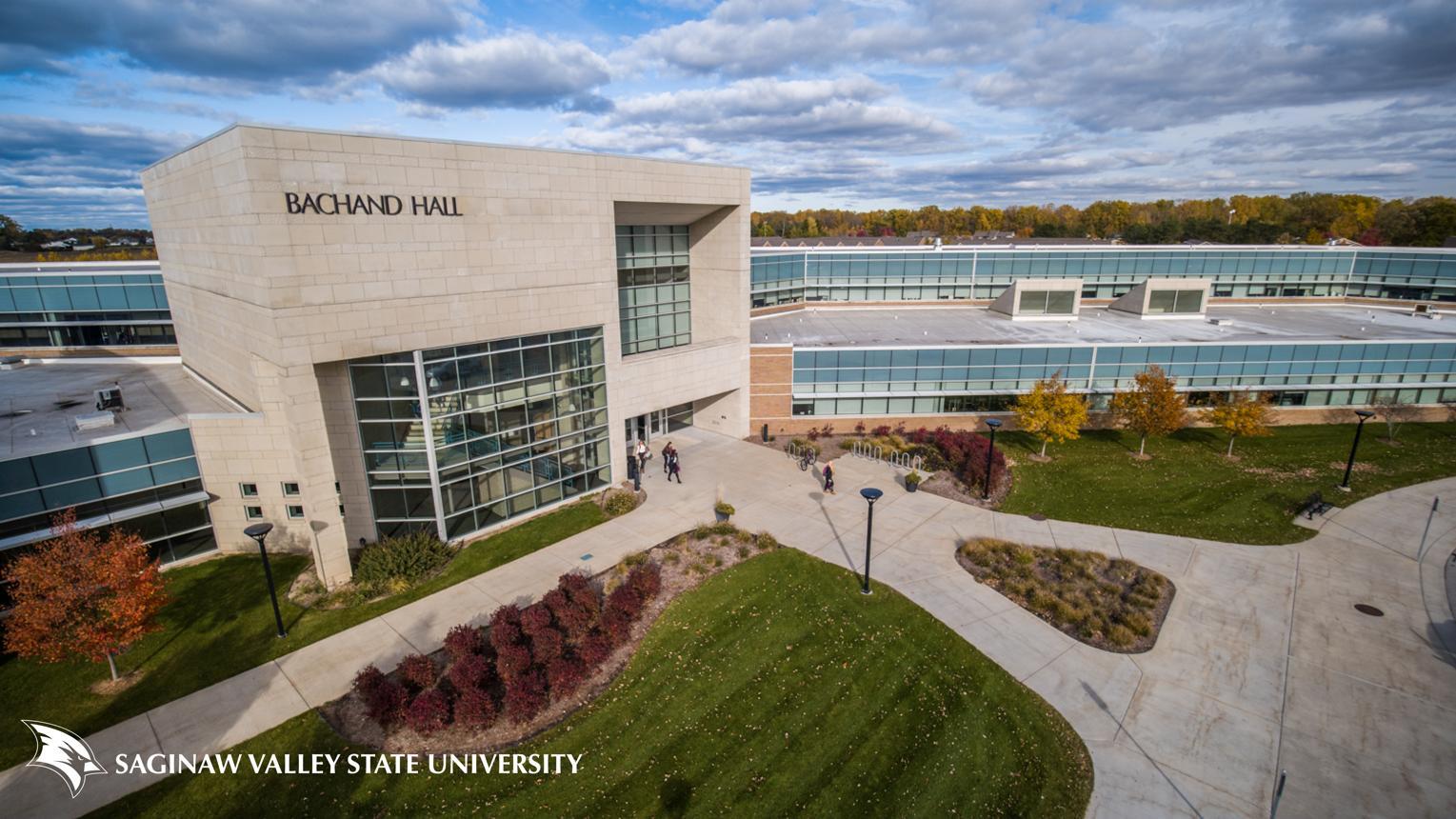
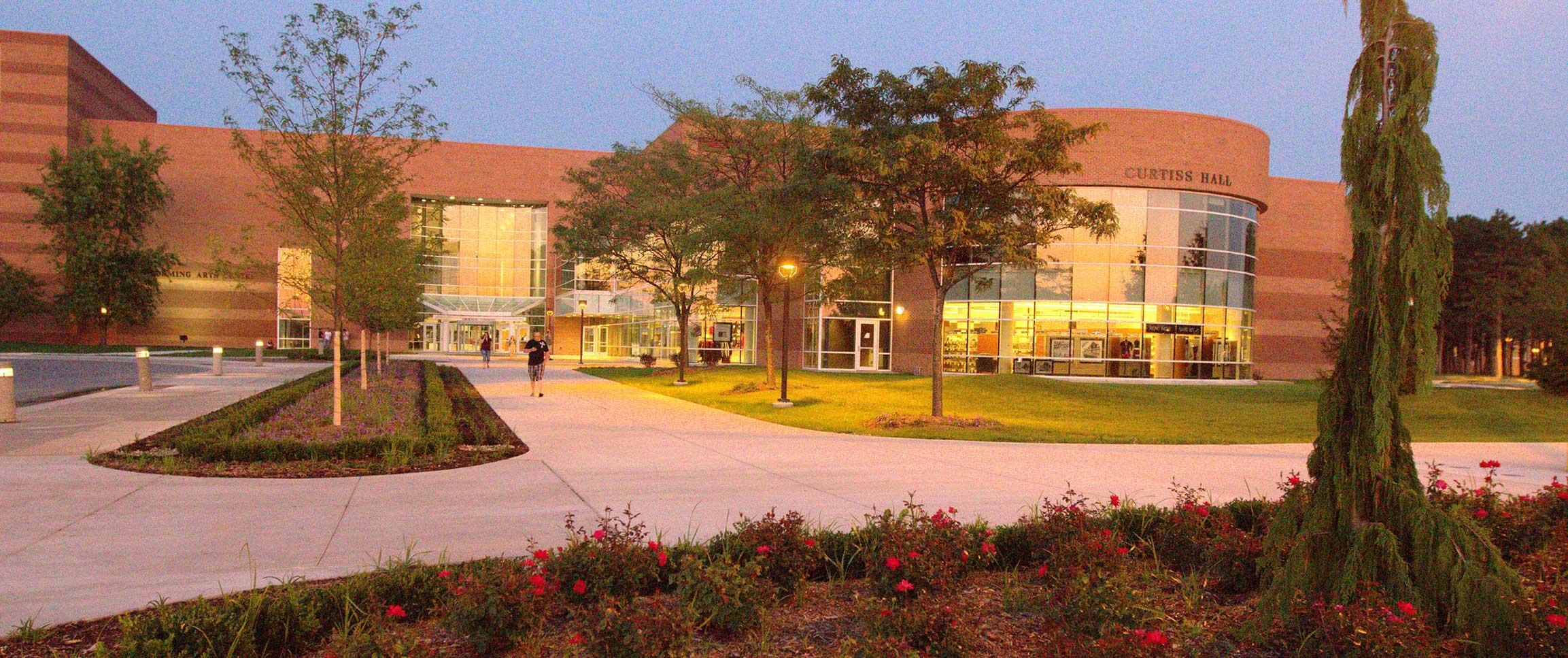
About Saginaw Valley State University
Saginaw Valley State University: Courses, Tuition Fees, Admissions and Student Life
Introduction
Saginaw Valley State University (SVSU) is a public university located in University Center, Michigan, United States. The university offers undergraduate and graduate programs across several academic disciplines, including business, engineering, computer science, education, health and human services, science, and the arts. Its campus environment combines academic learning, student engagement, and opportunities for professional development.
For international students considering higher education in the United States, SVSU offers an opportunity to study in Michigan while experiencing life in a university-centered community. Its academic programs provide different pathways for students who want to build technical knowledge, prepare for professional careers, pursue graduate education, or explore research opportunities.
The university welcomes students from a range of countries and provides international admissions support to help applicants understand academic requirements, scholarships, immigration documentation, and arrival arrangements.
Choosing a university involves evaluating more than tuition alone. Students should compare their preferred programs, academic entry requirements, living expenses, scholarship eligibility, and career objectives. This guide covers the main information prospective students need when considering Saginaw Valley State University.
About Saginaw Valley State University
Saginaw Valley State University is a public institution serving undergraduate and graduate students through a variety of academic programs. Its educational approach focuses on developing subject knowledge, critical thinking, communication, and practical skills that students can apply beyond the classroom.
SVSU offers programs through academic colleges that include business and management, science and engineering, health and human services, and education. The university also provides academic support services and opportunities for student participation in campus activities.
Students can pursue different educational goals depending on their previous qualifications and intended careers. Undergraduate degrees provide a foundation in a chosen field, while graduate programs offer more specialized study for eligible applicants.
Academic departments may provide opportunities to participate in research, collaborative projects, laboratories, internships, and other practical experiences. Availability depends on the course, academic performance, departmental resources, and individual eligibility.
The university's international community also allows students to interact with classmates from different cultural backgrounds. This can help students develop communication skills, gain new perspectives, and build relationships that support their academic experience.
Prospective applicants should review the official degree catalog to confirm the program's curriculum, duration, campus requirements, and any additional admission conditions.
Location and Campus Environment
SVSU is located in University Center, Michigan, near the city of Saginaw and within the Great Lakes Bay Region. The university's campus includes academic buildings, student facilities, residential accommodation, recreational spaces, and services that support university life.
The campus environment offers a university-focused setting away from the pace of a major metropolitan downtown. Students can attend classes, access learning resources, participate in student organizations, and spend time with classmates within the campus community.
The surrounding region provides access to shopping, restaurants, local services, outdoor recreation, and community activities. Students should research public transportation and commuting arrangements because travel options may differ from those available in larger American cities.
Michigan experiences distinct seasons, including cold winters and warmer summers. International students arriving from warmer climates should plan for suitable clothing, winter footwear, and additional seasonal expenses.
Students should also consider the distance between campus, accommodation, grocery stores, and other essential services when planning their daily routines.
Courses and Academic Programs
SVSU offers academic programs across several subject areas. Available majors, concentrations, and degree requirements can change, so students should consult the current university catalog before applying.
Business and Management
Business-related programs are suitable for students interested in accounting, finance, marketing, management, entrepreneurship, and organizational decision-making.
Depending on the degree, students may study business communication, economics, financial analysis, marketing strategy, accounting principles, and organizational behavior. These subjects help students understand how companies operate, manage resources, and respond to market changes.
Practical assignments and group projects can help students develop teamwork, presentation, and analytical skills. Students can further strengthen their preparation by participating in relevant internships, student organizations, or independent projects where available.
Graduates may pursue opportunities in business operations, accounting, marketing, finance, management, and related professional areas. Career outcomes depend on the student's degree, skills, experience, and the requirements of individual employers.
Computer Science and Information Technology
Students interested in technology can investigate SVSU's computing and technology-related academic programs.
Depending on the chosen degree, students may study programming, software development, databases, algorithms, information systems, computing fundamentals, and technical problem-solving.
Computing students should combine academic study with practical work. Developing software projects, building a technical portfolio, and collaborating with other students can help demonstrate their abilities.
Potential career directions may include software development, systems analysis, information technology, database-related work, and other computing roles. Students should examine the curriculum carefully to understand which technical subjects are included and whether the degree aligns with their preferred career.
Engineering and Applied Sciences
SVSU offers engineering and science-related academic opportunities for students interested in technical design, scientific investigation, and applied problem-solving.
Depending on the program, coursework may involve mathematics, scientific principles, laboratory work, engineering design, data analysis, and technical reporting.
These subjects can help students understand how scientific and engineering concepts are applied to practical challenges. Students may also have opportunities to work on projects that require collaboration, experimentation, and critical thinking.
Applicants should check the mathematics and science prerequisites for their selected degree and ensure that their previous education meets the relevant requirements.
Health and Human Services
Health and human services programs can appeal to students interested in healthcare, human development, community support, and related professional fields.
Coursework varies by degree and may include scientific foundations, health-related knowledge, research methods, human behavior, and practical learning.
Some programs have additional requirements, such as prerequisite courses, clinical experiences, professional assessments, or specific documentation. Students considering a health-related career should review these conditions before applying.
A university qualification does not automatically guarantee professional licensure or employment. Applicants should check the professional requirements that apply in the location where they intend to work.
Education
SVSU provides academic pathways for students interested in teaching, learning, educational development, and related fields.
Depending on the program, students may explore instructional methods, educational psychology, curriculum development, assessment, and classroom practices.
Students planning to become teachers should confirm whether their intended degree meets the relevant teacher certification requirements. These requirements can vary by state, subject area, and educational level.
Tuition Fees and Cost of Studying
The cost of attending Saginaw Valley State University depends on the academic year, degree level, course load, housing arrangement, and other expenses.
For the 2026–2027 academic year, SVSU's published international undergraduate cost estimate lists full-time tuition and fees at approximately US$14,280 per academic year, including the Red & White Award tuition reduction for eligible international students.
The university estimates housing and meals at approximately US$13,000 and miscellaneous expenses, including mandatory health insurance, at approximately US$2,640. Based on these estimates, the total annual undergraduate cost is approximately US$29,920.
These amounts are estimates and can change. Additional professional fees may apply to some majors, and students should verify the costs associated with their specific program.
Graduate tuition is calculated separately. SVSU publishes a rate of approximately US$800 per credit hour for the graduate courses covered by its published schedule. The estimated total cost therefore depends on the number of credits taken and the student's living arrangements.
Students should budget for expenses such as:
- Tuition and university fees
- Housing and meals
- Books and academic supplies
- Transportation
- Health insurance
- Personal expenses and seasonal clothing
- Travel between the United States and their home country
Living off campus may reduce some expenses, but actual costs depend on rent, utilities, transportation, food, and lease conditions.
International applicants requiring an F-1 visa must also provide the financial documentation requested by the university. Students should plan using the full estimated cost of attendance rather than relying on a scholarship or job that has not been confirmed.
Admission Requirements
Admission requirements differ for first-year undergraduate students, transfer applicants, and graduate students.
Undergraduate Admission
First-year applicants generally need to complete secondary education equivalent to a United States high-school qualification and submit the required academic records.
International students should prepare official transcripts and certificates. Documents issued in another language may need certified English translations according to the university's instructions.
Applicants must complete the appropriate application and provide any additional materials requested by the admissions office or academic department.
Transfer applicants should submit records from previously attended colleges or universities. The university will determine whether previous coursework can be accepted toward the intended degree.
Graduate Admission
Graduate applicants generally need a bachelor's degree or an accepted equivalent qualification. Specific requirements depend on the program and may include minimum academic standards, prerequisite subjects, official transcripts, a résumé, recommendation letters, or a statement of purpose.
Some graduate programs may require additional documentation or professional experience. Students should review the requirements for their exact degree rather than assuming that all graduate applications follow the same process.
English Language Requirements
International applicants generally need to demonstrate English proficiency unless they qualify for an accepted exemption.
SVSU lists several accepted English language examinations, including IELTS, TOEFL, Duolingo, and PTE. Published undergraduate minimums include Duolingo 105, IELTS 5.5, and PTE 50. Applicants should confirm the current requirements, accepted test formats, and any program-specific conditions before submitting their applications.
Graduate programs may require higher scores or additional evidence of language proficiency.
Students who need to improve their English should allow enough time to prepare for an accepted test and ensure that official results reach the university before the relevant deadline.
Financial and Immigration Documentation
Students who require an F-1 visa must complete the university's immigration documentation process after satisfying the applicable admission conditions.
The university may request a valid passport, proof of sufficient financial resources, and supporting documents from a sponsor where relevant. These materials are used to establish eligibility for the Form I-20 process.
Applicants should submit accurate information and allow sufficient time for document processing, visa arrangements, and travel planning. Admission to SVSU does not guarantee visa approval.
Application Process
International students can approach the application process in a structured way.
Step 1: Choose a program. Identify a degree that matches your previous education, interests, and career goals. Check the curriculum, campus location, and program requirements.
Step 2: Check eligibility. Review the academic entry requirements and English language proficiency rules for your intended level of study.
Step 3: Prepare documents. Collect academic transcripts, certificates, passport information, and any required English translations.
Step 4: Complete the application. Submit the appropriate international application and pay the published international application fee, which is currently US$50.
Step 5: Submit supporting materials. Provide English proficiency scores and any additional documents requested by the university or academic department.
Step 6: Monitor your application. Check your application status and respond promptly to requests for further information.
Step 7: Review the admission decision. If admitted, examine your offer, enrollment instructions, tuition information, and scholarship details.
Step 8: Complete financial documentation. Submit the required proof of funding and other information needed for Form I-20 processing if applicable.
Step 9: Prepare for arrival. Arrange housing, health insurance, travel, orientation, and other practical matters before classes begin.
Application deadlines depend on the intended semester and applicant category. Students should consult the current international admissions instructions and avoid relying on deadlines published for previous academic years.
Scholarships and Financial Aid
SVSU offers scholarship opportunities that can help eligible international students manage their education costs.
Red & White Award
The Red & White Award is a major tuition reduction for international undergraduates. International students are typically charged the non-resident tuition rate, and this award reduces eligible tuition charges to an amount equivalent to the Michigan resident tuition rate.
For the 2026–2027 academic year, the published international undergraduate estimate includes this reduction, resulting in full-time tuition and fees of approximately US$14,280.
President's International Scholarship
The President's International Scholarship for undergraduates ranges from US$1,000 to US$5,000 per year. It is a competitive award intended for international students with strong prior academic performance.
Global Bridge Scholarship
The Global Bridge Scholarship also ranges from US$1,000 to US$5,000 per year for eligible international undergraduate students. Funding is applied according to the scholarship's conditions.
SVSU states that applications are reviewed for consideration for the scholarships listed through its international program information, without a separate application for those particular awards. Other donor-funded scholarships may have additional application requirements.
Awards may be renewable when students maintain satisfactory academic progress and meet the relevant conditions. Eligibility and funding are not guaranteed, and students should carefully review their award letters.
Scholarships can reduce educational costs, but applicants should plan to cover the remaining tuition, housing, meals, insurance, and other expenses.
Accommodation and Student Life
SVSU provides residential options for students who want to live on campus. Housing availability, residence-hall arrangements, meal plans, and costs depend on the university's current policies.
Living on campus can make it easier to access classes, libraries, recreational facilities, and student activities. It can also help students develop friendships and participate in university life.
Students may also consider off-campus accommodation, depending on their preferences and budget. They should compare rent, utilities, transportation, meal costs, and lease conditions before deciding where to live.
Campus life includes student organizations, recreational activities, university events, athletics, and academic opportunities. Participating in these activities can help international students build relationships and become familiar with their new environment.
The university's Office of International Programs provides information and support for international applicants and admitted students. Services include guidance on the application process, orientation, housing, travel, and visa-related preparation.
Students should also prepare for differences in weather, food, transportation, and everyday expenses. Planning ahead can make the transition to life in Michigan more comfortable.
Career Development and Employment Opportunities
SVSU's academic programs can help students build knowledge and skills relevant to different professional fields.
Business students may develop abilities in management, accounting, finance, and marketing. Computing students can build technical portfolios through projects, while engineering and science students can develop analytical and problem-solving skills through coursework and practical assignments.
Students should explore career services, networking events, résumé support, internships where available, and relevant campus opportunities during their studies.
The university's location in Michigan places students within a regional economy that includes manufacturing, healthcare, business services, education, and technology-related industries. However, access to employment depends on individual qualifications, experience, market conditions, and employer requirements.
International students must comply with the employment rules associated with their immigration status. On-campus work may be available but is not guaranteed. Off-campus employment and internships may require authorization, so students should consult the university's international student advisers before accepting work.
A degree can support career development, but graduation does not guarantee a job or a particular salary. Students should develop practical experience and professional skills throughout their studies.
Why Choose Saginaw Valley State University?
SVSU may appeal to students seeking a public university with a campus-centered environment, a range of academic programs, and tuition support for eligible international students.
Its potential advantages include:
- Academic programs across business, engineering, computing, education, science, and health-related fields.
- A campus environment in University Center, Michigan.
- International student services and application guidance.
- The Red & White Award, which reduces eligible undergraduate tuition costs.
- Additional scholarship opportunities for qualifying international students.
- Residential facilities and opportunities for student participation.
The university's tuition reduction can make it an option worth exploring for students seeking a more affordable American university experience. However, applicants should evaluate the complete cost of attendance and confirm that the intended degree matches their academic and professional objectives.
Comparing SVSU with other institutions can help students assess program content, campus environment, living costs, scholarship eligibility, and career opportunities before making a final decision.
Frequently Asked Questions
1. Where is Saginaw Valley State University located?
SVSU is located in University Center, Michigan, United States, near the city of Saginaw.
2. Is SVSU open to international students?
Yes. The university welcomes international students from many countries and provides international admissions and student support services.
3. How much is undergraduate tuition for international students?
For 2026–2027, the published estimate is approximately US$14,280 per academic year after the Red & White Award tuition reduction. Housing, meals, and miscellaneous expenses bring the estimated total annual cost to approximately US$29,920.
4. Does SVSU offer scholarships to international students?
Yes. Opportunities include the Red & White Award, the President's International Scholarship, and the Global Bridge Scholarship, subject to eligibility and funding.
5. Which English proficiency tests does SVSU accept?
Accepted options include IELTS, TOEFL, Duolingo, and PTE. Students should check the current minimum scores for their intended program.
6. What is the international application fee?
SVSU's published international application fee is US$50. Applicants should confirm the current amount before submitting their application.
7. Is on-campus accommodation available?
Yes. SVSU offers residential options, subject to availability and university policies. Students should review housing and meal-plan costs before arrival.
8. Can international students work while studying?
Employment depends on immigration status and applicable regulations. Students should consult international student services before accepting on-campus work, internships, or off-campus employment.
Conclusion
Saginaw Valley State University offers international students opportunities to pursue undergraduate and graduate education in Michigan across business, computing, engineering, science, education, and health-related disciplines.
Its international admissions support, residential campus environment, and tuition reduction for eligible undergraduate students may make it an attractive option for students seeking to study in the United States.
Before applying, prospective students should verify academic requirements, English proficiency rules, tuition, scholarship eligibility, housing arrangements, and visa documentation. Careful financial planning and early preparation can help students navigate the application process and decide whether SVSU is the right fit for their academic ambitions and future career plans.
Entry Requirements
General Entry Requirement
IELTS 6.0 overall
Fees & Scholarships
Annual Tuition Fees
USD 14,000 - USD 30,000
Ready to Apply to Saginaw Valley State University?
Our advisors guide you from eligibility check to offer letter — at no cost to you.
Join our WhatsApp Community

Scan to join our student community for admission updates & guidance