
Annual FeesAUD 24,000 – AUD 42,000
SAE University College
LocationAustralia
Entry RequirementIELTS 6.0 overall
Visa Success Rate75%
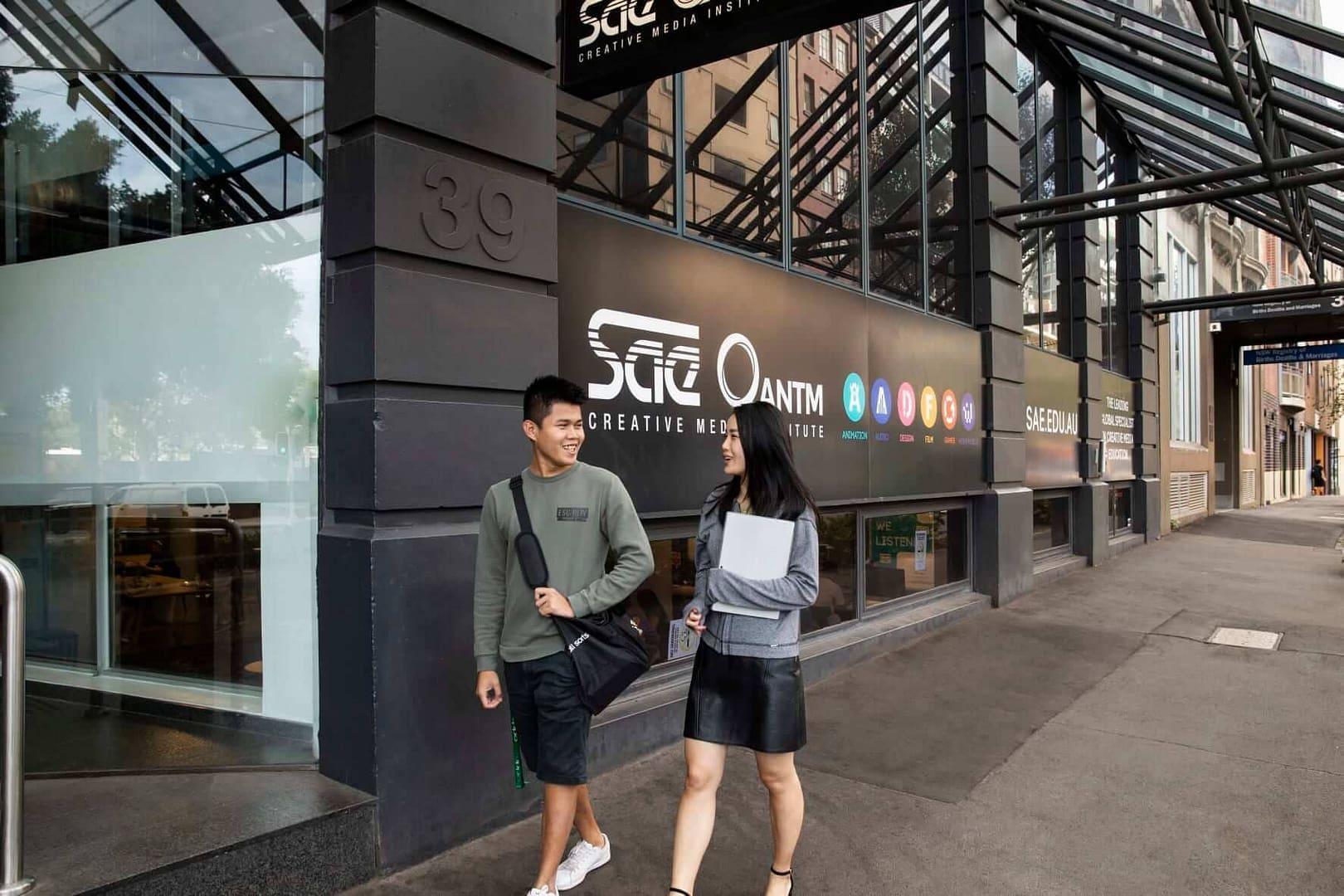
Campus Photos
SAE University College

About SAE University College
SAE University College: Courses, Fees, Entry Requirements & Student Life in Australia
SAE University College is a specialist higher-education provider in Australia focused on creative media, technology and the creative industries. The institution offers practical, project-based education across areas such as animation, audio, computer science, creative industries, design, film, games, information technology, music, visual effects and virtual production.
SAE operates six Australian campuses in Adelaide, Brisbane, Byron Bay, Melbourne, Perth and Sydney, giving students the opportunity to choose a study destination that matches their preferred lifestyle and creative interests. SAE also provides selected online study options, although international students must meet specific campus-based study requirements.
Since 2023, SAE has been registered as a University College with the Australian Government's Tertiary Education Quality and Standards Agency (TEQSA). It is authorised to self-accredit programs in Creative Arts and Computer Science at specified Australian Qualifications Framework levels. SAE is also registered to provide approved courses to international students under CRICOS.
SAE's approach is strongly focused on learning by doing. Students work on projects, develop portfolios and gain practical experience designed to prepare them for professional careers in creative media and technology.
What is SAE University College Known For?
SAE University College is particularly known for:
- Animation
- Audio
- Film
- Games development
- Music
- Graphic and visual communication
- Creative industries
- Computer science
- Information technology
- Visual effects
- Virtual production
- Project-based learning
- Industry-focused education
- Creative technology
- Professional portfolios
- Work placement
- International student education
SAE is particularly suitable for students who want to build a career in creative media or technology and prefer practical project work alongside academic study.
Rather than focusing exclusively on traditional classroom theory, SAE's programs encourage students to create projects and build practical skills that can be demonstrated through a professional portfolio.
The current course catalogue includes qualifications from diploma and associate-degree level through bachelor's and master's programs.
Animation
Animation is one of SAE's major areas of creative study.
Animation students can develop skills used to create characters, environments, visual stories and digital content.
Depending on the selected course, students can develop knowledge in areas such as:
- 2D animation
- 3D animation
- Character development
- Storytelling
- Digital production
- Visual design
- Animation software
- Production workflows
- Portfolio development
The Bachelor of Animation is designed for students who want to build professional animation skills and develop creative work suitable for their portfolio.
Animation graduates can potentially explore careers in animation studios, film and television, advertising, games, digital media and other creative industries.
Audio
SAE also has a strong focus on audio and sound production.
Students interested in audio can develop skills in areas such as:
- Recording
- Mixing
- Sound design
- Music production
- Studio production
- Audio technology
- Post-production
- Live sound
The Bachelor of Audio Engineering is one of SAE's current featured courses. The program is designed around professional audio production and provides students with opportunities to work with industry-standard technologies and production environments.
Audio graduates may pursue careers in music production, recording, sound design, post-production, broadcasting, live events and other audio-related industries.
Film
Film is another major discipline at SAE.
Film students can develop knowledge and practical skills across different stages of production.
These can include:
- Screenwriting
- Directing
- Cinematography
- Editing
- Production
- Sound
- Visual storytelling
- Post-production
- Film project development
Students can work on creative projects and develop a portfolio that demonstrates their skills.
A film qualification can provide a foundation for careers in film production, television, advertising, online video, documentary production and other forms of screen media.
Games Development
The games industry combines technology, storytelling, design, audio and visual creativity.
SAE's games programs are designed for students interested in developing interactive experiences.
Students can explore areas such as:
- Game design
- Gameplay mechanics
- Game development
- Real-time engines
- Interactive media
- Programming
- 3D assets
- Collaborative production
SAE's current Bachelor of Games Development information highlights gameplay mechanics, real-time engines such as Unreal Engine, collaborative projects and professional portfolio development.
This makes games development a suitable option for students who want to combine technology with creative production.
Music
SAE provides music programs for students interested in songwriting, composition, recording and music production.
Students can develop skills in:
- Songwriting
- Composition
- Recording
- Studio production
- Music technology
- Digital audio
- Performance
- Music business
The Bachelor of Music is one of SAE's featured courses. The course information highlights areas including songwriting, composition, recording techniques and studio music production.
Students can use their projects to build a portfolio of music and production work while developing an understanding of the professional music environment.
Design & Visual Communication
SAE also offers creative design study.
Students interested in design and visual communication can develop skills in:
- Graphic design
- Visual communication
- Digital design
- Branding
- Typography
- Creative concepts
- Digital media
- Portfolio development
The Bachelor of Design & Visual Communication is among SAE's current featured bachelor's programs.
This area can suit students who want to pursue creative careers involving visual communication, branding, digital content and design.
Visual Effects & Virtual Production
Visual effects and virtual production combine creative storytelling with advanced technology.
Students can develop skills related to:
- Visual effects
- Digital compositing
- 3D production
- Virtual environments
- Real-time technologies
- Visual storytelling
- Production workflows
The Bachelor of VFX & Virtual Production is currently one of SAE's featured programs.
This field can be relevant to careers in film, television, games, advertising, virtual production and digital entertainment.
Computer Science & Information Technology
SAE is not limited to traditional creative media.
The institution also offers programs in Computer Science and Information Technology, allowing students to combine technical skills with a creative technology environment.
Students can develop knowledge in areas such as:
- Programming
- Software development
- Computer systems
- Information technology
- Digital technologies
- Problem-solving
- Data
- Application development
- Technology projects
The current course catalogue includes the Bachelor of Computer Science, Bachelor of Information Technology and Master of Information Technology.
These programs can be suitable for students who want a technology-focused career while studying in an institution with strong connections to creative digital industries.
Creative Industries
Creative Industries programs provide a broader approach to creative careers.
Students can explore how creative skills, technology, business and entrepreneurship interact within modern creative industries.
Possible areas include:
- Creative entrepreneurship
- Project management
- Digital media
- Creative production
- Business
- Communication
- Innovation
- Industry development
The Bachelor of Creative Industries and Master of Creative Industries are currently included in SAE's course portfolio.
Academic Environment
SAE's academic environment is strongly project-based.
The institution describes its international courses as project-based and cross-disciplinary, with students learning by doing and building an extensive portfolio of work.
Students can experience:
- Practical projects
- Studio-based learning
- Group projects
- Presentations
- Creative production
- Technical activities
- Portfolio development
- Industry projects
- Work placement
- Academic support
This approach can be particularly useful for students whose future employers want to see examples of their work rather than only academic grades.
Quick Facts
- Provider: SAE University College
- Provider type: Australian University College
- TEQSA Provider ID: PRV12042
- CRICOS Provider Code: 00312F
- Campuses: Adelaide, Brisbane, Byron Bay, Melbourne, Perth and Sydney
- International students: Yes
- Main areas: Animation, Audio, Computer Science, Creative Industries, Design, Film, Games, IT, Music and VFX
- Study levels: Diploma, Associate Degree, Bachelor and Masters
- Learning style: Project-based and practical
- Currency: Australian Dollar (AUD)
- International study: Available at Australian campuses
SAE's TEQSA registration and CRICOS approval mean that it is authorised to provide its approved higher-education programs to international students in Australia.
Q. Is SAE University College a university?
A. SAE is officially registered as an Australian University College rather than being classified as a traditional university. It is registered with TEQSA and has authority to self-accredit specified programs.
Q. Where is SAE University College located?
A. SAE has campuses in Adelaide, Brisbane, Byron Bay, Melbourne, Perth and Sydney.
Student Life at SAE University College
Student life at SAE is closely connected with creative production and collaboration.
Because students work on projects across different disciplines, they can interact with classmates studying different areas of the creative industries.
For example, a film student may work with students interested in audio, animation, games or visual effects.
This cross-disciplinary environment can help students:
- Meet creative peers
- Build friendships
- Develop teamwork
- Exchange ideas
- Work on collaborative projects
- Build professional networks
- Improve communication
- Develop confidence
International students can also experience life in their chosen Australian city while studying at SAE.
Campus & Facilities
SAE describes its campuses as providing specialised facilities and collaborative spaces designed for the creative media industries.
Depending on the campus and course, facilities can support areas such as:
- Audio production
- Music
- Film production
- Animation
- Games
- Visual effects
- Design
- Computing
- Creative technology
Students may work with specialist equipment and software relevant to their chosen discipline.
The exact facilities available vary by campus, so students should check the individual campus information before applying.
SAE also offers campus tours, allowing prospective students to explore the learning environment and speak with course advisors.
Student Activities
SAE's project-based environment creates opportunities for students to participate in collaborative activities.
Students can:
- Work on creative projects
- Collaborate across disciplines
- Build portfolios
- Participate in industry projects
- Meet other creative students
- Develop professional relationships
- Participate in campus events
- Explore creative communities
For students pursuing creative careers, these experiences can be valuable because professional creative work frequently involves collaboration between different disciplines.
International Student Experience
SAE welcomes international students from more than 40 countries across its Australian campuses.
International students can study at SAE campuses in Adelaide, Brisbane, Byron Bay, Melbourne, Perth and Sydney.
SAE states that international students participate in real-world Australian projects and can access specialised teachers, industry connections and personalised education.
International students normally need to study at an SAE campus. SAE states that international students can undertake up to one-third of their total course through online learning, but they must remain enrolled in at least one in-person course during a compulsory trimester.
A typical full-time study load is three to four units per trimester, although the exact load depends on the course.
SAE University College Courses
SAE offers programs at several levels.
Diploma Programs
Diploma programs provide focused foundation skills in specific disciplines.
Depending on the course, students can study areas such as:
- Audio
- Creative Industries
- Computer Science
- Film
- Game Development
- Graphic Design
- Music
- VFX
- 3D Animation
SAE explains that diplomas can also be used as pathways toward degree-level study at SAE or other Australian tertiary institutions.
Associate Degrees
An associate degree combines specialist skills with broader theoretical and analytical knowledge.
SAE describes associate degrees as qualifications that can provide a pathway into degree-level study.
Bachelor's Degrees
SAE's current bachelor's portfolio includes:
- Bachelor of VFX & Virtual Production
- Bachelor of Audio Engineering
- Bachelor of Music
- Bachelor of Design & Visual Communication
- Bachelor of Animation
- Bachelor of Computer Science
- Bachelor of Creative Industries
- Bachelor of Film
- Bachelor of Information Technology
- Bachelor of Games Development
The exact availability depends on campus and international eligibility.
Master's Degrees
Postgraduate options include programs such as:
- Master of Information Technology
- Master of Creative Industries
SAE also provides postgraduate certificates and diplomas in selected areas.
What Are the Best Programs at SAE University College?
The best program depends on the student's interests and career plans.
Animation: Suitable for students interested in character animation, digital storytelling and visual production.
Audio: Suitable for students interested in recording, sound design, music production and audio engineering.
Film: Suitable for students interested in screen production, cinematography, editing and directing.
Games Development: Suitable for students who want to combine programming, game design and interactive media.
Music: Suitable for students interested in songwriting, composition and studio production.
Computer Science: Suitable for students who want a technical career in software and computing.
Information Technology: Suitable for students interested in technology and digital systems.
VFX & Virtual Production: Suitable for students interested in visual effects, real-time technologies and digital production.
Creative Industries: Suitable for students looking for a broader creative and entrepreneurial education.
Students should compare course content, campus availability, tuition fees, entry requirements and career outcomes before choosing their program.
Practical Learning
Practical learning is one of SAE's defining features.
The institution states that its project-based, cross-disciplinary courses are designed around learning by doing and portfolio development.
Students can develop:
- Technical skills
- Creative thinking
- Problem-solving
- Communication
- Teamwork
- Project management
- Digital literacy
- Professional presentation
- Portfolio development
- Industry awareness
A student completing an animation course, for example, can demonstrate their skills through animation projects.
A film student can build a showreel or production portfolio.
An audio student can demonstrate recording and production work.
A games student can create playable projects.
A technology student can demonstrate software and computing projects.
This practical evidence can be valuable when applying for internships, placements or entry-level creative roles.
Careers & Employability
SAE's programs are designed to prepare students for professional careers in creative media and technology.
The institution highlights industry connections, specialised teachers and real-world projects as part of its student experience.
Career opportunities depend on the student's chosen discipline.
Graduates may explore careers in:
- Animation
- Film
- Television
- Audio
- Music
- Games
- Design
- Visual effects
- Virtual production
- Creative technology
- Software
- Information technology
- Digital media
- Creative business
Students can also develop transferable skills that are useful across multiple industries.
These include:
- Communication
- Teamwork
- Project management
- Problem-solving
- Digital skills
- Creativity
- Time management
- Professional presentation
Career Areas
Animation & Visual Effects
Possible career areas include:
- Animator
- 3D artist
- Character artist
- Motion graphics artist
- Visual effects artist
- Compositor
- Digital artist
Film & Screen Production
Graduates may explore:
- Film production
- Editing
- Cinematography
- Directing
- Screen production
- Post-production
- Digital content production
Audio & Music
Career areas can include:
- Audio engineer
- Sound designer
- Music producer
- Recording engineer
- Studio technician
- Live sound
- Post-production audio
Games
Graduates can explore:
- Game development
- Game design
- Gameplay development
- Technical art
- Interactive media
- Real-time production
Technology
Computer Science and IT graduates may explore:
- Software development
- IT
- Application development
- Systems
- Digital technology
- Technology support
- Computing
Placement & Internship Opportunities
Work-integrated experience is an important part of SAE's international student offering.
SAE states that its project-based courses prepare students for work placement in the final trimester of their bachelor's program. It also states that international students participate in real-world Australian projects and that the international course experience includes 80 hours of organised work placement.
Work placement can help students:
- Gain workplace experience
- Understand professional expectations
- Apply their skills
- Develop communication
- Build professional networks
- Improve their portfolio
- Strengthen employability
Students should check the exact placement arrangements for their individual course because course structures and requirements can vary.
SAE University College Fees – Tuition Costs for International Students
SAE calculates international tuition fees according to the current fee schedule and the units enrolled in during each trimester.
The institution states that tuition fees are processed after the census date of each trimester based on the unit price listed in the current SAE Fee Schedule. International students must pay their first trimester tuition on initial registration, with later tuition paid in instalments before subsequent trimesters.
Because tuition depends on the selected course, campus, study load and current fee schedule, students should check the latest SAE international fee schedule rather than relying on one fixed annual figure.
Students should also budget separately for:
- Accommodation
- Food
- Transport
- Overseas Student Health Cover
- Books
- Software
- Study materials
- Visa expenses
- Personal expenses
- Travel
- Equipment where required
Student Services and Amenities Fee
SAE also charges the Student Services and Amenities Fee (SSAF) to eligible students.
For 2026, SAE states that the maximum annual SSAF is AUD 373 for a full-time student, with the fee charged according to study load. The listed trimester amount is AUD 124 for full-time students and AUD 93 for part-time students.
International students should consider this additional cost when preparing their study budget.
Total Study Cost
The total cost of studying at SAE depends on more than tuition.
Students should consider:
- SAE tuition
- Student Services and Amenities Fee
- Accommodation
- Food
- Transport
- Overseas Student Health Cover
- Visa expenses
- Equipment and study materials
- Personal expenses
- Travel
Students should compare the cost of living in their chosen city before selecting a campus.
Sydney and Melbourne, for example, may have different living costs from Adelaide, Perth or regional locations such as Byron Bay.
Scholarships & Financial Support
Scholarship opportunities can vary depending on the student's course, campus, nationality and intake.
Students should check the current SAE scholarship information before applying because eligibility and scholarship conditions can change.
SAE also provides information about payment options and international tuition arrangements.
Students should remember that scholarships or fee assistance may not cover accommodation, living costs, visa expenses or other personal expenses.
Entry Requirements
Entry requirements depend on the selected SAE course and study level.
International applicants generally need to provide:
- Academic documents
- Passport
- Evidence of English competency
- Financial declaration
- Other course-specific documentation
SAE's international enrolment process states that applicants need to complete the international student enrolment form and provide a passport copy, academic documents, evidence of English competency and a completed Financial Declaration Form.
English-language requirements can vary according to the course.
Students should therefore check the specific course page rather than assuming that one IELTS score applies to every SAE qualification.
SAE's approved courses are available to international students under its CRICOS registration.
How to Apply
The general international application process involves:
- Choose your SAE course.
- Select your preferred campus.
- Review the academic requirements.
- Check the English-language requirements.
- Prepare your passport.
- Prepare academic documents.
- Prepare evidence of English competency.
- Complete the Financial Declaration Form.
- Submit the international enrolment application.
- SAE International Admissions reviews the application.
- Receive a Letter of Offer if successful.
- Accept the offer and complete the required payment.
- Receive the electronic Confirmation of Enrolment.
- Apply for the Australian student visa.
- Prepare for arrival and enrolment.
SAE confirms that international applicants can apply using its international enrolment process and that approved education agents can assist applicants.
International Study Pathways
SAE also provides international study pathways through its global network.
The institution has established partnerships and pathway arrangements that can allow eligible students to complete earlier study in another country and then progress to SAE Australia with advanced standing or credit, depending on the pathway.
This can be useful for international students who want to begin their education closer to home before transferring to Australia.
The exact credit and progression arrangements depend on the partner institution and selected SAE course.
The Honest Verdict – Is SAE University College Worth Considering?
SAE University College can be a strong option for students who want a specialised, practical education in creative media, technology or the wider creative industries.
SAE University College Is a Strong Choice If You...
- Want a career in creative media
- Are interested in animation
- Want to study audio or music production
- Are interested in film
- Want to develop games
- Are interested in visual effects
- Want to study virtual production
- Want to study computer science
- Want to study information technology
- Prefer project-based learning
- Want to build a professional portfolio
- Want practical industry experience
- Enjoy collaborative creative work
- Want to study in an Australian creative-media environment
It May Not Be the Right Fit If You...
- Prefer a traditional broad-based university
- Want to study disciplines outside SAE's creative and technology focus
- Prefer mostly theoretical education
- Do not enjoy project-based assessment
- Are not interested in creative media or technology
- Want a single large university campus with a very broad range of disciplines
- Prefer a study environment with little practical project work
The right choice depends on the student's career goals, creative interests, academic background and preferred learning style.
Frequently Asked Questions About SAE University College
Q. Is SAE University College officially recognised?
A. Yes. SAE is registered as a University College with TEQSA and is authorised to self-accredit specified programs. It also has CRICOS registration for approved courses offered to international students.
Q. Where can I study at SAE?
A. SAE has Australian campuses in Adelaide, Brisbane, Byron Bay, Melbourne, Perth and Sydney.
Q. What can I study at SAE?
A. Study areas include Animation, Audio, Computer Science, Creative Industries, Design, Film, Games, Information Technology, Music and VFX & Virtual Production.
Q. Does SAE accept international students?
A. Yes. SAE welcomes international students across its Australian campuses.
Q. How much does SAE cost?
A. Tuition varies according to the course and current fee schedule. SAE calculates international tuition according to the units enrolled and the current fee schedule.
Q. Does SAE offer internships or work placements?
A. Yes. SAE states that its international student experience includes organised work placement and that bachelor's students can undertake work placement in the final trimester, subject to the relevant course arrangements.
Q. Are SAE courses recognised internationally?
A. SAE states that its higher-education and VET courses are government accredited and that qualifications are recognised across Australia and internationally.
Q. Can I study online?
A. Study options vary by course and location. International students must study at an SAE campus, although SAE states that up to one-third of the total course can be undertaken through online learning, subject to its requirements.
Q. Does SAE require an ATAR for international students?
A. SAE has a dedicated international enrolment process and assesses international applicants based on the requirements of their chosen course. Students should check the current course-specific entry requirements before applying.
Q. Can I use a diploma as a pathway to a bachelor's degree?
A. Yes. SAE states that diploma and associate-degree qualifications can provide pathways into degree-level study at SAE and other Australian tertiary institutions, subject to the relevant pathway and credit arrangements.
A Final Word – Why SAE University College Deserves Your Consideration
SAE University College provides a distinctive higher-education experience for students interested in creative media, technology and the creative industries.
Its specialist focus on areas such as animation, audio, film, games, music, design, visual effects, computer science and information technology makes it different from a traditional broad-based university.
The institution's project-based approach is particularly valuable for students who want to graduate with practical work and a professional portfolio rather than relying solely on academic results. SAE states that its international courses involve real-world projects and organised work placement, helping students connect their studies with professional environments.
SAE's six Australian campuses also give students a choice of study destinations, ranging from major cities such as Sydney and Melbourne to locations such as Byron Bay.
Its TEQSA University College registration and CRICOS approval provide an established regulatory framework for its higher-education programs and international student delivery.
Students should nevertheless compare the exact course, campus, tuition fees, English requirements, scholarship conditions, work-placement arrangements and total living costs before applying.
Overall Verdict: SAE University College is a strong specialist option for students seeking practical, project-based education in creative media, technology and the creative industries, particularly those interested in building a professional portfolio and developing skills for careers in animation, audio, film, games, music, design, VFX, computer science or information technology.
Entry Requirements
General Entry Requirement
IELTS 6.0 overall
Fees & Scholarships
Annual Tuition Fees
AUD 24,000 – AUD 42,000
Ready to Apply to SAE University College?
Our advisors guide you from eligibility check to offer letter — at no cost to you.
Join our WhatsApp Community
.jpeg)
Scan to join our student community for admission updates & guidance