
Annual FeesUSD 63,000 - USD 84,000
Rochester Institute of Technology
LocationUS
Entry RequirementIELTS 6.0 overall
Visa Success Rate70%
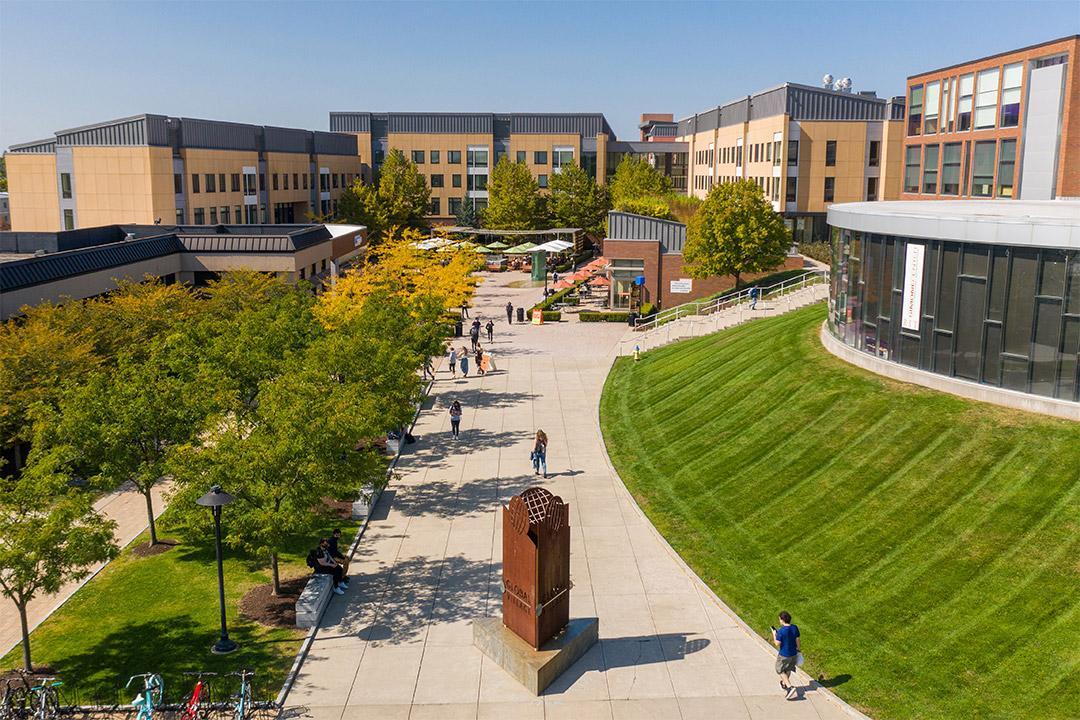
Campus Photos
Rochester Institute of Technology

About Rochester Institute of Technology
Rochester Institute of Technology: Courses, Tuition Fees, Admissions and Student Life
Introduction
Rochester Institute of Technology (RIT) is a private university located in Rochester, New York, United States. The university is recognized for its academic offerings in computing, engineering, business, art and design, science, communications, and technology. Its educational approach combines academic study with practical projects, experiential learning, and opportunities to gain professional experience.
RIT attracts students who want to explore technical, creative, and professional fields in an environment that connects classroom learning with real-world applications. Its cooperative education and internship opportunities can help eligible students gain workplace experience while developing skills relevant to their chosen careers.
The university also welcomes international students from many countries. International applicants can access dedicated admissions guidance, English-language requirements, scholarship information, and resources for preparing to study in the United States.
For prospective students, RIT may be an appealing option because of its broad academic portfolio, technology-focused learning environment, and emphasis on career preparation. However, applicants should compare individual programs, tuition fees, financial support, and eligibility requirements before deciding whether the university suits their academic and professional goals.
About Rochester Institute of Technology
Rochester Institute of Technology is a private university with a strong emphasis on applied education, innovation, and interdisciplinary learning. It offers undergraduate and graduate programs across a variety of academic areas, enabling students to pursue interests in technology, creative industries, business, science, and the humanities.
RIT's academic environment encourages students to develop subject knowledge alongside transferable skills such as critical thinking, communication, collaboration, and problem-solving. Depending on the chosen program, learning may involve laboratory work, design projects, research, presentations, technical assignments, or practical industry experiences.
The university is also associated with the National Technical Institute for the Deaf (NTID), which provides educational opportunities and support for deaf and hard-of-hearing students. This contributes to RIT's distinctive educational community.
Students should examine the curriculum and academic requirements of their intended degree rather than relying on the university's overall reputation alone. Course content, practical opportunities, prerequisites, and career pathways can differ significantly between departments.
Location and Campus Environment
RIT's main campus is located in Rochester, in western New York State. The campus includes academic buildings, laboratories, studios, student residences, dining facilities, recreational spaces, and resources that support academic and extracurricular activities.
Rochester offers a regional urban environment with cultural institutions, restaurants, shopping, parks, and community services. Students can explore the wider area during their studies, although transportation arrangements and travel times depend on the destination and schedule.
The campus environment provides opportunities to combine academic work with student organizations, events, sports, and other activities. Residential students may find it convenient to live close to classes and campus services, while students choosing off-campus housing should consider commuting time and transportation costs.
Rochester experiences cold winters and seasonal weather changes. International students arriving from warmer climates should plan for suitable clothing and prepare for differences in temperature throughout the academic year.
Before accepting an offer, applicants should review campus facilities, housing options, meal plans, student support services, and the location of facilities associated with their selected program.
Courses and Academic Programs
RIT offers programs across several broad academic areas. The available degrees, specializations, and entry requirements depend on the intended level of study and academic department.
Computing, Artificial Intelligence and Cybersecurity
RIT offers study options in computing-related fields, including computer science and other technology disciplines. Students interested in software, data, artificial intelligence, cybersecurity, and digital systems can explore relevant degrees through the university's academic catalogue.
Depending on the selected program, students may study programming, algorithms, software development, data management, computing systems, information security, or other technical subjects. Practical assignments and collaborative projects can help students apply theoretical concepts to real-world problems.
Applicants should compare course modules, mathematics prerequisites, laboratory facilities, and available specializations. Those interested in technology careers can also develop personal projects, practise coding, and build a portfolio that demonstrates their skills.
Engineering and Engineering Technology
Engineering programs prepare students to understand, design, analyse, and improve technical systems. Depending on the major, coursework may involve mathematics, physics, electronics, mechanical systems, computing, manufacturing, or engineering design.
RIT's applied learning environment can be valuable for students who enjoy practical problem-solving and collaborative technical work. Laboratory activities, design projects, and eligible experiential learning opportunities may help students understand how engineering principles are used in professional settings.
Students should confirm the prerequisites and curriculum of their intended engineering degree. Some programs require a strong background in mathematics and science, and applicants should check whether their previous education satisfies the relevant entry requirements.
Art, Design and Architecture
RIT also provides educational pathways in art, design, and related creative disciplines. These fields may suit students interested in visual communication, industrial design, digital design, photography, and other creative applications.
Depending on the chosen degree, students may develop skills in visual research, creative problem-solving, design software, image-making, and presenting ideas. Some programs may require a portfolio or additional creative materials during admission.
Applicants should carefully review portfolio expectations, project requirements, specialist equipment needs, and course-specific fees. A strong portfolio can help students communicate their creative abilities and demonstrate their approach to design challenges.
Game Design, Film, Photography and Animation
Students interested in digital entertainment and visual media can investigate programs in game development, film, photography, animation, and related areas. These disciplines can combine technical knowledge with storytelling, visual communication, artistic practice, and collaboration.
Depending on the degree, students may work with digital tools, creative software, production workflows, design principles, and project-based assignments. Applicants should review the specific program structure because creative and technical degrees can have different emphases.
Students planning careers in these industries may benefit from developing a portfolio, participating in collaborative projects, and building practical experience alongside academic study.
Business and Management
Business-related programs can appeal to students interested in management, finance, accounting, marketing, entrepreneurship, and organizational decision-making. Coursework may introduce business strategy, financial principles, leadership, operations, and communication.
Students can develop analytical and interpersonal skills through case studies, presentations, group assignments, and projects. Applicants should compare the curriculum and elective options of each business program to identify the subjects most relevant to their goals.
Internships, co-op opportunities, and networking activities may help eligible students understand workplace expectations and explore professional pathways.
Science, Mathematics and Health Professions
RIT offers programs across science, mathematics, and selected health-related disciplines. These areas can suit students interested in scientific research, laboratory work, analytical problem-solving, and applied health professions.
Depending on the course, students may study biology, chemistry, physics, mathematics, laboratory techniques, or other specialist subjects. Students should check whether the intended degree includes laboratory requirements, clinical experiences, additional certifications, or professional prerequisites.
Applicants planning to practise in a regulated profession should investigate the relevant licensing and qualification-recognition rules in the country where they intend to work.
Liberal Arts and Social Sciences
Liberal arts and social science programs help students explore communication, society, human behaviour, culture, and other academic questions. They can develop research, writing, critical thinking, and analytical skills.
These subjects may be suitable for students seeking a broad academic foundation or preparing for further study. Students should compare course content, research opportunities, and possible postgraduate pathways when choosing a major.
Tuition Fees and Estimated Cost of Study
Tuition and living expenses are important considerations when planning to study at RIT. The university publishes annual tuition, mandatory fees, housing, dining, and other estimated expenses for each academic year.
For the 2026–2027 academic year, published full-time undergraduate tuition for students taking 12 to 18 credits per semester is approximately USD 63,508 annually. Additional billable expenses include the student activities fee, student health services fee, housing, and a meal plan.
RIT estimates total annual billed expenses of approximately USD 81,978 for a typical new undergraduate student living on campus, including standard housing and food. When estimated books, personal expenses, transportation, and other costs are included, the total cost of attendance is approximately USD 84,868. First-year students should also account for the applicable orientation fee.
These figures are planning estimates rather than a personalized international student invoice. Actual expenses can vary with housing choices, meal plans, course load, program requirements, insurance arrangements, and individual spending.
Graduate tuition is different from undergraduate tuition and varies by degree and department. Students applying to master's or doctoral programs should use the fee information specific to their intended program.
International students should also budget for visa-related expenses, travel to the United States, health insurance, winter clothing, books, personal purchases, and unexpected costs. A realistic budget should cover the entire academic year rather than tuition alone.
Before accepting an offer, applicants should review the current official tuition schedule, confirm their expected charges, and determine how much funding will be required after scholarships or other confirmed assistance.
Admission Requirements for International Students
RIT welcomes international applicants to undergraduate and graduate programs. Admission requirements vary according to the applicant's educational background, chosen program, academic level, and intended entry term.
Undergraduate Admission
International undergraduate applicants generally need to provide secondary school academic records and complete the required application. Supporting documents depend on the applicant's background and the university's instructions.
Applicants may need to submit official transcripts, English-language test results, and additional academic materials. Programs in art, design, photography, film, animation, or other creative fields may have portfolio requirements. Certain technical or professional programs may require particular academic preparation.
Students should confirm whether their chosen program requires additional essays, recommendations, standardized test scores, or supplementary materials. They should also review application deadlines and the process for submitting international academic documents.
Graduate Admission
Graduate applicants generally need a relevant bachelor's degree or another qualifying prior credential. They may need to provide academic transcripts, a résumé, a statement of purpose, recommendations, test results, or a portfolio, depending on the program.
Some graduate programs have specific academic prerequisites or professional expectations. Applicants should examine the department's admission page to understand the required documents and how the application will be assessed.
Meeting the minimum criteria does not guarantee admission. Students should submit complete and accurate information and respond promptly to requests for additional documentation.
English Language Requirements
International applicants may need to demonstrate English proficiency to study successfully at RIT. The university accepts several forms of English-language evidence, with minimum requirements depending on the applicant's level of study and program.
For undergraduate applicants seeking full admission, RIT lists the following minimum scores for commonly accepted tests:
- Duolingo English Test: 120
- TOEFL iBT: 79 on the previous scoring scale or 4.5 on the new scale
- IELTS Academic: 6.5
- PTE Academic: 58
- LanguageCert Academic: 70
- Michigan English Test: 58
RIT may also consider undergraduate applicants for conditional admission when their English scores fall below the full-admission thresholds. Such applicants may need to complete additional English-language coursework. Graduate requirements vary by program and can include specific overall and section-score expectations.
Applicants should verify the current requirements before booking a test. They should also check score validity, official reporting procedures, and whether they qualify for a waiver.
English proficiency supports success in lectures, technical assignments, group projects, presentations, and professional placements. Preparing academic reading, writing, listening, and speaking skills before arrival can make the transition to university study easier.
How to Apply to Rochester Institute of Technology
International applicants should follow the application process for their chosen academic level and program.
Step 1: Select a program. Review the curriculum, academic requirements, career relevance, and available specializations.
Step 2: Check eligibility. Confirm academic prerequisites, English-language requirements, portfolio expectations, and application deadlines.
Step 3: Prepare academic records. Collect official transcripts, graduation certificates, and other required educational documents. Arrange translations where necessary.
Step 4: Complete the application. Submit the appropriate undergraduate or graduate application and provide the requested personal and academic information.
Step 5: Submit supporting materials. Provide English-language results, essays, recommendations, portfolios, or other materials required by the program.
Step 6: Review the decision. Monitor the application portal and email for updates or requests for additional documents.
Step 7: Review financial support. Check the scholarship information and complete the required financial documentation for international enrolment.
Step 8: Prepare for arrival. Follow RIT's instructions for immigration documentation, student visa arrangements, housing, health insurance, orientation, and travel.
Students should use the university's official instructions for the intended entry term because application procedures and deadlines may change.
Scholarships and Financial Support
RIT offers merit-based scholarships to qualified international students. Undergraduate applicants are generally considered for these awards during the admissions process, and eligible students are notified of their scholarship when they receive an admission decision.
Scholarship amounts and eligibility depend on the applicant's academic profile and the university's current award policies. Students should review the conditions carefully, including whether the award is renewable and what academic performance is required to retain it.
RIT does not typically offer full-tuition or full-cost scholarships to international undergraduates. Graduate funding differs by program, and some graduate students may qualify for partial tuition scholarships or other forms of support.
Additional funding options may include eligible on-campus employment and other approved financial arrangements. However, students should not rely on future employment to pay essential tuition or living expenses.
Before accepting an offer, applicants should calculate the remaining balance after confirmed scholarships and determine whether their family, sponsor, or other funding source can cover the expected costs.
Accommodation and Living Expenses
RIT offers on-campus housing options, with room types and costs varying according to residence hall, room configuration, and meal plan. Students should review the latest housing information and application deadlines before deciding where to live.
Living on campus can provide convenient access to classes, dining facilities, libraries, laboratories, recreational spaces, and student activities. It can also make it easier to meet classmates and participate in university life.
Some students may prefer off-campus accommodation. They should compare rent, utilities, transport, deposits, lease terms, and the distance to campus before making a decision. Lower rent may not necessarily result in lower total expenses if transportation costs are substantial.
Students should include meals, books, supplies, mobile service, clothing, health-related expenses, personal purchases, and occasional travel in their budget. International students arriving from warmer countries should also plan for seasonal clothing and winter conditions in Rochester.
Student Life and International Support
RIT's campus community includes students from many countries and academic backgrounds. Students can explore cultural organizations, clubs, recreational activities, campus events, and other opportunities to build friendships and develop interests outside the classroom.
International student resources help applicants understand admission procedures and prepare for their arrival. Students should become familiar with academic advising, health services, campus safety information, housing arrangements, and the responsibilities associated with their immigration status.
RIT's National Technical Institute for the Deaf provides specialized educational opportunities and services for deaf and hard-of-hearing students. Prospective applicants interested in these resources should review the relevant admissions information and program options.
Students can make the most of campus life by participating in activities, seeking academic support early, and building relationships with faculty and classmates. These experiences can support personal development and help students adjust to a new academic and cultural environment.
Cooperative Education, Career Development and Employment
One of RIT's notable features is its emphasis on experiential learning, including cooperative education and internships. Depending on the program and eligibility requirements, students may have opportunities to gain professional experience related to their degree.
Co-op placements can help students understand workplace expectations, apply academic knowledge, develop professional networks, and strengthen their résumés. Availability, timing, and eligibility vary by program, so applicants should ask their department how co-op fits into the degree structure.
Students can also prepare for employment by developing a portfolio where relevant, practising interviews, building communication skills, and learning to explain their academic projects clearly. Career preparation should begin early rather than being postponed until graduation.
International students must follow applicable immigration rules when undertaking internships or paid employment. A degree or co-op opportunity does not automatically guarantee work authorization or employment after graduation. Students should obtain current guidance from RIT's international student services team before accepting work.
Why Choose Rochester Institute of Technology?
RIT may be a suitable choice for students seeking a university with strong options in computing, engineering, design, business, science, and digital media. Its applied learning environment and cooperative education opportunities can be attractive to students who want to connect their studies with professional experience.
The university also offers an international student support structure, a variety of academic disciplines, and merit-based scholarship opportunities for qualified applicants. Its campus provides academic facilities, residential options, and opportunities to participate in student organizations and activities.
However, RIT's tuition and total cost of attendance are significant considerations. Students should compare the specific curriculum, scholarship offer, housing costs, experiential learning options, and career objectives with those of other institutions before making a final decision.
Frequently Asked Questions
1. Where is Rochester Institute of Technology located?
RIT is located in Rochester, New York, United States.
2. What courses does RIT offer?
RIT offers programs across computing, engineering, business, art and design, photography, film, animation, science, mathematics, health professions, and liberal arts. Exact degree options depend on the current academic catalogue.
3. How much is undergraduate tuition at RIT?
Published 2026–2027 undergraduate tuition is approximately USD 63,508 per year for a full-time student taking 12 to 18 credits per semester. The estimated total cost of attendance for a typical new undergraduate living on campus is approximately USD 84,868.
4. Does RIT accept international students?
Yes. RIT accepts international applicants for undergraduate and graduate programs, subject to the academic and documentation requirements of the chosen program.
5. Is English proficiency required?
International applicants generally need to provide English-language evidence unless they qualify for an applicable alternative or waiver. Minimum scores vary by program and admission category.
6. Are scholarships available for international students?
Yes. RIT offers merit-based scholarships to qualified international students. Full-tuition or full-cost undergraduate scholarships are not typically available, and award conditions should be checked carefully.
7. Does RIT provide co-op opportunities?
RIT emphasizes cooperative education and internships. Availability and requirements depend on the selected program and individual eligibility.
8. Does graduating from RIT guarantee a job in the United States?
No. Employment depends on qualifications, experience, employer requirements, and the job market. International graduates must also meet applicable immigration and work-authorization rules.
Conclusion
Rochester Institute of Technology offers international students a broad range of academic options in technology, computing, engineering, design, business, science, and other disciplines. Its emphasis on practical learning and cooperative education may appeal to students who want to develop professional skills alongside academic knowledge.
Prospective students should begin by identifying the right degree, checking admission and English-language requirements, and calculating the complete cost of attendance. They should also investigate scholarship eligibility, housing, co-op opportunities, and any additional requirements associated with their chosen program.
With careful research and financial planning, students can determine whether RIT aligns with their academic interests, professional ambitions, and available resources.
Entry Requirements
General Entry Requirement
IELTS 6.0 overall
Fees & Scholarships
Annual Tuition Fees
USD 63,000 - USD 84,000
Ready to Apply to Rochester Institute of Technology?
Our advisors guide you from eligibility check to offer letter — at no cost to you.
Join our WhatsApp Community

Scan to join our student community for admission updates & guidance